
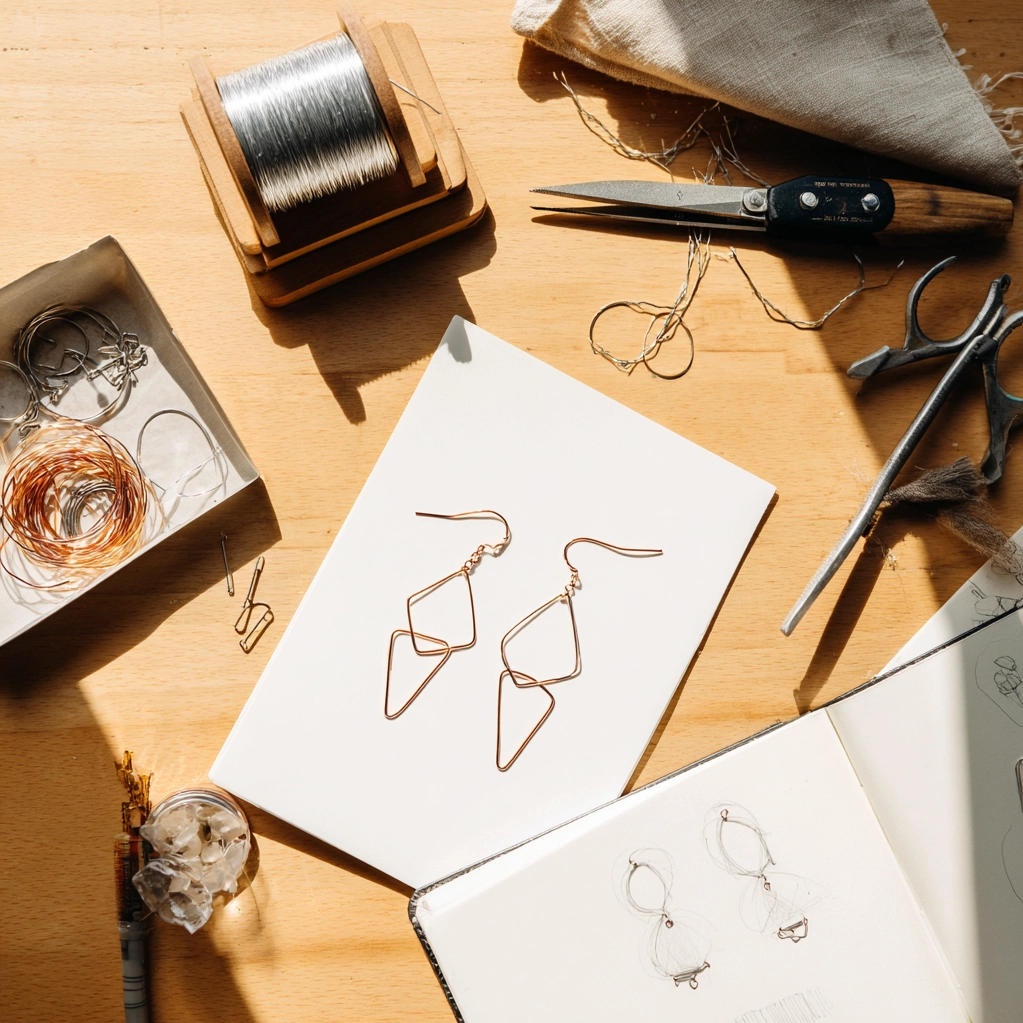
Unique DIY Wire Earrings Ideas: Stunning, Easy-to-Make Projects for Beginners


In today’s world of fast fashion and mass-produced accessories, there’s something truly special about wearing jewelry that reflects your personal creativity and style. Unique DIY wire earrings ideas offer more than just a fun crafting project—they provide an opportunity to express yourself through wearable art that no one else has. Whether you’re looking to create thoughtful handmade gifts, start a small business, or simply enjoy a relaxing hobby, wire earring making combines artistic expression with practical skills that anyone can learn. The beauty of wire jewelry lies in its versatility; with just a few basic tools and some wire, you can create everything from delicate minimalist designs to bold statement pieces that turn heads. This accessible craft doesn’t require expensive materials or years of training, making it perfect for beginners who want to dip their toes into jewelry making. As you explore different techniques and designs, you’ll discover that each pair of earrings tells a story—your story. The process of bending, twisting, and shaping wire into beautiful forms becomes a meditative practice that results in tangible, wearable creations. Plus, DIY wire earrings make wonderful personalized gifts that show you’ve put thought and care into something special. In this comprehensive guide, we’ll walk you through everything you need to know to create your own unique wire earrings, from essential tools and materials to step-by-step techniques and design inspiration. Get ready to unlock your creativity and craft earrings that are as unique as you are.
Essential Tools and Materials for Creating Unique DIY Wire Earrings
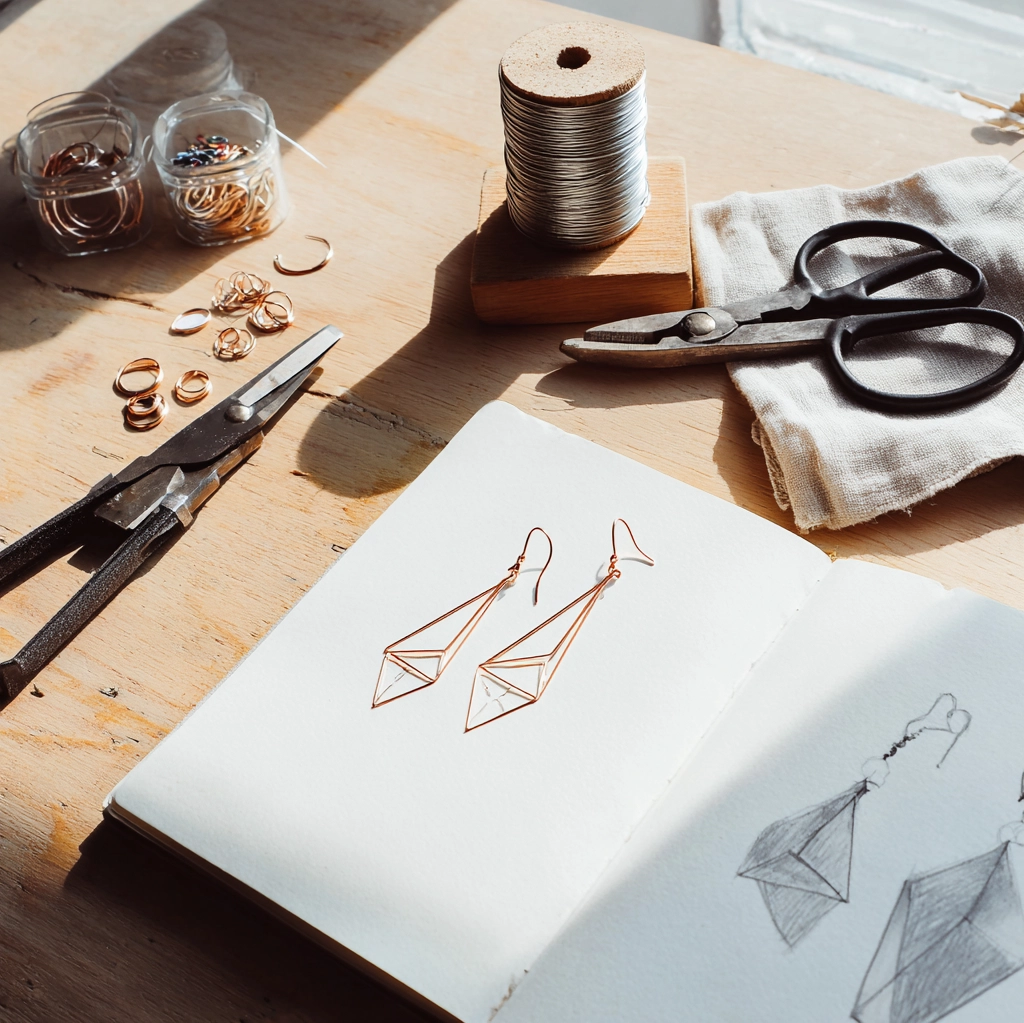
Before diving into your first wire earring project, it's crucial to gather the right tools and materials. Start with the basics: wire in various gauges and finishes. For beginners, 20-24 gauge wire works well for most designs, with copper, sterling silver, and gold-filled wires being excellent choices. You'll also need jewelry pliers—round-nose pliers for creating loops and curves, chain-nose pliers for gripping and bending, and wire cutters for trimming. A mandrel or dowel rod helps shape consistent curves, while a chasing hammer and bench block allow you to flatten and texture wire for added visual interest. Don't forget earring findings like hooks, posts, and jump rings to complete your creations. When selecting materials, consider both aesthetics and practicality. Copper wire offers a warm, rustic look and is affordable for practice, while sterling silver provides a classic, professional finish. For those wanting a gold appearance without the high cost, gold-filled wire offers durability and beauty. You can also incorporate beads, crystals, or small charms into your designs for extra flair. Storage matters too—keep your wires organized by gauge and material in labeled containers, and store small components in compartmentalized boxes. Having a dedicated workspace with good lighting makes the process more enjoyable and helps prevent eye strain. Remember that quality tools make a significant difference; investing in comfortable, well-made pliers will improve your precision and reduce hand fatigue. As you progress, you might add specialty tools like a bail-making plier or a wire jig for creating consistent patterns. With these essentials in hand, you're ready to explore the endless possibilities of unique DIY wire earrings ideas that reflect your personal style.
Beginner-Friendly Techniques for Crafting Unique DIY Wire Earrings
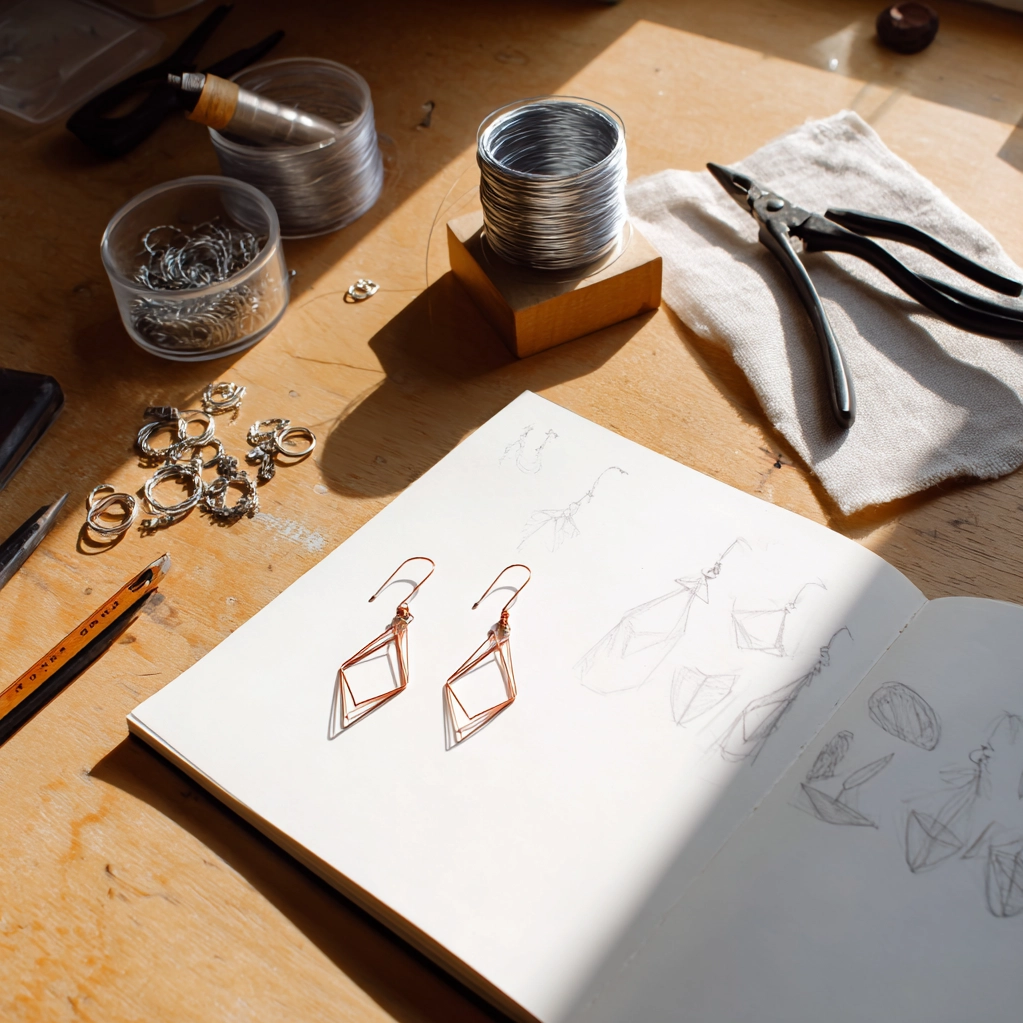
Mastering a few fundamental techniques opens the door to countless unique DIY wire earrings ideas. Start with the basic loop—this simple skill forms the foundation for connecting components and creating elegant designs. Practice making consistent loops using your round-nose pliers until you can create uniform circles every time. Next, explore wire wrapping, which involves coiling wire around itself or other elements to secure beads or create decorative patterns. This technique adds texture and visual interest while providing structural integrity. For those interested in geometric designs, learning to make clean bends and angles is essential. Use your chain-nose pliers to create sharp corners, or wrap wire around a mandrel for perfect curves. Don't be afraid to experiment with hammering—gently flattening sections of wire on a bench block creates beautiful texture and changes the wire's reflective properties. This technique works particularly well for making statement pieces that catch the light. Another accessible method involves creating simple wire shapes like hearts, stars, or abstract forms. Sketch your design first, then use your pliers to bend the wire into shape, trimming any excess as needed. For earrings with movement, try making dangles or chandelier-style designs using jump rings and multiple wire elements. Remember that practice makes perfect—start with copper wire for your initial attempts, as it's affordable and forgiving. As you gain confidence, you can incorporate beads by creating wrapped loops or using headpins. The key to successful wire earring making is patience and attention to detail. Take your time with each step, ensuring your wraps are tight and your finishes are smooth. These basic techniques will empower you to create everything from delicate studs to elaborate statement earrings that showcase your growing skills.
Inspiring Design Ideas for Unique DIY Wire Earrings Projects
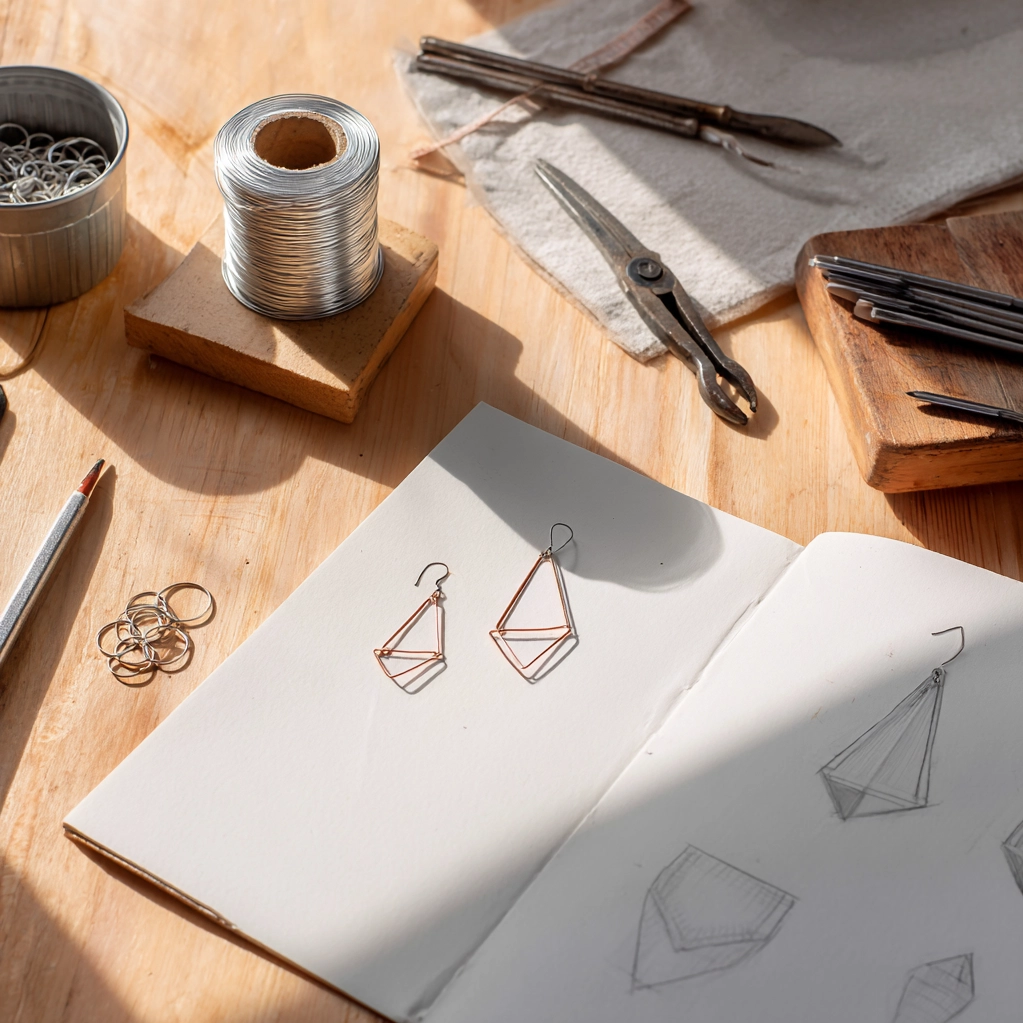
When brainstorming unique DIY wire earrings ideas, let your imagination run wild while keeping wearability in mind. For minimalist lovers, consider simple geometric shapes like triangles, circles, or squares made from thicker gauge wire. These clean designs look modern and elegant, especially when paired with a hammered texture or polished finish. Nature-inspired earrings offer another beautiful direction—create delicate leaf shapes, floral patterns, or abstract organic forms that evoke the beauty of the natural world. You can enhance these designs by incorporating small crystal or gemstone accents that catch the light. If you enjoy vintage aesthetics, try making Art Deco-inspired patterns with symmetrical lines and geometric precision, or romantic Victorian-style earrings featuring intricate scrollwork and pearl accents. For bold statement pieces, experiment with larger scales and mixed materials. Combine multiple wire gauges in the same design, or incorporate chain elements for movement and drama. Asymmetrical designs have gained popularity for their contemporary edge—create earrings where each side differs slightly while maintaining visual balance. Don't overlook seasonal inspiration either; make snowflake patterns for winter, floral designs for spring, or sunburst motifs for summer. When developing your unique DIY wire earrings ideas, consider color through wire finishes and bead selections. Mix metals for a trendy look, or stick to one metal type for classic elegance. Remember that earrings should be lightweight enough for comfortable all-day wear, so test your designs as you create them. Sketching your ideas first helps visualize proportions and balance before you begin working with wire. As you explore different styles, you'll develop a signature aesthetic that makes your creations truly one-of-a-kind.
Conclusion
Creating unique DIY wire earrings is more than just a craft—it's a journey of self-expression that combines artistic vision with practical skill-building. Throughout this guide, we've explored the essential tools, fundamental techniques, and inspiring design ideas that make wire jewelry making accessible to everyone. The beauty of this hobby lies in its flexibility; you can start with simple projects and gradually challenge yourself with more complex designs as your confidence grows. Each pair of earrings you create becomes a wearable testament to your creativity and attention to detail. As you continue exploring unique DIY wire earrings ideas, remember that perfection comes with practice. Don't be discouraged by initial imperfections—each bend and wrap teaches you something valuable. Consider joining online communities or local workshops to connect with other jewelry makers, share techniques, and find inspiration. Looking ahead, you might expand your skills into matching necklaces or bracelets, or even consider selling your creations at local markets or online platforms. The sustainable aspect of handmade jewelry also deserves recognition; by creating your own accessories, you're contributing to a slower, more thoughtful approach to fashion. Most importantly, have fun with the process. Let your personality shine through in every design decision, from wire selection to final finishing touches. Whether you're making earrings for yourself, as gifts, or for sale, the satisfaction of wearing or sharing something you've created with your own hands is truly unparalleled. So gather your tools, select your favorite wire, and start bending your way to beautiful, unique earrings that tell your story.
Frequently Asked Questions
Q: What type of wire is best for beginners making DIY earrings?
For beginners, 20-24 gauge copper wire is an excellent starting point. Copper is affordable, readily available, and easy to work with due to its softness, making it forgiving for practice. It also doesn't require special tools for cutting or shaping. As you gain confidence, you can progress to sterling silver or gold-filled wire for more durable and professional-looking results. The medium gauge (20-24) provides enough strength for earring structures while remaining manageable for bending and shaping.
Q: How do I prevent wire earrings from tarnishing over time?
To prevent tarnishing, start by choosing quality materials. Sterling silver and gold-filled wires are more resistant to tarnishing than pure copper or brass. For all metals, proper storage is key—keep finished earrings in airtight containers or anti-tarnish bags away from moisture and sunlight. You can also apply a clear jewelry sealant or lacquer designed for metals, though this may need occasional reapplication. Regular gentle cleaning with a soft cloth helps maintain shine. For copper earrings, embrace the natural patina as part of their character, or polish periodically with appropriate cleaners.
Q: Can I make wire earrings without any prior jewelry-making experience?
Absolutely! Wire earring making is one of the most accessible jewelry crafts for complete beginners. Start with simple projects like basic loops or geometric shapes that require minimal tools and techniques. Many excellent online tutorials and beginner kits are available to guide you through each step. The key is to begin with fundamental skills and practice consistently. Within just a few sessions, most people can create wearable earrings they're proud to show off. Remember that every expert was once a beginner—your skills will develop naturally as you work on more projects.