
Walk In Closet Layout Floor Plans: Essential Tips for Maximizing Your Space


Imagine stepping into a walk in closet that feels less like a storage space and more like a personal sanctuary. The secret to achieving this dream lies in one crucial element: the walk in closet layout floor plan. Far beyond just a diagram, a well-crafted floor plan transforms chaotic piles of clothing into an organized, functional, and beautiful dressing area. It’s the blueprint that determines how efficiently you can store everything from your favorite sweaters to your shoe collection, while creating a space that reflects your personal style. A thoughtfully designed walk in closet layout floor plan considers your daily routine, storage needs, and the physical dimensions of your space to create harmony between form and function. Many homeowners overlook this foundational step, only to find themselves struggling with clutter and wasted space. By investing time in planning your walk in closet layout floor plans, you ensure every inch serves a purpose, making morning routines smoother and your wardrobe more accessible. Whether you’re starting from scratch or renovating an existing closet, understanding how to create effective walk in closet layout floor plans is the first step toward a truly organized and inspiring space that will serve you for years to come.

Essential Elements of Walk In Closet Layout Floor Plans
Creating effective walk in closet layout floor plans requires understanding several key components that work together to maximize functionality. First, consider your storage zones. Most walk in closets benefit from designated areas for hanging clothes, folded items, shoes, and accessories. For hanging storage, you'll need to decide between single rods for full-length garments and double rods for shirts and pants. Shelving is crucial for folded items like sweaters and jeans, while shoe storage can range from slanted shelves to cubbies or racks. Another critical element in walk in closet layout floor plans is the circulation space. You should allow at least 24 to 36 inches of clear walking space between storage units to ensure comfortable movement. If you plan to include an island or seating area, you'll need additional clearance. Lighting is often overlooked in floor plans, but it's essential for functionality. Plan for both ambient lighting and task lighting in specific areas like dressing mirrors or jewelry displays. Don't forget about specialty storage needs in your walk in closet layout floor plans. Consider adding pull-out tie racks, belt hooks, or valet rods for temporary outfit planning. For those with extensive collections, specialized storage for handbags, hats, or jewelry can make a significant difference. The materials you choose also impact your floor plan – heavier items require sturdier shelving, while delicate fabrics might need specific climate considerations. By incorporating all these elements into your walk in closet layout floor plans, you create a space that's not just organized, but truly tailored to your lifestyle and wardrobe needs.
Popular Walk In Closet Layout Floor Plan Configurations
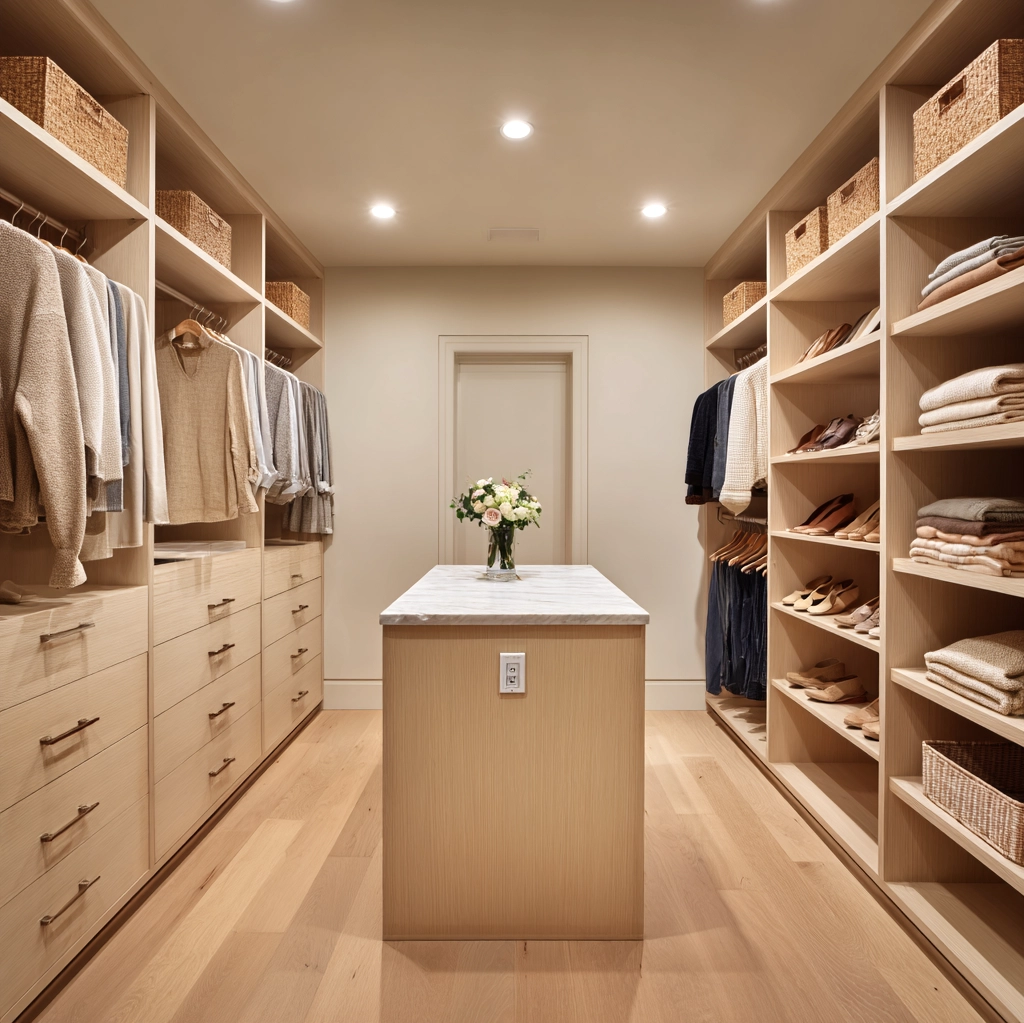
When designing your walk in closet layout floor plans, you'll encounter several common configurations, each with distinct advantages. The single-wall layout is perfect for narrow spaces, with storage along one wall and a clear walking area. This simple walk in closet layout floor plan works well for smaller closets or those with limited width. For more substantial spaces, the L-shaped configuration offers storage along two adjacent walls, creating a corner that can be optimized with specialized storage solutions. This walk in closet layout floor plan provides excellent accessibility while maximizing corner space that might otherwise be wasted. The U-shaped layout surrounds you with storage on three walls, offering maximum capacity in a relatively compact footprint. This walk in closet layout floor plan is ideal for medium-sized closets and allows for excellent organization with different zones on each wall. For larger spaces, the galley or parallel layout features storage on two opposing walls with a central aisle. This walk in closet layout floor plan provides ample hanging space and makes it easy to compare outfit options. The island layout adds a central furniture piece to any of these configurations, providing additional storage and a surface for folding or display. When choosing between these walk in closet layout floor plans, consider your room dimensions, the amount of storage needed, and how you move through the space. Many homeowners combine elements from multiple configurations to create custom walk in closet layout floor plans that perfectly match their unique requirements and available space.
Designing Custom Walk In Closet Layout Floor Plans
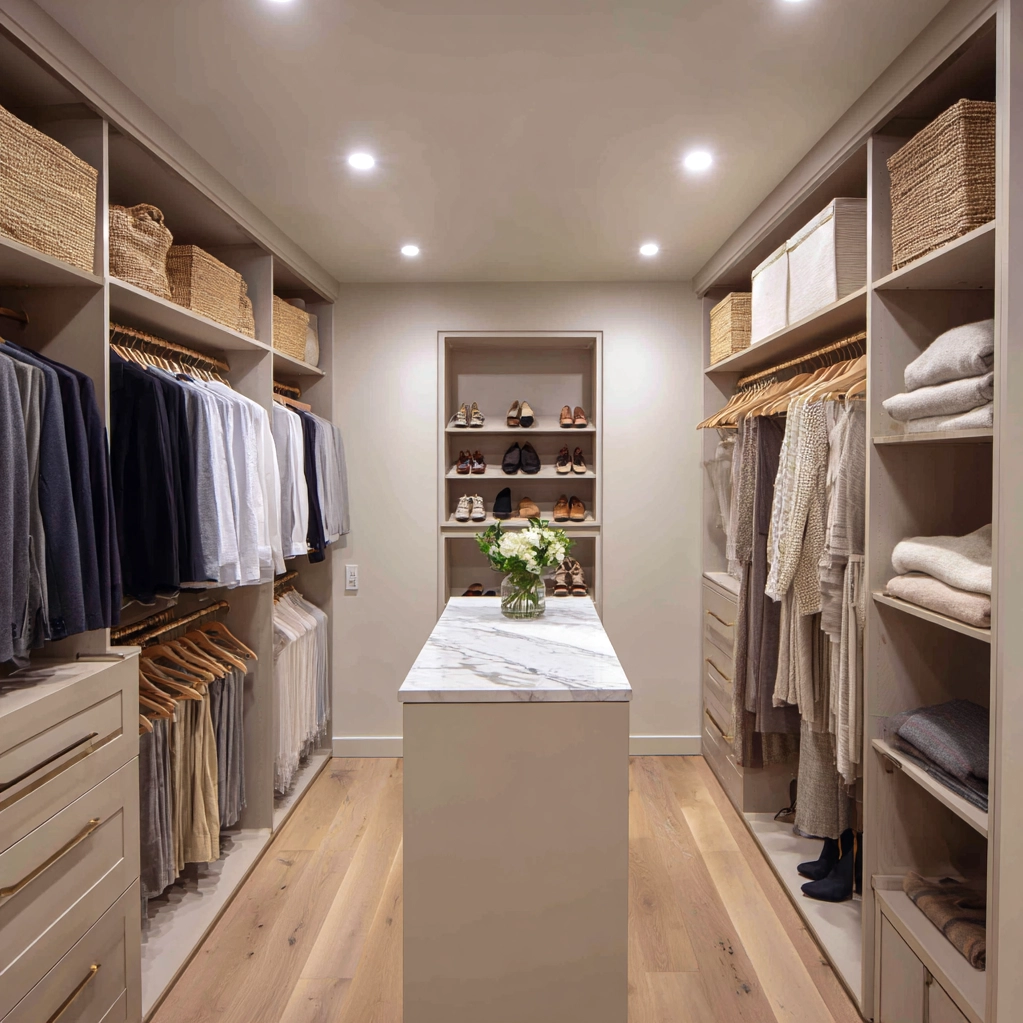
Creating custom walk in closet layout floor plans allows you to design a space that perfectly matches your specific needs and preferences. Start by measuring your space accurately, noting dimensions, door locations, windows, and any architectural features. Next, inventory your wardrobe to understand what you need to store – count hanging items by length, folded pieces, shoes, and accessories. This data will inform your walk in closet layout floor plans. Consider your daily routine when designing custom walk in closet layout floor plans. If you frequently select complete outfits, create a designated planning zone with a valet rod and full-length mirror. For those who prefer seasonal rotations, plan for accessible storage of current items with less accessible storage for off-season pieces. Custom walk in closet layout floor plans should also account for special collections, whether it's extensive shoe collections requiring specific shelving or delicate fabrics needing climate-controlled storage. Technology integration is becoming increasingly important in modern walk in closet layout floor plans. Consider including charging stations, integrated lighting controls, or even smart mirrors in your design. Don't forget about aesthetic elements in your custom walk in closet layout floor plans. The choice of materials, colors, and finishes should complement your home's style while creating an inviting atmosphere. Many homeowners incorporate seating areas, decorative lighting, or display cases for special items into their walk in closet layout floor plans. By taking the time to create truly custom walk in closet layout floor plans, you ensure every element serves both functional and aesthetic purposes, resulting in a space that's uniquely yours and perfectly suited to your lifestyle.
Conclusion
Designing effective walk in closet layout floor plans is more than just an organizational task – it's an investment in your daily comfort and long-term satisfaction with your living space. Throughout this exploration of walk in closet layout floor plans, we've seen how the right configuration can transform chaotic storage into a harmonious, functional environment that makes getting dressed a pleasure rather than a chore. The key takeaway is that successful walk in closet layout floor plans balance practical storage solutions with personal lifestyle needs, creating spaces that are both efficient and inspiring. As you move forward with your own walk in closet layout floor plans, remember that flexibility is crucial. Your needs may evolve over time, so consider incorporating adjustable elements that can adapt to changing wardrobe requirements. The future of walk in closet design points toward increasingly personalized solutions, with technology integration and sustainable materials playing larger roles in walk in closet layout floor plans. Whether you're working with a professional designer or tackling the project yourself, the principles outlined here will help you create walk in closet layout floor plans that maximize your space while reflecting your personal style. Start by assessing your current storage challenges, measure your available space carefully, and don't be afraid to think creatively about how different configurations might work for you. With thoughtful planning and attention to detail, your walk in closet layout floor plans can result in a space that not only organizes your belongings but enhances your daily routine and adds value to your home for years to come.
Frequently Asked Questions
Q: What is the minimum size needed for a functional walk in closet layout floor plan?
The minimum size for a functional walk in closet typically starts at about 4 feet by 4 feet (1.2 meters by 1.2 meters), though this provides very limited space. For a more comfortable walk in closet layout floor plan, aim for at least 6 feet by 6 feet (1.8 meters by 1.8 meters). This allows for storage on at least two walls with adequate walking space between them. Remember that in walk in closet layout floor plans, you need to account not just for storage dimensions but also for circulation space – generally 24 to 36 inches (60 to 90 cm) of clear walking area. Smaller spaces can still work with careful planning in your walk in closet layout floor plans, using single-wall configurations and space-saving solutions like double hanging rods or corner storage units.
Q: How do I choose between different walk in closet layout floor plan configurations?
Choosing between walk in closet layout floor plan configurations depends on several factors. First, consider your room's dimensions and shape – long, narrow spaces often work best with single-wall or galley layouts, while squarer rooms might accommodate U-shaped or L-shaped walk in closet layout floor plans. Second, evaluate your storage needs and how you use your closet daily. If you have many hanging items, prioritize configurations that maximize rod space in your walk in closet layout floor plans. Third, think about traffic flow and accessibility – some people prefer being surrounded by storage while others want a clear central area. Finally, consider future flexibility when selecting walk in closet layout floor plans. The best approach is to sketch multiple options or use design software to visualize how different walk in closet layout floor plans would function in your specific space before making a final decision.
Q: What common mistakes should I avoid when creating walk in closet layout floor plans?
Several common mistakes can undermine the effectiveness of walk in closet layout floor plans. First, neglecting to measure accurately or account for door swings and architectural features can create unusable spaces in your walk in closet layout floor plans. Second, failing to consider your actual wardrobe inventory often leads to inadequate or inefficient storage in walk in closet layout floor plans. Third, many people forget to plan for adequate lighting in their walk in closet layout floor plans, resulting in dark corners that make finding items difficult. Fourth, overlooking ventilation and climate control in walk in closet layout floor plans can damage delicate fabrics over time. Fifth, creating walk in closet layout floor plans without considering daily routines often results in inconvenient storage placement. Finally, a common error in walk in closet layout floor plans is designing for current needs only without considering how storage requirements might change in the future. Avoiding these pitfalls will help ensure your walk in closet layout floor plans create a truly functional and lasting organization system.