Wheelchair Accessible Kitchen Ideas: Brilliant Solutions for Independent Living


Creating a wheelchair accessible kitchen isn’t just about meeting regulations—it’s about crafting a space that empowers independence, dignity, and joy in daily cooking and gathering. For millions of individuals with mobility challenges, the kitchen often presents frustrating barriers that can make meal preparation feel like an insurmountable task. From countertops that are too high to cabinets that are impossible to reach, traditional kitchen designs frequently exclude those who use wheelchairs. But this doesn’t have to be the reality. With thoughtful planning and innovative design, kitchens can transform into welcoming, functional environments where everyone can participate fully. Whether you’re renovating an existing space or building from scratch, implementing wheelchair accessible kitchen ideas opens up possibilities for safer, more efficient cooking and socializing. These adaptations benefit not only wheelchair users but also people with temporary injuries, aging family members, or anyone who values universal design principles. The goal is to create a kitchen that works for all abilities, blending accessibility with aesthetic appeal. In this article, we’ll explore practical, beautiful solutions that make kitchens more inclusive. From adjustable countertops to smart storage, each idea focuses on enhancing usability without compromising style. By prioritizing accessibility, we can build homes that truly support every member of the household, fostering a sense of autonomy and connection.
Essential Layout and Design Principles for Wheelchair Accessible Kitchens
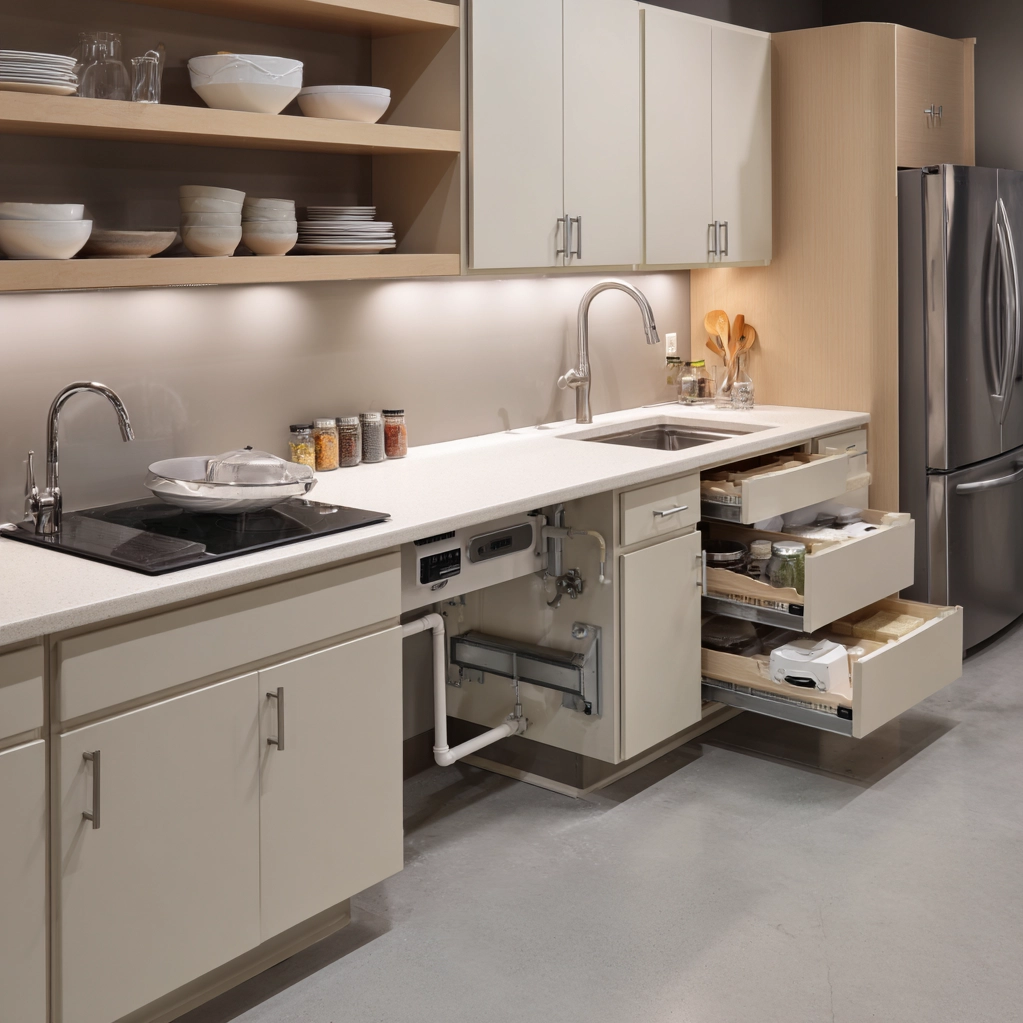
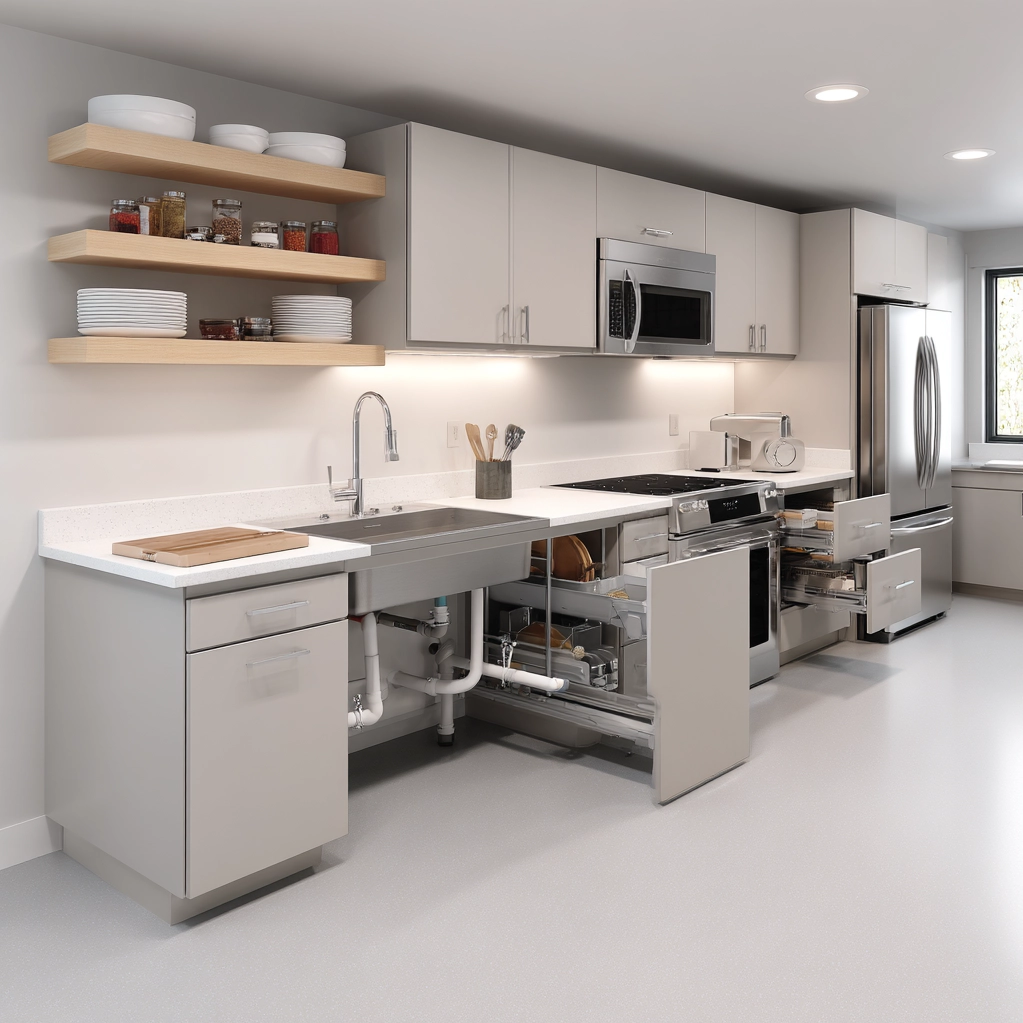
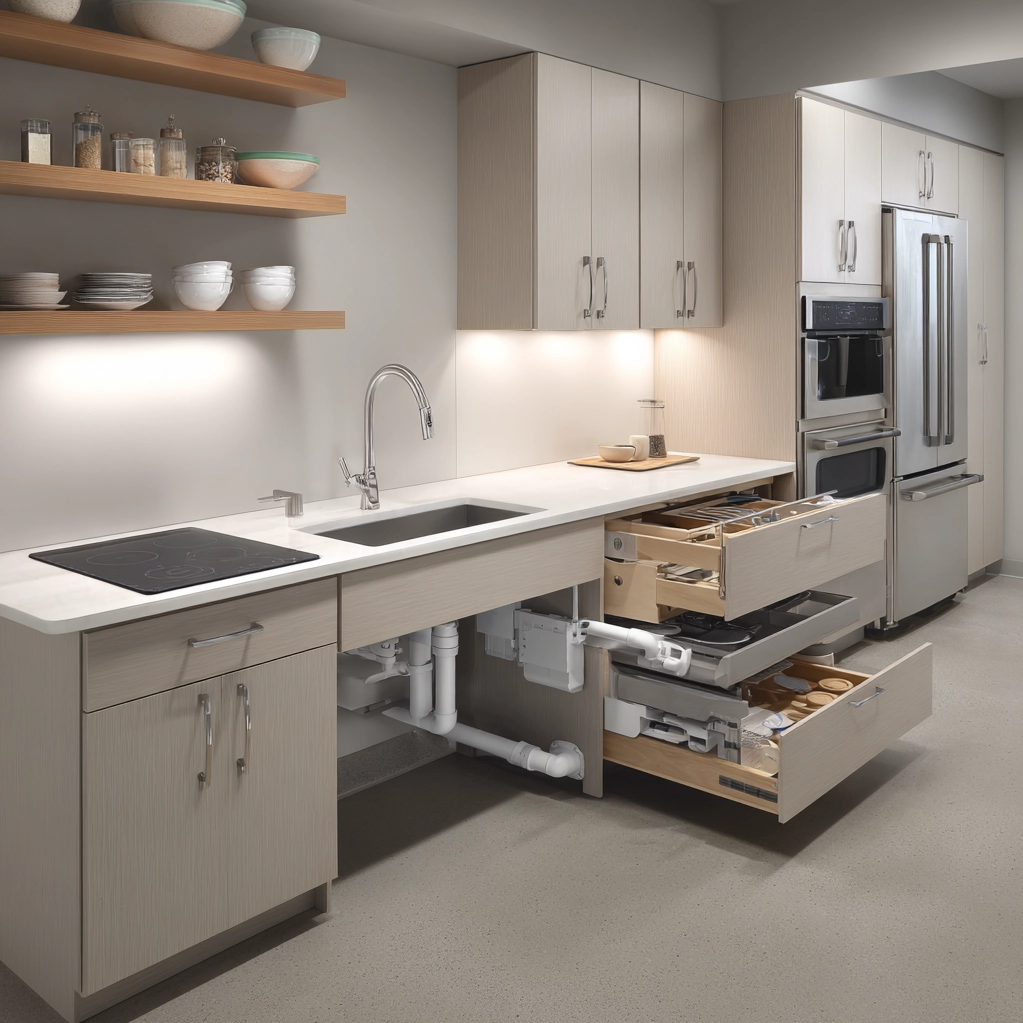
The foundation of any wheelchair accessible kitchen begins with its layout and design principles. These elements ensure that the space is not only functional but also safe and comfortable for wheelchair users. Start by considering clear floor space and circulation paths. A minimum of 60 inches of turning radius is recommended for a wheelchair to maneuver comfortably, though 72 inches is ideal for full 360-degree turns. This means avoiding cramped corners and ensuring that appliances and furniture don't obstruct movement. The work triangle—connecting the sink, stove, and refrigerator—should be compact yet accessible, with no barriers in between. Opt for open floor plans that eliminate unnecessary walls or partitions, creating a seamless flow. When it comes to countertops, height is crucial. Standard countertops at 36 inches are often too high for comfortable use from a seated position. Instead, incorporate sections at 28 to 34 inches, allowing for easy reach and task performance. These lowered areas can be integrated alongside standard-height counters to accommodate multiple users. Additionally, consider knee spaces beneath sinks and cooktops. A sink with a shallow basin and exposed plumbing allows a wheelchair to roll underneath, while cooktops with front controls prevent reaching over hot surfaces. Lighting plays a key role too; ensure even, glare-free illumination with task lighting under cabinets to brighten workspaces. By adhering to these principles, you create a kitchen that prioritizes accessibility from the ground up, making daily activities more manageable and enjoyable.
Smart Storage Solutions in Wheelchair Accessible Kitchen Ideas
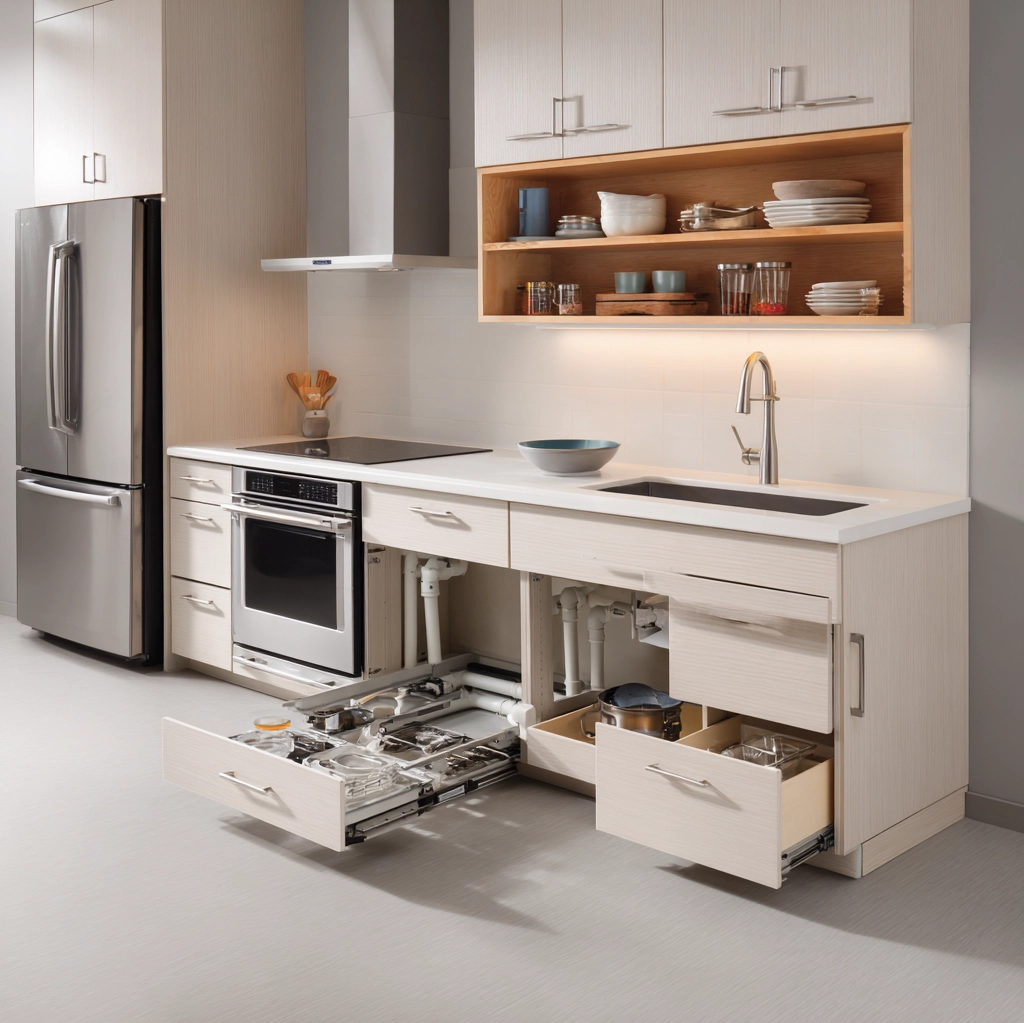
Storage is a critical component of wheelchair accessible kitchen ideas, as traditional cabinets and shelves often pose significant challenges. The key is to bring items within easy reach without requiring excessive bending or stretching. Start with base cabinets: replace standard shelves with pull-out drawers or trays that glide smoothly, allowing full visibility and access to contents. These can be installed at varying heights to accommodate different needs. For upper cabinets, consider lowering them to a maximum height of 48 inches from the floor, or install open shelving that's easier to see and reach. Another innovative solution is to use adjustable-height shelving systems that can be raised or lowered with minimal effort. Lazy Susans in corner cabinets maximize space and prevent items from getting lost in the back. Don't overlook vertical storage; pegboards or magnetic strips on walls can hold utensils and small tools, keeping countertops clear. For pantry areas, opt for shallow, roll-out shelves that prevent overstocking and make everything visible. When selecting hardware, choose D-shaped or loop handles that are easy to grip, rather than knobs that require twisting motions. Additionally, incorporate storage near primary work zones—like a utensil drawer next to the stove or a spice rack beside the prep area—to minimize movement. These solutions not only enhance accessibility but also promote organization, reducing clutter and stress. By rethinking storage, you create a kitchen that's both practical and inviting, where every item has a place that's easy to access.
Appliances and Fixtures for Enhanced Accessibility in Kitchens
Selecting the right appliances and fixtures is essential when implementing wheelchair accessible kitchen ideas, as these elements directly impact usability and safety. Begin with the refrigerator; side-by-side models are often preferred because they offer wider doors and shelves at accessible heights. Alternatively, French door refrigerators with bottom freezers can work well, provided the freezer drawer is easy to open. Look for models with adjustable shelving to customize storage. For cooking, consider induction cooktops, which provide even heat without open flames and cool down quickly, reducing burn risks. Front-mounted controls are a must, allowing operation without leaning over hot surfaces. Wall ovens installed at a height of 15 to 48 inches from the floor eliminate the need to bend down, and models with side-hinged doors are easier to manage than drop-down doors. Dishwashers should be raised on a platform or installed in a drawer-style configuration to avoid low bending. When it comes to sinks, opt for shallow, single-bowl designs with a depth of 5 to 6.5 inches, paired with a faucet that has a pull-down sprayer and lever handles for easy operation. Ensure the sink has clear knee space underneath, with insulated pipes to prevent burns. Lighting fixtures should include dimmable options to reduce glare, and consider motion-sensor lights for added convenience. By choosing appliances and fixtures designed with accessibility in mind, you create a kitchen that supports independent living, making daily tasks safer and more efficient for wheelchair users.
Conclusion
Incorporating wheelchair accessible kitchen ideas transforms a standard kitchen into a hub of independence and inclusion. Throughout this article, we've explored key principles, from layout and storage to appliances, that make cooking and socializing more manageable for wheelchair users. By focusing on clear circulation paths, adjustable countertops, and smart storage solutions, you can design a space that not only meets accessibility standards but also enhances daily life. Remember, accessibility doesn't mean sacrificing style; with modern designs and thoughtful choices, these kitchens can be both beautiful and functional. As we look to the future, the trend toward universal design is growing, encouraging homes that adapt to diverse needs from the start. Whether you're planning a renovation or building new, consider these ideas as an investment in long-term comfort and safety. Start small if needed—perhaps by adding pull-out shelves or adjusting counter heights—and gradually incorporate more features. The result is a kitchen that welcomes everyone, fostering a sense of belonging and autonomy. Embrace these changes to create a home that truly supports all its inhabitants, making every meal a joyful experience.
Frequently Asked Questions
Q: What is the ideal countertop height for a wheelchair accessible kitchen?
The ideal countertop height for a wheelchair accessible kitchen typically ranges from 28 to 34 inches, depending on the user's specific needs and chair height. This is lower than the standard 36-inch height to allow comfortable reach and task performance from a seated position. It's beneficial to include varied heights within the kitchen, such as a section at 30 inches for prep work and another at 34 inches for other activities, to accommodate different users and tasks. Always consult with the individual using the space to determine the most comfortable height for them.
Q: How can I make upper cabinets accessible in a wheelchair friendly kitchen?
To make upper cabinets accessible in a wheelchair friendly kitchen, consider lowering them to a maximum height of 48 inches from the floor, or use open shelving that's easier to see and reach. Alternatively, install pull-down shelving systems that can be lowered with a gentle pull, bringing contents within arm's reach. Another option is to store frequently used items in base cabinets with pull-out drawers, reducing reliance on upper cabinets altogether. Ensure that hardware, like handles, is easy to grip and operate without excessive force.
Q: Are there specific types of flooring recommended for wheelchair accessible kitchens?
Yes, certain flooring types are recommended for wheelchair accessible kitchens to ensure safety and ease of movement. Opt for non-slip, smooth surfaces like vinyl, linoleum, or low-pile carpet tiles, which provide traction and are easy to roll over. Avoid highly textured or uneven materials that can cause resistance or tripping hazards. Ensure the flooring is level throughout, with minimal transitions between rooms to prevent bumps. Durable and water-resistant options are also preferable for easy cleaning and longevity in a kitchen environment.