
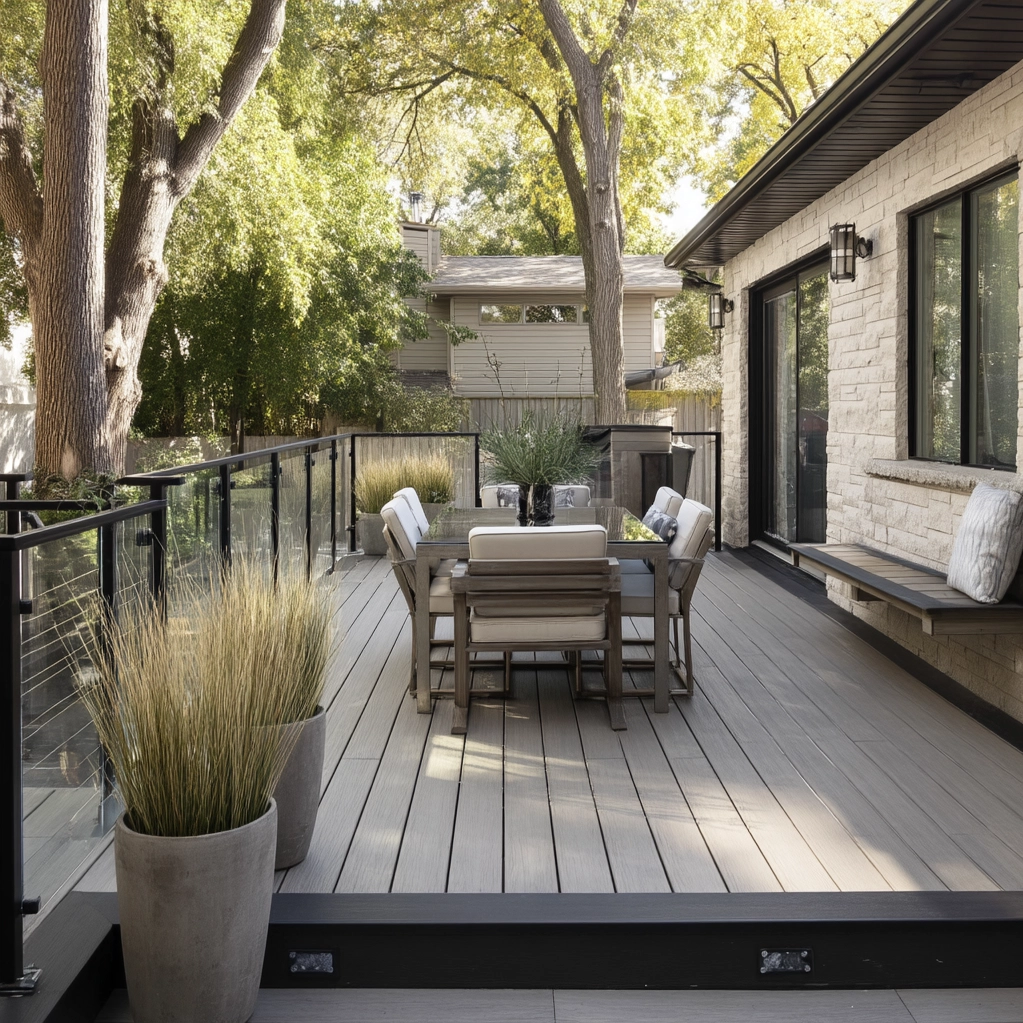
Grey Two Tone Deck Ideas: 4 Stunning Transformations for Your Outdoor Space

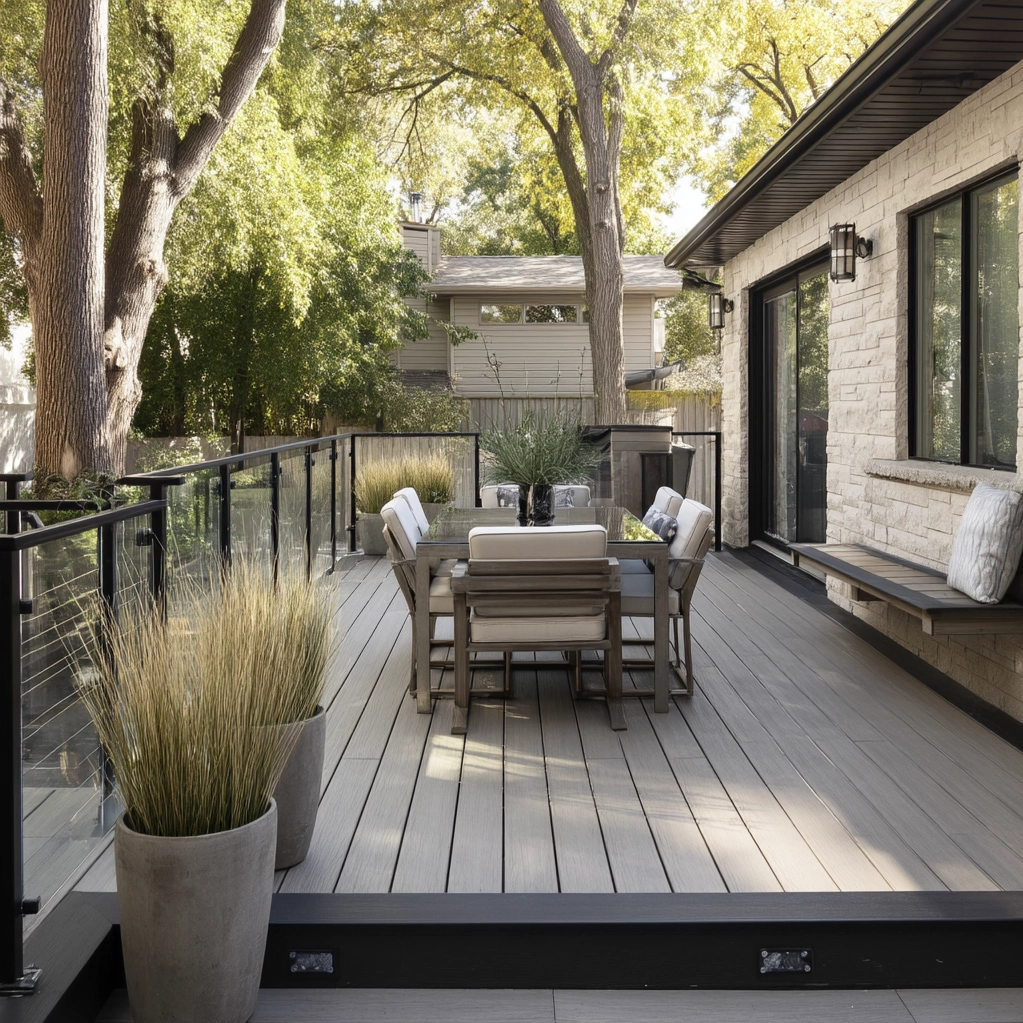
When it comes to elevating your outdoor living area, few design strategies are as impactful yet approachable as grey two tone deck ideas. This versatile approach combines different shades of grey to create depth, dimension, and visual interest that transforms ordinary decks into sophisticated extensions of your home. The beauty of this design concept lies in its adaptability—whether you’re working with natural wood, composite materials, or concrete, the two-tone grey palette offers endless possibilities for creating a space that feels both contemporary and timeless. As outdoor living continues to gain importance in home design, decks have evolved from simple platforms to multifunctional entertainment zones. Implementing a grey two-tone design not only enhances aesthetics but can also increase property value by creating a polished, intentional look. The subtle contrast between light and dark grey tones can define different areas, highlight architectural features, and even make smaller decks appear more spacious. This design approach works beautifully across various styles, from modern minimalist to rustic farmhouse, making it accessible to homeowners with diverse tastes. With thoughtful planning, your grey two-tone deck can become the centerpiece of your outdoor entertaining while providing a serene retreat for daily relaxation. In this article, we’ll explore practical ways to implement this trend, ensuring your deck becomes a true extension of your living space that you’ll enjoy for years to come.
4 Essential Grey Two Tone Deck Design Principles
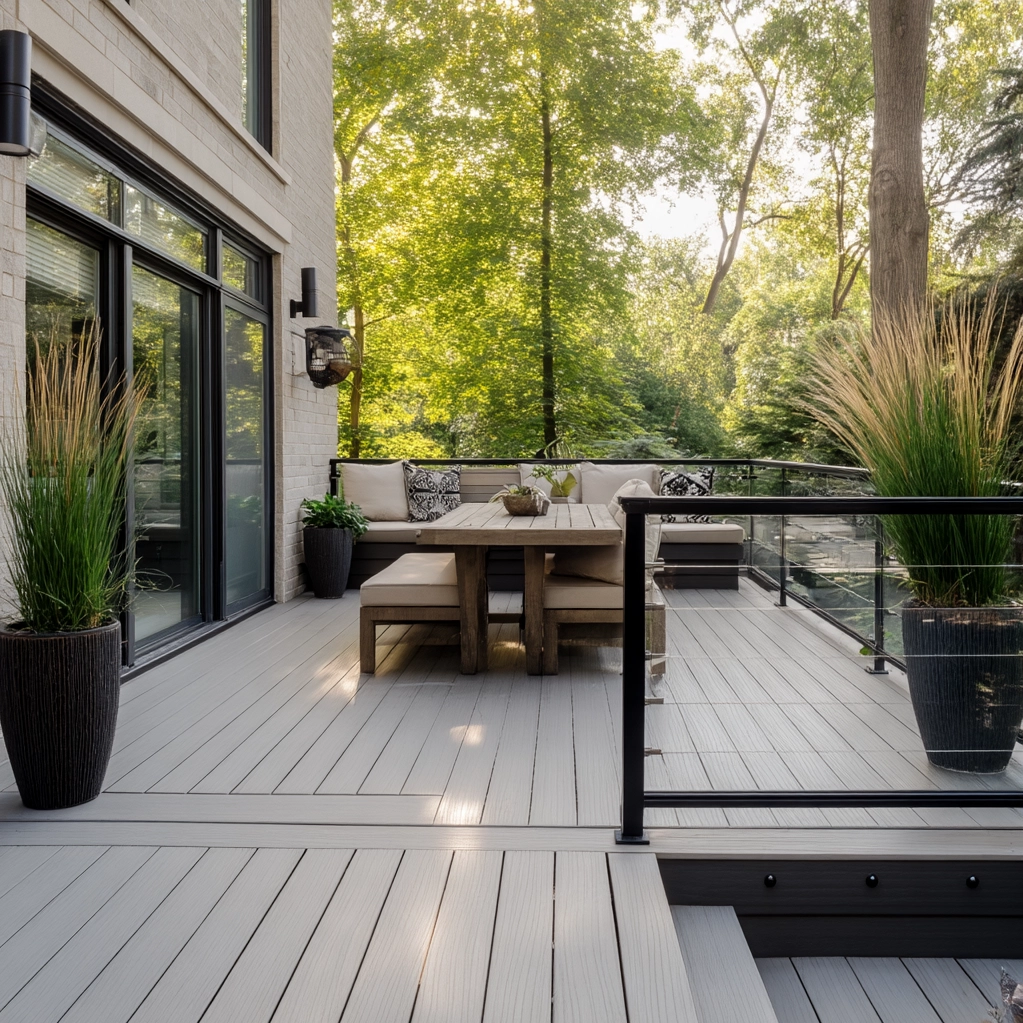
Creating a successful grey two tone deck begins with understanding fundamental design principles that ensure your space feels cohesive rather than chaotic. The first principle involves selecting complementary grey tones that work together harmoniously. Consider undertones carefully—cool greys with blue or green bases pair beautifully with natural wood elements, while warm greys with brown or taupe undertones complement earthy surroundings. For optimal contrast, aim for at least 30-40% difference in value between your two selected greys. This ensures the two-tone effect is noticeable without being overwhelming. The second principle focuses on pattern and layout. Directional patterns can influence how spacious your deck feels—horizontal patterns can make narrow spaces appear wider, while vertical patterns can create the illusion of height. For a more dynamic look, consider diagonal or herringbone patterns that draw the eye across the space. The third principle involves considering the relationship between your deck and surrounding elements. Your grey two-tone design should complement your home's exterior, landscaping, and outdoor furniture rather than compete with them. Finally, always test your selected colors in different lighting conditions throughout the day before committing. Natural sunlight will reveal different aspects of your chosen greys than evening artificial lighting. According to design experts at Better Homes & Gardens, thoughtful consideration of these principles can transform basic decking into a sophisticated outdoor living area that enhances your entire property's aesthetic appeal.
Material Selection for Grey Two Tone Deck Ideas
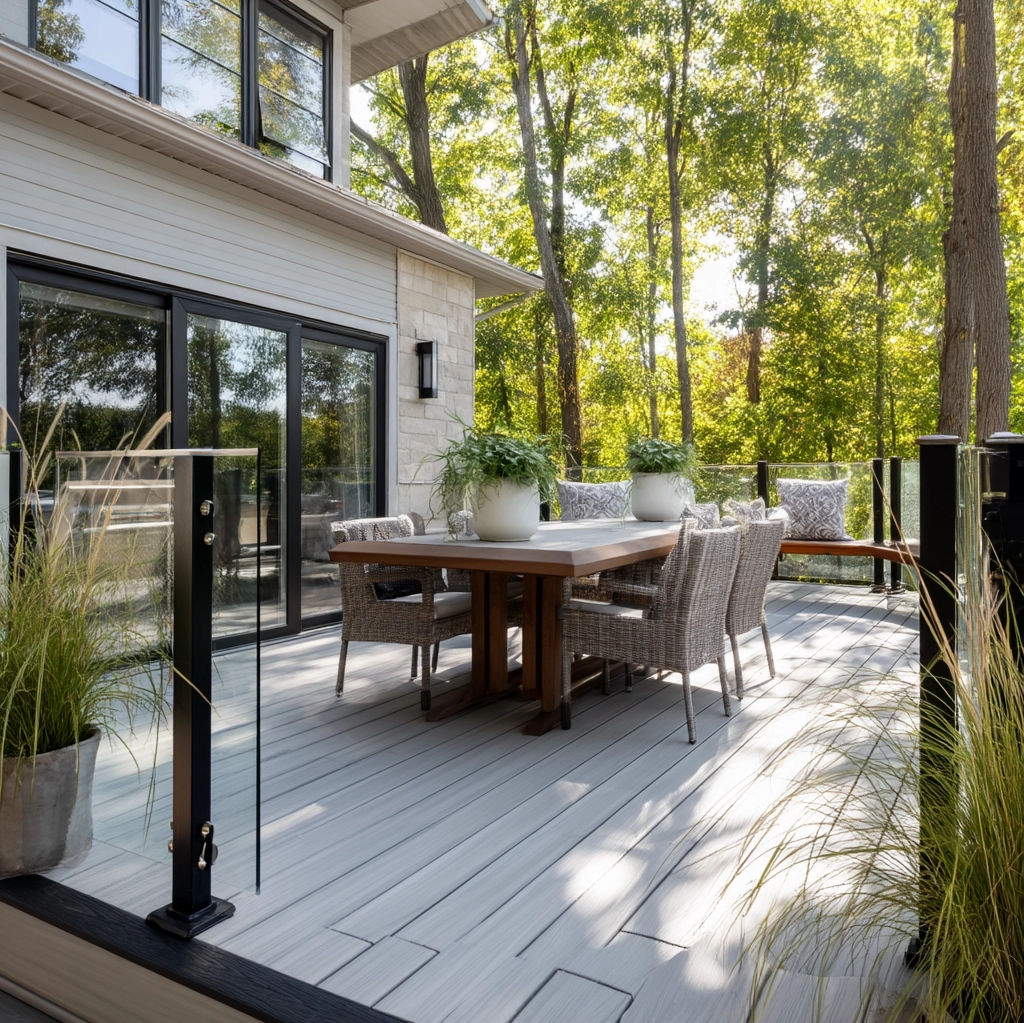
The materials you choose for your grey two tone deck significantly impact both aesthetics and longevity. Traditional wood decking offers natural beauty that ages gracefully, with options like cedar, redwood, or pressure-treated pine that can be stained in various grey tones. For a uniform two-tone effect, consider using the same wood species stained in different grey intensities. This approach maintains consistent texture while achieving the desired color variation. Composite decking has gained popularity for its durability and low maintenance requirements. Many composite manufacturers offer grey two-tone options within their product lines, providing pre-coordinated color combinations that guarantee compatibility. Concrete pavers present another excellent option, particularly for ground-level decks or patios. Concrete can be stained, painted, or integrally colored to achieve grey tones, and different finishes (broom, exposed aggregate, stamped) can create subtle texture variations within your two-tone design. When selecting materials, consider your climate, maintenance willingness, and budget. In high-moisture areas, ensure proper drainage and use materials resistant to mold and mildew. For optimal safety and longevity, incorporate proper structural supports and consider slip-resistant finishes, especially in pool areas. Your material choices should balance aesthetic preferences with practical considerations to create a deck that looks beautiful while standing up to your local weather conditions and usage patterns.
Creative Layouts and Patterns for Grey Two Tone Decks
Beyond simple alternating boards, numerous creative layouts can elevate your grey two tone deck from ordinary to extraordinary. Border designs create a framed effect that defines the deck's perimeter while drawing attention to the central area. Consider using a darker grey for borders and a lighter grey for the field, or vice versa depending on your desired emphasis. Geometric patterns offer modern sophistication—think chevron, herringbone, or basketweave designs that create visual movement. These patterns work particularly well with modular decking materials like composite tiles or concrete pavers. Zone-based designs use different grey tones to define functional areas within your deck. For instance, use a light grey for dining areas and a darker grey for lounge sections, creating subtle visual cues that organize the space naturally. For decks with multiple levels, consider using different grey tones for each level to enhance the architectural distinction. Mixed-width patterns combine boards or pavers of different widths within your grey two-tone scheme, adding another layer of visual interest. When planning your layout, consider sight lines from inside your home and from key outdoor vantage points. Your pattern should create a pleasing composition from multiple perspectives. Always create a detailed layout plan before installation, accounting for cuts, waste, and pattern repeats. For inspiration on creative deck patterns, visit https://uk.chicaurahome.com/outdoor-design-guides to explore various layout possibilities that might suit your space and style preferences.
Accessorizing Your Grey Two Tone Deck for Maximum Impact
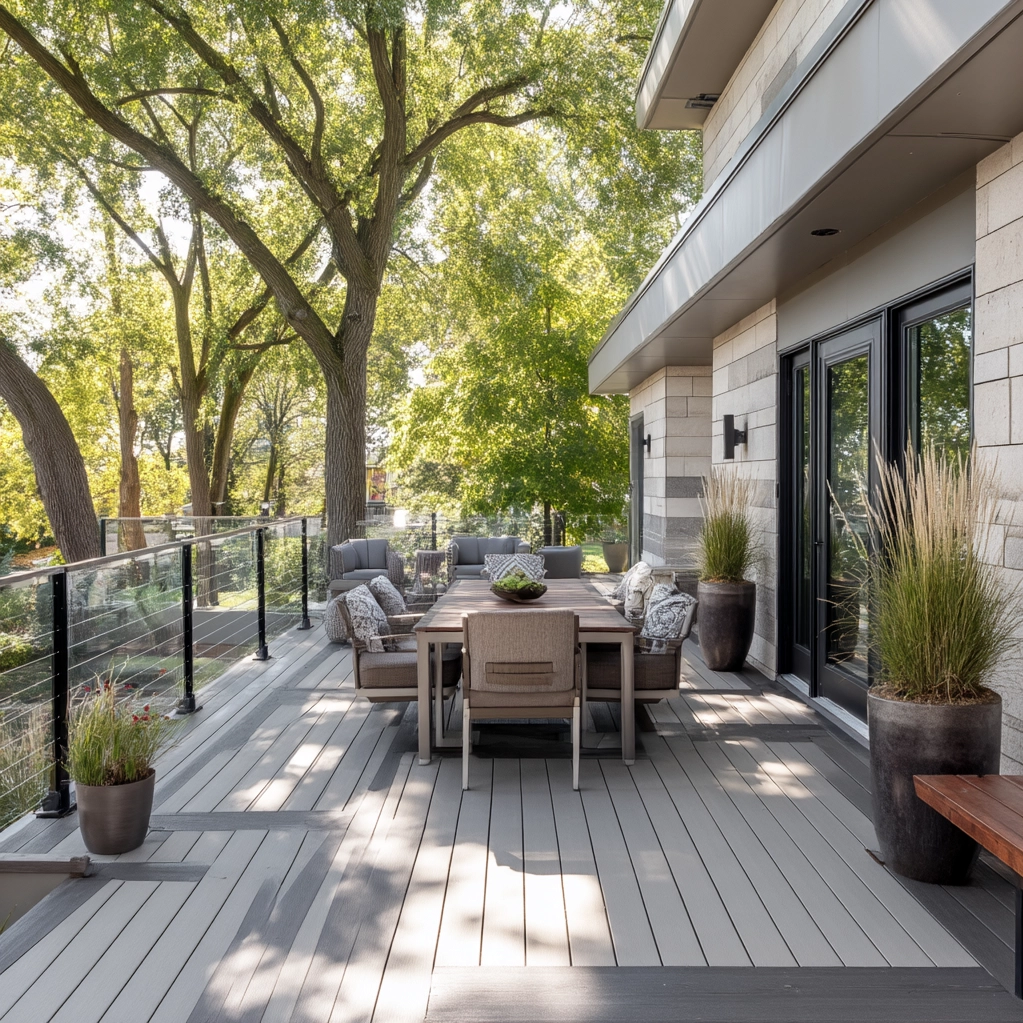
The right accessories can elevate your grey two tone deck from beautiful background to fully-realized outdoor living space. Begin with furniture that complements rather than competes with your deck's color scheme. Neutral furniture in white, black, or natural wood tones allows your grey two-tone deck to remain the star, while colorful cushions or throws can add seasonal pops of color. Consider the scale of your furniture relative to your deck size—oversized pieces can overwhelm small decks, while undersized furniture can make large decks feel sparse. Lighting plays a crucial role in extending your deck's usability into evening hours and highlighting your two-tone design. Recessed deck lighting can emphasize patterns, while string lights or lanterns create ambiance. For safety and aesthetics, incorporate lighting along steps and railings. Planters and greenery introduce organic elements that soften the geometric nature of most deck designs. Consider built-in planter boxes that align with your deck's layout, or strategically place container gardens to create natural partitions. Textural elements like outdoor rugs, throw pillows, and weather-resistant curtains add comfort and visual interest. When selecting accessories, consider materials that will withstand your local climate—teak, aluminum, and all-weather wicker offer excellent durability. Finally, don't overlook functional accessories like storage benches that conceal outdoor essentials while providing additional seating. By thoughtfully layering these elements, you can create a grey two-tone deck that feels intentionally designed rather than merely installed, becoming a true extension of your indoor living space.
Conclusion
Implementing grey two tone deck ideas represents more than just a color choice—it's a design philosophy that transforms ordinary outdoor spaces into intentional, sophisticated extensions of your home. Throughout this exploration, we've seen how this approach offers remarkable versatility, working with various materials, patterns, and accessories to create decks that are both beautiful and functional. The key takeaway is that successful two-tone designs require thoughtful planning, from selecting complementary grey tones to choosing appropriate materials and patterns for your specific space and lifestyle. As outdoor living continues to evolve, we can expect grey two-tone decks to remain relevant due to their timeless appeal and adaptability to emerging design trends. Future developments might include more sustainable materials, integrated smart lighting systems, and modular designs that allow for easy updates as needs change. For homeowners considering this approach, remember that your deck should reflect your personal style while enhancing your home's overall aesthetic. Start with a clear vision, consult professionals when needed, and don't rush the planning process. Whether you're creating an intimate retreat or an entertainment hub, a well-executed grey two-tone deck can significantly enhance your quality of life while adding value to your property. The investment in thoughtful design pays dividends in daily enjoyment and long-term satisfaction with your outdoor space.
Frequently Asked Questions
Q: What maintenance do grey two tone decks require compared to single-color decks?
Grey two tone decks generally require similar maintenance to single-color decks, but with some specific considerations. The maintenance level depends primarily on your chosen materials rather than the color scheme. For natural wood decks, regular cleaning and periodic re-staining or sealing are necessary to maintain both color tones and protect against weathering. With composite materials, maintenance is typically limited to routine cleaning with soap and water. The two-tone aspect doesn't significantly increase maintenance requirements, but you may need to pay closer attention to color consistency when performing touch-ups or replacements. For painted surfaces, ensure you use the exact same paint colors for any repairs to maintain the intended contrast. Regular sweeping to remove debris and occasional deep cleaning will keep both tones looking fresh. Consider applying UV-protective sealants, especially for lighter grey tones that might show fading more noticeably over time.
Q: Can I implement grey two tone deck ideas on an existing deck, or do I need to start from scratch?
You can absolutely implement grey two tone deck ideas on an existing deck with proper preparation. For wood decks, thorough cleaning and sanding are essential before applying new stains or paints in your chosen grey tones. You may need to apply a wood brightener or stripper if the existing finish is dark or uneven. For composite decks, check with the manufacturer about painting or staining options, as some composites aren't designed for surface treatments. Another approach involves using deck tiles or overlays that can be installed over your existing surface, available in various grey tones and patterns. If your deck boards are in good condition, you might simply stain alternating boards different grey shades. However, if your existing deck has significant wear or structural issues, starting fresh might be more cost-effective in the long run. Always ensure proper surface preparation regardless of your approach—this is crucial for adhesion and longevity of your new finish.
Q: How do I choose the right grey tones for my specific climate and sunlight exposure?
Selecting appropriate grey tones for your climate and sunlight exposure involves considering several factors. In hot, sunny climates, lighter grey tones can help reflect heat and keep deck surfaces cooler underfoot. However, they may show dirt and require more frequent cleaning. Darker greys absorb more heat but can hide wear and stains better. In cooler climates with less intense sun, you have more flexibility with tone selection. Consider your deck's orientation: north-facing decks receive less direct sunlight and may benefit from warmer grey tones to create a cozier feel, while south-facing decks with abundant sunlight can handle cooler greys without feeling stark. Always test sample colors on your actual deck surface, observing them at different times of day and in various weather conditions. Consider how your chosen greys will interact with seasonal changes in your landscape. If you live in an area with heavy rainfall or high humidity, prioritize moisture-resistant finishes regardless of color choice. Consulting with local deck professionals can provide valuable insights about what works best in your specific regional conditions.


