Ideas for Patio Privacy Walls: Transform Your Outdoor Space with Creative Solutions


Creating a private, peaceful outdoor retreat starts with effective patio privacy walls. Whether you’re tired of neighbors peeking in, want to block unsightly views, or simply crave a cozy sanctuary for relaxation, privacy walls are the ultimate solution for transforming your patio into a personal haven. In today’s busy world, our outdoor spaces have become extensions of our homes—places to unwind, entertain, and connect with nature without feeling exposed. Privacy walls serve multiple functions beyond just screening: they reduce noise from nearby streets or neighbors, provide wind protection, create microclimates for better plant growth, and enhance the overall aesthetic of your outdoor living area. From quick DIY projects to permanent architectural features, there are endless possibilities to suit every style, budget, and space. This article will guide you through practical, beautiful, and innovative ideas for patio privacy walls that will make your outdoor space feel more intimate, secure, and uniquely yours. Let’s explore how to turn your patio into the private escape you’ve been dreaming of.
Natural Ideas for Patio Privacy Walls Using Plants and Greenery
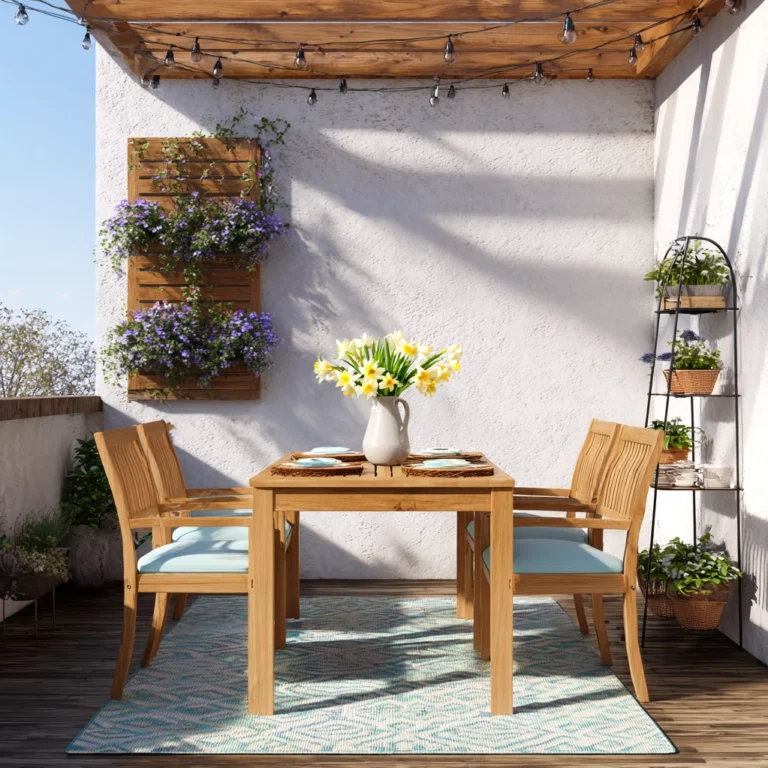
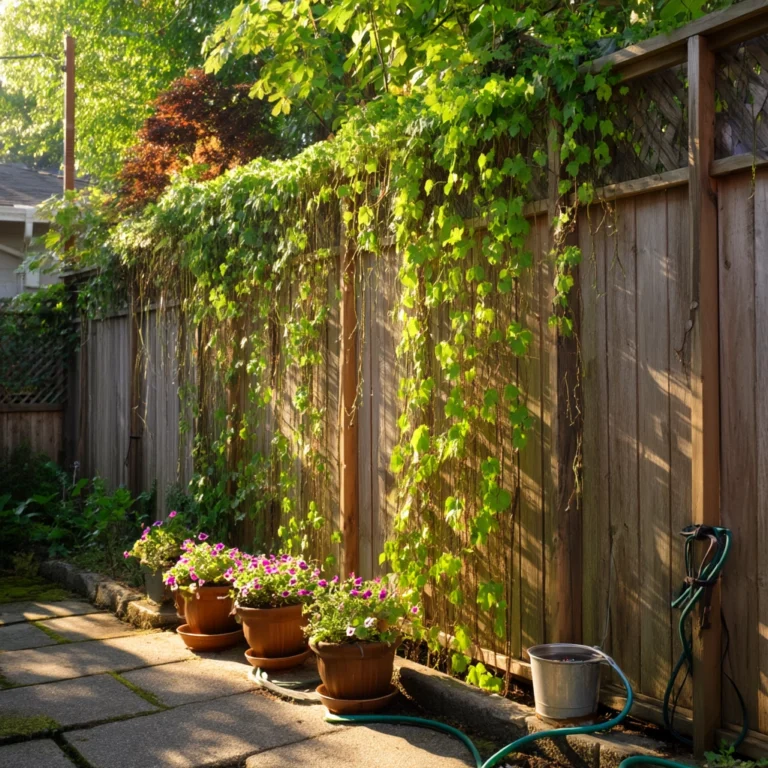
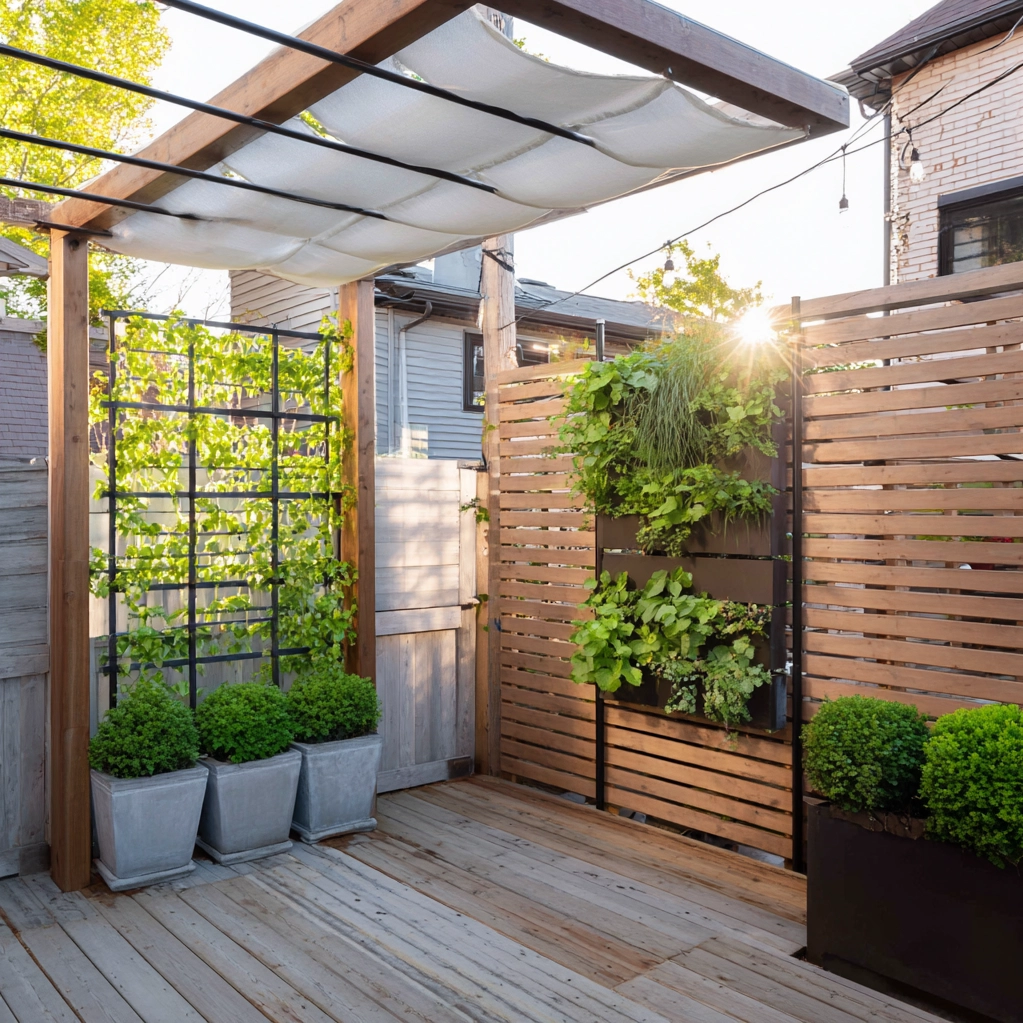
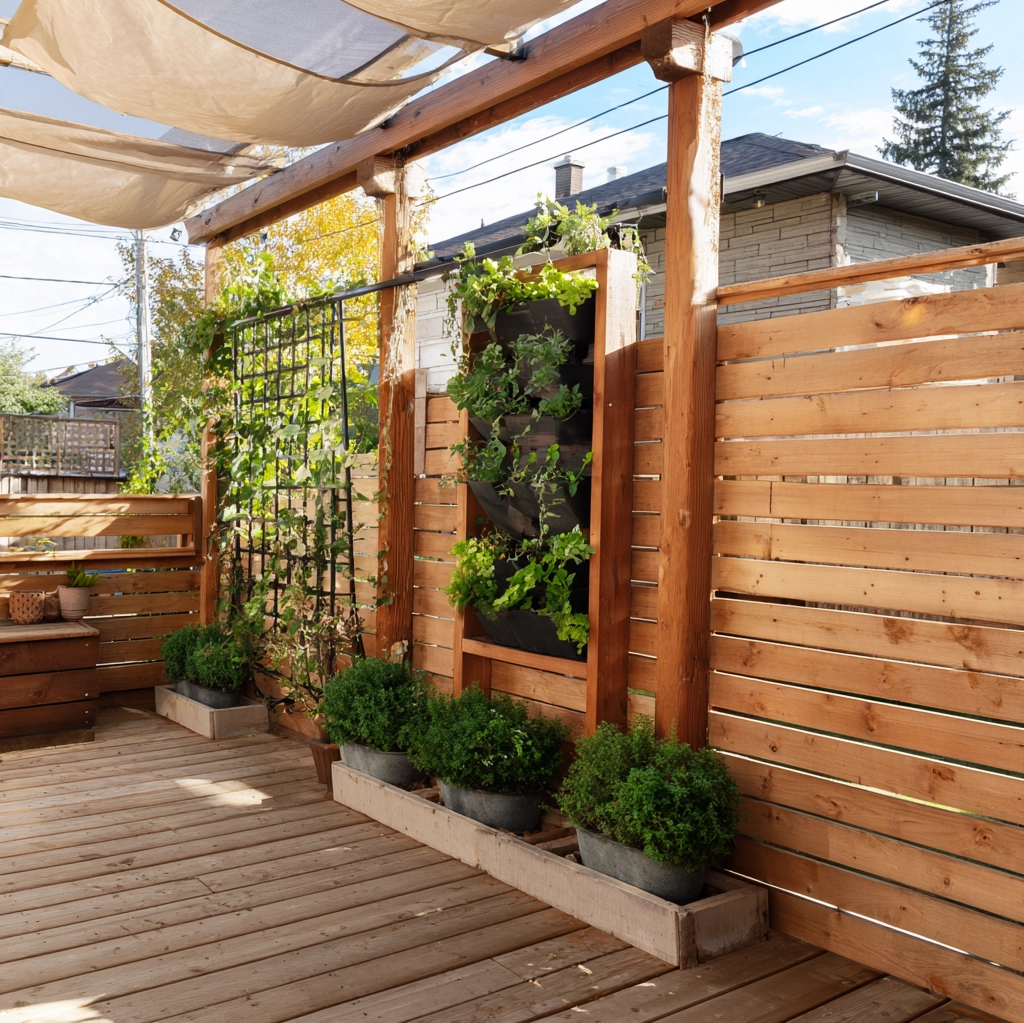
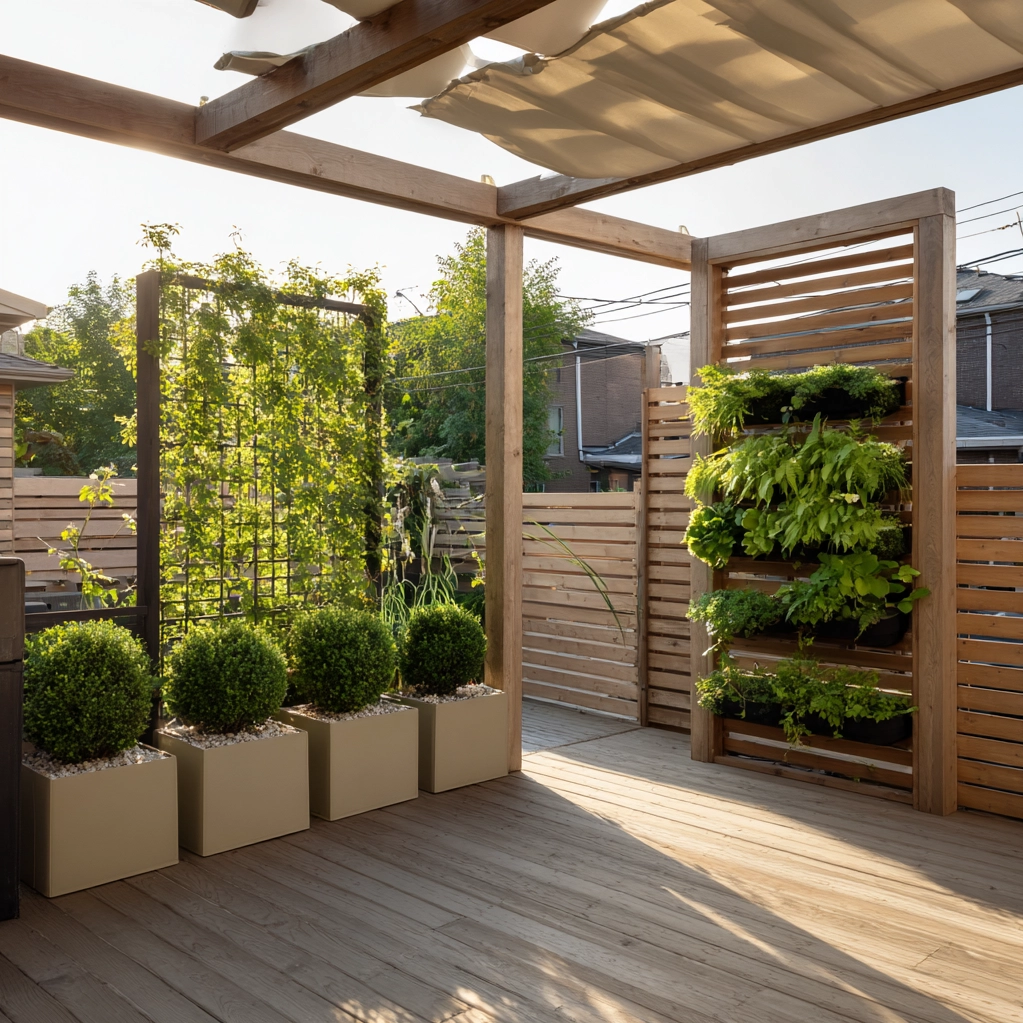
One of the most beautiful and eco-friendly approaches to patio privacy involves using living materials. Plant-based privacy walls not only screen your space but also improve air quality, attract beneficial wildlife, and create a soothing, natural atmosphere. Consider installing a vertical garden with modular planting systems that allow you to grow herbs, flowers, or even vegetables while creating a lush green barrier. Climbing plants like ivy, jasmine, or climbing roses on trellises provide seasonal interest with flowers and fragrance. For quick coverage, fast-growing bamboo varieties planted in containers can create a dense screen within a single growing season—just be sure to choose clumping bamboo to prevent invasive spreading. Evergreen shrubs like arborvitae or boxwood planted in rows or containers offer year-round privacy and can be trimmed into formal hedges or left natural. Hanging baskets with trailing plants like ferns or petunias suspended from overhead structures add layers of privacy while maximizing vertical space. Mix different plant heights, textures, and colors to create visual interest. Remember to consider your climate and sunlight conditions when selecting plants, and include irrigation systems for easy maintenance. These living walls evolve over time, becoming more beautiful and effective as they grow.
Creative DIY Ideas for Patio Privacy Walls on a Budget
You don't need a huge budget or professional help to create effective patio privacy. Numerous DIY solutions can transform your space with minimal expense and maximum creativity. Repurposed materials offer unique character: old wooden pallets can be disassembled and reassembled into rustic screens, while reclaimed doors or windows create charming vintage dividers. Bamboo fencing rolls are affordable, easy to install, and provide instant tropical flair—simply attach them to existing fences or create freestanding panels with wooden frames. Outdoor curtains made from weather-resistant fabric add softness and flexibility; hang them from tension rods, wire systems, or simple hooks for temporary privacy that can be drawn open or closed. For a modern industrial look, use metal panels with laser-cut patterns or expanded metal sheets painted in weather-resistant finishes. Lattice panels are another budget-friendly option that can be left natural, painted, or adorned with climbing plants. Even simple string lights or outdoor-rated rope woven between posts can create visual barriers while adding evening ambiance. When planning DIY projects, consider durability: use pressure-treated lumber, stainless steel hardware, and waterproof sealants. Measure your space carefully, check local building codes for height restrictions, and ensure structures are securely anchored against wind. These projects not only save money but also let you customize privacy walls to match your personal style.
Innovative Design Ideas for Patio Privacy Walls with Multi-Function Features
Today's best patio privacy walls do more than just screen—they enhance your outdoor living experience with additional functionality. Consider incorporating built-in seating into your privacy wall design: low walls with wide tops can serve as benches, while taller walls with cutouts can create booth-style seating nooks. Storage integration is another smart approach: design walls with hidden compartments for outdoor cushions, gardening tools, or entertainment supplies. Water features like wall-mounted fountains or small waterfalls add soothing sounds that mask neighborhood noise while creating visual focal points. For entertainment spaces, privacy walls with integrated speakers, lighting systems, or even outdoor televisions transform your patio into an extension of your home's living area. Fire features are particularly effective: fire glass panels, linear gas fireplaces, or simple fireplace inserts built into privacy walls provide warmth, light, and ambiance while defining spaces. Pergolas with adjustable louvers or retractable canopies offer overhead privacy and sun control while maintaining an open feel. Use materials that serve dual purposes: perforated metal panels provide screening while allowing air circulation, and translucent polycarbonate sheets filter light beautifully. When planning multi-function walls, consider traffic flow, maintenance requirements, and how different features will work together. Professional installation may be needed for electrical or plumbing elements. These innovative designs maximize your patio's usability while creating the secluded atmosphere you desire.
Material-Specific Ideas for Patio Privacy Walls: Choosing the Right Options
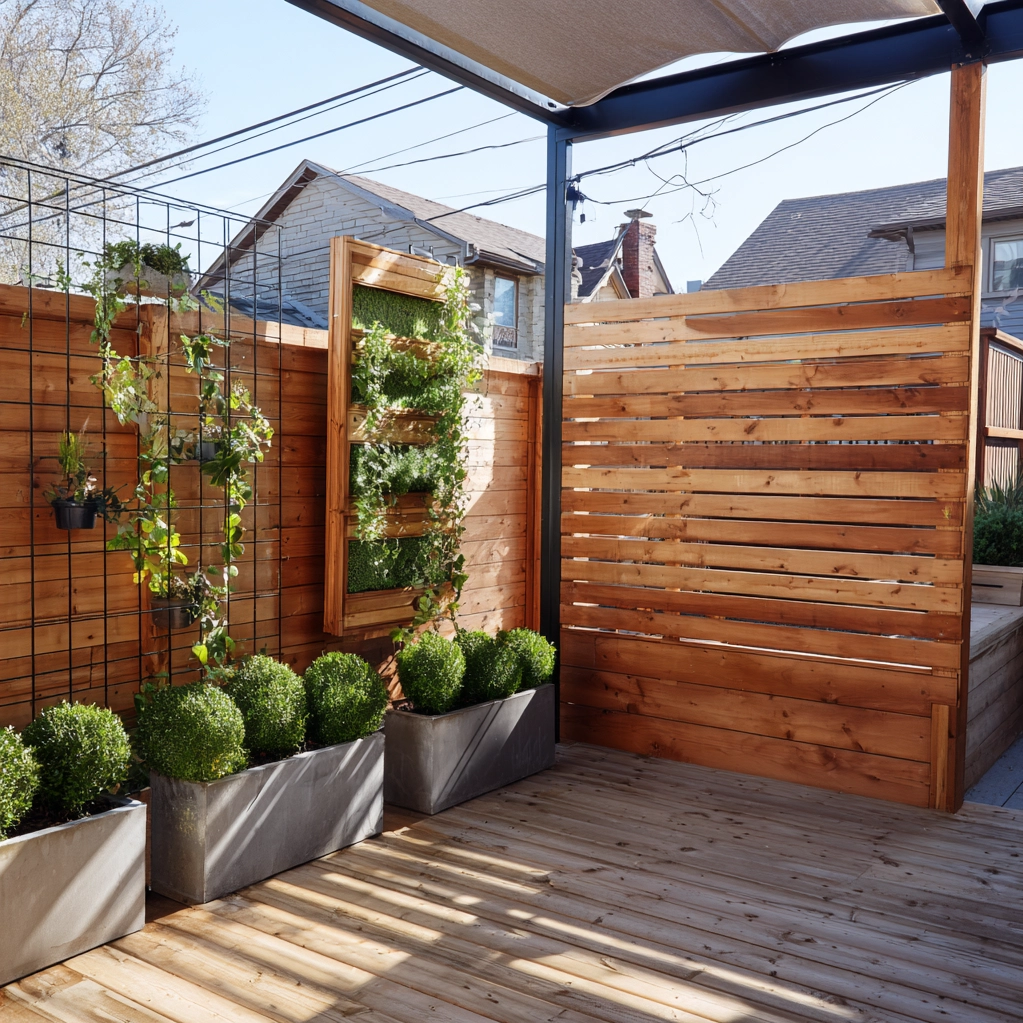
The materials you choose for your patio privacy walls significantly impact their appearance, durability, and maintenance requirements. Wood remains a popular choice for its natural warmth and versatility: cedar and redwood offer natural resistance to insects and decay, while pressure-treated pine provides affordability. Composite wood alternatives made from recycled materials offer wood-like appearance with minimal maintenance. Metal options range from elegant wrought iron with decorative scrolls to modern cor-ten steel that develops a protective rust patina. Aluminum is lightweight and rust-proof, perfect for coastal areas. Masonry materials like brick, stone, or concrete blocks create permanent, substantial walls that provide excellent sound insulation and thermal mass. For contemporary spaces, glass blocks or frosted glass panels allow light transmission while maintaining privacy—ideal for urban patios where maintaining views is important. Natural stone stacked without mortar creates rustic dry-stack walls that blend beautifully with garden settings. When selecting materials, consider your local climate: some woods may warp in high humidity, metals can get hot in direct sun, and certain stones may absorb moisture. Also think about installation: prefabricated panels offer quick setup, while custom masonry requires professional skills. Mix materials for visual interest: combine wood posts with metal infill, or stone bases with wooden upper sections. Proper finishes and sealants will extend the life of your privacy walls regardless of material choice.
Conclusion
Patio privacy walls offer transformative potential for any outdoor space, turning exposed areas into intimate retreats perfect for relaxation, entertainment, and personal enjoyment. Throughout this article, we've explored diverse approaches—from lush living walls that connect you with nature to innovative multi-functional designs that enhance usability, budget-friendly DIY projects that spark creativity, and material-specific considerations that ensure longevity. The right privacy solution depends on your specific needs: whether you require complete visual screening, noise reduction, wind protection, or simply a more defined outdoor room. Remember that privacy walls should complement your home's architecture and landscape design while reflecting your personal style. As outdoor living continues to grow in importance, these privacy solutions will only become more creative and integrated with smart home technology. Start by assessing your patio's specific challenges and opportunities, then choose ideas that align with your budget, maintenance preferences, and aesthetic vision. Even small changes can make significant improvements to your outdoor experience. Your patio should be a sanctuary where you can truly unwind—and with these ideas for patio privacy walls, you're well-equipped to create that perfect private escape right in your own backyard.
Frequently Asked Questions
Q: What is the most affordable option for creating a patio privacy wall?
Bamboo fencing rolls typically offer the most affordable solution, costing significantly less than permanent structures while providing immediate privacy. These rolls are easy to install yourself using simple tools—just attach them to existing fences or create basic wooden frames. Outdoor curtains made from weather-resistant fabric are another budget-friendly option that adds softness and flexibility. For a DIY approach, repurposed materials like wooden pallets, reclaimed doors, or lattice panels can create charming privacy screens at minimal cost. Remember that proper anchoring and weatherproofing will extend the life of even the most economical options.
Q: How tall should a patio privacy wall be for effective screening?
Most patio privacy walls work best at heights between 6 and 8 feet, which generally blocks sightlines while maintaining proper scale with surrounding structures. For seated areas, 4-5 feet may suffice to create privacy without feeling enclosed. Always check local building codes and homeowner association regulations first, as many areas have specific height restrictions for fences and walls. Consider your specific needs: if you're primarily screening from neighboring second-story windows, taller walls or angled louvers might be necessary. Also think about wind patterns—very tall solid walls can create turbulence, while partially open designs may be better in windy areas.
Q: Can I install a privacy wall without permanent foundations or construction?
Yes, numerous non-permanent options exist for patio privacy. Freestanding screens made from wood, metal, or composite materials can be placed wherever needed and moved seasonally. Planters with tall shrubs or ornamental grasses create living barriers that can be rearranged. Outdoor curtains on tension rod systems or wire tracks offer flexible screening that can be drawn open or closed. Even large potted trees in wheeled containers provide movable privacy. These solutions are ideal for renters, temporary needs, or when you want to test different arrangements before committing to permanent construction. Ensure movable options are properly weighted or anchored to prevent tipping in windy conditions.