Old Money Office Look: 9 Timeless Secrets for Effortless Elegance


In a world of fleeting trends and disposable decor, the old money office look stands as a bastion of enduring sophistication. This isn’t just about aesthetics—it’s a philosophy that values quality over quantity, tradition over transience, and subtlety over showiness. An office designed with old money principles becomes more than a workspace; it transforms into a sanctuary of productivity and refined taste. The importance of cultivating such a space cannot be overstated in our fast-paced digital age. It provides an anchor of stability, communicates professionalism without words, and creates an environment where focus and creativity can flourish. Unlike temporary decor fads that require constant updating, the old money approach invests in pieces that appreciate both in value and character over time. This look isn’t about displaying wealth conspicuously, but rather about demonstrating discernment through carefully chosen elements that tell a story of heritage and good taste. The result is a workspace that feels both timeless and personal—a room that doesn’t just house your work, but elevates it. Whether you’re working from home or designing a corporate office, embracing these principles can transform your professional environment into something truly special. The old money office look represents a commitment to quality that pays dividends in both productivity and personal satisfaction, creating spaces that inspire confidence and command respect.
The Foundation of an Old Money Office Look
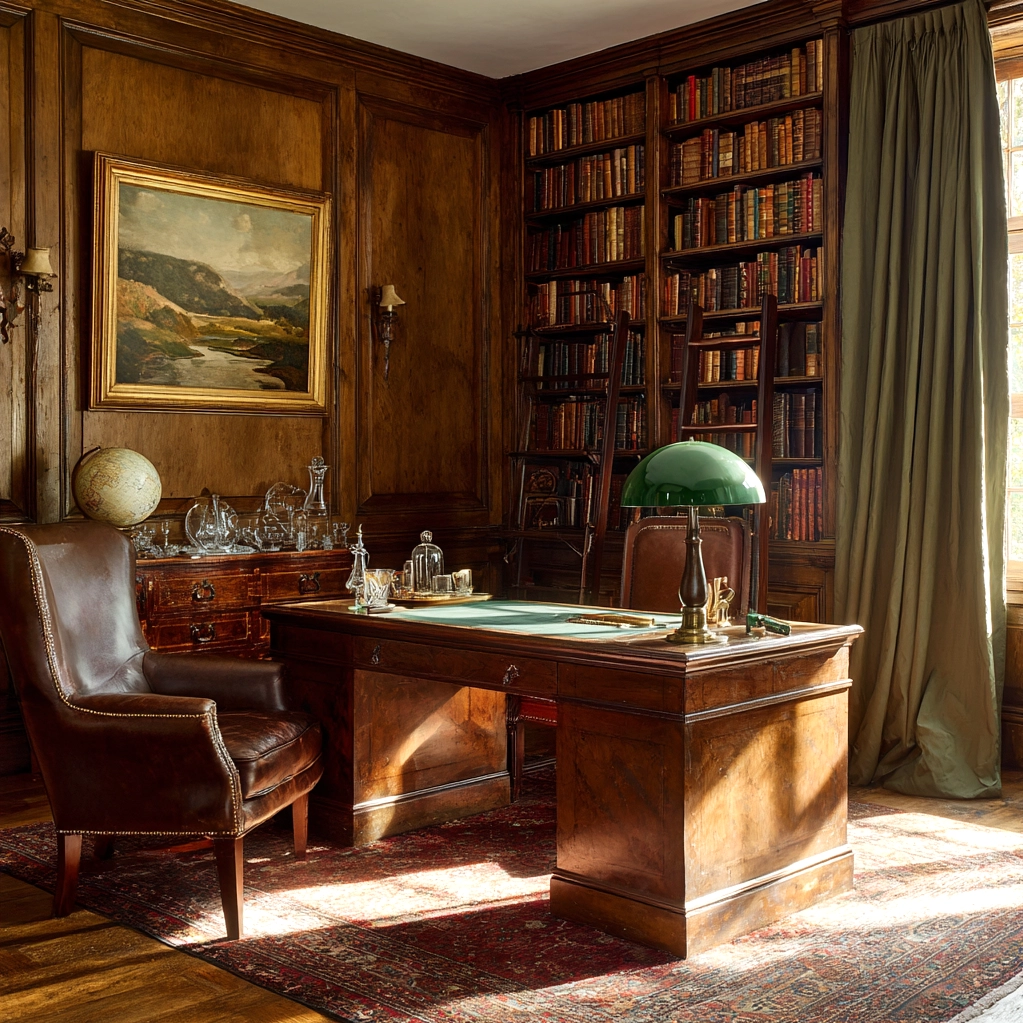
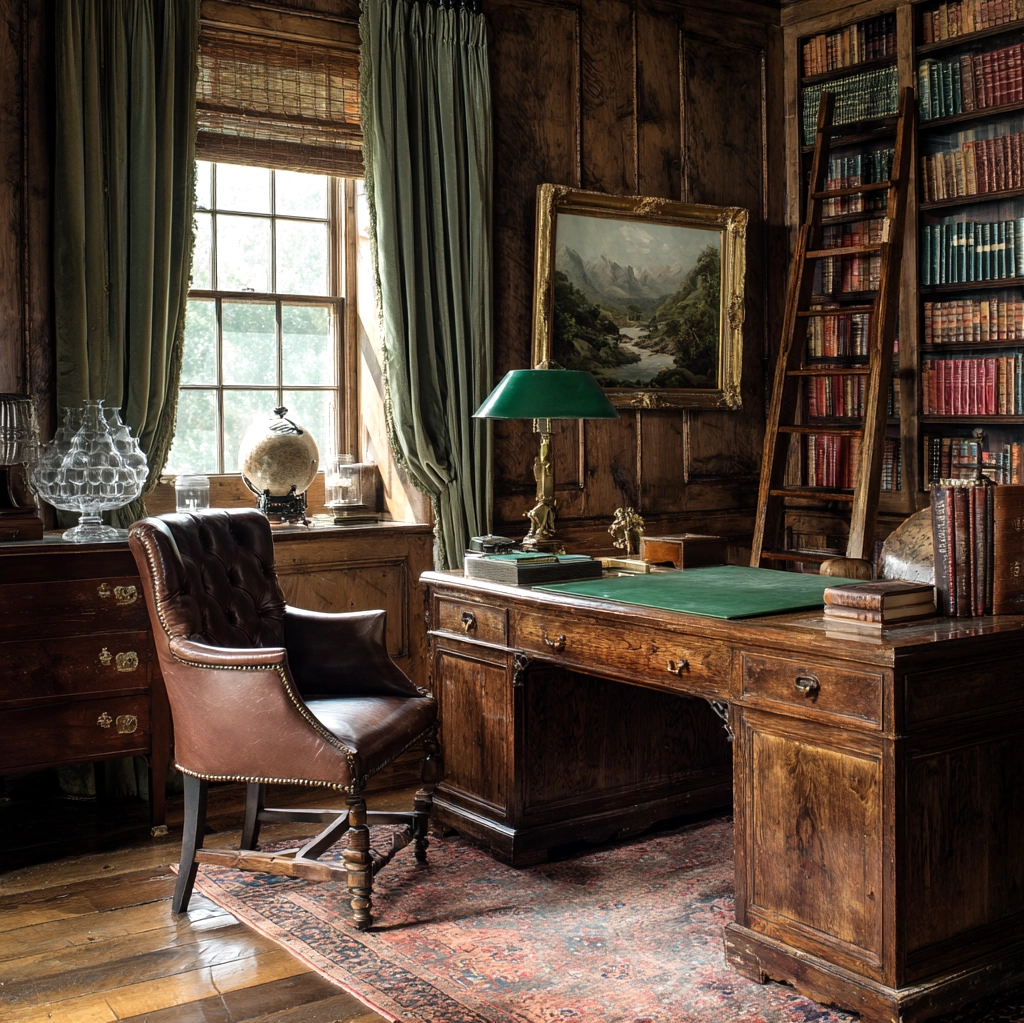
Creating an authentic old money office look begins with understanding its fundamental principles. This aesthetic isn't about ostentatious displays of wealth, but rather about understated quality and heritage. The foundation rests on three key elements: exceptional materials, classic proportions, and thoughtful patina. Start with your desk—the centerpiece of any office. Opt for solid wood pieces with traditional joinery rather than modern laminates. Mahogany, walnut, and oak are particularly well-suited, as they develop beautiful character over decades of use. Look for desks with clean lines and substantial presence, avoiding overly ornate carvings that can appear nouveau riche. Flooring should be hardwood with a natural finish, perhaps softened with an antique Persian or Oriental rug that shows appropriate wear. Walls benefit from traditional treatments like wainscoting or quality wallpaper in subtle patterns. Lighting is crucial; avoid harsh overhead fixtures in favor of multiple light sources. A quality brass or bronze desk lamp provides task lighting, while wall sconces or a classic floor lamp create ambient illumination. Window treatments should be substantial—think heavy velvet drapes or wooden blinds—that provide both privacy and light control. The key is avoiding anything that looks mass-produced or temporary. Each element should feel like it has a history, even if it's newly acquired. This foundation creates a space that feels settled and substantial, providing the perfect backdrop for productive work and meaningful thought.
Essential Elements for Your Old Money Office Look
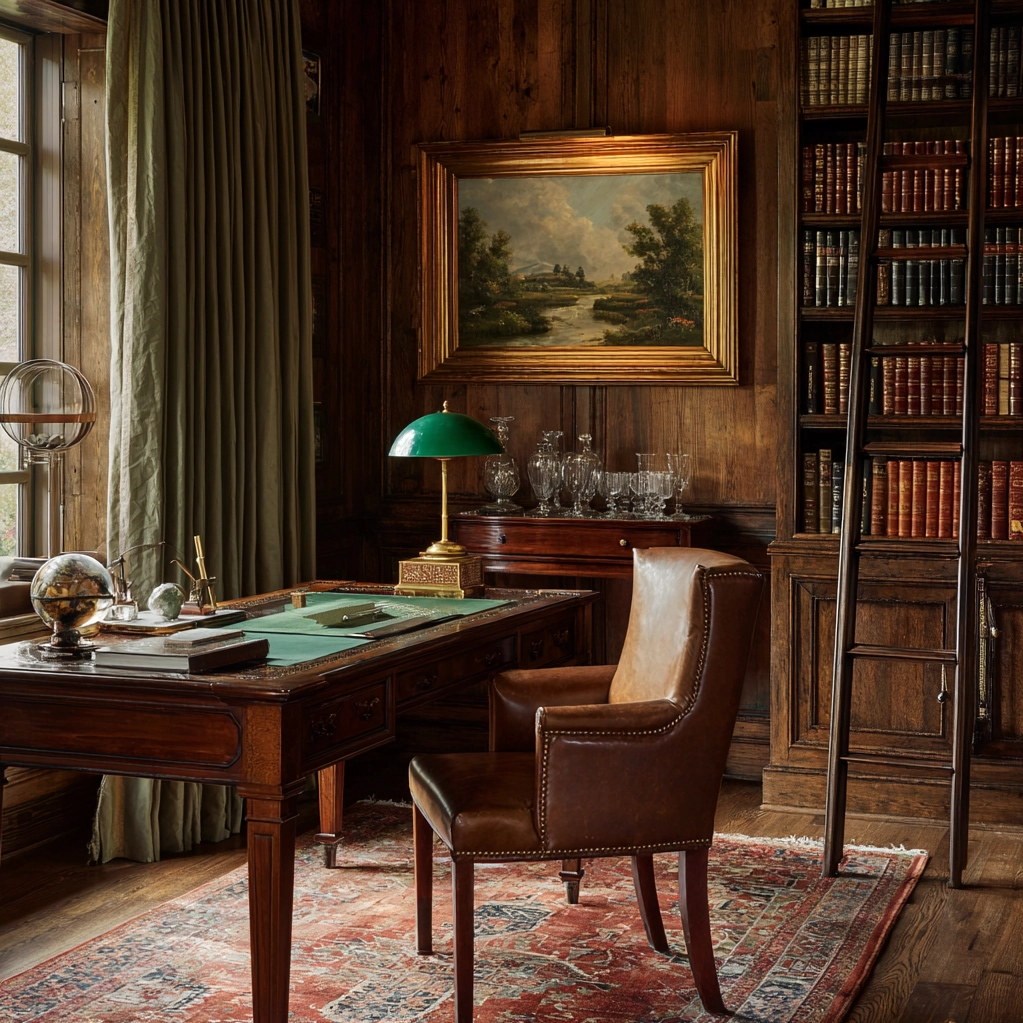
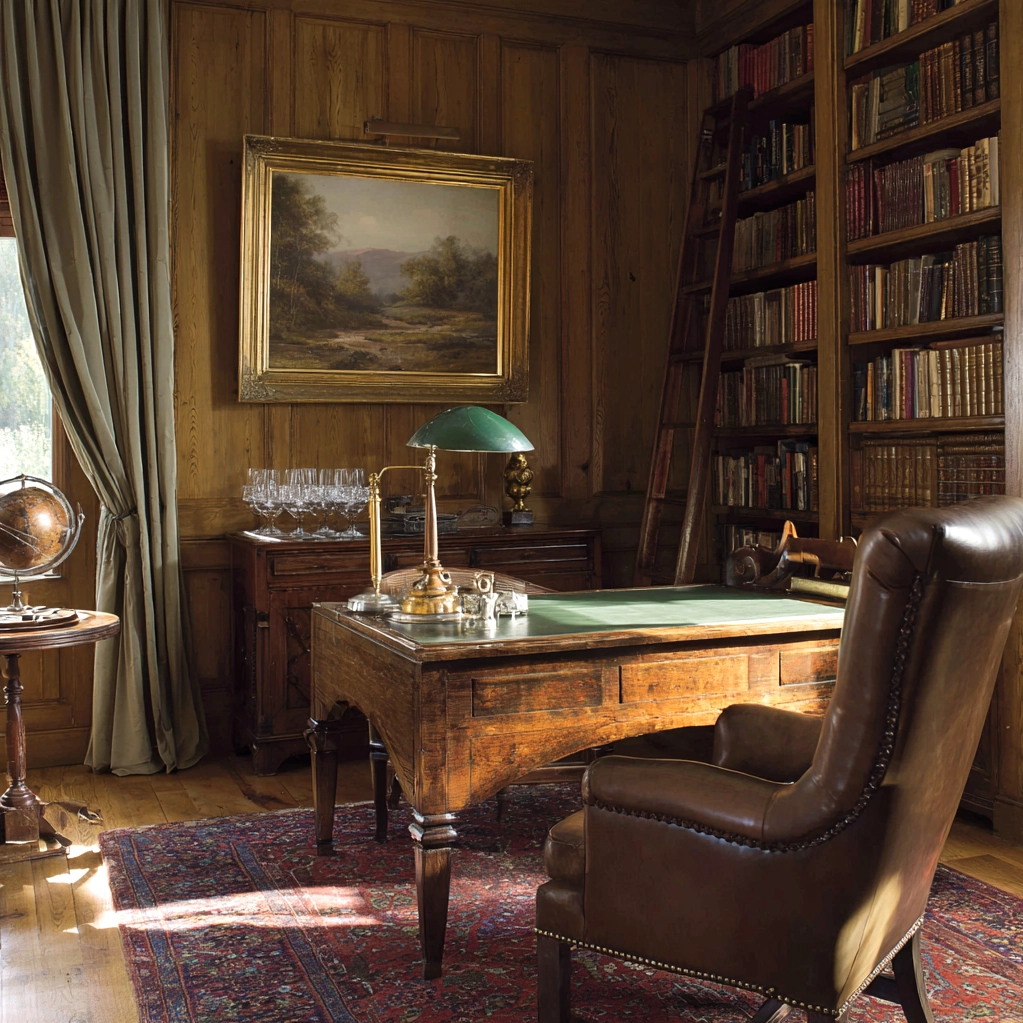
Beyond the foundational pieces, certain elements elevate an office from merely traditional to authentically old money. These are the details that communicate refinement and history. First, consider your seating. A leather armchair with visible patina tells a story of years of thoughtful use. Look for pieces with brass nailhead trim and substantial frames. Avoid matching sets—the old money aesthetic values curated collections over coordinated purchases. Bookshelves should be filled with actual books, preferably leather-bound editions or well-loved hardcovers arranged by size and color rather than subject. Include a few family photos in silver frames, but keep them minimal and meaningful. A quality bar cart or sideboard stocked with crystal decanters adds functionality while reinforcing the aesthetic. Include a globe on a stand—preferably an antique one—which serves as both decoration and a reminder of broader perspectives. Art should be original when possible, with oil paintings in gilded frames preferred over posters or prints. Include a few green elements: a potted fern in a brass planter, or cut flowers in a crystal vase. Technology should be discreetly integrated—a vintage-style radio that actually works, or modern devices kept in drawers when not in use. The goal is to create layers of interest that reveal themselves gradually. Every object should have purpose and presence, contributing to an atmosphere of cultivated intelligence and quiet confidence. These elements work together to create a space that feels both functional and deeply personal, where every item has earned its place through beauty or utility.
Achieving the Perfect Old Money Office Look
Bringing together all the elements of an old money office look requires careful balance and attention to detail. The magic happens in how pieces relate to each other and the space they occupy. Start by considering scale—furniture should be proportionate to the room, creating intimate conversation areas rather than sprawling emptiness. Arrange your desk to face the door if possible, a traditional position of authority and awareness. Create distinct zones within the office: a primary work area, a reading corner, and perhaps a small meeting space. Use area rugs to define these zones while adding texture and warmth. The color palette should be rich but restrained—deep greens, navy blues, burgundies, and warm browns work beautifully. Avoid bright whites and primary colors, which can feel too contemporary. Instead, opt for cream, taupe, or gray as neutral bases. Mix materials thoughtfully: polished wood against textured fabric, cool metal against warm leather. Include a few imperfect elements—a slightly worn Oriental rug, a desk with minor scratches that tell its history. These imperfections add authenticity that new, perfect items cannot replicate. Pay special attention to scent; a subtle leather or wood aroma enhances the experience. Finally, maintain order without sterility. Papers should be neatly stacked in leather folders, pens kept in a substantial holder, and clutter minimized. The overall effect should be one of organized elegance—a space that appears effortlessly refined rather than meticulously staged. This approach creates an office that feels both productive and peaceful, supporting focused work while providing aesthetic pleasure.
Conclusion
The old money office look represents more than just a decorating style—it's an approach to professional spaces that values permanence, quality, and subtle sophistication. By focusing on exceptional materials, classic design principles, and carefully curated elements, you create an environment that supports both productivity and personal satisfaction. This aesthetic proves particularly valuable in our increasingly digital world, providing tangible connections to tradition and craftsmanship that screen-based work often lacks. The 9 timeless secrets we've explored—from foundational furniture choices to perfecting the final details—offer a roadmap to creating a workspace that feels both grounded and inspiring. Looking forward, the principles behind the old money office look are becoming increasingly relevant as people seek to create meaningful, lasting environments in their homes and workplaces. This isn't about recreating a specific historical period, but rather about embracing values that transcend trends: quality over quantity, substance over show, and beauty that deepens with time. Whether you implement all these ideas or just incorporate a few key elements, you'll create a space that communicates confidence, intelligence, and refined taste. Your office should be a reflection of your best self—a place where great work happens amid surroundings that inspire and uplift. That, ultimately, is the true power of the old money approach: it creates environments where excellence feels natural and inevitable.
Frequently Asked Questions
Q: Can I achieve an old money office look on a budget?
Absolutely. The old money aesthetic is more about principles than price tags. Focus on quality over quantity—invest in one excellent leather chair rather than several cheaper ones. Shop secondhand for solid wood furniture that can be refinished. Look for vintage leather-bound books at estate sales. Mix high and low items strategically, spending on pieces you'll use daily (like your desk chair) while saving on decorative elements. The key is avoiding anything that looks mass-produced or flimsy, even if inexpensive. Patience is also budget-friendly—build your collection gradually as you find quality pieces at good prices.
Q: How do I incorporate modern technology without disrupting the aesthetic?
Modern technology can be seamlessly integrated into an old money office with thoughtful planning. Keep devices out of sight when not in use—store laptops in desk drawers and use cable management systems to hide wires. Choose traditional-style accessories like leather mouse pads and brass desk organizers for tech items. Consider a vintage-style radio that includes Bluetooth capability, or hide modern speakers inside antique cabinets. For necessary screens, use adjustable arms that allow them to be positioned discreetly. The goal isn't to eliminate technology, but to ensure it serves the room rather than dominating it.
Q: What are the biggest mistakes people make when trying to create this look?
The most common mistakes include over-matching furniture (creating a showroom feel rather than a collected one), using reproductions that lack authentic patina, choosing pieces that are too ornate or gaudy, and neglecting proper lighting. Another frequent error is focusing only on appearance without considering function—every item should be both beautiful and useful. Avoid going too dark with colors; while rich hues work well, the space still needs adequate light. Finally, don't confuse 'old' with 'dirty'—the look should feel cared for and intentional, not neglected. Regular maintenance and careful editing are essential to maintaining the right balance.