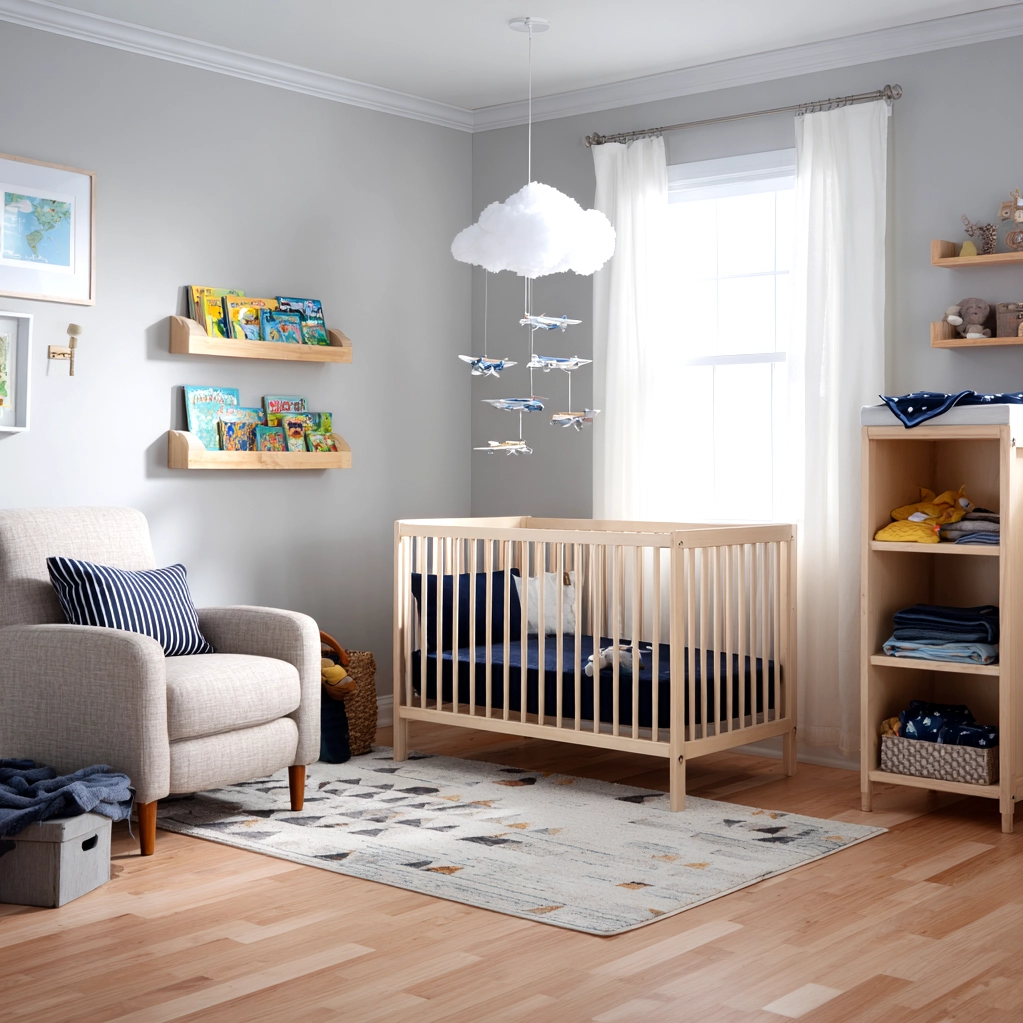
Nursery Room Decor Boy: Essential Stunning Tips for Your Perfect Haven


Creating a nursery for your baby boy is one of the most exciting and meaningful projects you’ll undertake as a parent. This special space becomes more than just a room—it transforms into a sanctuary where your little one will grow, dream, and explore during those crucial first years. The right nursery room decor for boys sets the foundation for a nurturing environment that promotes safety, comfort, and early development. With thoughtful planning and design, you can create a space that not only looks beautiful but also supports your child’s wellbeing and inspires their imagination from infancy through toddlerhood. Many parents feel overwhelmed by the countless decor options available today. From themes and color schemes to furniture and storage solutions, the decisions can seem endless. Yet, focusing on key elements like safety, functionality, and personal touches can simplify the process significantly. A well-designed boy’s nursery should balance aesthetics with practicality, creating a room that evolves with your child while maintaining its charm. This article will guide you through essential aspects of nursery decor, offering practical tips to help you design a space that both you and your baby will love. Whether you’re starting from scratch or refreshing an existing room, these insights will help you create a nurturing environment that feels both magical and grounded in everyday functionality.
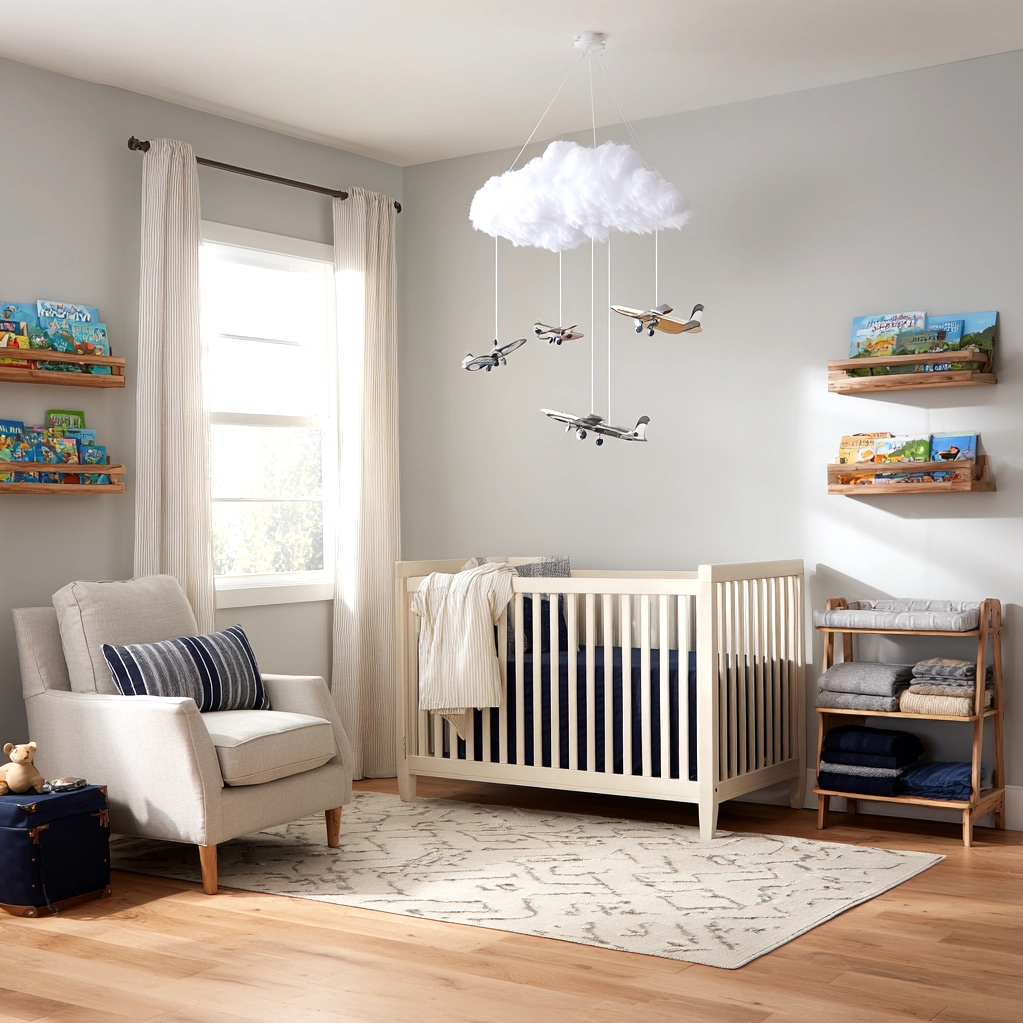
Choosing the Perfect Theme for Nursery Room Decor Boy
Selecting a theme is often the starting point for nursery room decor for boys, providing a cohesive vision that ties all elements together. While traditional themes like animals, transportation, and outer space remain popular, many modern parents are exploring more subtle or educational approaches. Consider themes that can grow with your child, avoiding overly babyish motifs that might need replacing in just a few years. Nature-inspired themes with forests, mountains, or oceans offer timeless appeal, while literary or artistic themes can encourage early creativity. When choosing a theme, think about how it will translate across different elements—from wall art and bedding to storage solutions and lighting. A cohesive theme creates visual harmony without overwhelming the space. For smaller nurseries, simpler themes with clean lines and minimal clutter work best, while larger rooms can accommodate more elaborate designs. Remember that your chosen theme should complement the room's natural light and architectural features. Many parents find that combining elements from multiple themes creates a more personalized and unique nursery. For instance, a safari theme might incorporate animal prints with natural wood furniture and earthy colors. Whatever theme you choose, ensure it reflects your family's personality while providing a calming, stimulating environment for your baby boy. The key is to create a space that feels intentional and welcoming, where every element contributes to the overall atmosphere of comfort and wonder.
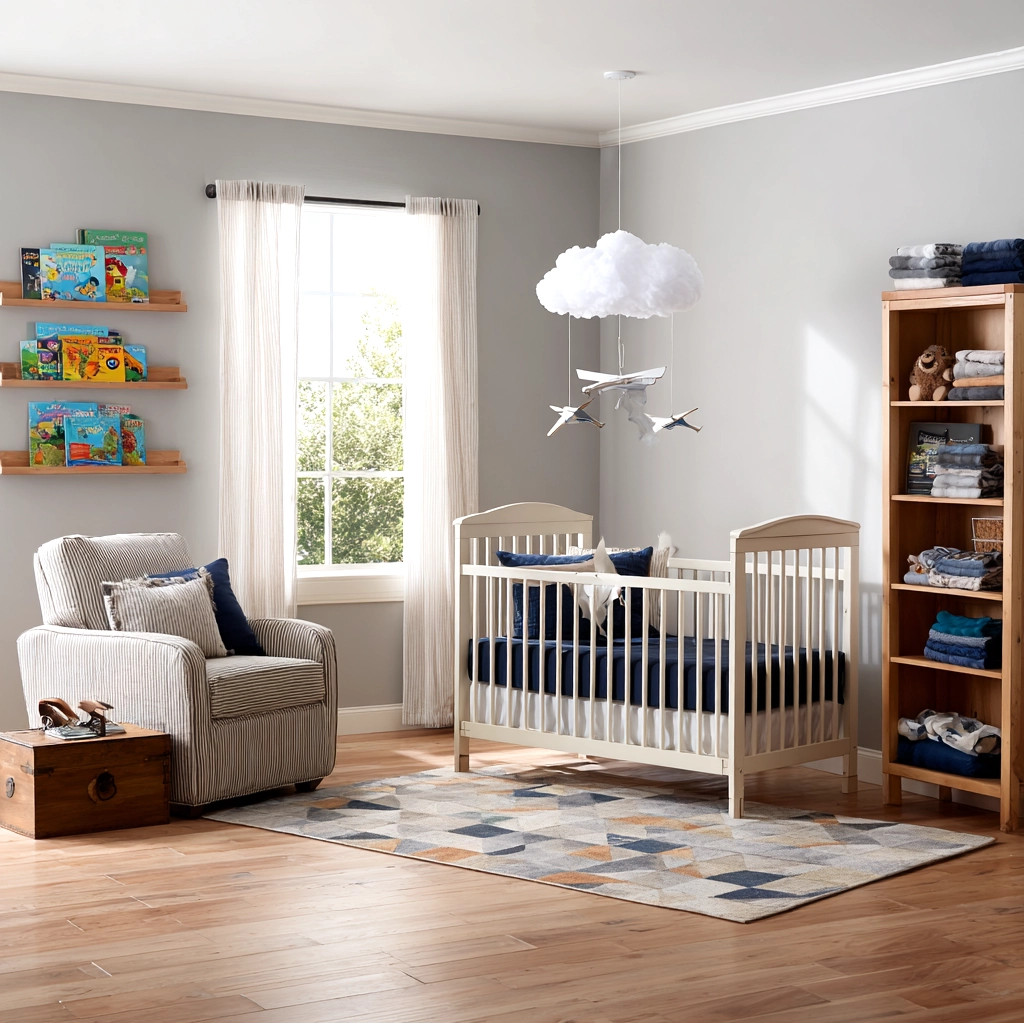
Essential Furniture and Layout for Nursery Room Decor Boy
The furniture you select forms the backbone of your nursery room decor for boys, directly impacting both aesthetics and functionality. Start with the crib, which should meet current safety standards and complement your overall design. Many parents opt for convertible cribs that transform into toddler beds, offering long-term value and continuity in the room's decor. The changing table is another crucial piece—consider models with ample storage for diapers, wipes, and clothing to keep essentials within easy reach. A comfortable glider or rocking chair is invaluable for nighttime feedings and cuddle sessions, so choose one with proper back support and fabric that's easy to clean. When arranging furniture, prioritize safety and accessibility. Place the crib away from windows, heaters, and cords, ensuring there are no loose blankets or pillows inside. The changing table should be positioned with all supplies organized nearby to minimize turning away from your baby during diaper changes. Create distinct zones within the nursery—sleeping, changing, feeding, and play areas—to establish routines and maximize space efficiency. Storage solutions like dressers, bookshelves, and bins help maintain organization while adding to the room's decor. Look for furniture with rounded edges and non-toxic finishes to ensure safety as your baby becomes more mobile. The layout should allow for easy movement and supervision, with clear pathways between key areas. As your boy grows, you can adapt the furniture arrangement to accommodate new needs, such as adding a small table for activities or repositioning items for better play space. Thoughtful furniture selection and layout create a nursery that's both beautiful and perfectly suited to your family's daily life.
Color Schemes and Textiles in Nursery Room Decor Boy
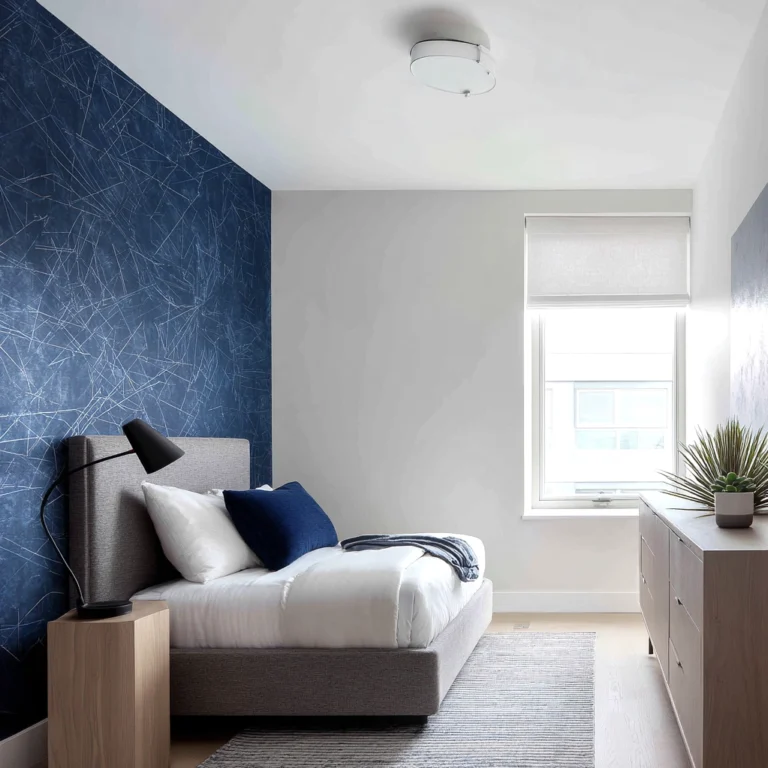
Color plays a powerful role in nursery room decor for boys, influencing mood, visual interest, and the room's perceived size. While blue remains a classic choice for boy's nurseries, modern designs often incorporate broader palettes including greens, grays, yellows, and even muted earth tones. Consider using a neutral base color on walls and larger furniture, then adding pops of brighter colors through accessories, textiles, and art. This approach allows for easy updates as your child's preferences evolve. Soft, calming colors like sage green or light gray create a serene sleeping environment, while bolder accents can stimulate play and exploration in designated areas. Textiles add texture, warmth, and personality to the nursery. Start with a high-quality crib mattress and fitted sheets made from breathable, hypoallergenic materials. Blackout curtains can help regulate sleep patterns by blocking external light, while sheer layers allow for gentle daylight when desired. A plush area rug defines play spaces and provides a soft surface for tummy time and early crawling. When selecting textiles, prioritize easy-care fabrics that withstand frequent washing—cotton, linen, and certain synthetics often work well. Mixing patterns and textures through blankets, pillows, and wall hangings adds visual depth without overwhelming the space. Many parents choose to incorporate handmade or sentimental textiles, like quilts from family members, to personalize the decor. Remember that textiles also contribute to room acoustics; thicker fabrics can help absorb sound, creating a quieter environment for sleep. As you select colors and textiles, consider how they interact with natural and artificial lighting throughout the day. The right combination creates a nursery that feels both inviting and functionally optimized for your baby boy's needs.
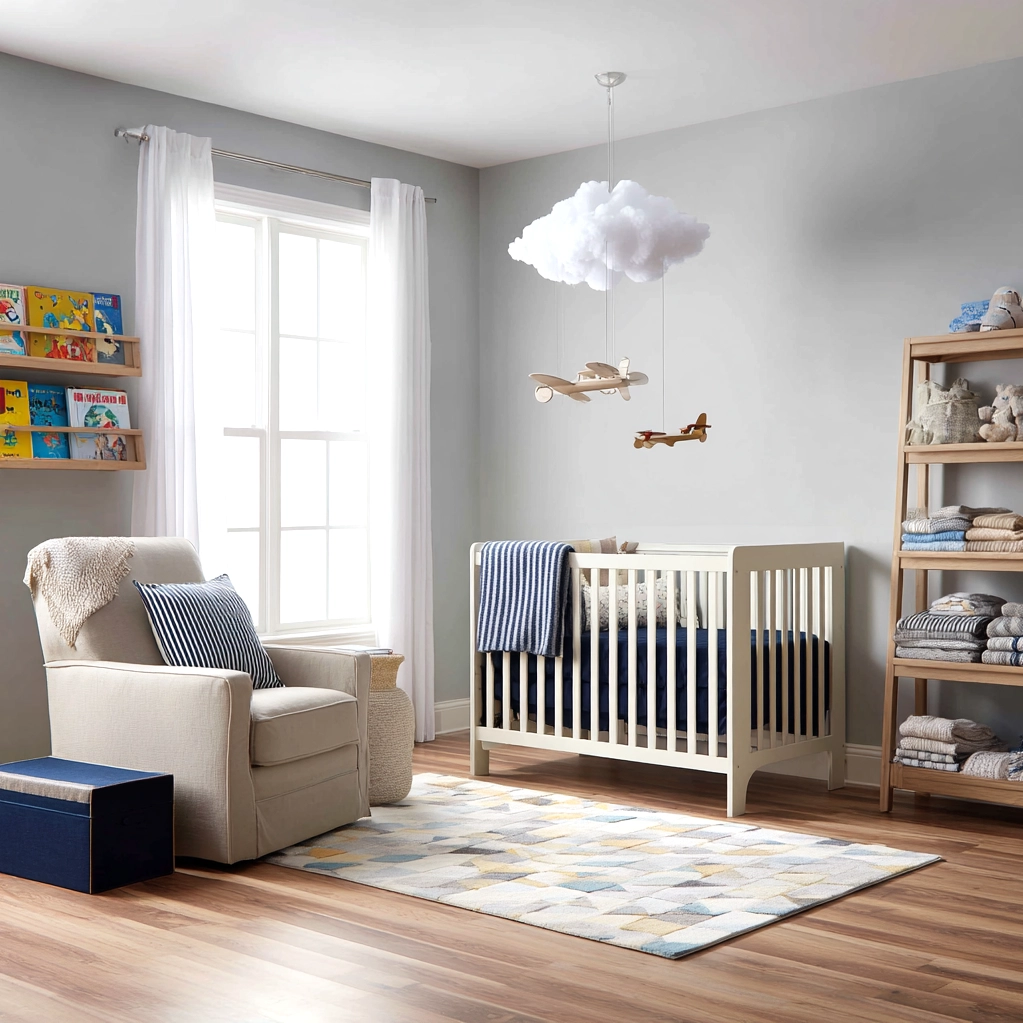
Personalizing Your Nursery Room Decor Boy with Meaningful Details
The most memorable nurseries often feature personal touches that reflect your family's story and values. Personalization transforms standard nursery room decor for boys into a truly unique space that celebrates your child's individuality. Start with wall art that holds meaning—perhaps framed family photos, original illustrations, or prints with inspirational quotes. Many parents create gallery walls that can easily expand as new memories are made. Custom name signs or birth statistics displays add a focal point while commemorating your baby's arrival. Consider incorporating elements from your heritage or interests through cultural artifacts, travel souvenirs, or hobby-related decorations. Books are both decorative and educational; display favorite childhood stories on accessible shelves to encourage early literacy. Functional items can also be personalized—monogrammed storage bins, custom bedding, or a handmade mobile above the crib. As your boy grows, involve him in selecting new decor elements to foster ownership and creativity. Rotating art and accessories seasonally or for special occasions keeps the room feeling fresh and engaging. Don't overlook practical personalization like a growth chart to track height milestones or a memory box for preserving special items. These details create layers of meaning that evolve alongside your child. When adding personal touches, maintain balance to avoid visual clutter. Each item should have purpose or significance, contributing to the room's overall harmony. The most successful personalized nurseries feel curated rather than crowded, with each element telling part of your family's story. These meaningful details will become cherished parts of your home, creating a nursery that's not just beautifully decorated but deeply connected to the little boy who calls it his own.
Conclusion
Designing the perfect nursery for your baby boy is a journey that blends practicality with creativity, resulting in a space that nurtures both his development and your family's connection. Throughout this article, we've explored key aspects of nursery room decor for boys—from selecting themes and furniture to choosing colors and adding personal touches. Remember that the most successful nurseries balance safety and functionality with aesthetics, creating an environment that adapts as your child grows. Start with a clear vision but remain flexible, allowing the room to evolve with your boy's changing needs and interests. As you implement these ideas, focus on creating a space that feels authentically yours, reflecting your family's personality while providing comfort and inspiration. The nursery will serve as the backdrop for countless precious moments—midnight feedings, playful afternoons, and quiet bedtime stories. These early years pass quickly, but a well-designed room can support your child's journey from infancy through toddlerhood with grace and style. Looking ahead, consider how your decor choices might transition as your boy approaches preschool age. Many elements can be repurposed or updated with minimal expense, maintaining the room's character while accommodating new activities and preferences. Ultimately, the best nursery decor creates a haven where love and imagination flourish, laying the foundation for a lifetime of happy memories in your home.
Frequently Asked Questions
Q: What are the safest color choices for a boy's nursery?
Safety in color choices primarily relates to paint and material safety rather than specific hues. Always use zero-VOC or low-VOC paints to minimize chemical exposure, regardless of color. For visual comfort, softer tones like light blues, greens, grays, or neutrals create a calming environment that supports sleep. Avoid overly bright or stimulating colors on large surfaces, as they can sometimes overstimulate infants. You can incorporate brighter accents through removable items like artwork or textiles. The safest approach combines non-toxic materials with a balanced palette that promotes relaxation while allowing for visual interest through accessories.
Q: How can I make my son's nursery grow with him?
To create a nursery that grows with your child, focus on flexible, durable elements. Choose convertible furniture like cribs that transform into toddler beds and changing tables that become dressers. Select timeless themes and neutral wall colors that won't feel babyish in a few years. Incorporate adjustable storage solutions like modular shelves and bins that can be reconfigured. Use removable decor like wall decals, interchangeable art, and seasonal textiles that can be easily updated. Designate areas that can transition from diaper changing to activity stations as needs change. Investing in quality, adaptable pieces from the start will save money and maintain continuity as your boy develops new interests and requirements.
Q: What lighting is best for a baby boy's nursery?
Optimal nursery lighting combines functionality with gentle ambiance. Install a dimmable ceiling fixture or use a dimmer switch to control overhead light intensity for different times of day. Add blackout curtains or shades to darken the room completely for naps and nighttime sleep. Include a nightlight with warm, soft glow (avoiding blue light) for nighttime checks without fully waking your baby. A task lamp near the changing table and feeding chair provides focused light for diaper changes and feedings. Natural light is beneficial during daytime hours, so position play areas near windows when possible. Avoid harsh, direct lighting that could startle your baby, and ensure all cords are safely secured away from reach. Layering these lighting types creates a versatile environment that supports both activity and rest.