Home Spa Bathroom Ideas Interior Design: Ultimate Serenity Solutions


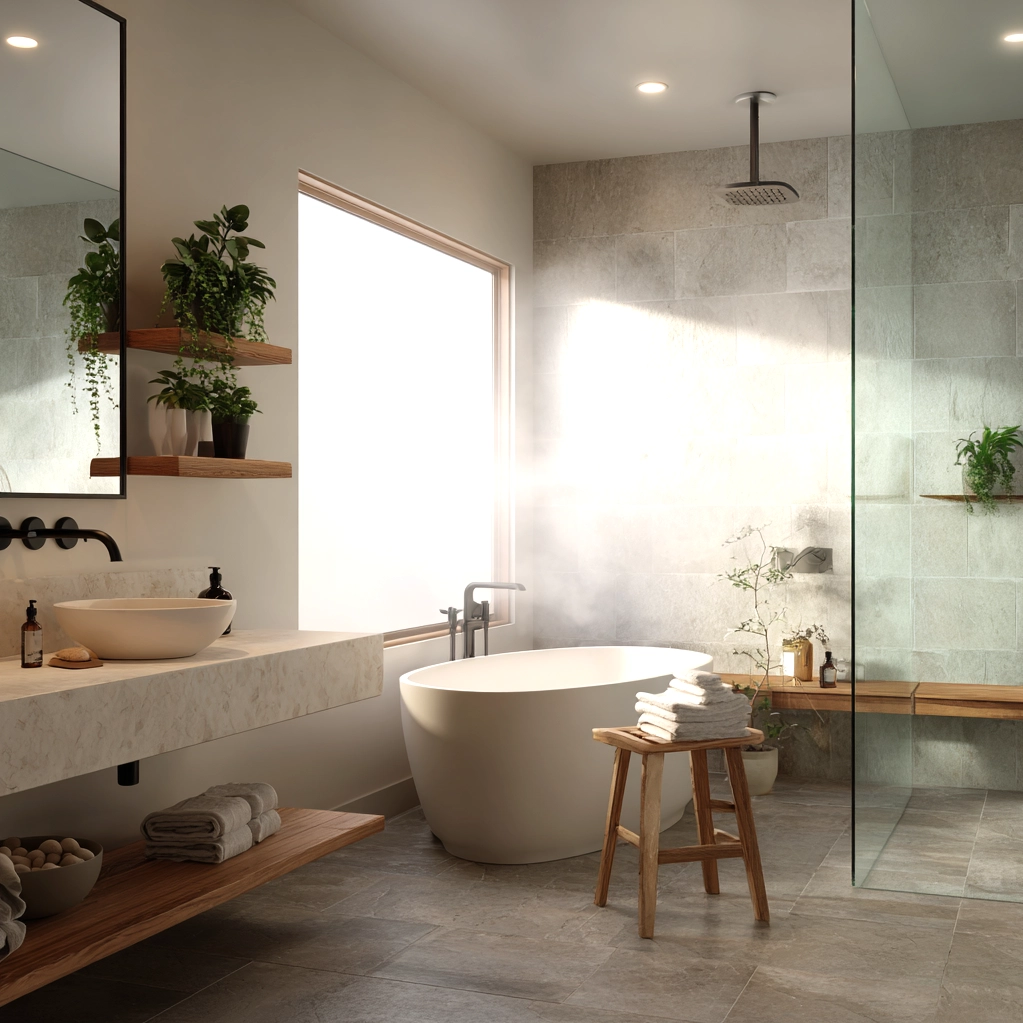
In today’s fast-paced world, creating a personal sanctuary where you can unwind and recharge has become more important than ever. Your bathroom presents the perfect opportunity to transform a purely functional space into a luxurious retreat that nourishes both body and soul. By implementing thoughtful home spa bathroom ideas interior design, you can cultivate an environment that promotes relaxation, reduces stress, and enhances your daily self-care rituals. The concept extends beyond mere aesthetics—it’s about creating a holistic experience that engages all your senses through soothing textures, calming colors, and therapeutic elements. Whether you’re working with a spacious master bath or a compact powder room, there are countless ways to infuse spa-like tranquility into your existing space. This transformation doesn’t require a complete renovation either; strategic updates and smart design choices can achieve remarkable results. Your bathroom should be more than just a place for hygiene—it should be a personal oasis that supports your wellbeing. By embracing spa-inspired design principles, you’ll create a haven that makes everyday moments feel special and helps you disconnect from life’s pressures. The journey toward a restorative bathroom begins with understanding how to blend functionality with serenity, creating a space that truly feels like a retreat within your own home.
Essential Elements for Home Spa Bathroom Ideas Interior Design
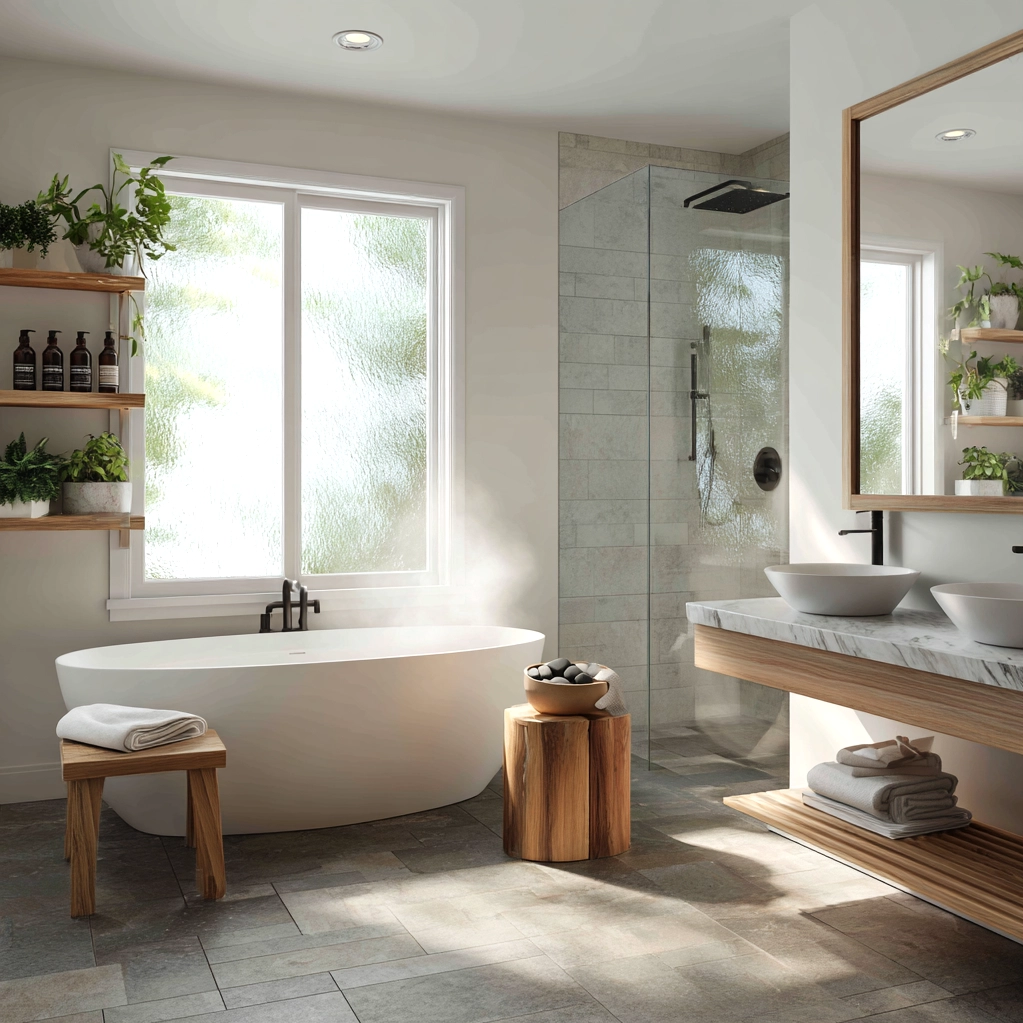
Creating a spa-like atmosphere in your bathroom begins with understanding the fundamental elements that distinguish ordinary bathrooms from extraordinary retreats. The foundation of successful home spa bathroom ideas interior design lies in selecting materials that speak to both luxury and tranquility. Natural stone surfaces like marble, travertine, or slate immediately elevate the space, while their cool touch and subtle variations in color and texture create visual interest. Consider incorporating these materials in key areas such as countertops, shower walls, or accent features. Lighting plays a crucial role in setting the mood—layered lighting with dimmable options allows you to adjust from bright functional light to soft, atmospheric glow. Install sconces at eye level for flattering illumination and consider LED strips beneath cabinets or along shower niches for subtle accent lighting.
Water features represent another essential component of spa-inspired design. While not everyone can install a full waterfall wall, you can achieve similar effects with multi-head shower systems that mimic rainfall or handheld showerheads with adjustable pressure settings. Freestanding soaking tubs have become synonymous with luxury bathrooms, their sculptural forms creating a focal point while inviting extended relaxation. For those with space constraints, deep Japanese-style soaking tubs or even a beautifully designed standard tub with added features can provide similar benefits.
Storage solutions should prioritize both organization and serenity. Clutter disrupts the peaceful atmosphere you're trying to create, so incorporate built-in shelving, recessed medicine cabinets, or floating vanities that keep essentials accessible but out of sight. Consider adding a dedicated space for towels, bath products, and relaxation accessories like essential oils or bath salts. The goal is to create a streamlined environment where everything has its place, contributing to the overall sense of calm and order. These foundational elements work together to establish the spa-like quality that makes your bathroom a true retreat.
Sensory Design in Home Spa Bathroom Ideas Interior Design
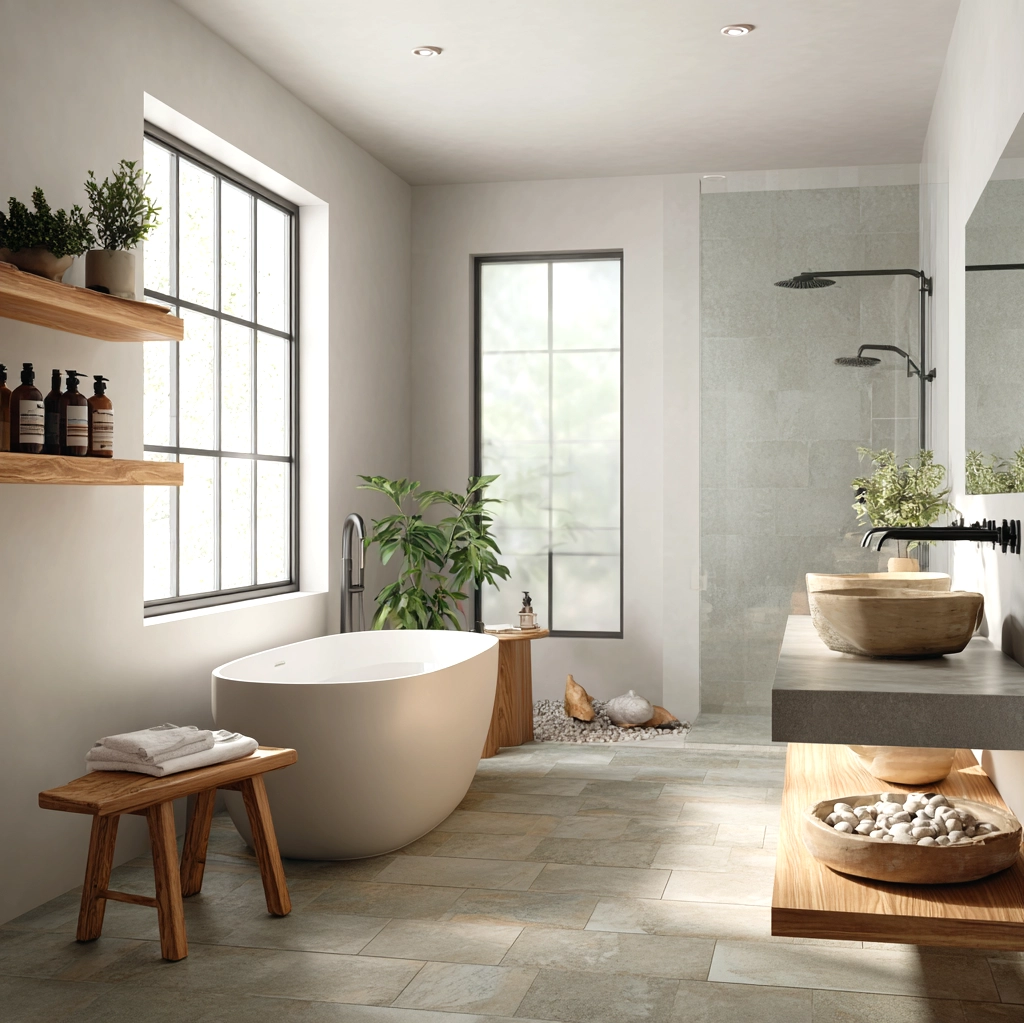
Truly transformative home spa bathroom ideas interior design engages all five senses, creating a multi-dimensional experience that promotes deep relaxation. Visual elements establish the initial impression, with color palettes serving as the most powerful tool. Soft neutrals like warm grays, creamy whites, and earthy taupes create a calming backdrop, while accent colors drawn from nature—soft blues reminiscent of water, gentle greens inspired by foliage, or sandy beiges—enhance the serene atmosphere. Texture adds depth and interest to these color schemes; consider combining smooth stone surfaces with natural wood accents, plush textiles, and matte finishes that absorb rather than reflect light.
The auditory dimension of your bathroom design significantly impacts the spa experience. Sound-muffling materials like cork flooring, thick towels, and fabric window treatments can help minimize external noise, while the addition of a small waterproof speaker system allows you to play calming music or nature sounds during your relaxation rituals. The sound of water itself can be therapeutic—consider how your shower or faucet sounds and opt for fixtures that create a gentle, consistent flow rather than a harsh, splashing noise.
Tactile experiences form the core of any spa environment. Heated flooring provides luxurious comfort underfoot, especially during colder months, while towel warmers ensure you're enveloped in warmth after bathing. The choice of towels, bath mats, and robes deserves careful consideration—opt for high-quality, absorbent fabrics with a substantial weight and soft texture. Even smaller details like the feel of cabinet pulls, faucet handles, and shower controls contribute to the overall tactile experience.
Scent completes the sensory journey through carefully integrated aromatherapy. Built-in diffusers, scented candles in safe holders, or essential oil trays near the shower (where steam can activate the oils) allow you to customize fragrances based on your needs—lavender for relaxation, eucalyptus for rejuvenation, or citrus for energy. By addressing all senses in your design approach, you create a bathroom that doesn't just look like a spa but feels like one too.
Practical Implementation of Home Spa Bathroom Ideas Interior Design
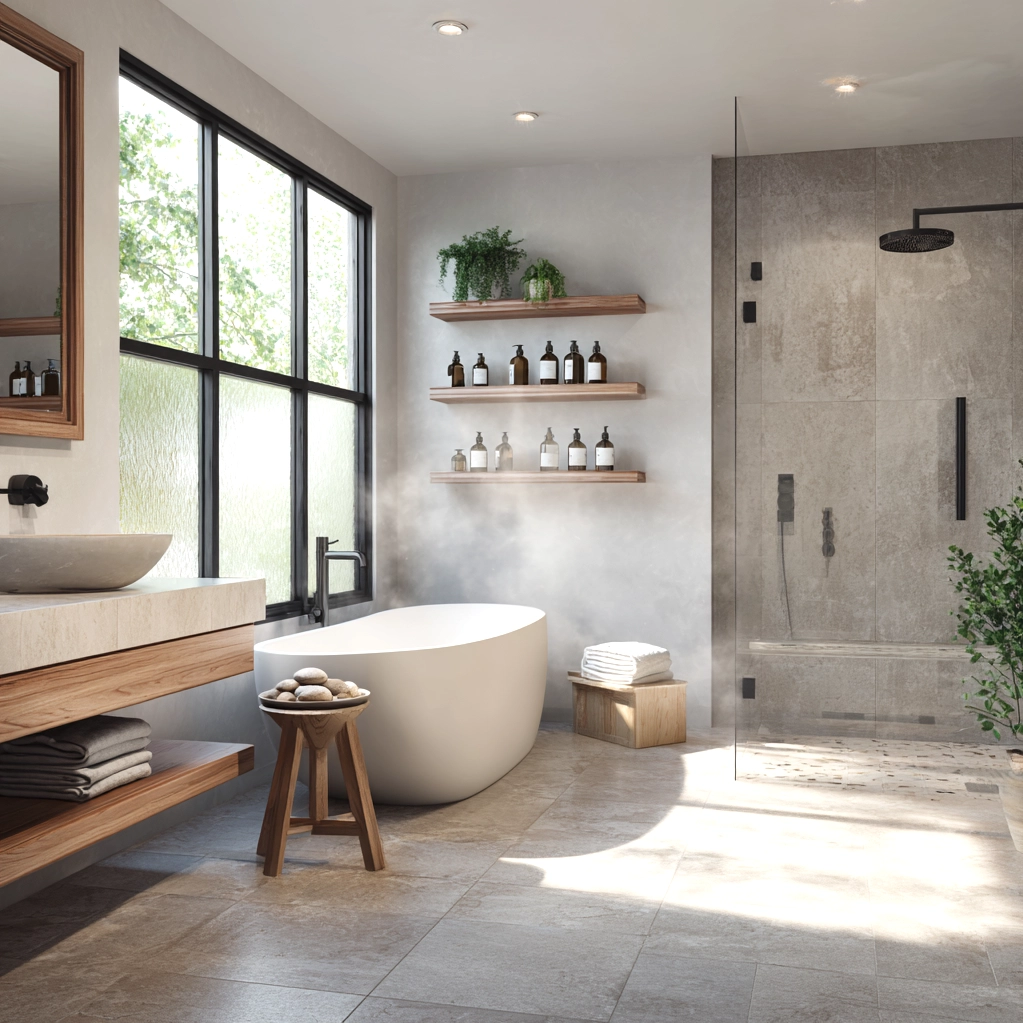
Transforming your bathroom into a spa-like sanctuary requires thoughtful planning and strategic implementation of home spa bathroom ideas interior design. Begin with a thorough assessment of your existing space, identifying what works, what doesn't, and where opportunities for improvement lie. Even small changes can yield significant results—replacing outdated fixtures with modern, water-efficient models, installing a rainfall showerhead, or adding a bench in the shower area can dramatically enhance the experience. For those undertaking more extensive renovations, consider reconfiguring the layout to improve flow and functionality, perhaps creating a wet room design that eliminates shower curtains or doors for a more open, luxurious feel.
Storage and organization prove particularly important in spa bathrooms where clutter undermines tranquility. Custom cabinetry that reaches the ceiling maximizes vertical space while keeping items neatly stored. Open shelving, when used judiciously, can display beautiful containers of bath salts, folded towels, or decorative elements while maintaining an organized appearance. Incorporate dedicated spaces for different functions—a vanity area with good lighting for skincare routines, accessible storage for daily essentials, and perhaps a small seating area for moments of quiet contemplation.
Greenery introduces life and vitality to your bathroom sanctuary. Select plants that thrive in humid environments with varying light conditions—snake plants, pothos, ferns, and peace lilies typically adapt well to bathroom settings. Consider mounting plants on walls, placing them in hanging planters, or creating a small green corner with multiple varieties. Living elements not only improve air quality but also strengthen the connection to nature that's central to spa philosophy.
Technology integration should enhance rather than detract from the peaceful atmosphere. Waterproof television or tablet mounts can provide entertainment during long soaks, while smart mirrors with built-in lighting and defogging features combine functionality with luxury. Heated elements extend beyond floors to include toilet seats, towel racks, and even mirror surfaces to prevent fogging. The key is selecting technologies that serve your relaxation goals without creating visual or auditory clutter. By approaching implementation with careful consideration of both aesthetics and practicality, you create a spa bathroom that's beautiful, functional, and truly restorative.
Conclusion
Creating a personal spa retreat within your bathroom represents one of the most rewarding home improvements you can undertake. Through thoughtful implementation of home spa bathroom ideas interior design, you transform a purely functional space into a sanctuary that supports your wellbeing on multiple levels. The journey begins with understanding the essential elements that define spa-like environments—natural materials, soothing colors, layered lighting, and water features that engage the senses. By extending this approach to include tactile comforts, calming scents, and harmonious organization, you create a multi-sensory experience that promotes genuine relaxation.
The beauty of spa-inspired design lies in its adaptability to different spaces, budgets, and personal preferences. Whether you're planning a complete renovation or making strategic updates to your existing bathroom, the principles remain the same: prioritize serenity, functionality, and sensory engagement. Remember that your personal sanctuary should reflect your unique needs and tastes—what brings peace to one person might differ for another. The most successful spa bathrooms balance universal design principles with personal touches that make the space truly your own.
Looking forward, the trend toward wellness-focused home design will only continue to grow, with bathrooms playing a central role in this evolution. As technology advances, we'll see even more seamless integration of smart features that enhance relaxation without disrupting the peaceful atmosphere. Sustainable materials and water-efficient fixtures will become standard, allowing us to create luxurious spaces that are also environmentally responsible. The ultimate goal remains constant: to craft a personal retreat that helps you disconnect from daily stresses and reconnect with yourself. Start with one change—perhaps new lighting, a plant, or a luxurious set of towels—and build from there. Your journey toward a restorative bathroom sanctuary begins with that first step toward creating a space that nourishes you every day.
Frequently Asked Questions
Q: Can I create a spa-like bathroom on a limited budget?
Absolutely! Creating a spa-inspired bathroom doesn't require a complete renovation or expensive materials. Start with simple, cost-effective changes that make a significant impact. Replace your showerhead with a rainfall model for immediate luxury. Add plush, high-quality towels in calming colors. Install dimmer switches on existing lights to control ambiance. Incorporate plants that thrive in bathroom environments—they're affordable and add life to the space. Declutter surfaces and organize products in attractive containers. Paint walls in soothing neutral tones. These changes, combined with thoughtful arrangement and perhaps a water-resistant speaker for calming music, can transform your bathroom into a relaxing retreat without breaking the bank.
Q: What are the best plants for a spa bathroom environment?
The best plants for spa bathrooms are those that thrive in humid conditions with indirect light. Snake plants are excellent choices as they tolerate low light and irregular watering while purifying the air. Pothos varieties grow well in bathrooms and their trailing vines add softness to the space. Ferns like Boston or maidenhair ferns love humidity but require consistent moisture. Peace lilies offer beautiful white flowers and adapt well to bathroom conditions. Bamboo grows happily in water-filled containers. Orchids can flourish in bathroom windowsills with filtered light. When selecting plants, consider your specific bathroom conditions—light availability, humidity levels, and your maintenance routine. Always ensure plants have proper drainage and aren't placed where they might be damaged by direct water spray or excessive heat.
Q: How can I incorporate aromatherapy into my bathroom design safely?
Incorporating aromatherapy safely requires careful consideration of heat sources, ventilation, and placement. Electric diffusers are ideal as they don't involve open flames and can be placed away from water sources. Look for models with automatic shut-off features. Reed diffusers provide constant, flame-free fragrance but should be placed on stable surfaces where they won't be knocked over. If using candles, select ones in sealed glass containers and place them on heat-resistant surfaces away from curtains, towels, and other flammable materials. Never leave burning candles unattended. Essential oil trays placed near (but not in) the shower allow steam to activate the oils naturally. Consider built-in options like shower heads with essential oil dispensers or ventilation systems with scent cartridges. Always ensure proper ventilation in your bathroom to prevent moisture buildup and allow fragrance to circulate without becoming overwhelming.