Old Money Office Ideas: Timeless Strategies for Sophisticated Workspaces


The allure of old money office ideas extends far beyond mere aesthetics—it represents a commitment to quality, tradition, and understated elegance that transforms a workspace into a sanctuary of productivity and sophistication. Unlike fleeting trends that come and go, these design principles are rooted in enduring values that have stood the test of time. An office designed with old money sensibilities isn’t just about looking wealthy—it’s about creating an environment that fosters focus, commands respect, and reflects a legacy of excellence.
In today's fast-paced digital world, our workspaces often become cluttered with temporary solutions and mass-produced furniture. Old money office ideas offer an antidote to this transience by emphasizing craftsmanship, heirloom-quality materials, and thoughtful curation. These spaces communicate stability and wisdom, qualities that can enhance both personal satisfaction and professional credibility. Whether you're working from home or designing a corporate office, incorporating these elements can elevate your daily experience and create a lasting impression.
The importance of this approach lies in its ability to balance functionality with beauty. Old money aesthetics prioritize comfort, durability, and practicality while maintaining an air of refined elegance. From selecting the right wood finishes to choosing appropriate lighting, every detail contributes to an atmosphere of quiet confidence. This isn't about ostentatious displays of wealth but rather about investing in pieces that tell a story and improve with age. By embracing these principles, you create not just an office, but a personal retreat that inspires creativity and professionalism.
Essential Elements of Old Money Office Ideas
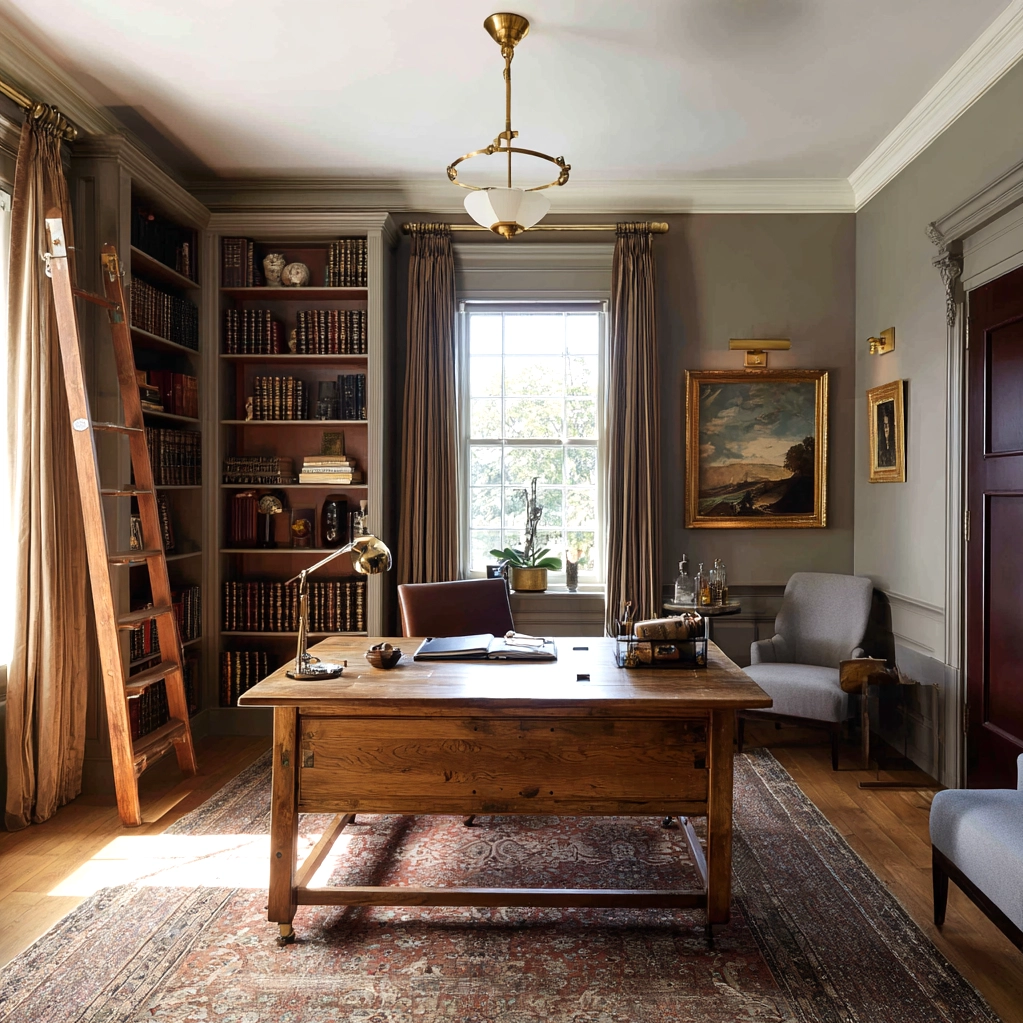
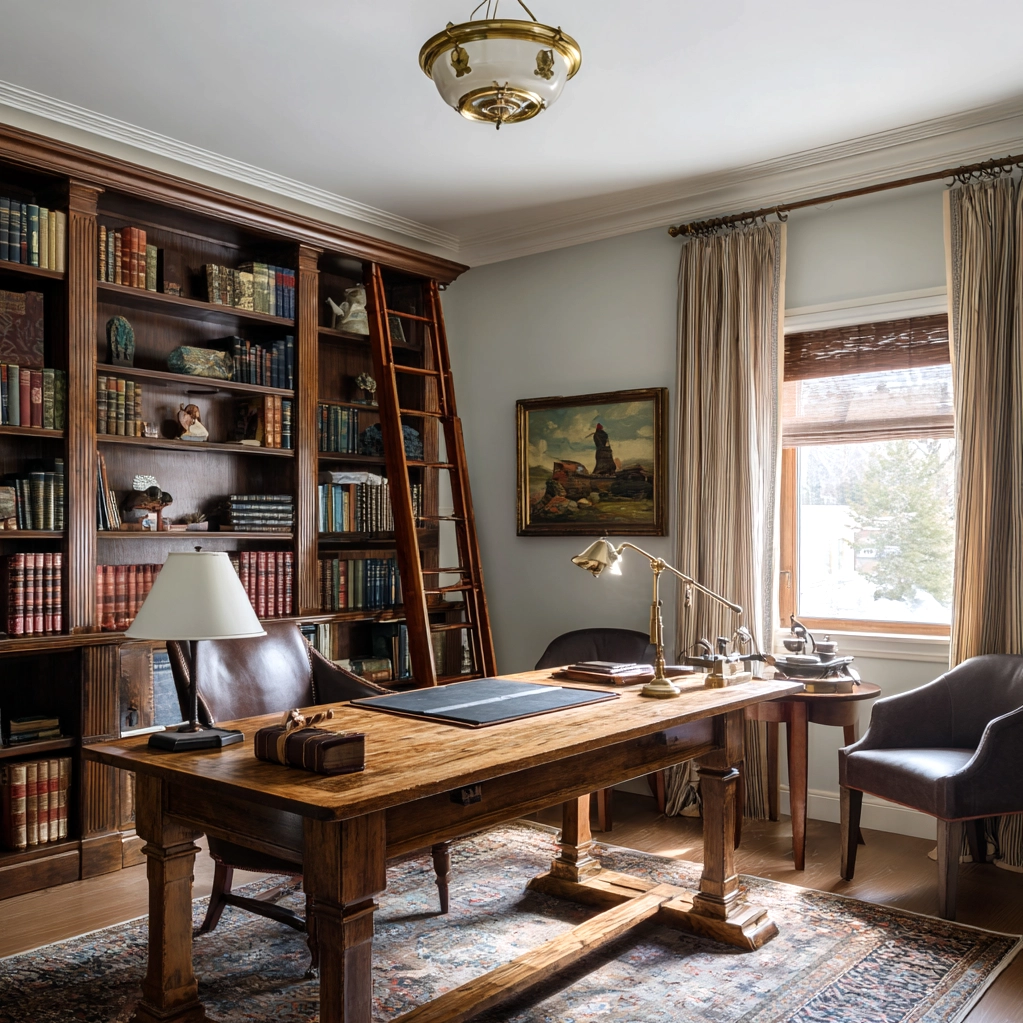
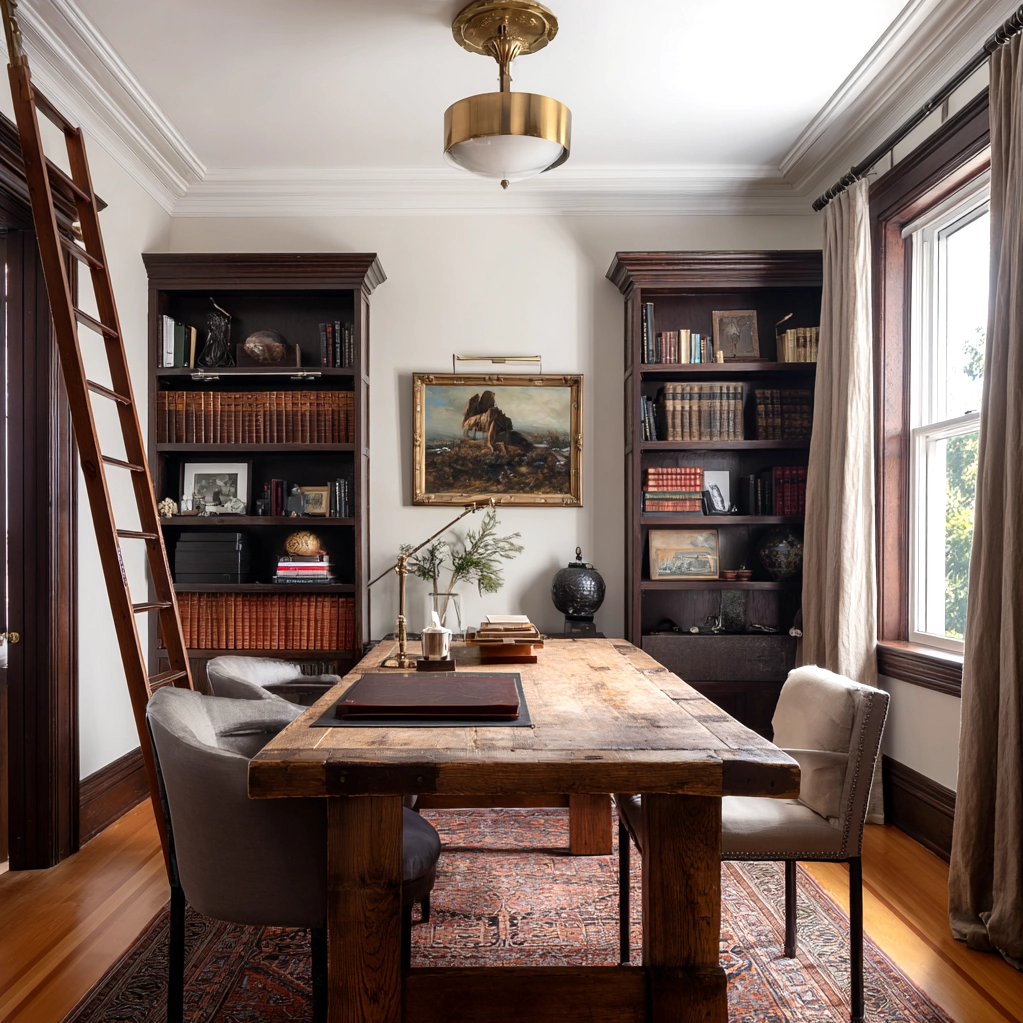
When implementing old money office ideas, certain foundational elements create the authentic atmosphere that defines this aesthetic. Begin with furniture that emphasizes quality over quantity. Look for pieces made from solid hardwoods like mahogany, walnut, or oak—materials known for their durability and rich patinas that develop over time. A substantial desk should serve as the room's anchor, preferably with clean lines and minimal ornamentation. Avoid particle board or veneers that mimic wood; instead, invest in genuine craftsmanship that will last for decades.
Wall treatments play a crucial role in old money office design. Consider traditional options like wainscoting, wood paneling, or textured wallpaper in subtle patterns. These elements add depth and character to the space while maintaining a sense of restraint. For color schemes, opt for timeless neutrals: deep greens, navy blues, warm browns, or classic creams. These colors create a calm, focused environment that feels both professional and inviting. Avoid bright, trendy colors that might feel dated in a few years.
Lighting is another critical component in old money office ideas. Natural light should be maximized whenever possible, complemented by layered artificial lighting. A statement desk lamp with a brass or bronze base provides both function and style, while ambient lighting from sconces or a classic chandelier creates warmth. Window treatments should be substantial—think heavy drapes in quality fabrics rather than flimsy blinds. Finally, incorporate meaningful accessories: leather-bound books, a quality writing set, or a tasteful globe. These items should serve practical purposes while adding to the room's narrative of tradition and substance.
Furniture Selection for Old Money Office Ideas
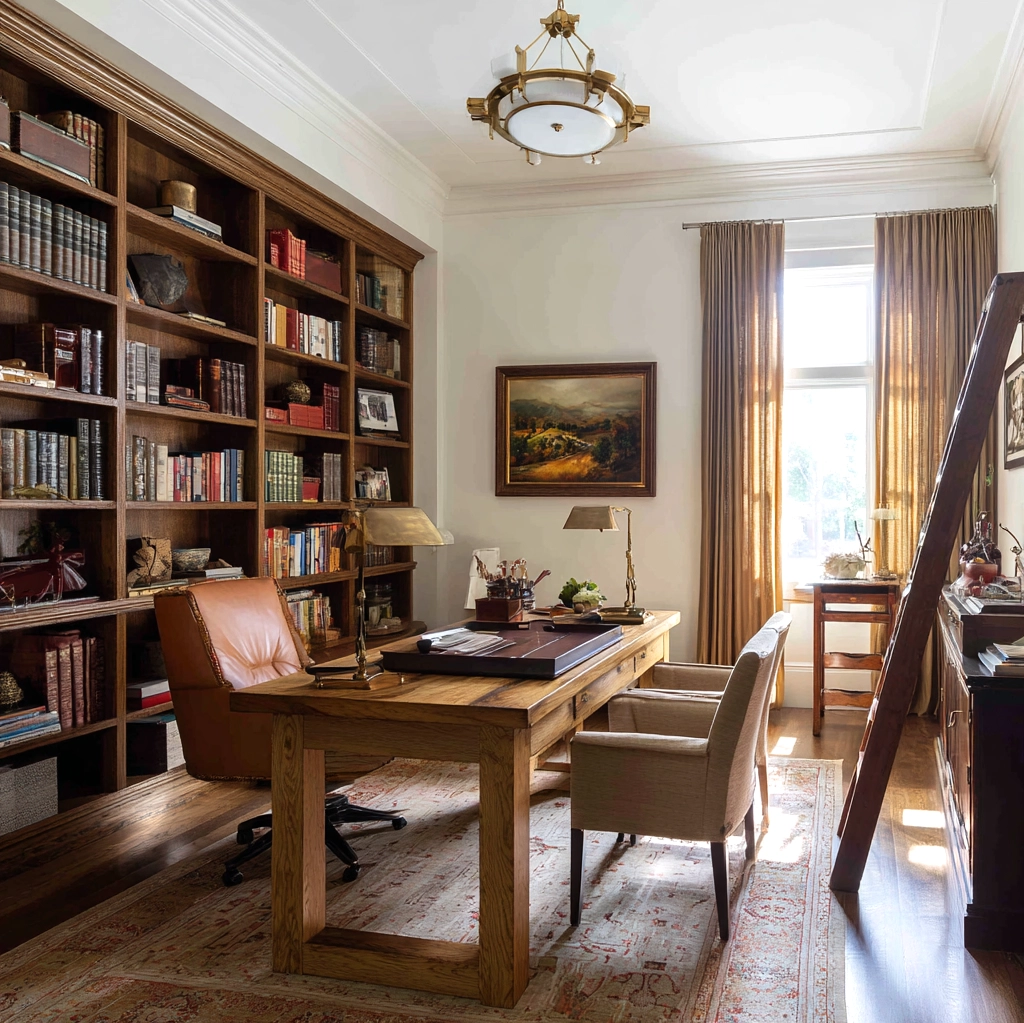
Selecting the right furniture is paramount when creating old money office ideas that feel authentic and functional. Start with the desk—the centerpiece of any workspace. Look for designs that combine form and function, such as a partners desk or a substantial writing table. These pieces typically feature multiple drawers for organization and a surface spacious enough for both work materials and decorative elements. The wood should show natural grain variations, and hardware should be substantial—think brass pulls or leather-wrapped handles.
Seating requires equal consideration in old money office ideas. An ergonomic desk chair upholstered in high-quality leather provides comfort during long work sessions while developing a beautiful patina over time. For guest seating, consider a pair of club chairs or a small sofa in durable fabrics like tweed, wool, or velvet. These pieces should invite conversation without overwhelming the space. Avoid matching sets that look too coordinated; instead, mix complementary pieces that feel collected over time.
Storage solutions in old money office design should be both practical and beautiful. A glass-front bookcase displays leather-bound volumes and meaningful objects while keeping dust at bay. Filing cabinets should be concealed within cabinetry or chosen in finishes that complement the room's aesthetic. Consider incorporating a credenza or sideboard for additional storage and surface space. When arranging furniture, create distinct zones within the office: a primary work area, a reading nook, and perhaps a small conference space. This zoning enhances functionality while maintaining the spacious, uncluttered feel essential to old money aesthetics. Remember that less is more—each piece should earn its place through both utility and beauty.
Incorporating Old Money Office Ideas in Modern Spaces
Many people assume old money office ideas only work in traditional homes, but these principles can be beautifully adapted to contemporary spaces with thoughtful execution. The key lies in blending timeless elements with modern functionality. Start by identifying which aspects of the aesthetic resonate most with your needs—perhaps it's the quality materials, the sense of calm, or the emphasis on craftsmanship. Then, integrate these elements into your existing space without forcing a complete stylistic overhaul.
For modern offices, consider incorporating old money touches through accessories and materials rather than architectural changes. A classic wooden desk can anchor a room with contemporary lighting and minimalist shelving. Use traditional fabrics for window treatments or chair upholstery while keeping walls painted in modern neutrals. Technology should be seamlessly integrated—conceal cords within furniture or use decorative boxes to hide electronics. This maintains the clean lines essential to both aesthetics while honoring the old money preference for discreet luxury.
Lighting presents excellent opportunities to blend old money office ideas with modern design. Pair a traditional brass desk lamp with sleek, minimalist overhead lighting. Use dimmer switches to create adjustable ambiance that works for both focused tasks and relaxed reading. When selecting art, choose pieces that bridge traditional and contemporary styles—perhaps modern interpretations of classical subjects or traditional frames housing contemporary photography. The goal isn't to create a period replica but to capture the essence of old money values: quality, longevity, and thoughtful curation. By focusing on these principles rather than specific historical details, you can create a workspace that feels both timeless and perfectly suited to contemporary life.
Conclusion
Old money office ideas offer more than just visual appeal—they provide a framework for creating workspaces that stand the test of time both functionally and aesthetically. By prioritizing quality materials, thoughtful craftsmanship, and understated elegance, these design principles transform ordinary offices into environments that inspire productivity, command respect, and provide daily satisfaction. The true value lies not in appearing wealthy, but in creating spaces that reflect enduring values and improve with age.
As we look to the future of workspace design, the lessons from old money aesthetics become increasingly relevant. In an era of disposable furniture and rapidly changing trends, investing in pieces that last represents both economic wisdom and environmental responsibility. These spaces teach us to value patience over immediacy, substance over show, and longevity over novelty. Whether working from home or designing corporate environments, these principles help create offices that serve us well for years to come.
To begin incorporating old money office ideas into your own space, start with one quality piece—perhaps a solid wood desk or a comfortable leather chair. Build gradually around this foundation, selecting each additional item with care and intention. Remember that authenticity matters more than perfection; a thoughtfully curated space with a mix of meaningful pieces will always feel more genuine than a perfectly matched set. Your office should tell your story through the objects you choose and the atmosphere you create. By embracing these timeless strategies, you invest not just in your workspace, but in your daily quality of life and professional presence.
Frequently Asked Questions
Q: What are the most important materials for creating old money office ideas?
The most important materials for old money office ideas are natural, high-quality substances that age gracefully. Solid hardwoods like mahogany, walnut, and oak form the foundation for furniture that lasts generations. For upholstery and textiles, look for genuine leather, wool, silk, linen, and cotton—fabrics known for their durability and developing beautiful patinas over time. Brass, bronze, and other solid metals add warmth through hardware and accessories. Avoid synthetic materials, particle board, and plastic whenever possible, as these lack the longevity and character essential to authentic old money aesthetics.
Q: How can I incorporate old money office ideas on a budget?
Incorporating old money office ideas on a budget requires focusing on quality over quantity and being strategic about investments. Start by purchasing one excellent piece—perhaps a pre-owned solid wood desk from a reputable source—and build around it gradually. Shop secondhand stores, estate sales, and online marketplaces for quality furniture that just needs refinishing or reupholstering. Focus on materials rather than brands; a well-made wooden chair from a local craftsman often surpasses a designer piece made with inferior materials. DIY projects like painting walls in classic colors or installing traditional moldings can transform a space affordably. Remember that old money aesthetics value patina and character, so don't shy away from pieces that show gentle wear—this often adds authenticity.
Q: Can old money office ideas work in small spaces or home offices?
Absolutely—old money office ideas can be beautifully adapted to small spaces and home offices through careful editing and strategic choices. In compact areas, focus on multifunctional furniture: a partners desk that serves as both workspace and storage, or a bookshelf that doubles as room divider. Choose lighter color palettes to create an illusion of space while maintaining sophisticated neutrals. Scale down furniture proportions without sacrificing quality; a smaller solid wood desk still provides the essential aesthetic. Use vertical space effectively with floor-to-ceiling bookshelves or traditional paneling that draws the eye upward. The key principles—quality materials, thoughtful curation, and timeless design—remain just as important in small spaces, creating an atmosphere of refined efficiency rather than cramped clutter.