Vintage Western Decor: Transform Your Home with Authentic Rustic Charm


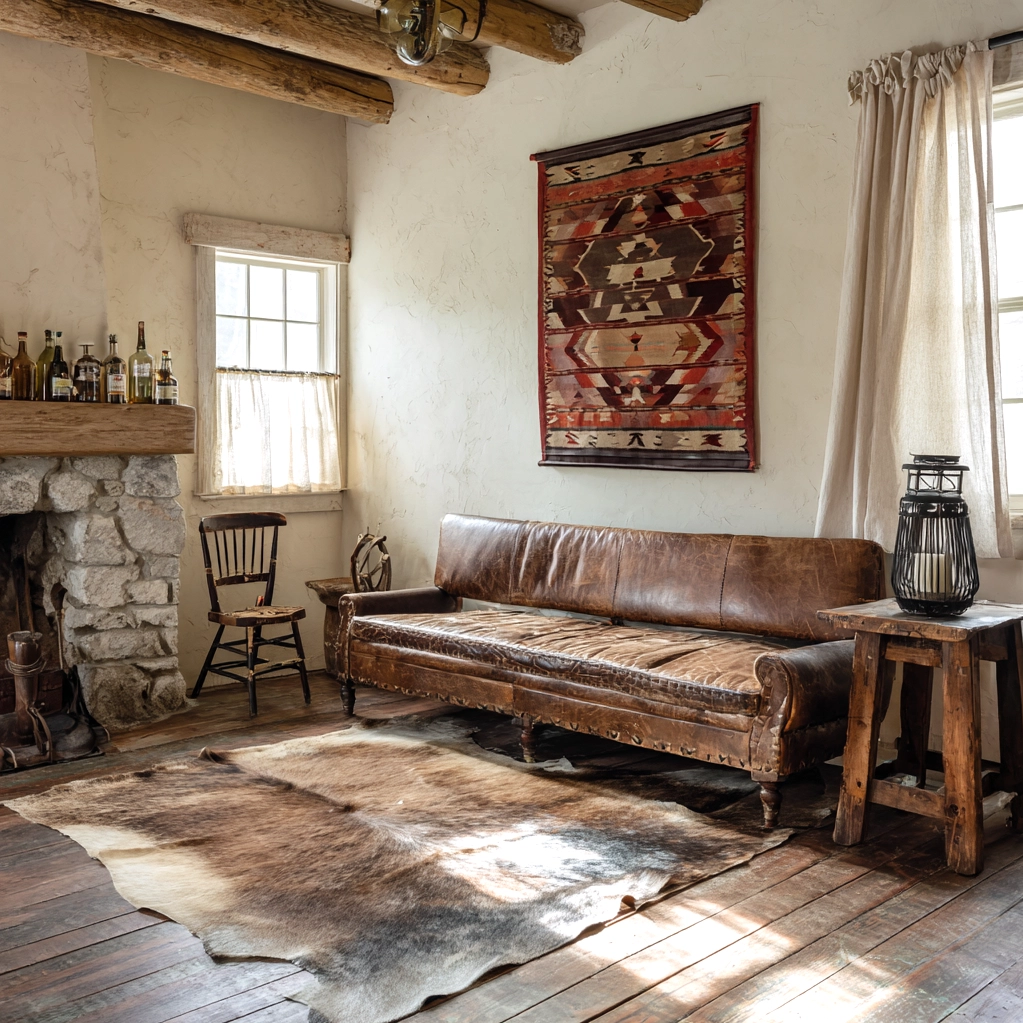
Step back in time and infuse your living space with the rugged elegance of the American frontier. Vintage western decor isn’t just a design trend—it’s a timeless aesthetic that tells stories of adventure, resilience, and connection to the land. This distinctive style combines weathered textures, natural materials, and authentic artifacts to create spaces that feel both nostalgic and inviting. Whether you’re drawn to cowboy culture, Native American artistry, or the simple beauty of pioneer life, vintage western decor offers a unique way to personalize your home. Unlike fleeting design fads, this aesthetic celebrates craftsmanship and history, making each piece meaningful. It’s perfect for those who appreciate character over perfection, with distressed leather, reclaimed wood, and hand-forged iron creating warmth and authenticity. As modern life becomes increasingly digital, surrounding yourself with tangible reminders of simpler times provides a comforting contrast. This decor style works beautifully in various settings—from rustic cabins to urban apartments—adding depth and personality. Embracing vintage western decor means creating a home that feels lived-in and loved, where every object has a story. It’s about celebrating the beauty of imperfection and the charm of bygone eras. Let’s explore how you can bring this captivating style into your own space.
Essential Elements of Vintage Western Decor
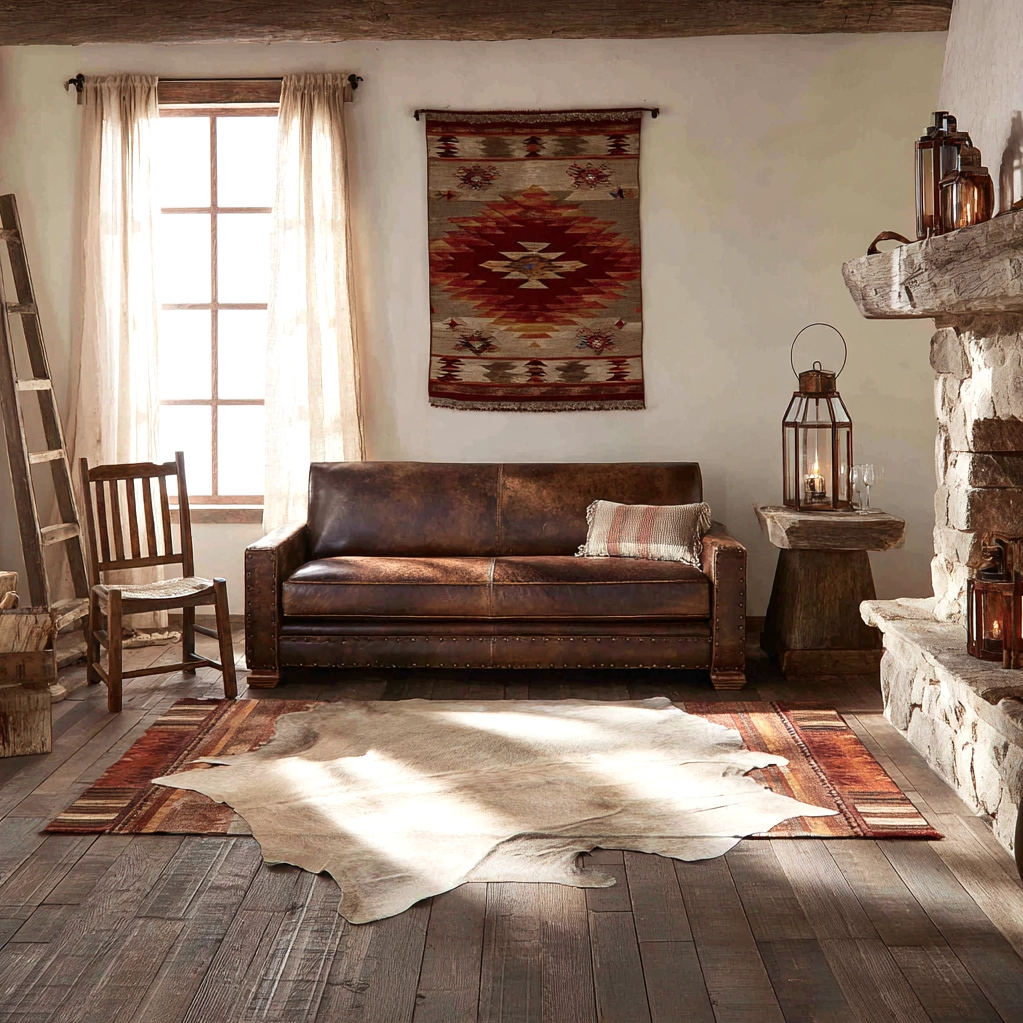
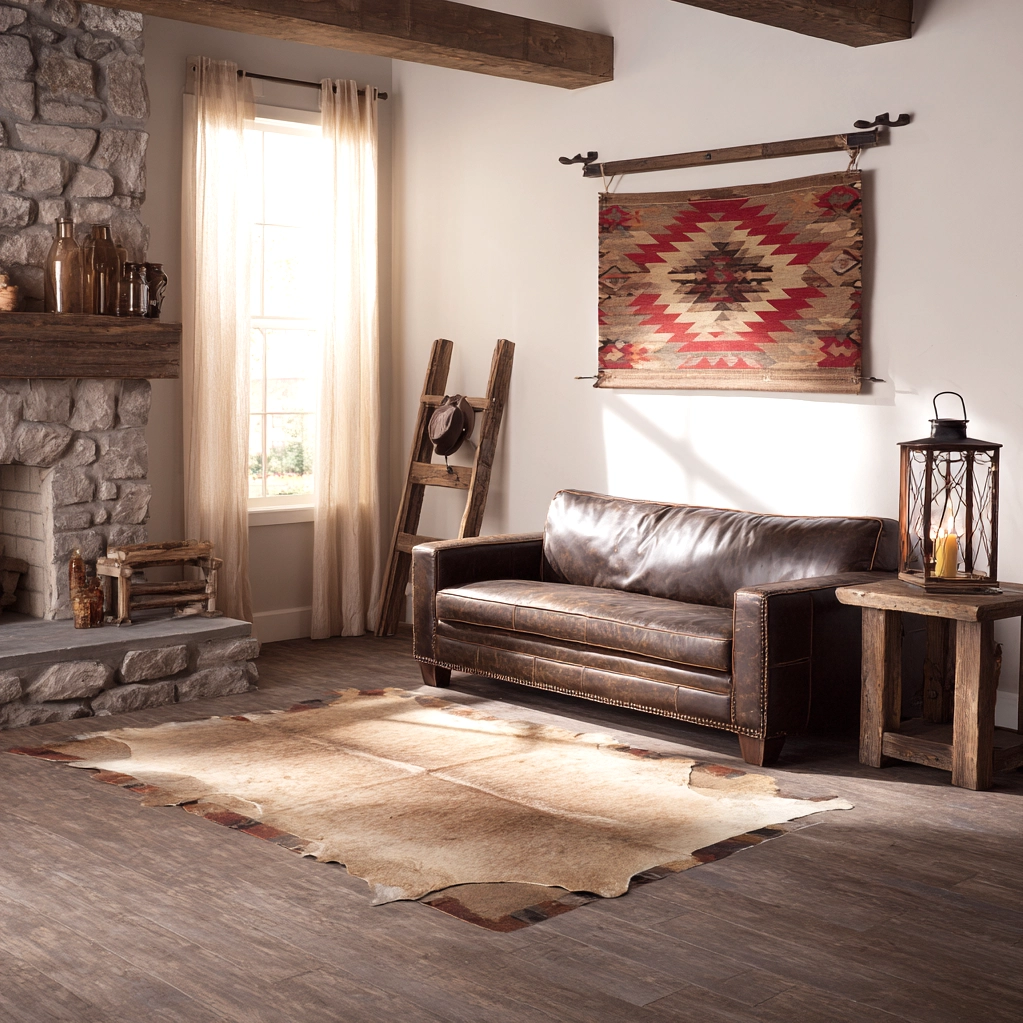
To authentically capture the spirit of vintage western decor, focus on key elements that define this ruggedly beautiful style. Start with materials that tell a story of the frontier—reclaimed wood, distressed leather, and wrought iron form the foundation. Look for furniture with visible craftsmanship, such as hand-tooled leather chairs, barn wood tables, and iron bed frames. Textiles play a crucial role: incorporate Navajo-inspired blankets, cowhide rugs, and simple cotton or linen fabrics in earthy tones. These textiles add warmth and texture while honoring traditional craftsmanship. Lighting should evoke the era with lantern-style fixtures, antler chandeliers, or simple wrought iron sconces. Opt for warm, ambient lighting rather than harsh modern fixtures. Don't overlook smaller details like vintage signage, old horseshoes, or weathered leather saddles displayed as art. These authentic touches create layers of history in your space. When selecting colors, stick to a natural palette inspired by the western landscape: deep browns, warm tans, rusty reds, and soft blues reminiscent of desert skies. Avoid bright colors that feel too contemporary. The goal is to create a cohesive look that feels collected over time rather than perfectly matched. Mix genuine antique pieces with quality reproductions to achieve authenticity without breaking the bank. Remember, vintage western decor celebrates imperfections—embrace scratches, patina, and wear as part of the charm. This approach creates spaces that feel genuinely lived-in and full of character.
Incorporating Vintage Western Decor in Modern Homes
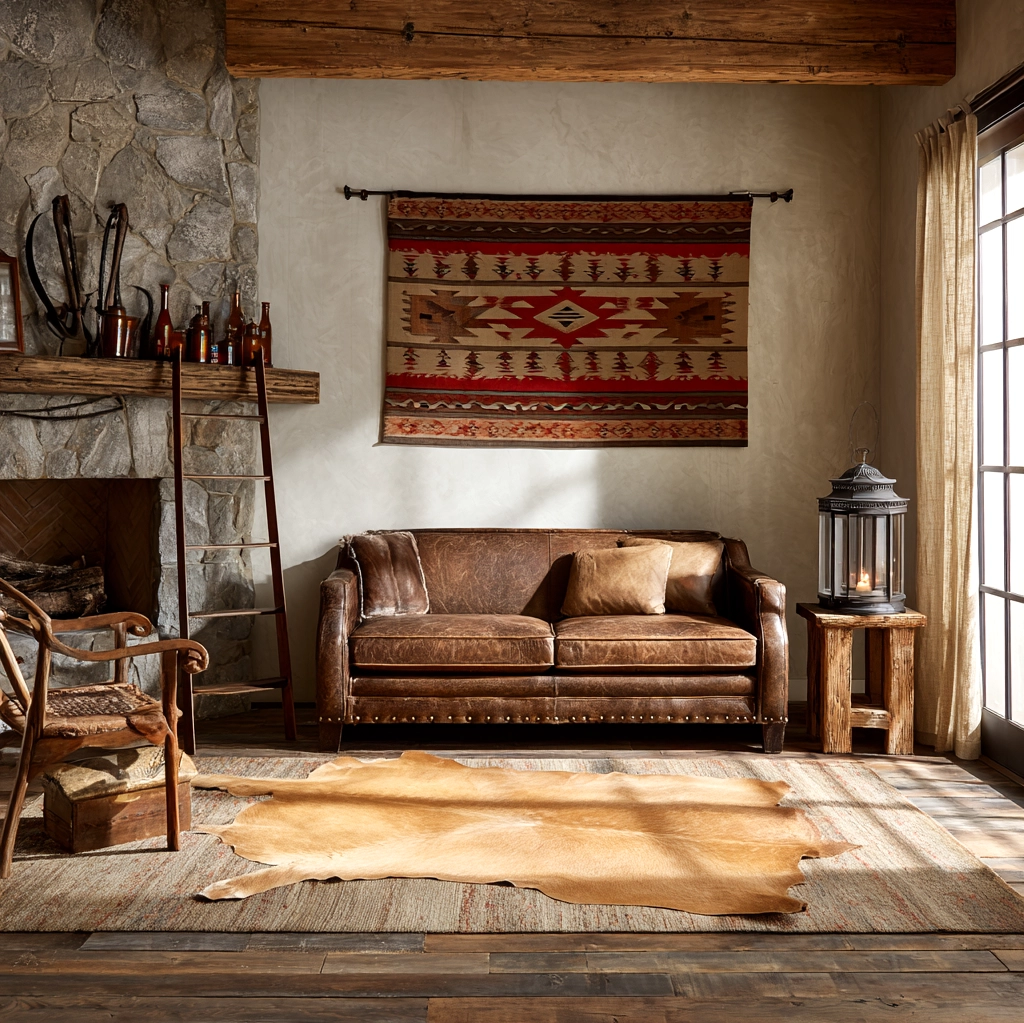
Blending vintage western decor with contemporary living spaces requires thoughtful balance to avoid a theme-park feel. Start by selecting a few statement pieces rather than overwhelming the room. A large cowhide rug anchors a living area beautifully, while a reclaimed wood coffee table adds rustic charm without dominating the space. In kitchens, open shelving made from barn wood displays vintage enamelware or stoneware, creating visual interest. Pair these elements with modern stainless steel appliances for a stylish contrast. For bedrooms, a wrought iron bed frame serves as a stunning focal point when paired with crisp white linens and simple furnishings. This combination keeps the space feeling fresh rather than dated. In entryways, vintage saddle stands or antique boot racks provide functional decor that immediately sets the western tone. When working with smaller spaces like apartments, focus on accessories: framed vintage rodeo posters, leather-bound books, or a collection of antique spurs on a shelf. These smaller touches introduce the aesthetic without requiring major furniture changes. Lighting offers another excellent opportunity—replace standard fixtures with wrought iron or antler-inspired designs that cast warm, inviting light. Remember to maintain negative space; too many rustic items can feel cluttered. Balance rough textures with smooth surfaces, like pairing a distressed leather chair with a sleek modern side table. This juxtaposition highlights the beauty of both styles. Ultimately, successful integration means creating a space that feels authentic to the western spirit while remaining functional for contemporary life.
Sourcing Authentic Vintage Western Decor Pieces
Finding genuine vintage western decor requires patience and knowledge, but the hunt is part of the adventure. Start by exploring local sources: flea markets, antique stores in rural areas, and estate sales often yield hidden treasures. Look for items with honest wear—cracked leather, faded paint, or minor repairs that attest to their history. Online marketplaces like Etsy or specialized western antique sites offer curated selections, though prices may be higher. When evaluating potential purchases, check for authenticity markers: hand-forged iron will have irregularities, while vintage leather develops a unique patina. For larger furniture pieces, consider custom work from artisans who specialize in western styles; they can create heirloom-quality items using traditional techniques. Repurposing existing items also adds authenticity—an old wooden ladder becomes a blanket rack, while vintage tack transforms into wall art. Don't overlook natural elements: antlers, dried botanicals, or river rocks incorporated into displays enhance the rustic feel. Building a collection takes time; focus on pieces that truly speak to you rather than buying everything at once. Learn to distinguish between mass-produced western kitsch and genuine artifacts—the latter will have craftsmanship details and materials consistent with their era. Developing relationships with reputable dealers can lead to better finds and fair pricing. Remember that authentic vintage western decor often improves with age, acquiring more character as it becomes part of your home's story. This mindful approach ensures your space feels curated rather than staged, with each piece contributing to the overall narrative.
Creating Cohesive Vintage Western Decor Themes
A successful vintage western decor scheme tells a cohesive story throughout your home. Begin by defining your specific focus within the broader western aesthetic—whether it's cowboy culture, Native American artistry, mining history, or pioneer simplicity. This focus helps guide your selections and creates a unified look. Establish a consistent color palette drawn from natural elements: think sandstone tans, prairie grass greens, sunset oranges, and deep canyon browns. Use these colors across walls, textiles, and accessories to tie spaces together. Layer textures thoughtfully: combine rough-hewn wood with soft wool blankets, smooth pottery with nubby woven baskets. This creates visual interest while maintaining rustic harmony. Consider the flow between rooms; repeating certain elements—like wrought iron hardware or leather accents—creates continuity. In living areas, create conversation zones with comfortable seating arranged around a focal point like a stone fireplace or large western artwork. Dining spaces benefit from substantial wooden tables paired with mismatched vintage chairs for a collected feel. Bedrooms should feel restful; use softer western elements like quilted blankets and simple iron beds rather than overt cowboy themes. Outdoor spaces extend the aesthetic naturally: weathered wooden benches, rustic planters, and lantern-style lighting enhance patios or gardens. Throughout your home, display collections intentionally—group vintage bottles on a windowsill, arrange antique tools on a wall, or create a gallery of western photographs. Avoid overcrowding; edit your displays to highlight special pieces. This thoughtful approach transforms individual elements into a harmonious whole that feels authentic and inviting.
Conclusion
Vintage western decor offers more than just a design style—it provides a connection to history, craftsmanship, and the enduring spirit of the American frontier. By thoughtfully incorporating authentic elements, you can create spaces that feel warm, personal, and rich with story. Remember that this aesthetic celebrates imperfections and the beauty of natural materials aging gracefully over time. Whether you're starting with a few key pieces or fully embracing the rustic charm, the goal is to create a home that reflects your appreciation for simpler times and handmade quality. As you continue to develop your western-inspired space, focus on pieces that genuinely resonate with you rather than following strict rules. The most successful interiors feel collected organically, with each addition contributing to the overall narrative. Looking ahead, consider how sustainable practices align perfectly with this style—repurposing vintage items reduces waste while adding character. Future trends may see even more innovative blends of western elements with modern minimalism, creating fresh interpretations of this classic aesthetic. Ultimately, vintage western decor reminds us to slow down and appreciate the tangible beauty in our surroundings. It transforms houses into homes filled with warmth, history, and authentic charm that only deepens with time.
Frequently Asked Questions
Q: Can vintage western decor work in a small apartment or modern home?
Absolutely! Vintage western decor adapts beautifully to smaller or contemporary spaces when applied thoughtfully. Focus on key accessories rather than large furniture pieces—a cowhide rug, vintage signage, or leather throw pillows can introduce the aesthetic without overwhelming the room. Mix rustic elements with clean-lined modern furniture to create balance. For example, pair a distressed leather chair with a sleek glass coffee table. Use wall space effectively with western artwork or antique tools displayed as sculpture. The key is editing: choose a few meaningful pieces that make a statement rather than filling every surface. This approach maintains the rustic charm while keeping spaces feeling open and functional for modern living.
Q: How do I distinguish authentic vintage western items from reproductions?
Authentic vintage pieces typically show signs of age and use that are difficult to replicate. Look for materials consistent with the era: hand-forged iron has irregularities and tool marks, while old leather develops a rich patina and may have repair stitches. Wood should show natural wear patterns, not uniform distressing. Check construction methods—dovetail joints, hand-cut nails, or original hardware often indicate age. Research specific items; knowing typical manufacturing periods for brands like Pendleton blankets or Visalia saddles helps. Reproductions often have perfectly symmetrical designs, overly consistent distressing, or modern materials like plywood disguised as solid wood. Developing an eye for authenticity takes time—examine pieces closely, ask dealers about provenance, and trust items that show honest wear from real use rather than factory-applied aging.
Q: What are some budget-friendly ways to incorporate vintage western decor?
Creating a western-inspired space doesn't require expensive antiques. Start by repurposing items you already own—sand and stain wooden furniture for a weathered look, or add leather straps to plain baskets. Shop thrift stores for vintage blankets, pottery, or frames that can be refreshed. DIY projects like making your own barn wood shelves or distressing mirror frames add rustic charm. Focus on natural elements: collect interesting branches, stones, or antlers (ethically sourced) for free decor. Swap out modern hardware for wrought iron knobs on cabinets or doors. Paint walls in earthy tones like sage green or terracotta to establish the western palette. Layer textiles—even inexpensive wool throws in traditional patterns can transform a space. Remember, the vintage western aesthetic values character over perfection, so embrace imperfections and build your collection gradually as you find meaningful pieces within your budget.