Free Motion Embroidery Ideas: Transform Your Textiles with Magical Creativity


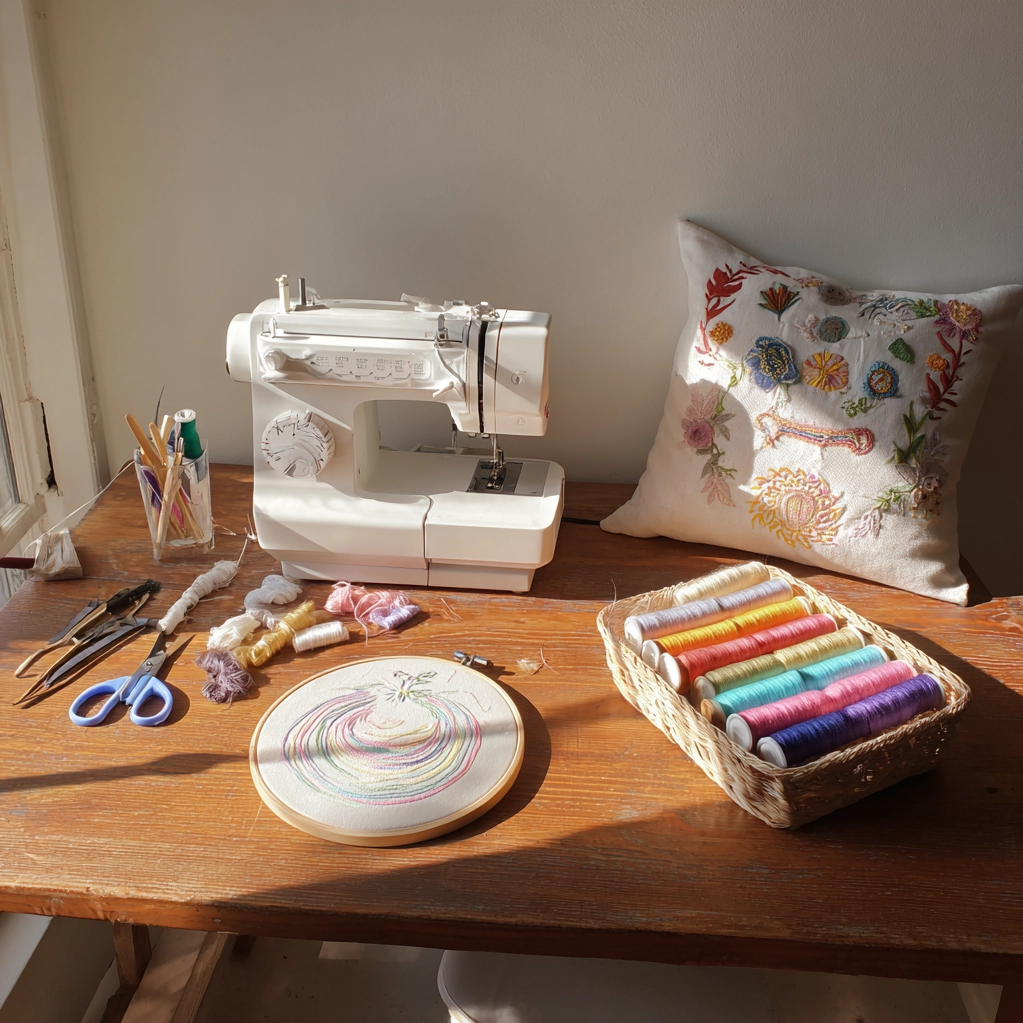
Free motion embroidery is revolutionizing the world of textile arts, offering limitless possibilities for creative expression without the constraints of traditional embroidery. This technique involves moving fabric freely under a sewing machine needle, allowing artists to “draw” with thread in any direction they choose. The importance of exploring free motion embroidery ideas lies in their power to transform ordinary fabrics into extraordinary works of art. Whether you’re embellishing clothing, creating wall hangings, or personalizing home decor items, this approach provides a unique blend of spontaneity and precision that can’t be achieved through conventional methods. For home decor enthusiasts, free motion embroidery opens up exciting new avenues for customizing living spaces. Imagine transforming plain throw pillows into conversation pieces, adding intricate details to curtains, or creating stunning textile art for your walls. The technique allows you to incorporate personal symbols, meaningful patterns, or abstract designs that reflect your individual style. Unlike mass-produced decor items, pieces created through free motion embroidery carry the authentic mark of the maker, adding warmth and personality to any room. The accessibility of this art form makes it particularly appealing. With just a basic sewing machine and some practice, anyone can begin exploring free motion embroidery ideas. There’s no need for expensive equipment or years of training. This democratization of textile art means more people can experience the joy of creating something beautiful with their own hands. As our homes become increasingly important sanctuaries in our busy lives, having decor items that tell personal stories and reflect our creativity becomes more valuable than ever.
Essential Free Motion Embroidery Ideas for Beginners
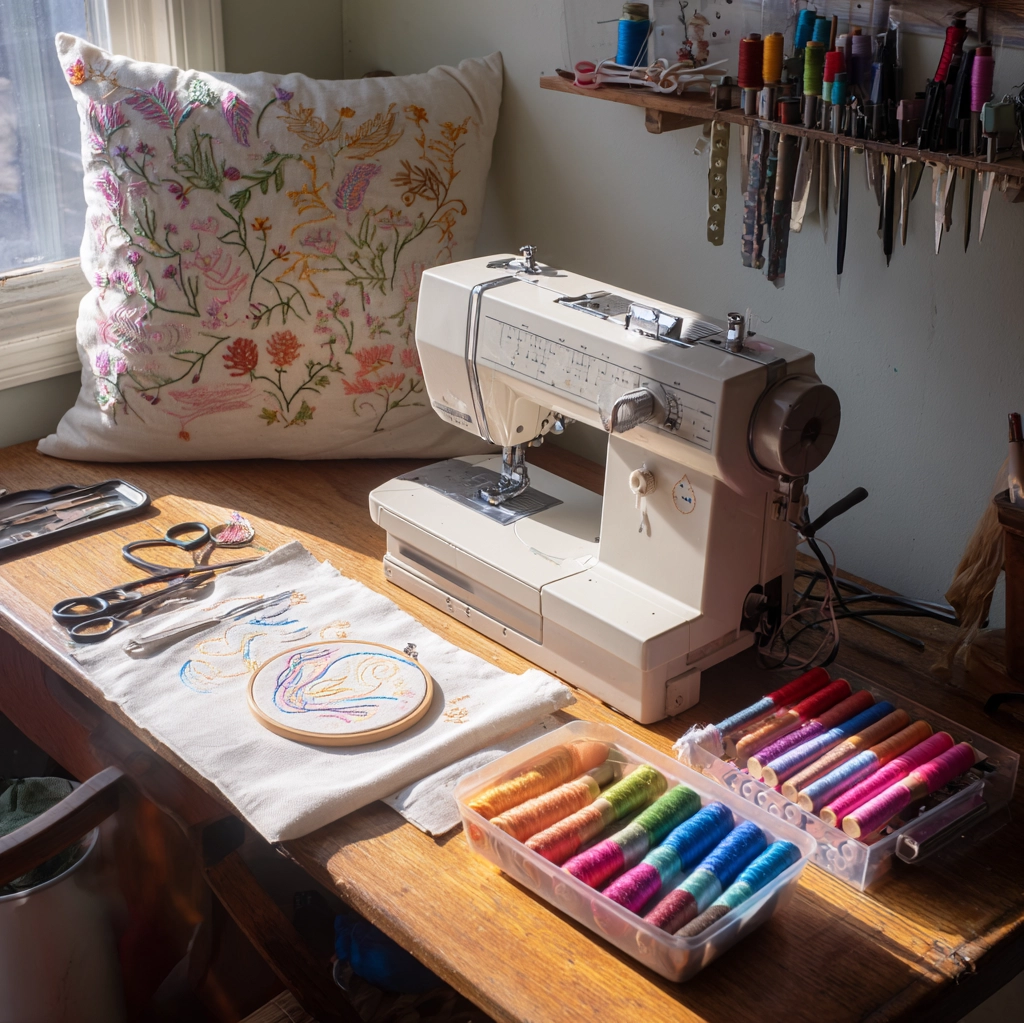
Starting with free motion embroidery can feel intimidating, but with the right free motion embroidery ideas, beginners can achieve beautiful results quickly. Begin by practicing simple exercises like drawing thread circles, wavy lines, and basic shapes on scrap fabric. These foundational skills build muscle memory and confidence. One of the most accessible free motion embroidery ideas for newcomers involves creating textured backgrounds. Use random swirling patterns or overlapping circles to fill fabric sections, creating depth and visual interest. This technique works wonderfully on pillow covers or tote bags where you want subtle texture without overwhelming patterns. Another beginner-friendly approach involves writing words or simple phrases. Free motion embroidery allows you to stitch names, inspirational quotes, or meaningful words onto fabric with a personal, handwritten feel. Practice on muslin first, then apply this skill to tea towels, wall hangings, or decorative banners. Nature-inspired free motion embroidery ideas provide excellent starting points too. Try stitching simple leaves, flowers, or abstract representations of landscapes. The organic shapes of natural elements are forgiving for beginners since perfect symmetry isn't necessary. These designs work beautifully on placemats, table runners, or framed textile art. Remember to start with larger designs and gradually work toward finer details as your skills improve. Use contrasting thread colors against neutral fabrics to make your stitches stand out clearly during practice sessions. Don't worry about perfection—the charm of free motion embroidery often lies in its slight imperfections and handmade quality. As you gain confidence, you'll develop your own unique style and approach to these creative techniques.
Advanced Free Motion Embroidery Ideas for Textile Artists
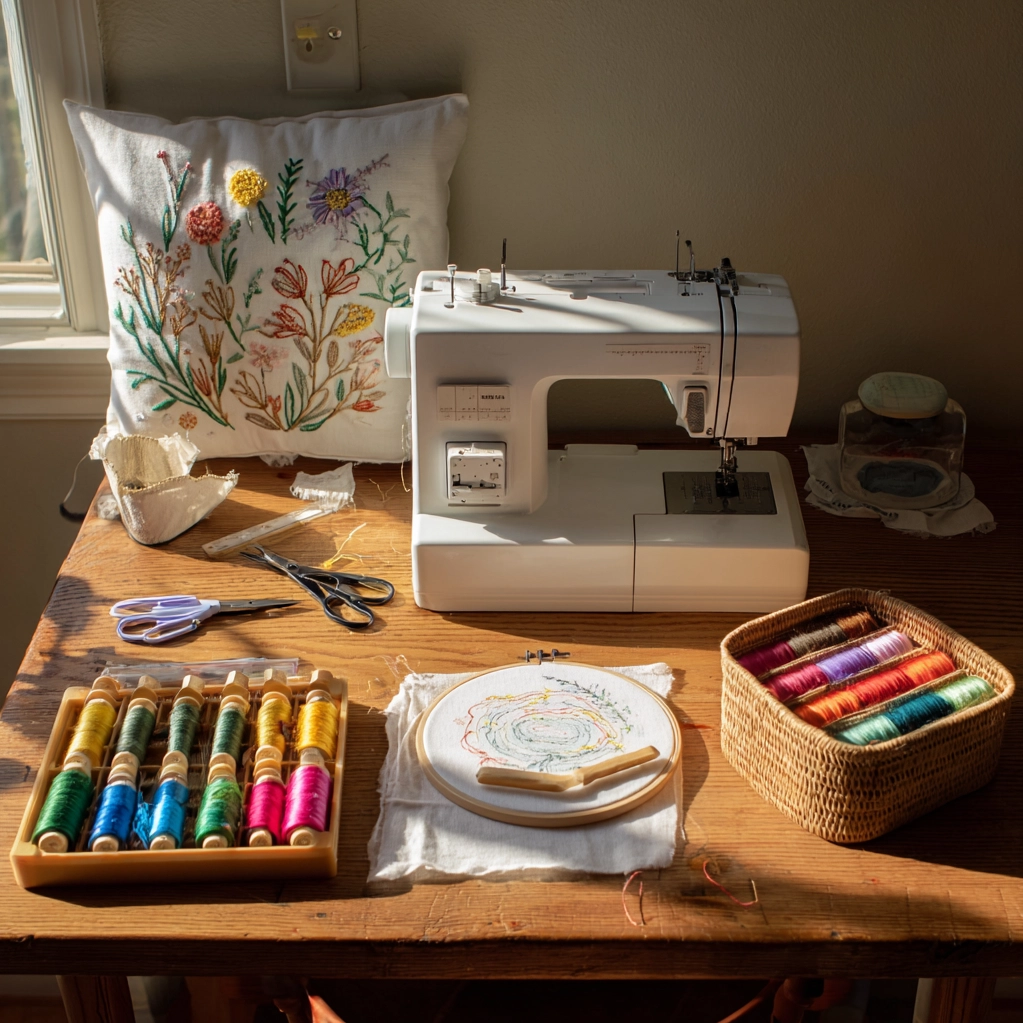
Once you've mastered the basics, exploring more sophisticated free motion embroidery ideas can elevate your textile art to professional levels. Layered stitching creates remarkable depth and complexity. Start with a base layer of simple patterns, then add successive layers with different thread colors and densities. This technique works exceptionally well for creating realistic floral arrangements or detailed portraits in thread. Try combining free motion embroidery with other textile techniques for mixed-media pieces. Incorporate fabric scraps, beads, or even small found objects into your designs, securing them with strategic stitching. These innovative free motion embroidery ideas result in truly unique wall art or statement clothing pieces. Portraiture represents one of the most challenging but rewarding free motion embroidery ideas for advanced practitioners. Using thread like a pencil, you can create remarkably detailed faces and figures. Start with black and white portraits to focus on value and form before introducing color. This skill transforms simple fabric into gallery-worthy textile art. Abstract expressionism offers another avenue for advanced free motion embroidery ideas. Let the thread guide you as you create completely spontaneous designs. Focus on movement, emotion, and color relationships rather than representational accuracy. These pieces make stunning focal points in modern home decor. Don't overlook the potential of negative space in your free motion embroidery ideas. Instead of filling entire fabric areas, create designs where the unstitched portions become integral to the composition. This approach adds sophistication and allows the fabric's texture and color to participate in the artwork. Advanced practitioners should also experiment with different thread types—metallic, variegated, or textured threads can dramatically change the appearance of your work. Combine these with specialized fabrics like silk, velvet, or leather for truly exceptional results.
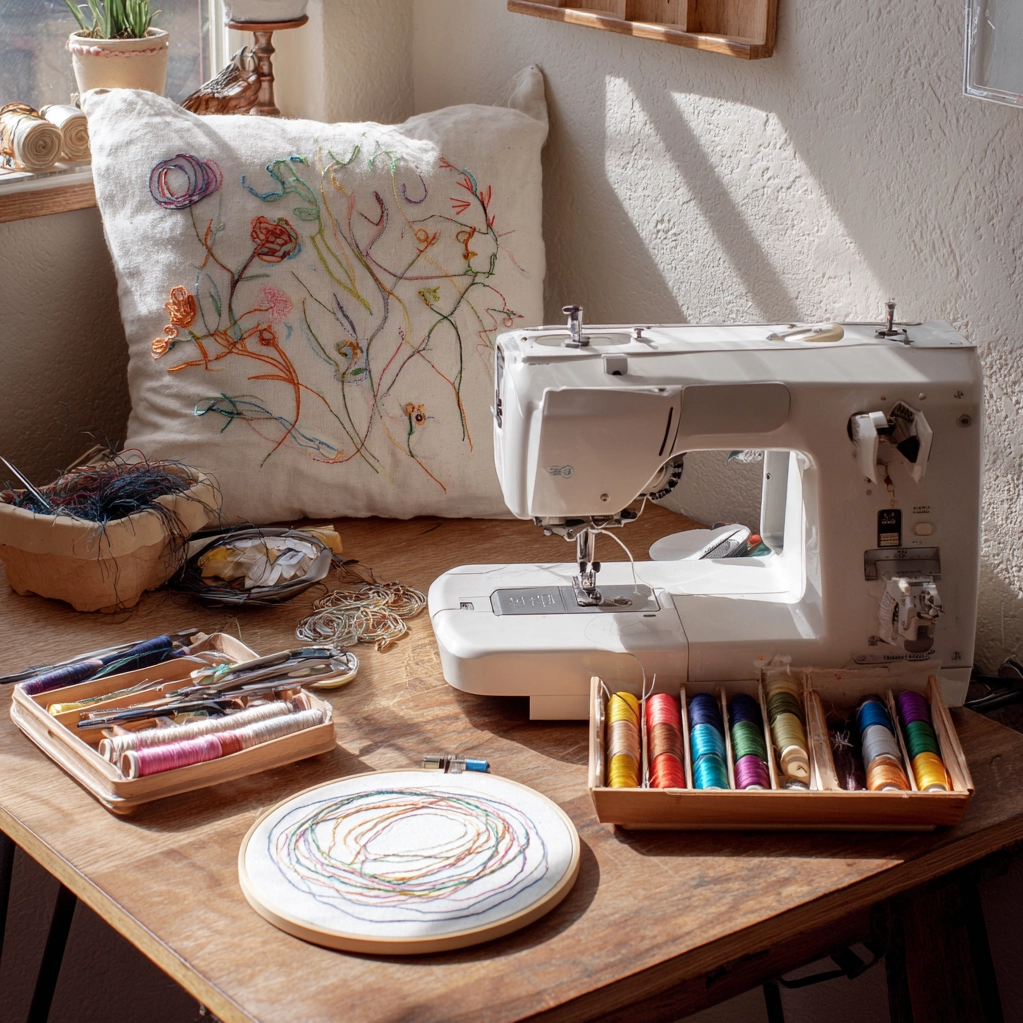
Practical Free Motion Embroidery Ideas for Home Decor
Free motion embroidery ideas translate beautifully into practical home decor items that personalize your living space. Customized pillow covers offer one of the most satisfying applications. Choose durable fabrics like linen or canvas, and create designs that complement your room's color scheme. Geometric patterns work well for modern spaces, while floral motifs suit traditional decor. Consider creating a series of coordinating pillows with related but not identical free motion embroidery ideas for a cohesive yet interesting look. Wall hangings represent another excellent application for free motion embroidery ideas. Create textile art pieces that tell stories about your family, interests, or travels. Map designs, abstract representations of favorite places, or symbolic imagery all work beautifully. Frame your finished pieces or finish the edges with decorative binding for a polished presentation. Table linens benefit tremendously from thoughtful free motion embroidery ideas. Dress up plain tablecloths, placemats, or napkins with elegant stitching along borders or in corners. Monograms or simple botanical designs add sophistication to everyday dining. These personalized items make wonderful gifts too. Don't overlook smaller decor items when exploring free motion embroidery ideas. Embellish lampshades with delicate patterns that cast beautiful shadows when illuminated. Create unique curtain tiebacks with embroidered elements. Even simple items like coasters or tissue box covers become special with carefully applied stitching. Consider creating seasonal decor using free motion embroidery ideas. Stitch autumn leaves on table runners for fall, snowflake patterns for winter, or floral designs for spring. These rotating pieces keep your home feeling fresh and connected to the natural world throughout the year. The key to successful home decor applications lies in choosing designs that enhance rather than overwhelm your existing style. Start with subtle additions and gradually incorporate more prominent pieces as you develop confidence in your free motion embroidery ideas.
Conclusion
Free motion embroidery ideas offer an extraordinary gateway to personalized creativity in textile arts and home decor. Throughout this exploration, we've seen how this versatile technique can transform simple fabrics into expressive works of art, from beginner-friendly patterns to advanced artistic expressions. The beauty of free motion embroidery lies in its accessibility—with basic equipment and practice, anyone can begin creating meaningful, beautiful pieces that reflect their personal style. The practical applications for home decor are particularly exciting, allowing individuals to craft unique items that tell personal stories and add warmth to living spaces. As you continue your journey with free motion embroidery, remember that the most compelling ideas often emerge from experimentation and play. Don't be afraid to combine techniques, mix materials, or develop entirely new approaches. The future of textile art increasingly values handmade, personalized items over mass-produced goods, making free motion embroidery skills more valuable than ever. Looking ahead, consider how you might expand your free motion embroidery practice. Could you teach others these techniques? Might you develop a signature style that becomes recognizable? Perhaps you'll combine digital design with traditional stitching for hybrid creations. The possibilities are as limitless as your imagination. Start small, be patient with your progress, and most importantly, enjoy the meditative, creative process of bringing beautiful free motion embroidery ideas to life. Your unique creations will not only enhance your home but also provide lasting satisfaction from having made something truly special with your own hands.
Frequently Asked Questions
Q: What type of sewing machine do I need for free motion embroidery?
You can practice free motion embroidery with most standard sewing machines that have the ability to lower or cover the feed dogs. Many modern machines have a specific setting or lever for this purpose. While specialized embroidery machines exist, they're not necessary for beginners. What's more important is having a machine that can handle different thread weights and has good speed control. Start with whatever machine you have available—even basic models can produce beautiful results with practice. The key is being able to move the fabric freely in any direction while the needle continues stitching.
Q: What fabrics work best for free motion embroidery projects?
Medium-weight woven fabrics like cotton, linen, and canvas work exceptionally well for free motion embroidery because they provide stability without being too stiff. These fabrics hold their shape while allowing smooth movement under the needle. For beginners, I recommend starting with plain cotton or muslin—they're affordable, easy to work with, and show stitches clearly. As you advance, you can experiment with different materials. Heavier fabrics like denim or upholstery weight materials require stronger needles but create durable decor items. Lighter fabrics like silk or voile need stabilization with interfacing or hoop techniques. Always test your fabric-thread combination on scraps before starting your main project.
Q: How do I prevent thread breakage and tension issues during free motion embroidery?
Thread breakage and tension problems are common challenges that usually have simple solutions. First, ensure you're using quality thread designed for machine embroidery—these are stronger and have smoother finishes. Adjust your machine's tension slightly looser than for regular sewing, as the fabric movement creates different stress on the thread. Use a fresh, sharp needle appropriate for your thread weight (size 80/12 or 90/14 works well for most projects). Slow down your stitching speed—rushing often causes breaks. Make sure your thread path is clear and the spool unwinds smoothly. If problems persist, re-thread both top and bobbin threads completely, as improper threading causes most tension issues. Regular machine maintenance and cleaning also prevent many common problems.