Kitchen Styles 2026: Innovative Trends Transforming Home Design


Imagine stepping into a kitchen that anticipates your needs, adapts to your lifestyle, and inspires your culinary creativity. As we approach 2026, kitchen design is undergoing a revolutionary transformation that goes beyond aesthetics to redefine how we live, cook, and connect in our homes. The kitchen has evolved from a purely functional space to the true heart of the home, where technology, sustainability, and personal expression converge to create environments that enhance our daily lives. This evolution makes understanding upcoming kitchen styles 2026 essential for anyone planning a renovation or new build. The choices you make today will impact your home’s functionality, value, and enjoyment for years to come. Rather than following fleeting trends, the kitchen styles 2026 emphasize thoughtful integration of smart technology, sustainable materials, and flexible layouts that accommodate changing needs. These designs recognize that our kitchens serve multiple purposes—they’re workspaces, entertainment zones, family gathering spots, and even remote offices. By exploring these emerging kitchen styles 2026, you’ll discover how to create a space that not only looks stunning but truly works for your unique lifestyle. Whether you’re a passionate home cook, a busy parent, or someone who values wellness and sustainability, the kitchen of the future offers solutions that make everyday living more efficient, enjoyable, and meaningful.
Sustainable Kitchen Styles 2026: Eco-Conscious Materials and Energy Efficiency
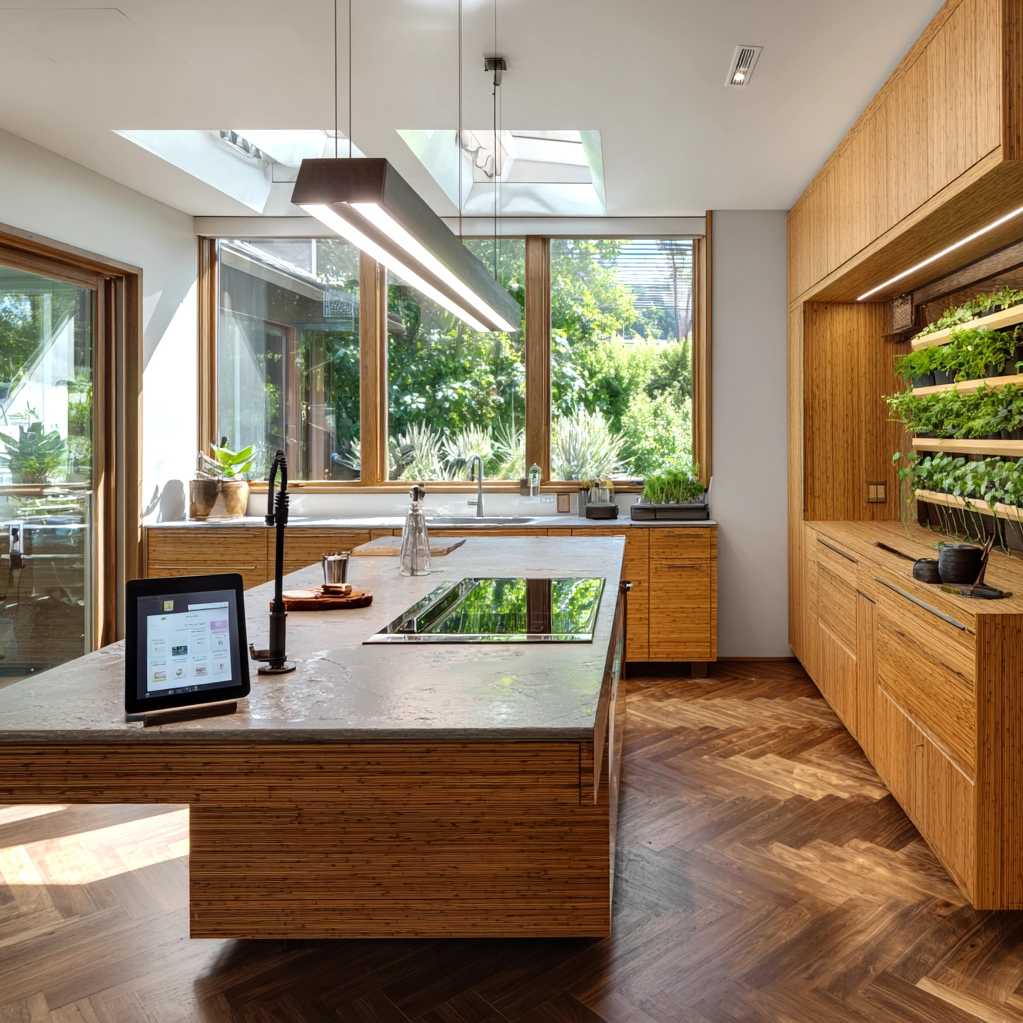
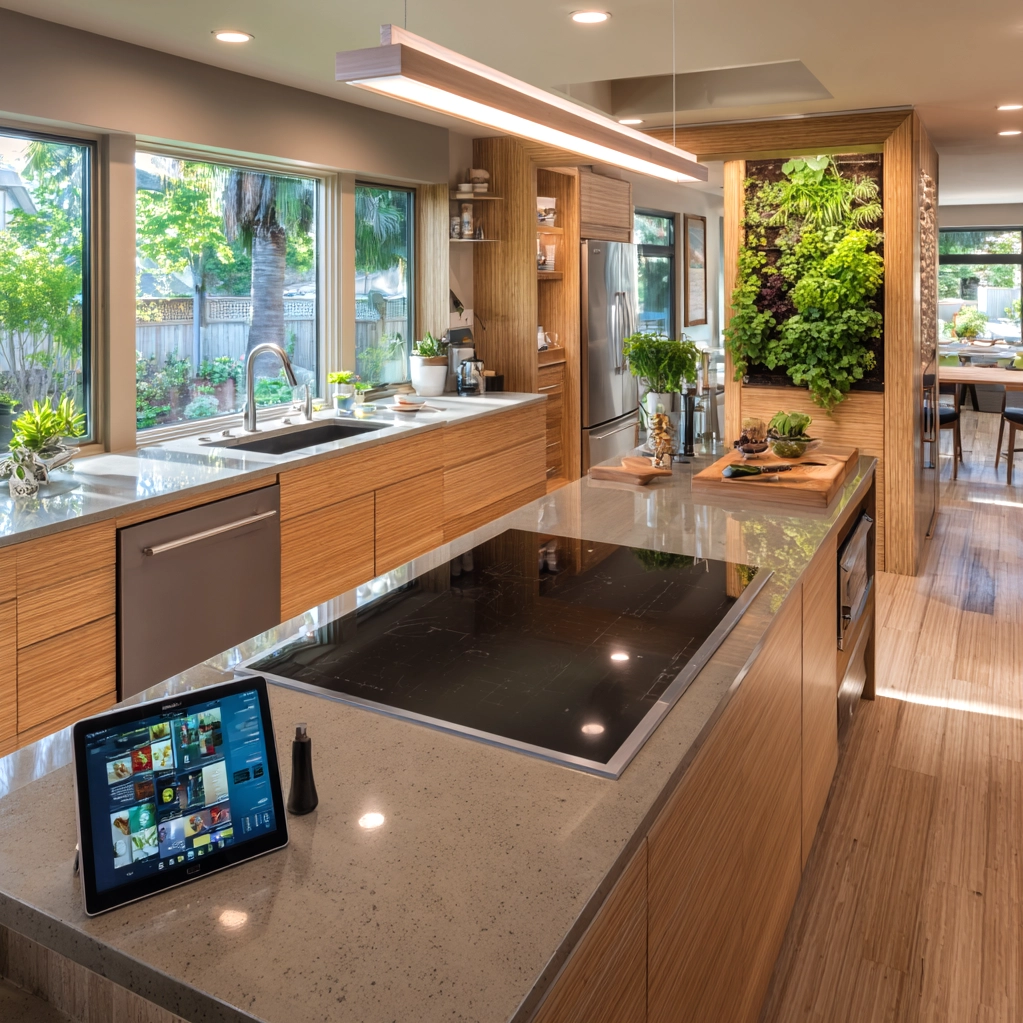
The kitchen styles 2026 are placing unprecedented emphasis on sustainability, transforming kitchens into environmentally responsible spaces without compromising on style or functionality. This movement goes beyond simply choosing recycled materials—it represents a comprehensive approach to kitchen design that considers the entire lifecycle of every component. Expect to see countertops made from innovative materials like recycled glass, reclaimed wood, and bio-resins that offer durability with minimal environmental impact. Cabinetry is evolving too, with formaldehyde-free plywoods, bamboo, and sustainably harvested hardwoods becoming standard choices in forward-thinking kitchen styles 2026. Energy efficiency is being integrated into every aspect of the kitchen. Induction cooktops, which are significantly more efficient than traditional gas or electric ranges, are becoming the preferred choice in modern kitchen designs. Smart appliances with energy monitoring capabilities allow homeowners to track and reduce their power consumption in real time. Even lighting is becoming more sustainable, with LED systems that adjust based on natural light availability and occupancy sensors that prevent unnecessary energy use. Water conservation features are also integral to kitchen styles 2026, including low-flow faucets with advanced aerators and dishwashers that use minimal water while achieving superior cleaning results. The sustainable approach extends to manufacturing processes, with more companies adopting closed-loop systems that minimize waste. These environmentally conscious kitchen styles 2026 prove that beautiful design and ecological responsibility can work in perfect harmony, creating spaces that feel good both aesthetically and ethically.
Smart Technology Integration in Kitchen Styles 2026
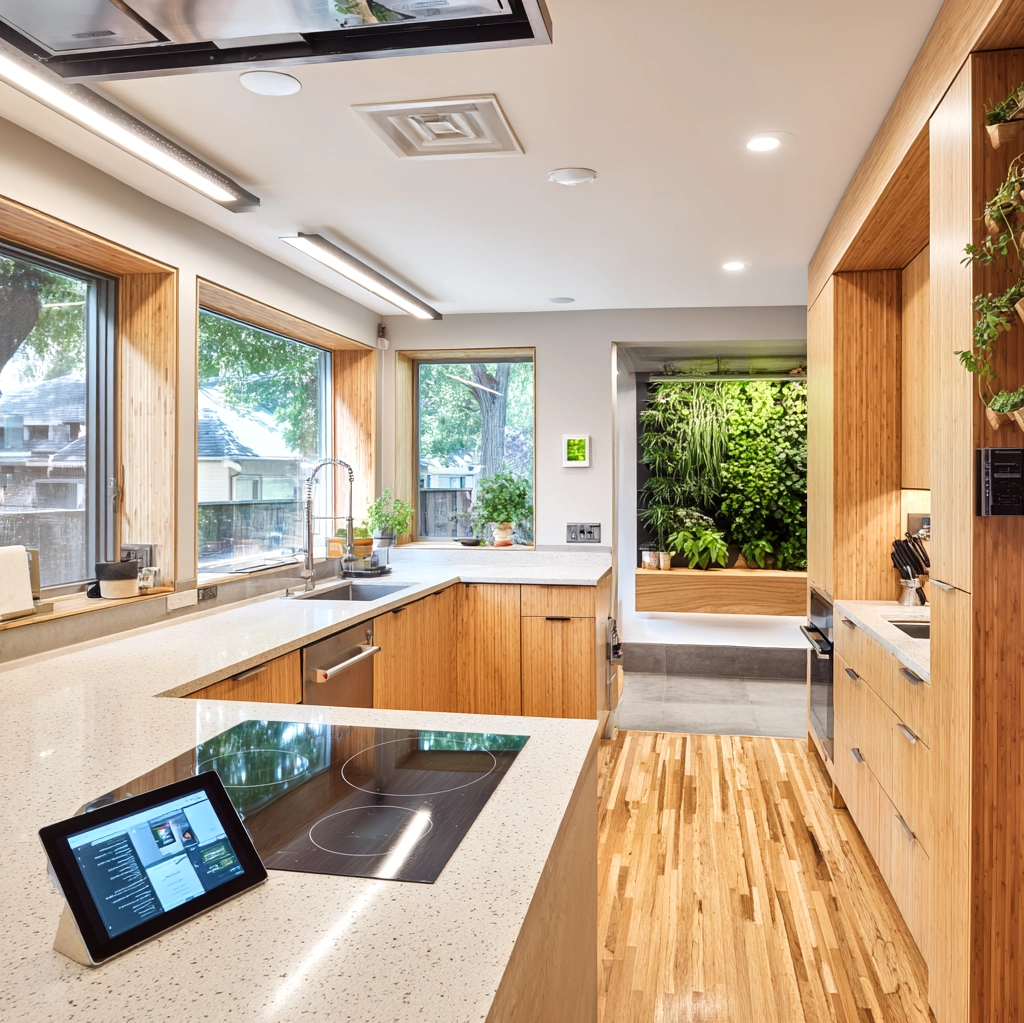
Smart technology is revolutionizing kitchen styles 2026, moving beyond basic voice assistants to create truly intelligent cooking environments that enhance both functionality and safety. The kitchens of 2026 will feature integrated systems that learn your habits, anticipate your needs, and streamline everyday tasks. Imagine countertops with embedded touch controls that allow you to adjust lighting, temperature, and appliance settings with a simple tap. Refrigerators will not only track expiration dates but also suggest recipes based on available ingredients and even place grocery orders automatically. These advanced kitchen styles 2026 incorporate smart storage solutions with inventory tracking, so you always know what you have on hand. Cooking technology is becoming more sophisticated too, with induction ranges that offer precise temperature control and smart ovens that can recognize what you're cooking and adjust settings accordingly. Ventilation systems will automatically adjust based on cooking activity, while water filtration systems monitor quality and notify you when filters need changing. Safety features in kitchen styles 2026 include smart sensors that can detect potential hazards like gas leaks, water leaks, or unattended cooking, sending alerts to your phone and taking preventive action. The integration happens seamlessly, with all systems communicating through a central hub that can be controlled via voice, touch, or mobile app. These technological advancements in kitchen styles 2026 are designed to reduce stress, save time, and prevent waste, making cooking more enjoyable and efficient. The technology works quietly in the background, enhancing rather than overwhelming the cooking experience.
Flexible Layouts and Multi-Functional Kitchen Styles 2026
Kitchen styles 2026 are embracing flexible, multi-functional designs that adapt to our evolving lifestyles and space constraints. The traditional kitchen triangle is giving way to more fluid layouts that accommodate cooking, working, socializing, and relaxation in a single space. These adaptable kitchen styles 2026 feature movable islands on locking casters that can be repositioned based on need—pushed against a wall for more floor space during parties or pulled into the center for food preparation. Transformative furniture is becoming standard, with tables that expand for entertaining, fold-down countertops that create instant workspaces, and convertible seating that serves multiple purposes. Storage solutions in kitchen styles 2026 are becoming more versatile too, with adjustable shelving systems, pull-out pantries, and modular cabinets that can be reconfigured as needs change. The boundaries between kitchen and adjacent spaces are blurring, with continuous flooring and cohesive design elements creating visual flow while maintaining functional separation through clever zoning. These kitchen styles 2026 often incorporate dedicated zones for specific activities—a baking station with marble countertops, a coffee bar with built-in grinders, or a homework nook with charging ports. Acoustic considerations are also important, with sound-absorbing materials and strategic layout planning to minimize noise transfer between zones. The flexibility extends to lighting, with layered systems that can be adjusted to create different moods for cooking, dining, or entertaining. These multi-functional kitchen styles 2026 recognize that modern life requires spaces that can pivot quickly between different uses while maintaining organization and aesthetic coherence. The result is a kitchen that truly works for you, rather than requiring you to adapt to its limitations.

Biophilic Elements in Kitchen Styles 2026
Kitchen styles 2026 are increasingly incorporating biophilic design principles that connect indoor spaces with the natural world, creating environments that promote wellbeing and reduce stress. This approach goes beyond simply adding a few plants to creating kitchens that feel organically connected to nature. Expect to see natural materials taking center stage in kitchen styles 2026—raw wood with visible grain patterns, stone countertops with natural veining, and handmade tiles with organic imperfections. These materials are often left in their natural state or finished with non-toxic sealants that enhance rather than hide their authentic character. Living elements are being integrated more thoughtfully, with vertical herb gardens built into backsplashes, hydroponic systems for growing vegetables year-round, and even small indoor trees positioned near natural light sources. The connection to nature extends to views and ventilation, with larger windows, strategically placed skylights, and operable panels that allow fresh air to circulate freely through kitchen styles 2026. Natural light is maximized through careful placement of reflective surfaces and light-colored materials that bounce illumination throughout the space. Color palettes in these kitchen styles 2026 draw inspiration from nature, with earthy tones, soft greens, warm browns, and sky blues creating calming environments. Textures mimic natural patterns—countertops that feel like smooth river stones, cabinet finishes that resemble weathered wood, and flooring with organic variations. Even the layout of kitchen styles 2026 often incorporates organic, flowing lines rather than rigid geometric patterns. This biophilic approach has been shown to reduce stress, improve air quality, and increase overall satisfaction with living spaces. By bringing elements of the natural world into our kitchens, these designs create environments that nourish both body and spirit while remaining highly functional.
Conclusion
As we've explored, kitchen styles 2026 represent more than just visual trends—they reflect fundamental shifts in how we think about home design, sustainability, technology, and wellbeing. These kitchens are designed to be adaptive, intelligent, and deeply connected to both our personal needs and the natural environment. The sustainable materials and energy-efficient systems ensure that our cooking spaces contribute positively to the planet, while smart technology integration makes daily tasks simpler and more enjoyable. Flexible layouts acknowledge the diverse ways we use our kitchens today, from family meals to remote work to social gatherings. The biophilic elements remind us of our connection to nature, creating spaces that promote mental and physical health. Looking ahead, the most successful kitchen styles 2026 will be those that balance innovation with timeless principles of good design. They'll incorporate technology that serves rather than dominates, materials that age gracefully, and layouts that accommodate life's unpredictable changes. Whether you're planning a complete renovation or simply updating elements of your current kitchen, consider how these emerging trends might enhance your space. Start by identifying which aspects of kitchen styles 2026 align with your values and lifestyle—perhaps it's incorporating more sustainable materials, adding smart storage solutions, or creating better connections to outdoor spaces. Remember that the best kitchens are those that reflect the people who use them, combining practical functionality with personal expression. As we move toward 2026, these kitchen designs offer exciting possibilities for creating spaces that aren't just beautiful, but truly transformative in how we live and interact in our homes.
Frequently Asked Questions
Q: What makes kitchen styles 2026 different from current kitchen designs?
Kitchen styles 2026 differ from current designs in several key ways. They place greater emphasis on sustainability throughout the entire design process, from material selection to energy efficiency. Technology integration is more seamless and intuitive, with systems that work together rather than as isolated gadgets. Layouts are more flexible and multi-functional, acknowledging that modern kitchens serve multiple purposes beyond just cooking. Biophilic design principles are more thoroughly integrated, creating stronger connections to nature through materials, lighting, and living elements. Perhaps most importantly, kitchen styles 2026 are designed to be more adaptable to changing needs over time, with modular components and flexible configurations that can evolve with your lifestyle.
Q: Are kitchen styles 2026 suitable for small spaces or apartments?
Absolutely! Many kitchen styles 2026 are particularly well-suited to smaller spaces because they emphasize efficiency, flexibility, and smart storage solutions. The multi-functional approach means every element serves multiple purposes—a kitchen island might incorporate seating, storage, and workspace in one compact unit. Smart technology helps maximize functionality without requiring additional square footage. Vertical storage solutions and transformable furniture make the most of limited space. Sustainable materials often include options that work well in compact environments. The flexible layouts can be adapted to fit any configuration, whether it's a galley kitchen, studio apartment, or open-plan living area. In fact, the principles behind kitchen styles 2026 often work even better in smaller spaces where every design decision needs to be intentional and efficient.
Q: How can I incorporate elements of kitchen styles 2026 into my existing kitchen without a full renovation?
You can incorporate elements of kitchen styles 2026 into your existing kitchen through strategic updates that don't require a complete overhaul. Start with sustainable swaps: replace old appliances with energy-efficient models, switch to LED lighting, or install a low-flow faucet. Add smart technology gradually with devices like smart plugs, voice-controlled lighting, or a smart refrigerator that fits your current space. Introduce biophilic elements through indoor herb gardens, natural material accessories, or by maximizing natural light with lighter window treatments. Create more flexibility with movable furniture pieces like a rolling kitchen cart or fold-down table. Update storage with adjustable organizers and pull-out solutions that fit existing cabinets. Even simple changes like adding natural wood accents, incorporating earthy color schemes, or creating designated zones for different activities can bring your kitchen closer to the principles of kitchen styles 2026. Focus on changes that align with how you actually use your space for the most meaningful impact.