Spring Table Settings: Magical Transformations for Breathtaking Entertaining

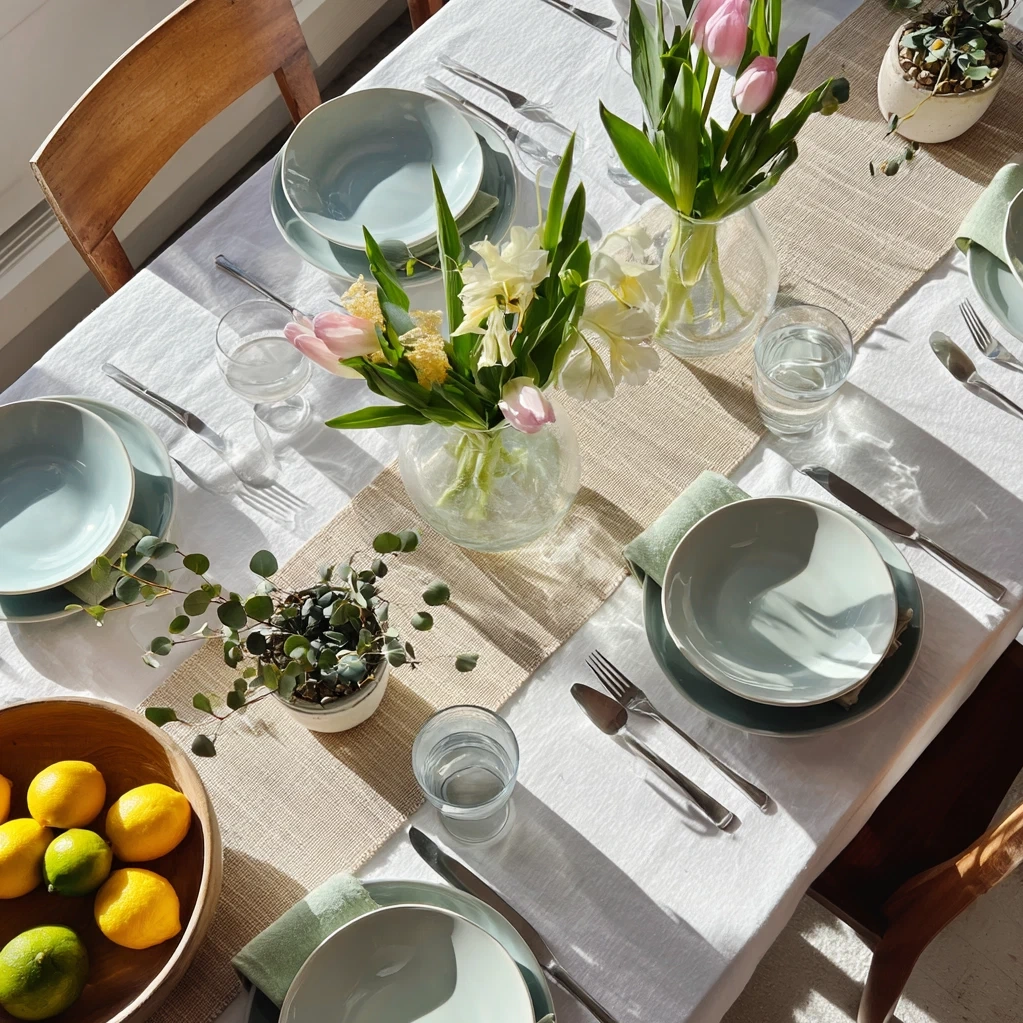
As the first blooms of spring emerge and the world awakens from its winter slumber, there’s an undeniable urge to refresh our living spaces. This seasonal renewal extends beautifully to our dining areas, where thoughtful spring table settings can transform ordinary meals into memorable experiences. The transition from winter’s heavy, dark decor to spring’s light, airy aesthetic isn’t just about aesthetics—it’s about capturing the season’s essence of growth, renewal, and joyful gatherings. Spring table settings create the perfect backdrop for everything from casual family breakfasts to festive Easter celebrations and elegant dinner parties. They serve as a visual expression of the season’s optimism, bringing the outdoors in through carefully chosen elements that reflect nature’s awakening. Whether you’re hosting a formal event or simply elevating your daily meals, a well-designed spring table setting sets the tone for connection, celebration, and the simple pleasure of shared moments. The magic lies in how these arrangements can make even the most ordinary Tuesday dinner feel like a special occasion, reminding us to slow down and appreciate the beauty in everyday rituals. This seasonal refresh offers a wonderful opportunity to experiment with colors, textures, and natural elements that might feel out of place during other times of year. By embracing the lightness and vitality of spring through your table decor, you’re not just decorating—you’re creating an atmosphere that nurtures both body and spirit.
Essential Elements for Captivating Spring Table Settings
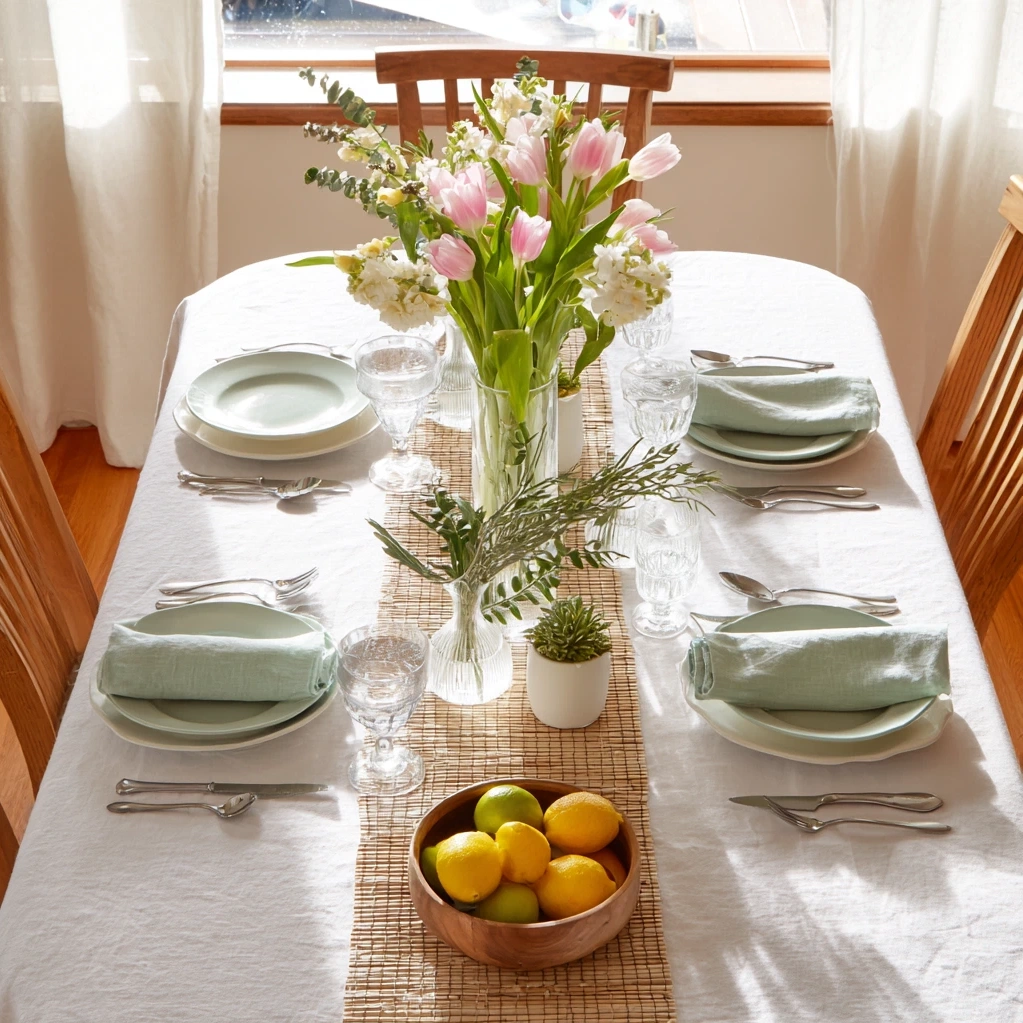
Creating stunning spring table settings begins with understanding the foundational elements that capture the season's essence. Start with your color palette—spring naturally lends itself to soft pastels like blush pink, mint green, buttery yellow, and sky blue, as well as fresh greens and crisp whites. These colors reflect the season's blossoms and new growth. Your table linens provide the perfect canvas for these hues. Consider a crisp white tablecloth as your base, then layer with patterned or solid-colored runners or placemats in your chosen spring colors. For dinnerware, mix and match pieces with floral patterns or simple designs in complementary shades. Glassware should be light and airy—clear glasses or those with subtle tints work beautifully. Flatware can range from traditional silver to modern matte finishes, depending on your overall aesthetic. Centerpieces are where spring table settings truly come to life. Instead of one large arrangement, consider multiple smaller vessels filled with seasonal flowers, budding branches, or potted herbs. Scatter votive candles or tea lights for evening ambiance. Natural elements like moss, stones, or fresh fruit can add texture and interest. Don't forget about place cards—these can be simple folded cards tied with ribbon, small pots with name tags, or even leaves with names written in metallic ink. The key is balance: you want enough elements to create visual interest without overwhelming your guests or making the table feel cluttered. Each component should work harmoniously to create a cohesive look that feels fresh, inviting, and distinctly spring-like.
Practical Tips for Creating Spring Table Settings on Any Budget
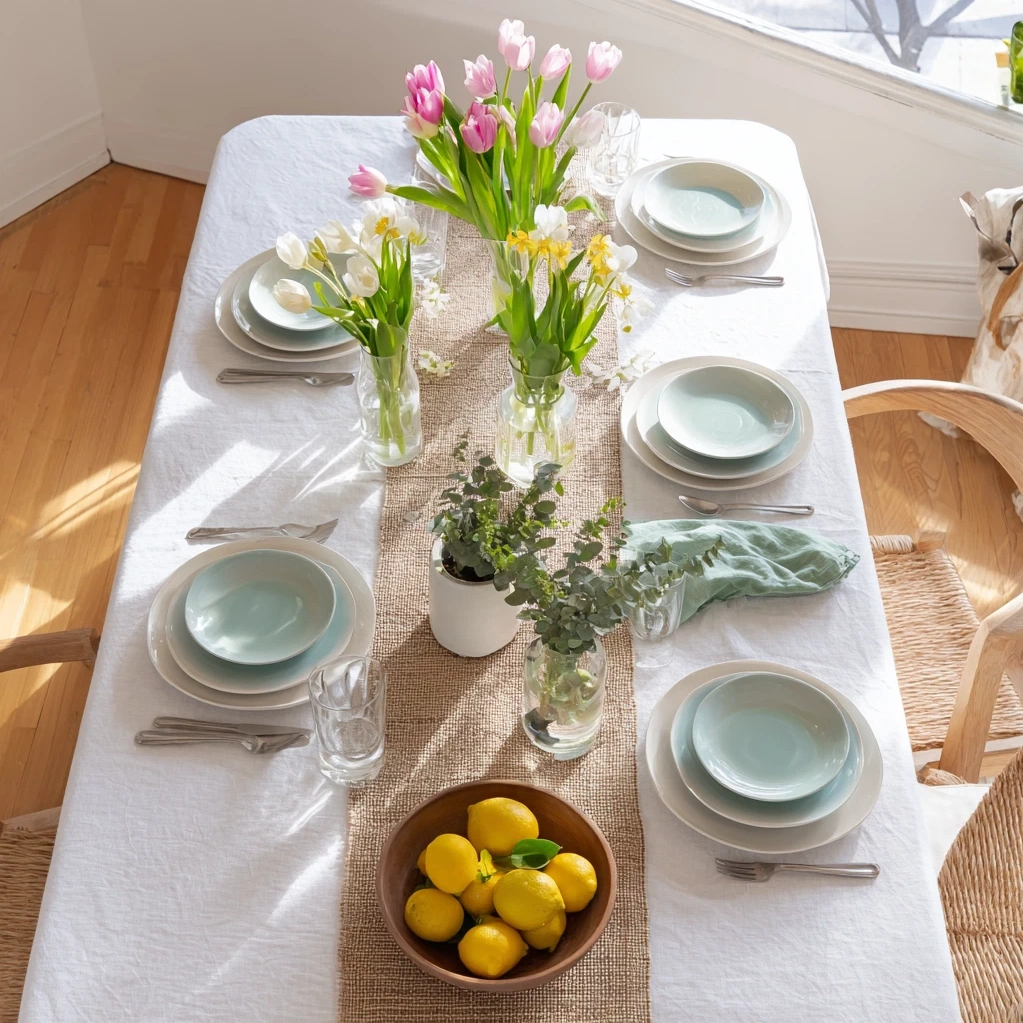
Beautiful spring table settings don't require a large budget—creativity and resourcefulness can yield equally stunning results. Begin by assessing what you already own. That white tablecloth from last summer's wedding? Perfect for spring. Those clear glass vases collecting dust in your cabinet? Ideal for simple floral arrangements. For those on a tight budget, nature provides abundant free materials. Take a walk in your garden or local park (with permission) to gather branches with new leaves, flowering weeds, or interesting stones. Even grocery store produce can double as decor—lemons and limes in a clear bowl make a cheerful centerpiece. Thrift stores and garage sales are treasure troves for affordable spring table settings components. Look for mismatched china with floral patterns, vintage linen napkins, or interesting glassware. DIY projects offer another budget-friendly approach. Create your own napkin rings using twine and fresh herbs, make place cards from cardstock and pressed flowers, or dye plain napkins with natural dyes from vegetables like beets or spinach. For centerpieces, consider repurposing items you already have: fill a ceramic pitcher with tulips, arrange candles on a mirrored tray, or create a mini herb garden in small pots down the table's center. Seasonal sales at craft and home stores often feature spring decor at discounted prices after the season begins. Remember that simplicity often creates the most elegant spring table settings. A single branch of cherry blossoms in a simple vase, paired with white plates and green napkins, can be more striking than an elaborate, expensive arrangement. The goal is creating an atmosphere that feels special and seasonal, not necessarily expensive.
Seasonal Variations for Spring Table Settings Throughout the Season
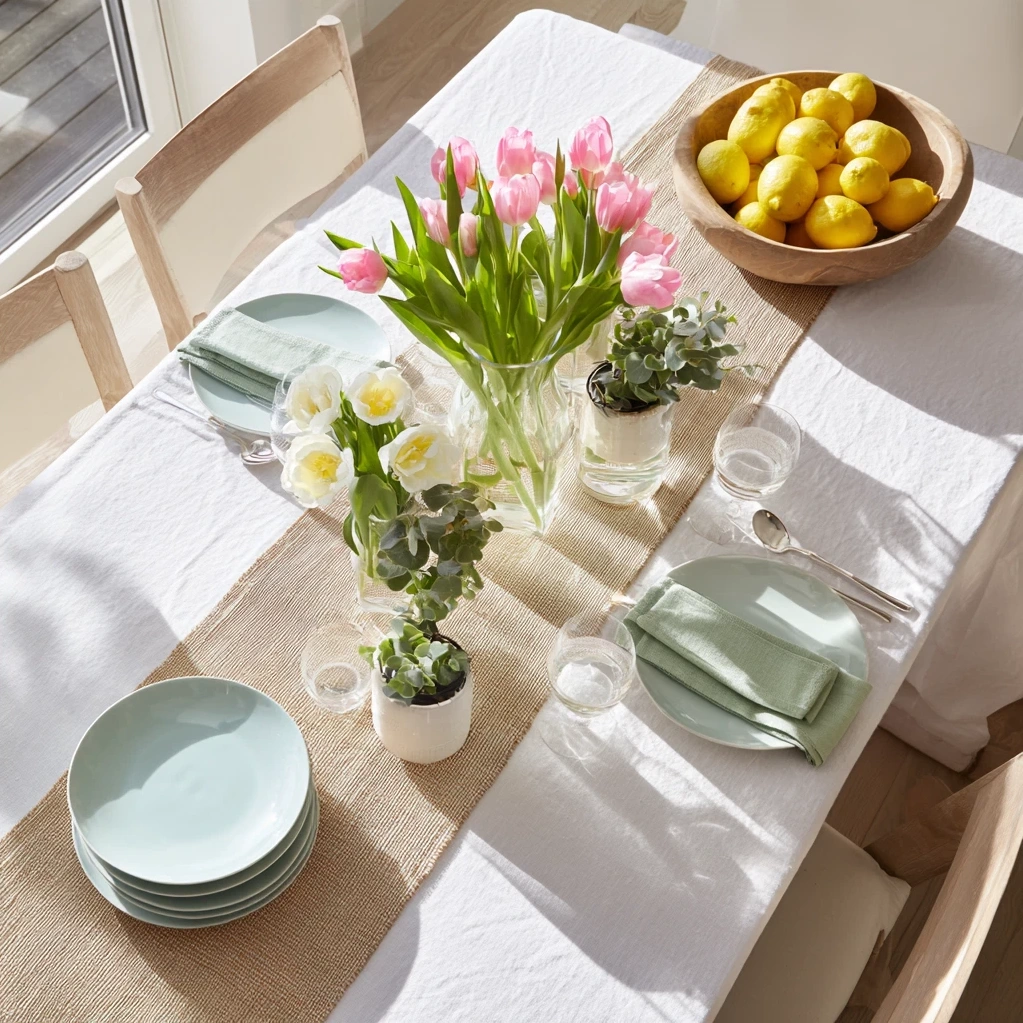
Spring evolves dramatically from March to June, and your spring table settings can beautifully reflect these changes. Early spring, when winter still lingers, calls for transitional arrangements. Combine forced bulbs like hyacinths and daffodils with evergreen branches and neutral elements. Color schemes might include pale yellows, soft grays, and whites that bridge winter and spring. As the season progresses into mid-spring, embrace the explosion of blossoms. Cherry and apple branches, tulips, and ranunculus become readily available. Pastel colors dominate—think lavender, peach, and mint green. Easter and Passover celebrations during this period offer opportunities for themed spring table settings incorporating symbolic elements like eggs, lambs, or seder plates in tasteful ways. Late spring brings warmer temperatures and more abundant blooms. Peonies, roses, and lilacs make spectacular centerpieces. Color palettes can become slightly bolder with coral, bright yellow, or emerald green accents. Consider incorporating more outdoor elements as the weather warms—move your dining to the patio or create spring table settings that blend indoor and outdoor spaces. For Memorial Day or other late-spring gatherings, incorporate patriotic elements in subtle ways, like blue hydrangeas with white peonies and red berries. Throughout these seasonal shifts, maintain coherence by sticking to a consistent style—whether rustic, modern, traditional, or eclectic. Adapt your spring table settings to the occasion too: a casual brunch might feature mismatched china and mason jar flower arrangements, while a formal dinner could include fine china, crystal, and elaborate floral centerpieces. The beauty of spring table settings lies in their ability to evolve with the season while maintaining that essential springtime freshness.
Conclusion
Spring table settings offer more than just visual appeal—they create emotional connections, set the stage for meaningful gatherings, and help us fully embrace the season's renewal. From the first tentative buds of early spring to the abundant blooms of late May, each variation captures a unique moment in nature's awakening. The true magic lies not in perfection but in intention: whether you're working with heirloom china or thrifted finds, the care you put into creating a beautiful tablescape communicates warmth and hospitality to your guests. As we've explored, successful spring table settings balance color, texture, and natural elements while remaining practical for actual use. They adapt to different occasions, budgets, and personal styles while always reflecting spring's essential qualities of light, growth, and optimism. Looking forward, consider how your spring table settings might evolve with sustainable practices—using locally sourced flowers, reusable elements, or natural materials that minimize environmental impact. The future of entertaining leans toward authenticity and personal expression, where your table tells your story through carefully chosen elements. Most importantly, remember that the best spring table settings are those that make people feel welcomed and appreciated. They transform meals from mere sustenance to cherished experiences, turning everyday moments into memories. As you experiment with different approaches this season, trust your instincts and have fun—after all, spring is about joy, and your table should reflect that.
Frequently Asked Questions
Q: How can I make my spring table settings look cohesive without matching everything perfectly?
Creating cohesive spring table settings without perfect matching is about establishing a unifying theme or color palette. Choose two or three main colors that work well together—like blush pink, sage green, and white—and ensure each element includes at least one of these colors. Mix patterns by keeping the scale varied: pair large floral plates with small polka dot napkins. Use consistent materials throughout, such as all-natural fibers for linens or the same metal finish for flatware. A running element, like sprigs of fresh herbs at each place setting or identical candle holders, can tie everything together beautifully.
Q: What are some low-maintenance flowers that work well for spring table settings?
Several flowers are both beautiful and long-lasting for spring table settings. Tulips continue growing in water and have a lovely, natural curve. Daffodils are sturdy and symbolic of spring. Hyacinths offer wonderful fragrance and dense blooms. Ranunculus provides excellent value with multiple blooms per stem. For greenery, eucalyptus lasts weeks and adds lovely texture. To extend freshness, recut stems at an angle, remove leaves below water level, and change water daily. Consider potted plants like primroses or herbs—they last even longer and can be planted afterward.
Q: How do I transition my spring table settings from daytime to evening events?
Transitioning spring table settings from day to evening is simple with strategic adjustments. For daytime, maximize natural light with reflective surfaces like mirrors or metallic elements. Use brighter, lighter color combinations. As evening approaches, incorporate layered lighting: add candlelight through votives, tapers, or tea lights. Switch to warmer, more dramatic colors in your accessories—deeper napkins or darker flowers. Consider adding metallic accents that catch candlelight beautifully. You might replace a light, airy centerpiece with something more substantial or add height with taller candle holders. The key is creating intimacy through lighting while maintaining your spring theme.