Thrifted Gallery Wall: Create Stunning, Affordable Art Displays


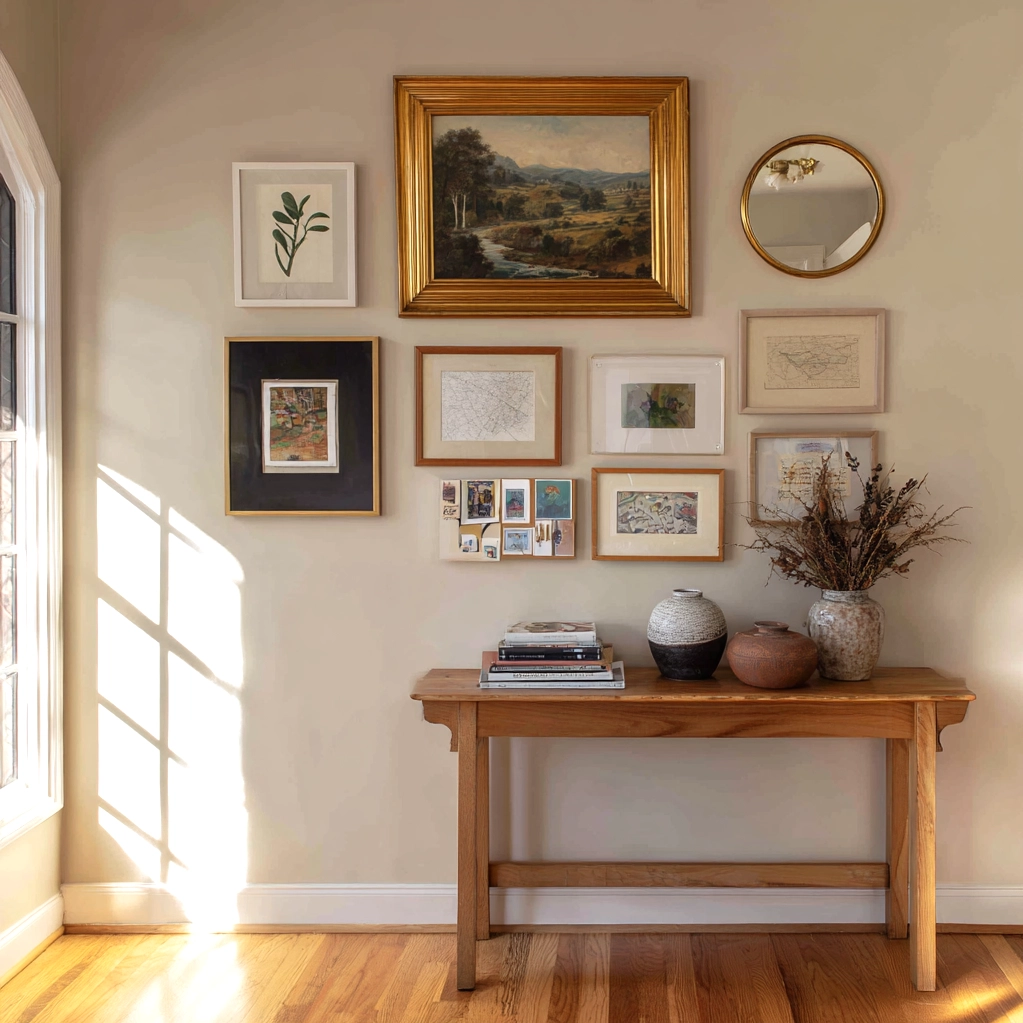
In today’s world of mass-produced decor, a thrifted gallery wall offers a breath of fresh air—a chance to create something uniquely personal while embracing sustainability. This approach to wall art transforms ordinary spaces into curated collections that tell stories. Instead of buying matching sets from big-box stores, you hunt for individual pieces that resonate with you. Each find becomes a treasure with its own history, waiting to be part of your home’s narrative. The importance of this topic lies in its accessibility and creativity. Anyone can build a thrifted gallery wall regardless of budget or artistic skill. It encourages mindful consumption by giving new life to discarded items. This method celebrates imperfections and diverse styles rather than demanding perfection. Your wall becomes a living document of your tastes and adventures. The process itself becomes rewarding—each thrift store visit holds potential discoveries. Beyond aesthetics, a thrifted gallery wall fosters connection to community and environment. You’re not just decorating; you’re participating in a cycle of reuse that reduces waste. This approach makes art collecting democratic and personal. Your home reflects your journey rather than a catalog image. The result is a space that feels authentically yours, filled with character and charm that money can’t buy.
How to Start Your Thrifted Gallery Wall Journey
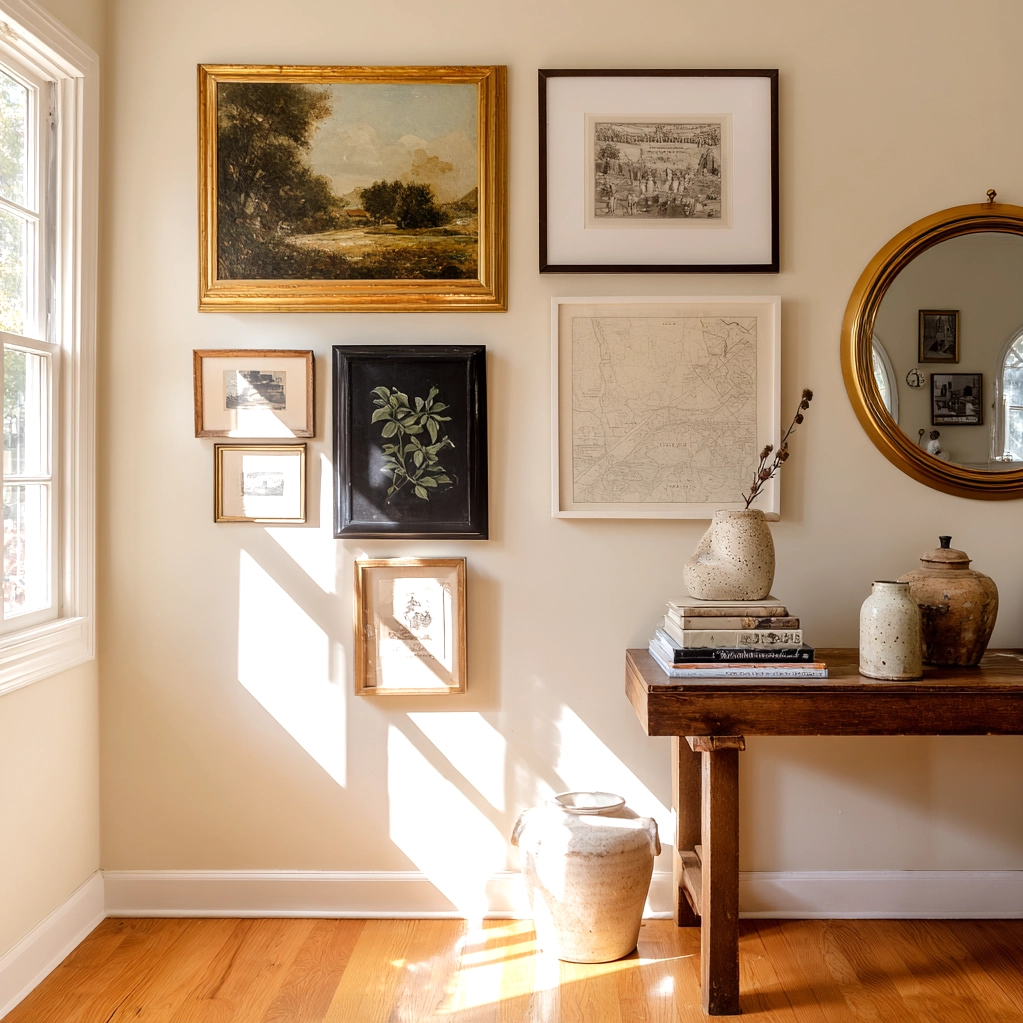
Beginning a thrifted gallery wall might seem overwhelming, but breaking it down makes it manageable. Start by identifying your space. Measure your wall area and consider existing furniture placement. This helps determine how many pieces you'll need. Next, set a loose theme or color palette. This doesn't mean everything must match perfectly. Instead, think about a cohesive element—perhaps frames in similar tones or artwork with related subjects. Your thrifted gallery wall should reflect your personality, so trust your instincts. Begin hunting at local thrift stores, flea markets, and garage sales. Look beyond traditional artwork. Consider vintage postcards, fabric swatches, decorative plates, or even interesting book covers. Don't overlook frames themselves—sometimes an ugly painting hides a beautiful frame you can repurpose. Bring a measuring tape and take photos of potential finds. Remember that condition matters less than potential. A scratched frame can be painted, while faded art might add character. As you collect, lay pieces on the floor to experiment with arrangements before committing to the wall. This trial-and-error phase is crucial for finding balance. Your thrifted gallery wall will evolve over time, so start with a few key pieces and build gradually. The journey matters as much as the destination.
Design Tips for a Cohesive Thrifted Gallery Wall
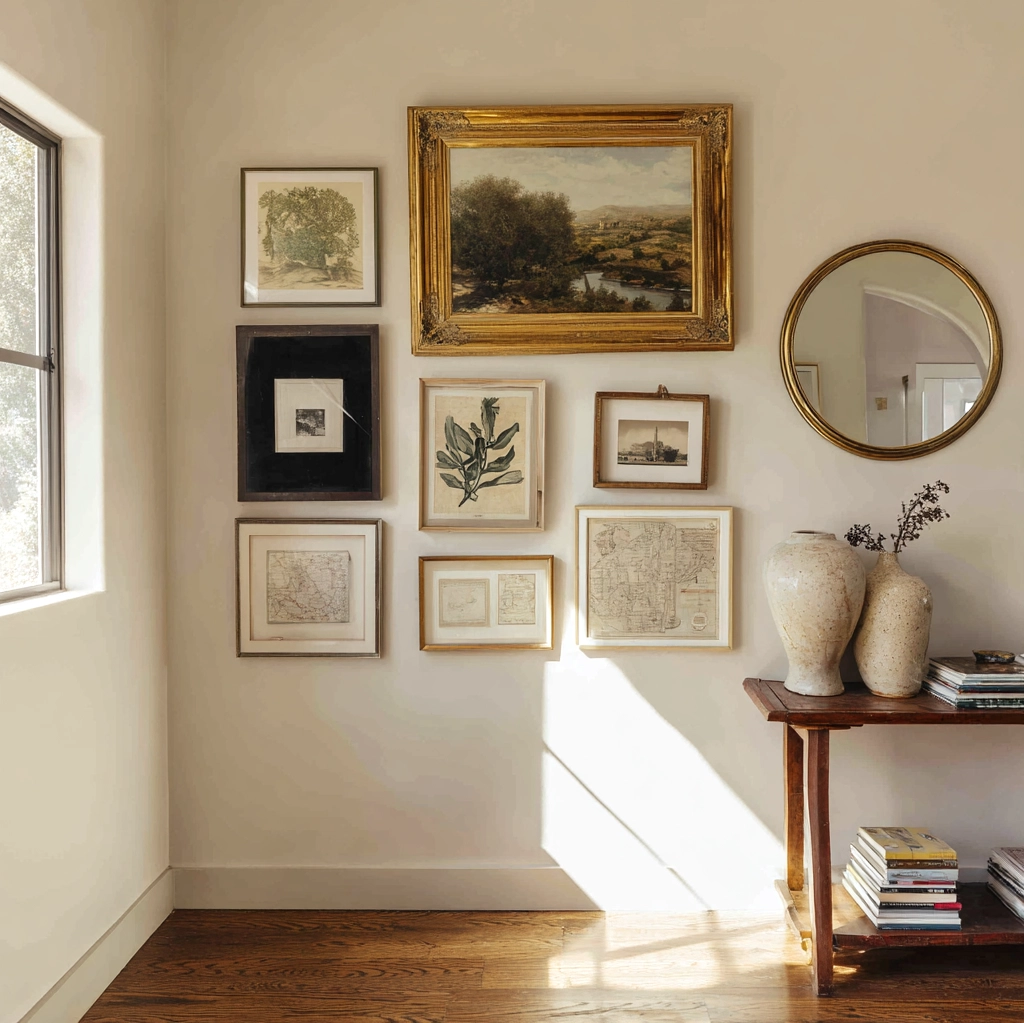
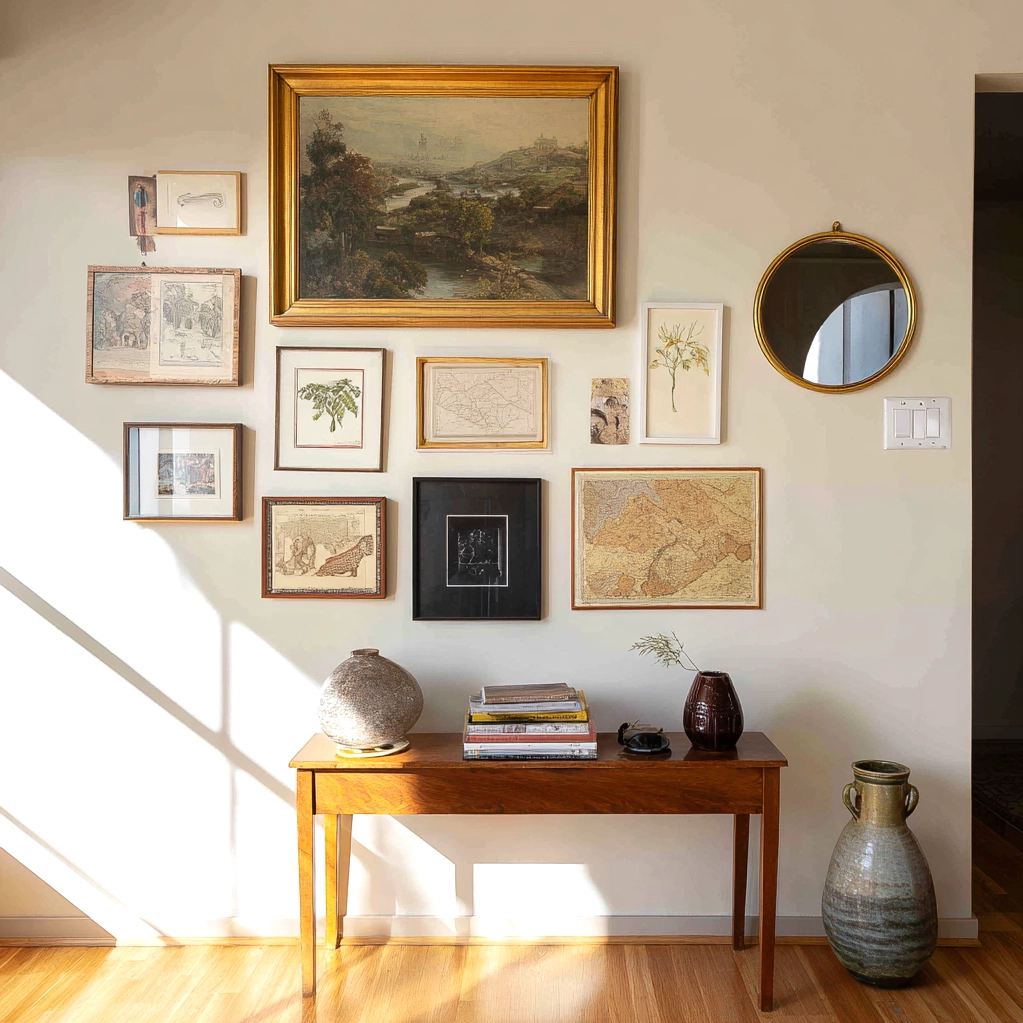
Creating a cohesive thrifted gallery wall requires thoughtful design despite the eclectic nature of thrifted finds. First, establish visual anchors. These are slightly larger or bolder pieces that ground the arrangement. Place them strategically to draw the eye. Next, consider spacing consistency. Maintain even gaps between frames—typically 2-3 inches works well. This creates order amid diversity. Mix frame styles intentionally. Combine ornate gold frames with simple black ones for contrast, but repeat similar finishes to create rhythm. Your thrifted gallery wall benefits from varied sizes too. Intersperse small and large pieces to avoid monotony. Pay attention to matting. If pieces have different mat colors, consider adding uniform mats or painting existing ones. This subtle unity ties disparate elements together. Arrange artwork by visual weight rather than perfect symmetry. Balance darker pieces with lighter ones across the wall. Don't forget about negative space. Allow some breathing room around the arrangement so it doesn't feel crowded. Test layouts on the floor first, photographing options to compare. When hanging, use proper hardware for wall type and frame weight. A level and measuring tape ensure precision. Remember that a thrifted gallery wall can include three-dimensional objects like shelves with small thrifted items. This adds depth and interest. The goal isn't perfection but harmonious eclecticism that feels intentional.
Thrifted Gallery Wall Maintenance and Evolution
A thrifted gallery wall is never truly finished—it's a living display that evolves with your tastes and finds. Regular maintenance keeps it fresh and meaningful. Dust frames and glass periodically with a soft cloth. Check hanging hardware annually to ensure security, especially for heavier pieces. As your collection grows, you might rotate pieces seasonally or when you acquire new favorites. Store swapped-out items properly to preserve them for future use. Your thrifted gallery wall can expand organically. Add new finds by temporarily removing a piece to test placement. Photograph the current arrangement before making changes—this helps revert if needed. Consider thematic shifts over time. Perhaps you'll develop a passion for vintage botanical prints or mid-century abstracts. Let your wall reflect these interests. Don't hesitate to edit. If a piece no longer resonates, replace it or leave the space empty temporarily. This editing process refines the display's personal significance. Document your thrifted gallery wall's evolution through photos. This creates a visual history of your decorating journey. Share your process with friends or online communities for inspiration and feedback. As you continue thrifting, you'll develop an eye for potential pieces. You might even start collecting specific types of items intentionally. This ongoing engagement makes your home decor dynamic rather than static. Your wall becomes a conversation starter, with stories behind each acquisition. Embrace imperfections—a slightly crooked frame or faded print adds authenticity. This approach celebrates the beauty of the secondhand and the personal.
Conclusion
A thrifted gallery wall represents more than just wall decor—it's a creative, sustainable, and deeply personal approach to home design. By combining found objects with intentional arrangement, you create a space that tells your unique story. This method democratizes art collecting, making it accessible regardless of budget. It encourages environmental consciousness through reuse and reduces decor waste. The process itself becomes a rewarding hobby, turning shopping trips into treasure hunts. Your thrifted gallery wall will evolve as you do, reflecting changing tastes and new discoveries. This flexibility prevents decor from becoming stale or outdated. Looking forward, consider expanding this philosophy to other areas of your home. Perhaps create thrifted vignettes on shelves or incorporate found objects into tabletops. Share your experiences with others to inspire similar projects. As sustainability grows in importance, thrifted decor offers a practical way to contribute while enhancing your living space. Start small if needed—even a few carefully chosen pieces can make an impact. Remember that perfection isn't the goal; authenticity is. Your thrifted gallery wall celebrates individuality and history, transforming ordinary walls into curated galleries full of life and meaning. Embrace the journey, and let your walls speak volumes about who you are.
Frequently Asked Questions
Q: How much does it cost to create a thrifted gallery wall?
The cost of a thrifted gallery wall varies widely but is typically very affordable. Individual thrifted pieces often range from $1 to $20 each, depending on size and type. Frames might cost $3-$15, while artwork or objects could be $2-$10. A small wall with 5-8 pieces might total $30-$100, compared to hundreds for new decor. Budget depends on your hunting success and local thrift store prices. Remember that DIY touches like painting frames can reduce costs further. The thrifted approach makes gallery walls accessible to nearly any budget.
Q: What types of items work best for a thrifted gallery wall?
Many thrifted items work beautifully for gallery walls. Traditional options include framed art, prints, and photographs. Don't overlook unconventional pieces like vintage mirrors, decorative plates, woven textiles, or small shelves displaying objects. Ephemera such as postcards, maps, and book pages can be framed inexpensively. Consider three-dimensional items like sconces or shadow boxes. Mix materials for texture—wood, metal, and fabric all add interest. The key is choosing items that resonate with you visually or emotionally. Even mismatched frames can be unified with paint or consistent matting.
Q: How do I hang a thrifted gallery wall without damaging the wall or pieces?
Proper hanging protects both your wall and thrifted finds. First, assess wall type—drywall, plaster, or brick require different hardware. Use appropriate anchors for weight; picture-hanging kits work for most frames. For heavier items, seek wall studs or use toggle bolts. Measure and mark carefully before drilling. Use a level to ensure alignment. Consider removable hanging strips for lightweight pieces if renting. For fragile thrifted items, reinforce frames if needed and clean gently before hanging. Test arrangements on the floor first to minimize wall holes. Taking these steps ensures your thrifted gallery wall stays secure and beautiful.