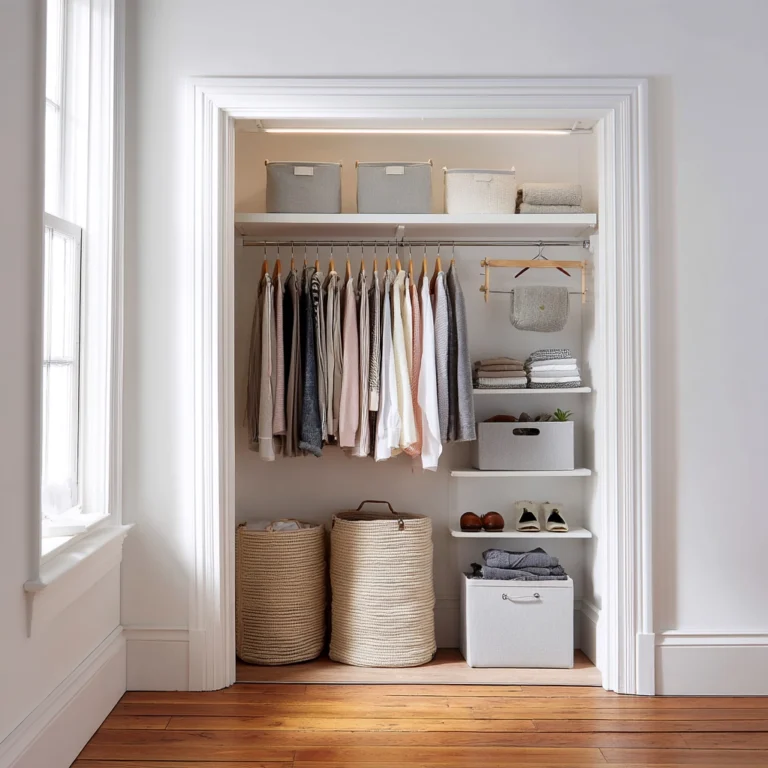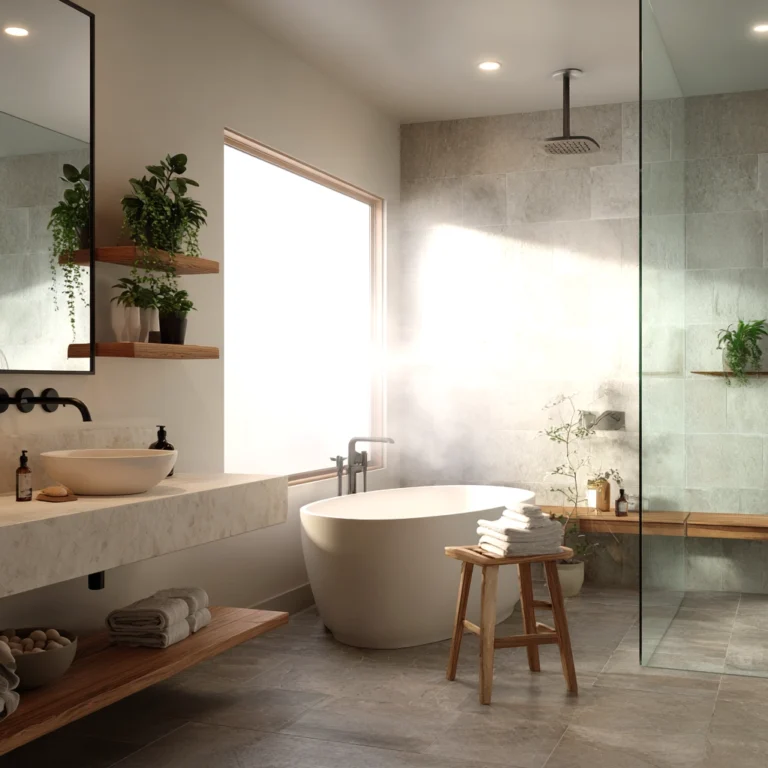
Minimal White Background: 9 Brilliant Ways to Transform Your Space

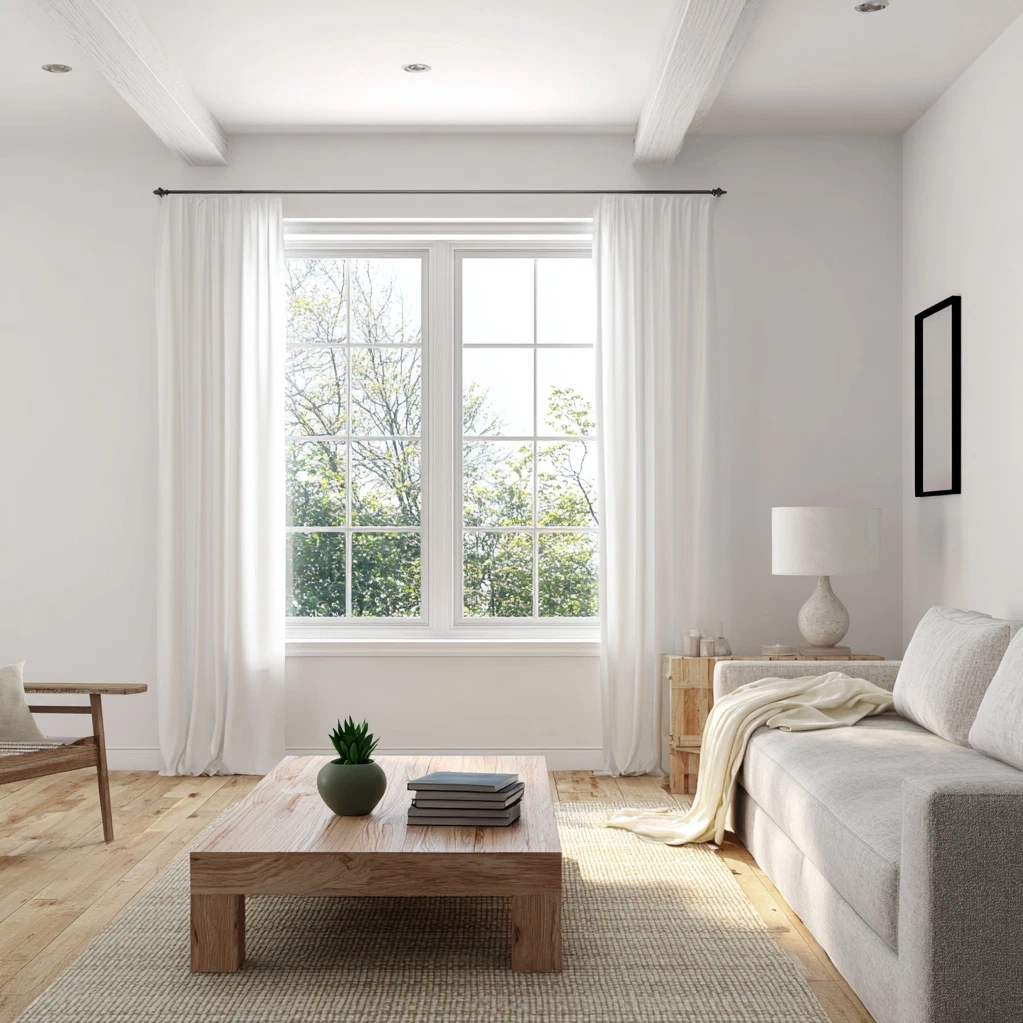
Imagine a canvas of pure potential—a minimal white background in your home offers exactly that. This design approach isn’t about emptiness or sterility, but about creating a foundation of calm and clarity that lets your life and personality shine through. In our increasingly cluttered digital and physical worlds, the psychological benefits of white space are profound. Studies show that clean, uncluttered environments reduce stress and improve focus, making them particularly valuable in today’s fast-paced living. A minimal white background serves as the perfect backdrop for intentional living, where every object you choose has purpose and meaning. Whether you’re designing a living room, bedroom, or home office, starting with white creates a versatile base that adapts to changing needs and seasons. This approach has gained popularity not just for its aesthetic appeal but for its practical benefits in creating spacious, light-filled rooms that feel larger than their actual dimensions. Many homeowners find that embracing a minimal white background helps them curate their possessions more thoughtfully, leading to less clutter and more mindful consumption. The beauty of this design philosophy lies in its flexibility—you can layer textures, introduce subtle colors, or make bold statements against that clean canvas. As we explore this topic, you’ll discover why so many interior designers and homeowners are turning to white backgrounds as the foundation for modern, serene living spaces that truly enhance daily life.
The Psychological Power of a Minimal White Background
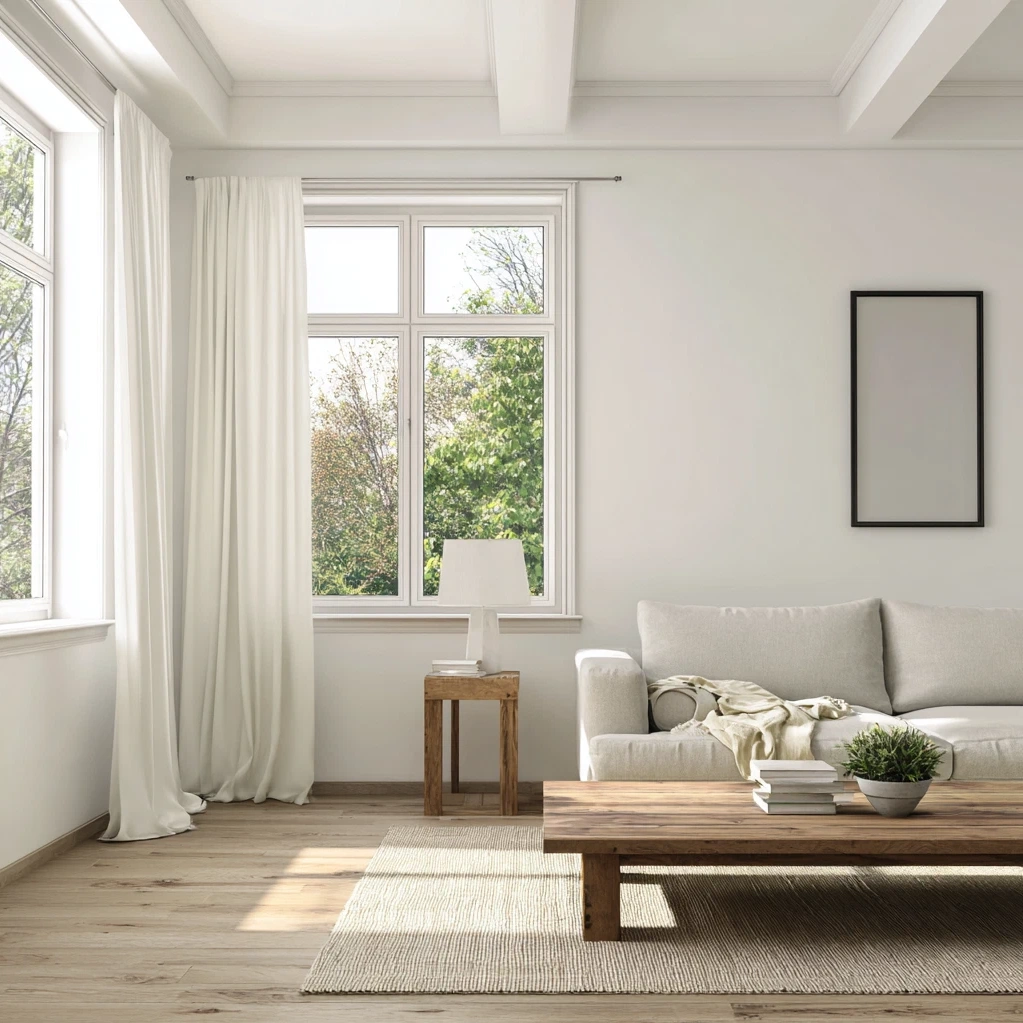
A minimal white background does more than just look clean—it actively shapes how we experience our living spaces. Scientifically, white walls and surfaces reflect more natural light, creating brighter rooms that can improve mood and energy levels throughout the day. This increased light reflection means you'll rely less on artificial lighting during daytime hours, potentially lowering energy costs while enhancing your connection to natural rhythms. Psychologically, white spaces create a sense of order and calm that our brains crave amidst daily chaos. When you return home to a room with a minimal white background, your mind can actually relax more deeply because there are fewer visual stimuli competing for attention. This reduction in cognitive load allows for better focus, whether you're working from home or simply trying to unwind. The neutrality of white also provides mental breathing room—it's a visual pause that lets you appreciate the objects you truly value rather than being overwhelmed by decorative clutter. Many people find that living with a minimal white background encourages mindfulness in their daily routines, as the simplicity of the space invites slower, more intentional movement. Furthermore, white backgrounds have been shown to make spaces feel larger and more open, which can be particularly beneficial in smaller homes or apartments where every square foot matters. This psychological spaciousness translates to a greater sense of freedom and possibility within your own home. By choosing a minimal white background, you're not just selecting a color—you're creating an environment that supports mental clarity and emotional well-being.
Creating Your Minimal White Background: Practical Steps
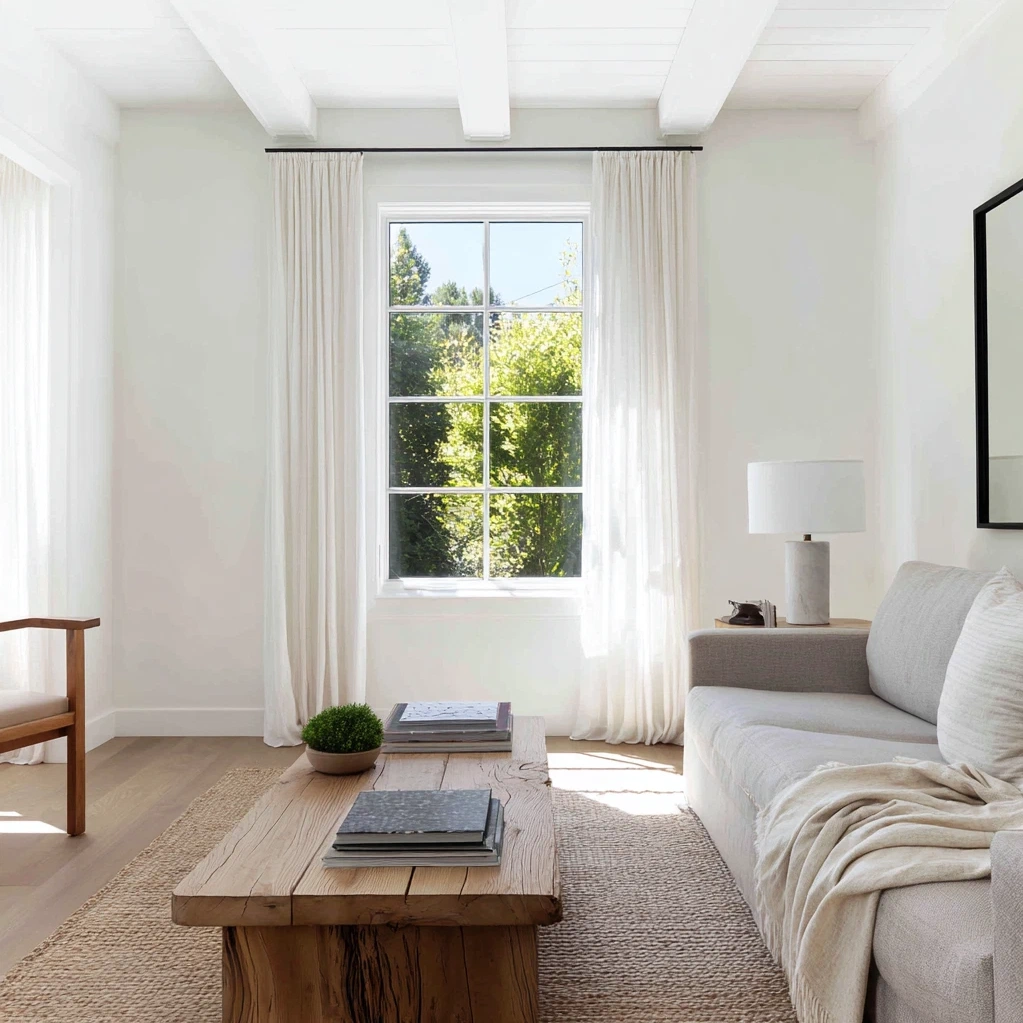
Transitioning to a minimal white background requires thoughtful planning rather than simply painting everything white. Start by assessing your current space and identifying what truly serves you versus what's merely filling space. Begin with a deep decluttering session, removing items that don't bring joy or function to your daily life. When selecting white paint, consider undertones carefully—some whites lean warm with yellow or pink undertones, while others have cool blue or gray undertones. Test samples on different walls at various times of day to see how natural and artificial light affects the color. For furniture and larger elements against your minimal white background, opt for pieces with clean lines and simple silhouettes that won't compete visually with the serene backdrop. Incorporate texture through natural materials like wood, linen, wool, or rattan to prevent the space from feeling sterile. Layering different white textiles—a chunky knit throw, smooth cotton curtains, and a nubby area rug—adds depth and interest while maintaining the cohesive look. Lighting plays a crucial role in white spaces; combine ambient, task, and accent lighting to create dimension and warmth. Strategic placement of mirrors can amplify natural light and enhance the sense of spaciousness. Remember that a minimal white background doesn't mean bare walls—carefully curated art or a single statement piece can create beautiful focal points. The key is intentionality: every element should serve a purpose, whether functional or aesthetic. Maintenance is simpler than you might think—regular dusting and occasional touch-ups keep the space feeling fresh. Most importantly, allow your minimal white background to evolve naturally as your needs and tastes change over time.
9 Essential Elements for a Balanced Minimal White Background
While a minimal white background provides the foundation, these nine elements ensure your space feels complete and inviting rather than stark or unfinished. First, incorporate at least three different textures to create visual interest—think a smooth ceramic vase, a rough-hewn wooden side table, and a soft wool rug. Second, introduce one or two natural materials like wood, stone, or plants to bring warmth and life to the space. Third, include a single dramatic element—perhaps a black-framed mirror or a sculptural light fixture—to create a focal point. Fourth, ensure proper lighting hierarchy with ambient lighting for overall illumination, task lighting for specific activities, and accent lighting to highlight architectural features or artwork. Fifth, add greenery with low-maintenance plants that thrive in your home's light conditions; their organic shapes beautifully contrast with clean white surfaces. Sixth, incorporate reflective surfaces like mirrors or metallic accents to bounce light around the room. Seventh, create cozy corners with plush textiles—a comfortable chair with a textured throw invites relaxation. Eighth, maintain negative space by resisting the urge to fill every surface; empty areas allow the eye to rest and appreciate what's present. Ninth, establish visual flow by repeating elements throughout the space, whether through consistent hardware finishes, complementary wood tones, or recurring geometric shapes. These nine elements work together to transform a minimal white background from merely clean to truly curated. They provide the structure needed to create a space that feels both serene and stimulating—a delicate balance that makes white backgrounds so effective in modern interior design. Remember that quality always trumps quantity when working with this aesthetic; invest in fewer, better-made pieces that will stand the test of time against your elegant white canvas.
Maintaining and Evolving Your Minimal White Background Over Time
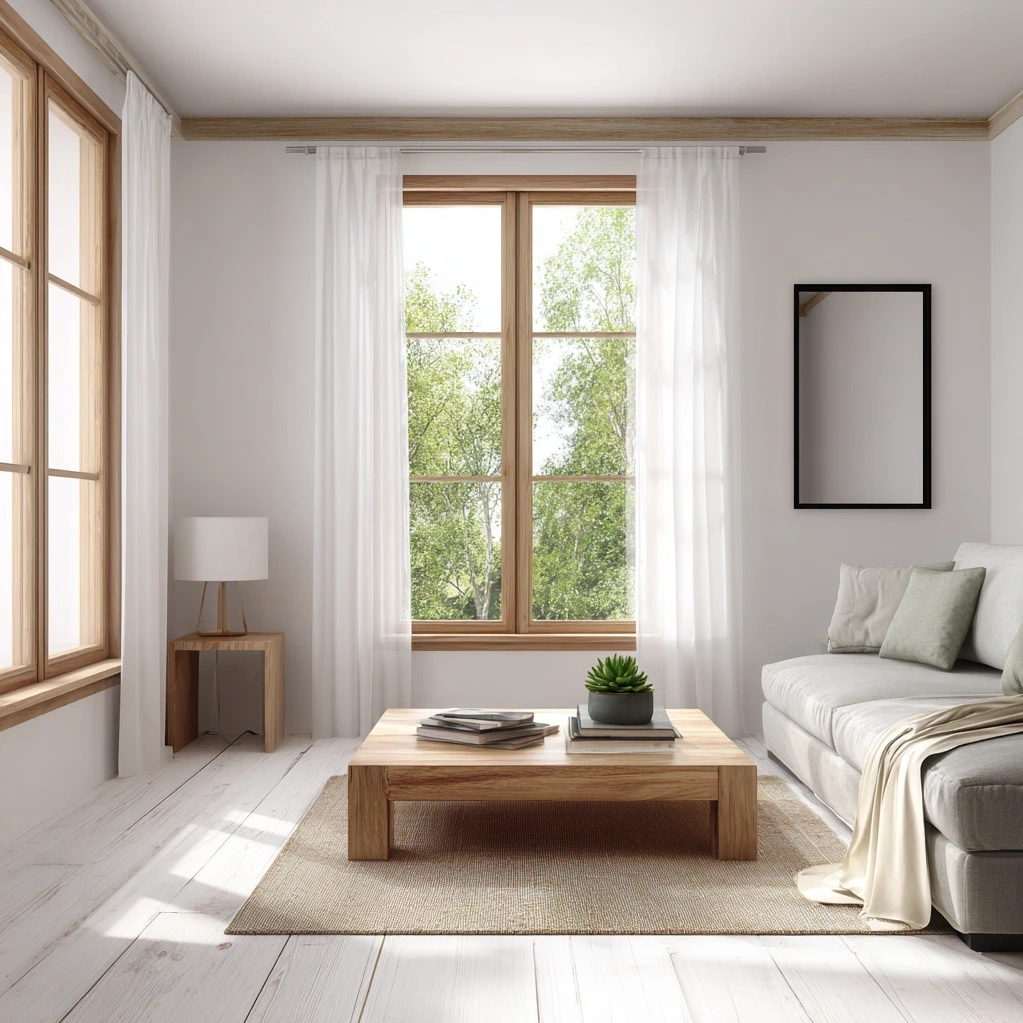
A minimal white background isn't a static design choice but a flexible foundation that evolves with your life. Regular maintenance keeps the space feeling fresh—wipe down walls with a mild solution to remove dust and fingerprints, and touch up paint as needed to address wear marks. For textiles, follow care labels and consider protective treatments for upholstery to maintain their pristine appearance. Seasonal rotations offer an excellent way to refresh your space without major changes; swap out lighter linen cushions for warmer wool ones in winter, or introduce seasonal greenery that reflects the time of year. As your needs change—perhaps you start working from home more or have children—your minimal white background can adapt beautifully. The neutral palette makes it easy to incorporate new functional elements without disrupting the overall harmony. When considering updates, focus on layering rather than replacing; add a new area rug, update lighting fixtures, or introduce artwork that reflects your current interests. Many people worry that white spaces show dirt more easily, but with today's washable paints and durable fabrics, maintenance is often simpler than with patterned or dark surfaces that require specialized cleaning. Embrace the patina that develops over time—slight variations in white surfaces add character and tell the story of your home's life. If you feel the space needs more color, introduce it through easily changeable elements like decorative objects, books, or fresh flowers rather than permanent fixtures. The beauty of starting with a minimal white background is that it gives you permission to experiment; if a design choice doesn't work, it's simple to remove or replace it against that clean canvas. This flexibility makes white backgrounds particularly suitable for people who enjoy refreshing their spaces regularly or whose needs change frequently.
Conclusion
Embracing a minimal white background represents more than an aesthetic choice—it's a commitment to intentional living that prioritizes clarity, calm, and purposeful design. Throughout this article, we've explored how white spaces can enhance psychological well-being, provide practical benefits like increased light and perceived spaciousness, and serve as versatile foundations for personal expression. The nine essential elements we discussed offer a roadmap for creating balanced, inviting spaces that avoid the sterility sometimes associated with all-white interiors. Remember that successful implementation requires thoughtful layering of textures, strategic use of natural materials, and careful attention to lighting. As you move forward with your own minimal white background, view it not as a finished project but as an evolving canvas that reflects your journey. The true power of this design approach lies in its adaptability; it can grow with you through life changes, seasonal shifts, and evolving tastes. Looking ahead, the trend toward intentional, mindful living spaces shows no signs of slowing, making minimal white backgrounds more relevant than ever. They represent a sanctuary from visual noise—a place where you can truly breathe, focus, and connect with what matters most. Start small if needed, perhaps with a single room or even just a wall, and notice how the simplicity affects your daily experience. Your home should serve as your retreat, and a minimal white background provides the perfect foundation for creating that restorative environment. Here's to spaces that inspire calm, spark creativity, and welcome you home to your best self.
Frequently Asked Questions
Q: Won't a minimal white background make my home feel cold and sterile?
This is a common concern, but a well-executed minimal white background feels anything but sterile. The key is incorporating warmth through natural materials, textures, and thoughtful lighting. Add wood elements (like flooring, furniture, or decorative objects), layer different textiles (such as wool throws, linen curtains, and cotton cushions), and include living plants to bring organic warmth. Proper lighting—combining warm-toned bulbs with natural light—creates a cozy atmosphere. The white background actually enhances these warm elements by providing contrast, making them more noticeable and appreciated.
Q: How do I keep a white background clean with children or pets?
Modern materials make white spaces surprisingly practical for active households. Choose washable paint with a satin or semi-gloss finish for walls, as these are easier to clean than flat finishes. For furniture, select performance fabrics that resist stains and can be spot-cleaned. Leather or faux leather upholstery wipes clean easily. Use washable slipcovers on sofas and chairs. For floors, light-colored rugs with patterns can hide minor stains between cleanings. Establish simple habits like wiping down surfaces regularly and addressing spills immediately. Many families find that white backgrounds actually help them maintain tidiness because dirt and clutter become more visible, prompting quicker cleanup.
Q: Can I incorporate color into a room with a minimal white background?
Absolutely! A minimal white background serves as the perfect neutral canvas for introducing color in controlled, intentional ways. The key is to add color through easily changeable elements rather than permanent fixtures. Consider colorful artwork, decorative pillows, books, vases, or area rugs. You might paint a single piece of furniture in a bold hue or display collections of colored objects on open shelving. Many people use seasonal color rotations—lighter pastels in spring, brighter tones in summer, warm earth tones in autumn, and deeper hues in winter. The white background ensures these colors pop without overwhelming the space, and you can change them as your preferences evolve.