Vintage Dishware Aesthetic: Timeless Charm and Irresistible Elegance

In a world of mass-produced, disposable home goods, the vintage dishware aesthetic offers a refreshing alternative that transforms everyday dining into something truly special. This isn’t just about collecting old plates and cups; it’s about curating a living history for your home—pieces that tell stories, evoke memories, and bring genuine character to your space. The appeal lies in the imperfections, the unique patterns, and the craftsmanship that modern manufacturing often overlooks. Whether you’re setting a holiday table or simply enjoying morning coffee, vintage dishware brings warmth and personality that contemporary sets simply can’t match. The importance of embracing this aesthetic goes beyond mere decoration. It represents a connection to the past, a celebration of quality over quantity, and a sustainable approach to home design. Each piece carries its own history—perhaps a mid-century floral pattern that reminds you of your grandmother’s kitchen, or a 1930s art deco design that adds geometric interest to modern shelving. This aesthetic encourages mindfulness in our consumption, asking us to appreciate what we have and invest in pieces that will last. As we navigate increasingly digital lives, the tactile pleasure of holding a well-made ceramic cup or arranging hand-painted plates becomes more valuable than ever. The vintage dishware aesthetic invites us to slow down, appreciate beauty in the everyday, and create homes that feel genuinely lived-in and loved.
The Enduring Appeal of Vintage Dishware Aesthetic
What makes the vintage dishware aesthetic so captivating decades after these pieces were first created? The answer lies in a combination of quality craftsmanship, unique design elements, and emotional resonance that modern mass production struggles to replicate. Vintage pieces were often made with higher-quality materials—thicker ceramics, more durable glazes, and hand-applied decorations that have stood the test of time. Unlike today's perfectly uniform dishware, vintage items show subtle variations that prove their handmade origins. The patterns themselves tell a visual story of their era, from the bold florals of the 1950s to the geometric designs of the 1970s. These pieces weren't just functional items; they were expressions of artistic vision and cultural trends. When you incorporate vintage dishware into your home, you're not just adding plates and bowls—you're introducing conversation pieces that invite questions and stories. The aesthetic also offers incredible versatility. A single vintage plate can serve as wall art, a trivet for hot dishes, or a beautiful backdrop for food photography. Mixing different patterns and eras creates a curated, collected-over-time look that feels personal rather than staged. This approach to home decor celebrates individuality over conformity, allowing your personality to shine through in your choices. Perhaps most importantly, the vintage dishware aesthetic connects us to previous generations and craftsmanship traditions that are increasingly rare in our throwaway culture.
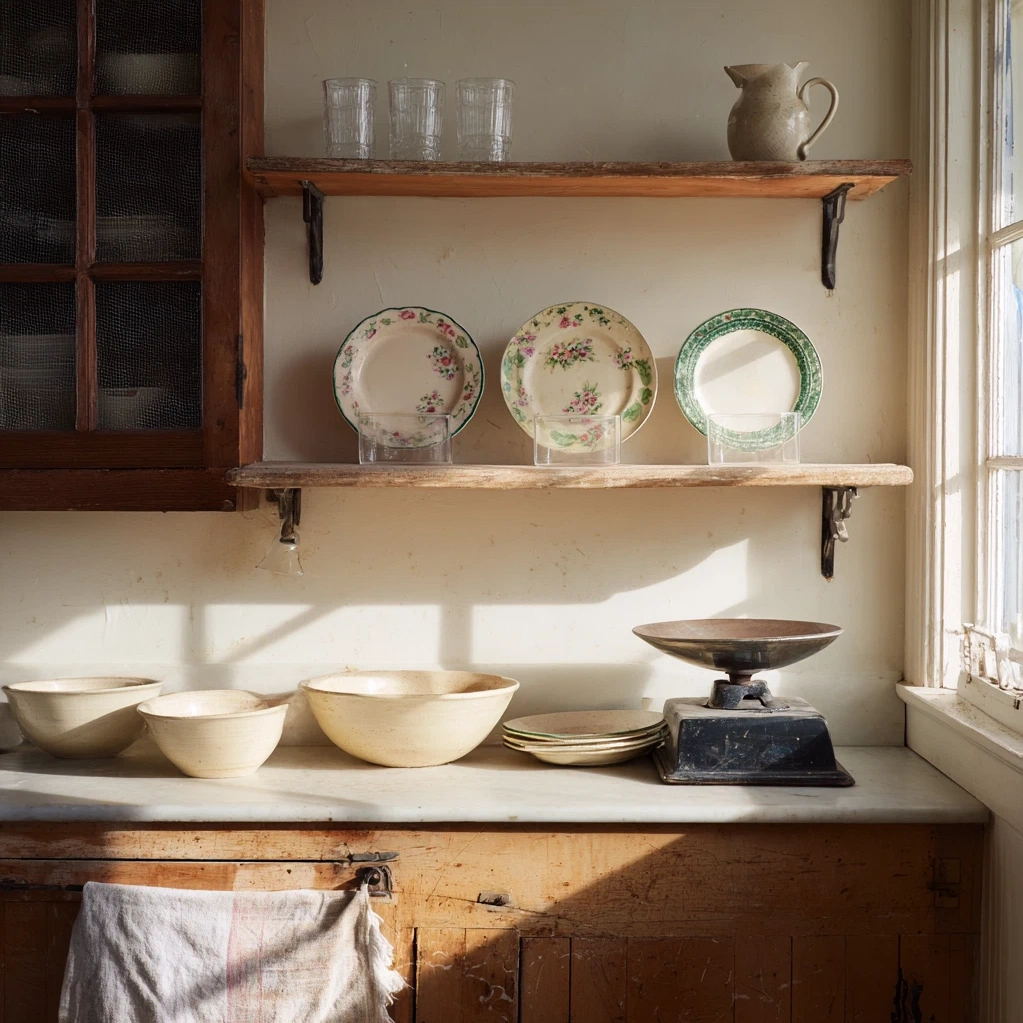
Curating Your Vintage Dishware Aesthetic Collection
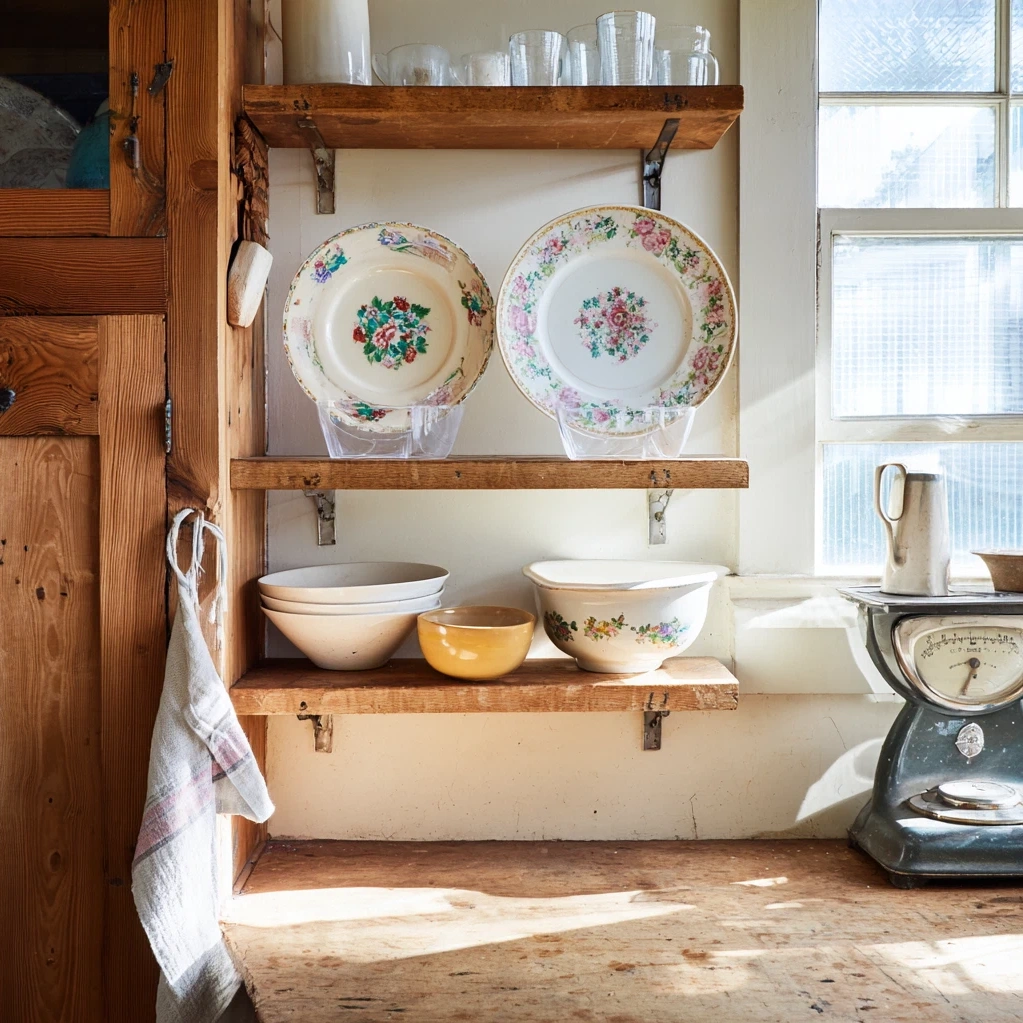
Building a meaningful vintage dishware collection requires more than just buying old plates—it's about developing an eye for quality, understanding what speaks to you personally, and learning how different pieces can work together. Start by identifying what draws you to vintage pieces. Are you attracted to specific colors, patterns, or eras? Some collectors focus on complete sets from particular manufacturers like Fire-King or Franciscan, while others prefer eclectic mixes that tell a broader story. When shopping for vintage dishware, pay attention to condition. Minor crazing (fine cracks in the glaze) is common in older pieces and often adds character, but avoid items with chips, cracks, or significant damage unless you plan to use them purely for display. Look for maker's marks on the bottom of pieces—these can help you identify age, origin, and sometimes even specific patterns. Don't overlook thrift stores, estate sales, and online marketplaces, where you can often find treasures at reasonable prices. As you build your collection, consider how pieces will work together. The vintage dishware aesthetic thrives on intentional mixing. Try grouping items by color family rather than exact pattern matching. A collection of blue-and-white transferware from different eras creates cohesion through color while celebrating individual pattern variations. Display your collection where it can be appreciated daily—open shelving in the kitchen, a dedicated hutch, or even wall-mounted plate racks turn functional items into decorative elements. Remember that this aesthetic isn't about perfection; it's about finding beauty in the unique characteristics of each piece.
Styling Tips for Vintage Dishware Aesthetic in Modern Homes
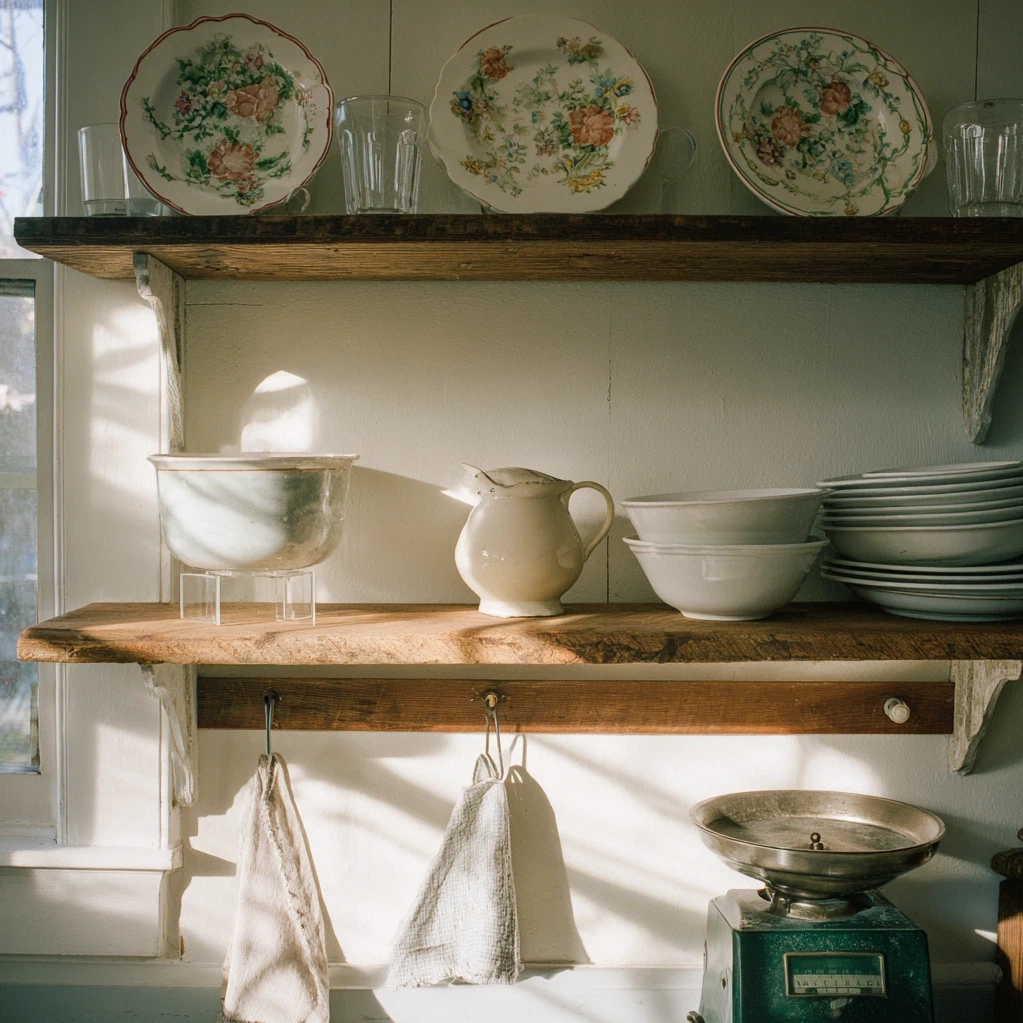
Integrating vintage dishware into contemporary living spaces requires thoughtful styling that honors the pieces while keeping your home feeling current and functional. The key is balance—allowing vintage elements to shine without creating a time-capsule effect. Start with your dining table, where vintage pieces naturally belong. Mix vintage plates with modern flatware and glassware for an updated look that highlights the dishware's character. For everyday use, don't be afraid to actually use your vintage pieces—their durability often surprises people. When styling open shelving or display areas, create visual interest through varied heights and groupings. Place taller pieces like creamers or sugar bowls toward the back, with plates leaning against the wall or using plate stands. Incorporate natural elements like fresh herbs or small potted plants between dishware groupings to soften the look. Color coordination helps unify diverse patterns; if you have multiple floral patterns, for example, group those with similar color palettes. The vintage dishware aesthetic extends beyond the kitchen and dining room. Use pretty plates as wall art in hallways or living spaces—plate hangers make this easy and damage-free. Vintage bowls can hold keys or other small items on entryway tables. In the bathroom, small vintage dishes make elegant soap dishes or jewelry holders. When entertaining, mix and match vintage serving pieces with contemporary food presentation for a stylish contrast that guests always notice and admire. Lighting plays a crucial role in showcasing your collection; ensure display areas have adequate illumination to highlight the beautiful details and colors of your vintage pieces.
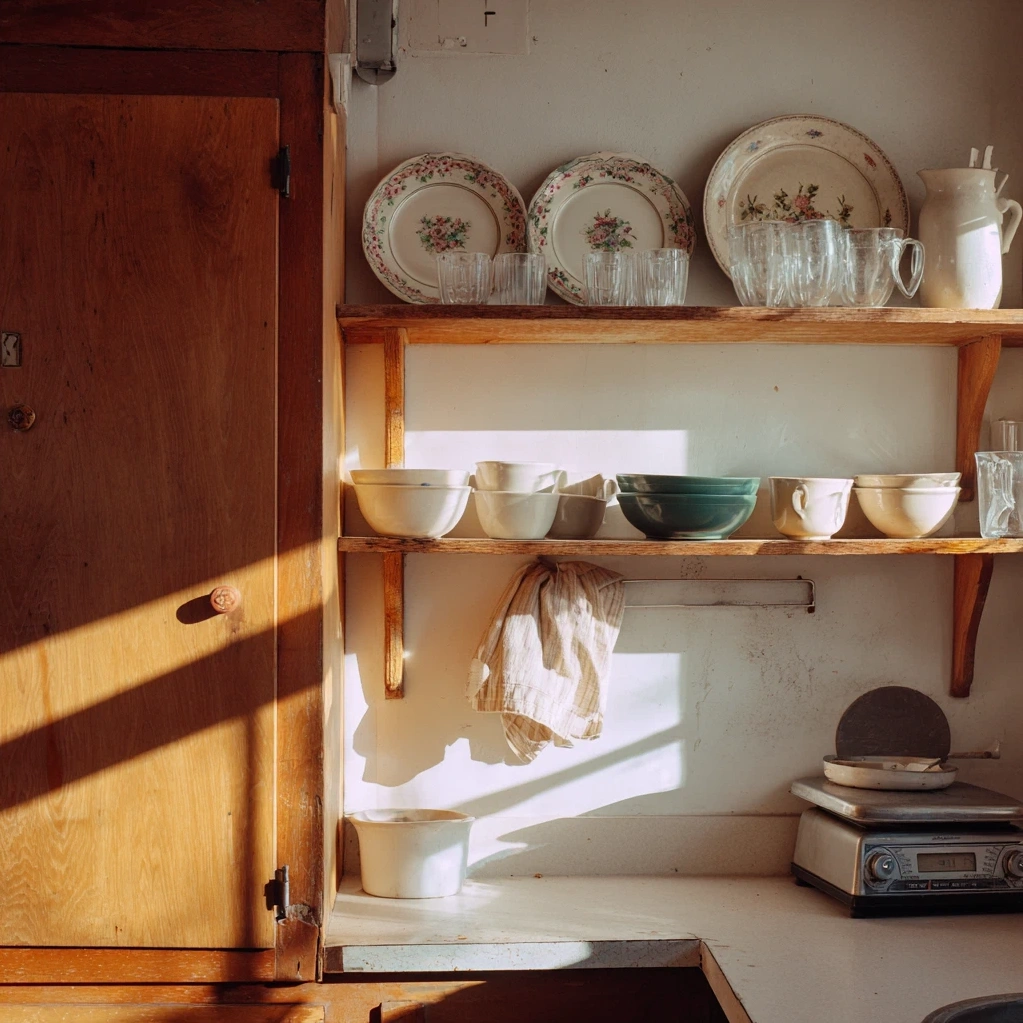
Maintaining and Preserving Your Vintage Dishware Aesthetic
Proper care ensures your vintage dishware remains beautiful and functional for years to come, allowing you to fully enjoy the aesthetic you've carefully curated. First, understand that vintage pieces often require gentler handling than modern dishware. While many are dishwasher-safe, handwashing is generally recommended to preserve delicate decorations and prevent further crazing. Use mild detergent and avoid abrasive scrubbing pads that could damage surfaces. For pieces with gold or metallic accents, never use abrasive cleaners, as these will remove the decorative elements. When storing vintage dishware, avoid stacking pieces directly on top of each other without protection. Place felt or cloth separators between plates to prevent scratching. If you're displaying pieces on open shelves, dust them regularly with a soft, dry cloth to maintain their appearance. Be mindful of temperature changes—sudden shifts from hot to cold can cause thermal shock and cracking, especially in older ceramics. If you discover chips or cracks in your collection, consider whether professional restoration might be worthwhile for particularly special pieces. For everyday use, accept that minor wear adds to the charm of the vintage dishware aesthetic—these pieces were made to be used and loved, not kept behind glass. When acquiring new pieces, research their specific care requirements, as materials and glazes vary by era and manufacturer. By treating your collection with respect while still enjoying it regularly, you honor the craftsmanship that went into creating these beautiful objects while ensuring they remain part of your home's story for generations.
Conclusion
The vintage dishware aesthetic represents more than a passing trend in home decor—it's a meaningful approach to creating spaces filled with character, history, and personal connection. By embracing these timeless pieces, we surround ourselves with beauty that has proven its worth across decades, often outlasting the trends of its own era. This aesthetic encourages us to value quality over quantity, to appreciate the stories behind everyday objects, and to create homes that feel authentically ours rather than replicas of showroom displays. As we look to the future, the vintage dishware aesthetic aligns perfectly with growing movements toward sustainability and mindful consumption. Rather than contributing to disposable culture, collectors and enthusiasts preserve craftsmanship and reduce waste by giving beautiful objects continued purpose. The future of this aesthetic looks bright, with younger generations discovering the joy of hunting for unique pieces and appreciating the slower, more intentional approach to home styling it represents. Whether you're just starting your collection or have been curating for years, remember that the true beauty of the vintage dishware aesthetic lies in how it makes you feel—the warmth of a handmade mug in the morning, the pleasure of setting a table with pieces that have history, the satisfaction of creating a home that tells your unique story through carefully chosen objects that speak to your heart and reflect your values.
Frequently Asked Questions
Q: Is vintage dishware safe to use for everyday meals?
Most vintage dishware is perfectly safe for regular use, but there are important considerations. Pieces made before the 1970s may contain lead in their glazes, particularly in brightly colored decorations. If you're concerned, you can purchase lead-testing kits or stick to pieces from reputable manufacturers known for safe practices. Many collectors use vintage dishware daily without issues, especially pieces from mid-century manufacturers who followed stricter standards. For complete peace of mind, reserve potentially questionable pieces for dry foods or display purposes only.
Q: How do I start a vintage dishware collection on a budget?
Beginning a vintage dishware collection doesn't require a large investment. Start by visiting thrift stores, estate sales, and garage sales, where you can often find quality pieces for just a few dollars each. Online marketplaces also offer affordable options, especially for individual pieces rather than complete sets. Focus on building slowly—choose pieces you genuinely love rather than trying to complete sets immediately. Look for common but beautiful patterns that are still readily available. Remember that chips or minor flaws often mean significant discounts, and these imperfections can add character to your collection if the pieces are for display rather than heavy use.
Q: Can I mix different vintage patterns together successfully?
Absolutely! Mixing patterns is key to achieving an authentic vintage dishware aesthetic. The trick is creating cohesion through color, scale, or era. Choose a unifying color palette—for example, various floral patterns in shades of blue and white will work together beautifully even if the designs differ. You can also mix by alternating simple and busy patterns, or by keeping one element consistent (like all white plates with different patterned bowls). Don't be afraid to experiment; the collected-over-time look is part of the charm. Start by laying pieces out together before committing to displays or table settings to see how they interact visually.