Light Pink Aesthetic: Transform Your Home with This Delightfully Soothing Color Scheme

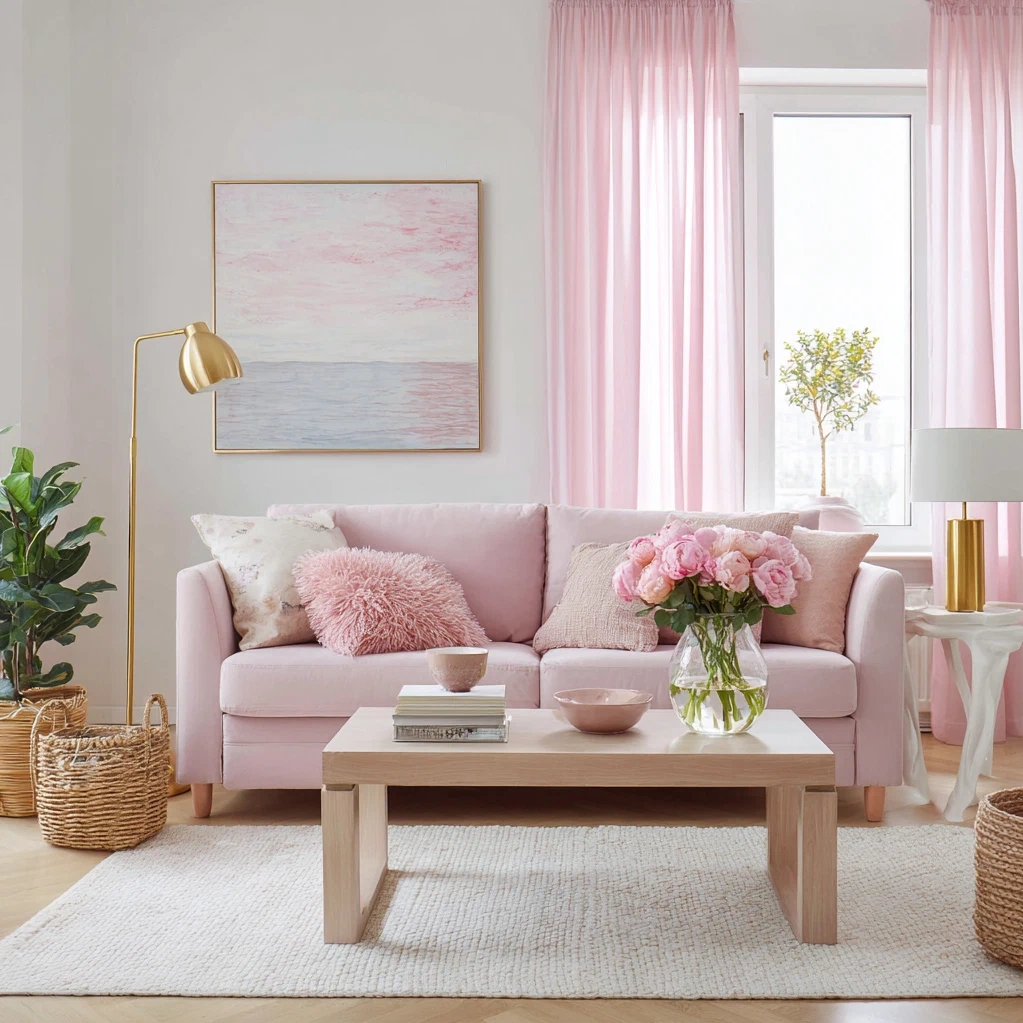
Imagine walking into a room that instantly calms your mind and lifts your spirits. This is the magic of the light pink aesthetic—a design trend that has captured hearts worldwide for its ability to create spaces that feel both elegant and incredibly soothing. Far from being just a color, light pink represents a thoughtful approach to interior design that prioritizes emotional well-being alongside visual appeal. In today’s fast-paced world, our homes have become sanctuaries where we seek refuge from daily stresses. The light pink aesthetic offers a perfect solution by infusing spaces with gentle warmth and positivity. This subtle hue works beautifully across various styles, from minimalist modern to cozy traditional, making it versatile enough for any room in your home. More than just a passing trend, embracing this aesthetic can transform how you experience your living environment. It encourages mindfulness and relaxation while maintaining a sophisticated look that never feels overly feminine or childish. Whether you’re looking to refresh a single corner or overhaul your entire home, understanding the principles behind this aesthetic will help you create spaces that truly nurture your soul.
Creating a Cohesive Light Pink Aesthetic in Your Living Room
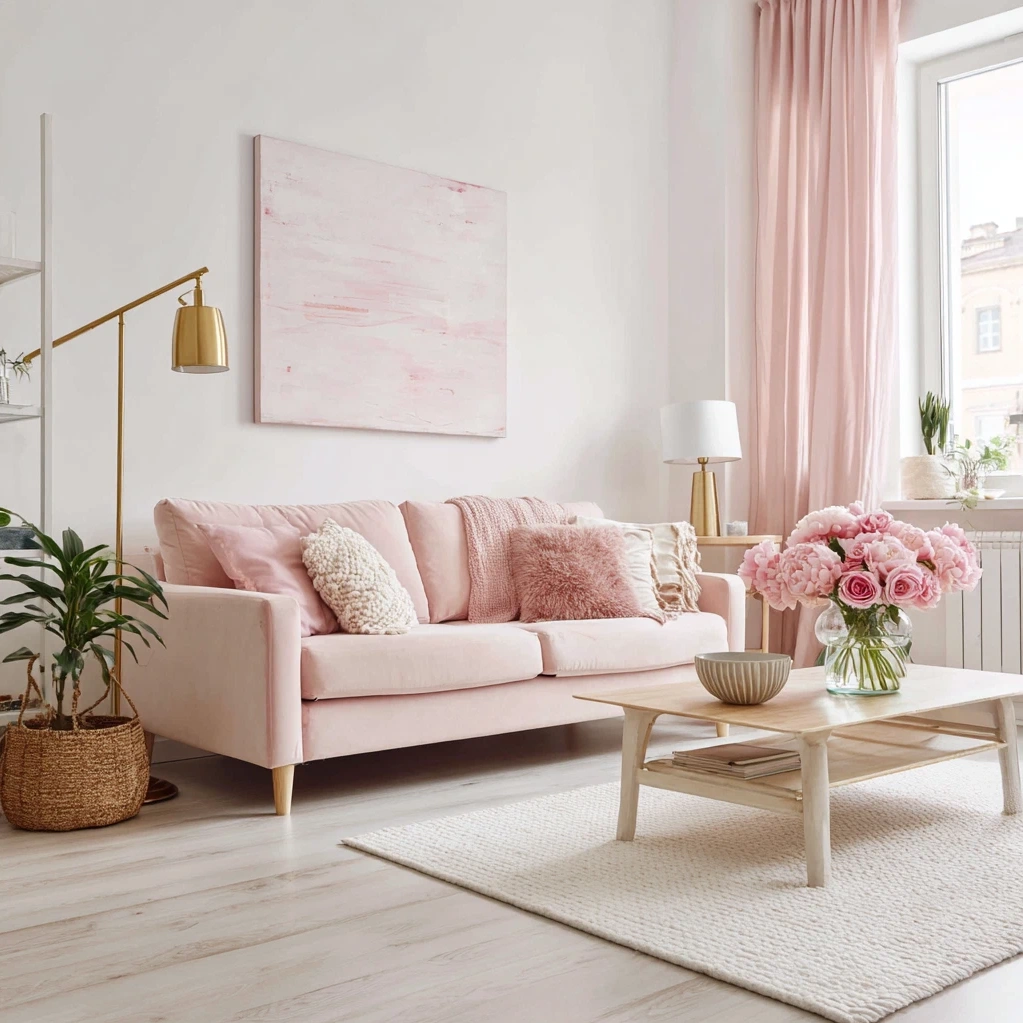
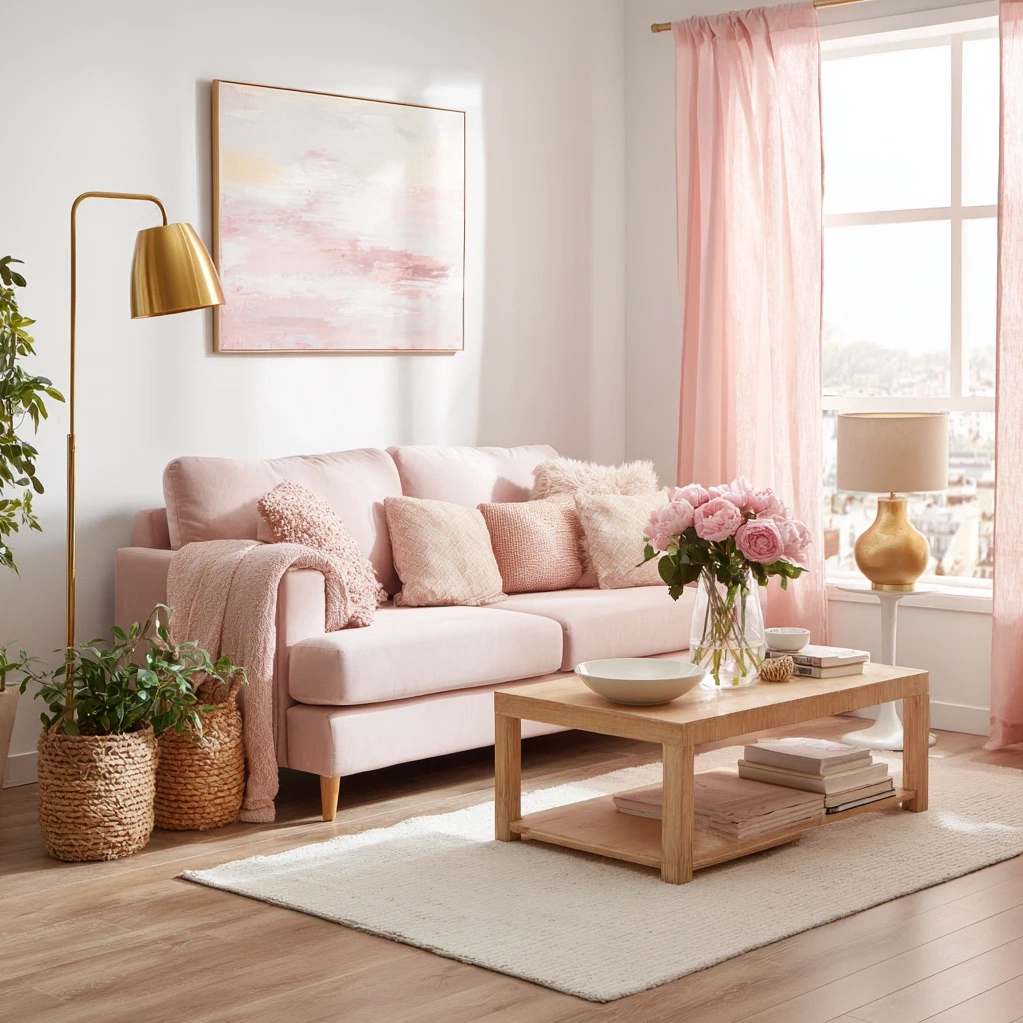
Your living room serves as the heart of your home, making it the perfect place to embrace the light pink aesthetic. Start with a neutral base of white or light gray walls, then layer in soft pink elements through textiles and accessories. A plush light pink sofa or armchair becomes an instant focal point that sets the tone for the entire space. Complement this with sheer pink curtains that filter natural light beautifully throughout the day. When selecting furniture pieces, opt for clean lines and natural materials like light wood or rattan to balance the softness of the pink tones. Incorporate metallic accents in gold or brass through lighting fixtures, picture frames, or decorative objects to add subtle sophistication. For flooring, light hardwood or pale area rugs work exceptionally well with this color scheme. Remember that the light pink aesthetic thrives on restraint—too much pink can overwhelm, while strategic touches create harmony. Add depth with varying shades of pink, from blush to dusty rose, in throw pillows, artwork, and decorative ceramics. Plants with soft green foliage provide the perfect natural contrast, enhancing the calming effect of the pink palette.
Mastering the Light Pink Aesthetic for Bedroom Serenity
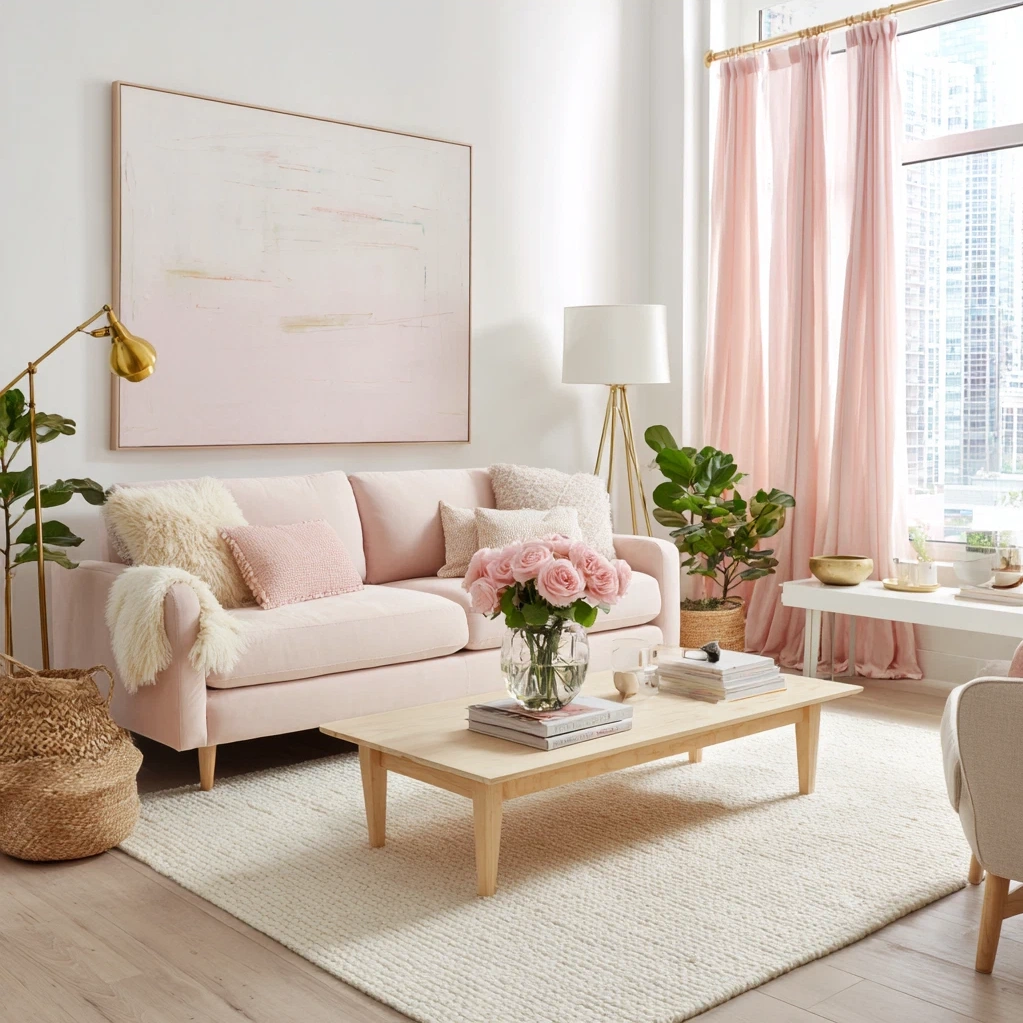
The bedroom presents an ideal canvas for the light pink aesthetic, as this color naturally promotes relaxation and restful sleep. Begin with bedding in soft pink tones, choosing high-quality linen or cotton sheets that feel luxurious against the skin. Layer different textures through a chunky knit throw or velvet pillows in complementary pink shades. For walls, consider a very pale pink paint or wallpaper with subtle patterns that catch light without dominating the space. Nightstands in light wood or painted white provide functional surfaces while maintaining the airy feel of the room. Lighting plays a crucial role in bedroom design—install a dimmable overhead fixture with a pink-tinted shade and add bedside lamps with similar tones for evening reading. Window treatments should maximize natural light during the day while offering privacy at night; light pink Roman shades or sheer drapes accomplish both beautifully. Incorporate personal touches through framed photographs or artwork with pink accents, and keep surfaces clutter-free to maintain the tranquil atmosphere. Storage solutions like woven baskets or painted dressers in coordinating colors help maintain organization without disrupting the aesthetic. The key to bedroom success lies in creating layers of comfort and visual interest while keeping the overall palette soothing and consistent.
Incorporating the Light Pink Aesthetic into Kitchen and Dining Spaces
While kitchens and dining areas might seem challenging for a light pink aesthetic, they actually offer wonderful opportunities for creative expression. Start with cabinetry—painting lower cabinets or an island in a soft pink creates a stunning focal point without overwhelming the space. For a more subtle approach, incorporate pink through open shelving displaying ceramic dishware or glassware in various pink tones. Countertops in white marble or light quartz provide a clean backdrop that makes pink elements shine. Hardware in brass or copper adds warmth and contrast to pink cabinetry. In dining areas, a light pink table runner or placemats instantly elevates everyday meals, while a centerpiece of pink-hued flowers or ceramics ties the look together. When selecting appliances, stainless steel or white options work best with this color scheme. For those not ready to commit to permanent changes, temporary solutions like pink kitchen towels, utensil holders, or small appliances offer flexibility. Lighting fixtures with pink glass shades or metallic finishes can transform the ambiance during evening gatherings. Remember that the light pink aesthetic in functional spaces should prioritize practicality alongside beauty—choose durable, easy-to-clean materials that maintain their appearance over time.
Conclusion
Embracing the light pink aesthetic represents more than just a color choice—it's a commitment to creating living spaces that nurture well-being and reflect personal style. Throughout this exploration, we've seen how this versatile hue can transform various rooms, from the serenity of bedrooms to the welcoming warmth of living areas and even the practical elegance of kitchens. The true power of this aesthetic lies in its ability to balance visual appeal with emotional resonance, offering spaces that feel both beautiful and genuinely restorative. As we move forward, consider how you might incorporate these principles into your own home. Start small with accessories and textiles, then gradually introduce larger elements as your confidence grows. Remember that successful design comes from personal expression—adapt these ideas to suit your lifestyle and preferences. The future of home design continues to emphasize environments that support mental health and happiness, making the light pink aesthetic more relevant than ever. Whether you're refreshing a single room or reimagining your entire home, this approach offers timeless appeal that adapts to changing trends while maintaining its core soothing qualities. Your journey toward a more beautiful, calming home begins with that first touch of soft pink.
Frequently Asked Questions
Q: Does the light pink aesthetic work well in small spaces or rooms with limited natural light?
Absolutely! The light pink aesthetic can actually enhance small spaces and rooms with limited natural light. Light pink has reflective qualities that help bounce available light around a room, making spaces appear larger and brighter than they actually are. In small rooms, stick to lighter shades of pink on walls and larger surfaces, using deeper pink tones only as accents. Mirrors placed strategically opposite light sources will amplify this effect. For rooms with minimal windows, incorporate multiple light sources at different levels—overhead lighting, table lamps, and floor lamps—all with warm-toned bulbs that complement the pink palette. The key is maintaining a cohesive color story that doesn't overwhelm the space.
Q: How can I incorporate the light pink aesthetic without making my space look too feminine or childish?
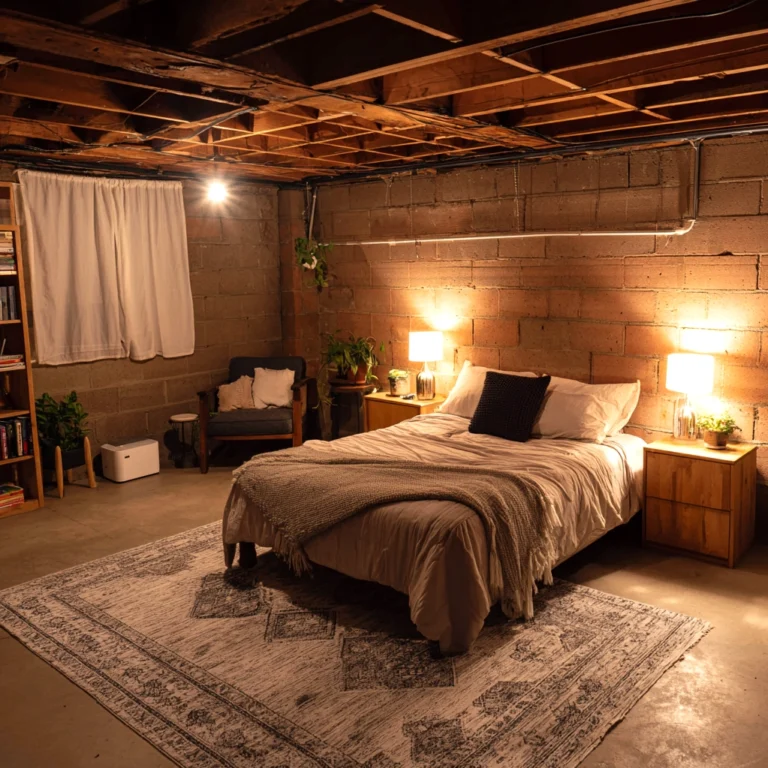
The light pink aesthetic becomes sophisticated and gender-neutral when balanced with the right elements. Focus on pairing pink with materials that add maturity and texture, such as dark wood, concrete, metal, or leather. Industrial-style furniture or architectural elements provide excellent contrast to soft pink walls or textiles. Keep patterns minimal and geometric rather than floral or frilly. For a more masculine twist, combine light pink with navy blue, charcoal gray, or forest green. The proportion matters too—use pink as one element among several in a room rather than the dominant feature. Grown-up accessories like abstract art, sculptural lighting, and quality materials elevate the look beyond any childish associations.
Q: What are the best color combinations to use with a light pink aesthetic?
Light pink pairs beautifully with many colors, offering flexibility for different styles. For a soft, monochromatic look, combine various shades of pink from blush to dusty rose. For contrast and sophistication, pair light pink with charcoal gray, navy blue, or deep green—these darker hues ground the lightness of pink beautifully. Natural combinations include light wood tones, rattan, and plenty of green plants. Metallic accents in gold, brass, or copper add warmth and elegance. For a fresh, modern approach, combine light pink with crisp white and black accents. Earthy tones like terracotta, mustard yellow, or olive green create a warm, inviting atmosphere. The key is maintaining balance—let one or two complementary colors dominate while using others as accents.