Light Pink Decor: Timelessly Beautiful Transformations for Every Room

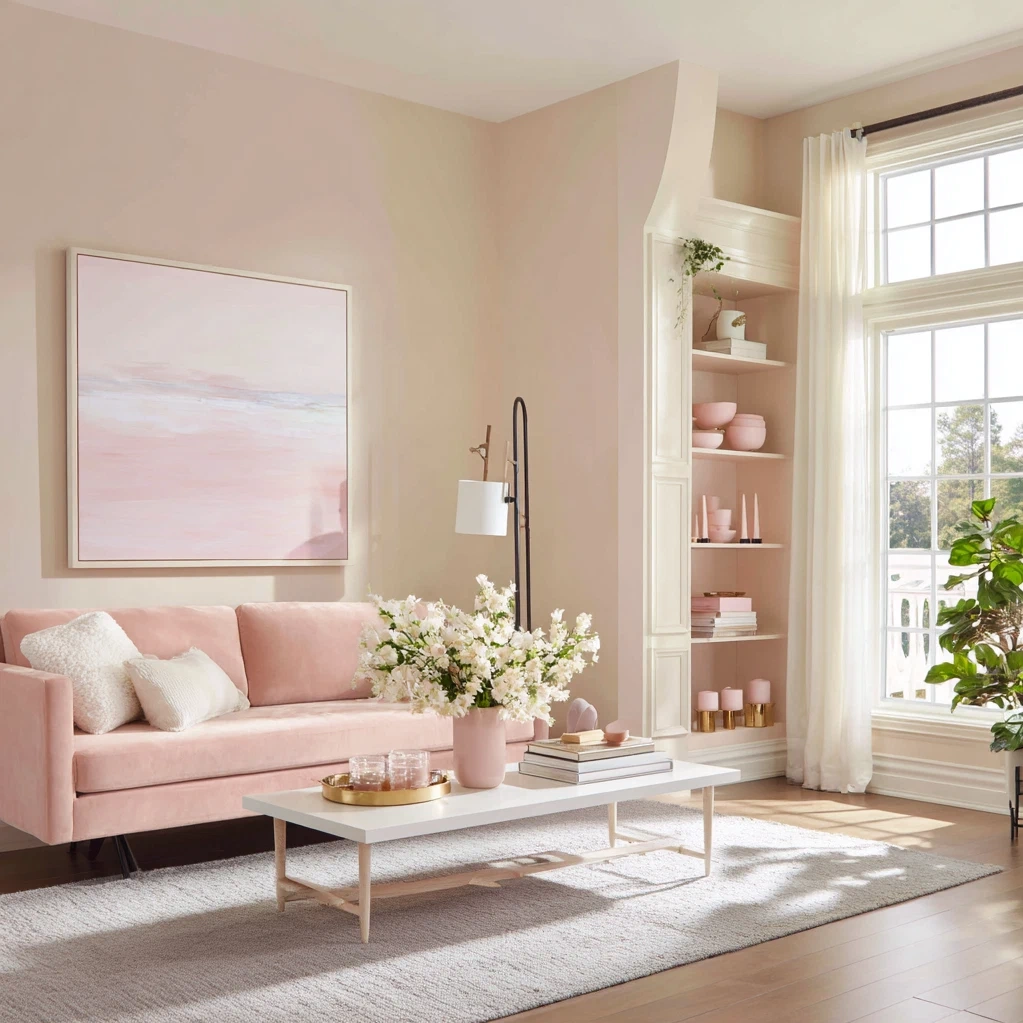
Light pink decor has gracefully emerged from fleeting trends to establish itself as a timeless design choice that brings warmth, sophistication, and versatility to any living space. Far from being overly feminine or childish, this delicate hue—often described as blush, rose quartz, or ballet pink—offers a subtle elegance that complements various styles, from modern minimalism to rustic charm. Its ability to reflect light creates an airy, welcoming atmosphere that can make rooms feel more spacious and inviting. Many homeowners and designers are embracing light pink decor not just as an accent but as a foundational color that sets a tranquil mood. This growing popularity reflects a shift toward calming, nurturing environments in our homes, especially in living rooms, bedrooms, and even kitchens. In this article, we explore how to incorporate light pink decor effectively, ensuring your space feels balanced, cohesive, and uniquely yours. Whether you’re planning a full renovation or simple updates, understanding the power of this hue can transform your home into a serene sanctuary that stands the test of time. Let’s dive into the practical ways to make light pink decor work beautifully in your everyday surroundings, creating spaces that are both stylish and soothing.
The Soothing Psychology Behind Light Pink Decor
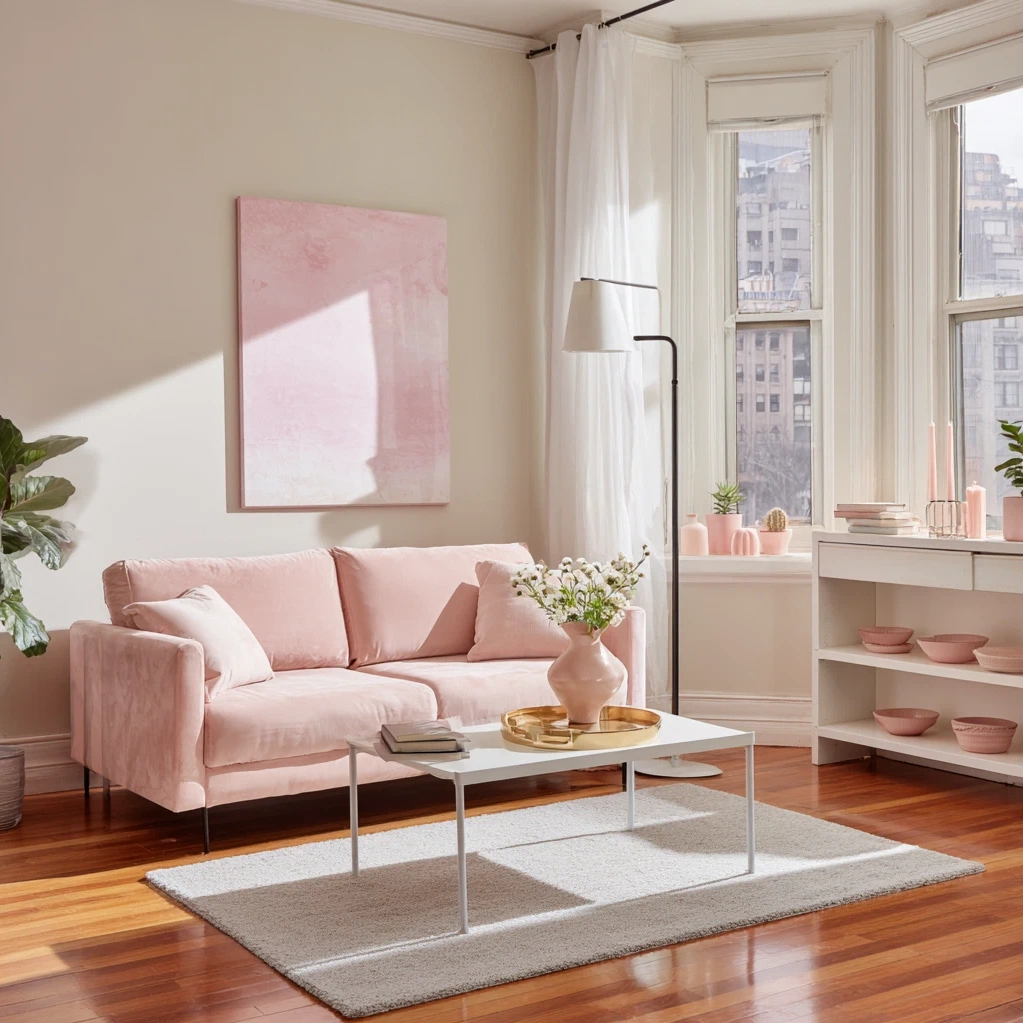
Light pink decor isn't just visually appealing; it has profound psychological effects that enhance well-being in your home. This soft hue is known for its calming properties, reducing stress and promoting relaxation, which makes it ideal for bedrooms, living areas, and home offices. Unlike bolder pinks, light pink avoids overstimulation, creating a gentle ambiance that encourages peace and comfort. Studies in color psychology suggest that pink can lower heart rates and ease tension, making it a smart choice for spaces where you unwind. When integrating light pink decor, consider pairing it with neutral tones like white, gray, or beige to maintain balance. For example, a light pink accent wall in a bedroom can be complemented with crisp white bedding and natural wood furniture, preventing the room from feeling too sweet. In living rooms, light pink throw pillows or rugs add warmth without overwhelming the space. This approach allows you to harness the emotional benefits of light pink decor while keeping your design sophisticated. Many designers recommend using light pink in areas where you spend quiet time, as it fosters a sense of security and tranquility. By understanding these psychological impacts, you can strategically place light pink elements to create a home that not only looks beautiful but feels nurturing and restorative every day.
Practical Tips for Incorporating Light Pink Decor in Your Home
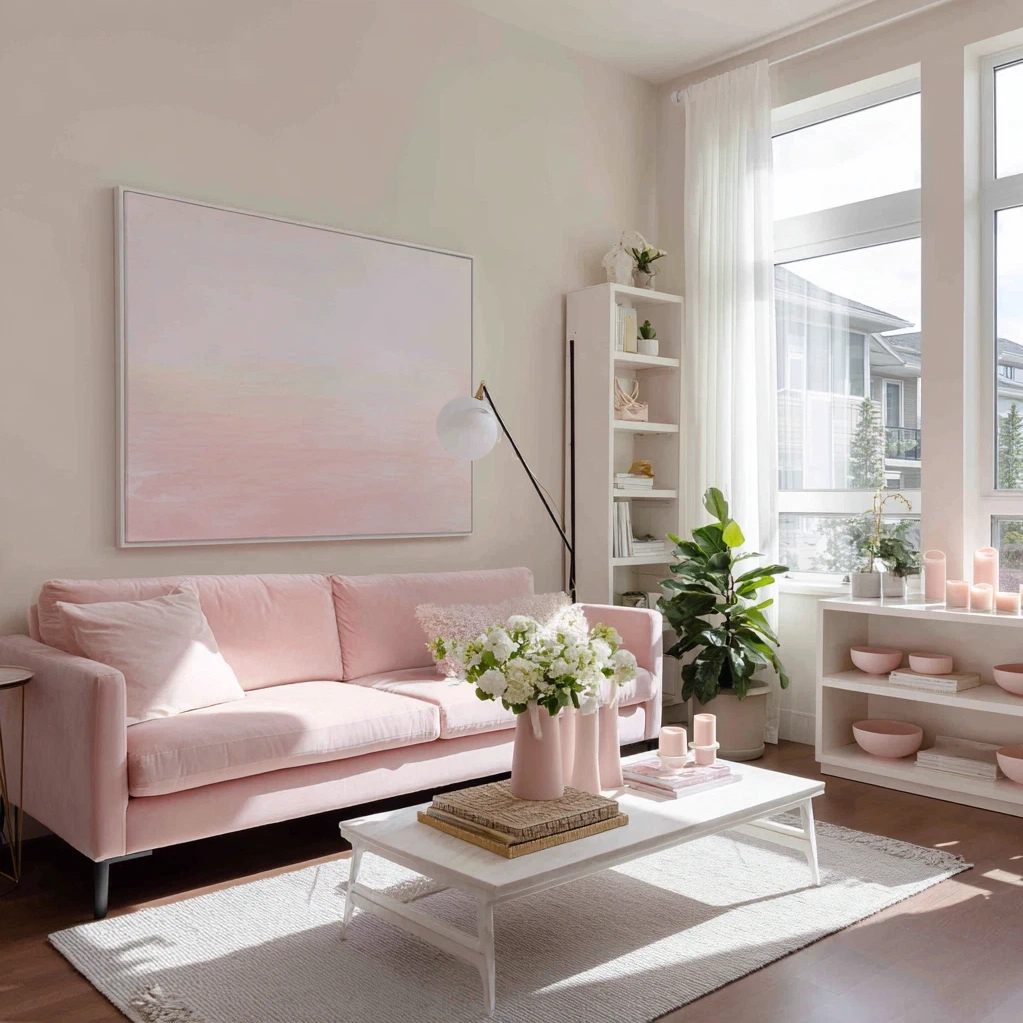
Incorporating light pink decor into your home requires thoughtful planning to achieve a harmonious look. Start with small accents if you're hesitant, such as light pink vases, artwork, or textiles like curtains and cushions. These elements introduce the color subtly and allow for easy changes. For a more committed approach, consider painting a single wall in a light pink shade, which can serve as a focal point without dominating the room. When selecting light pink decor, pay attention to undertones—some pinks lean warm with peach hints, while others have cool, lavender notes. Choose based on your existing color scheme and lighting conditions; north-facing rooms benefit from warmer pinks, while south-facing spaces can handle cooler tones. In kitchens and dining areas, light pink decor can be introduced through accessories like dishware or a painted cabinet, adding a touch of softness to functional spaces. Balance is key: mix light pink with materials like metal, wood, or stone to add texture and prevent monotony. For instance, a light pink sofa paired with a dark wood coffee table creates visual interest. Additionally, layering different shades of pink, from blush to rose, adds depth. Remember, light pink decor works well in both contemporary and traditional settings, so adapt it to your personal style. By following these practical tips, you can seamlessly integrate this hue, enhancing your home's aesthetic and comfort without overwhelming the design.
Styling Light Pink Decor for Different Rooms and Seasons
Light pink decor offers incredible versatility, allowing you to style it uniquely for various rooms and seasons throughout the year. In bedrooms, use light pink bedding or wall paint to create a serene retreat, paired with soft lighting and natural elements like plants for a fresh feel. For living rooms, incorporate light pink decor through larger pieces like area rugs or upholstered chairs, blending with neutral furniture to maintain elegance. During spring and summer, light pink decor shines with brighter accents—think floral arrangements in light pink vases or lightweight throw blankets. In fall and winter, deepen the palette by combining light pink with richer colors like navy or emerald green, adding cozy textures such as velvet or wool. In home offices, a light pink desk accessory or wall art can reduce work-related stress, promoting focus and creativity. For children's rooms, light pink decor provides a gentle, uplifting environment without being overly vibrant; pair it with white or pastel yellows for a playful yet calm space. Outdoor areas can also benefit from light pink decor, such as cushions on patio furniture or potted flowers, extending the cozy vibe to gardens or balconies. Rotate decor items seasonally to keep your space feeling updated; for example, swap light pink summer linens for heavier winter drapes in similar tones. This adaptability makes light pink decor a year-round favorite, ensuring your home remains inviting and stylish no matter the time of year.
Avoiding Common Mistakes with Light Pink Decor
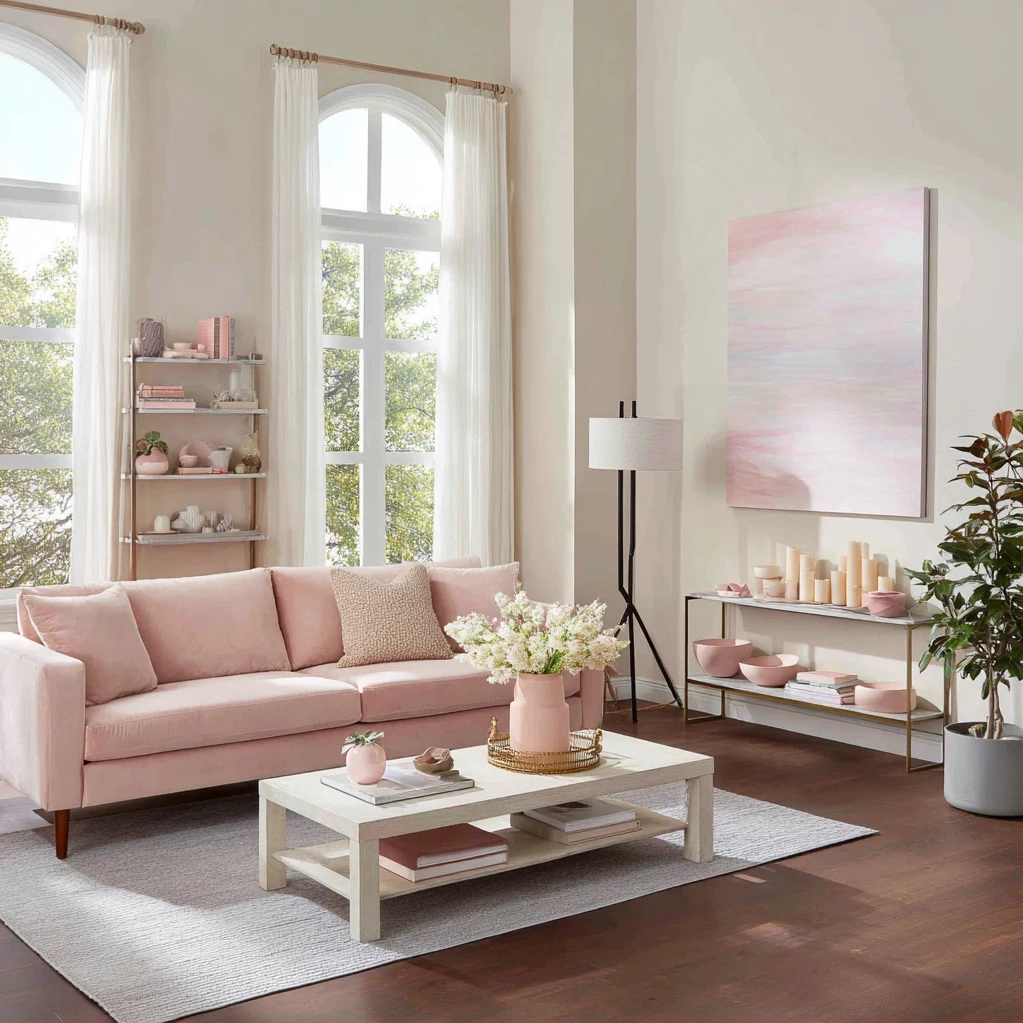
While light pink decor can transform your home, avoiding common pitfalls ensures a polished and cohesive result. One frequent mistake is overusing the color, which can make a space feel saccharine or monotonous. To prevent this, limit light pink to about 30-40% of a room's color scheme, balancing it with neutrals or contrasting hues. Another issue is ignoring lighting—light pink can appear washed out in dim settings or too bright in direct sunlight. Test paint samples at different times of day and use layered lighting, like lamps and sconces, to enhance the hue's warmth. Also, be cautious with undertones; mismatched pinks can clash, creating a disjointed look. Stick to one undertone family per room for consistency. In terms of materials, avoid pairing light pink decor with overly shiny or plastic finishes, as they can cheapen the aesthetic. Opt for matte paints, natural fabrics, and quality furnishings to elevate the style. Additionally, don't neglect scale; large light pink furniture in a small room might overwhelm, so consider proportion when selecting pieces. For those worried about trends, remember that light pink decor, when used subtly, remains timeless—avoid overly trendy patterns or accessories that may date quickly. Instead, focus on classic elements like solid-colored textiles or simple artwork. By steering clear of these errors, you can enjoy the benefits of light pink decor without compromising on sophistication, creating a home that feels both current and enduringly beautiful.
Conclusion
Light pink decor has proven itself as more than just a passing trend; it's a versatile and emotionally resonant choice that can elevate any home. By understanding its psychological benefits, applying practical styling tips, and avoiding common mistakes, you can create spaces that are both beautiful and nurturing. Whether you're refreshing a single room or undertaking a broader redesign, light pink offers a soft yet impactful way to enhance your living environment. As we look to the future, the appeal of light pink decor is likely to grow, driven by a continued desire for calm and comfort in our homes. Innovations in paint technology and sustainable materials may offer new ways to incorporate this hue, making it even more accessible and durable. For actionable insights, start small—perhaps with a light pink throw pillow or piece of art—and gradually build your confidence. Remember, the goal is to create a home that reflects your personality while promoting well-being. With its timeless charm and adaptability, light pink decor provides a wonderful foundation for achieving that balance. Embrace this hue as a tool for transformation, and enjoy the serene, stylish spaces it helps you create, year after year.
Frequently Asked Questions
Q: How can I make light pink decor work in a modern or minimalist home?
Light pink decor pairs beautifully with modern or minimalist designs by adding softness without clutter. Use it as an accent color against clean lines and neutral backdrops. For example, a light pink area rug on a white floor, or a single blush-colored chair in a room with gray walls. Stick to simple shapes and avoid ornate details to maintain the minimalist aesthetic. Incorporate materials like metal, glass, or concrete to balance the softness of pink with industrial elements, creating a chic, contemporary look.
Q: Is light pink decor suitable for small spaces or rooms with low light?
Yes, light pink decor can be excellent for small or dimly lit spaces. Its reflective quality helps brighten rooms, making them feel more open and airy. In low-light areas, choose warm undertones of light pink to add coziness without darkening the space. Use it on walls or large furniture sparingly to avoid overwhelming the room; instead, opt for accessories like lampshades or artwork to introduce the color. Pairing light pink with white or light gray can further enhance the sense of spaciousness and light.
Q: What colors complement light pink decor best?
Light pink decor complements a wide range of colors, offering flexibility in design. Neutral shades like white, beige, and gray are classic pairings that create a soft, elegant look. For contrast, try deeper hues such as navy blue, emerald green, or charcoal, which make the pink pop without being harsh. Metallics like gold or brass add a touch of luxury, while natural tones like wood browns or greens bring warmth. Experiment with monochromatic schemes by mixing different shades of pink for a cohesive, layered effect.