Kids Mud Kitchen: Transformative Outdoor Play for Imaginative Growth

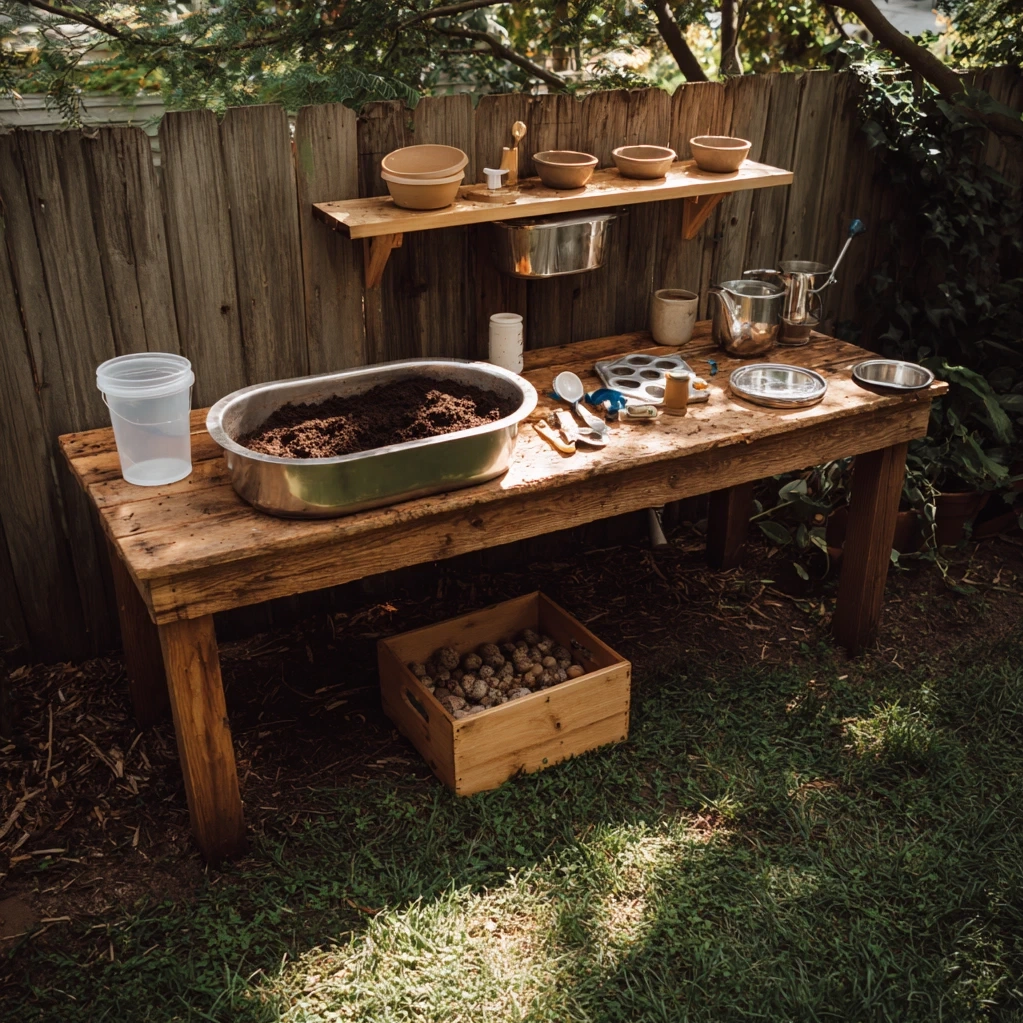
In a world where screens often dominate childhood, the kids mud kitchen emerges as a powerful antidote—a simple yet profoundly impactful outdoor play space that nurtures creativity, sensory development, and pure joy. This humble setup, typically featuring pots, pans, and natural elements like dirt and water, offers far more than messy fun. It provides children with an open-ended canvas where they can experiment, create, and learn through hands-on exploration. The importance of such unstructured play cannot be overstated in today’s structured environments. A kids mud kitchen encourages problem-solving as children mix ingredients, develop fine motor skills while stirring and pouring, and build social skills through cooperative play. It connects them with nature, fostering curiosity about the world around them. Unlike many modern toys with predetermined outcomes, a mud kitchen invites endless possibilities—today’s mud pie might become tomorrow’s magical potion or a chef’s signature dish. This type of play supports cognitive development by allowing children to test hypotheses (what happens when I add more water?) and understand basic scientific concepts. Emotionally, it offers a safe space for expression and stress relief, where getting dirty is not just allowed but celebrated. For parents, it provides a valuable opportunity to step back and observe their child’s imagination at work, often revealing insights into their interests and personality. Whether in a backyard corner or a community garden, a kids mud kitchen transforms ordinary outdoor time into rich learning experiences. It reminds us that sometimes the simplest tools—dirt, water, and freedom—create the most meaningful childhood memories.
Essential Elements for Your Kids Mud Kitchen Setup
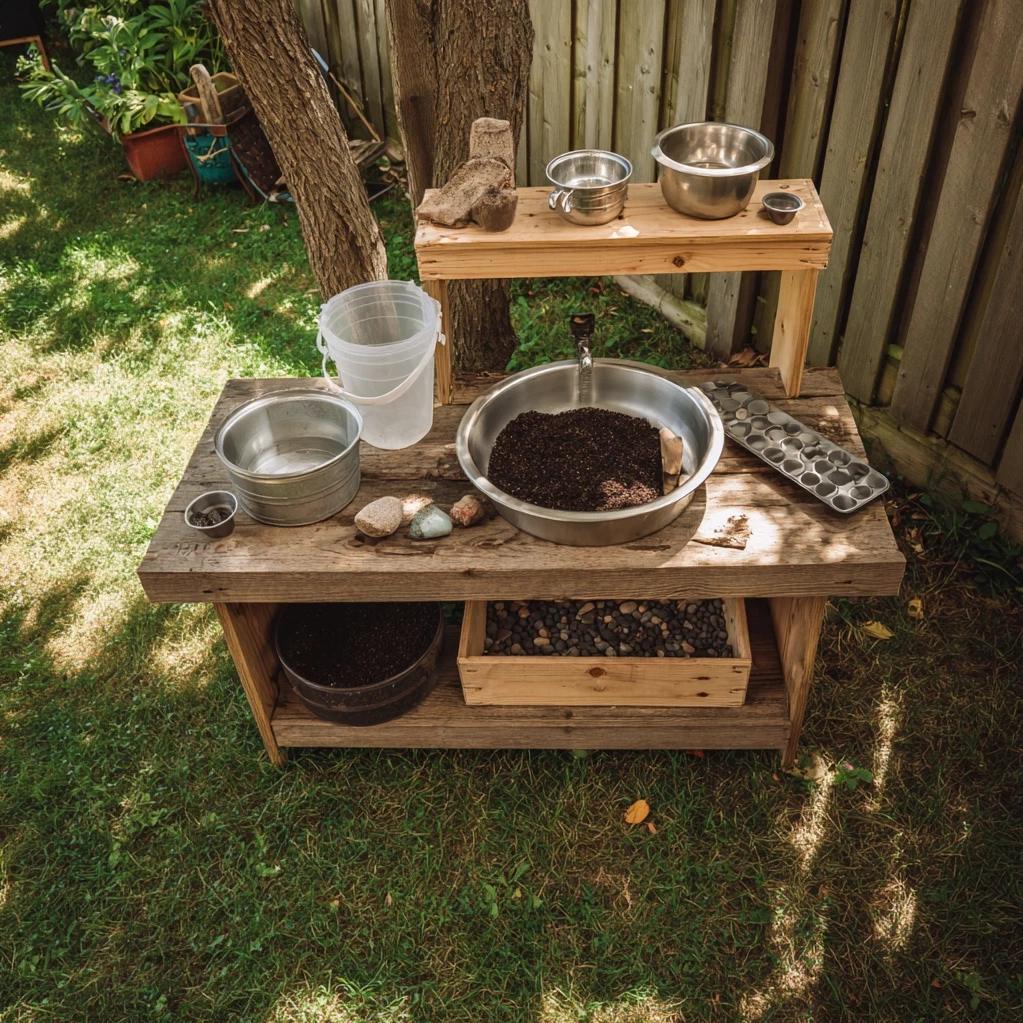
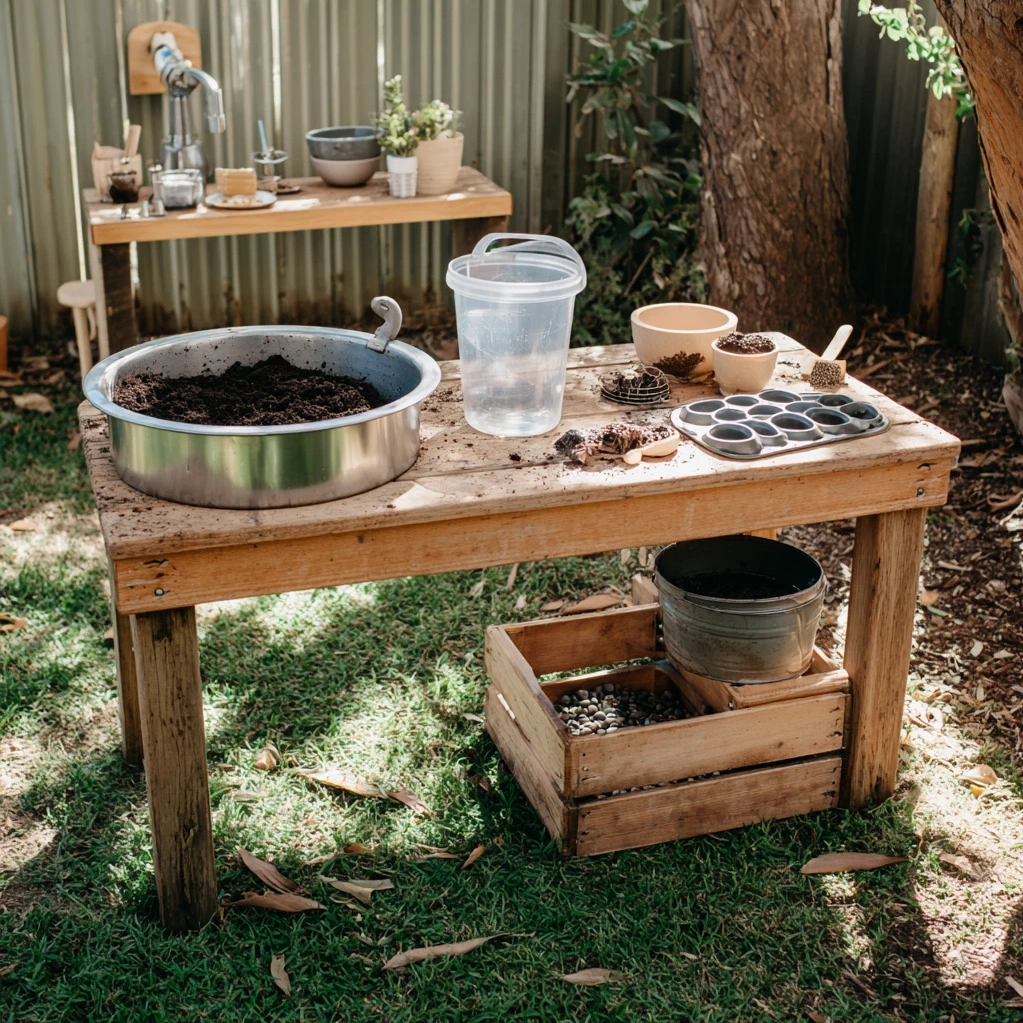
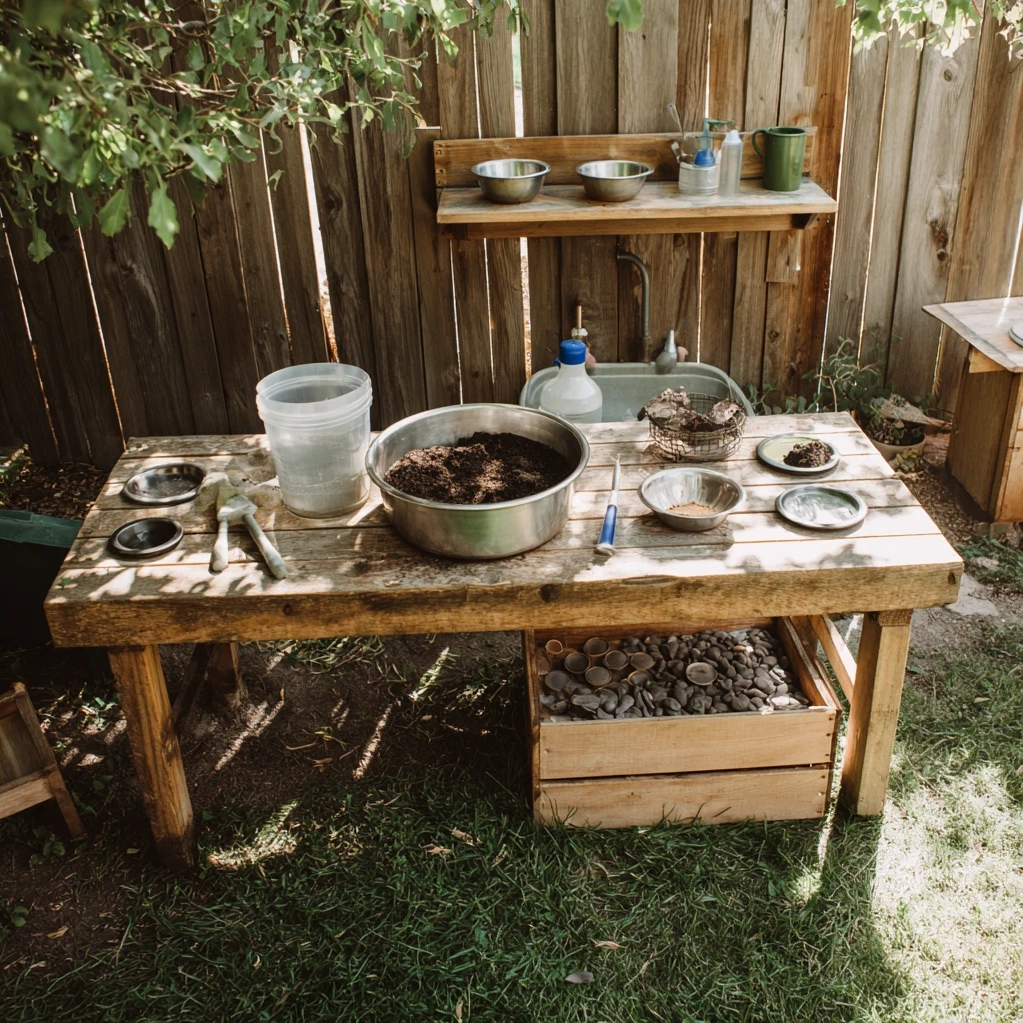
Creating an engaging kids mud kitchen begins with thoughtful selection of components that balance functionality with safety. Start with a sturdy base—this could be a repurposed wooden table, a low bench, or even a dedicated play kitchen unit designed for outdoor use. The surface should be weather-resistant and at an appropriate height for your child to reach comfortably. Next, gather simple kitchenware: metal or plastic bowls, spoons, measuring cups, muffin tins, and old pots and pans work perfectly. Avoid sharp edges or breakable materials. For the 'ingredients,' designate areas for different elements. A shallow container filled with soil or sand serves as the main mixing station, while a bucket of water nearby allows for experimentation with textures. Natural additions like pebbles, leaves, or flower petals can spark creativity. Consider incorporating storage solutions such as hooks for utensils or shelves for containers to teach organizational skills. The location matters too—place your kids mud kitchen in a spot with partial shade to protect from harsh sun, and ensure good drainage to prevent waterlogging. If space allows, add a small garden plot where children can harvest herbs or flowers for their creations. Safety is paramount: check that all materials are non-toxic, secure any loose items, and supervise young children around water. Remember, the goal isn't perfection but practicality. A well-planned kids mud kitchen encourages independence while keeping play accessible and fun. Rotate tools occasionally to maintain interest, and let children personalize their space with painted signs or decorations. This setup becomes a dynamic learning environment where every element serves a purpose in fostering imagination.
Educational Benefits of a Kids Mud Kitchen Experience
Beyond the obvious fun, a kids mud kitchen delivers substantial educational value across multiple developmental areas. Sensory development is a primary benefit—children engage touch, sight, and sometimes smell as they manipulate different materials, building neural connections crucial for early learning. This tactile play enhances fine motor skills: scooping, pouring, and stirring strengthen hand muscles and improve coordination, skills that later support writing and self-care tasks. Cognitive growth flourishes through experimentation. Children learn basic scientific concepts like cause and effect (adding water changes consistency) and measurement (comparing full and empty containers). Math skills emerge naturally as they count spoons or divide mud 'cakes' into portions. Language development gets a boost too; as children narrate their cooking adventures or negotiate roles with playmates, they expand vocabulary and practice communication. Social-emotional learning is another key advantage. A kids mud kitchen often becomes a collaborative space where children share tools, take turns, and resolve conflicts, building empathy and teamwork. It also fosters creativity and problem-solving—there's no right or wrong way to create a mud pie, encouraging innovative thinking and resilience when mixtures don't turn out as planned. For children with sensory sensitivities, mud play can be therapeutic, helping them gradually become comfortable with different textures. Parents and educators can extend learning by asking open-ended questions ('What happens if we mix sand and water?') or introducing themes like 'bakery day' or 'nature soup.' This type of unstructured play is linked to improved focus and reduced anxiety, as it allows children to direct their own activities without pressure. By integrating a kids mud kitchen into regular play, you're not just offering entertainment—you're providing a rich, multi-sensory classroom that supports holistic development in a joyful, pressure-free environment.
Creative Ideas to Enhance Your Kids Mud Kitchen Play
Keeping a kids mud kitchen exciting doesn't require constant new purchases—simple creative twists can refresh the experience and deepen engagement. Start with thematic play days. Declare a 'Restaurant Day' where children create menus using mud, leaves, and petals as dishes, practicing writing and role-playing as chefs or customers. For a 'Science Lab' theme, add food coloring to water or baking soda to create fizzing reactions, introducing basic chemistry in a playful way. Incorporate literacy by placing waterproof recipe cards nearby with simple instructions or pictures, encouraging pre-reading skills. To connect with nature, create a scavenger hunt for 'ingredients' like smooth stones, pinecones, or specific leaves, teaching observation and categorization. Seasonal updates keep things fresh: in autumn, add fallen leaves and acorns; in spring, include blooming flowers or seedlings. Consider building a companion herb garden where children can pick mint or basil to mix into their creations, linking play to real gardening knowledge. For artistic expression, provide natural dyes from berries or spices for coloring mud, or use mud as 'paint' on large paper or rocks. Add props like aprons, chef hats, or pretend money to enrich role-playing scenarios. If space allows, expand the kitchen with a 'dining area' using tree stumps as seats, promoting social play. Involve children in maintenance—teaching them to clean tools or refill water buckets fosters responsibility. For older kids, introduce more complex challenges like building a water channel system with pipes or creating layered 'cakes' with different soil types. Document the fun with a waterproof camera or notebook where children can draw their creations, building memory and storytelling skills. Remember, the best ideas often come from the children themselves; observe their play and adapt based on their interests. A kids mud kitchen is a flexible canvas—with a little creativity, it can support endless learning adventures while making outdoor time something they eagerly anticipate.
Conclusion
A kids mud kitchen is more than just a plaything—it's a gateway to holistic development, fostering creativity, learning, and connection with the natural world. Throughout this article, we've explored how to set up an effective space, the educational benefits it offers, and creative ways to keep the experience engaging. This simple outdoor feature empowers children to explore, experiment, and express themselves freely, building skills that extend far beyond the backyard. As we look to the future, integrating such unstructured play into daily routines becomes increasingly valuable in balancing technology-heavy lifestyles. The tactile, open-ended nature of mud kitchen play supports resilience and innovation—qualities essential for navigating an ever-changing world. For parents and caregivers, the takeaway is clear: you don't need elaborate equipment or perfect conditions to create meaningful play opportunities. Start small with basic tools and natural materials, then watch as your child's imagination takes over. Encourage this type of play regularly, and consider involving your child in expanding or customizing their kitchen over time. As seasons change, adapt the setup to include new elements, keeping the experience fresh and relevant. Share the concept with other families or community groups to inspire broader adoption of outdoor, imaginative play. Ultimately, a kids mud kitchen reminds us of the profound joy found in simple, hands-on activities. It's an investment in childhood that yields lifelong dividends in curiosity, confidence, and creativity. So embrace the mess, celebrate the discoveries, and let the mud pies flow—you're not just building a play space, you're nurturing a lifelong love for learning and exploration.
Frequently Asked Questions
Q: What age is appropriate for a kids mud kitchen?
A kids mud kitchen is suitable for children as young as 18 months up to around 10 years old, with supervision adjusted for age. Toddlers benefit from sensory exploration with close monitoring to prevent ingestion of materials. Preschoolers (3-5 years) enjoy more complex role-playing and can handle basic tools safely. Older children (6-10) use it for elaborate creative projects and scientific experiments. Always tailor the setup to your child's developmental stage—simpler tools for younger kids, more advanced elements for older ones. The key is providing age-appropriate materials and supervision to ensure safe, engaging play.
Q: How do I keep the kids mud kitchen area clean and safe?
Maintaining a clean and safe kids mud kitchen involves simple routines. Designate a specific area with good drainage to prevent water pooling. Use natural, non-toxic materials like untreated wood and food-safe containers. After play, have children rinse tools with water and store them in a covered bin to deter pests. Regularly replace soil or sand to keep it fresh. For safety, remove sharp objects, secure loose items, and always supervise around water. Provide a hand-washing station nearby with soap and water. A little maintenance ensures the space remains hygienic and enjoyable for repeated use.
Q: Can I build a kids mud kitchen on a budget?
Absolutely! A budget-friendly kids mud kitchen can be created with repurposed items. Use an old table or wooden pallet as a base. Collect kitchenware from thrift stores or home discards—plastic bowls, muffin tins, and spoons work perfectly. For ingredients, use garden soil, sand from a local source, and rainwater. Decorate with painted rocks or homemade signs. The total cost can be minimal, often under $20. The focus should be on functionality and creativity, not expense. Involve your child in gathering materials to add a personal touch without breaking the bank.