
Front Porch Flowers: Transform Your Entryway with Breathtaking Beauty

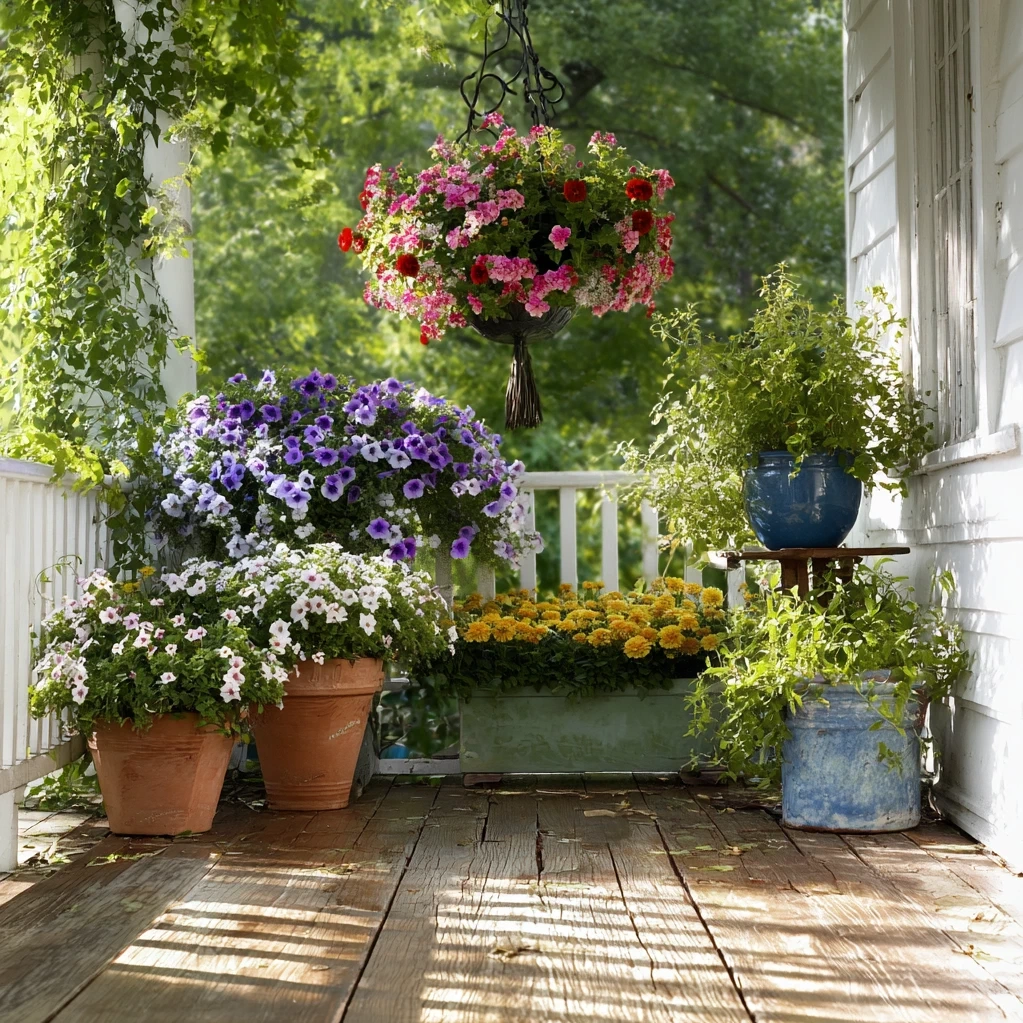
Picture this: you arrive home after a long day, and before you even step inside, a vibrant display of color and fragrance greets you at your front door. Front porch flowers aren’t just decorative elements—they’re the welcoming committee for your home, setting the tone for what lies within and creating an immediate connection between your indoor and outdoor living spaces. In today’s fast-paced world, where we often rush from car to doorway without noticing our surroundings, these floral arrangements serve as intentional pauses, inviting us to slow down and appreciate the beauty right at our threshold. The magic of front porch flowers extends beyond mere aesthetics. They transform a functional entryway into a personal sanctuary, reflecting your style and personality before guests even ring the bell. Whether you have a sprawling wrap-around porch or a modest stoop, the right floral display can make your home feel more inviting, increase curb appeal, and even boost your mood every time you come and go. For generations, front porch flowers have symbolized hospitality and care—a tradition that continues to evolve with modern gardening techniques and design trends. This isn’t about creating a perfect magazine spread; it’s about crafting a living, breathing welcome mat that changes with the seasons and grows alongside your home. As we explore the world of front porch flowers, you’ll discover how these botanical arrangements do more than just look pretty—they create memories, foster community connections, and turn your entryway into the heart of your home’s exterior personality.
Choosing the Perfect Front Porch Flowers for Your Climate
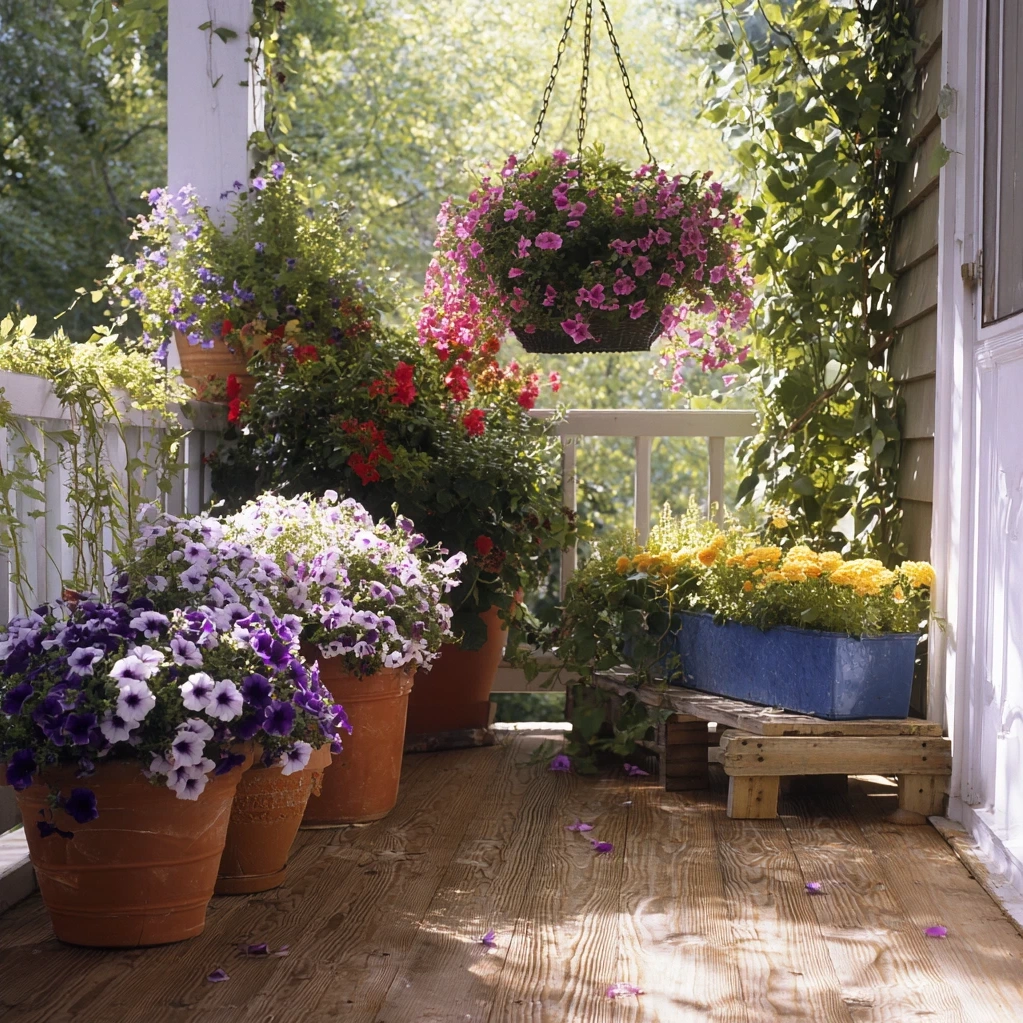
Selecting the right front porch flowers begins with understanding your local climate and micro-environment. Your porch might receive full sun, partial shade, or be mostly shaded depending on its orientation and surrounding structures. Sun-loving plants like petunias, geraniums, and marigolds thrive with six or more hours of direct sunlight, while impatiens, begonias, and fuchsias prefer the cooler conditions of shaded porches. Consider your USDA hardiness zone when choosing perennial options that will return year after year. For colder climates, opt for hardy varieties like pansies that can withstand light frosts, or incorporate evergreen elements like boxwoods in decorative pots. In warmer regions, heat-tolerant flowers such as lantana, portulaca, and vinca will maintain their vibrant colors through summer's intensity. Don't forget about wind exposure—porches on higher floors or in open areas might need sturdier plants with thicker stems. The material of your planters also affects temperature regulation; terracotta pots breathe well but dry out faster in heat, while plastic or glazed ceramic retains moisture longer. Consider creating a layered look with tall plants at the back of your display, medium-height flowers in the middle, and trailing varieties spilling over container edges. This approach not only maximizes visual impact but also ensures each plant receives adequate light. Remember that your front porch flowers will be viewed from multiple angles—from the street, the walkway, and as you approach the door. Choose colors that complement your home's exterior while creating the welcoming atmosphere you desire. With careful selection based on your specific conditions, your floral display will thrive with minimal maintenance, becoming a reliable source of beauty throughout the growing season.
Creative Container Ideas for Stunning Front Porch Flowers
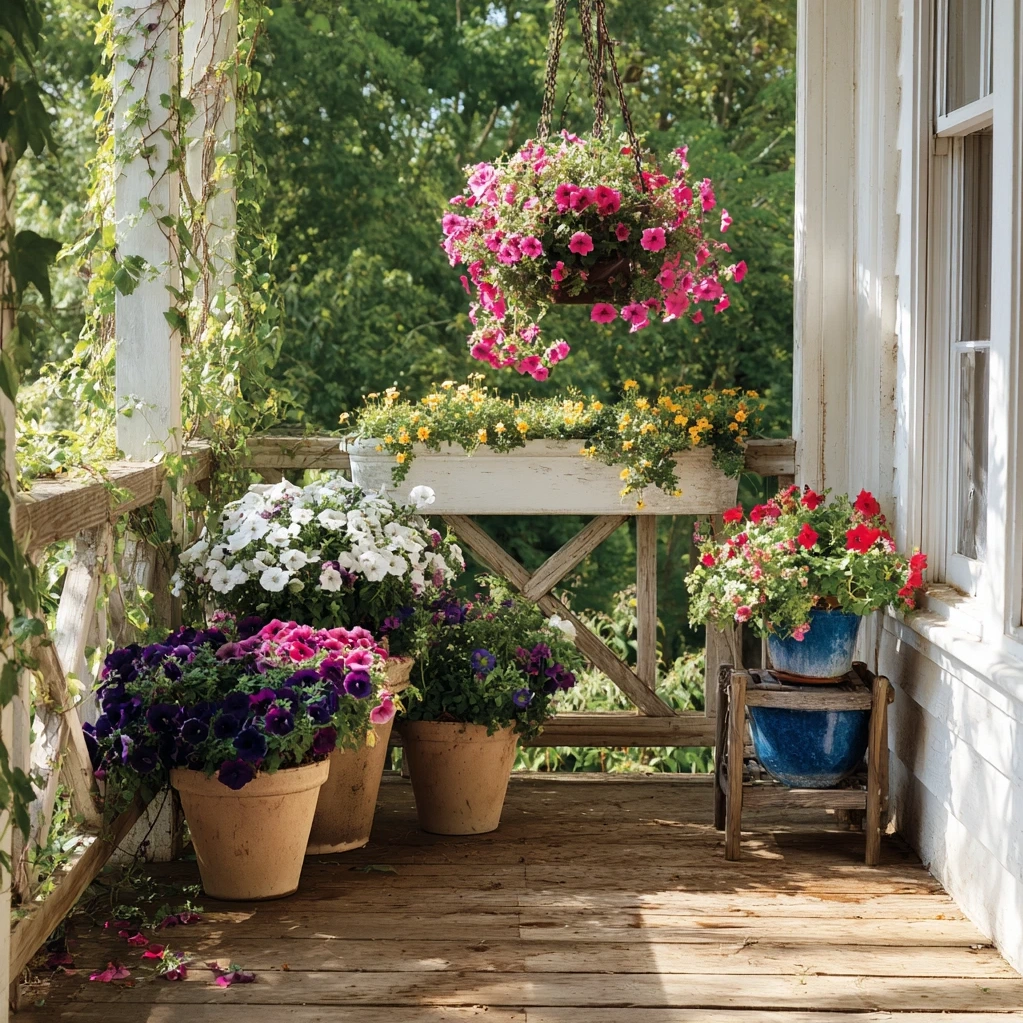
The containers holding your front porch flowers play a crucial role in the overall aesthetic, serving as both functional homes for your plants and decorative elements themselves. Traditional terracotta pots offer timeless appeal and excellent drainage, while modern ceramic planters come in countless colors and textures to match any architectural style. For a cohesive look, consider using containers in similar materials or colors, even if they vary in size and shape. Hanging baskets elevate your display literally and figuratively, drawing the eye upward and making excellent use of vertical space—just ensure they're securely fastened and positioned where they won't obstruct doorways or walkways. Window boxes mounted beneath porch windows create a charming connection between indoor and outdoor spaces, especially when planted with trailing vines that soften architectural lines. Don't overlook unconventional containers like vintage watering cans, repurposed wooden crates, or even colorful ceramic mixing bowls—just ensure they have proper drainage holes to prevent root rot. When arranging multiple containers, create visual interest by varying heights using plant stands, overturned pots, or stacked crates. This tiered approach mimics natural garden beds and allows each plant to shine. Consider the scale of your containers relative to your porch size; oversized urns make a bold statement on large porches, while smaller clustered arrangements work better on compact entryways. Material choices should withstand outdoor conditions—concrete planters offer durability and insulation, metal containers develop attractive patinas over time, and high-quality resin options provide lightweight alternatives that resist cracking. For added personality, incorporate decorative elements like painted designs, mosaic tiles, or weathered finishes that tell a story about your home. Remember that your containers will be visible year-round, so choose styles you'll enjoy even when your front porch flowers aren't in peak bloom.
Seasonal Maintenance for Vibrant Front Porch Flowers
Keeping your front porch flowers looking their best requires regular but manageable maintenance tailored to each season. Spring begins with cleaning containers, refreshing potting soil, and planning your color scheme. As temperatures warm, establish a consistent watering routine—early morning is ideal to minimize evaporation and prevent fungal issues. Container plants typically need more frequent watering than ground plants, especially during hot spells. Implement a fertilization schedule using balanced, slow-release fertilizers to provide steady nutrition without overwhelming your plants. Pinch back leggy growth and deadhead spent blooms regularly to encourage bushier plants and continuous flowering. Summer demands vigilant care as heat stresses plants; consider adding water-retaining crystals to soil mixes and mulching container surfaces to conserve moisture. Watch for pests like aphids or spider mites, treating them promptly with gentle insecticidal soaps or natural predators like ladybugs. Rotate containers occasionally to ensure even growth since front porch flowers often lean toward light sources. As autumn approaches, transition to cool-season flowers like chrysanthemums, ornamental kale, and violas that withstand dropping temperatures. Prepare tender perennials for winter by moving them to protected areas or taking cuttings for indoor propagation. Winter maintenance focuses on protecting containers from freeze-thaw cycles that can crack materials; move ceramic and terracotta pots to sheltered locations or wrap them in insulating materials. Evergreen arrangements using holly, pine, or decorative grasses maintain interest during dormant months. Throughout the year, keep walkways clear of overhanging plants and sweep fallen leaves and petals to maintain a tidy appearance. Document what works well each season in a simple gardening journal—note which front porch flowers thrived, which struggled, and ideas for next year's arrangements. This seasonal approach transforms maintenance from a chore into a rewarding ritual that keeps your entryway welcoming year-round.
Design Principles for Harmonious Front Porch Flowers
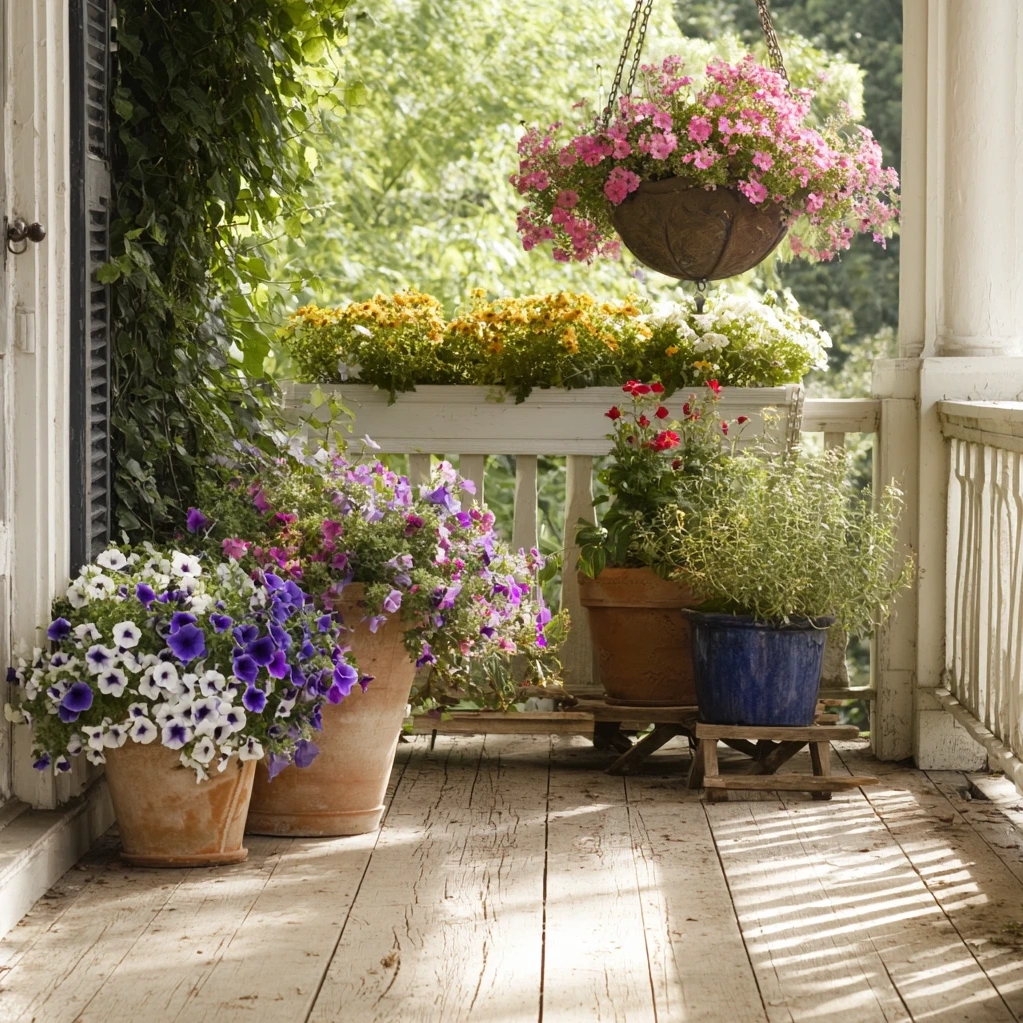
Creating a visually appealing display of front porch flowers involves applying basic design principles that professional landscapers use. Start with the rule of thirds, dividing your space into imaginary sections and placing focal points at intersecting lines. This creates natural balance rather than symmetrical perfection. Color theory plays a significant role; analogous color schemes (neighbors on the color wheel) create harmonious blends, while complementary colors (opposites) make bold statements. Consider your home's exterior color when selecting blooms—warm brick facades pair beautifully with cool purples and blues, while white siding provides a neutral backdrop for vibrant reds and oranges. Texture adds depth to your arrangement; combine fine-textured plants like baby's breath with bold-leaved varieties like hostas or elephant ears. Repetition creates rhythm and cohesion; using the same flower in multiple containers or repeating color themes throughout your display ties everything together. Scale matters tremendously—large architectural plants like ornamental grasses or small trees in substantial containers anchor arrangements, while delicate flowers fill in details. Don't forget about negative space; allowing some breathing room between elements prevents visual clutter and highlights individual plants. Consider sight lines from various approaches; your front porch flowers should look inviting from the street, appealing as visitors walk up the path, and delightful at close range near the door. Incorporate height variations through plant stands, hanging elements, and staggered container sizes to create dynamic interest. For contemporary homes, consider minimalist arrangements with monochromatic color schemes and clean-lined containers. Traditional homes might favor lush, overflowing displays in classic urn planters. Remember that your floral design should complement your home's architecture rather than compete with it. By thoughtfully applying these design principles, your front porch flowers will create a cohesive, professional-looking display that enhances your home's character and makes every arrival feel special.
Conclusion
Front porch flowers represent more than just decorative gardening—they're an expression of hospitality, a celebration of seasons, and an investment in daily joy. Throughout this exploration, we've seen how these floral arrangements transform functional spaces into welcoming environments that engage all the senses. From selecting climate-appropriate blooms to mastering container creativity and seasonal maintenance, each aspect contributes to creating an entryway that truly reflects your home's personality. The design principles we've discussed provide a framework, but remember that the most memorable displays often include personal touches—heirloom plants passed through generations, containers collected during travels, or color schemes that evoke special memories. As you develop your front porch flower tradition, observe how these living decorations change your relationship with your home. You might find yourself lingering on the porch a little longer, noticing subtle shifts in growth and bloom, or engaging more with neighbors who compliment your display. Looking forward, consider how your floral choices can support local ecosystems by incorporating native plants that attract pollinators like bees and butterflies. Experiment with edible flowers or herbs mixed among ornamentals for both beauty and function. As gardening trends evolve toward sustainability, explore water-wise plants and organic maintenance practices that keep your display thriving while minimizing environmental impact. Ultimately, front porch flowers teach us to appreciate transitions—the daily passage from outside to inside, the shifting seasons, and the growth that comes with consistent care. Whether you're starting with a single pot of cheerful geraniums or designing an elaborate multi-container masterpiece, each bloom contributes to creating a home that feels truly alive and welcoming from the very first step.
Frequently Asked Questions
Q: What are the easiest front porch flowers for beginners?
For gardening newcomers, several forgiving options deliver beautiful results with minimal fuss. Petunias are exceptionally resilient, blooming profusely throughout the season and tolerating occasional missed waterings. Marigolds offer vibrant orange and yellow blooms that naturally repel many pests. Geraniums provide classic beauty and thrive in containers with good drainage. Impatiens excel in shaded porches, offering continuous color with consistent moisture. All these annuals are widely available at garden centers, inexpensive to replace if needed, and respond well to basic care. Start with 2-3 varieties in medium-sized containers with quality potting mix, place them according to light requirements, water when the top inch of soil feels dry, and feed monthly with balanced fertilizer. These beginner-friendly front porch flowers build confidence while creating immediate visual impact.
Q: How often should I water my front porch flowers?
Watering frequency depends on multiple factors including plant type, container material, weather conditions, and season. As a general rule, check soil moisture daily during warm months by inserting your finger about an inch deep—if it feels dry, it's time to water. Most container plants need watering every 1-3 days in summer, possibly daily during heatwaves. Early morning watering is ideal as it minimizes evaporation and allows foliage to dry before evening, reducing fungal disease risk. Ensure water penetrates the entire root zone until it drains from the bottom—this encourages deep root growth. Terracotta and porous containers require more frequent watering than plastic or glazed ceramics. During cooler months, reduce watering frequency as plants grow more slowly. Consider self-watering containers or drip irrigation systems for consistent moisture if you travel frequently. Observing your plants will provide the best guidance; drooping leaves or dry soil indicate need, while yellowing leaves or mold suggest overwatering.
Q: Can I grow front porch flowers year-round?
Yes, with thoughtful plant selection and seasonal adjustments, you can maintain attractive front porch flowers throughout the year. Spring and summer offer the widest variety of blooming annuals like petunias, begonias, and verbena. As temperatures cool in autumn, transition to cold-tolerant options such as pansies, chrysanthemums, ornamental kale, and cabbage that withstand light frosts. During winter in milder climates, evergreen plants like holly, ivy, cyclamen, and winter-blooming heather provide color and texture. In colder regions, consider decorative arrangements using evergreen branches, berries, pine cones, and seasonal accents that withstand freezing temperatures. Alternatively, move tender plants indoors to sunny windows and replace with winter-hardy displays. Year-round success involves planning successive plantings, protecting containers from extreme weather, and embracing different types of beauty each season. Even during dormant periods, well-maintained containers with interesting shapes or architectural elements keep your porch inviting.
