Clay Coil Pot: Transformative DIY Projects for Stunning Home Decor

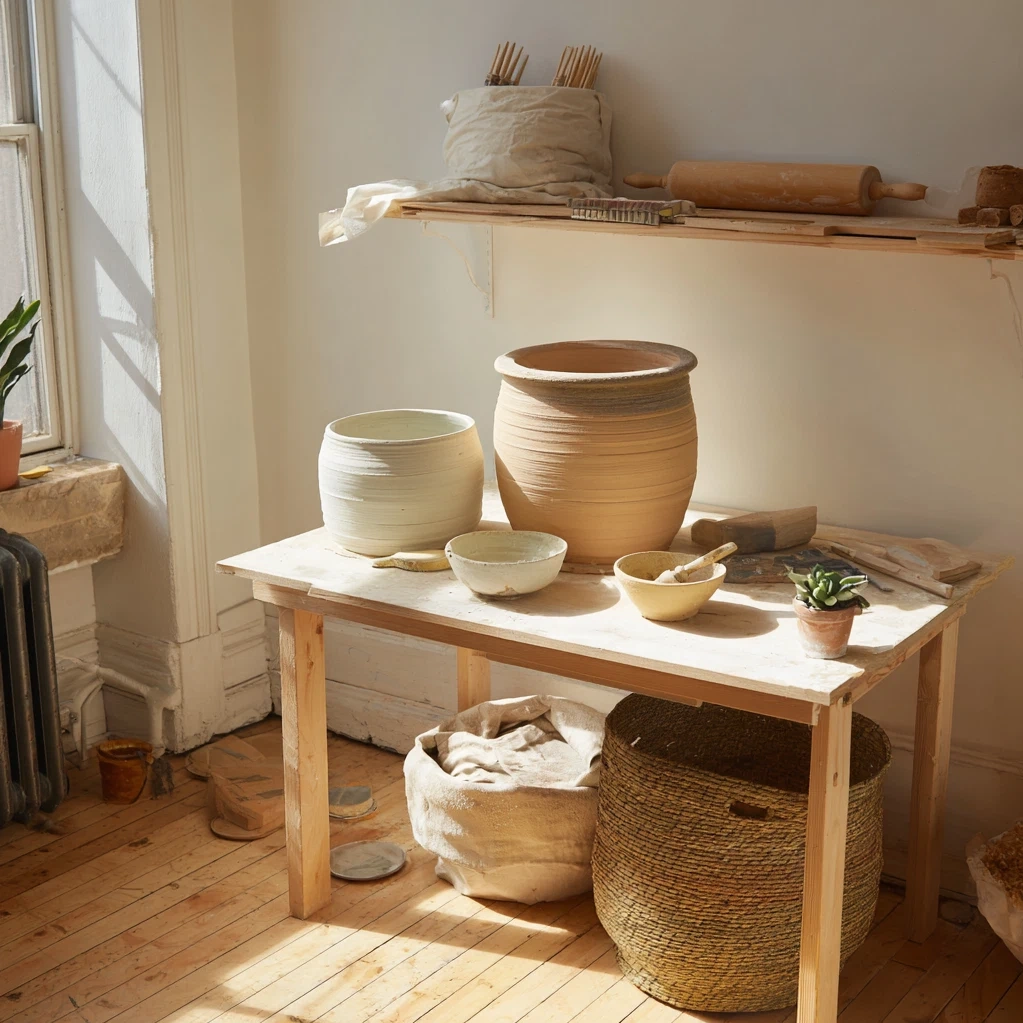
In the world of home decor, few crafts offer the perfect blend of creativity, functionality, and timeless appeal like the clay coil pot. These handmade vessels have been cherished across cultures for centuries, and today, they’re experiencing a remarkable resurgence in modern interiors. Whether you’re a seasoned artisan or a curious beginner, mastering the art of creating clay coil pots can transform your living spaces with unique, personalized touches that mass-produced items simply can’t replicate. The tactile nature of working with clay provides a therapeutic escape from digital overload, while the finished pieces bring organic warmth and character to any room. Beyond their aesthetic value, clay coil pots serve practical purposes too – from holding your favorite plants to organizing kitchen utensils or displaying dried flowers. This ancient technique, involving rolling clay into ropes and layering them to build forms, offers endless possibilities for customization in size, shape, texture, and glaze. As we increasingly seek authentic connections to our surroundings, these handmade creations remind us of the beauty in imperfection and the joy of making something with our own hands. In this article, we’ll explore how clay coil pots can elevate your decor while providing a rewarding creative outlet that connects you to generations of artisans.
Mastering Clay Coil Pot Techniques for Beginners
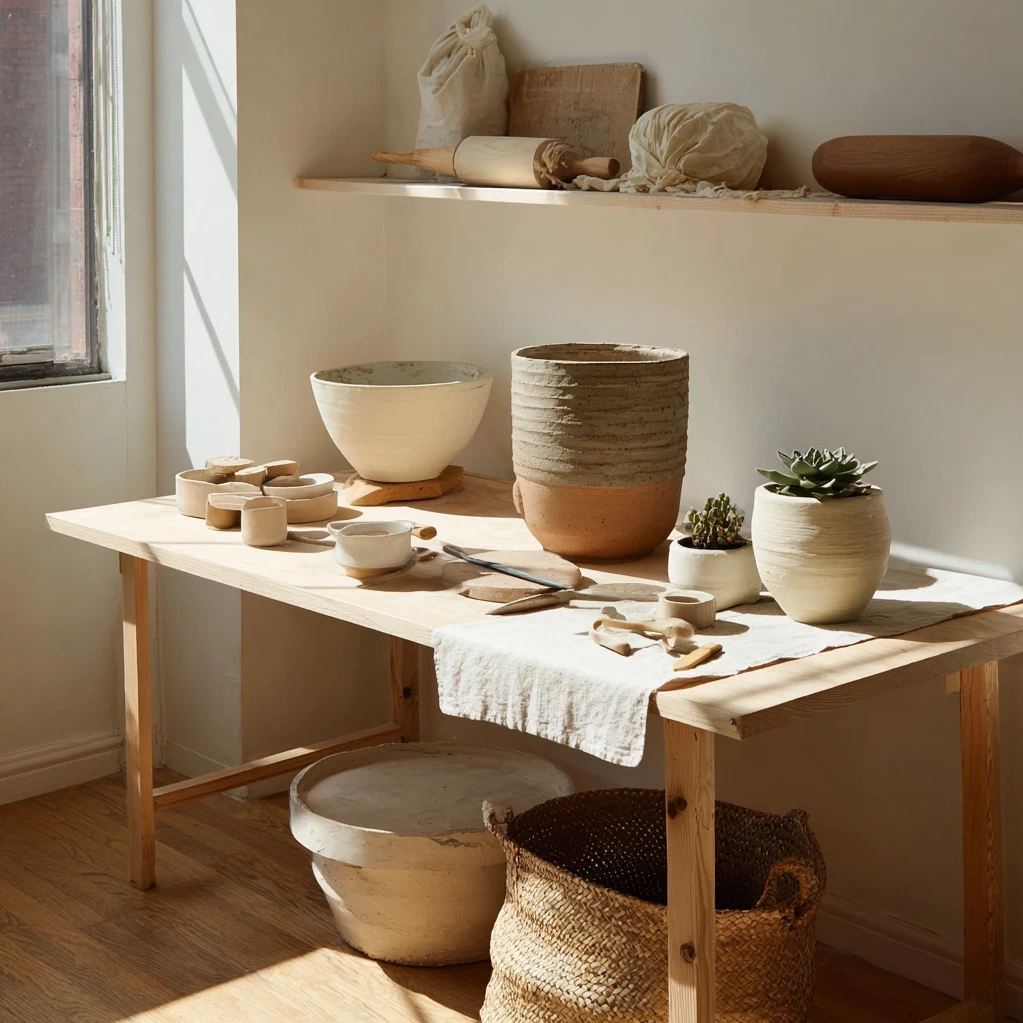
Starting your clay coil pot journey might seem daunting, but with the right approach, anyone can create beautiful pieces. Begin by gathering essential materials: air-dry or kiln-fire clay, a rolling pin, a scoring tool, slip (clay mixed with water), and a work surface. The foundational technique involves rolling clay into consistent coils – aim for uniform thickness to ensure structural integrity. Start with a simple base by flattening a clay slab, then score the edges where your first coil will attach. Apply slip to create a strong bond, pressing the coil firmly into place. As you build upward, stagger the coil joints to prevent weak points, smoothing the interior and exterior as you go. Common beginner mistakes include coils that are too thin (leading to collapse) or uneven pressure (causing lopsided shapes). Practice with small projects like pinch pots first to develop feel. For texture, experiment with tools like combs, stamps, or natural objects before the clay dries. Remember that drying time varies – air-dry clay typically takes 24-48 hours, while kiln-fired pieces require proper firing schedules. Patience is key; rushing can cause cracking. Once comfortable, try variations like tapered coils for curved profiles or mixed coil thicknesses for visual interest. These fundamental skills form the backbone of all advanced clay coil pot projects, turning basic vessels into personalized artworks.
Designing Unique Clay Coil Pots for Modern Spaces
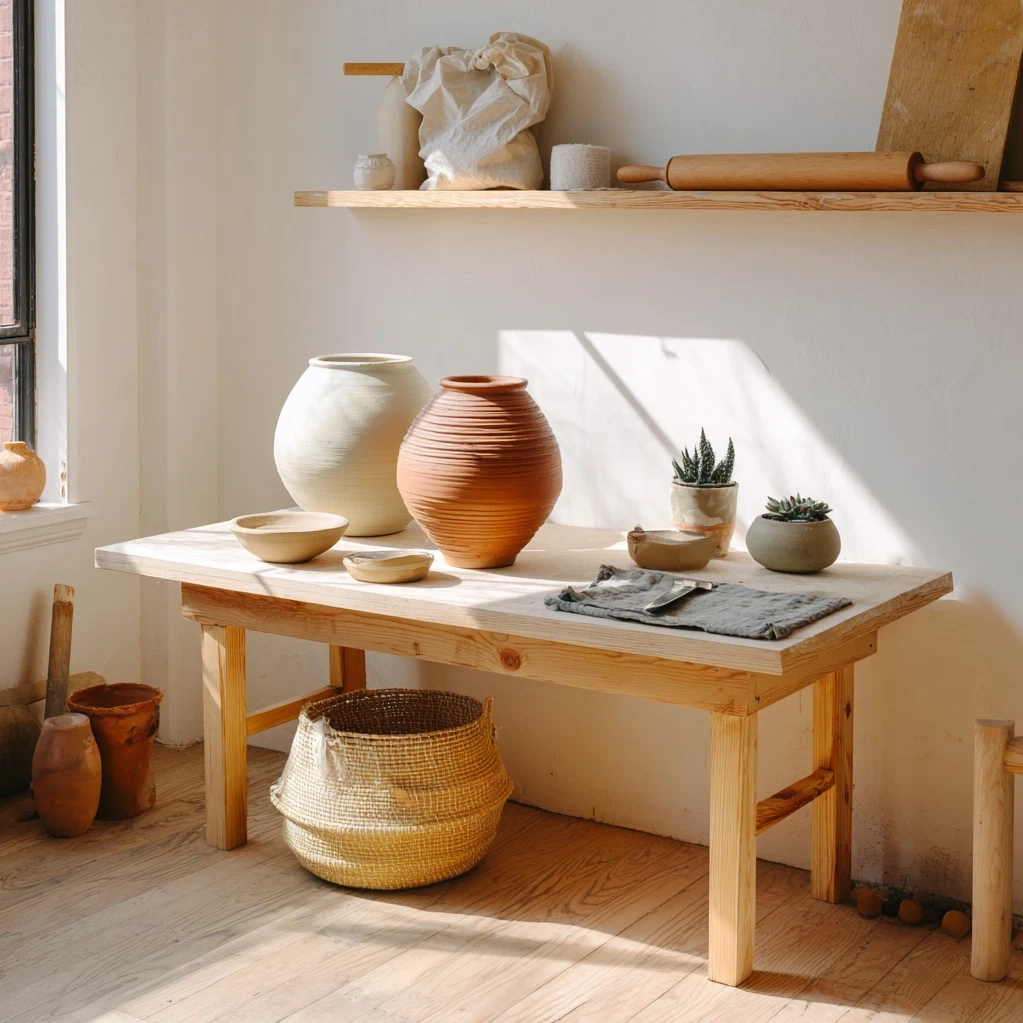
Contemporary home decor thrives on individuality, and clay coil pots offer limitless design potential. For modern interiors, consider clean lines and minimalist shapes – think cylindrical forms with subtle texture or geometric patterns created through coil placement. Experiment with scale: oversized clay coil pots make dramatic floor statements in living rooms, while petite versions add charm to shelves. Color plays a crucial role; natural terracotta tones complement earthy styles, while white or gray glazes suit Scandinavian aesthetics. For bolder spaces, try underglazes or acrylic paints after drying. Texture techniques like paddling (gently tapping with a flat tool) create interesting surfaces, or incorporate materials like rope impressions or lace patterns. Functional designs are trending – create a clay coil pot with drainage holes for plants, or add handles for use as utensil holders. Consider multi-part constructions: build a set of nesting clay coil pots, or combine coils with slab elements for hybrid forms. Lighting matters too; glossy glazes reflect light in bright rooms, while matte finishes absorb it for cozy corners. Don't forget practical aspects: ensure stability with wider bases for tall pots, and consider weight if placing on shelves. Blend styles by merging traditional coil methods with modern motifs – for example, a classic pot shape with asymmetrical coil patterns. These design choices transform simple clay coil pots into focal points that reflect personal taste while enhancing room flow.
Incorporating Clay Coil Pots into Your Home Decor
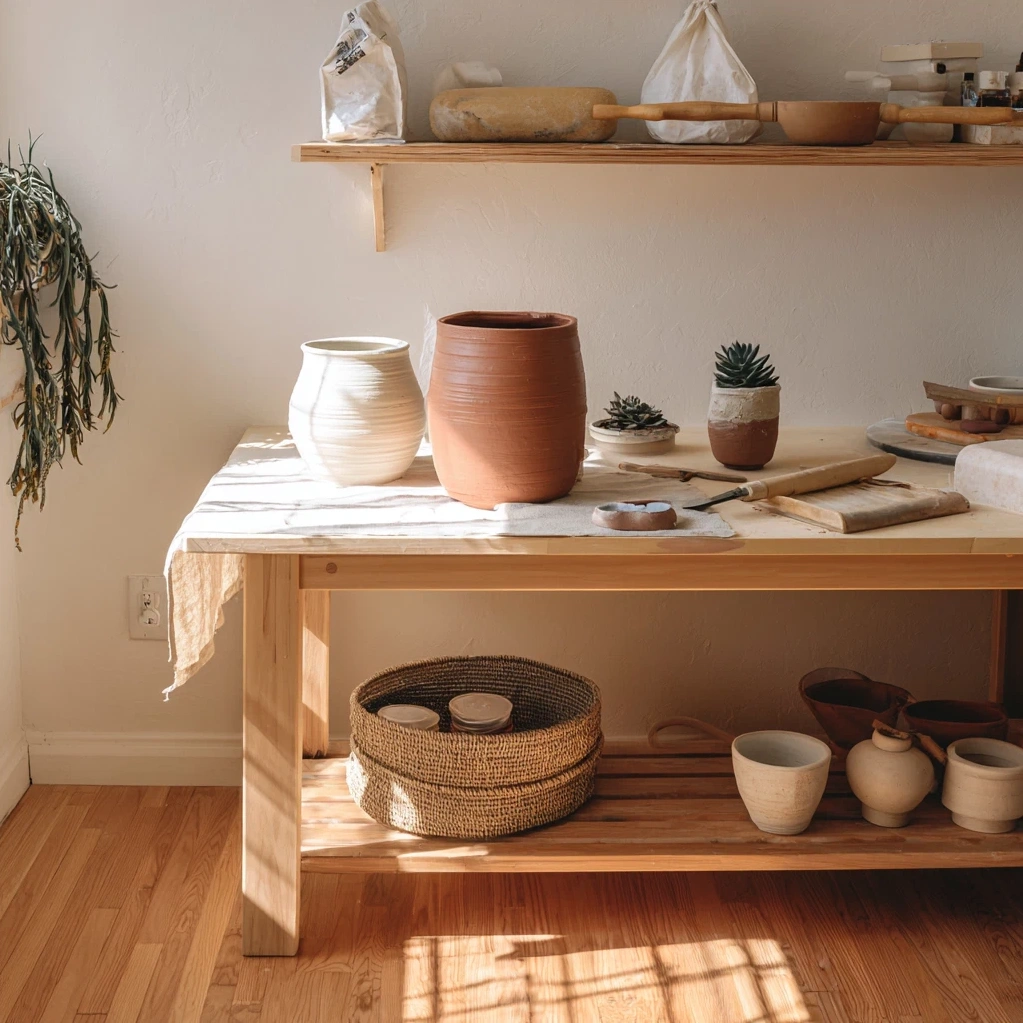
Once you've created your clay coil pots, strategic placement maximizes their impact throughout your home. In living areas, cluster different-sized pots on a console table with trailing plants or use a large statement piece as a centerpiece filled with dried branches. For kitchens, clay coil pots organize wooden utensils beautifully on countertops or hold herb gardens near windows – their porous nature helps regulate soil moisture. Bedrooms benefit from smaller pots on nightstands holding jewelry or air plants, adding organic texture beside modern fixtures. Bathrooms gain spa-like serenity when clay coil pots hold cotton balls or bath salts; choose water-resistant glazes for humid environments. Outdoor spaces shine with weatherproof clay coil pots on patios – plant succulents in them or use as candle holders for evening ambiance. Styling tips include grouping odd numbers for visual balance, mixing heights for dynamic displays, and pairing with complementary materials like wood or woven baskets. Consider function: use glazed pots for water-prone areas, while unglazed ones work well for dry arrangements. Rotate pots seasonally – spring might feature blooming bulbs, while autumn showcases pinecones. For cohesive decor, match pot colors to existing room palettes or create contrast for pops of interest. Even imperfect pots have charm; a slightly warped clay coil pot can become a quirky pencil holder or a unique vase for wildflowers. These versatile pieces bridge handmade warmth with practical storage.
Advanced Tips for Perfecting Your Clay Coil Pot Creations
Elevate your clay coil pot skills with these professional insights. First, clay selection matters: earthenware is forgiving for beginners, while stoneware offers durability for functional pieces. Wedge clay thoroughly to remove air bubbles that cause cracks during drying. For larger pots, build in sections and let each layer stiffen slightly before adding more – this prevents slumping. Reinforce tall structures with internal coils or armatures for complex shapes. Drying control is critical; cover pieces with plastic to slow moisture loss, preventing uneven shrinkage. For kiln users, bisque fire before glazing to ensure proper absorption. Glazing techniques like dipping, brushing, or spraying offer different effects – test on sample tiles first. Decorative methods include sgraffito (scratching through colored slip), mishima (inlaying contrasting clay), or adding sculptural elements like clay beads or handles. Problem-solving common issues: if coils crack, re-wet and blend seams; if pots warp, support with foam during drying. For outdoor durability, choose frost-proof clays and waterproof glazes. Maintenance involves dusting with a soft brush and avoiding sudden temperature changes. Consider finishing touches: sand edges smooth after drying or apply wax for sheen. Document your process with photos to track progress and replicate successful designs. Joining a pottery community or taking workshops can provide valuable feedback. Remember, advanced techniques build on basics – mastery comes from practice and embracing each clay coil pot's unique character.
Conclusion
Clay coil pots represent more than just decorative objects; they embody a creative journey that enriches both maker and space. Throughout this article, we've explored how these handmade vessels combine ancient techniques with modern design sensibilities, offering endless opportunities for personal expression. From mastering fundamental coil-building methods to incorporating finished pieces into every room, clay coil pots provide a tangible connection to craftsmanship that mass-produced decor lacks. As you continue your pottery practice, remember that each pot tells a story – of patience learned through careful construction, of joy found in texture experimentation, and of pride in displaying something uniquely yours. Looking ahead, the trend toward sustainable, meaningful home goods ensures clay coil pots will remain relevant. Consider expanding your skills by experimenting with local clay sources, exploring cultural pottery traditions, or teaching others this rewarding craft. Whether you create one perfect pot or dozens of varied pieces, the process itself offers therapeutic benefits in our fast-paced world. Let your clay coil pots evolve with your style, adapting to seasonal changes or new home layouts. Ultimately, these creations remind us that beauty often lies in handmade imperfection, bringing warmth and character to our daily lives. Start your next project today, and watch how a simple coil of clay transforms into a cherished part of your home.
Frequently Asked Questions
Q: What type of clay is best for beginners making clay coil pots?
For beginners, air-dry clay is an excellent choice as it requires no kiln and dries at room temperature, making it accessible and affordable. Look for brands that are non-toxic and easy to mold. If you prefer fired clay, earthenware is forgiving due to its low firing temperature and wide availability. Polymer clay is another option for small decorative pots, as it cures in a home oven. Avoid stoneware or porcelain initially, as they require higher skill levels. Whatever clay you choose, ensure it's fresh and properly stored to maintain workability.
Q: How can I prevent my clay coil pots from cracking during drying?
Cracking often results from uneven drying. To prevent this, dry your clay coil pots slowly and uniformly. Cover them loosely with plastic wrap or place them in a sealed plastic bag, opening it slightly for gradual moisture release. Avoid direct sunlight, heat sources, or drafts. Ensure coils are securely attached with slip and smoothed seams to reduce stress points. For thicker pots, consider hollowing out the base slightly to promote even drying. If cracks appear while the clay is still workable, gently rewet the area and blend with a tool. Patience is key – rushing the drying process almost guarantees cracks.
Q: Can clay coil pots be used outdoors for plants?
Yes, but with considerations. Unglazed clay coil pots are porous, which can benefit plants by allowing soil to breathe, but they may crack in freezing temperatures. For outdoor use, choose frost-proof clay or stoneware, and apply a waterproof glaze to the interior to protect against moisture damage. Ensure pots have drainage holes to prevent waterlogging. In cold climates, move pots indoors during winter or empty them to avoid freeze-thaw damage. Regular sealing with appropriate products can extend their lifespan. Always match the pot material to your local climate and plant needs for best results.