
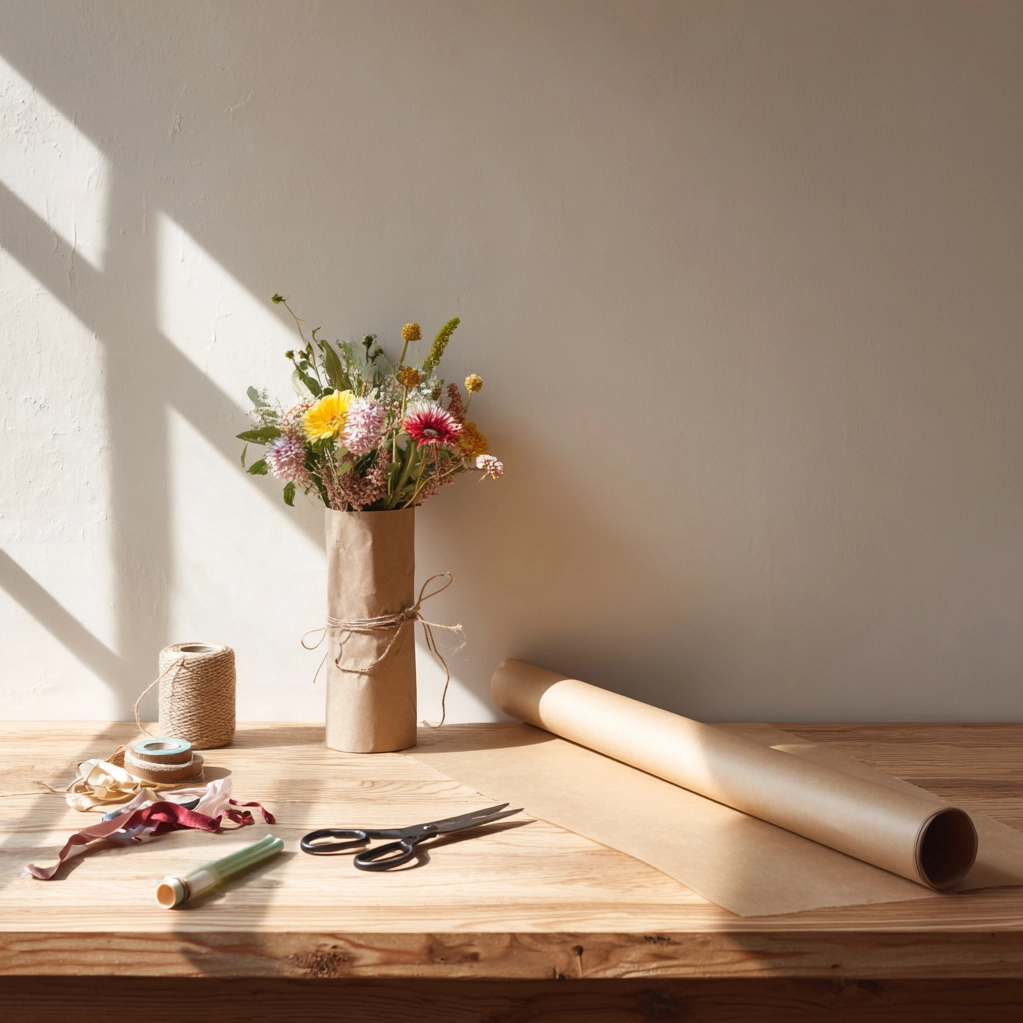
Flower Wrapping Ideas: Creative Inspiration for Stunning Gifts


Presenting flowers is one of life’s simplest yet most meaningful gestures. Whether for birthdays, anniversaries, holidays, or just because, a beautifully wrapped bouquet transforms ordinary blooms into an extraordinary gift. However, many people struggle with how to wrap flowers creatively, often resorting to basic cellophane or store-bought arrangements that lack personal touch. This is where innovative flower wrapping ideas come into play, elevating your floral gifts from ordinary to unforgettable.
Good flower wrapping serves multiple purposes. It protects delicate petals during transport, enhances the visual appeal of the bouquet, and communicates thoughtfulness to the recipient. In today's world where personalization matters more than ever, how you present flowers can be just as important as which flowers you choose. Creative wrapping shows you've put extra effort into the gift, making the recipient feel truly special.
This article will explore various flower wrapping techniques that anyone can master. From simple DIY approaches using household items to more elaborate designs that mimic professional florists, you'll discover how to wrap flowers in ways that complement their natural beauty. We'll cover materials, techniques, and styles suitable for different occasions and skill levels. By the end, you'll have numerous flower wrapping ideas to draw from whenever you want to give flowers that make a lasting impression.
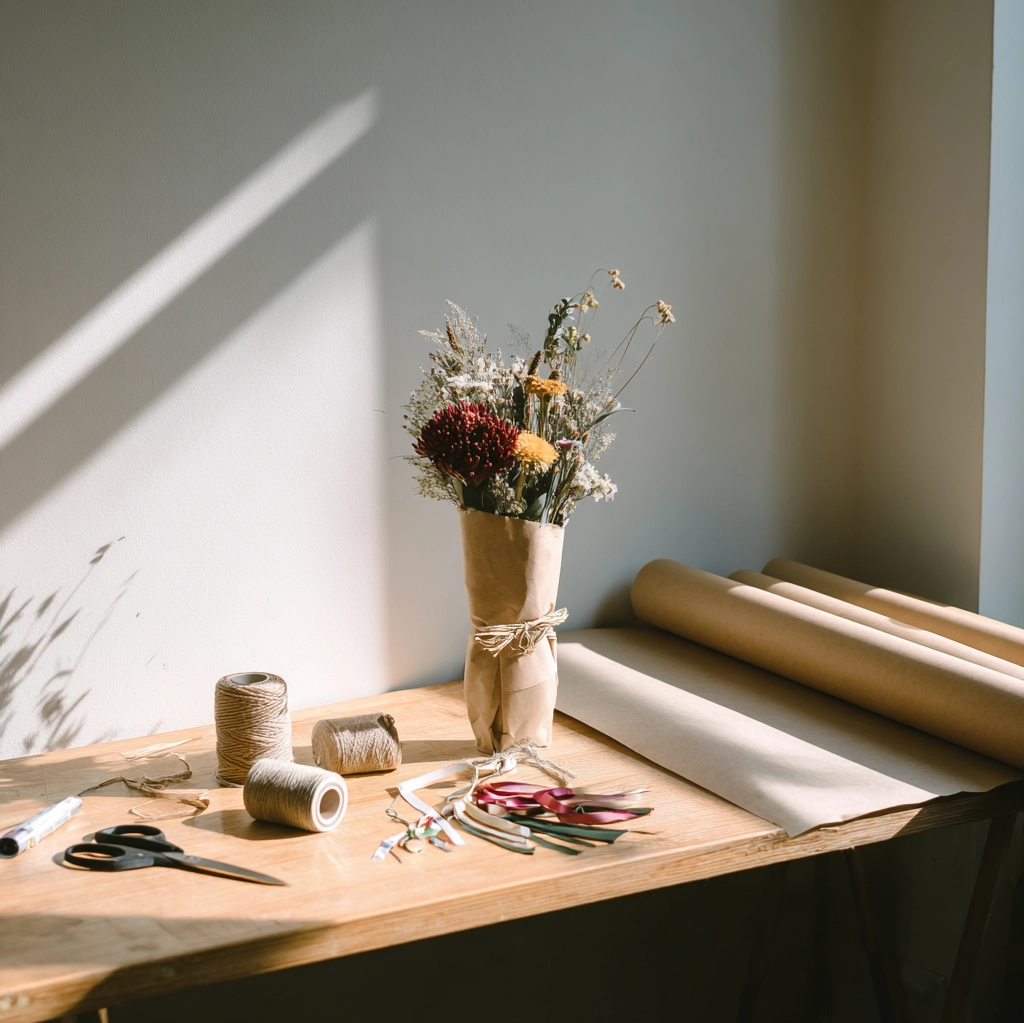
Essential Materials for Creative Flower Wrapping Ideas
Before diving into specific techniques, it's crucial to understand the materials that make great flower wrapping possible. The right supplies can transform your wrapping from basic to breathtaking. Start with quality wrapping paper – this forms the foundation of your design. For floral gifts, consider specialty papers like kraft paper, tissue paper, or decorative floral wraps that complement rather than compete with the blooms. These materials provide structure while allowing the flowers to remain the star of the show.
Beyond paper, think about texture and dimension. Natural elements like burlap, jute twine, and dried grasses add rustic charm to your flower wrapping ideas. Ribbons and fabric strips in complementary colors provide finishing touches that elevate the entire presentation. Don't overlook practical elements either – water tubes or wet floral foam wrapped in plastic can keep flowers fresh during transport, especially important for longer journeys.
Consider sustainability when selecting materials. Many of today's best flower wrapping ideas incorporate eco-friendly elements like recycled papers, reusable fabric wraps, or natural fibers that biodegrade. These not only look beautiful but align with environmentally conscious values. Remember that materials should enhance the flowers rather than overwhelm them. Simple, high-quality supplies often create the most elegant results. Keep a collection of versatile materials on hand so you're always ready to wrap flowers beautifully, whether for planned occasions or spontaneous gestures.
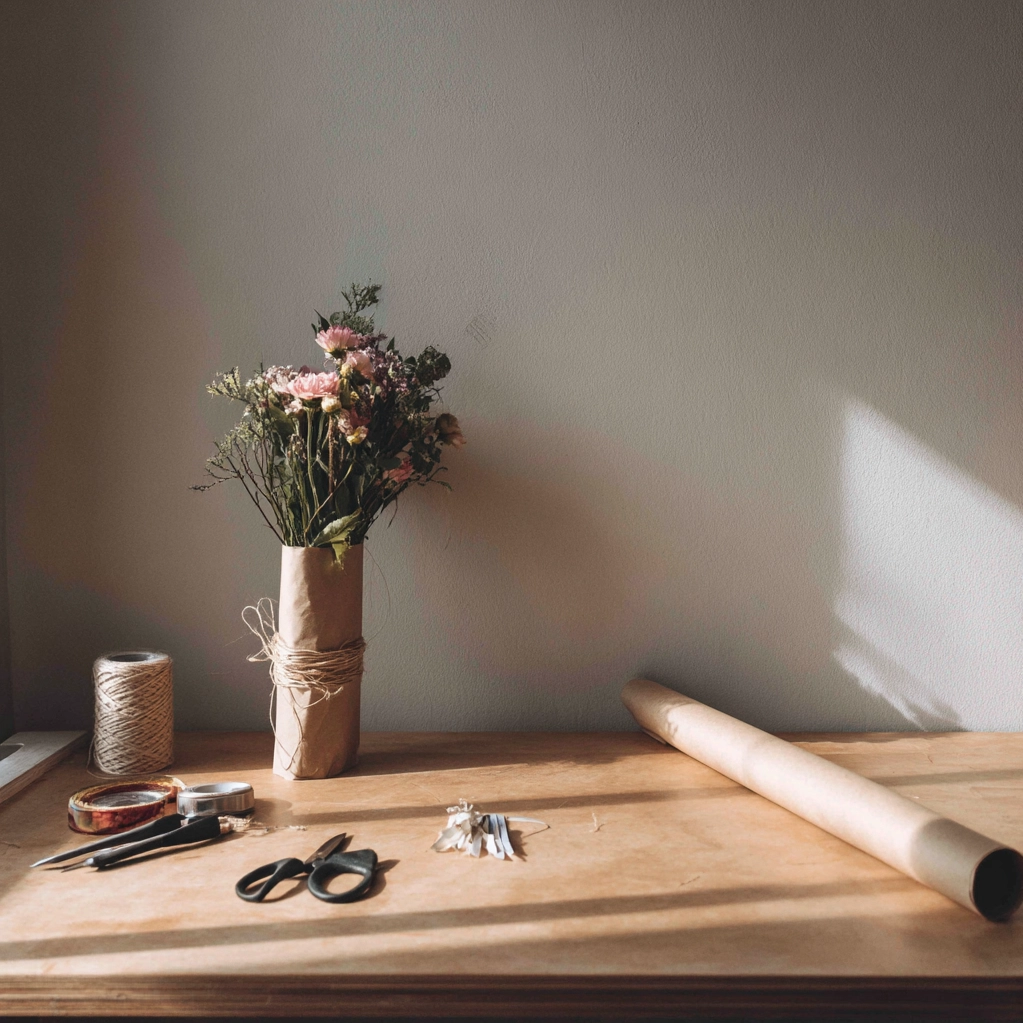
Simple DIY Flower Wrapping Ideas Anyone Can Master
You don't need professional training to create stunning wrapped bouquets. These accessible flower wrapping ideas use common household items and straightforward techniques. Start with the classic cone wrap – simply roll sturdy paper into a cone shape, secure with tape, and arrange flowers inside. This method works beautifully with mixed bouquets and provides excellent protection for delicate stems. For a more polished look, add a contrasting tissue paper liner before inserting the flowers.
Another easy approach involves using fabric. A simple square of attractive cloth can be gathered around stems and tied with ribbon, creating a soft, romantic presentation. This technique works particularly well with garden-picked flowers, as the fabric complements their natural charm. For those who prefer structure, try the gift box method: place floral foam in a shallow box, arrange flowers, then wrap the entire box as you would a traditional gift, leaving the blooms visible through an opening or transparent wrap.
Seasonal elements can inspire creative flower wrapping ideas too. In autumn, wrap stems with colorful fall leaves secured with twine. During winter holidays, incorporate evergreen sprigs or cinnamon sticks into your wrapping. These touches add fragrance and thematic cohesion to your floral gifts. Remember that simplicity often creates the most impact – sometimes a single strand of velvet ribbon or a handwritten tag makes all the difference. Practice these basic techniques until they feel natural, then experiment with variations to develop your personal wrapping style.
Advanced Flower Wrapping Ideas for Special Occasions
When the occasion calls for something truly exceptional, these elevated flower wrapping ideas will help you create professional-looking presentations. The layered wrap technique involves using multiple materials to create depth and interest. Start with a base layer of waterproof material to protect surfaces, add decorative papers in complementary patterns, then finish with transparent wraps that showcase the flowers while adding glossy sophistication. This approach works beautifully for wedding bouquets or anniversary flowers where presentation matters greatly.
Structural wrapping represents another advanced approach. Instead of simply containing flowers, the wrap becomes part of the design itself. Create origami-inspired paper structures that cradle specific flower types, or build miniature floral "windows" using cardboard frames and transparent materials. These flower wrapping ideas require more planning and precision but result in truly unique presentations that recipients will remember long after the flowers fade.
Consider thematic wrapping for specific celebrations. For birthdays, incorporate the recipient's favorite colors or patterns into the wrap design. For romantic occasions, use luxurious materials like silk ribbons or metallic accents. Corporate flower gifts might feature clean, geometric wraps with minimal decoration that convey professionalism. The key to successful advanced wrapping is balancing creativity with practicality – the wrap should enhance the flowers without making them difficult to handle or display. Always test your designs with similar flowers before the actual occasion to ensure everything works harmoniously together.
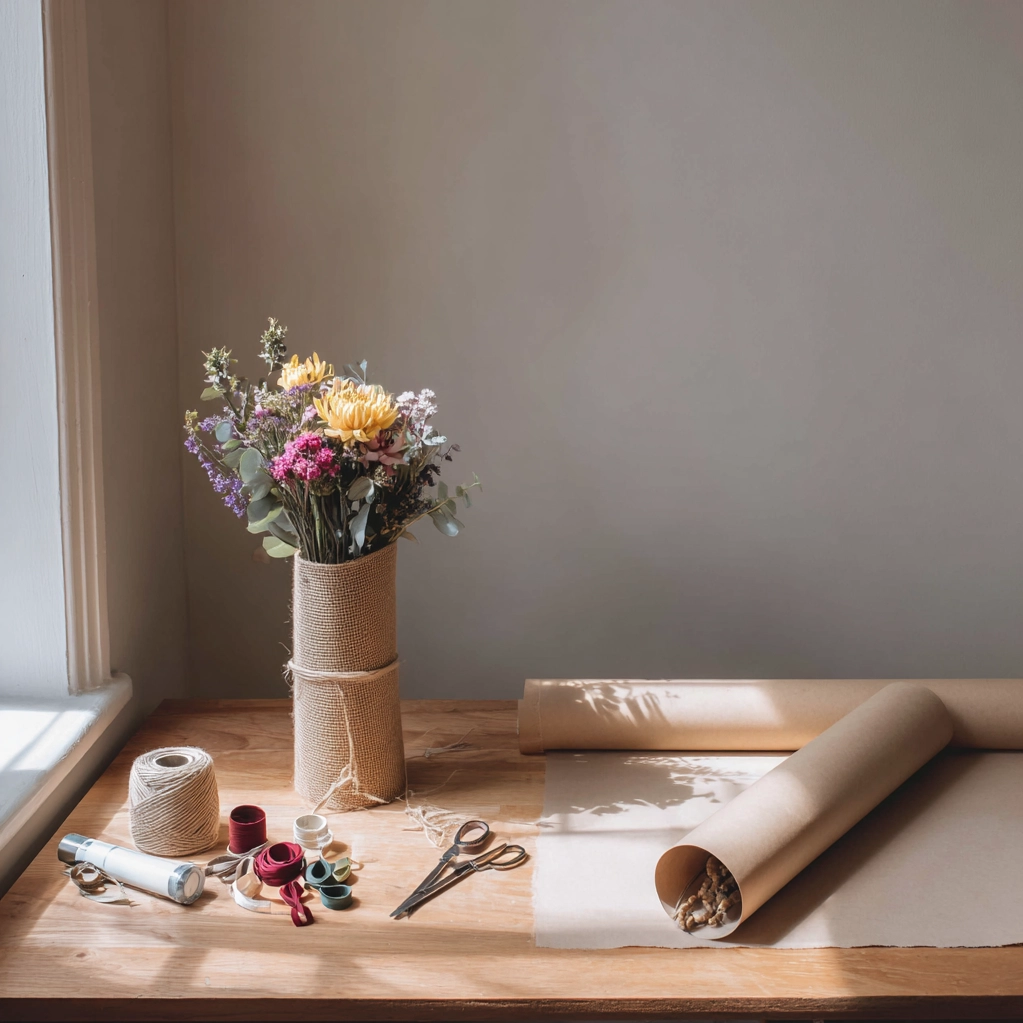
Sustainable and Eco-Friendly Flower Wrapping Ideas
As environmental consciousness grows, sustainable flower wrapping ideas have become increasingly popular and necessary. These approaches minimize waste while maximizing beauty, creating gifts that are both thoughtful and responsible. The simplest sustainable method involves using materials you already have – old maps, sheet music, or even fabric scraps can become beautiful wraps with a little creativity. This approach gives new life to materials that might otherwise be discarded while creating truly unique presentations.
Plant-based wraps represent another excellent sustainable option. Large leaves from plants like banana trees or monstera can be shaped into natural containers for flower stems, secured with biodegradable twine. These wraps decompose naturally after use and add organic texture to your floral gifts. Similarly, reusable fabric wraps offer both sustainability and practicality – recipients can use the beautiful fabric for other purposes after enjoying the flowers, extending the gift's value beyond the initial presentation.
When purchasing materials specifically for wrapping, look for eco-friendly options. Recycled papers, organic cotton ribbons, and plant-based inks minimize environmental impact. Some innovative flower wrapping ideas even incorporate seed paper – wraps embedded with flower seeds that recipients can plant after use, creating a beautiful full-circle experience. Remember that sustainable wrapping doesn't mean compromising on aesthetics. Natural materials often provide textures and colors that manufactured materials cannot replicate, resulting in wraps that feel authentic and special. By choosing sustainable approaches, your flower gifts become statements of both beauty and environmental responsibility.
Conclusion
Mastering creative flower wrapping transforms the simple act of giving flowers into an art form that delights both giver and receiver. Throughout this exploration of flower wrapping ideas, we've seen how thoughtful presentation elevates floral gifts from ordinary to extraordinary. Whether you choose simple DIY approaches using household items or more advanced techniques for special occasions, the common thread is intention – taking the time to present flowers beautifully communicates care and consideration in ways that transcend the flowers themselves.
Looking forward, flower wrapping continues to evolve with trends toward personalization and sustainability. The most memorable wrapped bouquets often incorporate elements meaningful to specific relationships or occasions. As we become more environmentally conscious, wraps that minimize waste while maximizing beauty will likely become standard rather than exceptional. The future of flower wrapping lies in balancing creativity with responsibility, creating presentations that honor both the recipient and our shared environment.
Start small by trying one new wrapping technique from this article. Notice how differently people respond to thoughtfully wrapped flowers compared to basic presentations. As you gain confidence, experiment with combining techniques or developing your signature style. Remember that the best flower wrapping ideas often emerge from personal touches – a favorite ribbon color, meaningful paper, or natural elements from your own garden. Your wrapped flowers will tell stories beyond their beauty, becoming cherished memories for those who receive them.
Frequently Asked Questions
Q: What are the best materials for wrapping flowers if I want them to stay fresh longer?
To keep flowers fresh during transport and presentation, use materials that maintain moisture while protecting delicate petals. Waterproof inner layers are essential – try waxed paper, plastic sleeves, or specially designed floral wraps that contain moisture. For the actual bouquet, consider including water tubes or small vases within your wrap design. These allow stems to drink while being transported. Natural materials like damp moss wrapped around stems can also help maintain freshness. Always wrap flowers just before gifting, and if possible, keep them in water until the last moment. The key is creating a wrap that protects flowers without crushing them, using materials that either retain moisture or allow for hydration systems within the presentation.
Q: How can I wrap flowers without using plastic or non-recyclable materials?
Eco-friendly flower wrapping is both beautiful and responsible. Start with recycled or recyclable papers like kraft paper, which is sturdy and biodegradable. Instead of plastic ribbons, use natural twines, hemp cord, or fabric strips that can be reused or composted. For structural support, consider using cardboard from old boxes – cut it into attractive shapes and cover with decorative recycled paper. Natural elements work wonderfully too: large leaves, dried grasses, or even woven plant fibers create stunning wraps that decompose naturally. If you need moisture protection, try beeswax-coated papers or reusable fabric wraps that can be washed and used repeatedly. The most sustainable approach often involves using materials you already have, giving them new life as beautiful flower wraps.
Q: Can I wrap flowers creatively without any special crafting skills?
Absolutely! Many beautiful flower wrapping ideas require minimal skill but create maximum impact. The simplest method involves using pretty fabric – just place flowers in the center, gather the fabric around the stems, and tie with ribbon. This creates a soft, romantic look with almost no technical skill required. Another easy approach is the newspaper wrap: roll flowers in attractive newspaper pages and secure with twine for a casual, chic presentation. Even basic gift-wrapping techniques can be adapted for flowers – just leave the blooms exposed at the top. The key is choosing materials you find beautiful and arranging them intuitively rather than following complex instructions. Start with single-color papers or simple natural elements, and let the flowers themselves provide most of the visual interest. As you practice, you'll naturally develop skills and confidence for more elaborate designs.