Elegant Green Centerpieces: Stunning Sustainable Decor That Transforms Any Space

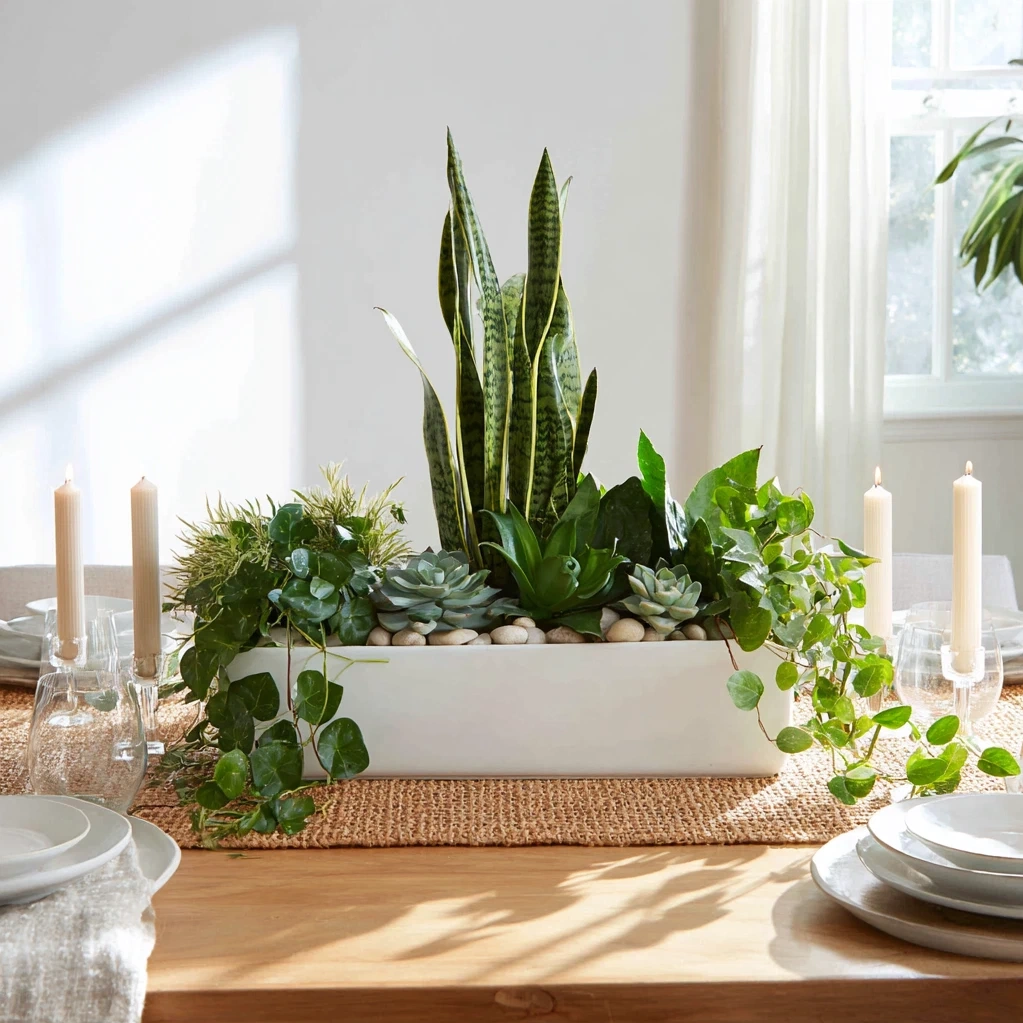
Imagine walking into a room where the first thing that catches your eye is a breathtaking arrangement of lush greenery and natural elements, perfectly positioned to command attention. This is the power of elegant green centerpieces – living works of art that breathe life into any interior while connecting us to nature’s timeless beauty. Far beyond simple decoration, these botanical arrangements have become essential design elements that elevate dining tables, console tables, mantels, and coffee tables from ordinary to extraordinary.
Green centerpieces offer more than just visual appeal. They create focal points that anchor a room's design, establish mood through texture and form, and purify indoor air while boosting our connection to the natural world. In today's design landscape, where sustainability meets sophistication, green arrangements represent the perfect marriage of eco-conscious living and refined aesthetics. Whether you're hosting an intimate dinner party or simply want to enhance your daily living environment, mastering the art of green centerpieces can transform how you experience your space.
From minimalist succulents in geometric planters to lavish ferns cascading from ceramic bowls, the possibilities for green centerpieces are as diverse as nature itself. These arrangements work across all design styles – complementing modern minimalism with clean lines, enhancing rustic charm with wild foliage, or adding organic contrast to traditional elegance. The key lies in understanding how to select, arrange, and maintain these living elements to create centerpieces that not only look beautiful but also thrive in their environment, bringing lasting joy and natural balance to your home.
Creating Elegant Green Centerpieces: Essential Design Principles for Stunning Results
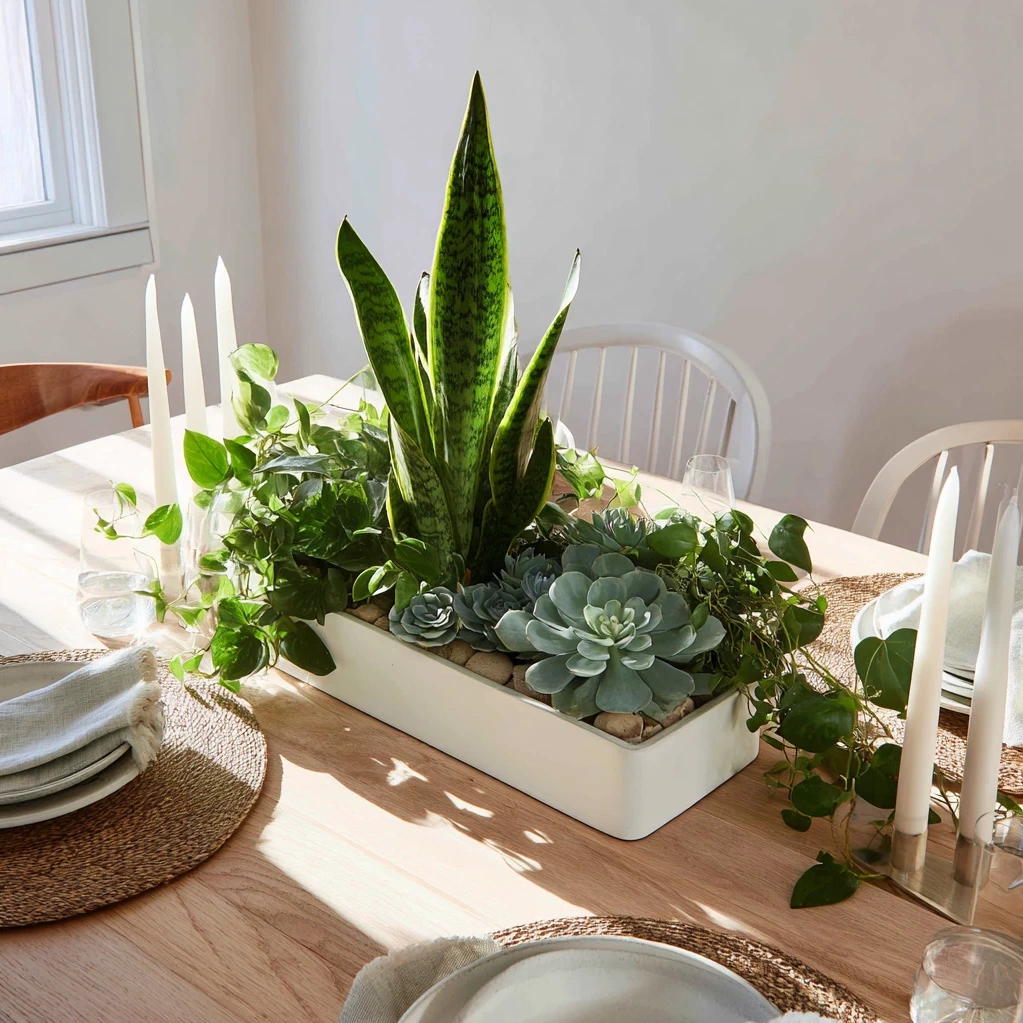
Designing elegant green centerpieces begins with understanding fundamental principles that ensure both beauty and functionality. The first consideration is proportion – your arrangement should complement rather than overwhelm its surroundings. For dining tables, aim for centerpieces that stand 12 to 14 inches tall, allowing guests to see across the table while still making a visual statement. On coffee tables or mantels, lower, sprawling arrangements often work best, creating interest without obstructing views or movement.
Color harmony plays a crucial role in sophisticated green arrangements. While green serves as your foundation, consider incorporating subtle variations – from deep emerald ferns to silvery eucalyptus leaves to variegated pothos with creamy edges. These tonal differences add depth and visual interest. For accent colors, choose one or two complementary hues rather than multiple competing shades. White flowers, burgundy foliage, or terra cotta containers can provide perfect contrast without distracting from the green's natural elegance.
Texture creates tactile appeal in green centerpieces. Combine glossy leaves like rubber plants with matte succulents, feathery ferns with architectural monstera leaves, and smooth stones with mossy surfaces. This layering of textures makes arrangements feel rich and dimensional. When selecting containers, consider materials that enhance rather than compete with your greenery. Ceramic planters in neutral tones, clear glass vessels that show root systems, or aged terracotta pots all work beautifully with green arrangements. Remember that negative space is equally important – allowing each element room to breathe creates sophisticated, gallery-like presentations.
Seasonal adaptation ensures your elegant green centerpieces remain relevant year-round. In spring, incorporate budding branches and lighter greens; summer calls for lush, abundant arrangements; autumn welcomes deeper greens with berry accents; winter benefits from evergreen branches and textural elements like pine cones. By rotating elements seasonally, you keep your decor feeling fresh while maintaining the timeless appeal of greenery at the heart of your design.
Elegant Green Centerpieces for Every Room: Practical Placement and Styling Tips
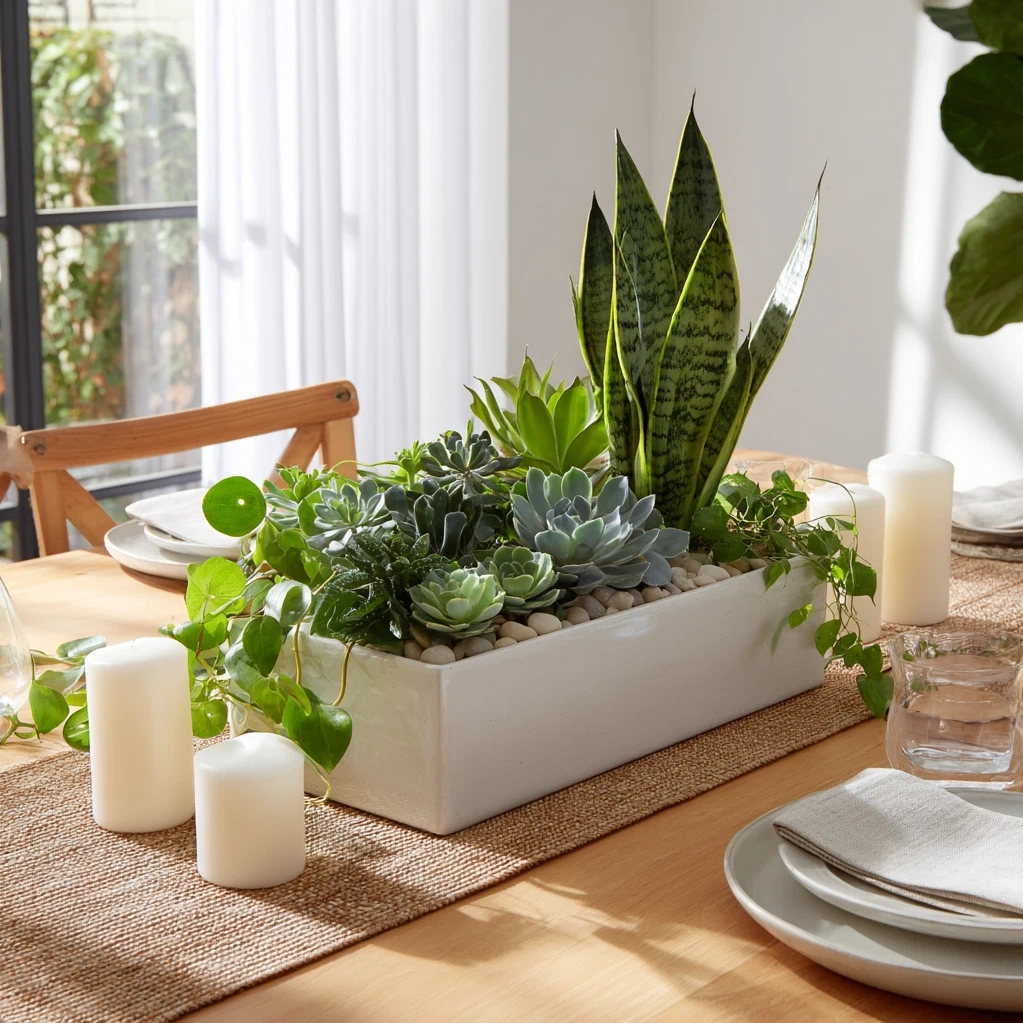
Different rooms demand different approaches to elegant green centerpieces, each serving unique functions while maintaining cohesive design. For dining areas, the classic table centerpiece should be low enough for conversation flow yet substantial enough to anchor the space. Consider long, linear arrangements for rectangular tables or round clustered arrangements for circular tables. Incorporate herbs like rosemary or thyme that release subtle scents during meals, enhancing the dining experience while providing fresh ingredients within reach.
Living room green centerpieces often serve as focal points on coffee tables or media consoles. Here, height becomes less critical than visual interest from all angles. Create 360-degree arrangements using plants with attractive foliage on all sides, or place taller elements in the center surrounded by cascading greens. For coffee tables, consider incorporating practical elements like trays to corral smaller pots or books to add varying heights. This creates layered sophistication while keeping the arrangement functional for daily use.
Entryway and console table green centerpieces make powerful first impressions. These arrangements can be more dramatic since they don't need to accommodate daily activities. Consider taller statement plants like fiddle leaf figs or bird of paradise, complemented by smaller trailing plants that soften hard edges. Lighting becomes crucial here – position arrangements where they'll catch natural or artificial light to highlight their textures and forms. For narrow consoles, create depth by placing taller plants at the back and gradually decreasing height toward the front.
Bedroom and bathroom green centerpieces require special consideration for humidity, light, and scale. In bedrooms, opt for air-purifying plants like snake plants or peace lilies arranged on nightstands or dressers. Keep arrangements relatively simple to maintain restful environments. Bathrooms benefit from humidity-loving plants like ferns or philodendrons arranged on vanities or shelves. For small bathrooms, vertical arrangements using wall-mounted planters or hanging terrariums can create elegant green centerpieces without sacrificing precious counter space. Always consider maintenance accessibility – ensure you can easily water and care for plants in their chosen locations.
Sustainable Elegant Green Centerpieces: Eco-Friendly Materials and Long-Term Maintenance
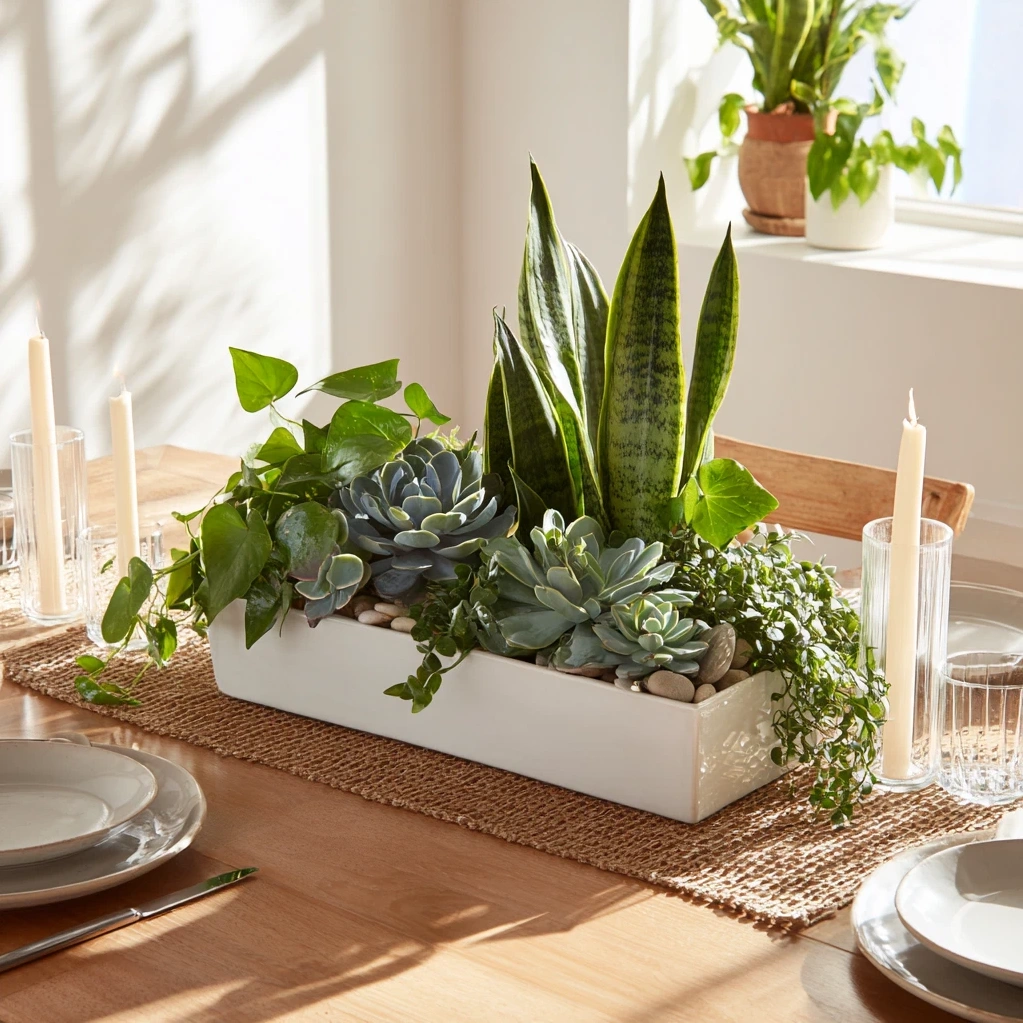
True elegance in green centerpieces extends beyond appearance to include sustainable practices and thoughtful maintenance. Begin with eco-conscious materials – choose planters made from recycled ceramics, responsibly sourced wood, or biodegradable fibers. For floral foam alternatives in cut arrangements, consider chicken wire frames, moss-wrapped bases, or reusable floral frogs that eliminate plastic waste while providing better support for stems. These sustainable foundations ensure your elegant green centerpieces align with environmentally responsible living.
Plant selection significantly impacts sustainability. Opt for locally sourced plants that haven't traveled long distances, reducing carbon footprint. Choose species appropriate for your climate and indoor conditions to minimize water and energy requirements for artificial climate control. Consider propagating plants from cuttings or divisions to create new arrangements – this not only saves money but also creates meaningful continuity as plants from your original centerpiece become part of future designs. Succulents, pothos, spider plants, and many herbs propagate easily, making them excellent choices for sustainable green centerpieces.
Water conservation techniques enhance both sustainability and plant health. Use self-watering planters with reservoirs that reduce frequency while preventing overwatering. For cut arrangements, change water every two to three days rather than daily, and reuse water for other plants when refreshing arrangements. Consider incorporating drought-tolerant plants like succulents, snake plants, or zz plants that require minimal watering while maintaining elegant appearance. Group plants with similar water needs together to streamline care and prevent waste.
Long-term maintenance preserves the beauty of elegant green centerpieces while minimizing replacement needs. Develop a regular care routine including dusting leaves to maintain photosynthesis efficiency, rotating plants for even light exposure, and pruning to encourage healthy growth. Use organic fertilizers and natural pest control methods to maintain plant health without harsh chemicals. When plants outgrow their containers, repot them into larger homes or divide them to create new arrangements. This lifecycle approach transforms green centerpieces from temporary decorations into evolving elements of your home's story, with plants maturing and changing alongside your decor preferences. Proper care ensures years of enjoyment while reducing environmental impact through decreased consumption and waste.
Conclusion
Elegant green centerpieces represent more than temporary decoration – they're living expressions of design philosophy that blend natural beauty with sophisticated styling. Throughout this exploration, we've discovered how these botanical arrangements serve as versatile design elements that adapt to any room, style, or season while promoting sustainable living practices. From understanding proportion and texture to mastering placement and maintenance, creating stunning green centerpieces becomes an accessible art form that anyone can cultivate.
The true magic of elegant green centerpieces lies in their ability to evolve. Unlike static decor items, living arrangements change with time – new leaves unfurl, plants grow toward light, seasonal elements come and go. This dynamic quality invites us to engage with our spaces more thoughtfully, noticing subtle changes and responding with care. As we become attuned to our plants' needs, we develop deeper connections to the natural rhythms that these centerpieces bring indoors.
Looking forward, the trend toward biophilic design ensures green centerpieces will remain essential elements of interior styling. As technology advances, we'll see more innovative planters with integrated lighting and watering systems, making maintenance even more accessible. The growing popularity of edible centerpieces incorporating herbs and microgreens will blur lines between decoration and function. Most importantly, the movement toward locally sourced and propagated plants will strengthen communities while reducing environmental impact.
Begin your journey with elegant green centerpieces by starting simple – a single striking plant in a beautiful container can transform a space. Observe how light moves through your rooms, notice where you naturally gather, and consider which surfaces could benefit from living decoration. Remember that perfection isn't the goal; rather, seek arrangements that bring you joy and connect you to nature's timeless elegance. With each new leaf and seasonal change, your green centerpieces will tell an evolving story of beauty, growth, and thoughtful design in your home.
Frequently Asked Questions
Q: How often should I water my elegant green centerpieces?
Watering frequency depends on several factors including plant types, container materials, room temperature, and light exposure. For most indoor green centerpieces, check soil moisture weekly by inserting your finger about an inch deep – water when the soil feels dry at that depth. Succulents and cacti typically need watering every 2-3 weeks, while tropical plants like ferns may require weekly watering. Self-watering planters can extend time between waterings to 10-14 days. Always water thoroughly until excess drains from the bottom, then empty saucers to prevent root rot. Adjust frequency seasonally – plants generally need less water in winter when growth slows.
Q: What are the best low-light plants for elegant green centerpieces?
Several beautiful plants thrive in low-light conditions perfect for elegant centerpieces. Snake plants (Sansevieria) offer architectural upright leaves in variegated patterns and tolerate neglect exceptionally well. ZZ plants (Zamioculcas zamiifolia) provide glossy, dark green foliage that adds sophisticated contrast. Pothos varieties feature trailing vines with heart-shaped leaves that work beautifully in cascading arrangements. Peace lilies produce elegant white flowers alongside deep green leaves while purifying air. Chinese evergreens (Aglaonema) offer stunning variegated patterns in silver, pink, or red accents. Cast iron plants (Aspidistra) live up to their name with exceptional durability and broad, dark leaves. When arranging low-light plants, consider grouping several varieties together to create textural interest despite limited light conditions.
Q: How can I make my elegant green centerpieces last longer?
Extend the life of your green centerpieces through proper care and strategic design choices. For living plant arrangements, ensure adequate drainage by using containers with holes and well-draining soil. Rotate plants weekly so all sides receive even light exposure, preventing lopsided growth. Dust leaves monthly with a soft cloth to maintain photosynthesis efficiency. Trim yellowing leaves promptly to redirect energy to healthy growth. For cut arrangements, recut stems at an angle every few days and change water regularly, adding floral preservative or a teaspoon of sugar with a few drops of bleach to inhibit bacterial growth. Choose long-lasting greens like eucalyptus, leather leaf fern, or magnolia leaves as base elements. Display arrangements away from direct heat sources, drafts, and ripening fruit, which emits ethylene gas that accelerates aging. With these practices, living arrangements can thrive for years, while cut arrangements may last 2-3 weeks with proper maintenance.