
Aesthetic White Background: 10 Essential Tips for Creating Beautiful Spaces

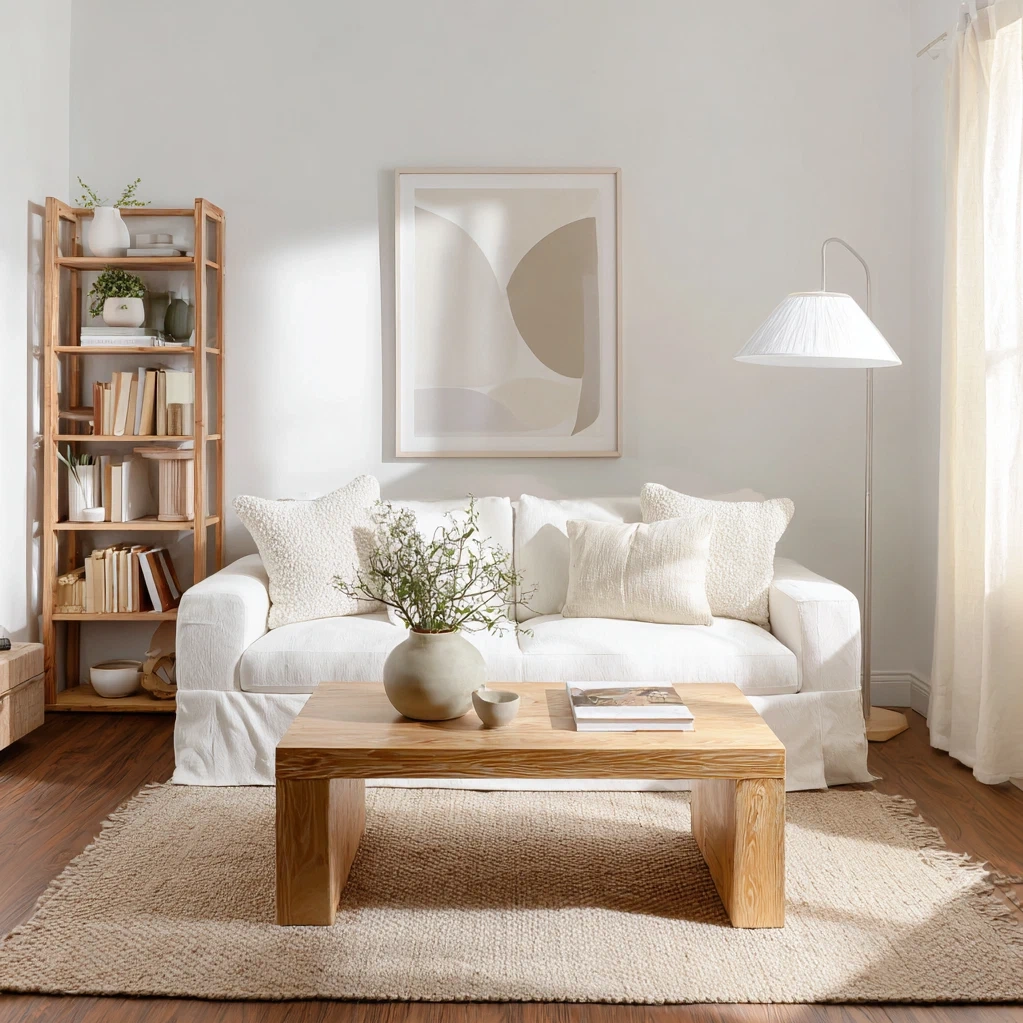
When you think about designing a space that feels both timeless and modern, few elements are as powerful as an aesthetic white background. This versatile foundation can transform any room from cluttered chaos to serene sanctuary. Whether you’re decorating a minimalist apartment, a cozy family home, or a professional workspace, mastering the art of white backgrounds is essential for creating visually appealing environments.
Many people hesitate to embrace white backgrounds, fearing they'll create sterile or cold spaces. However, when executed thoughtfully, white serves as the perfect canvas that allows other elements to shine while promoting feelings of calm and clarity. The magic lies in understanding how to layer textures, incorporate natural light, and select the right shades of white to create depth and warmth.
In today's design landscape, where visual clutter competes for our attention, an aesthetic white background offers psychological benefits too. It creates mental breathing room, reduces visual noise, and helps focus attention on what truly matters in your space. This isn't just about painting walls white—it's about creating a cohesive foundation that enhances your entire design scheme. As we explore 10 essential approaches, you'll discover how this simple concept can revolutionize your living spaces.
Creating Your Perfect Aesthetic White Background
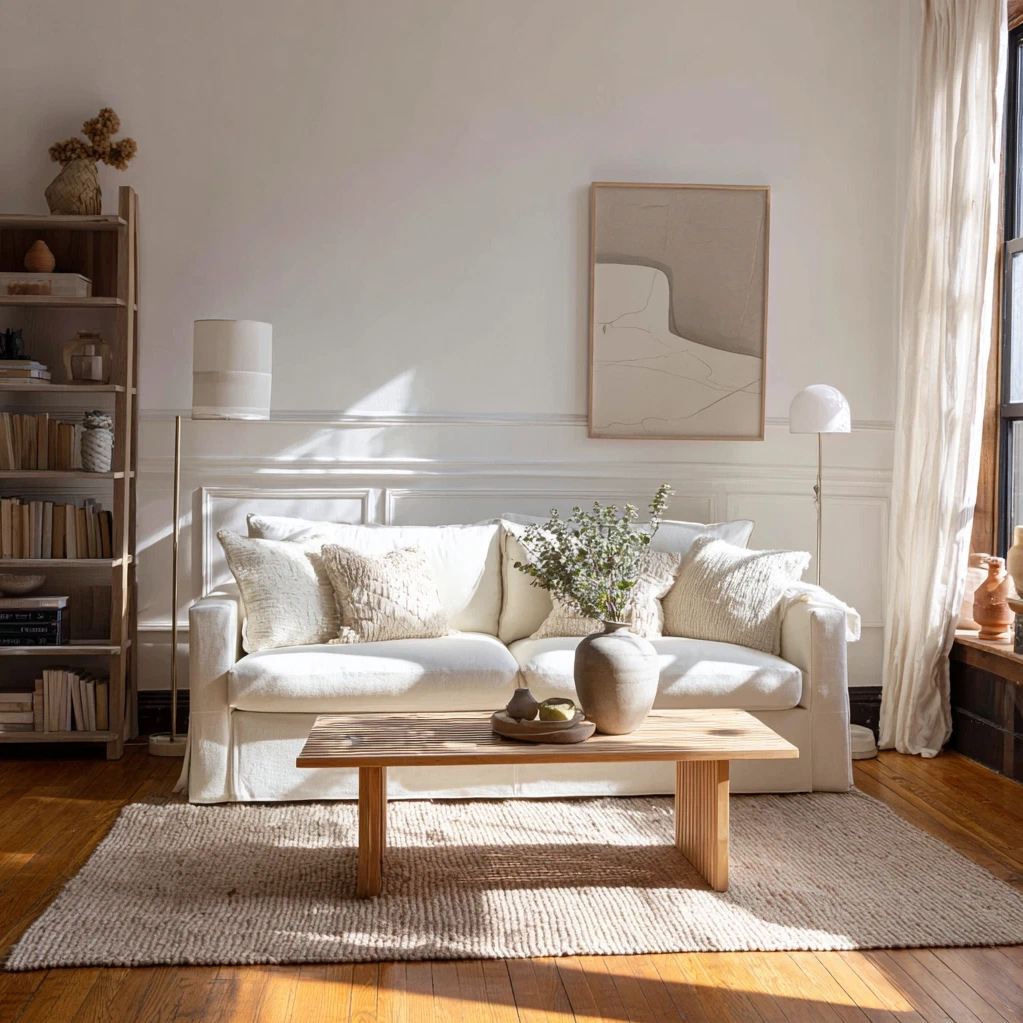
Building a successful aesthetic white background begins with understanding that white isn't just one color. From crisp bright whites to warm off-whites and creamy tones, the specific shade you choose sets the entire mood of your space. Consider the natural light in your room—north-facing rooms benefit from warmer whites, while south-facing spaces can handle cooler tones. Test samples on different walls at various times of day before committing.
Texture plays a crucial role in preventing your aesthetic white background from feeling flat or clinical. Incorporate materials like linen, wool, wood, and natural fibers to add visual interest. A white wall becomes more dynamic when paired with textured elements like a chunky knit throw on a white sofa or a rattan basket against white shelving. These layers create depth without introducing competing colors.
When implementing your aesthetic white background, pay attention to architectural details. White moldings, trim, and built-ins can enhance the cohesive look while adding dimension. Consider how your white surfaces reflect light throughout the day—this natural illumination becomes part of the design itself. Remember that maintenance matters too; select finishes that are easy to clean and maintain their appearance over time.
10 Essential Elements for Aesthetic White Background Success
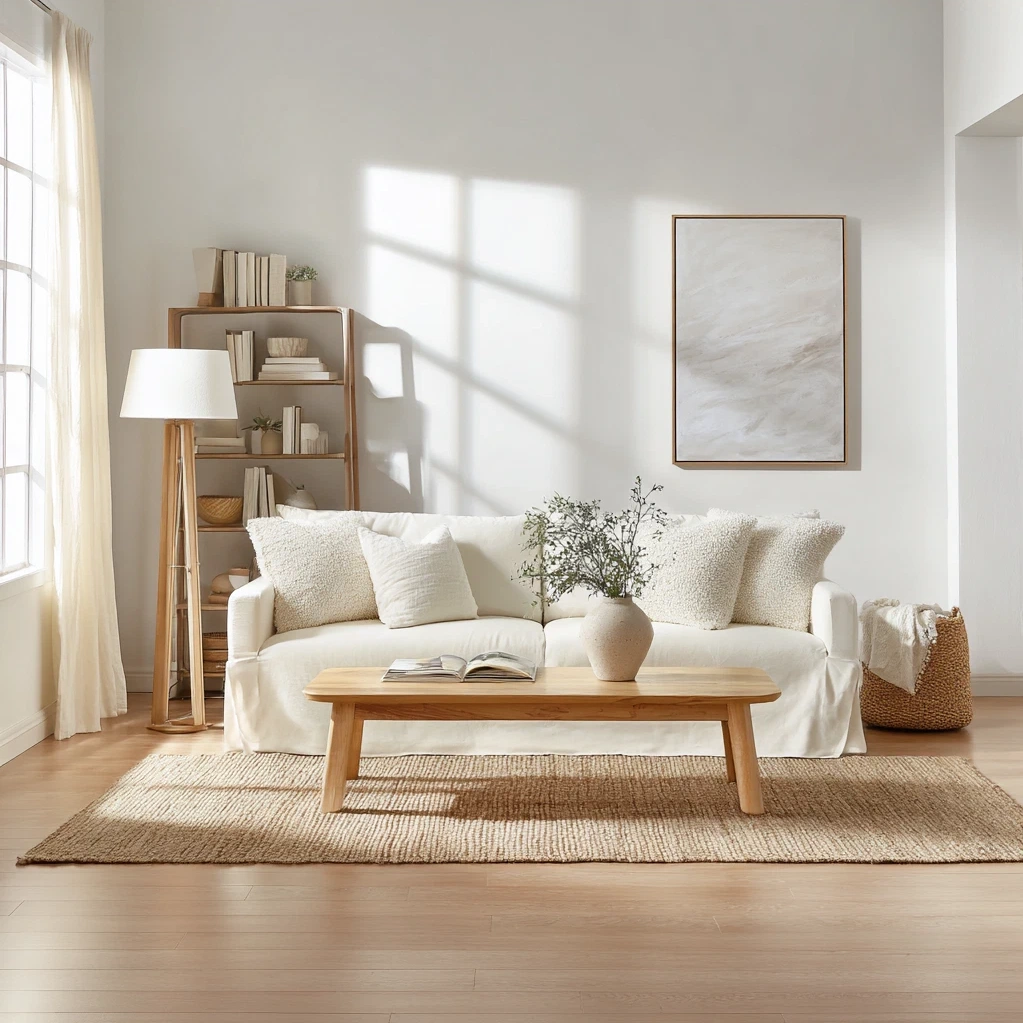
To achieve the perfect aesthetic white background, focus on these 10 key elements: First, lighting design—layered lighting creates warmth and dimension. Second, material variety—mix matte, gloss, and textured surfaces. Third, natural elements—incorporate plants and organic materials. Fourth, artwork selection—choose pieces that complement without overwhelming. Fifth, furniture contrast—use darker pieces to ground the space. Sixth, reflective surfaces—mirrors and glass enhance light play. Seventh, accent colors—introduce subtle hues through accessories. Eighth, spatial arrangement—maintain clean sight lines. Ninth, personal touches—include meaningful objects. Tenth, consistent maintenance—keep surfaces pristine.
Each element contributes to making your aesthetic white background feel intentional rather than accidental. For instance, lighting should include ambient, task, and accent sources to create pools of warmth against white surfaces. Natural elements like a fiddle-leaf fig in a white pot or a wooden bowl on a white countertop add life and organic texture. These touches prevent the space from feeling too perfect or sterile.
When selecting artwork for your aesthetic white background, consider scale and framing. A large, well-framed piece can become a stunning focal point, while a gallery wall creates visual interest through arrangement rather than color. Remember that negative space is valuable—allow breathing room around objects to let the white background work its calming magic. These thoughtful considerations transform a simple white background into a sophisticated design statement.
Practical Applications of Aesthetic White Backgrounds
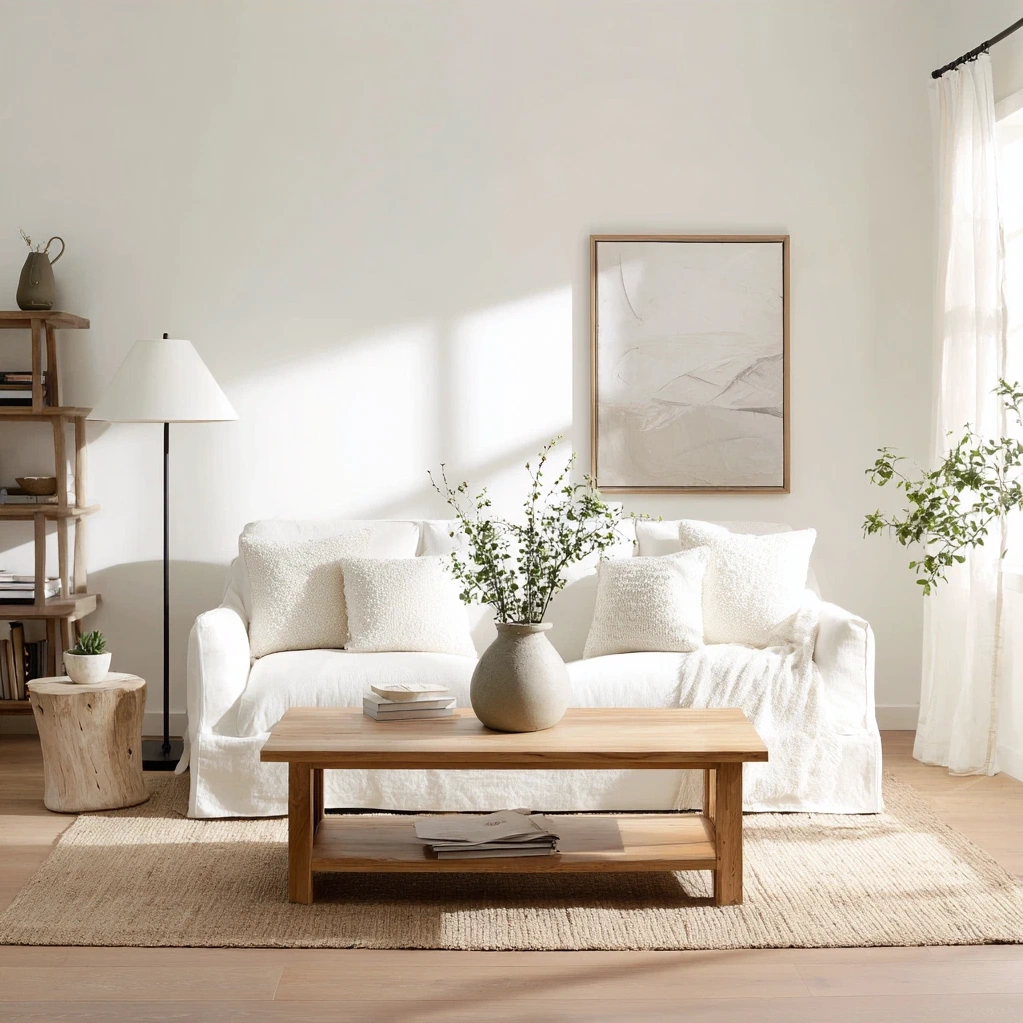
The beauty of an aesthetic white background lies in its versatility across different spaces. In living rooms, white walls provide the perfect backdrop for colorful artwork or textured textiles. A white sofa against white walls creates a seamless look that can be easily updated with seasonal pillows and throws. This approach works particularly well in smaller spaces where light reflection makes rooms feel more spacious.
Bedrooms benefit tremendously from aesthetic white backgrounds that promote relaxation and tranquility. White bedding layered with different textures creates a hotel-like luxury, while white walls allow for flexible decor changes. For children's rooms, white backgrounds with colorful storage solutions and playful textiles create cheerful yet calm environments that can evolve as children grow.
Home offices and workspaces gain clarity and focus from aesthetic white backgrounds that minimize distractions. White surfaces help organize thoughts and materials, while strategic pops of color or greenery maintain visual interest without overwhelming. Kitchens with white cabinets and backsplashes feel clean and timeless, providing flexibility for changing hardware and accessories. Outdoor spaces also benefit—white walls on porches or patios reflect natural light and create seamless transitions between indoor and outdoor living.
Conclusion
Mastering the art of the aesthetic white background transforms how we experience and interact with our living spaces. Throughout this exploration, we've seen how this seemingly simple design choice affects everything from mood and perception to functionality and style. The 10 essential elements provide a roadmap for creating white backgrounds that feel warm, intentional, and beautifully layered rather than cold or sterile.
As design trends continue to evolve, the aesthetic white background remains a timeless foundation that adapts to personal style changes and functional needs. Its ability to highlight what matters—whether cherished objects, architectural details, or carefully chosen furnishings—makes it more than just a color choice. It becomes a philosophy of living that prioritizes clarity, calm, and intentional beauty.
Looking forward, consider how your aesthetic white background might evolve with new technologies and sustainable materials. Smart lighting that adjusts white tones throughout the day, eco-friendly paints with improved durability, and innovative textures all offer exciting possibilities. The most successful spaces balance this beautiful foundation with personal touches that tell your unique story. Start with one room, apply these principles thoughtfully, and watch as your space transforms into the serene sanctuary you've imagined.
Frequently Asked Questions
Q: How do I prevent my white background from looking too sterile or hospital-like?
The key is layering textures and incorporating natural elements. Add woven baskets, wood furniture, linen textiles, and plenty of plants to bring warmth and life to white spaces. Use different shades of white and off-white to create depth, and include metallic accents like brass or copper for subtle shine. Lighting is crucial—warm bulbs at varying heights create cozy pools of light that make white backgrounds feel inviting rather than clinical.
Q: What are the best paint finishes for creating an aesthetic white background?
For walls, eggshell or matte finishes work beautifully as they minimize glare and hide imperfections while providing a soft, sophisticated look. Trim and moldings benefit from semi-gloss finishes that reflect light and create subtle contrast. In high-traffic areas like kitchens and bathrooms, consider washable matte or satin finishes that maintain their appearance. Always test samples in your actual space, as lighting conditions dramatically affect how white paint appears throughout the day.
Q: How can I maintain cleanliness with extensive white backgrounds?
Choose durable, washable materials and establish regular maintenance routines. For painted walls, select high-quality scrubbable paint. For fabrics, opt for removable, washable covers or treated materials that resist stains. Keep cleaning supplies handy for quick touch-ups, and address spills immediately. Strategic placement of darker elements in high-traffic areas can minimize visible wear. Regular dusting and vacuuming maintain the crisp appearance of white surfaces, making maintenance part of your routine rather than a chore.