Bead Board Walls Bathroom: 3 Stunning Transformations You Need to See


Bead board walls in a bathroom offer a timeless aesthetic that combines classic charm with practical durability. This versatile wall treatment has been a staple in home design for centuries, and its resurgence in modern bathrooms proves its enduring appeal. Unlike plain drywall or tile that can feel sterile, bead board walls in a bathroom add texture, depth, and character to what’s often considered a purely functional space. The vertical grooves and clean lines create visual interest while maintaining a sense of order and cleanliness that’s essential in wet environments.
Many homeowners are discovering that bead board walls in a bathroom provide an affordable way to elevate their space without the cost and complexity of full tile installations. This material works beautifully with various design styles—from coastal cottages to farmhouse chic to contemporary minimalism. Beyond aesthetics, bead board offers practical benefits in a bathroom setting. The moisture-resistant properties of properly sealed bead board make it ideal for humid conditions, while the raised panels create a protective barrier against everyday wear and tear.
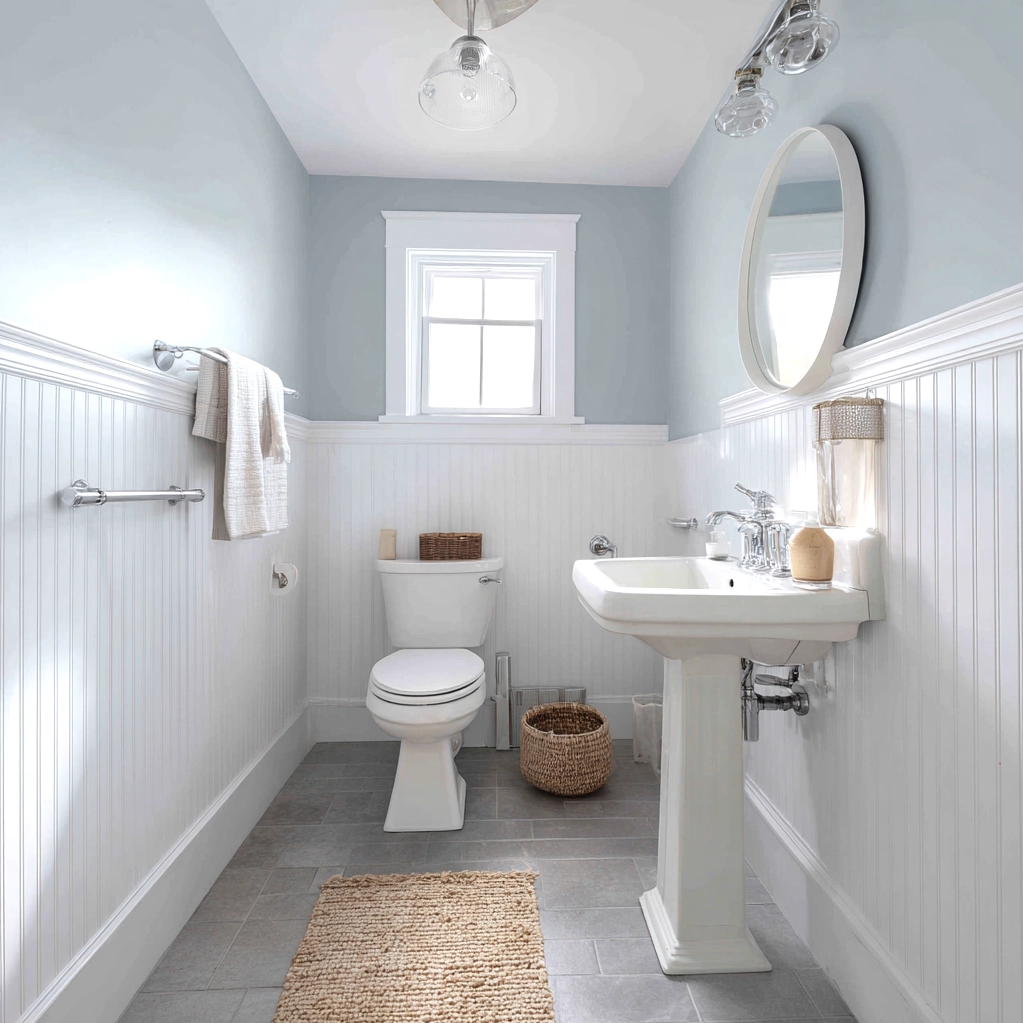
The installation of bead board walls in a bathroom can transform even the most basic powder room into a showcase of thoughtful design. Whether you choose traditional tongue-and-groove boards or modern bead board panels, this treatment creates a cohesive look that ties together fixtures, finishes, and decor. As we explore three stunning transformations, you'll discover how bead board walls can solve common bathroom design challenges while adding value and personality to your home.
Why Bead Board Walls Bathroom Designs Create Lasting Impressions
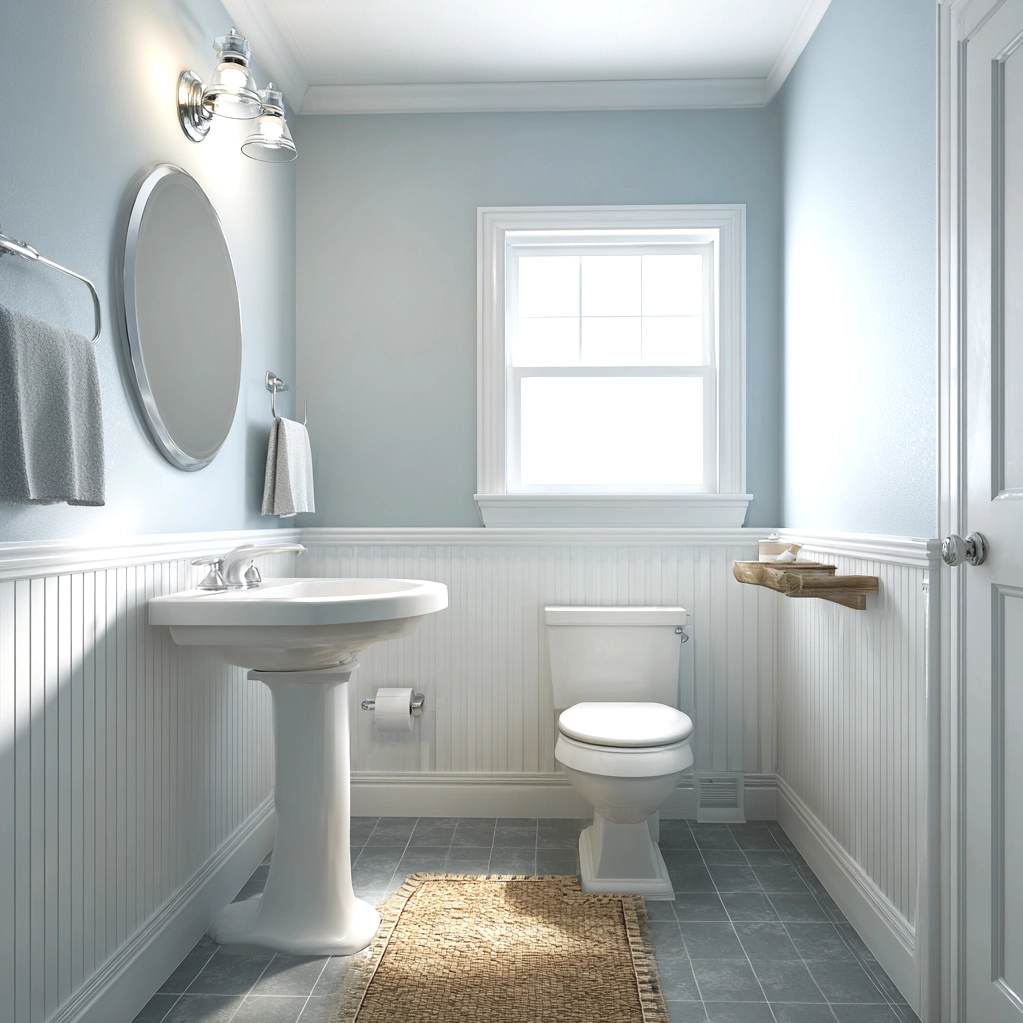
Bead board walls in a bathroom create lasting impressions because they bridge the gap between functionality and beauty in a unique way. Unlike flat painted surfaces that show every imperfection, the vertical lines of bead board walls in a bathroom help disguise minor flaws while drawing the eye upward, making even small bathrooms feel more spacious. This optical illusion is particularly valuable in bathrooms where square footage is limited but style shouldn't be compromised.
Durability is another reason bead board walls in a bathroom make such strong statements. Made from moisture-resistant materials like MDF, PVC, or real wood, properly installed and sealed bead board can withstand the humidity fluctuations that are inevitable in bathrooms. The raised panels provide extra protection against bumps and scrapes that occur in busy family bathrooms. This practical durability means your beautiful bead board walls in a bathroom will maintain their appearance for years with minimal maintenance.
The texture of bead board walls in a bathroom adds sensory appeal that flat walls simply can't match. Running your hand along the grooves provides tactile feedback that enhances the overall bathroom experience. This textural element also plays beautifully with light—morning sun or evening artificial light creates subtle shadows along the grooves, adding depth and warmth throughout the day. Whether you paint your bead board walls in a bathroom crisp white for a clean look or choose a bold color for dramatic effect, the dimensional quality remains constant.
Beyond the visual and tactile benefits, bead board walls in a bathroom offer acoustic advantages. The grooves and panel construction helps absorb sound rather than reflecting it, making conversations more pleasant and reducing the echo that often plagues tiled bathrooms. This acoustic benefit creates a more serene environment for relaxation—a quality highly valued in modern bathroom design where spaces increasingly serve as personal sanctuaries.
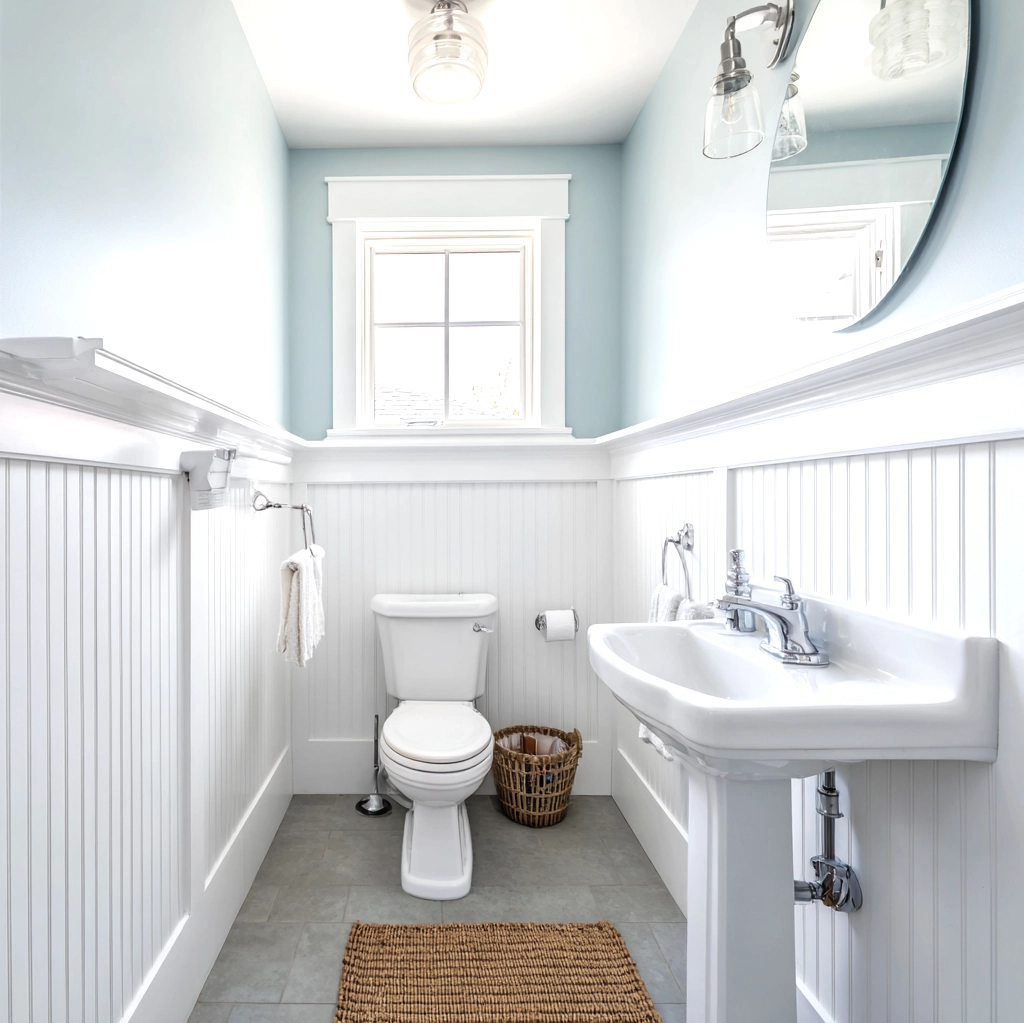
3 Essential Considerations for Bead Board Walls Bathroom Installations
Proper planning is crucial for successful bead board walls in a bathroom installation. The first consideration involves material selection. Traditional wood bead board offers authentic character but requires careful sealing in wet environments. Modern alternatives like PVC or MDF bead board provide excellent moisture resistance with less maintenance. For bead board walls in a bathroom, thickness matters too—standard 1/4-inch panels work well for walls, while 3/4-inch tongue-and-groove boards offer more substantial presence. Consider your bathroom's humidity levels and ventilation when choosing materials to ensure your bead board walls in a bathroom will stand the test of time.
The second essential consideration involves installation height and layout. Bead board walls in a bathroom can be installed as wainscoting (covering the lower portion of walls), as full wall coverage, or as accent panels. Wainscoting typically reaches 32 to 36 inches high, creating a classic look that's easy to maintain. Full bead board walls in a bathroom make a dramatic statement but require careful planning around fixtures and outlets. For accent installations, consider using bead board on just one focal wall behind the vanity or tub. Each approach creates different visual effects, so consider your bathroom's proportions and your overall design goals.
Finishing touches represent the third critical consideration for bead board walls in a bathroom. Proper sealing with moisture-resistant primer and paint is non-negotiable—even for supposedly waterproof materials. Choose semi-gloss or high-gloss finishes that withstand moisture and are easy to clean. For bead board walls in a bathroom, caulking all seams and edges prevents water infiltration behind the panels. Cap rail or chair rail installation at the top of wainscoting provides both protection and a polished look. These finishing steps ensure your bead board walls in a bathroom remain beautiful through years of steam, splashes, and cleaning.
Beyond these three core considerations, think about how your bead board walls in a bathroom will interact with other elements. The transition between bead board and tile, the relationship between bead board and cabinetry, and the coordination with trim and molding all contribute to a cohesive final result. Taking time to plan these details before installation begins will help you achieve professional-looking bead board walls in a bathroom that enhance rather than compete with your overall design vision.
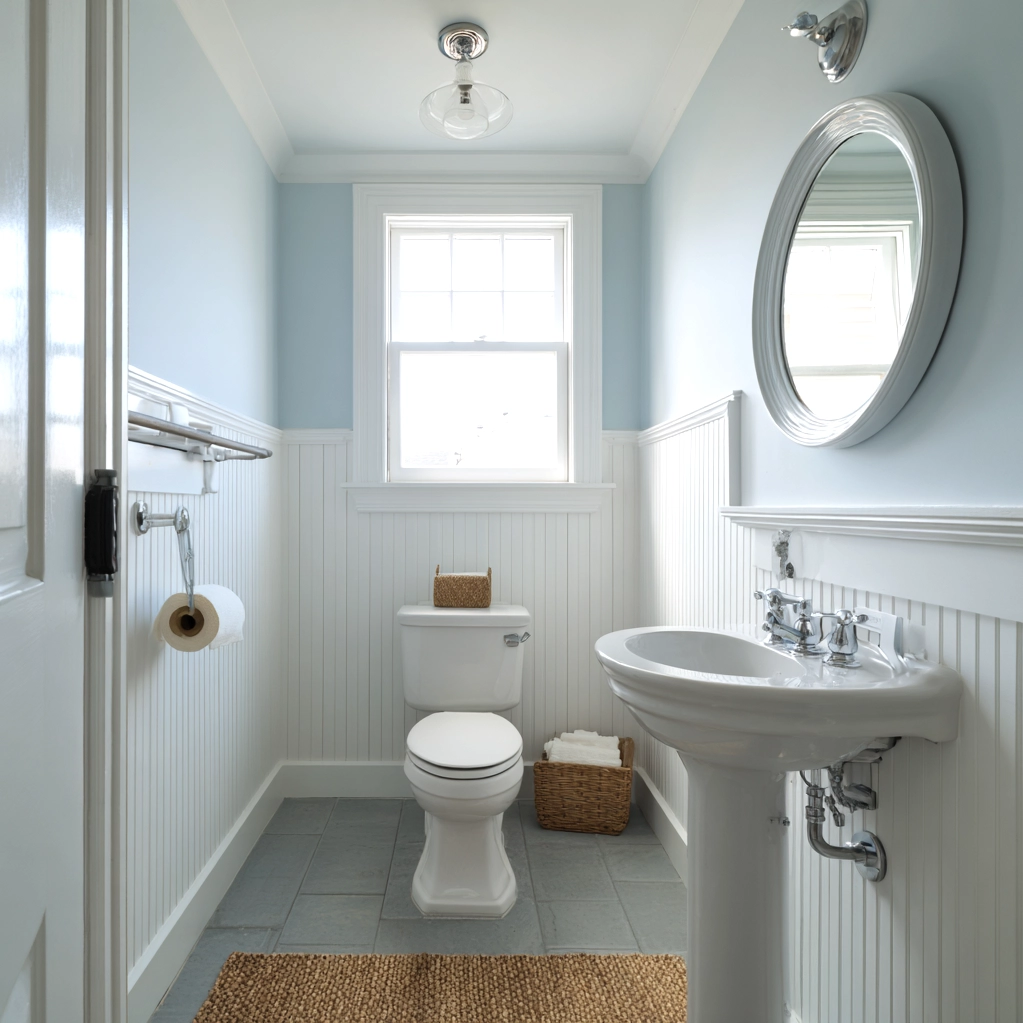
Maintaining Your Bead Board Walls Bathroom for Years of Beauty
Proper maintenance ensures your bead board walls in a bathroom retain their beauty through years of daily use. Regular cleaning forms the foundation of good maintenance. For bead board walls in a bathroom, use a soft cloth or sponge with mild soap and water—never abrasive cleaners that could damage the finish or grooves. Pay special attention to areas around faucets, showers, and tubs where moisture and soap scum tend to accumulate. After cleaning, dry the surface completely to prevent water spots and mineral buildup that can dull the appearance of your bead board walls in a bathroom.
Periodic inspections help catch potential issues before they become serious problems. Check your bead board walls in a bathroom every few months for signs of moisture damage, particularly along seams, edges, and corners. Look for discoloration, soft spots, or peeling paint that might indicate water infiltration. Also inspect the caulking around the perimeter of your bead board walls in a bathroom—re-caulk any areas where seals have cracked or separated. These preventative measures are especially important in bathrooms without excellent ventilation systems.
Touch-ups and refinishing keep your bead board walls in a bathroom looking fresh. Small scratches or chips can usually be repaired with matching paint—keep some of your original paint for this purpose. For more significant wear, consider repainting your bead board walls in a bathroom every 5-7 years to maintain optimal protection and appearance. Before repainting, clean thoroughly, sand lightly to ensure good adhesion, and apply a fresh coat of moisture-resistant primer. Choose bathroom-specific paints that contain mildew inhibitors for added protection on your bead board walls.
Beyond surface maintenance, consider the environment around your bead board walls in a bathroom. Proper ventilation reduces moisture buildup that could eventually compromise even well-sealed bead board. Use exhaust fans during and after showers, and consider adding a timer switch to ensure adequate ventilation. Maintain consistent humidity levels—ideally between 30-50%—to protect all bathroom surfaces including your bead board walls. These environmental controls work in tandem with direct maintenance to preserve the integrity and beauty of your bead board walls in a bathroom for decades.
Conclusion
Bead board walls in a bathroom represent more than just a design trend—they're a timeless solution that combines aesthetic appeal with practical functionality. As we've explored, these wall treatments offer dimensional interest, durability, and acoustic benefits that elevate ordinary bathrooms into personalized sanctuaries. The three transformations we've discussed demonstrate how bead board walls in a bathroom can solve design challenges while adding character and value to your home.
Looking forward, bead board walls in a bathroom will continue to evolve with new materials and installation techniques. We're already seeing innovations like waterproof composite bead board that offers even greater moisture resistance, and pre-finished panels that simplify DIY installations. The growing interest in sustainable materials means more eco-friendly options for bead board walls in a bathroom, including reclaimed wood and rapidly renewable resources. These advancements will make bead board walls in a bathroom accessible to even more homeowners seeking to enhance their spaces.
The most actionable insight for anyone considering bead board walls in a bathroom is this: start with a small, manageable project. Perhaps install bead board as wainscoting in your powder room first, or create a single accent wall behind your vanity. This approach lets you build confidence and skills before tackling larger installations. Remember that the beauty of bead board walls in a bathroom lies in their versatility—they can be as traditional or contemporary as your vision requires.
Ultimately, bead board walls in a bathroom offer that rare combination of classic elegance and modern practicality. Whether you're renovating an entire master bath or simply refreshing a guest powder room, this wall treatment provides texture, protection, and style that stands the test of time. As bathroom design continues to emphasize personal wellness and sanctuary-like qualities, bead board walls offer a tactile, visual, and functional solution that enhances daily rituals and creates spaces you'll love for years to come.
Frequently Asked Questions
Q: Can bead board be installed in a shower area?
While bead board can technically be installed in shower areas, it requires special consideration. Traditional wood bead board is not recommended for direct shower spray areas unless it's specially treated and meticulously sealed. Modern alternatives like PVC or composite bead board offer better moisture resistance for shower applications. However, even with these materials, proper installation with waterproof backing and flawless sealing at all seams is crucial. Most designers recommend using bead board as wainscoting or on walls adjacent to showers rather than directly within shower enclosures, where ceramic tile or solid surface materials provide more reliable waterproofing.
Q: How do I clean and maintain bead board in a high-moisture bathroom?
Cleaning bead board in high-moisture bathrooms requires regular attention to prevent mold and water damage. Use a soft cloth or sponge with mild, non-abrasive cleaner and warm water. Avoid harsh chemicals that could damage the finish. After cleaning, dry the surface thoroughly with a clean towel to prevent water spots. In high-moisture areas, increase cleaning frequency to weekly or bi-weekly. Ensure your bathroom has proper ventilation—run exhaust fans during and after showers. Periodically check for signs of moisture penetration, particularly along seams and edges. Re-caulk any areas where seals have deteriorated, and consider applying a fresh coat of moisture-resistant paint every few years to maintain protection.
Q: What's the cost difference between bead board and traditional tile for bathroom walls?
Bead board typically costs significantly less than traditional tile for bathroom walls. Basic bead board panels start around $15-25 per 4×8 sheet, while premium tongue-and-groove boards range from $3-8 per linear foot. Tile costs vary widely but generally start at $5-10 per square foot for basic ceramic, with installation adding $5-15 per square foot. Bead board installation is often simpler and faster, potentially reducing labor costs. However, consider long-term factors: properly installed tile may last longer with less maintenance in wet areas. Bead board offers cost savings upfront and can be painted to match any decor, while tile provides more waterproofing but requires grout maintenance. Many homeowners choose bead board for most bathroom walls and reserve tile for wet zones like showers.