Chicken Coop Interior Ideas: Amazing Transformations for a Thriving Flock

Creating a comfortable and functional home for your backyard chickens goes far beyond just providing shelter. Thoughtful chicken coop interior ideas can transform a simple structure into a thriving environment that promotes healthy, happy hens and maximizes egg production. Many new chicken keepers focus on the exterior aesthetics or basic necessities, but the interior design plays a crucial role in your flock’s wellbeing, safety, and productivity. When chickens feel secure, comfortable, and stimulated in their living space, they’re less likely to develop behavioral issues like feather-pecking or egg-eating, and they’re more resilient against common poultry health problems. Good interior design also makes your daily maintenance tasks easier and more efficient. From proper ventilation and lighting to smart roosting arrangements and easy-to-clean surfaces, every element matters. This isn’t just about decoration—it’s about creating a habitat that supports natural chicken behaviors while keeping them protected from predators and the elements. Whether you’re building a new coop from scratch or renovating an existing structure, investing time in thoughtful interior planning will pay off with healthier birds, cleaner eggs, and a more enjoyable backyard farming experience. Your chickens will reward you with consistent production and vibrant energy when their home is designed with their needs in mind.
Essential Chicken Coop Interior Ideas for Roosting and Resting
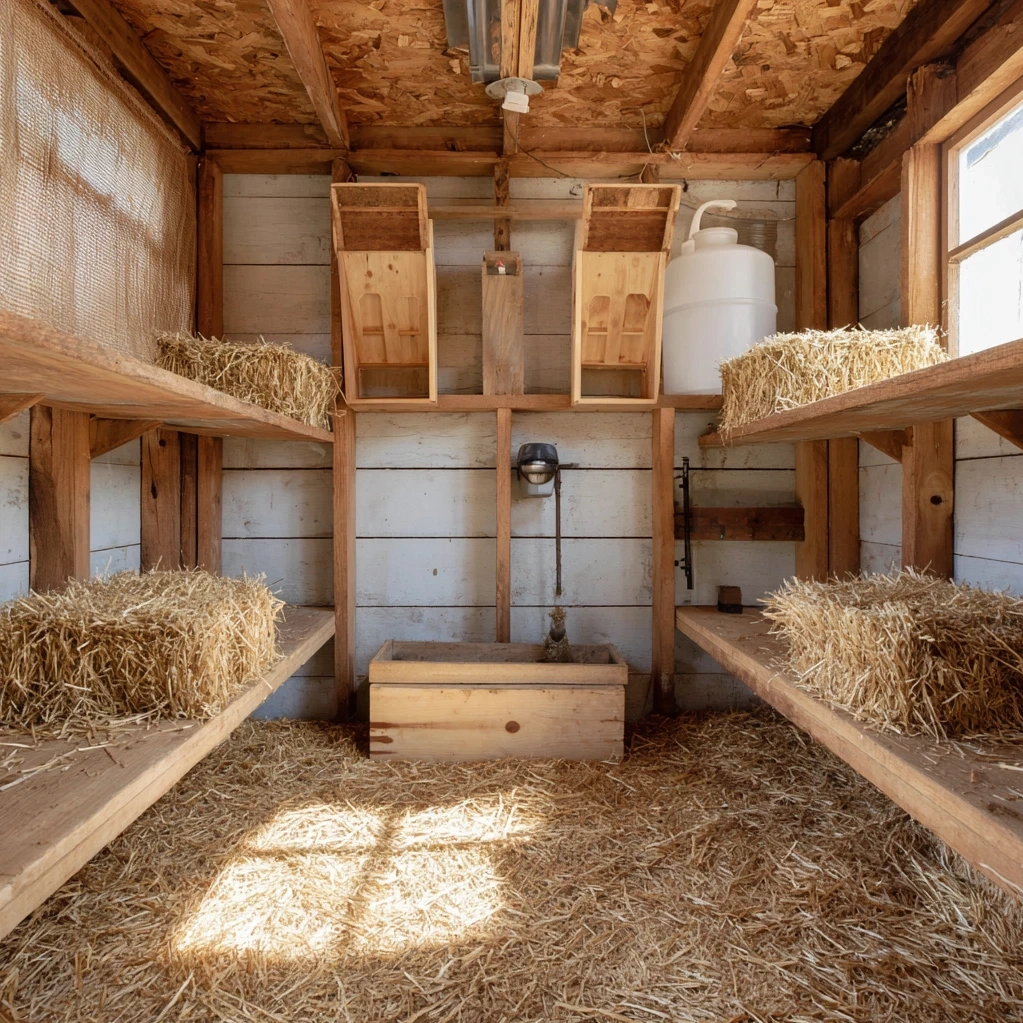
Roosting is one of the most fundamental behaviors for chickens, making proper roost design a cornerstone of effective chicken coop interior ideas. Chickens instinctively seek elevated perches to sleep, as this position makes them feel secure from ground-based predators and helps keep them clean and dry. When planning your roosting area, consider both the material and dimensions. Wooden 2×4 boards with rounded edges work exceptionally well—they provide a flat, stable surface that chickens can grip comfortably with their feet. Avoid metal or plastic poles, as these can become slippery and cold in winter. Position roosts at varying heights, with the highest perch approximately 18-24 inches from the floor, but ensure there's enough clearance (at least 12-18 inches) from walls and ceilings so chickens can easily hop up and down without injury. Space roosts about 12 inches apart horizontally to prevent crowding and allow each bird enough personal space. For larger flocks, consider installing multiple roosting bars in a ladder-like arrangement. Always place roosts above the nesting boxes to discourage chickens from sleeping in them, which keeps eggs cleaner and reduces the risk of breakage. The area beneath the roosts should be easy to clean, as chickens naturally defecate while sleeping—many keepers install a droppings board or tray that can be scraped clean daily. Proper ventilation above the roosting area is also crucial to prevent moisture buildup and respiratory issues. These thoughtful touches in your chicken coop interior ideas ensure your flock gets the restful sleep they need for optimal health and egg production.
Creative Chicken Coop Interior Ideas for Nesting Box Success
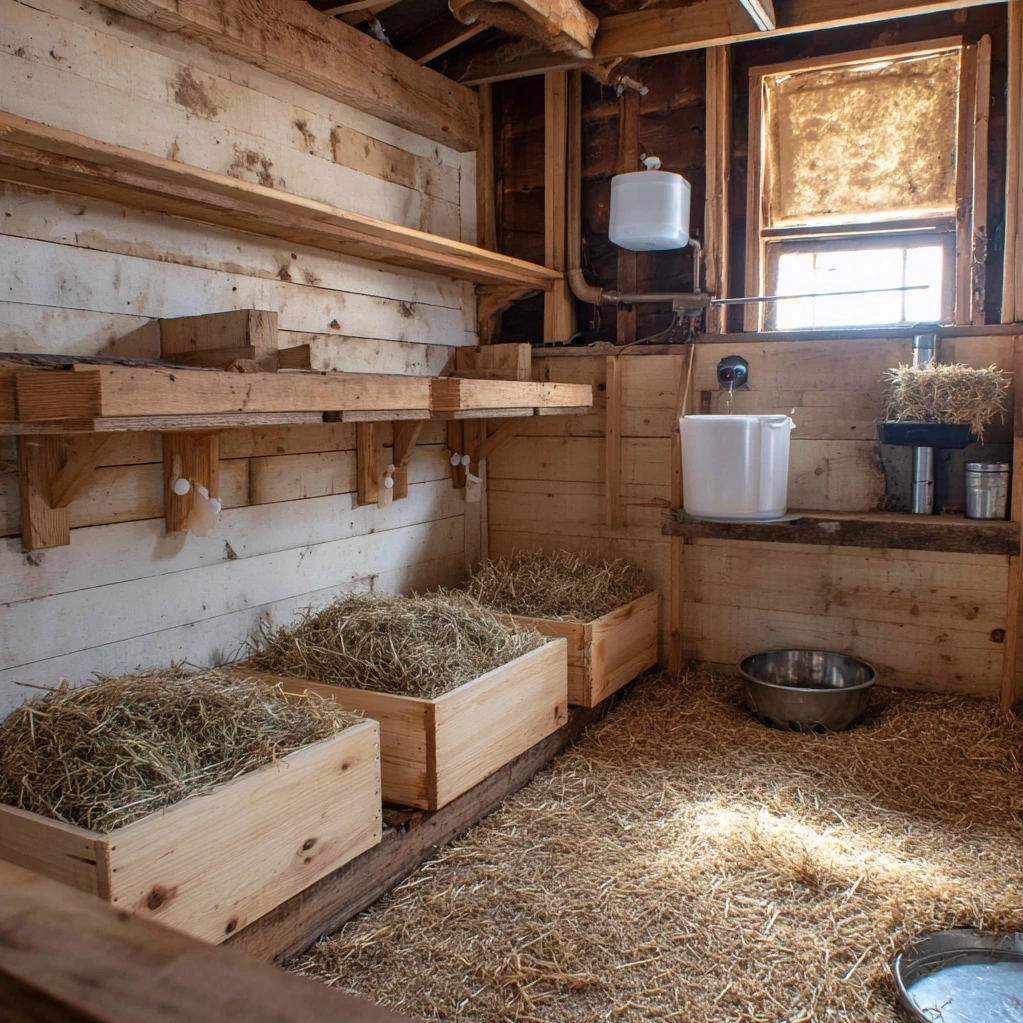
Nesting boxes are where the magic happens—where your hens lay their precious eggs. Implementing smart chicken coop interior ideas for this area can dramatically improve egg quality and collection efficiency. Each nesting box should be dark, private, and comfortable to encourage natural laying behaviors. Standard dimensions of about 12x12x12 inches work well for most breeds, though larger birds may need slightly bigger spaces. Line boxes with soft, absorbent bedding like straw, wood shavings, or specialized nesting pads that can be easily replaced when soiled. Position boxes at least 18 inches off the ground, but not higher than your hens can comfortably access—some keepers add a small perch or ramp leading to the boxes. For optimal results in your chicken coop interior ideas, provide one nesting box for every 3-4 hens to prevent competition and egg-laying in undesirable locations. Many creative solutions exist beyond basic wooden boxes: repurposed milk crates, plastic buckets mounted sideways, or even modified storage totes can work beautifully when properly secured and bedded. Consider installing a sloped roof or cover above the boxes to prevent chickens from roosting on top and soiling them. Some advanced chicken coop interior ideas include roll-away nesting boxes with slanted floors that gently guide eggs into a protected collection area, keeping them cleaner and safer from being pecked or broken. Proper placement matters too—nesting boxes should be in the quietest, most secluded part of the coop, away from high-traffic areas and roosting spots. Adding curtains made from burlap or other breathable fabric can provide extra privacy that many hens appreciate. Regularly cleaning and refreshing bedding prevents mites and keeps eggs spotless. These nesting-focused chicken coop interior ideas create an inviting space that supports your hens' natural instincts while making egg collection a breeze for you.
Practical Chicken Coop Interior Ideas for Feeding and Watering Systems
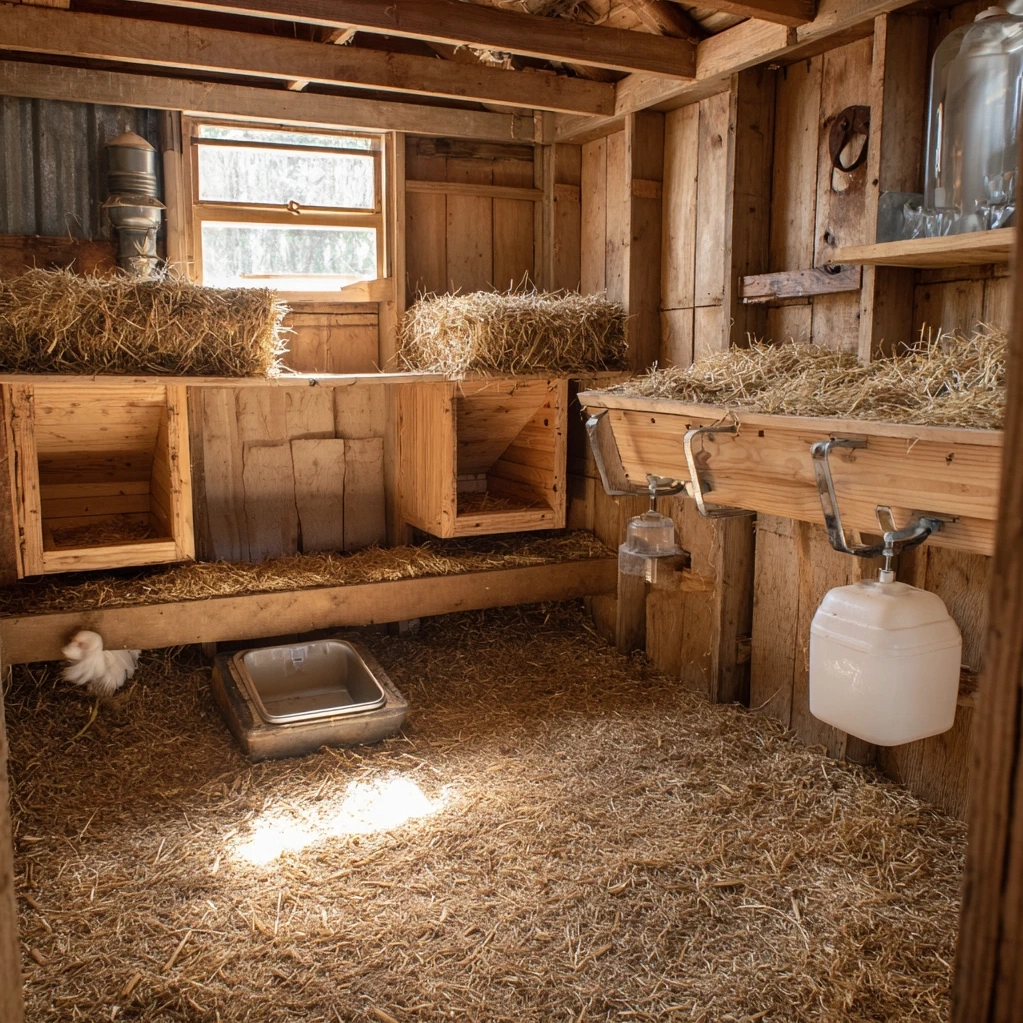
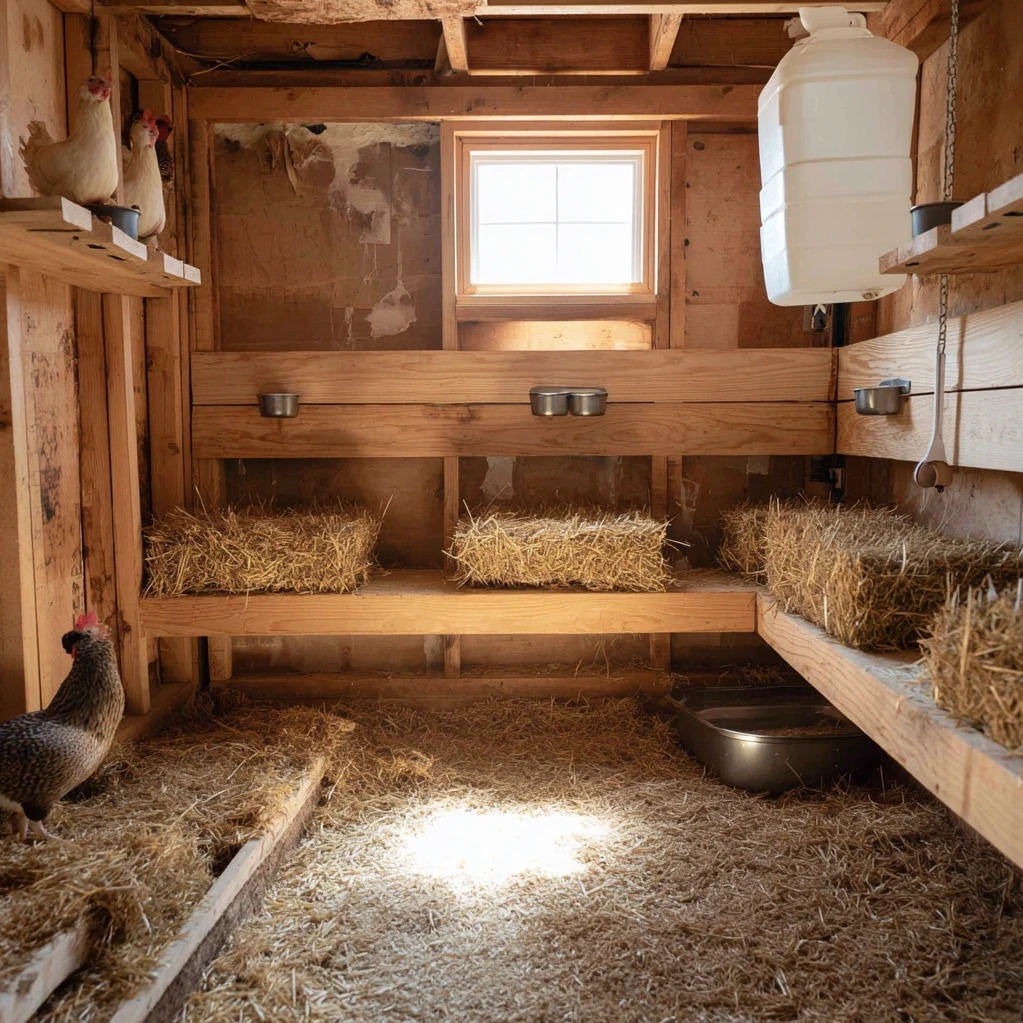
Feeding and watering stations might seem straightforward, but innovative chicken coop interior ideas in this area can prevent waste, reduce mess, and ensure all birds get adequate nutrition. Traditional ground-level feeders and waterers often become contaminated with bedding and droppings, requiring frequent cleaning and leading to spoiled feed. Elevated systems solve many of these problems while fitting seamlessly into well-planned chicken coop interior ideas. Hang feeders and waterers at breast height for your chickens—high enough to keep contents clean but low enough for easy access. Automatic poultry waterers with nipples or cups are excellent chicken coop interior ideas that provide fresh water while minimizing spillage and contamination. These systems can be connected to larger water containers or even directly to a water line with proper backflow prevention. For feeding, consider treadle feeders that open only when chickens step on a platform, protecting feed from rodents and wild birds. Gravity-fed tube feeders are another smart option among chicken coop interior ideas—they hold several days' worth of feed while keeping it clean and dry. Position feeding and watering stations away from roosting areas to prevent nighttime contamination, and ensure multiple access points for larger flocks to prevent bullying at the food source. In winter, heated water bases prevent freezing—a crucial consideration in cold climates. Some creative chicken coop interior ideas incorporate feeding stations into removable panels or doors for easy refilling from outside the coop, saving you from entering the space daily. Always provide enough space around these stations so chickens can eat and drink comfortably without crowding. Proper placement within your overall chicken coop interior ideas also helps with cleaning: position them over easily cleaned surfaces or install trays beneath to catch spills. These practical approaches to feeding and watering not only maintain hygiene but also promote peaceful flock dynamics and consistent nutrition intake.
Conclusion
Transforming your chicken coop's interior with thoughtful design elements creates a sanctuary where your flock can thrive. By implementing these chicken coop interior ideas—from properly designed roosts and nesting boxes to efficient feeding systems—you're not just building shelter but creating an environment that supports natural behaviors, promotes health, and maximizes productivity. Remember that every element should serve both your chickens' needs and your maintenance convenience. Start with the fundamentals: ensure adequate space, ventilation, and protection from predators before adding creative touches. As you refine your chicken coop interior ideas, observe your flock's behavior—they'll show you what works through their comfort levels and egg production. The future of backyard poultry keeping increasingly embraces smart design that balances aesthetics with functionality. Consider incorporating sustainable materials, automated systems for busy keepers, or modular elements that can adapt as your flock changes. Whether you're starting with a basic structure or upgrading an existing coop, small improvements can make significant differences. Your investment in quality chicken coop interior ideas pays dividends in healthier birds, cleaner eggs, and the simple joy of watching your flock flourish in a space crafted with care. Take inspiration from these concepts, adapt them to your specific situation, and create a coop interior that both you and your chickens will love for years to come.
Frequently Asked Questions
Q: How much space do I need per chicken inside the coop?
The general recommendation is 3-4 square feet of interior coop space per standard-sized chicken, though this varies by breed. Larger breeds like Orpingtons or Brahmas may need 4-5 square feet each, while bantams can manage with 2-3 square feet. Adequate space prevents stress, reduces aggressive behaviors like pecking, and maintains good air quality. Remember that this is just the indoor space—your chickens also need ample outdoor run area (minimum 8-10 square feet per bird) for exercise and foraging. Always err on the side of more space, especially if your flock can't free-range daily.
Q: What type of bedding works best for chicken coop interiors?
Several bedding options work well in chicken coops, each with advantages. Pine shavings are popular—they're absorbent, affordable, and help control odors. Straw is another common choice, providing good insulation in winter. Sand is gaining popularity for its excellent drainage and easy cleaning (you can sift it like a cat litter box), though it offers less insulation. Avoid cedar shavings, as the aromatic oils can irritate chickens' respiratory systems. Whatever bedding you choose, maintain a depth of 2-4 inches and replace or refresh it regularly. The deep litter method, where you add fresh bedding on top of existing layers, can create beneficial compost over time while providing natural warmth in winter.
Q: How important is ventilation in chicken coop interior design?
Proper ventilation is absolutely critical—often considered more important than insulation in chicken coop interior ideas. Chickens produce significant moisture through breathing and droppings, and ammonia from their waste can cause serious respiratory problems if not adequately vented. Good ventilation removes damp air while maintaining a draft-free environment for the birds. Install vents or windows near the ceiling (never at bird level where drafts can chill them) that can be adjusted seasonally. The ideal chicken coop interior provides a complete air change every 4-5 minutes without creating direct wind on the roosts. In cold climates, use adjustable vents that can be partially closed during extreme weather while still allowing some air exchange. Proper ventilation prevents frostbite in winter by reducing humidity and keeps chickens comfortable in summer heat.