
Guide to Sustainable Gardening and Landscaping Creating Harmony with Nature: 6 Essential Steps for a Thriving Eco-Haven


Imagine stepping into your backyard and feeling an immediate connection to the natural world. A gentle breeze carries the scent of blooming flowers, bees hum contentedly among native plants, and every element works in perfect balance. This isn’t just a dream garden—it’s the result of sustainable gardening and landscaping that creates harmony with nature. In today’s world, where environmental concerns are increasingly pressing, transforming outdoor spaces into eco-friendly havens has become more than a hobby; it’s a meaningful contribution to planetary health.
Sustainable gardening moves beyond aesthetics to embrace practices that support local ecosystems, conserve resources, and reduce environmental impact. It's about working with nature rather than against it, recognizing that our gardens are interconnected with larger ecological systems. This guide to sustainable gardening and landscaping creating harmony with nature will show you how to cultivate spaces that are not only beautiful but also regenerative.
Many people hesitate to adopt sustainable practices, fearing they're too complex or require sacrificing visual appeal. The truth is quite the opposite. Sustainable gardens often become more vibrant and resilient over time, requiring less maintenance while supporting biodiversity. Whether you have a sprawling yard or a modest balcony, you can implement principles that benefit both your immediate environment and the broader natural world. By following this approach, you'll create a sanctuary that nourishes you while giving back to the earth.
Essential Principles for Sustainable Gardening and Landscaping Creating Harmony with Nature
Understanding core principles is the first step toward transforming any outdoor space into an eco-friendly sanctuary. Sustainable gardening and landscaping creating harmony with nature begins with recognizing that gardens are living ecosystems, not static displays. The most fundamental principle is working with local conditions rather than fighting against them. This means observing sunlight patterns, soil types, and microclimates in your specific location before making any planting decisions.
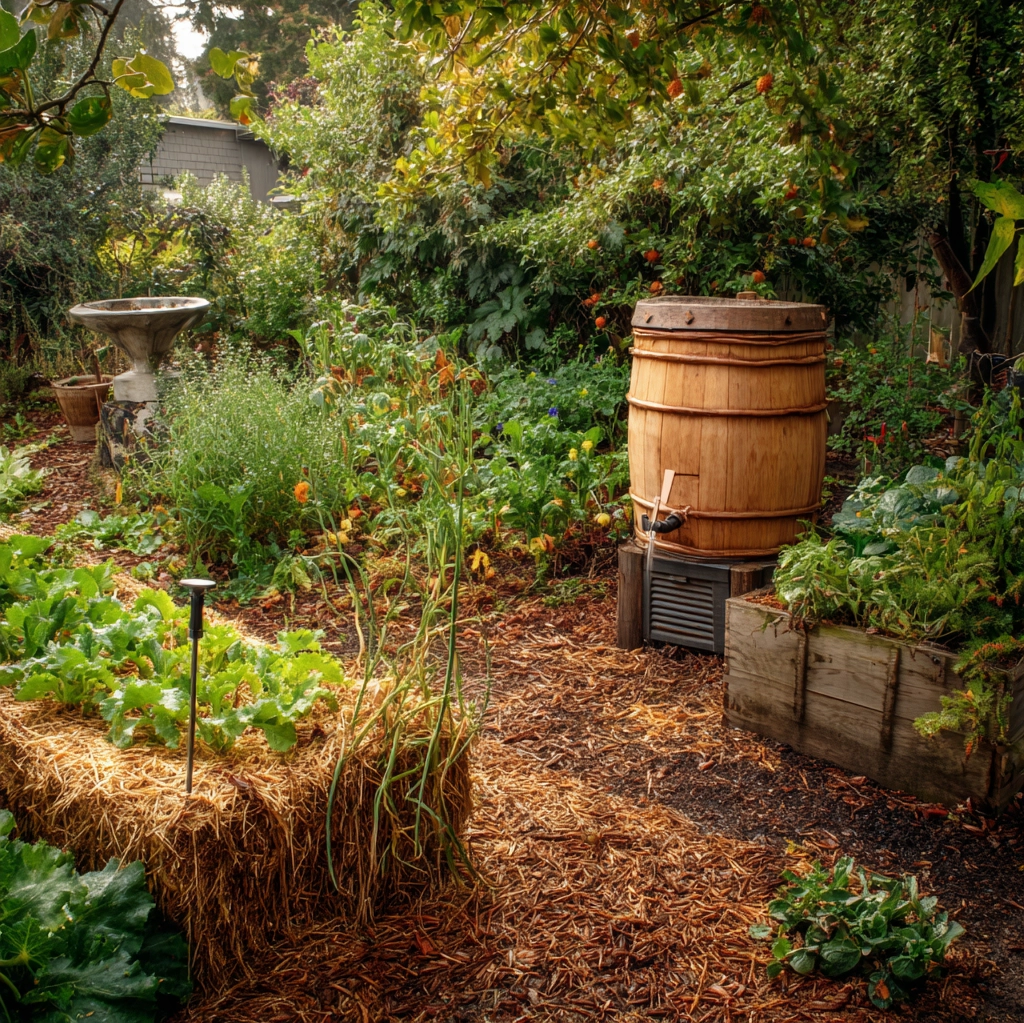
Water conservation represents another critical principle. In sustainable gardens, every drop counts. Implementing rainwater harvesting systems, choosing drought-tolerant native plants, and using efficient irrigation methods can reduce water usage by up to 50 percent. Mulching plays a dual role here—it retains soil moisture while suppressing weeds naturally. Smart water management not only saves this precious resource but also creates more resilient gardens that can withstand dry periods.
Soil health forms the foundation of any successful sustainable garden. Instead of relying on chemical fertilizers that can harm beneficial organisms, focus on building rich, living soil through composting, cover cropping, and minimal disturbance. Healthy soil supports robust plant growth while sequestering carbon from the atmosphere. This principle extends to pest management too—encouraging natural predators like ladybugs and birds creates balanced ecosystems where problems often resolve themselves.
Finally, sustainable gardening embraces biodiversity as a strength rather than a complication. Monoculture lawns require constant inputs and provide little ecological value. By incorporating diverse plant species, you create habitats for pollinators, birds, and beneficial insects. This diversity makes gardens more resilient to pests and diseases while supporting local wildlife populations. These principles work together to create gardens that are not only beautiful but actively contribute to environmental health.
Practical Implementation of Sustainable Gardening and Landscaping Creating Harmony with Nature
Turning principles into practice might seem daunting, but sustainable gardening and landscaping creating harmony with nature becomes manageable when broken into actionable steps. Start by conducting a thorough site assessment. Observe how sunlight moves across your space throughout the day, identify areas with different moisture levels, and test your soil's pH and composition. This knowledge helps you select plants perfectly suited to your specific conditions, reducing maintenance needs from the start.
Plant selection represents one of the most impactful decisions in sustainable gardening. Choose native plants whenever possible, as they've evolved to thrive in your local climate without excessive watering or chemical inputs. Native plants also provide ideal food and habitat for local wildlife. Incorporate a mix of trees, shrubs, perennials, and groundcovers to create layered planting schemes that maximize space while mimicking natural ecosystems. Don't forget edible plants—integrating vegetables, herbs, and fruit trees makes your garden both beautiful and productive.
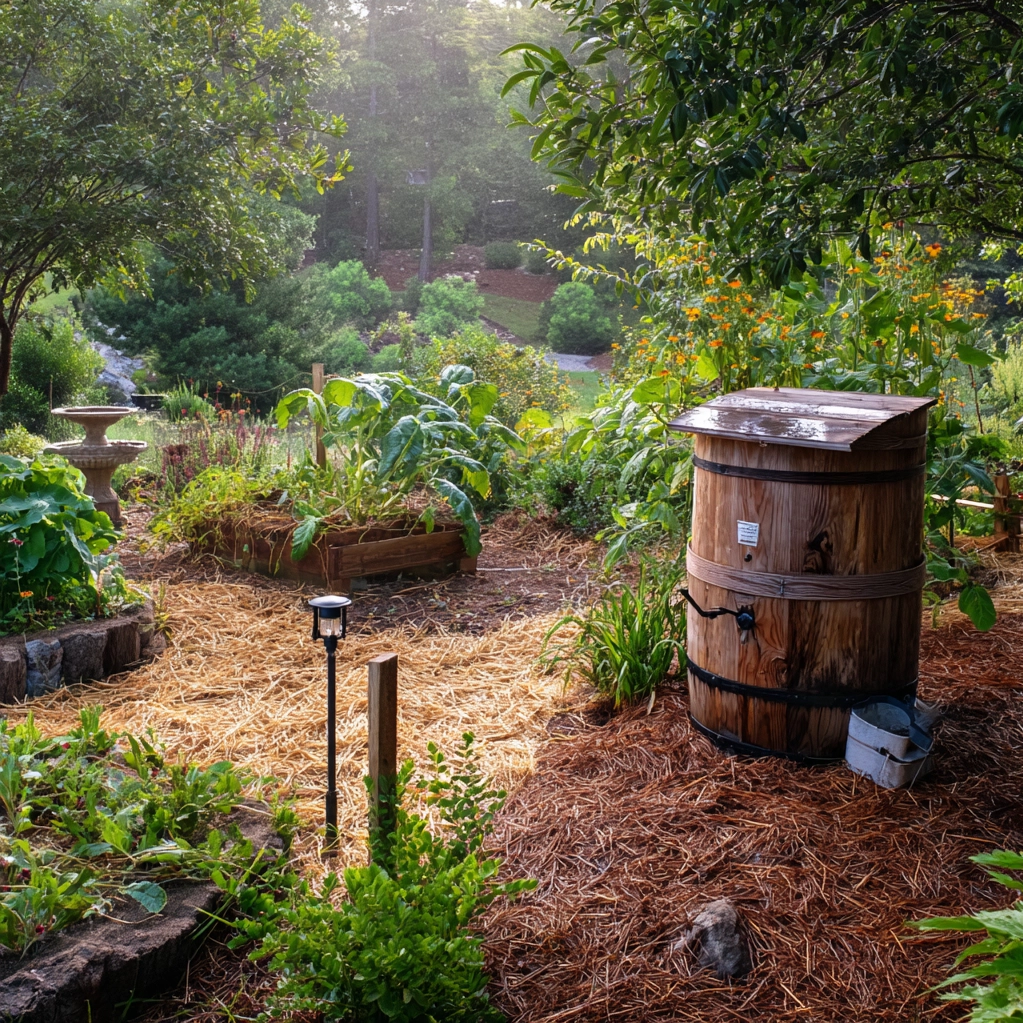
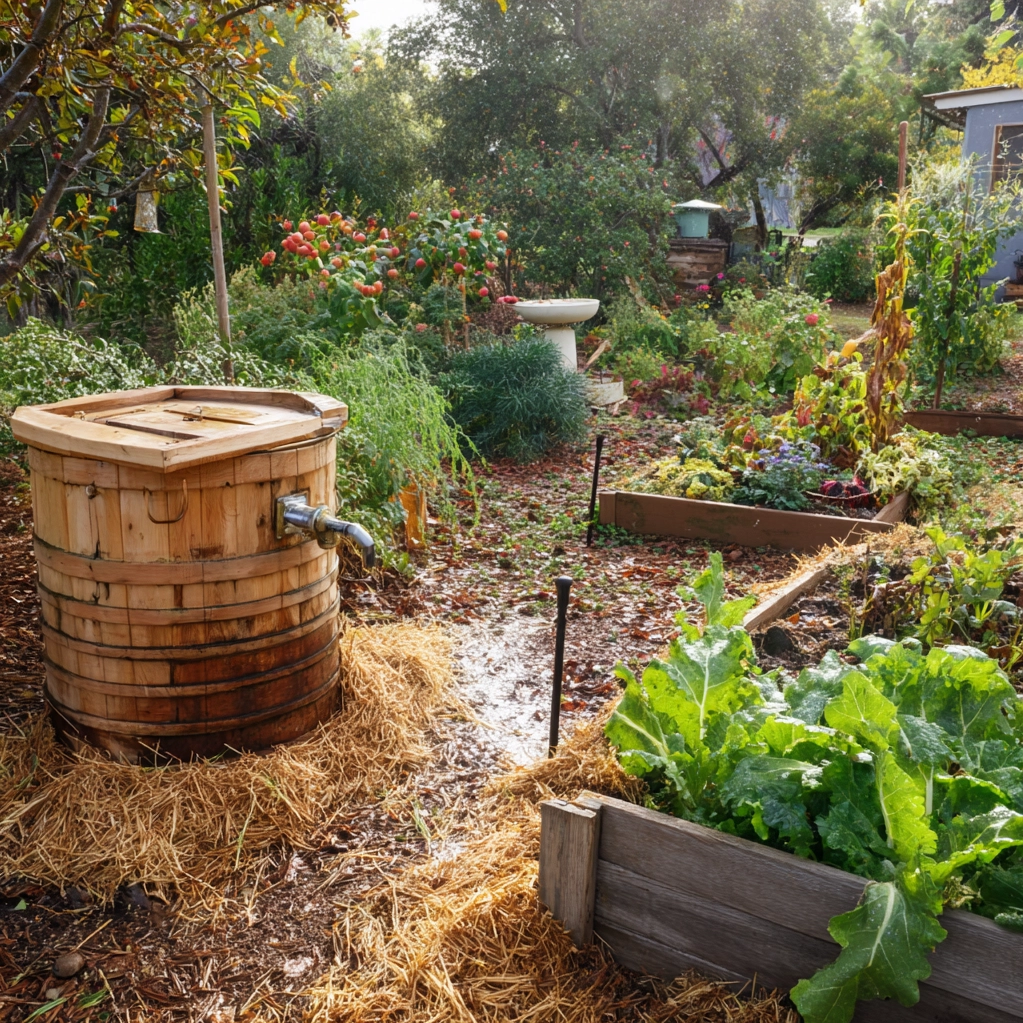
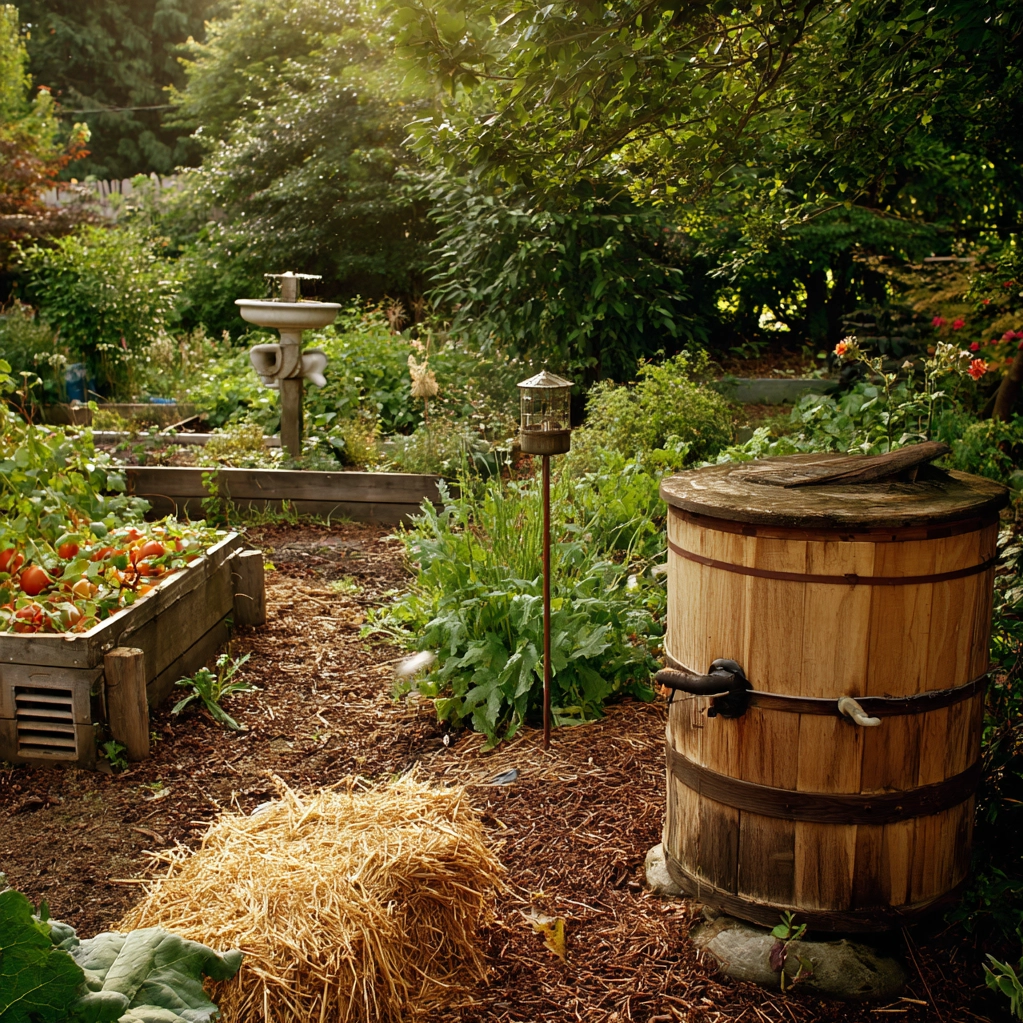
Water management implementation goes beyond choosing drought-tolerant plants. Install rain barrels to capture runoff from roofs, creating a free water source for dry periods. Consider permeable paving materials that allow rainwater to soak into the ground rather than running off into storm drains. Group plants with similar water needs together in "hydrozones" to make irrigation more efficient. For larger spaces, swales and berms can help capture and direct water naturally across the landscape.
Sustainable maintenance practices complete the implementation picture. Adopt organic fertilization methods using compost and natural amendments. Practice integrated pest management by encouraging beneficial insects and using physical barriers rather than chemical sprays. Leave some areas of your garden "wild" with fallen leaves and plant debris to provide shelter for overwintering insects and other small creatures. These practical steps transform theoretical principles into living, breathing gardens that thrive with minimal intervention.
Advanced Techniques for Sustainable Gardening and Landscaping Creating Harmony with Nature
Once you've mastered the basics, several advanced techniques can elevate your sustainable gardening and landscaping creating harmony with nature to new levels. Permaculture design offers a comprehensive approach that mimics natural ecosystems to create self-sustaining gardens. Key permaculture techniques include creating food forests with multiple layers of edible plants, designing swales to capture and store water in the landscape, and implementing companion planting strategies where different species support each other's growth. These systems become more productive and resilient over time with decreasing maintenance requirements.
Soil regeneration techniques move beyond basic composting to actively rebuild depleted earth. Biochar incorporation can improve soil structure while sequestering carbon for centuries. Korean natural farming methods use fermented plant extracts to boost soil microbiology. No-till gardening preserves soil structure and prevents carbon release. Mycorrhizal fungi inoculants help plants access nutrients more efficiently. These advanced approaches transform soil from mere growing medium into a vibrant, living ecosystem that supports extraordinary plant health.
Wildlife habitat creation represents another advanced aspect of sustainable gardening. Beyond simply providing food sources, consider installing specific features like brush piles for shelter, shallow water dishes for drinking, and nesting boxes for birds and bats. Create "corridors" that allow small creatures to move safely between different garden areas. Leave seed heads on plants through winter to provide food for birds. These intentional habitat features turn gardens into vital refuges for local fauna, particularly in urban and suburban areas where natural spaces are disappearing.
Climate-adaptive gardening prepares your landscape for changing weather patterns. This might include planting more heat-tolerant varieties, creating shaded microclimates with strategic tree placement, or building raised beds in areas prone to flooding. Rain gardens in low spots capture stormwater while supporting moisture-loving plants. These forward-thinking techniques ensure your garden remains beautiful and functional regardless of what weather patterns emerge in coming years.
Conclusion
Sustainable gardening and landscaping creating harmony with nature represents far more than a collection of techniques—it's a philosophy that reconnects us with the natural world while addressing pressing environmental challenges. Throughout this guide, we've explored how principles like working with local conditions, conserving water, building healthy soil, and supporting biodiversity come together to create outdoor spaces that are both beautiful and regenerative. These gardens don't just take from the earth; they give back by sequestering carbon, supporting pollinators, conserving water, and creating habitats for countless species.
The journey toward sustainable gardening begins with small, manageable steps. Start by replacing a section of lawn with native plants, installing a rain barrel, or beginning a compost pile. Each action, no matter how modest, contributes to a larger positive impact. As you implement these practices, you'll likely discover unexpected benefits: reduced maintenance time, lower water bills, increased wildlife sightings, and a deeper sense of connection to your immediate environment.
Looking forward, sustainable gardening practices will become increasingly important as climate change alters growing conditions and biodiversity faces unprecedented threats. Gardens designed with ecological principles in mind serve as micro-sanctuaries that collectively form vital green corridors through our communities. They demonstrate that human spaces can coexist productively with natural systems. The most encouraging aspect is that everyone can participate, regardless of space limitations or experience level.
Your garden can become a living example of environmental stewardship—a place where beauty and sustainability exist in perfect balance. By embracing this guide to sustainable gardening and landscaping creating harmony with nature, you're not just creating a pleasant outdoor space; you're contributing to a healthier planet, one garden at a time. The seeds you plant today will blossom into a more sustainable tomorrow for both your family and the natural world we all share.
Frequently Asked Questions
Q: What are the most important first steps for someone new to sustainable gardening?
Begin by observing your space for a full season to understand sunlight patterns, soil drainage, and microclimates. Then start with three foundational practices: replace a section of lawn with native plants suited to your conditions, set up a compost system for kitchen and garden waste, and install at least one rain barrel to capture water. These relatively simple steps immediately reduce water usage, eliminate chemical inputs, and support local ecosystems while you learn more advanced techniques.
Q: Can I practice sustainable gardening in a small urban space or on a balcony?
Absolutely. Sustainable gardening adapts beautifully to confined spaces. Use container gardening with native plants and organic soil mixes. Implement vertical gardening techniques to maximize growing area. Choose compact, drought-tolerant varieties that thrive in containers. Capture water with small rain collection systems or reuse household greywater (where permitted). Even balcony gardens can support pollinators with flowering plants and provide habitat with strategically placed features. The principles remain the same—work with your specific conditions, conserve resources, and support biodiversity within your space's limitations.
Q: How does sustainable gardening actually help the environment compared to traditional gardening?
Sustainable gardening provides multiple environmental benefits that traditional approaches often lack. It reduces water consumption by 30-50 percent through efficient practices and appropriate plant choices. It eliminates synthetic chemicals that can contaminate groundwater and harm beneficial organisms. It supports local wildlife by providing food and habitat, crucial in areas where natural spaces are disappearing. Healthy soil in sustainable gardens sequesters atmospheric carbon, helping mitigate climate change. Perhaps most importantly, it creates interconnected mini-ecosystems that contribute to regional biodiversity rather than demanding constant inputs from outside the system.


