
Colonial Spoon Bread: 10 Essential Tips for the Perfect Comfort Food

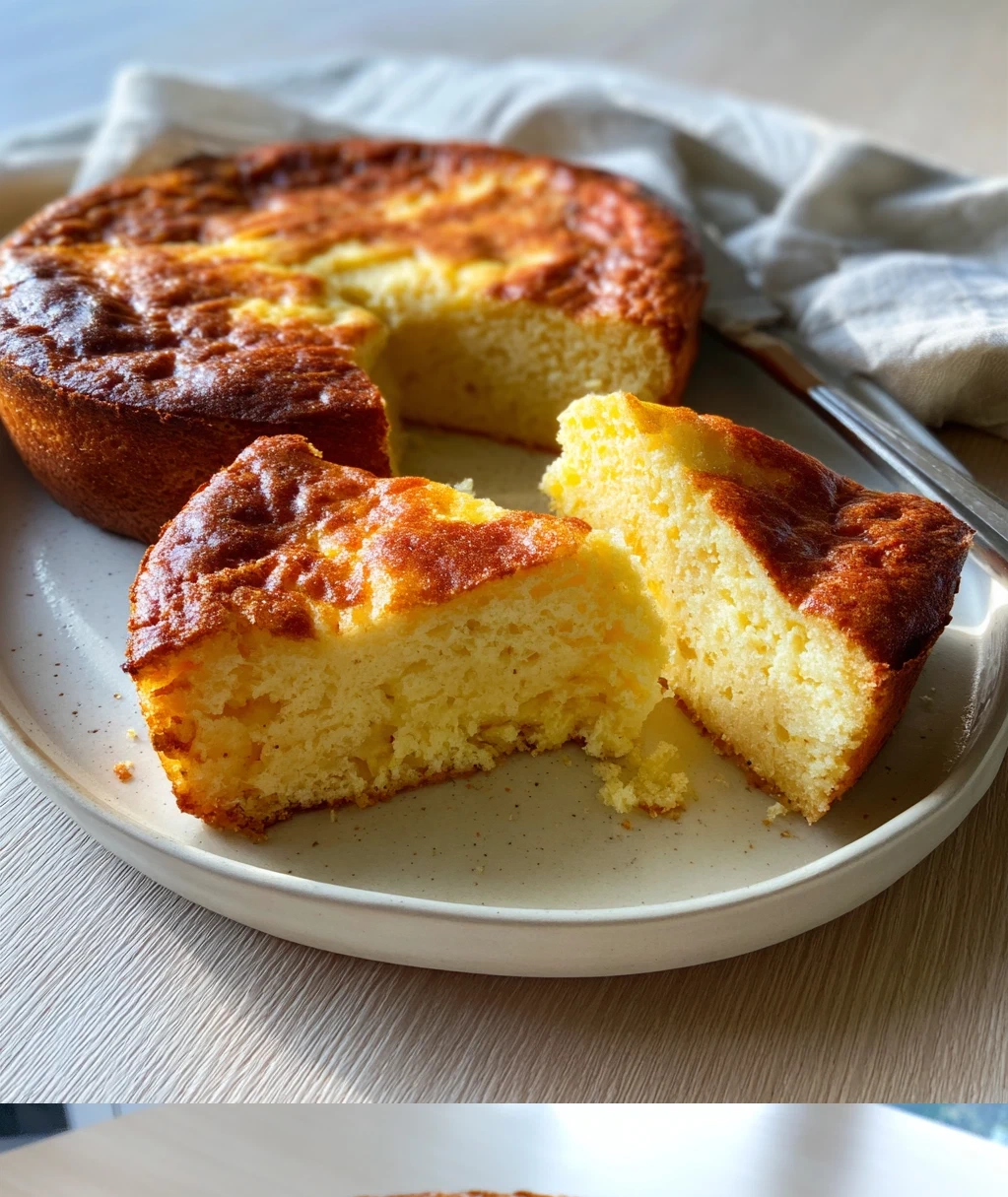
I have to tell you about my absolute favorite comfort food discovery from last winter. I was flipping through an old cookbook my grandmother gave me, the pages yellowed and stained with years of love, when I stumbled across a recipe for colonial spoon bread. Honestly, I’d never heard of it before, but the description sounded so cozy and warm—like a cross between cornbread and a savory pudding. I was immediately intrigued.
So I gave it a try one chilly Sunday afternoon, and let me tell you, my kitchen smelled like heaven. That warm, buttery corn aroma mixed with the richness of eggs and milk just filled the whole house. When I pulled it out of the oven, golden and puffed up, I couldn’t wait to dig in. The first bite was pure magic—creamy, comforting, and just a little bit sweet. It’s become my go-to side dish for family dinners and potlucks ever since.
What I love most about colonial spoon bread is how forgiving it is. Don’t worry if you’re not an experienced baker. This isn’t one of those fussy recipes that requires perfect measurements or special equipment. It’s the kind of dish that welcomes you into the kitchen and says, “Relax, we’ve got this.” Trust me, once you try it, you’ll understand why it’s been a beloved tradition for generations.
Why You'll Love This Colonial Spoon Bread Recipe
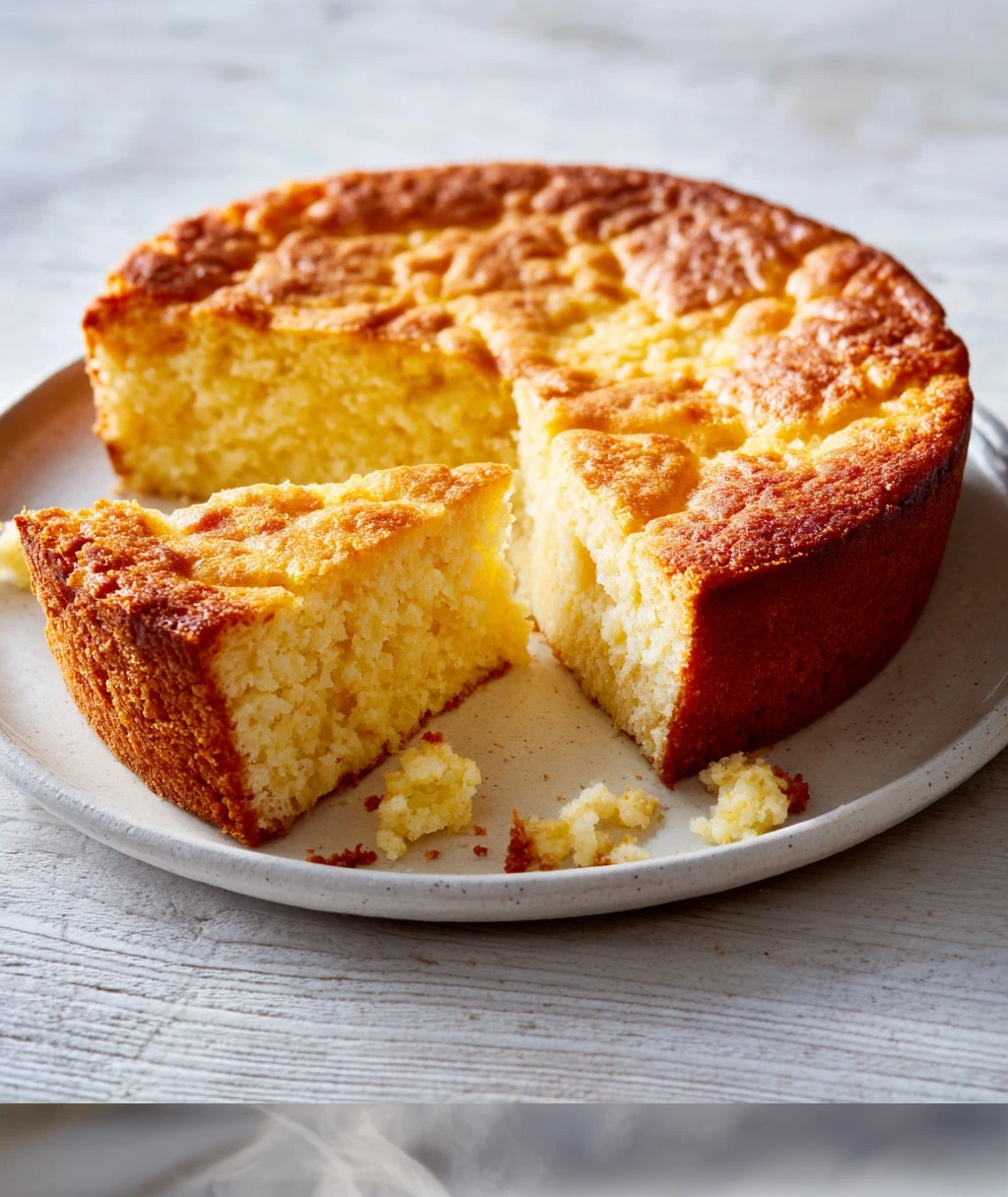
Let me start by saying this isn’t just another cornbread recipe. Colonial spoon bread has its own special charm that makes it stand out. Here’s what makes it so wonderful:
- Incredibly versatile: You can serve it as a side dish with roasted chicken, alongside chili, or even for breakfast with a drizzle of maple syrup. It adapts to whatever you’re making.
- Comfort in every bite: The texture is what really gets me. It’s creamy and soft like a pudding but with the cornmeal giving it just enough substance. It melts in your mouth in the best possible way.
- Easy to make: Seriously, if you can whisk ingredients together, you can make this. No special skills needed. It comes together in about 10 minutes of prep time.
- Crowd-pleaser: I’ve served this to friends who claim they don’t like cornbread, and they always ask for seconds. There’s something about the creamy texture that wins everyone over.
- Perfect for leftovers: It reheats beautifully the next day. Just pop a slice in the toaster oven or microwave, and it’s almost as good as fresh.
My favorite part is watching it puff up in the oven. There’s something so satisfying about seeing that golden top rise and knowing you created something delicious from simple ingredients. The aroma alone is worth making it—warm, buttery, and just a little sweet.
Essential Ingredients for Authentic Colonial Spoon Bread
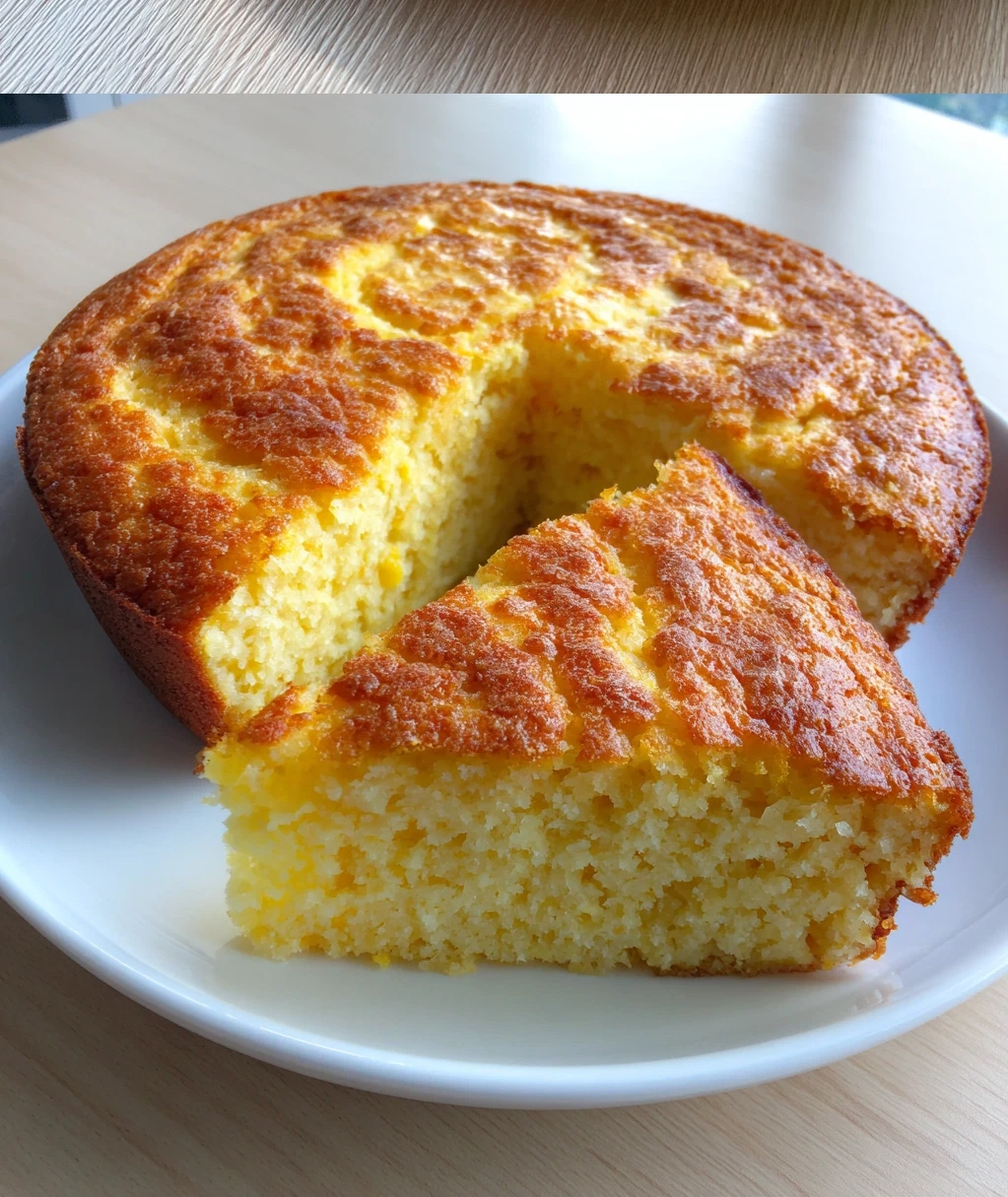
One of the best things about this recipe is how simple the ingredient list is. You probably have most of these in your pantry right now. Here’s what you’ll need:
- 1 cup yellow cornmeal: I prefer medium grind for the perfect texture, but fine works too. Don’t use polenta—it’s too coarse.
- 2 cups whole milk: The richness really makes a difference. You can use 2% in a pinch, but whole milk gives it that traditional creamy quality.
- 3 large eggs: Room temperature works best. If you forget to take them out ahead of time, just place them in warm water for 5 minutes.
- 1/4 cup unsalted butter: Plus a little extra for greasing the baking dish. Salted butter works too—just reduce the added salt slightly.
- 1 tablespoon granulated sugar: Just enough to balance the cornmeal without making it sweet.
- 1 teaspoon baking powder: This gives it that lovely rise.
- 1/2 teaspoon salt: Trust me, you need this to bring out all the flavors.
- Optional additions: Sometimes I’ll add a handful of shredded cheddar cheese or some chopped green onions for extra flavor. Both are delicious!
A quick safety note: Always check your eggs before using them. Give them a quick sniff—if anything smells off, toss them. And remember to wash your hands after handling raw eggs. It’s a simple step that keeps everyone safe.
How to Make Colonial Spoon Bread: Step-by-Step Instructions
Ready to get started? Let’s walk through this together. I promise it’s easier than it looks.
- Preheat and prepare: Start by preheating your oven to 375°F (190°C). While it’s warming up, generously butter an 8-inch square baking dish or a 9-inch round dish. You want to make sure every corner gets coated so your spoon bread doesn’t stick.
- Heat the milk mixture: In a medium saucepan, combine the cornmeal, milk, butter, sugar, and salt. Cook this over medium heat, stirring constantly with a whisk. You’ll notice it starting to thicken after about 5 minutes. Once it looks like a thick porridge, remove it from the heat and let it cool for 10 minutes. This is important—if it’s too hot, it’ll cook the eggs when you add them.
- Whisk the eggs: In a separate bowl, whisk the eggs until they’re light and frothy. This adds air to the mixture, helping your colonial spoon bread rise beautifully.
- Combine everything: Slowly pour the warm cornmeal mixture into the eggs while whisking constantly. You want to temper the eggs so they don’t scramble. Once combined, whisk in the baking powder until just incorporated.
- Bake to perfection: Pour the batter into your prepared baking dish. Bake for 35-40 minutes, or until the top is golden brown and a toothpick inserted in the center comes out clean. Don’t open the oven door during the first 25 minutes—that initial heat is crucial for the rise.
- Rest and serve: Let it cool for about 10 minutes before serving. It will deflate slightly as it cools, but that’s normal. Serve it warm with a spoon—hence the name!
My biggest tip? Don’t overmix once you add the baking powder. Just a few gentle strokes to combine everything. Overmixing can make it tough instead of light and creamy.
Creative Variations on Traditional Colonial Spoon Bread
Once you’ve mastered the basic recipe, it’s fun to play around with different flavors. Here are some of my favorite twists:
- Savory herb version: Add 1 tablespoon of fresh chopped rosemary or thyme to the batter. The earthy herbs pair beautifully with the cornmeal. I especially love this with roasted chicken.
- Cheesy delight: Stir in 1/2 cup of shredded sharp cheddar or gruyère cheese. The cheese melts into the batter, creating little pockets of gooey goodness throughout.
- Southwestern style: Add 1/4 cup of chopped green chilies and 1/2 teaspoon of cumin. This gives it a nice kick that’s perfect with chili or tacos.
- Sweet breakfast version: Increase the sugar to 1/4 cup and add 1/2 cup of fresh blueberries or raspberries. Serve it warm with a drizzle of maple syrup for a special weekend breakfast.
- Bacon lovers: Cook 4 slices of bacon until crisp, crumble them, and fold into the batter. The smoky flavor takes this colonial spoon bread to another level.
Remember, the beauty of this dish is its flexibility. Don’t be afraid to experiment with what you have on hand. Last week I added some leftover roasted corn kernels, and it was delicious. The key is to keep the basic proportions the same—especially the liquid to cornmeal ratio—so the texture stays perfect.
Serving Suggestions and Storage Tips
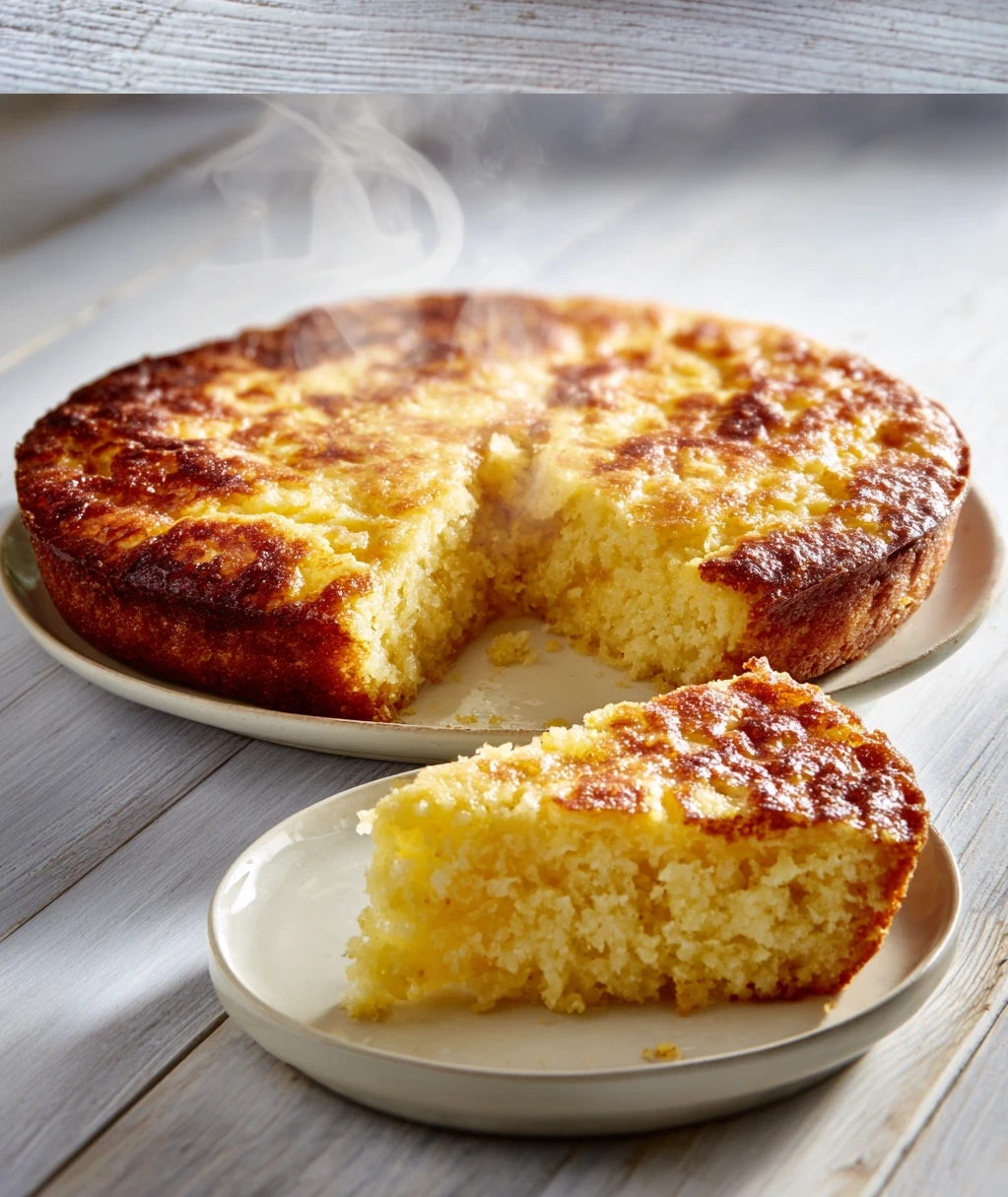
Now for the best part—enjoying your creation! Here’s how I like to serve and store colonial spoon bread.
Serving Ideas
This dish is incredibly versatile. For a cozy family dinner, I love serving it alongside roasted chicken or turkey with plenty of gravy. The creamy texture soaks up the juices perfectly. It’s also amazing with chili—the contrast between the spicy chili and the mild, creamy spoon bread is just right. In the fall, I’ll pair it with a hearty beef stew. And don’t forget breakfast! A slice warmed up with butter and a drizzle of honey makes the perfect start to a lazy Sunday.
Storage Instructions
If you have leftovers (which doesn’t happen often in my house), here’s how to keep them fresh:
- Room temperature: Cover the baking dish with foil or transfer to an airtight container. It’ll keep on the counter for up to 2 days.
- Refrigerator: For longer storage, refrigerate in an airtight container for up to 5 days.
- Freezing: Yes, you can freeze it! Cut it into portions, wrap each tightly in plastic wrap, then place in a freezer bag. It’ll keep for up to 3 months. Thaw in the refrigerator overnight before reheating.
Reheating Tips
To bring back that fresh-from-the-oven texture, reheat individual portions in the microwave for 30-60 seconds. For larger pieces, use a toaster oven or regular oven at 350°F for 10-15 minutes. A quick spray of water before reheating helps keep it moist. Trust me, it’s almost as good as fresh!
Conclusion
I hope you give this colonial spoon bread recipe a try soon. It’s one of those dishes that feels like a warm hug—comforting, familiar, and just plain delicious. What started as a curious experiment with an old cookbook has become one of my most requested recipes. Friends ask for it at potlucks, family expects it at holiday dinners, and I find myself making it just because it makes the house smell like home.
The best part is how it brings people together. There’s something about sharing a dish that’s been loved for generations that creates a special connection. When you serve it, you’re not just offering food—you’re sharing a piece of culinary history that’s stood the test of time. And isn’t that what good cooking is all about?
Next time you’re looking for a side dish that’s a little different but incredibly satisfying, remember this colonial spoon bread. It might just become your new favorite tradition too. Grab your whisk, preheat that oven, and get ready to fall in love with one of the coziest dishes you’ll ever make.
Frequently Asked Questions
Q: What's the difference between cornbread and colonial spoon bread?
Great question! While both use cornmeal, colonial spoon bread has a much creamier, pudding-like texture because it contains more liquid (milk and eggs) and is baked in a water bath-like environment. Traditional cornbread is drier and more bread-like, while spoon bread is moist enough to eat with a spoon—hence the name!
Q: Can I make colonial spoon bread ahead of time?
Absolutely! You can prepare the batter up to 2 hours ahead and keep it covered in the refrigerator. Just give it a quick stir before pouring into your baking dish. You can also bake it completely, then reheat it before serving. It actually tastes even better the next day as the flavors have more time to meld together.
Q: What if my colonial spoon bread doesn't rise properly?
Don't worry—it happens to all of us sometimes! The most common reasons are old baking powder (check the expiration date) or opening the oven door too early in the baking process. Make sure your baking powder is fresh, and resist the urge to peek for at least the first 25 minutes. Even if it doesn't rise as much as you'd like, it will still taste delicious.
Q: Can I use different types of milk in this recipe?
Yes, but with some adjustments. Whole milk gives the richest result, but 2% works well too. For non-dairy options, unsweetened almond milk or oat milk can work, but the texture might be slightly different. I'd avoid skim milk as it lacks the fat needed for that creamy texture. If using a thinner milk, you might want to reduce it by 1-2 tablespoons.
Q: How do I know when my colonial spoon bread is done baking?
Look for three signs: the top should be golden brown, the edges should pull away slightly from the sides of the pan, and most importantly, a toothpick inserted in the center should come out clean or with just a few moist crumbs. If it comes out wet, give it another 5 minutes. Remember, it will continue to set as it cools, so don't overbake it.
PrintClassic Colonial Spoon Bread
- Total Time: 50
- Yield: 6 servings 1x
Description
A traditional Southern comfort food with a creamy, pudding-like texture, perfect as a side dish or light main course.
Ingredients
1 cup yellow cornmeal
2 cups milk
2 tablespoons butter
1 teaspoon salt
1 tablespoon sugar
3 large eggs, separated
1 teaspoon baking powder
Instructions
Step 1: Preheat oven to 375°F (190°C) and grease a 2-quart baking dish.
Step 2: In a medium saucepan, combine cornmeal, milk, butter, salt, and sugar. Cook over medium heat, stirring constantly, until thickened (about 5-7 minutes).
Step 3: Remove from heat and let cool slightly (about 5 minutes). Stir in egg yolks and baking powder until well combined.
Step 4: In a separate bowl, beat egg whites until stiff peaks form.
Step 5: Gently fold beaten egg whites into the cornmeal mixture until just combined.
Step 6: Pour batter into prepared baking dish and bake for 30-35 minutes, until golden brown and set.
Step 7: Serve immediately while warm, using a spoon to scoop portions.
- Prep Time: 15
- Cook Time: 35
- Category: Side Dish
Nutrition
- Calories: 220
- Fat: 9g
- Carbohydrates: 28g
- Protein: 7g
