
Dress Alteration Ideas: Transform Your Wardrobe with Simple Brilliance


Do you have dresses in your closet that you love but never wear because they don’t quite fit right? You’re not alone. Many people hold onto beautiful garments that are slightly too long, too loose, or just not flattering anymore. This is where dress alteration ideas can completely transform your wardrobe and your confidence. Altering dresses isn’t just about fixing problems—it’s about creating personalized fashion that fits your body perfectly and expresses your unique style.
Learning basic alteration techniques can save you money, reduce fashion waste, and give new life to pieces you already own. Instead of constantly buying new clothes that might not fit well either, you can customize what you have to create perfect silhouettes. Dress alteration ideas range from simple hem adjustments that anyone can learn to more complex restructuring that can change a dress's entire personality.
This practical skill empowers you to adapt your wardrobe as your body changes, update older pieces to feel current, and create one-of-a-kind garments that nobody else has. Whether you're working with a beloved vintage find, a bridesmaid dress you want to wear again, or just everyday pieces that need tweaking, these alteration ideas will help you approach your wardrobe with new creativity. The best part? You don't need to be a professional seamstress to achieve impressive results with some basic tools and techniques.

Simple Dress Alteration Ideas for Beginners
Starting with dress alteration ideas doesn't require advanced sewing skills. Many impactful changes use basic techniques that beginners can master quickly. The most common beginner-friendly alteration is adjusting hemlines. Whether you're shortening a maxi dress to a midi length or taking up a too-long cocktail dress, hem adjustments instantly update a garment's proportions. Use fabric chalk to mark your desired length, then carefully cut and hem using a simple straight stitch. For knit dresses, consider using a zigzag stitch or stretch stitch to maintain the fabric's flexibility.
Another excellent beginner alteration is taking in side seams. This simple adjustment can transform a boxy dress into a flattering fitted piece. Turn the dress inside out, try it on, and pinch the excess fabric along the side seams. Mark where you want the new seam line, then sew along that line from armpit to hem. Always try the dress on multiple times during this process to ensure you're creating the right fit. Remember to remove the original stitching after you've created your new seam.
Adding or removing sleeves offers another accessible dress alteration idea. Sleeveless dresses can gain new life with simple cap sleeves or flutter sleeves made from coordinating fabric. Conversely, removing sleeves from a dated dress can create a modern sleeveless or off-shoulder look. For sleeve alterations, start by carefully removing the existing sleeves if you're changing the style. When adding sleeves, cut fabric pieces that match the armhole shape and attach them with a straight stitch, finishing the edges with a zigzag or overlock stitch to prevent fraying.
Basic waist adjustments complete our beginner dress alteration ideas. Adding a belt or creating a waist tie from coordinating fabric can define your silhouette without any sewing. For a more permanent solution, you can create waist darts by pinching excess fabric at the front and back and sewing triangular tucks. These subtle changes make dresses more flattering and comfortable to wear. Always press your alterations with an iron to give them a professional finish that looks store-bought rather than homemade.

Creative Dress Alteration Ideas for Transformation
Once you've mastered basic techniques, creative dress alteration ideas can completely reinvent garments. One transformative approach involves changing necklines. A high neck can become a sweetheart or V-neck with careful cutting and finishing. For this alteration, mark your new neckline shape with fabric chalk while wearing the dress, then cut about half an inch outside that line to allow for finishing. Fold the raw edge under and stitch, or add bias tape for a clean finish. This simple change can update a dress from conservative to contemporary.
Combining multiple dresses creates unique dress alteration ideas that yield one-of-a-kind pieces. Take the top from one dress and attach it to the skirt of another to create a completely new garment. Look for dresses with similar waist measurements and fabric weights for the most successful combinations. This approach works particularly well with solid colors that coordinate or contrasting patterns that create intentional eclecticism. Always try the pieces together before cutting to visualize the final result.
Adding architectural elements offers sophisticated dress alteration ideas. Insert panels of contrasting fabric along seams, add peplums to straight dresses, or create cut-outs with mesh fabric inserts. For panel additions, measure and cut fabric strips that complement your dress, then carefully open side or center seams and insert the panels, finishing all edges neatly. These structural changes require more precision but create dramatic transformations that make dresses look designer-made.
Complete style changes represent the most ambitious dress alteration ideas. Convert a maxi dress into a two-piece set by cutting it at the waist and finishing both pieces separately. Transform a dress into a skirt by removing the top portion and adding a waistband. Change sleeve styles dramatically—from long to short, from fitted to bell, or from traditional to cold-shoulder designs. These alterations require planning and multiple fitting sessions but can salvage dresses you might otherwise discard. Always keep the original dress's fabric limitations in mind; some materials fray easily or don't drape well when restructured.
Practical Dress Alteration Ideas for Special Occasions
Special occasion dresses often benefit most from dress alteration ideas because they're typically worn fewer times and represent significant investments. Wedding dress alterations deserve particular attention since perfect fit enhances both comfort and appearance on your big day. Common wedding dress alteration ideas include bustling the train for the reception, adjusting the bodice for better support, and shortening the hem to your exact height in wedding shoes. Always work with a professional or allow extra time if altering your own wedding dress, as formal fabrics like lace, satin, and tulle require special handling techniques.
Bridesmaid dress alteration ideas help ensure these often-expensive dresses get worn again. The most effective approach involves transforming them into cocktail dresses or evening separates. Shorten floor-length bridesmaid dresses to knee-length or tea-length for versatility. Remove overly ornate elements like excessive beading or bulky sleeves that scream "bridesmaid." Consider dyeing the dress a different color if the fabric accepts dye well—this particularly works with chiffon and silk dresses. These alterations make bridesmaid dresses suitable for weddings as a guest, holiday parties, or formal dinners.
Vintage dress alteration ideas require special consideration for delicate fabrics and historical construction. When working with vintage pieces, preserve original details whenever possible while making necessary adjustments for modern wear. Common vintage alterations include replacing fragile zippers, reinforcing weakened seams, and updating silhouettes without losing the dress's character. For example, you might take in the sides of a 1950s dress while preserving its distinctive circle skirt shape. Always test alterations on a small, inconspicuous area first when dealing with delicate vintage fabrics.
Seasonal dress alteration ideas extend your wardrobe's versatility. Convert summer sundresses into fall layers by adding sleeves or pairing with turtlenecks underneath. Make winter dresses suitable for warmer weather by removing sleeves or lining. These practical adjustments mean you can wear favorite dresses year-round rather than packing them away seasonally. For seasonal transformations, consider reversible alterations—like sleeves that can be attached with snaps rather than permanent stitching—to maximize flexibility. These dress alteration ideas demonstrate how small changes can significantly expand your wardrobe options without constant shopping.
Conclusion
Dress alteration ideas offer more than just clothing fixes—they represent a sustainable, creative approach to fashion that honors both your budget and personal style. Throughout this article, we've explored techniques ranging from simple hem adjustments to complete garment transformations, each demonstrating how intentional changes can breathe new life into your wardrobe. The beauty of these alterations lies in their accessibility; with basic tools and patience, anyone can learn to customize clothing for better fit and renewed enjoyment.
Looking forward, the skills you develop through dress alteration ideas will continue serving you as fashion trends evolve and your personal style develops. Each alteration teaches you more about garment construction, fabric behavior, and what silhouettes work best for your body. This knowledge makes you a more informed shopper when you do purchase new items, as you'll better recognize what can be altered and what constitutes a good foundation garment. The confidence gained from successfully altering dresses often inspires people to tackle other sewing projects or approach their entire wardrobe with more intentionality.
We encourage you to start with one simple dress alteration idea from this article—perhaps adjusting a hem or taking in side seams on a dress you rarely wear. Practice on less precious garments first, and don't be discouraged by imperfect results; each project builds your skills. As you become more comfortable with alterations, you'll discover your own creative approaches and develop an eye for transformation possibilities in every garment you encounter. Ultimately, these dress alteration ideas empower you to create a wardrobe that truly fits—both your body and your life—through thoughtful customization rather than constant consumption.
Frequently Asked Questions
Q: What basic tools do I need to start with dress alteration ideas?
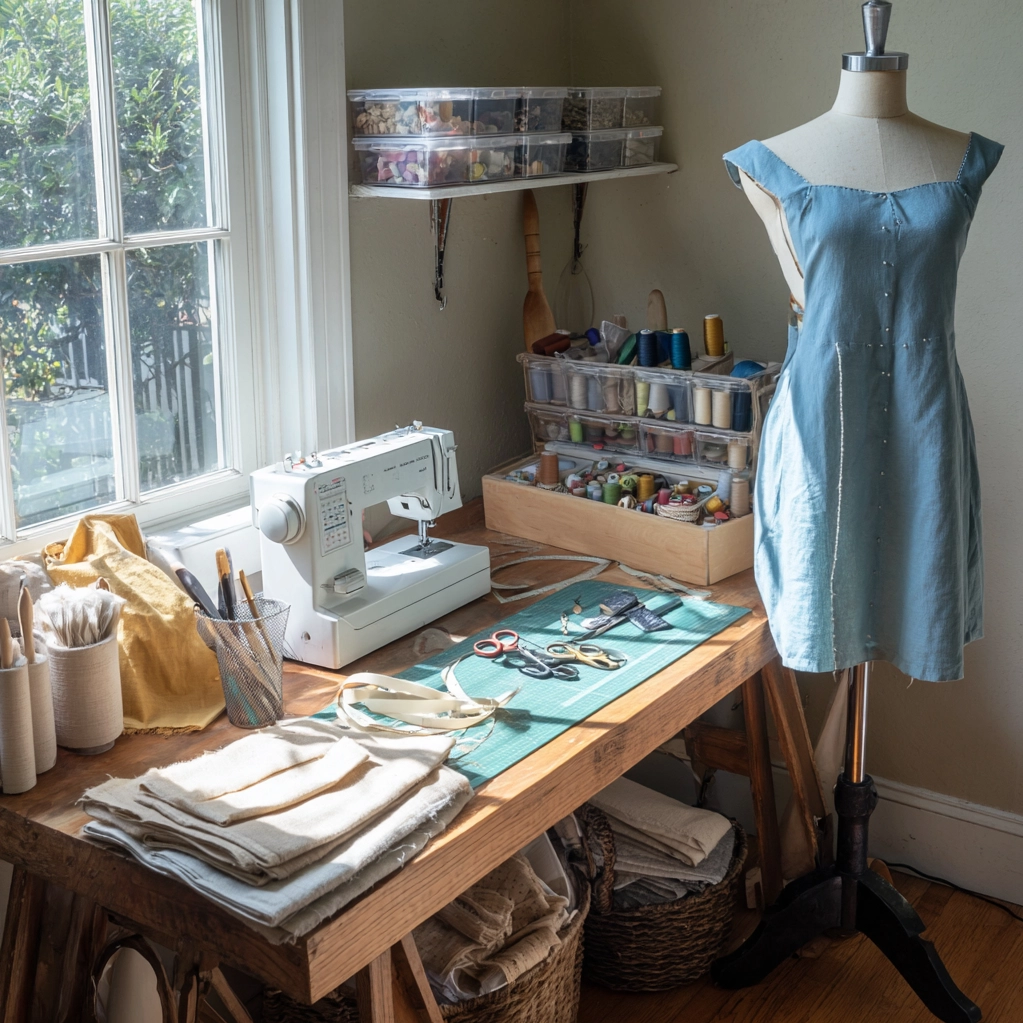
You can begin dress alterations with a minimal toolkit. Essential items include sharp fabric scissors, sewing pins, a seam ripper, measuring tape, fabric chalk or washable markers, and a sewing machine or quality hand-sewing needles with thread. A full-length mirror helps with fittings, and an iron with steam capability ensures professional-looking results. As you advance, you might add specialty items like a dress form, various presser feet for your sewing machine, and different needle types for various fabrics. Start with these basics—many successful alterations require nothing more.
Q: How can I practice dress alteration ideas without ruining favorite dresses?
Practice dress alteration ideas on garments you care less about first. Thrift store finds, old dresses destined for donation, or items from your own closet that you rarely wear make excellent practice material. Choose simple fabrics like cotton or stable knits rather than slippery silks or delicate lace when starting. Another approach involves creating "muslins"—basic practice versions using inexpensive fabric like old bedsheets to test alterations before cutting into your actual dress. Take photographs before and during alterations to document your process, and always try garments on frequently during alteration to catch mistakes early.
Q: What are the most common mistakes to avoid with dress alteration ideas?
Common mistakes in dress alterations include cutting before measuring multiple times, neglecting to account for seam allowance, and altering dresses while they're inside out. Always measure carefully while wearing the dress with appropriate undergarments and shoes. Never cut fabric without leaving extra for finishing edges or making adjustments. Another frequent error involves making symmetrical alterations without checking both sides—what works on your right side might not work on your left. Avoid using poor-quality thread that breaks easily, and don't skip pressing seams open with an iron, as this creates professional-looking results. Finally, work slowly and patiently; rushing alterations often leads to errors that are difficult to fix.