Embroidery Ideas: Incredible Creative Projects to Transform Your Home Decor


Embroidery ideas are not just about stitching patterns onto fabric—they’re a gateway to personal expression, creativity, and transforming ordinary items into cherished heirlooms. In today’s fast-paced world, the art of embroidery offers a mindful escape, allowing you to slow down and create something beautiful with your own hands. Whether you’re a seasoned stitcher or a complete beginner, exploring embroidery ideas can breathe new life into your home decor, wardrobe, and gifts for loved ones. The beauty of embroidery lies in its versatility; from delicate floral motifs on pillowcases to bold geometric designs on wall hangings, the possibilities are truly endless. This timeless craft connects us to traditions while encouraging modern innovation. As we dive into various embroidery ideas, you’ll discover how simple threads can tell stories, capture memories, and add unique character to your living spaces. Each stitch becomes a meditation, each project a testament to patience and creativity. Many people find that embroidery not only beautifies their surroundings but also reduces stress and provides a satisfying sense of accomplishment. The tactile nature of working with fabric and thread engages multiple senses in ways digital hobbies cannot match. Ready to transform your home with handcrafted beauty? Let’s explore some inspiring embroidery ideas that will ignite your creative spark and help you create pieces you’ll treasure for years to come.
Fresh Embroidery Ideas for Modern Home Decor
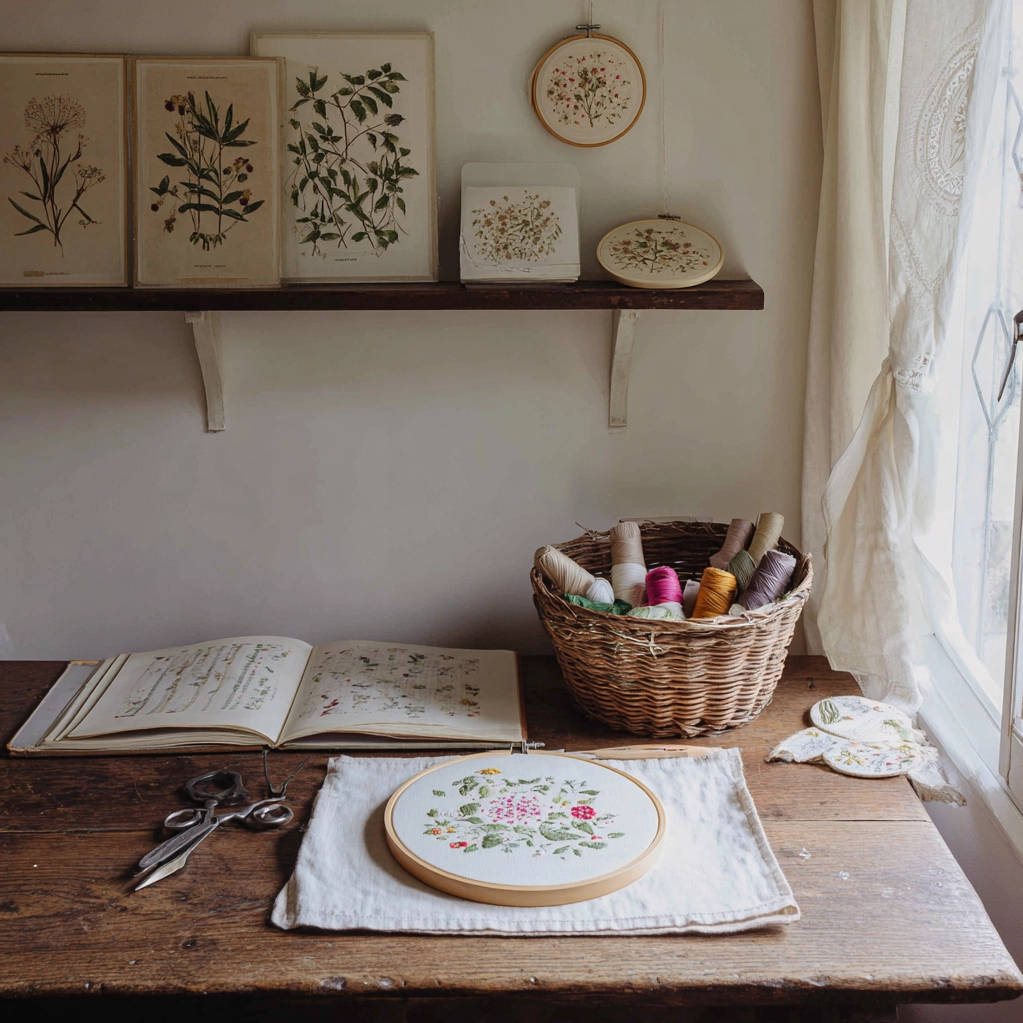
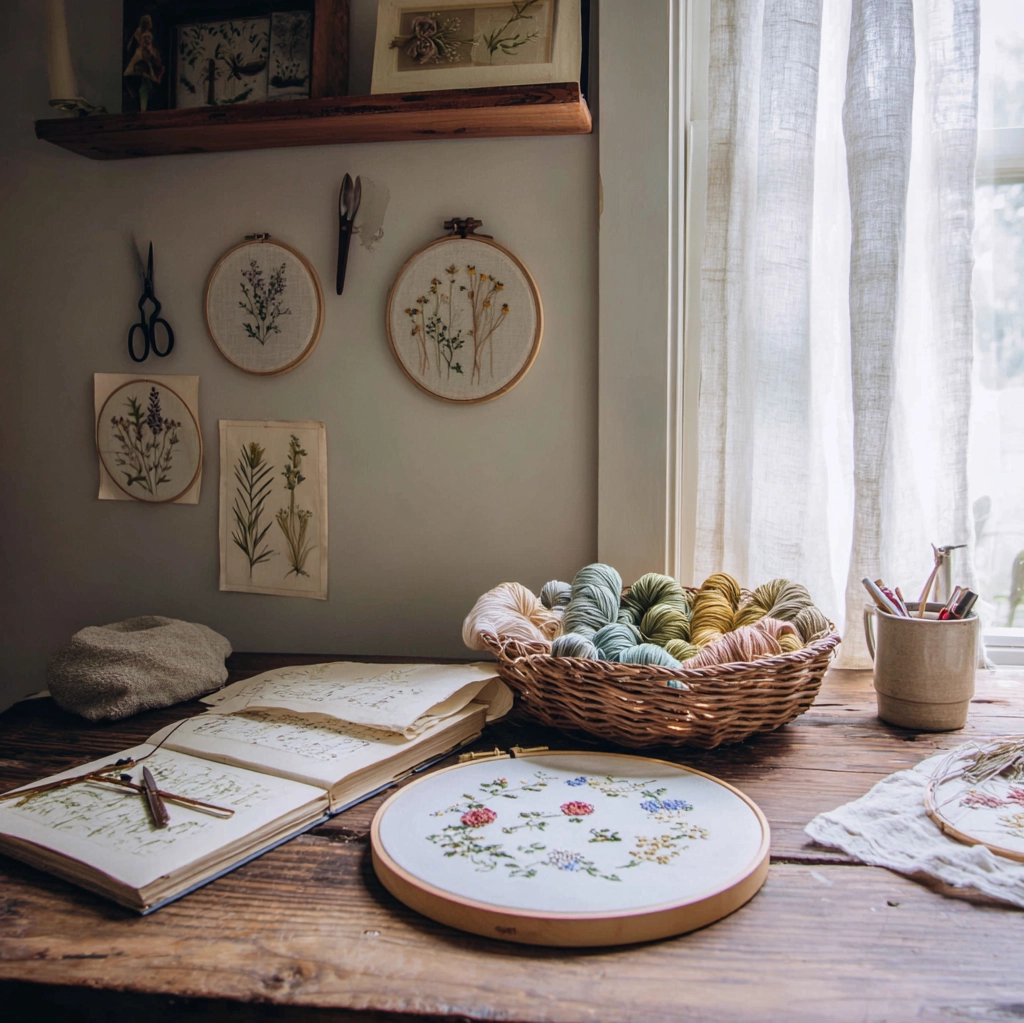
Modern embroidery ideas have evolved far beyond traditional samplers and doilies, offering exciting ways to enhance contemporary living spaces. One of the most popular trends involves creating statement wall art using embroidery hoops as frames. These can feature abstract designs, inspirational quotes, or minimalist landscapes that complement your existing decor. Another innovative approach incorporates embroidery into functional items like lampshades, where delicate patterns cast beautiful shadows when illuminated. For those who love texture, consider adding embroidered elements to throw pillows—mixing embroidery with other fabrics like velvet or linen creates visual interest and tactile appeal. Kitchen textiles also offer excellent canvases for embroidery ideas; try stitching herb illustrations onto tea towels or creating custom patterns for oven mitts. When selecting colors for these projects, consider your room's existing palette. Neutral threads on natural fabrics create subtle elegance, while vibrant hues make bold statements. The key to successful modern embroidery lies in balancing traditional techniques with contemporary aesthetics. Don't be afraid to experiment with unconventional materials like metallic threads or incorporating beads for added dimension. These embroidery ideas not only personalize your space but also create conversation pieces that reflect your unique style. Remember that consistency in design elements across multiple pieces can help create a cohesive look throughout your home.
Seasonal Embroidery Ideas to Celebrate Throughout the Year
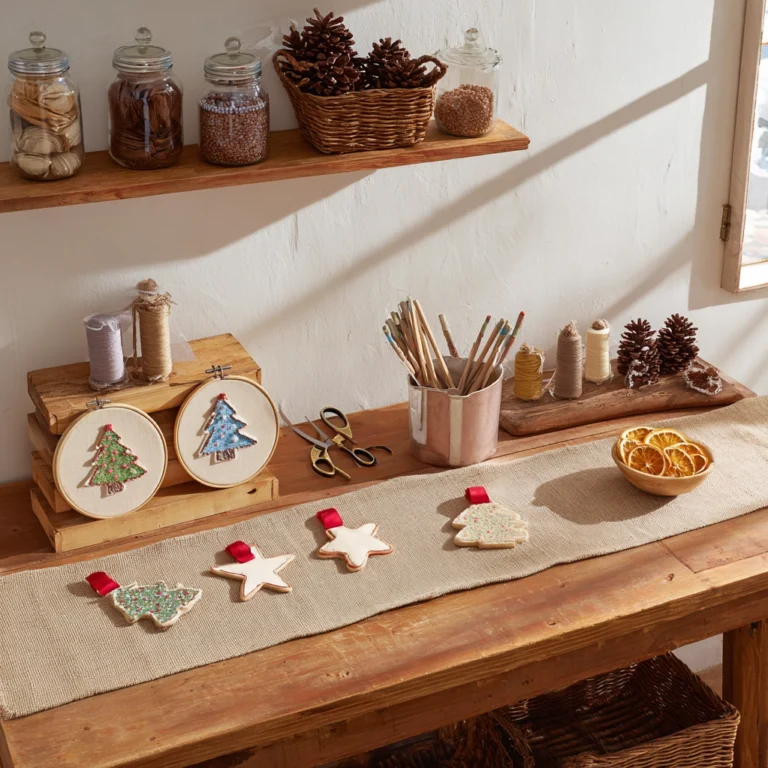
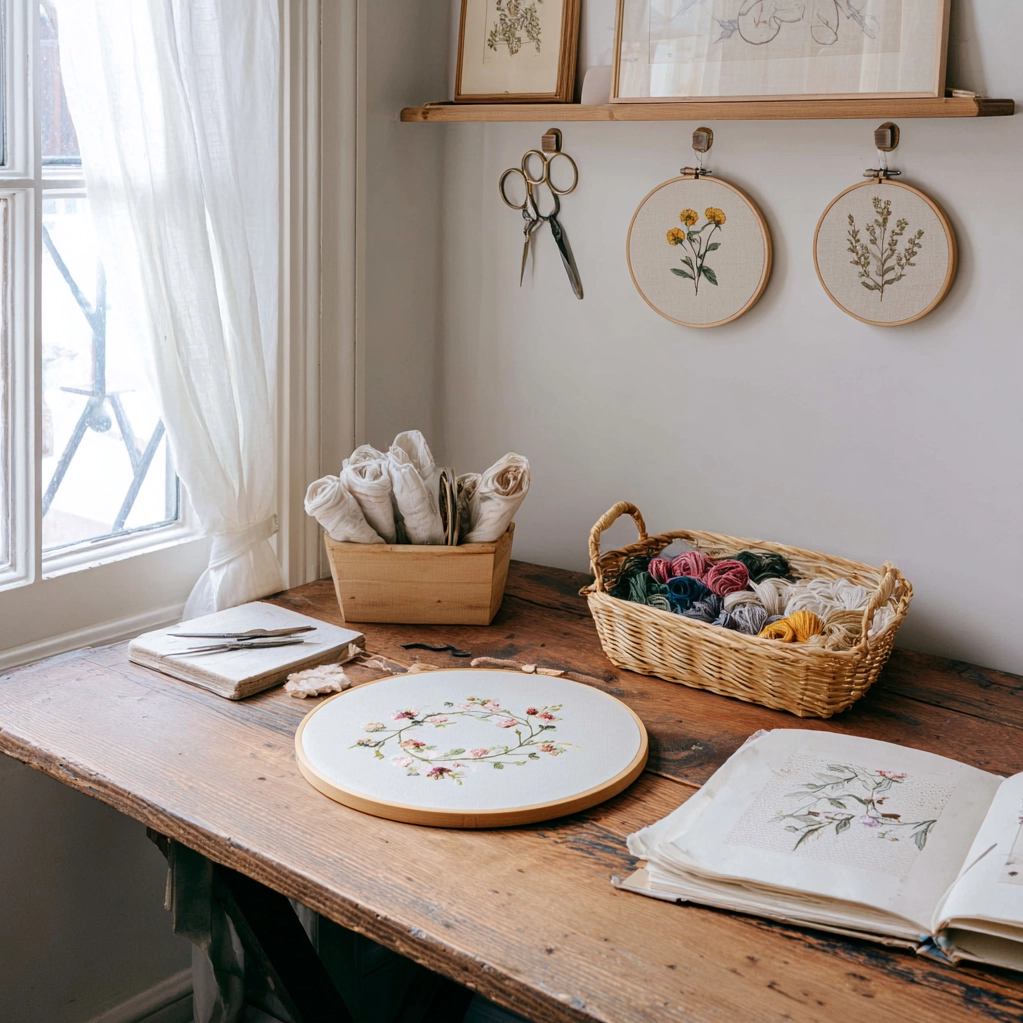
Seasonal embroidery ideas provide wonderful opportunities to refresh your decor and embrace the changing rhythms of nature. For spring, consider delicate floral patterns featuring blossoms like cherry flowers or daffodils stitched onto table runners or curtain tiebacks. Summer embroidery ideas might include nautical themes, beach scenes, or tropical foliage on outdoor cushion covers that withstand sun exposure. Autumn offers rich inspiration with fall leaves, pumpkins, and harvest motifs perfect for embroidering onto cozy blankets or fireplace mantel decorations. Winter embroidery ideas often feature snowflakes, evergreen branches, or festive holiday symbols that add warmth to cold months. These seasonal projects make excellent gifts and help mark special occasions throughout the year. When planning seasonal embroidery ideas, consider using appropriate color palettes—pastels for spring, bright tones for summer, warm earth tones for autumn, and cool blues with metallic accents for winter. You can create interchangeable pieces, like embroidered hoop art that rotates with the seasons, or permanent additions that become beloved traditions. Seasonal embroidery ideas also extend to clothing and accessories; imagine a spring floral motif on a denim jacket or winter patterns on wool scarves. The changing themes keep your craft practice fresh and exciting while allowing you to develop skills across different types of designs. These projects connect you to natural cycles and create tangible memories of each passing season in your home.
Beginner-Friendly Embroidery Ideas to Build Your Skills
Starting with simple embroidery ideas builds confidence and foundational skills that will serve all your future projects. Basic geometric patterns—like circles, squares, or stripes—make excellent beginner projects because they focus on mastering straight stitches and consistent tension. Another accessible embroidery idea involves monogramming, where you practice lettering on handkerchiefs or napkins using basic backstitch or chain stitch techniques. Small motifs like leaves, stars, or hearts worked on pre-printed fabric help beginners develop accuracy without the pressure of creating complex designs from scratch. Consider beginning with larger-scale projects where imperfections are less noticeable, such as embroidering a simple border around a tablecloth or creating abstract designs on pillowcases. Many beginners find success with embroidery ideas that use fewer thread colors, as this simplifies the process and reduces material costs. Kit-based projects specifically designed for beginners often include printed patterns, appropriate needles, and selected threads, eliminating guesswork. As you gain confidence, gradually introduce more complex stitches and smaller details. Documenting your progress through photographs helps you appreciate how quickly skills develop. Remember that even experienced embroiderers occasionally make mistakes—what matters is the learning process and personal satisfaction. These beginner-friendly embroidery ideas create beautiful results while building the muscle memory and technique understanding needed for more ambitious projects. The joy of completing your first embroidery project often sparks a lifelong passion for this rewarding craft.
Advanced Embroidery Ideas for Experienced Stitchers
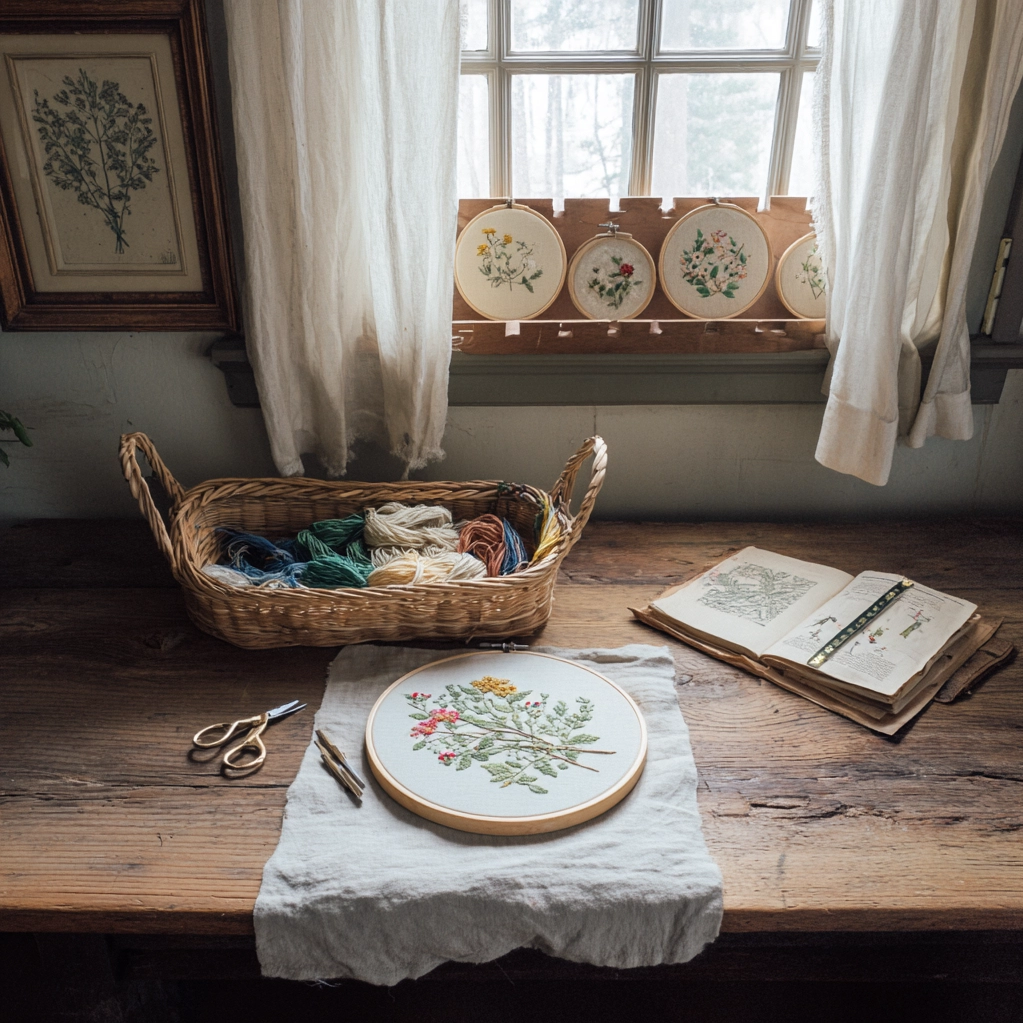
For those who have mastered basic techniques, advanced embroidery ideas offer exciting challenges and opportunities for artistic expression. Complex botanical illustrations that require detailed shading and multiple thread colors can create stunningly realistic floral compositions. Portraiture embroidery—capturing likenesses of people or pets—demands careful attention to facial features and subtle color blending. Three-dimensional embroidery ideas, such as stumpwork or raised embroidery, add literal depth to your creations through padded elements and detached techniques. Mixed-media approaches combine embroidery with other crafts, like incorporating watercolor backgrounds behind stitched elements or adding embroidery to painted surfaces. Advanced embroidery ideas often involve larger-scale projects like tapestry-style wall hangings that tell visual stories through sequential imagery. Historical reproduction work, recreating period embroidery styles with traditional materials and methods, offers both technical challenge and cultural connection. Experimental embroidery ideas might include working on unconventional surfaces like leather, paper, or transparent fabrics to create unique textural effects. Developing original designs rather than following patterns represents another level of creative advancement. These projects require careful planning, from selecting appropriate fabrics and threads to considering how stitches will interact visually. Advanced embroidery ideas not only showcase technical skill but also allow for deeper personal expression and artistic voice. They transform embroidery from craft to fine art, creating pieces that might be displayed in galleries or become family heirlooms. The satisfaction of completing such intricate work is profound, marking significant milestones in your embroidery journey.
Conclusion
Exploring embroidery ideas opens a world of creative possibilities that can transform both your living spaces and your approach to craft. From simple beginner projects to complex artistic expressions, embroidery offers something for every skill level and aesthetic preference. The beauty of these ideas lies in their adaptability—whether you're creating seasonal decorations, personalized gifts, or statement art pieces, each stitch adds unique character and meaning. As you continue your embroidery journey, remember that the most successful projects often blend technical skill with personal expression. Don't hesitate to modify existing patterns or create completely original designs that reflect your individual style. The future of embroidery looks bright, with new materials, techniques, and digital resources making this ancient craft more accessible than ever. Consider joining online communities or local groups to share ideas and inspiration with fellow enthusiasts. Most importantly, embrace the process itself—the meditative rhythm of needle and thread, the satisfaction of watching a design emerge, and the joy of creating something beautiful with your own hands. Whether you embroider for relaxation, decoration, or artistic fulfillment, these ideas provide endless opportunities for growth and creativity. Start with one project that excites you, and let your imagination guide each stitch toward creating something truly special for your home and life.
Frequently Asked Questions
Q: What basic supplies do I need to start exploring embroidery ideas?
To begin exploring embroidery ideas, you'll need a few essential supplies: embroidery needles in various sizes (typically sizes 1-10), embroidery floss or thread in colors of your choice, fabric (beginner-friendly options include cotton, linen, or evenweave), embroidery hoops to keep fabric taut while working, sharp scissors for cutting thread, and a water-soluble pen or pencil for transferring designs. Optional but helpful items include a needle threader, thimble for finger protection, and storage containers for organizing threads. Many beginners start with pre-printed kits that include all necessary materials for specific projects. As you progress, you might add specialty threads, different fabric types, and more advanced tools like embroidery stands or magnifiers. Quality matters most with needles and scissors—investing in good basic tools makes the experience more enjoyable and produces better results.
Q: How do I transfer embroidery patterns onto fabric?
Several methods exist for transferring embroidery patterns onto fabric, each suited to different materials and design types. For light-colored fabrics, the simplest approach involves using a water-soluble pen or pencil to trace designs directly onto fabric placed over a light source like a window or light box. Carbon transfer paper works well for darker fabrics—place the carbon paper between your pattern and fabric, then trace the design with a stylus or empty pen. Iron-on transfer pens or pencils allow you to draw designs on paper, then iron them onto fabric, though this works best on natural fibers. For complex designs, prick-and-pounce method involves pricking holes along pattern lines, then tapping pouncing powder through the holes to create dotted guidelines. Temporary spray adhesives can attach printed patterns directly to fabric for stitching through both layers. Always test transfer methods on fabric scraps first to ensure they wash out completely and don't damage your material. The choice depends on your fabric type, design complexity, and personal preference.
Q: How do I care for and preserve finished embroidery projects?
Proper care preserves your embroidery projects for years of enjoyment. For washable items like clothing or household linens, hand wash gently in cool water with mild detergent, avoiding agitation that might distort stitches. Never wring embroidered items—instead, roll them in a clean towel to remove excess water, then lay flat to dry away from direct sunlight which can fade threads. For framed pieces or wall hangings, ensure glass doesn't touch the embroidery by using a mat or spacer; this prevents condensation damage and fabric sticking. Store unused embroidered items in acid-free tissue paper within breathable containers, avoiding plastic bags that can trap moisture. Keep all embroidery away from extreme temperatures, humidity, and direct light to prevent fading and deterioration. If pressing is necessary, do so from the back side on a padded surface with low heat, using a pressing cloth between iron and embroidery. For valuable heirlooms, consider professional conservation for cleaning and mounting. Regular gentle dusting helps maintain pieces displayed in your home. Following these care practices ensures your embroidery ideas remain beautiful and intact for generations.