
Easy Pot Painting: Transform Your Garden With Simple Brilliance

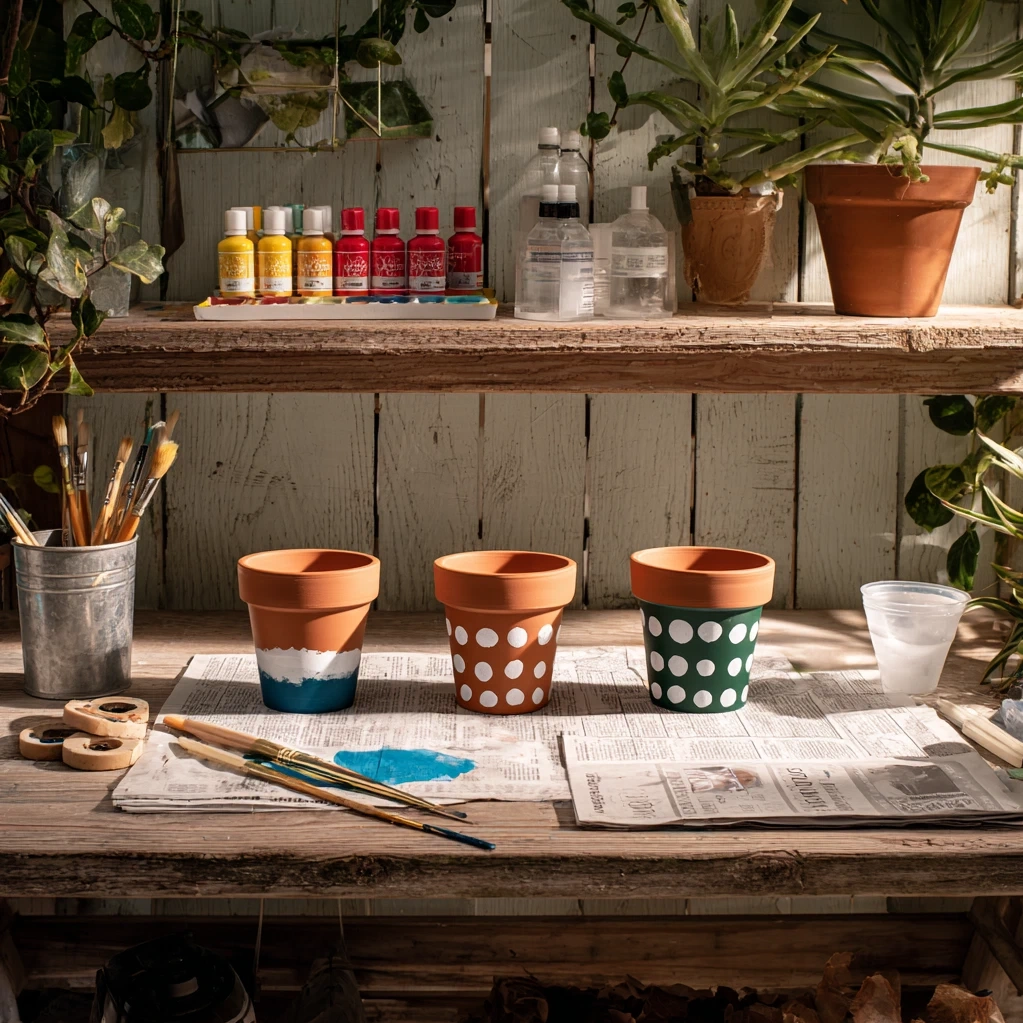
Have you ever looked at your garden or indoor plant collection and felt something was missing? Those plain terracotta or plastic pots might be functional, but they lack personality. Easy pot painting offers a joyful solution that transforms ordinary containers into stunning works of art with minimal effort. This simple craft activity isn’t just about making your plants look better—it’s about injecting your personal style into your living spaces, creating conversation pieces, and enjoying the therapeutic benefits of creative expression. Whether you’re a seasoned DIY enthusiast or someone who’s never picked up a paintbrush before, easy pot painting welcomes everyone to explore their artistic side. The beauty of this activity lies in its accessibility: basic supplies, forgiving techniques, and instant gratification. You don’t need to be an artist to create something beautiful. A few simple strokes, some thoughtful color combinations, or clever patterns can completely transform how your plants present themselves in your home or garden. This introduction to easy pot painting will guide you through everything you need to know to start your creative journey. We’ll cover the essential supplies, simple techniques, and practical tips that make this activity genuinely easy and rewarding. You’ll discover how easy pot painting can elevate your decor, provide stress relief, and turn your plant containers into personalized treasures that reflect your unique taste and creativity.
Essential Supplies for Easy Pot Painting Success
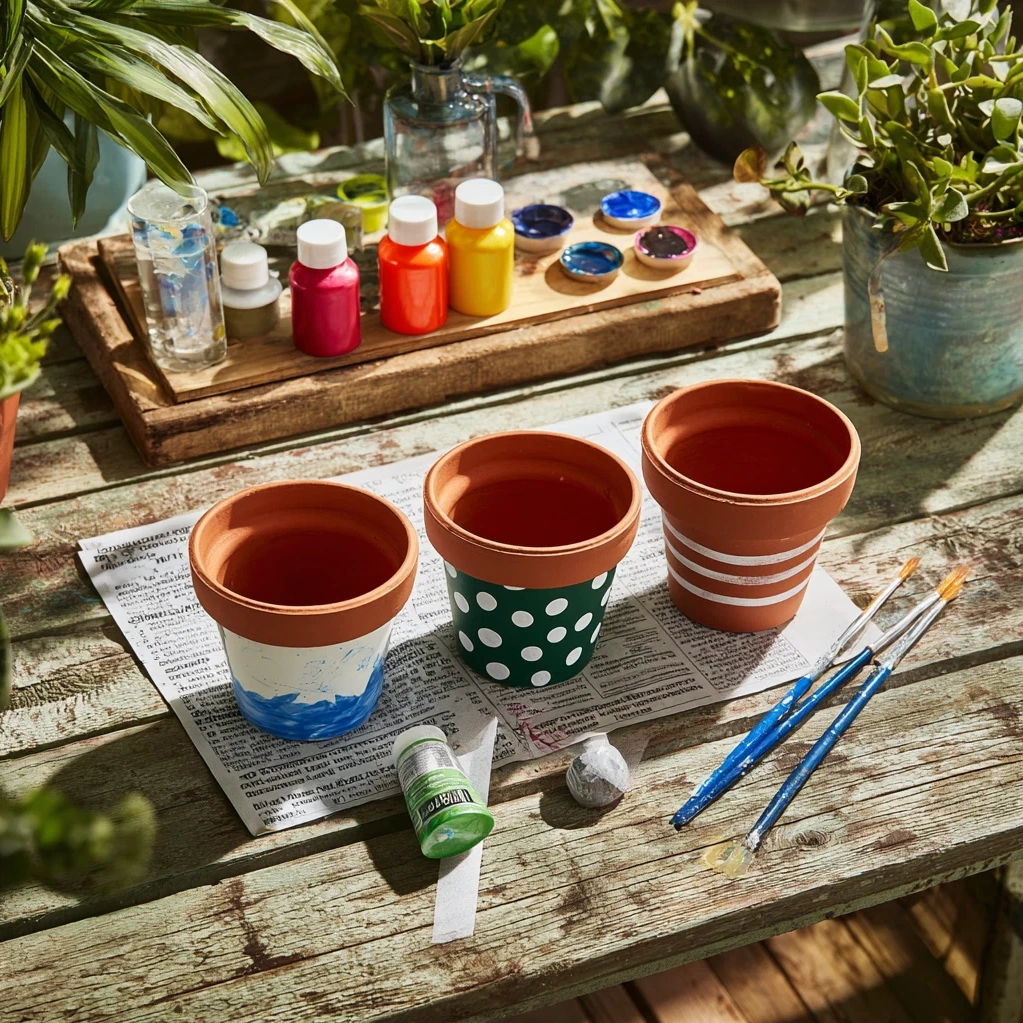
Gathering the right supplies is the first step toward easy pot painting success, and the good news is you probably already have many items on hand. The basic essentials include your chosen pots (terracotta works wonderfully but plastic and ceramic are also great options), acrylic paints (water-based and quick-drying), paintbrushes in various sizes, a palette or disposable plate for mixing, water for cleaning brushes, and paper towels. For easy pot painting preparation, you'll need sandpaper if working with terracotta (to smooth rough surfaces), and primer or gesso to create a better painting surface. Sealant is crucial for protecting your finished work from weather and watering. Optional but helpful additions include painter's tape for clean lines, stencils for consistent patterns, sponges for texture, and rubbing alcohol for cleaning surfaces before painting. When selecting pots for easy pot painting, consider starting with smaller containers to build confidence. Terracotta pots are particularly forgiving because they absorb paint well and their natural texture adds character. For plastic pots, make sure to clean them thoroughly and use primer designed for plastic surfaces. The beauty of easy pot painting is that you don't need expensive art supplies—craft store acrylics work perfectly. Invest in a few quality brushes (a small round, a medium flat, and a detail brush) rather than cheap multipacks that shed bristles. Remember that easy pot painting is about experimentation, so don't stress about having every possible tool. Start with what you have, and as you develop your skills, you can expand your supply collection. Proper preparation makes the actual painting process smoother and more enjoyable, setting you up for easy pot painting success from the very beginning.
Simple Techniques That Make Pot Painting Easy
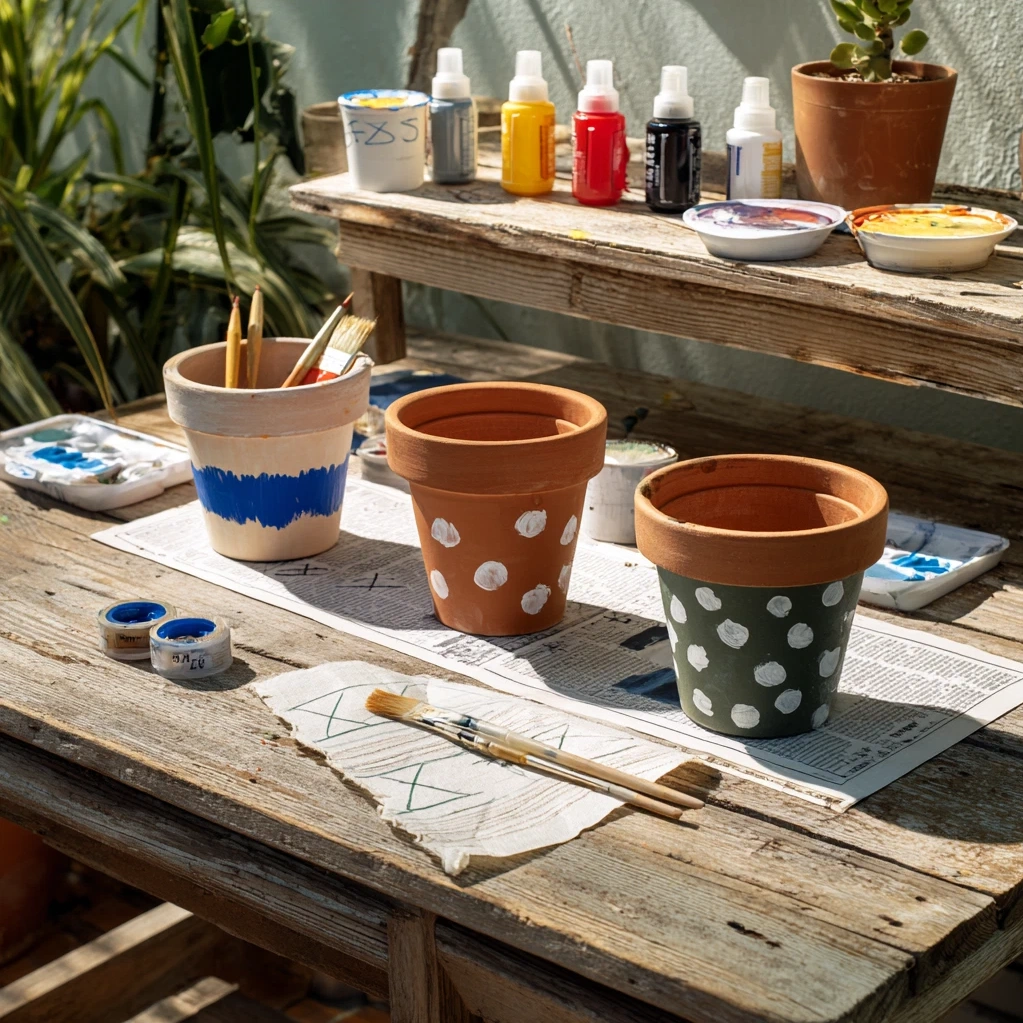
Easy pot painting techniques are designed to be accessible to everyone, regardless of artistic experience. The simplest approach is solid color painting—just choose your favorite color and apply it evenly across the entire pot. This creates a clean, modern look that instantly elevates any plant. For slightly more dimension, try the ombre technique by blending two shades of the same color from dark to light. Easy pot painting also embraces simple patterns like stripes, dots, or geometric shapes that require minimal skill but deliver maximum impact. Use painter's tape to create crisp lines for stripes or chevrons. For polka dots, dip the end of a paintbrush handle or a cotton swab into paint and press gently onto the pot surface. Another easy pot painting technique is sponge painting, which creates beautiful texture with very little effort. Simply dab a natural sea sponge or cosmetic sponge into paint and pat it onto the pot for a mottled, organic effect. Stenciling is another beginner-friendly option—secure a stencil to your pot with tape and fill in the design with a stencil brush using a dabbing motion. Don't overlook the power of negative space in easy pot painting. Paint the rim and base of a terracotta pot while leaving the middle section natural for a contemporary look. The key to successful easy pot painting is working in thin layers rather than thick applications that can drip or crack. Allow each layer to dry completely before adding another. If you make a mistake, simply let it dry and paint over it. These techniques prove that easy pot painting doesn't require advanced skills—just a willingness to experiment and have fun. The process itself becomes part of the joy as you watch ordinary pots transform before your eyes.
Creative Ideas to Inspire Your Easy Pot Painting Projects
When you're ready to move beyond basic techniques, these creative ideas will inspire your easy pot painting projects while keeping the process simple and enjoyable. Nature-inspired designs are particularly effective for plant containers. Try painting simple leaf silhouettes around the rim, creating a gradient that mimics a sunset, or adding delicate floral patterns that complement the plants inside. For a modern aesthetic, geometric patterns like triangles, hexagons, or intersecting lines create visual interest without complexity. Easy pot painting can also tell stories through themes—create a set of pots with matching patterns for a cohesive look, or paint each with a different letter to spell out words when arranged together. Consider seasonal themes: pastels for spring, bright colors for summer, warm tones for autumn, and cool blues with silver accents for winter. Another creative approach to easy pot painting involves using household items as tools. Bubble wrap creates interesting textures when pressed into paint and then onto pots. Doilies make beautiful lace patterns when used as stencils. Even rubber bands wrapped around pots can create striped effects when painted over and removed. For truly easy pot painting with artistic flair, try the 'drip technique' where you apply different colors at the top of the pot and let them naturally drip downward. The beauty of these creative ideas is that they feel artistic while remaining accessible. Easy pot painting becomes even more rewarding when you develop a personal style—whether that's minimalist monochromes, vibrant rainbows, or earthy naturals. Don't be afraid to mix techniques either. A solid color base with simple stenciled designs creates professional-looking results with minimal effort. These ideas demonstrate how easy pot painting can be both simple and creatively satisfying, offering endless possibilities for personal expression.
Practical Tips for Long-Lasting Easy Pot Painting Results
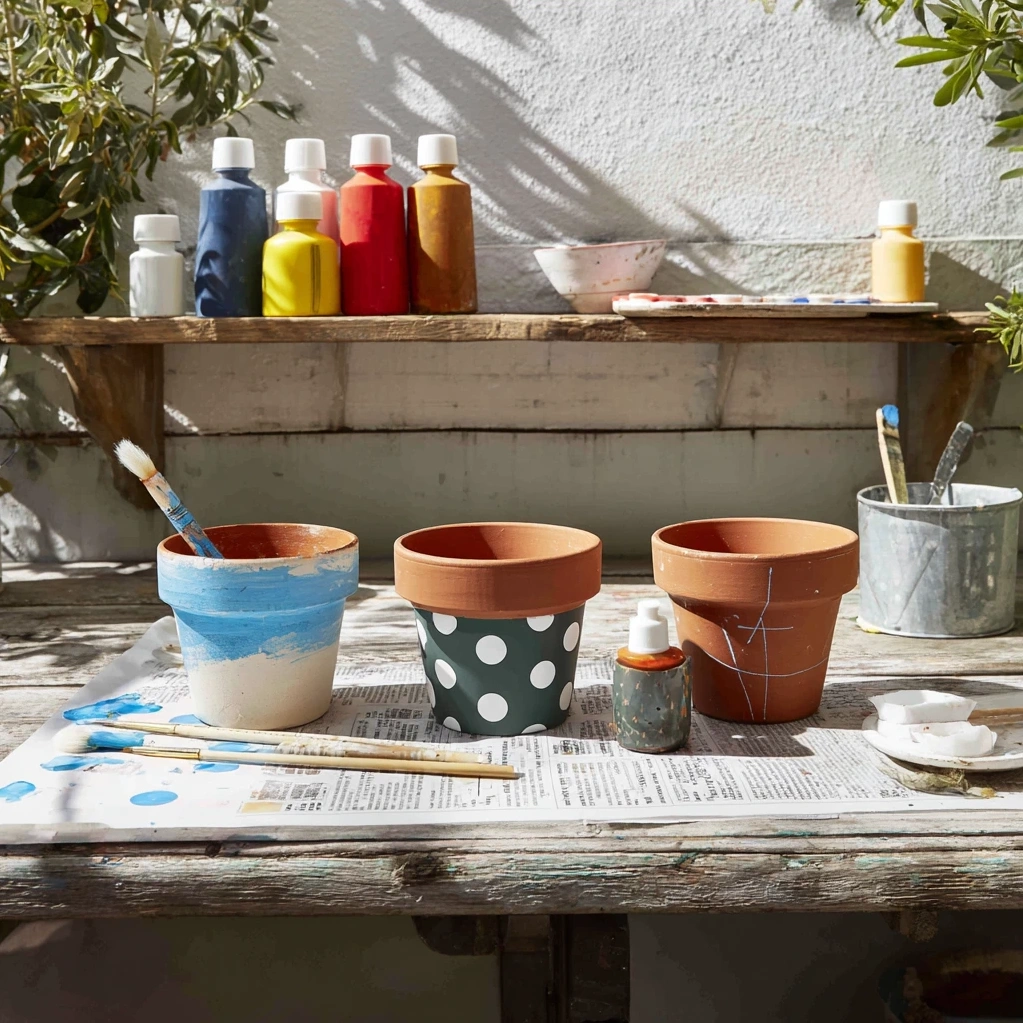
To ensure your easy pot painting creations stand the test of time, follow these practical tips that protect your artwork while maintaining the simplicity of the process. Proper preparation begins with cleaning your pots thoroughly to remove dust, dirt, and oils that can prevent paint adhesion. For terracotta pots, consider soaking them in water for 15-20 minutes before cleaning to remove mineral deposits. Once clean and completely dry, lightly sand any rough areas and apply a primer or base coat. This step might seem extra, but it actually makes easy pot painting easier by creating a uniform surface that accepts paint more evenly. When painting, work in a well-ventilated area with consistent temperature and humidity to ensure proper drying. Apply paint in thin, even layers rather than thick coats that can crack or peel. Allow each layer to dry completely before adding the next—acrylic paints typically dry within 20-30 minutes but curing takes 24 hours. The most important step in easy pot painting preservation is sealing. Use a clear outdoor sealant or varnish specifically designed for the material of your pot. Apply 2-3 thin coats, allowing proper drying time between each. For pots that will hold plants directly (without inner plastic containers), use a waterproof sealant on the interior as well. When displaying your finished easy pot painting projects, consider their placement. While sealants provide protection, extreme weather conditions can still affect longevity. For outdoor pots, choose locations with some shelter from direct rain and harsh sunlight. Indoor pots have fewer concerns but still benefit from proper sealing to withstand watering and cleaning. These practical tips ensure that your easy pot painting efforts result in durable, beautiful containers that enhance your space for years to come. The process remains easy, but these finishing steps add professional polish and longevity to your creations.
Conclusion
Easy pot painting transforms the simple act of decorating plant containers into an accessible, joyful creative practice that anyone can enjoy. Throughout this guide, we've explored how basic supplies, simple techniques, creative inspiration, and practical finishing steps come together to make this activity genuinely easy and rewarding. The beauty of easy pot painting lies in its perfect balance between artistic expression and approachable execution—you don't need special talents or expensive materials to create something beautiful. As you continue your easy pot painting journey, remember that every project teaches you something new. Your first pots might be simple solid colors, but soon you'll be experimenting with patterns, textures, and designs that reflect your personal style. The therapeutic benefits are just as valuable as the decorative results: the focused attention required for easy pot painting provides a wonderful break from screens and daily stresses. Looking forward, consider how easy pot painting can expand beyond individual projects. Create matching sets for gift-giving, involve family members in group painting sessions, or use your decorated pots to theme different areas of your garden or home. As seasons change, your pots can too—repainting offers fresh looks without significant investment. The future of easy pot painting in your life is limited only by your imagination. Start with one pot this weekend. Gather your supplies, choose a simple technique, and experience the satisfaction of creating something uniquely yours. Your plants will thank you with their enhanced presentation, and you'll discover a creative outlet that grows alongside your gardening passion. Easy pot painting proves that beautiful home decor doesn't require professional skills—just willingness to try, learn, and enjoy the process.
Frequently Asked Questions
Q: What type of paint is best for easy pot painting?
Acrylic paint is ideal for easy pot painting because it's water-based, quick-drying, and available in countless colors at craft stores. It adheres well to various surfaces including terracotta, plastic, and ceramic when properly prepared. For outdoor pots, look for acrylic paints labeled as weather-resistant or mix with an acrylic medium designed for outdoor use. The key advantage for easy pot painting is that acrylics are forgiving—if you make a mistake, you can let it dry and paint over it. Always finish with a clear sealant to protect your design from moisture and UV exposure.
Q: Do I need to seal my painted pots, and if so, what should I use?
Yes, sealing is essential for long-lasting easy pot painting results, especially for outdoor containers. Use a clear polyurethane, outdoor varnish, or waterproof sealant specifically designed for the material you're painting. For terracotta pots that will hold plants directly, apply sealant to both the interior and exterior to prevent moisture damage. Spray sealants offer even coverage and are particularly good for easy pot painting projects with textured surfaces. Always apply 2-3 thin coats rather than one thick coat, allowing proper drying time between applications. For indoor pots that won't be exposed to weather, a single coat of clear acrylic sealer provides sufficient protection.
Q: Can I paint plastic pots with easy pot painting techniques?
Absolutely! Plastic pots work well with easy pot painting methods, but they require proper preparation. First, clean the plastic thoroughly with soap and water, then wipe with rubbing alcohol to remove any residues that might prevent paint adhesion. Lightly sand smooth plastic surfaces to create texture for the paint to grip. Apply a primer designed for plastic surfaces before painting—this crucial step ensures your paint adheres properly and lasts longer. Once primed, you can use all the same easy pot painting techniques as with other materials. Plastic pots benefit from flexible acrylic paints or paints specifically formulated for plastic surfaces. After painting and complete drying, seal with a clear coat suitable for plastic to protect your design.

