Embroidery Ideas for Clothing: Creative Inspirations to Transform Your Wardrobe


In a world of mass-produced fashion, personal expression through clothing has become more valuable than ever. Embroidery offers a unique opportunity to transform ordinary garments into wearable art that tells your story. Whether you’re looking to revive a favorite jacket, customize a plain t-shirt, or add subtle elegance to everyday items, embroidery provides endless possibilities for creative self-expression. This craft isn’t just about decoration—it’s about creating connections between tradition and modernity, between your hands and your wardrobe. The beauty of embroidery lies in its versatility. From simple floral patterns to intricate geometric designs, from bold statement pieces to delicate accents, there’s an embroidery idea for every skill level and personal style. Unlike other forms of clothing customization, embroidery adds texture and dimension that printed designs can’t replicate. Each stitch becomes part of a larger narrative, turning your clothing into canvases that reflect your personality and creativity. As sustainable fashion gains importance, embroidery also offers an eco-friendly way to extend the life of your garments. Instead of discarding clothing with minor flaws or outdated styles, you can transform them through thoughtful stitching. This not only reduces waste but creates pieces with sentimental value that you’ll cherish for years. In this article, we’ll explore practical embroidery ideas for clothing that can elevate your wardrobe from ordinary to extraordinary.
Embroidery Ideas for Clothing: Transforming Denim with Stitched Creativity
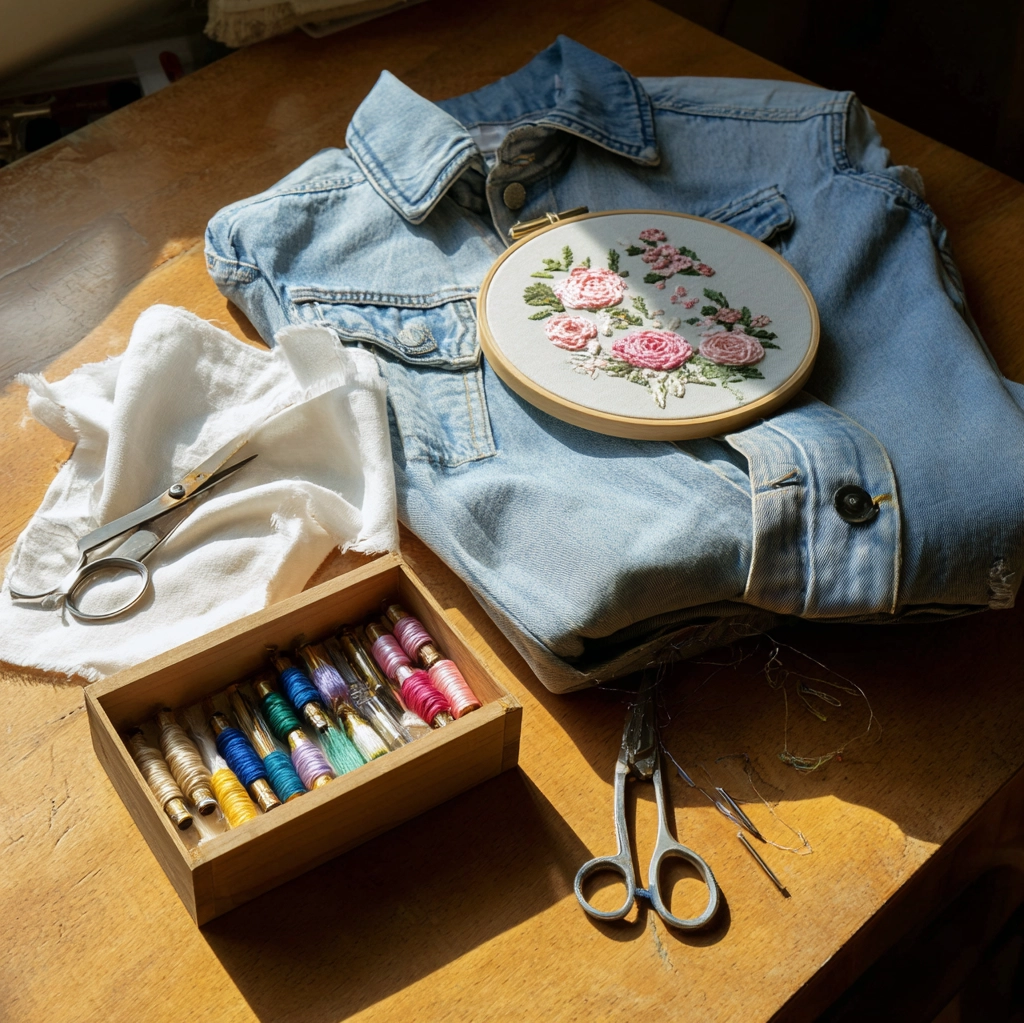
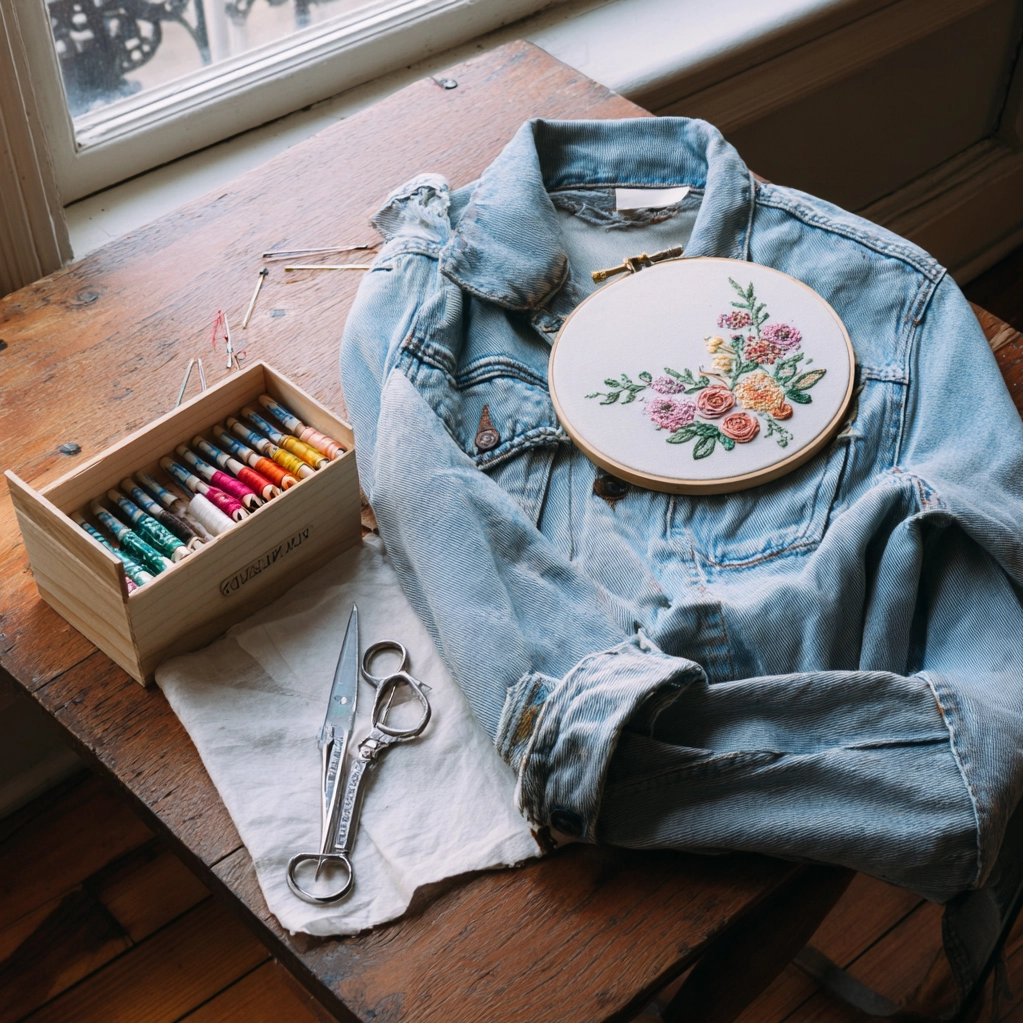
Denim provides the perfect canvas for embroidery, offering sturdy fabric that holds stitches beautifully. One of the most popular embroidery ideas for clothing involves customizing denim jackets. Consider adding floral vines along the collar or intricate patterns on the back panels. For jeans, small embroidered details on pockets or hems can transform basic denim into statement pieces. Mix thread colors and stitch types to create depth and texture. French knots work wonderfully for creating textured flowers, while satin stitches create smooth, solid areas perfect for geometric shapes. Don't limit yourself to traditional embroidery floss—metallic threads add shimmer, while wool yarn creates bold, raised designs. When planning your denim embroidery, think about placement. Shoulder designs draw attention upward, while cuff embroidery adds subtle interest. For beginners, starting with simple motifs like stars or leaves on pocket corners builds confidence before tackling larger designs. Remember to use appropriate needles and stabilizers when working with denim's thickness. The beauty of denim embroidery lies in its durability—these creations become heirloom pieces that develop character as the fabric ages and softens around your carefully placed stitches.
Delicate Embroidery Ideas for Clothing: Elevating Everyday Basics
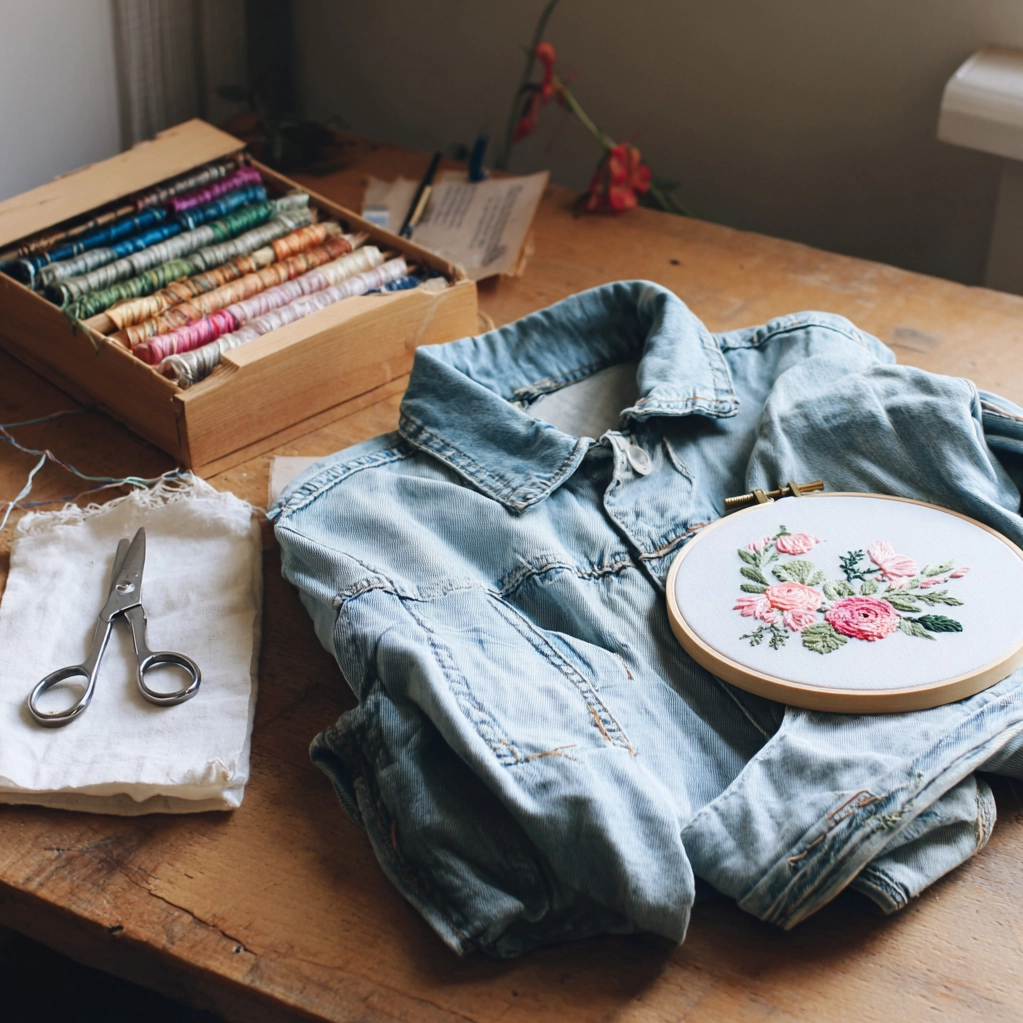
Simple cotton t-shirts, linen blouses, and knit sweaters become extraordinary with subtle embroidery. These embroidery ideas for clothing focus on enhancing rather than overwhelming the garment's natural beauty. For t-shirts, consider minimalist designs along the neckline or small motifs on the sleeve cuffs. A single embroidered flower near the hem or a delicate vine along the side seam can transform a basic tee into something special. Linen garments particularly shine with embroidery—the fabric's natural texture complements both bold and delicate stitches. Try embroidering along collar edges or creating small clusters of French knots at button plackets. For knitwear, embroidering over existing patterns or adding contrasting designs to cuffs and collars creates visual interest. When working with stretch fabrics, use appropriate stabilizers to prevent distortion. Color choice becomes crucial with delicate embroidery—matching thread to fabric creates subtle texture, while contrasting colors make designs pop. Consider seasonal themes: spring florals, summer fruits, autumn leaves, or winter snowflakes. The key to successful delicate embroidery is restraint. A few well-placed stitches often create more impact than crowded designs. These subtle enhancements turn everyday basics into cherished pieces that reflect your personal style while maintaining their wearability and comfort.
Bold Embroidery Ideas for Clothing: Making Statement Pieces
For those who love making fashion statements, bold embroidery offers dramatic transformation opportunities. These embroidery ideas for clothing focus on creating pieces that command attention and showcase advanced techniques. Consider embroidering entire back panels of jackets with elaborate scenes or patterns. Mix different stitch types—chain stitches for outlines, satin stitches for fill, and seed stitches for texture—to create dimensional works of art. Color plays a crucial role in bold embroidery. Vibrant, contrasting color combinations create energy, while monochromatic schemes in rich tones create sophistication. Don't shy away from mixing thread weights and materials. Incorporate beads, sequins, or even small fabric appliqués alongside traditional stitches for added dimension. Statement embroidery works particularly well on structured pieces like blazers, coats, or canvas bags. When planning bold designs, consider the garment's existing features—work around pockets, seams, and closures to integrate your embroidery naturally. For those new to large-scale embroidery, start with pre-printed patterns or use water-soluble stabilizers with printed designs. Bold embroidery requires patience and planning, but the results—unique pieces that showcase your creativity and skill—are incredibly rewarding. These statement pieces become conversation starters and personal treasures that reflect hours of loving craftsmanship.
Practical Embroidery Ideas for Clothing: Repair and Personalization Techniques
Embroidery isn't just for decoration—it's a practical solution for clothing repair and personalization. These embroidery ideas for clothing transform flaws into features and make generic items uniquely yours. For repairing small holes or stains, creative embroidery can cover imperfections beautifully. A cluster of embroidered flowers over a hole in a sweater or geometric patterns hiding jean wear spots turns damaged items into intentional designs. Personalizing children's clothing with their initials or favorite animals makes items easily identifiable while adding charm. For work uniforms or similar-looking items, subtle embroidery distinctions help prevent mix-ups. Consider practical placements: embroidering inside collars or cuffs adds personal touches visible only to the wearer. When personalizing gifts, embroidery adds sentimental value that lasts beyond the garment's lifespan. For family heirlooms, adding dates or initials creates historical records. Practical embroidery also includes functional elements—reinforcing buttonholes with decorative stitches or adding embroidered patches to strengthen worn areas. These approaches make embroidery accessible to everyone, regardless of artistic skill. Simple running stitches, cross stitches, or back stitches can create meaningful designs. The beauty of practical embroidery lies in its dual purpose: it solves problems while adding beauty. This approach makes embroidery relevant to everyday life, demonstrating that this traditional craft has valuable applications in modern wardrobes.
Conclusion
Embroidery transforms clothing from mere fabric into personal expressions of creativity, history, and identity. Throughout this exploration of embroidery ideas for clothing, we've seen how this versatile craft can enhance everything from sturdy denim to delicate linens, from subtle accents to bold statements. The true power of embroidery lies in its accessibility—beginners can start with simple stitches on t-shirt cuffs while experienced crafters can create elaborate jacket masterpieces. Each embroidered piece carries the unique imprint of its creator's hands, telling stories through thread and fabric. As we move forward, consider how embroidery can become part of your sustainable fashion practice. Instead of discarding worn or outdated items, transform them through thoughtful stitching. Look at your wardrobe with new eyes—where might a few well-placed stitches add personality or solve a practical problem? The future of embroidery in fashion looks bright, with modern techniques and materials expanding traditional possibilities while honoring craft heritage. Whether you're preserving family traditions or starting new ones, embroidery offers a meaningful way to connect with your clothing. Start small, experiment freely, and watch as simple stitches transform your relationship with what you wear.
Frequently Asked Questions
Q: What basic supplies do I need to start with embroidery ideas for clothing?
To begin exploring embroidery ideas for clothing, you'll need a few essential supplies. Start with embroidery needles in various sizes—sharper needles for woven fabrics and ball-point needles for knits. Quality embroidery floss in basic colors allows for mixing and experimentation. An embroidery hoop keeps fabric taut while working, and small sharp scissors are essential for clean cuts. For transferring designs, water-soluble pens or transfer paper works well. A thimble protects your fingers during extended stitching sessions. Begin with simple cotton fabric scraps to practice before moving to clothing. As you progress, you might add specialty threads, beads, or different hoop sizes, but these basics will get you started on most embroidery projects for clothing.
Q: How do I prevent fabric puckering when working on embroidery ideas for clothing?
Preventing puckering is crucial for professional-looking embroidery on clothing. First, always use an appropriate stabilizer—tear-away for woven fabrics, cut-away for stretchy materials, or water-soluble for delicate fabrics. Hoop your fabric properly, ensuring it's taut but not overstretched. Use the correct needle size for your fabric and thread weight—too large needles create bigger holes that can cause puckering. Maintain consistent tension in your stitches without pulling too tightly. For large designs, consider using multiple smaller hooping positions rather than one large area. When working on stretch fabrics, stabilize the entire area you'll be stitching. After completing your embroidery, remove stabilizers carefully and press from the wrong side using appropriate heat settings for your fabric type. These techniques will help keep your embroidered clothing smooth and professional.
Q: Can I use machine embroidery for my clothing ideas, or is hand embroidery better?
Both machine and hand embroidery have advantages for clothing projects. Hand embroidery offers complete creative control, allowing for unique, organic designs and the ability to work directly on finished garments. It's portable, requires minimal equipment, and creates distinctive textural qualities. Machine embroidery provides precision, consistency, and speed for repetitive designs or complex patterns. It's excellent for production work or intricate designs that would be time-consuming by hand. For most clothing applications, consider your goals: hand embroidery creates artisanal, one-of-a-kind pieces with personal charm, while machine embroidery offers professional finishes for detailed designs. Many crafters use both methods—machine for base designs and hand embroidery for custom touches. The best approach depends on your desired outcome, available time, and personal preference. Both methods can create beautiful results when applied to well-planned embroidery ideas for clothing.