Kitchen Styling: Transform Your Space with Amazing Results


Welcome to the heart of the home – your kitchen. More than just a place to cook, it’s where memories are made, conversations flow, and families gather. Kitchen styling goes beyond mere decoration; it’s about creating an environment that reflects your personality while enhancing functionality. In today’s homes, the kitchen serves multiple roles – from meal preparation center to casual dining area and even home office space. That’s why thoughtful styling matters more than ever. Good kitchen styling can transform a purely utilitarian space into a welcoming haven that inspires creativity and connection. Whether you’re an avid cook who spends hours experimenting with recipes or someone who prefers quick meals, your kitchen’s design directly impacts your daily experience. The right styling choices can make food preparation more enjoyable, cleaning more manageable, and entertaining more seamless. As we spend significant time in our kitchens, investing in their appearance and functionality becomes essential for overall home satisfaction. This article will guide you through practical kitchen styling approaches that balance aesthetics with practicality, helping you create a space that’s both beautiful and efficient. From color schemes to storage solutions, we’ll explore how thoughtful design elements can elevate your kitchen from ordinary to extraordinary.

Essential Kitchen Styling Principles for Lasting Appeal
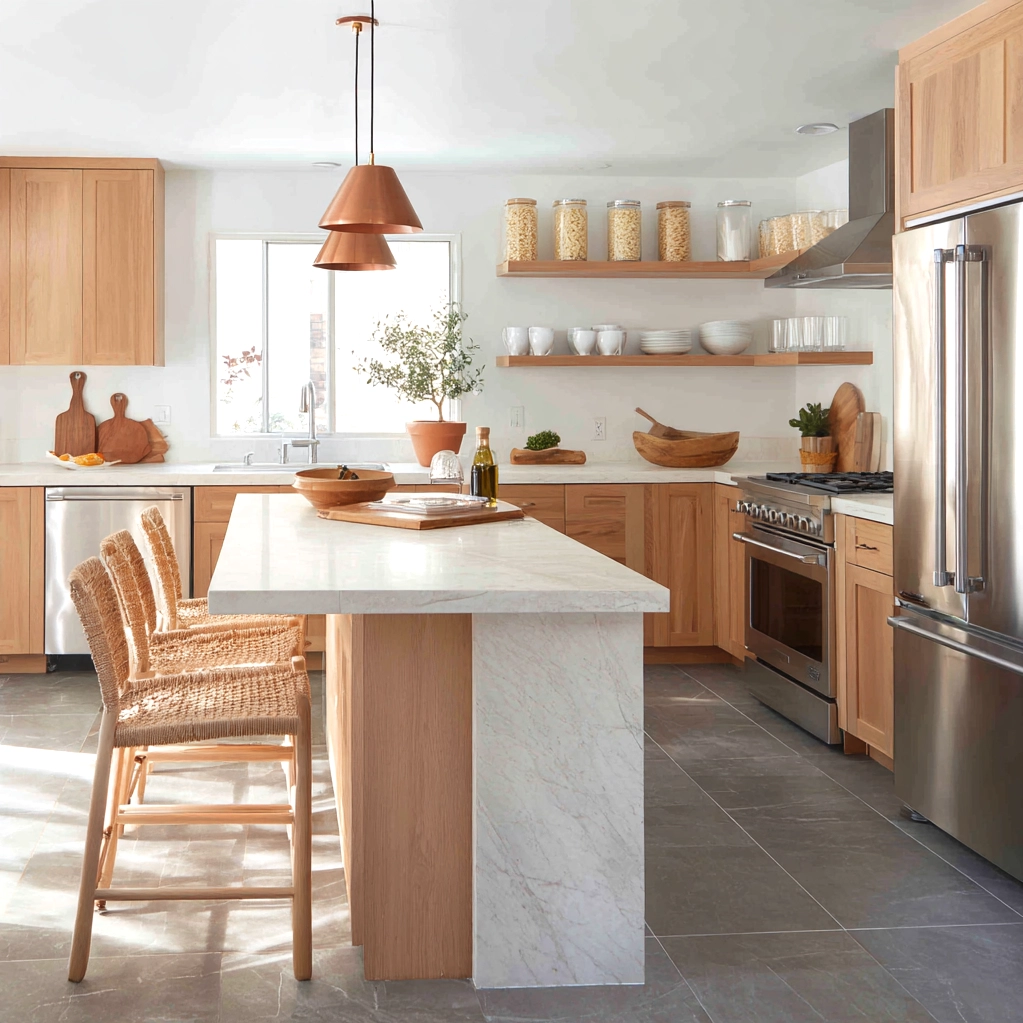
Effective kitchen styling begins with understanding foundational principles that work across all design styles. First, consider the triangle concept – positioning your sink, stove, and refrigerator in a triangular formation creates efficient workflow paths. This classic principle remains relevant because it reduces unnecessary movement during cooking. Next, focus on lighting layers. Combine ambient lighting (ceiling fixtures), task lighting (under-cabinet lights), and accent lighting (pendants over islands) to create a well-lit space that's both functional and atmospheric. Color plays a crucial role in kitchen styling. While white kitchens remain popular for their clean, timeless look, don't shy away from color. Consider using bolder hues on islands or lower cabinets while keeping upper cabinetry neutral. Materials should be chosen for both beauty and durability. Quartz countertops offer low maintenance, while natural stone provides unique character. For flooring, porcelain tiles mimic natural materials while being easier to clean. Storage styling deserves special attention. Instead of hiding everything behind closed doors, create intentional displays. Open shelving for frequently used dishes, glass-front cabinets for beautiful glassware, and properly organized pantries all contribute to a styled kitchen. Remember that styling isn't just about appearance – it's about creating a space that works for your specific cooking habits and lifestyle needs. The best kitchens blend form and function seamlessly.
Modern Kitchen Styling Trends That Actually Work
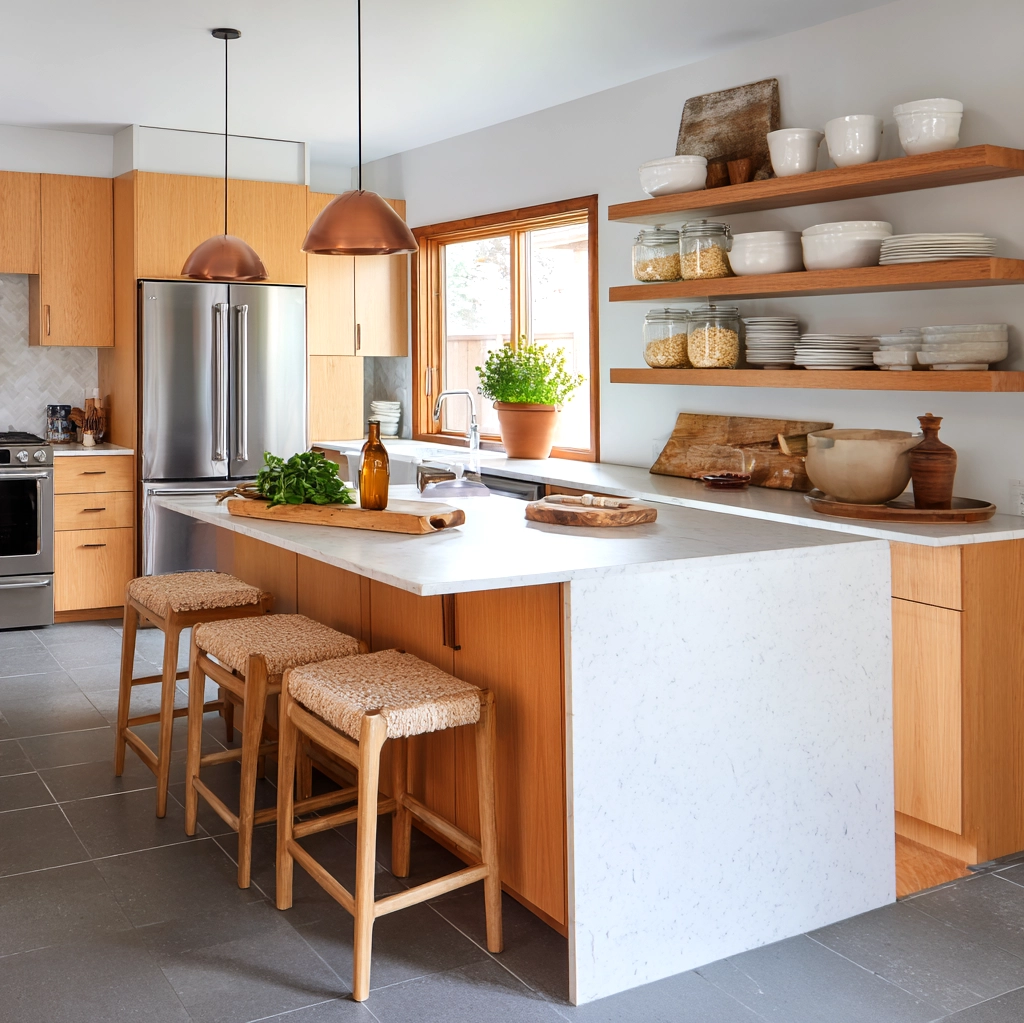
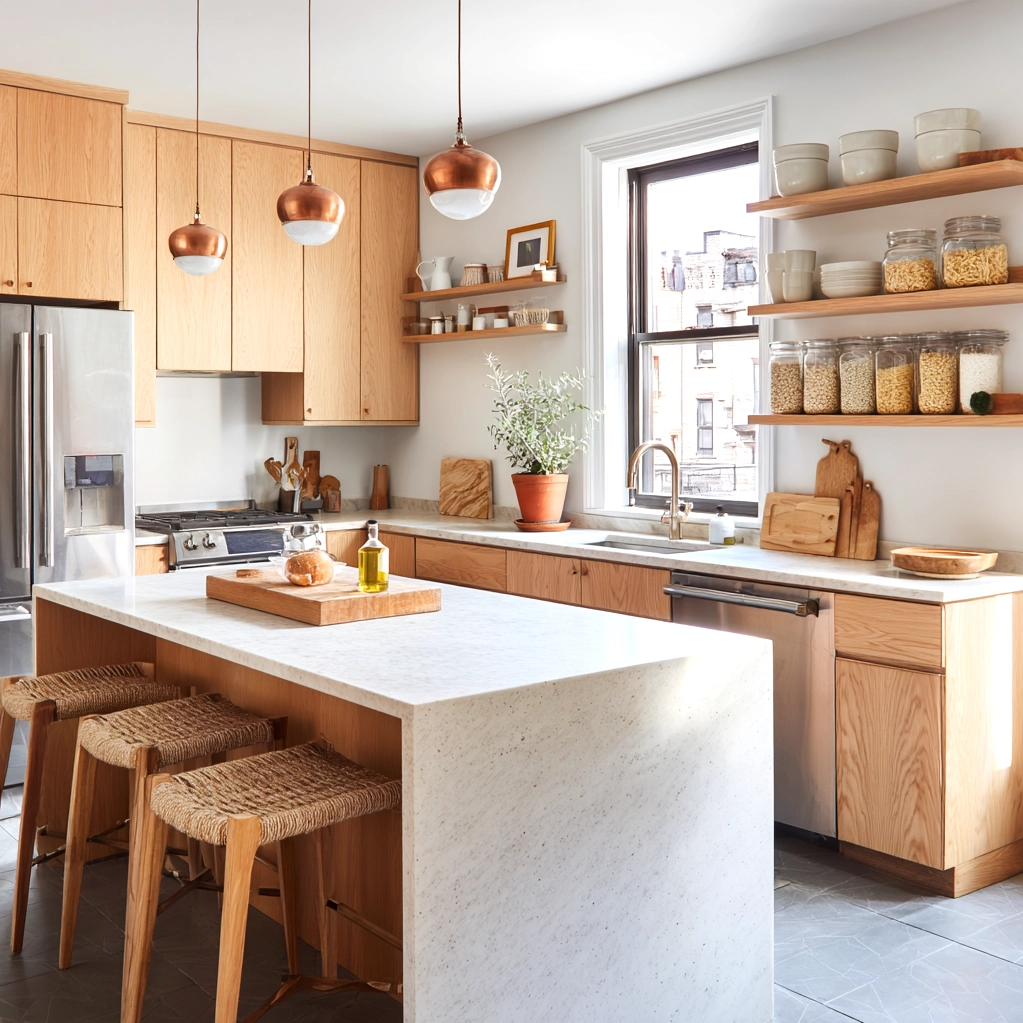
Current kitchen styling trends emphasize both aesthetics and practicality, moving beyond fleeting fashions to embrace designs with lasting value. Mixed materials have become a standout approach, combining different textures like wood, metal, and stone to add visual interest without overwhelming the space. For instance, pairing warm wood cabinetry with cool stainless steel appliances creates balanced contrast. Smart storage solutions represent another significant trend in kitchen styling. Pull-out pantry systems, corner cabinet organizers, and appliance garages keep counters clutter-free while making every item accessible. These solutions prove that good styling includes what you don't see as much as what you do. Two-tone cabinetry continues to gain popularity in kitchen styling, allowing homeowners to incorporate color without committing to an entire kitchen overhaul. Typically, this involves using darker shades on lower cabinets and lighter tones above, creating visual balance and making spaces feel larger. Integrated appliances represent a major trend in contemporary kitchen styling. By concealing refrigerators, dishwashers, and even microwaves behind cabinetry panels, you create a streamlined look that emphasizes design cohesion. Natural elements have made a strong comeback in kitchen styling. Wood accents, stone backsplashes, and live plants bring organic warmth to what can sometimes feel like a sterile environment. These elements connect indoor spaces with the natural world outside. Finally, multi-functional islands remain central to modern kitchen styling, serving as prep stations, dining areas, and social hubs all in one.
Budget-Friendly Kitchen Styling Ideas for Immediate Impact
Transforming your kitchen doesn't require a complete renovation. Numerous budget-friendly kitchen styling ideas can refresh your space with minimal investment. Start with hardware – updating cabinet knobs and drawer pulls can dramatically change your kitchen's appearance. Choose finishes that complement your existing fixtures for a cohesive look. Paint remains one of the most powerful tools in kitchen styling. A fresh coat on cabinets, walls, or even just the island can breathe new life into tired spaces. When selecting colors, consider how they interact with your countertops and flooring. Lighting updates offer exceptional value in kitchen styling. Replace outdated fixtures with modern alternatives that better suit your space's scale and style. Adding under-cabinet lighting improves both functionality and ambiance. Backsplash transformations provide another affordable kitchen styling opportunity. Peel-and-stick tiles offer an easy DIY solution that adds personality without permanent commitment. For a more traditional approach, subway tiles installed in interesting patterns create visual interest. Open shelving represents a cost-effective kitchen styling strategy that makes spaces feel larger while displaying favorite items. Use uniform containers for pantry staples to maintain an organized appearance. Window treatments complete the kitchen styling picture. Roman shades or simple curtains in moisture-resistant fabrics add softness and color. Finally, don't underestimate the power of accessories in kitchen styling. A beautiful utensil crock, stylish canisters, and fresh herbs in attractive pots add personal touches without breaking the bank. These small changes accumulate to create significant visual impact.
Professional Kitchen Styling Secrets for Everyday Homes
Professional designers employ specific kitchen styling techniques that homeowners can adapt for remarkable results. The first secret involves creating visual hierarchy. Designate one focal point – whether it's a statement range hood, colorful island, or dramatic lighting fixture – and let other elements play supporting roles. This prevents spaces from feeling chaotic. Professional kitchen styling always considers sight lines. What do you see when you first enter the room? Arrange items to create pleasing compositions from every angle. This might mean styling open shelves with intentional negative space or organizing countertop appliances symmetrically. Scale and proportion matter tremendously in kitchen styling. Professionals ensure that elements relate properly to each other and the room itself. For example, pendant lights over an island should be appropriately sized – neither too small to be noticed nor too large to overwhelm. Texture layering represents another professional kitchen styling technique. Combine smooth surfaces (like polished countertops) with textured ones (like woven baskets or wood cutting boards) to add depth and interest. This approach makes spaces feel curated rather than staged. Professional kitchen styling also emphasizes the importance of editing. Remove unnecessary items from countertops, leaving only what you use regularly or find particularly beautiful. This creates breathing room that makes the remaining elements shine. Finally, professionals understand that kitchen styling evolves with the seasons. They might swap out textiles, add seasonal produce displays, or adjust lighting to match changing daylight. This keeps spaces feeling fresh and responsive to how we actually live in our homes.
Conclusion
Kitchen styling represents more than just decorating – it's about creating spaces that enhance daily life through thoughtful design choices. As we've explored, successful styling balances aesthetics with functionality, incorporating principles that stand the test of time while embracing trends that genuinely improve our cooking and living experiences. Whether working with a generous budget or limited resources, every kitchen can benefit from intentional styling that reflects the people who use it. Looking forward, kitchen styling will continue evolving to meet changing lifestyles. We'll likely see even greater emphasis on flexibility – spaces that easily transition from meal preparation to homework stations to entertainment areas. Sustainability will play an increasing role, with more homeowners choosing durable, eco-friendly materials that age gracefully. Technology integration will become more seamless, with smart appliances blending into overall design schemes rather than standing out as technological intrusions. Most importantly, personalization will remain central to kitchen styling. As homes increasingly serve multiple purposes, kitchens will reflect individual families' unique rhythms and preferences. The future of kitchen styling lies in creating spaces that are not just beautiful to look at but genuinely enjoyable to live in. Start with one small change today – perhaps organizing a single cabinet or adding a plant to your windowsill – and build from there. Your dream kitchen isn't a distant fantasy but a series of intentional choices made over time.
Frequently Asked Questions
Q: How often should I update my kitchen styling?
Kitchen styling should evolve gradually rather than undergoing complete overhauls frequently. Small seasonal updates – like changing textiles, adding fresh herbs, or rearranging displays – can keep your space feeling current without major investment. Consider more substantial updates every 5-7 years, focusing on elements that show wear or no longer serve your needs. The key is maintaining a foundation of timeless elements (like neutral cabinetry or classic flooring) that allow you to refresh accessories and accents as trends and preferences change. Listen to your space – if something feels dated or no longer functions well, it might be time for an update.
Q: Can I mix different design styles in kitchen styling?
Absolutely! Mixing design styles creates layered, personalized spaces that feel collected over time rather than perfectly matched. The secret lies in maintaining some consistent elements throughout. For example, you might combine modern stainless steel appliances with traditional shaker cabinets, unified by consistent hardware finishes and color palette. Or pair industrial-style pendant lights with farmhouse open shelving, connected by natural wood tones. Successful mixing involves balancing contrasting elements – if you have ornate traditional details elsewhere, balance them with simpler, cleaner lines in other areas. Start with one dominant style (perhaps 70% of the room) and add accents from other styles (the remaining 30%). This creates interest without chaos.
Q: What's the most important element in kitchen styling for resale value?
While many elements contribute to resale value, lighting consistently ranks as most important in kitchen styling for potential buyers. Well-designed lighting enhances every other element in the space while addressing practical needs. Focus on three layers: ambient lighting (general illumination), task lighting (over work areas), and accent lighting (highlighting features). Under-cabinet lighting proves particularly valuable, making food preparation safer and easier while creating a warm glow. Updated, appropriately scaled light fixtures also signal that the kitchen has been well-maintained. Beyond lighting, neutral color palettes, quality countertops, and efficient storage solutions significantly impact resale value. Remember that kitchen styling for resale should appeal to broad tastes while showcasing the space's best functional attributes.