Minimal Phone Backgrounds: Discover the Essential Power of Simplicity

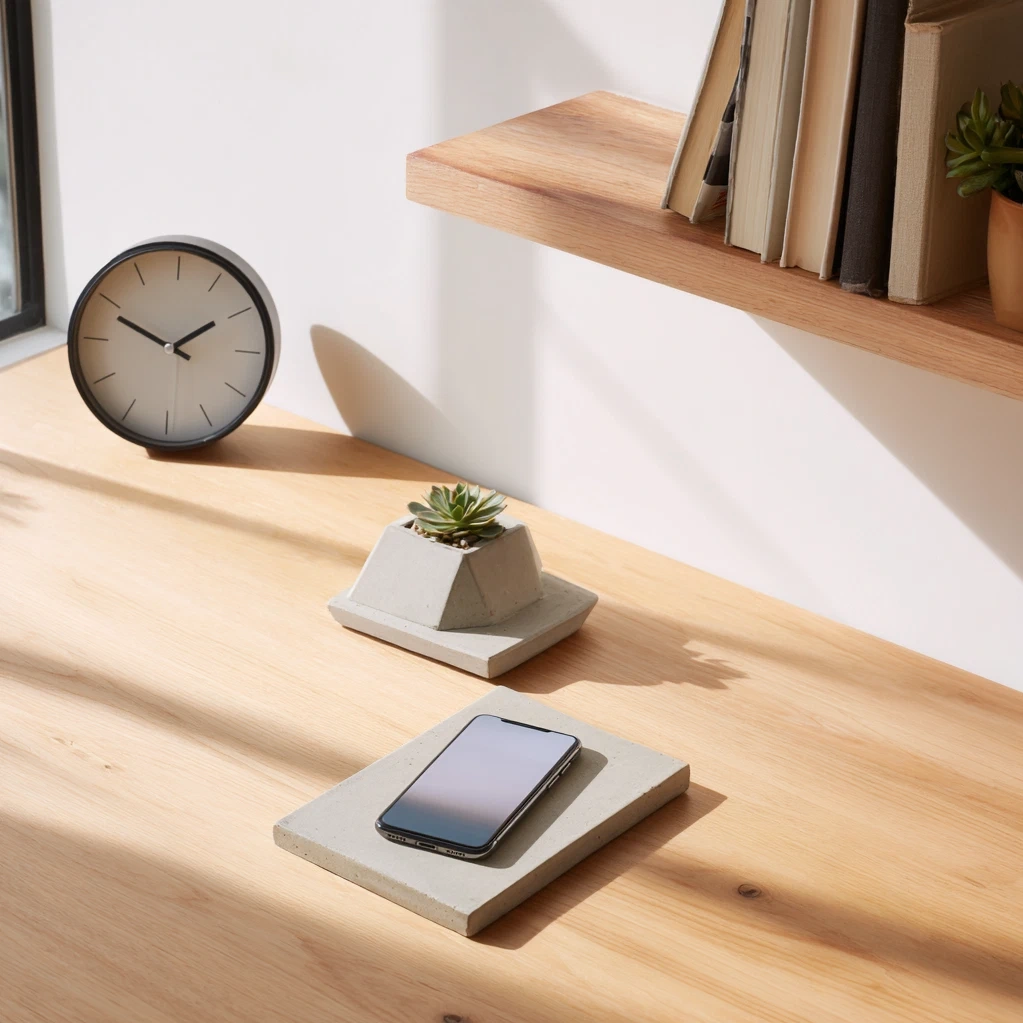
In our constantly buzzing digital world, your phone screen is often the first thing you see in the morning and the last thing you glance at before sleep. It’s a portal to endless information, social connections, and digital noise. This makes choosing the right phone background more significant than it might initially seem. Minimal phone backgrounds have emerged as a powerful tool for mental clarity and aesthetic focus. Unlike cluttered, busy images, these simple designs prioritize clean lines, uncluttered spaces, and subtle color palettes.
By embracing minimalism on your device, you create a visual anchor point of calm. Each time you unlock your phone, you're greeted not by chaos, but by a serene, intentional image. This practice aligns with broader minimalist philosophies that champion reducing distractions to enhance focus on what truly matters. A minimalist background isn't just about looking good; it's about cultivating a digital environment that supports mindfulness and reduces visual stress.
Implementing this simple change can have surprisingly profound effects on your daily digital experience. It transforms your phone from a source of overwhelm into a tool of intentionality. As we spend increasing amounts of time interacting with our devices, curating these small digital spaces becomes an act of self-care and personal expression. The right minimalist background can set the tone for your entire day, reminding you to breathe, focus, and appreciate simplicity amidst complexity.
Why Minimal Phone Backgrounds Enhance Daily Focus
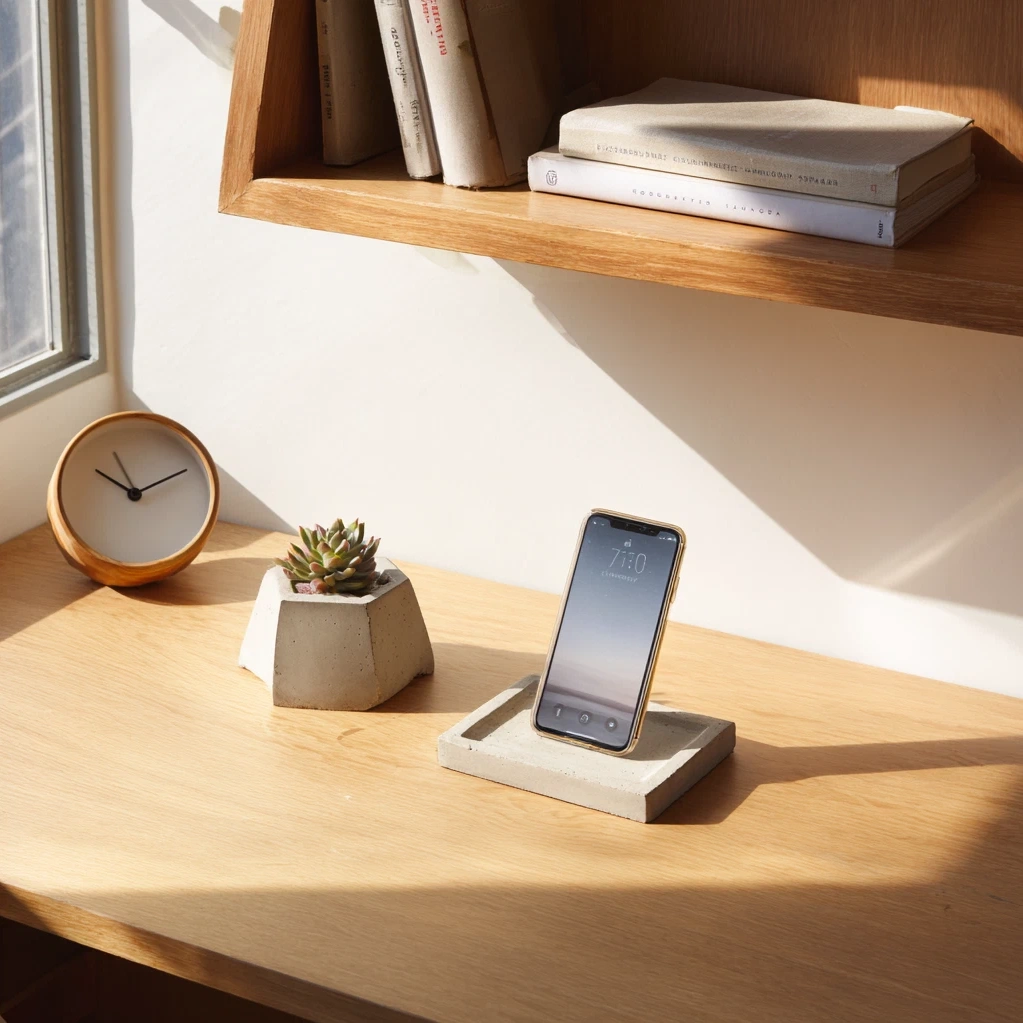
Minimal phone backgrounds serve as more than just decorative elements on your device. They function as intentional design choices that directly impact your cognitive load and mental state. When your screen displays a simple, uncluttered image, your brain doesn't need to process unnecessary visual information. This reduction in visual noise translates to quicker recognition of apps and notifications, plus less mental fatigue over time. Research in environmental psychology suggests that clean, organized visual spaces can improve concentration and reduce stress levels.
Think about how often you check your phone throughout the day. Each glance at a minimalist background provides a micro-moment of visual calm. This consistency helps create psychological anchors that ground you amidst digital distractions. Unlike busy photographs or complex patterns that compete for attention, minimalist designs allow your eyes to rest while still providing aesthetic pleasure. The simplicity becomes a form of digital mindfulness, encouraging you to be more intentional with your phone usage.
Practical benefits extend to battery life and performance too. Simple backgrounds with darker color schemes or fewer intricate details can slightly reduce power consumption on OLED screens. More importantly, they help you develop healthier relationships with your devices by framing technology as a tool rather than an overwhelming presence. By choosing backgrounds that emphasize negative space and clean compositions, you're actively designing a digital environment that supports rather than drains your mental resources.
Choosing the Perfect Minimal Phone Background for Your Style
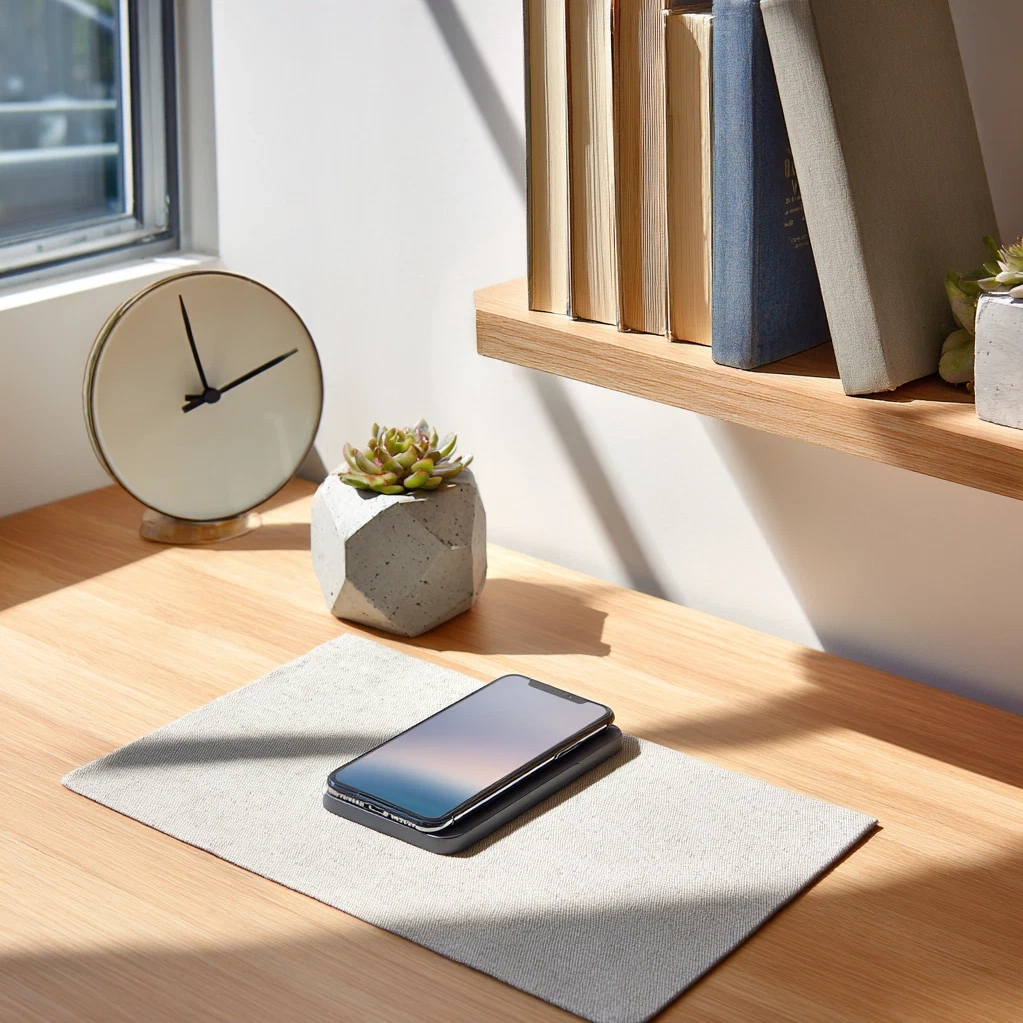
Selecting the right minimalist background involves more than just picking a simple image. It's about finding visual elements that resonate with your personal aesthetic while maintaining the principles of simplicity. Start by considering color psychology. Soft grays, muted blues, and earthy tones often create calming effects, while subtle gradients or single-color backgrounds can feel both modern and serene. Black or dark backgrounds not only look sophisticated but also help icons and text stand out clearly.
Texture plays a crucial role in minimalist design. Instead of completely flat colors, consider backgrounds with subtle textures like fine linen patterns, gentle paper grain, or minimal geometric shapes. These elements add depth without creating visual clutter. The key is subtlety – the texture should be noticeable only upon close inspection, creating interest without distraction.
Think about composition and negative space. Effective minimalist backgrounds often feature asymmetrical balance or carefully placed simple elements. A single line, a small geometric shape positioned thoughtfully, or a gentle gradient can create visual interest while maintaining calm. Consider how the background interacts with your app icons and widgets. A well-chosen minimalist design will make your essential information more readable and accessible.
Seasonal considerations can also enhance your experience. While maintaining minimalist principles, you might choose slightly warmer tones for autumn or cooler palettes for summer. This subtle variation keeps your digital space feeling fresh while maintaining the core benefits of simplicity. Remember that the best minimalist background is one that you genuinely enjoy seeing multiple times daily – it should feel like a personal sanctuary rather than just a design trend.
Creating Your Own Minimal Phone Backgrounds: A Simple Guide
Designing your own minimalist backgrounds can be surprisingly accessible and rewarding. You don't need advanced design skills to create beautiful, personalized images for your phone. Start with basic tools like smartphone photo editing apps or free online design platforms. The process begins with understanding fundamental design principles like balance, contrast, and negative space.
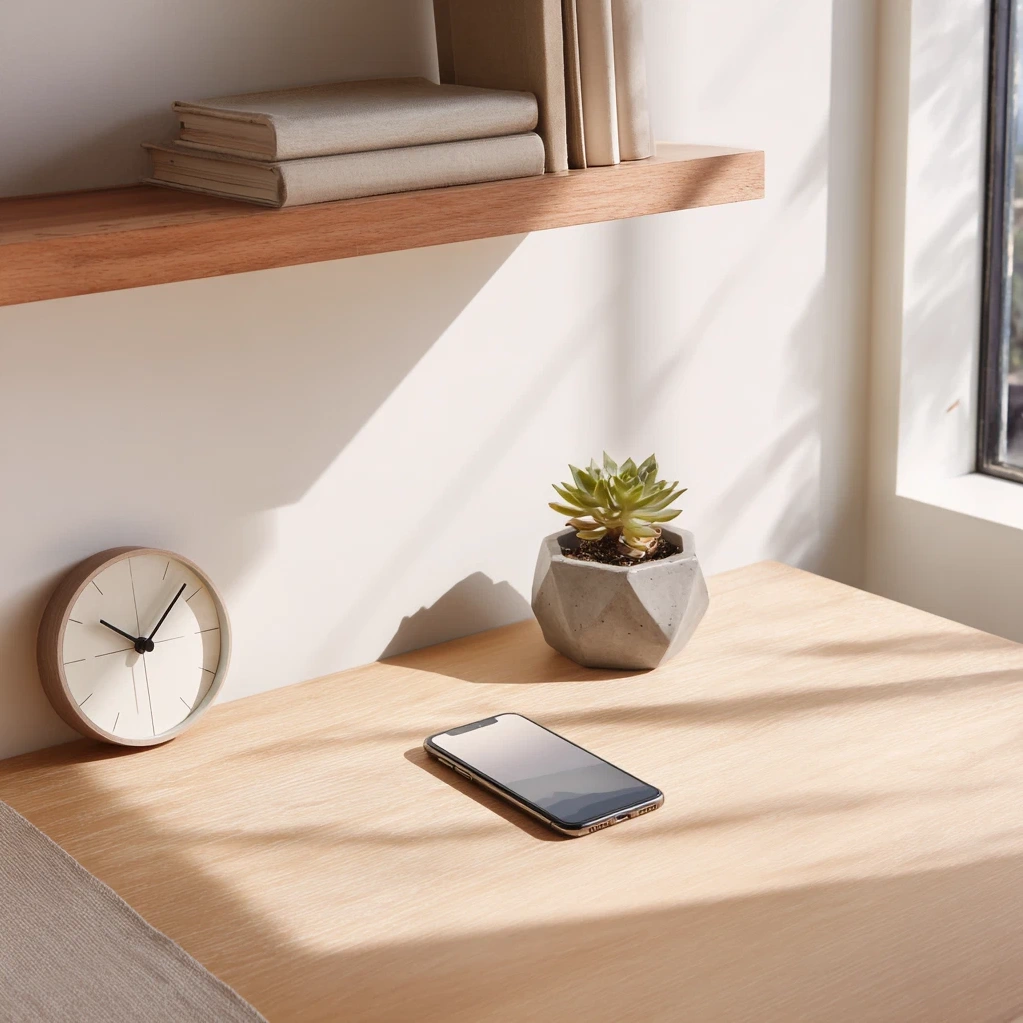
For photographic backgrounds, look for simple scenes in your environment. A clean wall surface, an uncluttered desk corner, or a minimalist architectural detail can make excellent starting points. Use your phone's camera with attention to composition – center simple elements or use the rule of thirds for more dynamic results. Adjust exposure and contrast to emphasize simplicity, and consider converting to black and white for ultimate minimalism.
If you prefer graphic designs, begin with solid colors and basic shapes. Many free apps allow you to create gradient backgrounds or add simple geometric elements. Keep your palette limited to two or three colors maximum, and ensure sufficient contrast between elements for readability. Remember that less is more – a single well-placed line or circle often creates more impact than multiple competing elements.
Test your creations by setting them as backgrounds and living with them for a day. Notice how they make you feel when you unlock your phone. Do they create calm or distraction? Are your apps easily visible? This practical testing helps refine your designs. Save your favorite creations and rotate them occasionally to maintain visual freshness while keeping the minimalist benefits. Creating your own backgrounds turns this practice from passive consumption to active creativity, adding personal meaning to your digital space.
The Psychological Benefits of Maintaining Minimal Phone Backgrounds
The impact of minimalist phone backgrounds extends far beyond aesthetic preference into measurable psychological benefits. Regular exposure to simple, organized visual environments can significantly influence mood, focus, and overall mental well-being. Each time you interact with your phone – which research suggests happens dozens or even hundreds of times daily – you're reinforcing neural pathways associated with the visual information presented.
Minimalist backgrounds create what psychologists call 'restorative environments.' These are spaces that allow cognitive resources to recover from mental fatigue. Unlike complex images that require continuous processing, simple designs give your brain moments of rest. This is particularly valuable in our information-saturated world, where digital devices often contribute to cognitive overload rather than relief.
The consistency of seeing the same minimalist background throughout your day establishes psychological anchors. These visual cues can help regulate emotional responses to digital interactions. For instance, seeing a calm, simple image before checking work emails or social media can create a buffer against potential stress. This practice aligns with mindfulness techniques that encourage observing without immediately reacting.
Over time, maintaining minimalist backgrounds can influence broader digital habits. The intentionality behind choosing and keeping a simple background often extends to how you organize apps, manage notifications, and interact with your device overall. This creates a positive feedback loop where your digital environment supports healthier technology use patterns. The psychological space created by minimalist design becomes a foundation for more mindful engagement with all aspects of your digital life.
Conclusion
Embracing minimal phone backgrounds represents more than a design trend – it's a practical approach to enhancing your daily digital experience. Throughout this exploration, we've seen how simple visual choices can reduce cognitive load, improve focus, and create psychological calm. The beauty of this practice lies in its accessibility and immediate impact. Unlike major lifestyle changes, switching to a minimalist background takes seconds but delivers continuous benefits every time you interact with your device.
As technology continues to permeate every aspect of our lives, intentionally designing our digital environments becomes increasingly important. Minimalist backgrounds serve as small but powerful reminders that we can shape how technology affects us. They transform our devices from sources of overwhelm into tools of intentionality and focus. This practice aligns with broader movements toward digital wellness and mindful technology use.
Looking forward, the principles behind minimalist phone backgrounds will likely become more relevant as augmented reality and more immersive digital experiences emerge. The need for visual simplicity and cognitive relief will only grow. By establishing these habits now, you're preparing for future technological developments while improving your current daily experience.
Start today by choosing one simple background that resonates with you. Live with it for a week and notice the subtle shifts in your digital interactions. You might find that this small change inspires larger movements toward simplicity in other areas of your life. Remember that the goal isn't perfection but progress toward more intentional, focused digital engagement. Your phone screen is a canvas – paint it with the simplicity that serves your well-being.
Frequently Asked Questions
Q: What makes a phone background truly 'minimalist' versus just simple?
A truly minimalist phone background follows specific design principles beyond mere simplicity. It emphasizes intentional reduction, where every element serves a purpose and unnecessary details are eliminated. Key characteristics include limited color palettes (often 2-3 colors maximum), generous negative space, clean lines or shapes, and absence of visual clutter. Unlike merely simple backgrounds, minimalist designs create visual harmony through careful balance and composition. They prioritize function alongside form – ensuring app icons and text remain clearly readable. The distinction lies in the philosophical approach: minimalism is about purposeful reduction to enhance both aesthetics and usability, while simplicity might just mean less complexity without this intentional design thinking.
Q: Can minimalist backgrounds work effectively with many app icons and widgets?
Absolutely. In fact, minimalist backgrounds often work better with multiple app icons and widgets than busy backgrounds do. The key is contrast and organization. Choose backgrounds with sufficient color contrast against your icons – dark backgrounds with light icons or vice versa. Minimalist designs with solid colors or subtle gradients provide clean canvases that make icons stand out clearly. For widget-heavy setups, consider minimalist backgrounds with more negative space in areas where widgets appear. The simplicity of the background actually enhances widget readability by eliminating visual competition. Many users find that minimalist backgrounds encourage more organized icon placement, as the clean backdrop makes haphazard arrangements more noticeable. This creates a positive cycle where the background inspires better overall screen organization.
Q: How often should I change my minimalist phone background?
There's no fixed rule, but many minimalist enthusiasts recommend seasonal changes or when you feel the need for visual refreshment without sacrificing simplicity. Some people maintain the same background for months, finding comfort in the consistency. Others change more frequently but stick to the same minimalist principles. Consider changing when seasons shift – warmer tones for autumn, cooler for summer – while maintaining minimalist aesthetics. You might also create a small collection of favorite minimalist backgrounds and rotate them weekly or monthly. The important principle is to change intentionally rather than compulsively. If you find yourself constantly searching for new backgrounds, it might indicate that your current choice isn't truly resonating. Listen to your response each time you unlock your phone – your background should create a sense of calm rather than prompting the desire for something different.