Old Money Office Decor: Timeless Elegance That Commands Respect


In an era of fleeting trends and mass-produced furniture, old money office decor stands as a testament to enduring style and refined taste. This aesthetic isn’t about showing off wealth—it’s about demonstrating wisdom, heritage, and a commitment to quality that transcends generations. While modern offices often prioritize sterile efficiency, the old money approach creates spaces that inspire confidence, foster meaningful work, and tell a story of accumulated knowledge. The importance of this decor style goes beyond mere appearance. It influences how we perceive spaces, how we conduct business, and how we value craftsmanship in an increasingly disposable world. An office designed with old money principles becomes more than just a workplace—it transforms into a sanctuary of thoughtfulness, where every object serves a purpose and every material choice reflects consideration. This approach to design teaches us to invest in pieces that last, to appreciate subtlety over flashiness, and to create environments that support both productivity and reflection. As remote work blurs the lines between home and office, understanding these timeless principles becomes even more valuable for creating spaces that command respect in virtual meetings and in-person collaborations alike. The quiet confidence of old money decor communicates stability and expertise before you even speak, making it particularly relevant for professionals who want their surroundings to reinforce their credibility.
The Core Principles of Old Money Office Decor
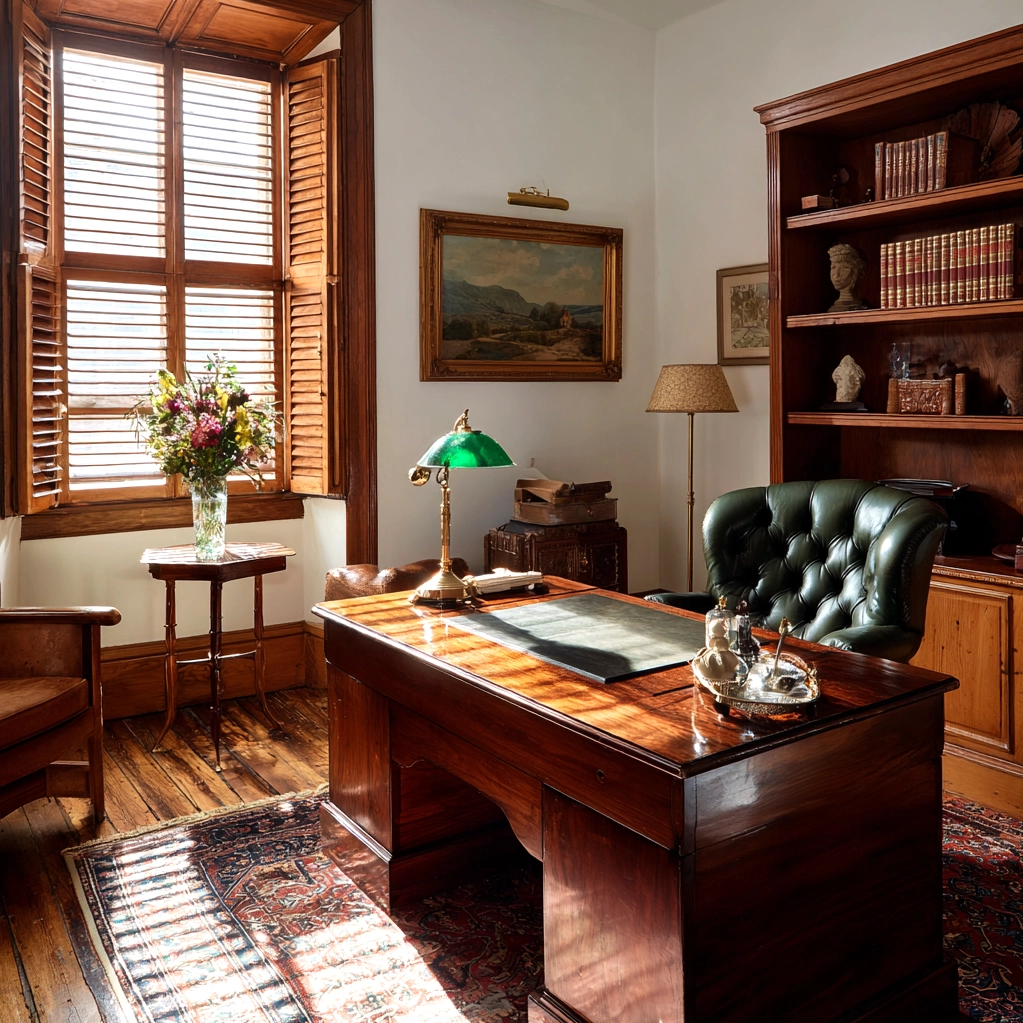
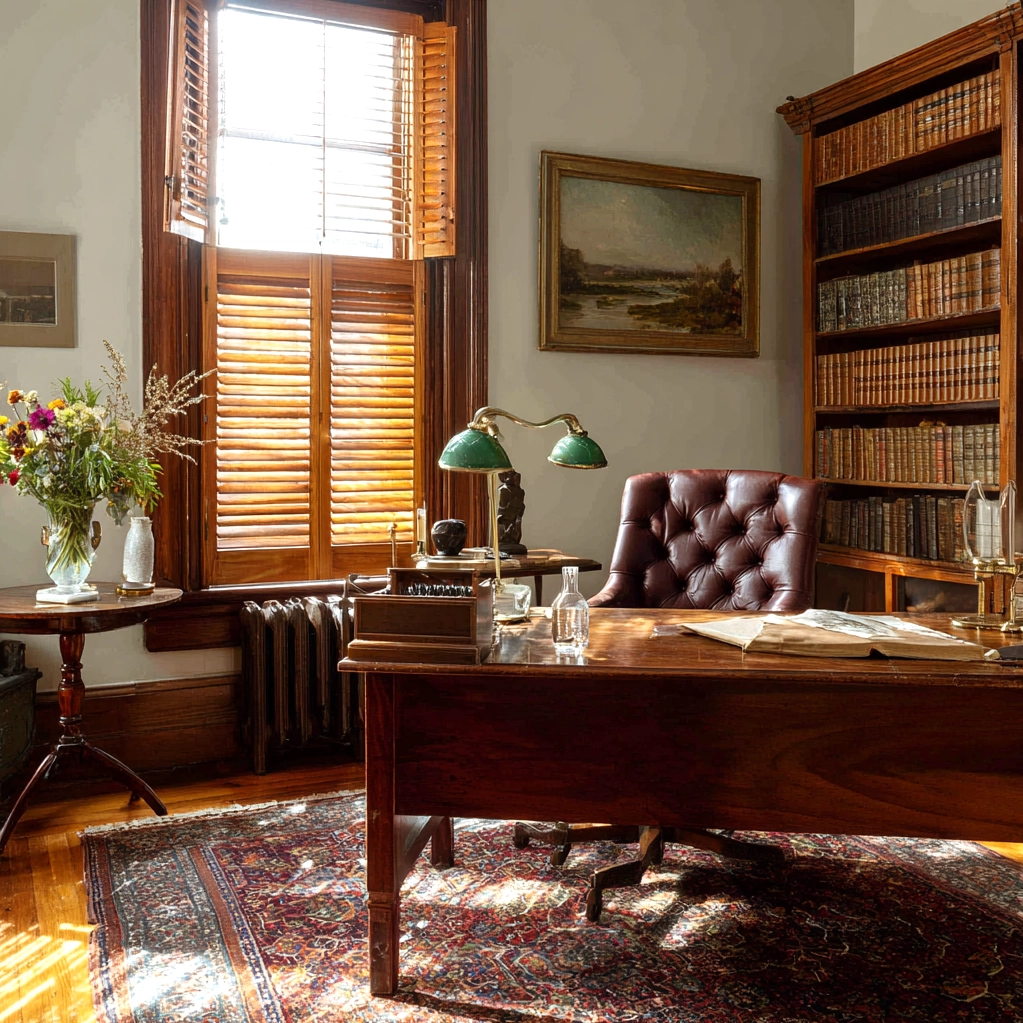
Old money office decor rests on several fundamental principles that distinguish it from other design approaches. First is the emphasis on quality over quantity. Rather than filling a space with numerous inexpensive items, this aesthetic focuses on selecting a few exceptional pieces that will last for decades. Think solid wood desks with dovetail joints, leather chairs that develop character with age, and brass fixtures that patina beautifully over time. The second principle is subtlety. Old money decor avoids ostentatious displays of wealth in favor of understated elegance. This means rich materials like mahogany, walnut, or aged leather appear in classic forms rather than flashy designs. The color palette tends toward deep, muted tones—navy blues, forest greens, burgundies, and warm browns—that create a sense of calm and sophistication. Third is functionality with grace. Every item in an old money office serves a practical purpose while maintaining aesthetic integrity. A leather-bound notebook isn't just decorative; it's used for important notes. A crystal decanter isn't merely for show; it's for offering guests a proper drink. This principle extends to organization as well, with beautiful wooden filing cabinets and discreet storage solutions that keep clutter at bay. Finally, heritage plays a crucial role. Old money decor often incorporates family heirlooms, antique maps, inherited artwork, or vintage globes that tell a story of continuity and tradition. These elements aren't purchased to create an instant 'look' but are accumulated over time, giving the space authentic character that can't be replicated with mass-produced decor.
Essential Elements for Authentic Old Money Office Decor
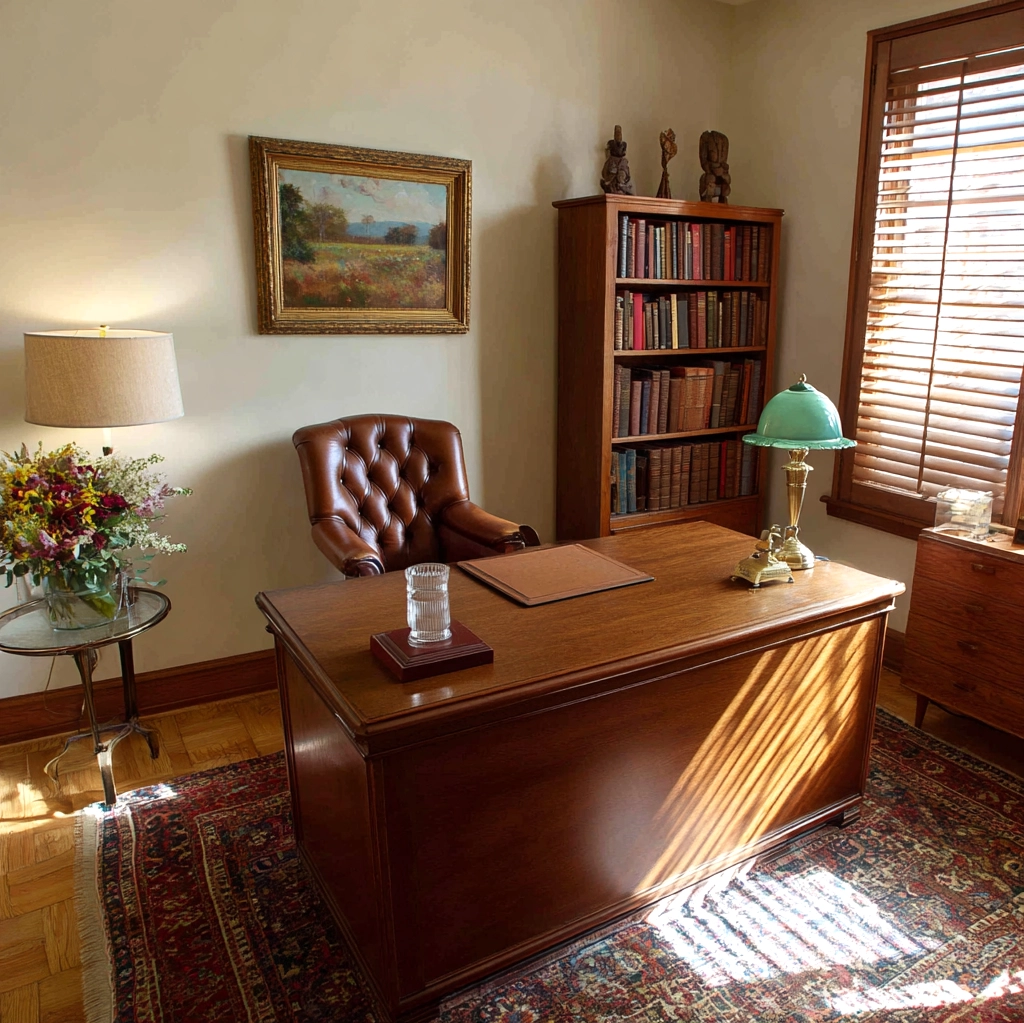
Creating an authentic old money office requires careful attention to specific elements that embody this aesthetic. Start with the foundation: furniture. A substantial wooden desk, preferably in mahogany, oak, or walnut, forms the centerpiece. Look for traditional styles like partner desks or pedestal desks with clean lines and minimal ornamentation. The chair should be equally substantial—a leather executive chair with tufted back and solid wood frame provides both comfort and presence. Lighting is another critical element. Avoid harsh overhead lights in favor of layered lighting. A brass or bronze desk lamp with a green glass shade offers focused task lighting, while floor lamps with fabric shades provide ambient glow. Natural light should be welcomed through quality window treatments like wooden shutters or heavy linen drapes. Wall treatments set the tone for the entire space. Consider wainscoting, wood paneling, or grasscloth wallpaper in neutral tones. Art should be meaningful rather than decorative—original oil paintings, architectural drawings, or vintage maps framed in simple wood frames work beautifully. Don't overlook the details that complete the look. A leather blotter on the desk, crystal inkwells or pen holders, a quality timepiece, and a few carefully selected books in leather bindings all contribute to the atmosphere. Flooring should be substantial as well—hardwood with a Persian or Oriental rug adds warmth and texture. The key is consistency: every element should feel like it belongs together, creating a cohesive environment where nothing looks out of place or overly trendy.
How to Incorporate Old Money Office Decor in Modern Spaces
Many people assume old money office decor requires a historic building or unlimited budget, but this timeless aesthetic can be adapted to contemporary settings with thoughtful planning. The first step is to prioritize investment pieces. Instead of buying an entire office suite at once, start with one quality item—perhaps a solid wood desk or a genuine leather chair—and build around it over time. Look for vintage or antique pieces at estate sales, auctions, or reputable dealers; these often offer better quality than new furniture at similar prices. For those in modern buildings, balance traditional elements with contemporary architecture. A classic wooden desk can anchor a room with large windows and minimalist lines. Use traditional materials in updated forms—for example, a leather club chair in a clean silhouette rather than an ornate Victorian style. Color plays a crucial role in bridging old and new. Stick to the rich, muted palette characteristic of old money decor, but apply it in modern ways. Paint walls in deep navy or olive green rather than beige, then keep other elements simple. Lighting is where many modern offices falter. Replace fluorescent fixtures with vintage-inspired lamps that provide warm, flattering light. Even simple changes like adding a wooden bookshelf with leather-bound books or replacing plastic accessories with brass or crystal alternatives can transform a space. Technology integration requires special consideration. Rather than hiding devices, incorporate them gracefully. Use wooden monitor stands, leather desk pads under keyboards, and discreet cable management. The goal isn't to recreate a historical period but to capture the essence of old money decor—quality, subtlety, and timelessness—within your existing space and lifestyle.
Avoiding Common Mistakes in Old Money Office Decor
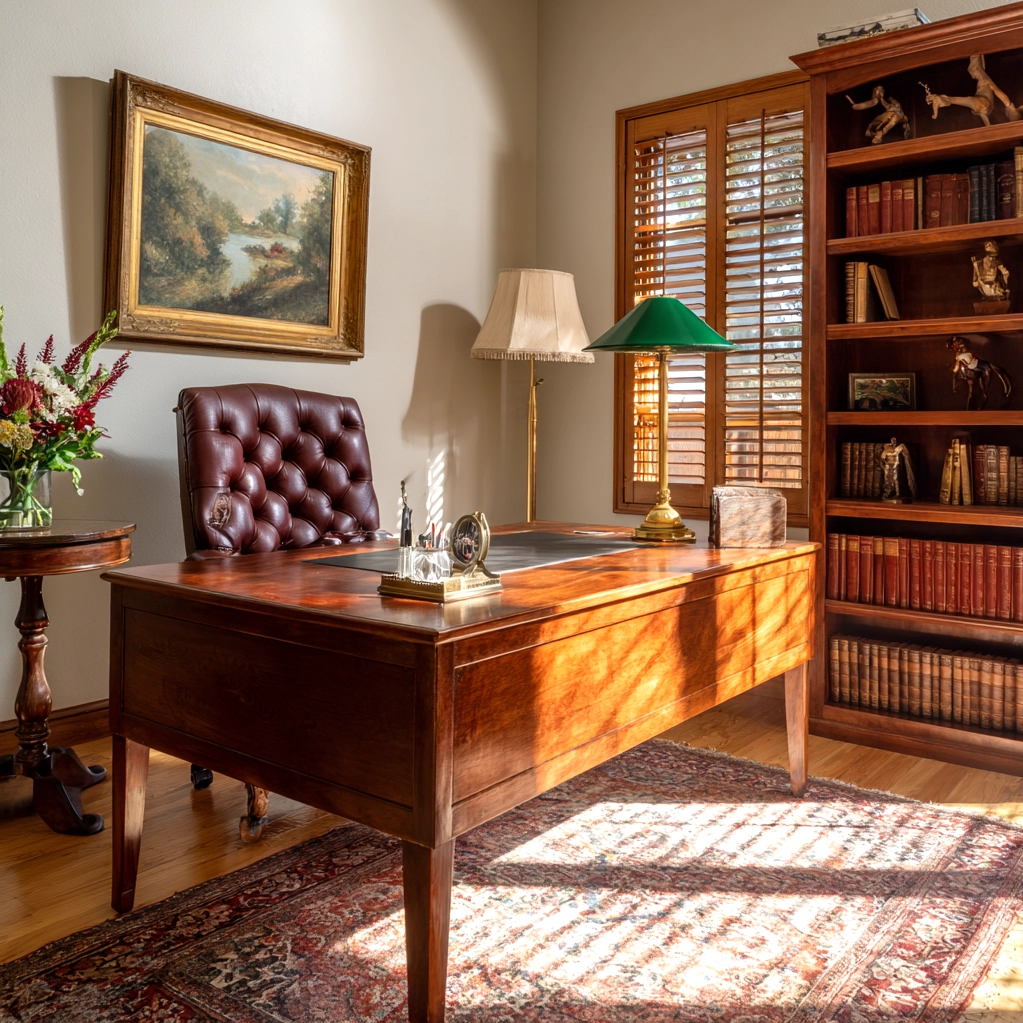
While old money office decor offers numerous benefits, several common mistakes can undermine its effectiveness. The most frequent error is confusing 'old' with 'old-fashioned.' This aesthetic isn't about recreating a specific historical period but about selecting pieces with enduring quality and style. Avoid furniture that looks deliberately antiqued or artificially distressed; genuine wear from use is far more appealing than factory-applied 'character.' Another mistake is over-accessorizing. The old money approach values empty space and careful editing. A cluttered desk covered in knickknacks contradicts the refined simplicity this style embodies. Instead, limit decorative items to a few meaningful pieces—a family photograph in a silver frame, a vintage globe, or a single piece of sculpture. Quality misinterpretation is another pitfall. Some people assume any dark wood or leather qualifies as old money decor, but material authenticity matters greatly. Bonded leather that peels after a year or particle board with wood veneer won't achieve the desired effect. Look for solid construction, natural materials, and honest craftsmanship. Color mishandling can also derail the aesthetic. While rich colors are characteristic, using too many dark tones in a small space can feel oppressive. Balance deep wall colors with adequate lighting and lighter elements like cream-colored rugs or linen curtains. Finally, avoid the temptation to make everything match perfectly. Old money decor develops organically over time, so pieces from different periods and styles can work together if they share quality materials and proportional harmony. A mix of inherited items, carefully chosen antiques, and a few excellent new pieces creates more authentic character than a perfectly coordinated set. Remember that this style values substance over surface, so every choice should prioritize longevity and genuine quality over immediate visual impact.
Conclusion
Old money office decor represents more than just a design trend—it's a philosophy of intentional living that values quality, heritage, and subtle sophistication. By embracing the principles outlined in this article, you can create a workspace that not only looks distinguished but also functions beautifully for years to come. This approach teaches us to make thoughtful choices, invest in pieces that tell a story, and cultivate an environment that supports both productivity and reflection. As we look to the future of workspaces, the lessons of old money decor become increasingly relevant. In a world of disposable furniture and rapidly changing trends, creating spaces with enduring appeal offers both practical and psychological benefits. Such offices age gracefully, requiring minimal updates while maintaining their authority and charm. They also promote sustainable practices through their emphasis on longevity and quality craftsmanship. For those implementing these ideas, remember that authenticity develops over time. Start with foundational pieces and allow your space to evolve naturally. Don't rush to fill every corner; let each addition be considered and meaningful. Whether you're designing a home office, corporate workspace, or professional studio, the principles of old money decor can elevate your environment from merely functional to truly inspiring. Ultimately, this aesthetic reminds us that our surroundings influence how we think, work, and present ourselves to the world—making the investment in quality decor one of the wisest decisions any professional can make.
Frequently Asked Questions
Q: Can I achieve old money office decor on a limited budget?
Absolutely. While quality pieces often come with higher price tags, you can achieve this aesthetic thoughtfully without overspending. Focus on acquiring one or two investment pieces first—such as a solid wood desk or genuine leather chair—and build around them gradually. Shop estate sales, auctions, and reputable vintage dealers for well-made furniture at reasonable prices. For other elements, prioritize material authenticity over brand names. A simple brass lamp from a hardware store can work as well as a designer version if it has quality construction. Remember that old money decor values empty space, so you don't need to fill every area immediately. Allow your collection to develop over years rather than attempting to complete the look overnight.
Q: How do I incorporate modern technology into an old money office without disrupting the aesthetic?
Technology integration requires thoughtful consideration but is entirely achievable. Start by selecting devices with clean, minimalist designs that won't clash with traditional elements. Use wooden monitor stands or laptop risers to elevate screens to comfortable viewing heights. For cable management, employ discreet solutions like leather-covered cord organizers or routing cables through desk grommets. Consider a traditional-style radio or speaker that offers modern Bluetooth connectivity. When it comes to charging stations, opt for wooden or leather organizers rather than plastic ones. The key is to treat technology as functional tools that should blend seamlessly rather than dominate the space. With careful placement and complementary accessories, you can maintain both technological efficiency and aesthetic harmony.
Q: What are the biggest differences between old money office decor and traditional or vintage styles?
While these styles share some similarities, key distinctions set old money decor apart. Traditional decor often emphasizes period-specific accuracy and might recreate a particular historical look completely. Vintage style focuses on items from a specific era, sometimes mixing periods for eclectic effect. Old money decor, however, prioritizes quality and timelessness over historical accuracy. It mixes pieces from different eras if they share excellent craftsmanship and materials. Unlike vintage style, which might include decorative items purely for their age, old money decor requires every piece to be functional and meaningful. Another difference lies in subtlety: old money avoids obvious displays of wealth or trendiness, whereas traditional decor might include more ornamental elements. Ultimately, old money decor is less about appearance alone and more about a philosophy of investing in pieces that last generations while maintaining understated elegance.