
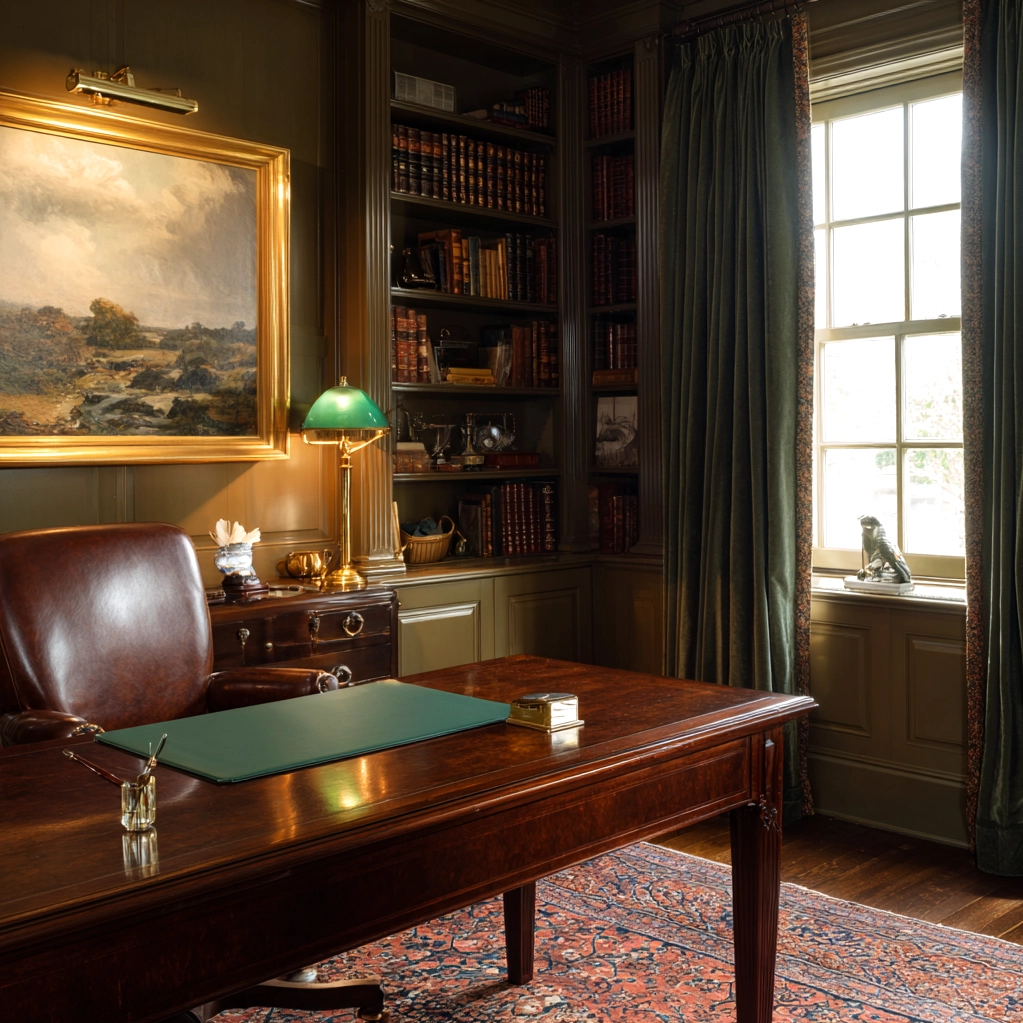
Old Money Offices: 4 Timeless Design Secrets for Luxurious Productivity


Step into a world where success is measured not just in balance sheets, but in the quality of your surroundings. The concept of old money offices represents more than just interior design—it’s a philosophy of work and living that has stood the test of time. These spaces embody a quiet confidence, where heritage meets productivity in perfect harmony. In today’s fast-paced digital world, where many workspaces feel temporary and disposable, the enduring appeal of old money offices offers valuable lessons about creating environments that inspire greatness while maintaining comfort and elegance.
The importance of these spaces extends beyond mere aesthetics. Old money offices are designed to facilitate focus, encourage thoughtful decision-making, and project stability—qualities that are increasingly rare in our modern work culture. They serve as sanctuaries where important work happens, where deals are negotiated, and where legacies are built. The careful curation of these spaces reflects a deeper understanding of how our surroundings influence our mindset, productivity, and ultimately, our success.
When you enter a properly executed old money office, you immediately sense the difference. There's a weight to the air—not oppressive, but substantial. You feel the presence of history while still experiencing the functionality needed for contemporary work. These spaces aren't museums frozen in time; they're living, breathing work environments that have evolved while maintaining their core principles. The four key elements we'll explore in this article can transform any workspace into an environment of refined productivity and timeless elegance.
The Foundation of Old Money Offices: Quality Materials and Craftsmanship
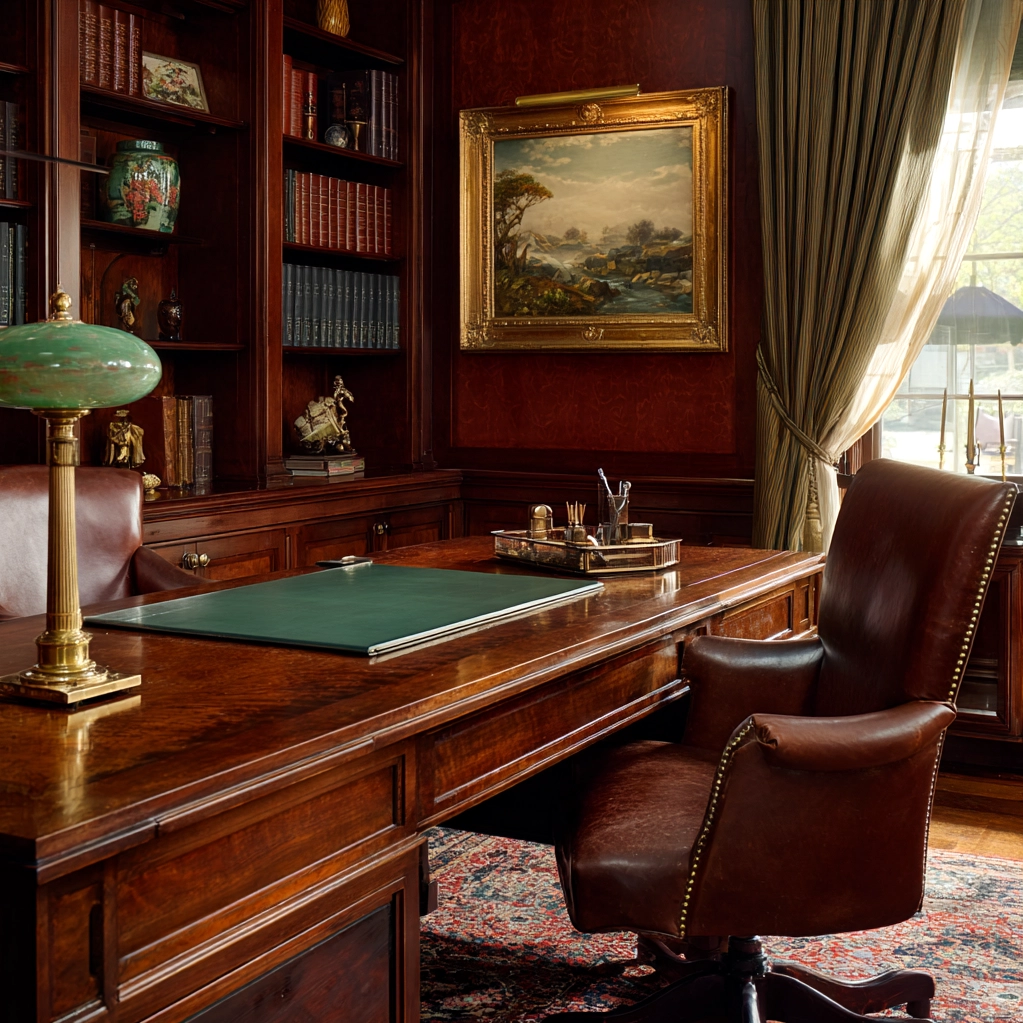
At the heart of every authentic old money office lies an uncompromising commitment to quality materials and craftsmanship. These aren't spaces filled with mass-produced furniture or temporary solutions. Instead, they feature solid wood desks that have been lovingly maintained for generations, leather chairs that develop character over decades, and built-in bookshelves that are structural elements of the room rather than afterthoughts. The materials speak of permanence—mahogany, walnut, and oak dominate, while brass, bronze, and other quality metals provide accents that age gracefully rather than deteriorate.
The craftsmanship in these spaces tells a story of attention to detail that modern manufacturing often overlooks. Dovetail joints in drawer construction, hand-tooled leather surfaces, and custom-fitted cabinetry all contribute to an environment that feels substantial and permanent. This isn't about ostentatious display; it's about investing in pieces that will last and improve with age. The patina that develops on well-made furniture becomes part of the office's character, telling a visual story of use and importance.
Beyond furniture, the architectural elements play a crucial role. Wainscoting, crown molding, and substantial doors with solid hardware create a framework that elevates the entire space. Even the floors—typically hardwood or quality stone—contribute to the overall sense of permanence. These elements work together to create an acoustic environment that's both commanding and intimate, perfect for confidential conversations or deep concentration. The result is a workspace that feels like a natural extension of the work happening within it, where every element has been carefully considered and purposefully selected.

Functional Elegance: How Old Money Offices Balance Beauty and Utility
The most successful old money offices master the delicate balance between beauty and utility. Unlike purely decorative spaces that prioritize form over function, these offices are designed to facilitate important work while maintaining an atmosphere of refined elegance. Every element serves a purpose, and every beautiful object has practical value. This principle extends from the largest pieces of furniture to the smallest accessories, creating a cohesive environment where productivity and aesthetics work in harmony.
Consider the classic partner's desk, a hallmark of many old money offices. Its generous proportions allow for spreading out documents during intensive work sessions, while its substantial presence commands respect in meetings. The leather writing surface isn't just for show—it provides a smooth, durable workspace that improves with use. Similarly, quality leather chairs aren't merely decorative; they're ergonomically designed for long hours of comfortable work, with proper support for the back and arms during extended periods of concentration.
Storage solutions in these offices demonstrate this balance perfectly. Built-in bookshelves with glass-fronted cabinets protect valuable volumes while allowing them to be displayed. Substantial filing cabinets, often custom-fitted to the space, provide organized storage without sacrificing elegance. Even lighting follows this principle—adjustable desk lamps with quality shades provide focused light where needed, while carefully placed ambient lighting creates a warm, inviting atmosphere. The technology integration in modern old money offices continues this tradition, with discreet charging stations, hidden cable management, and integrated audio-visual systems that don't detract from the room's aesthetic. This thoughtful approach to functionality ensures that the office remains a productive workspace while maintaining its timeless appeal.
Curating the Atmosphere: Key Elements That Define Old Money Offices
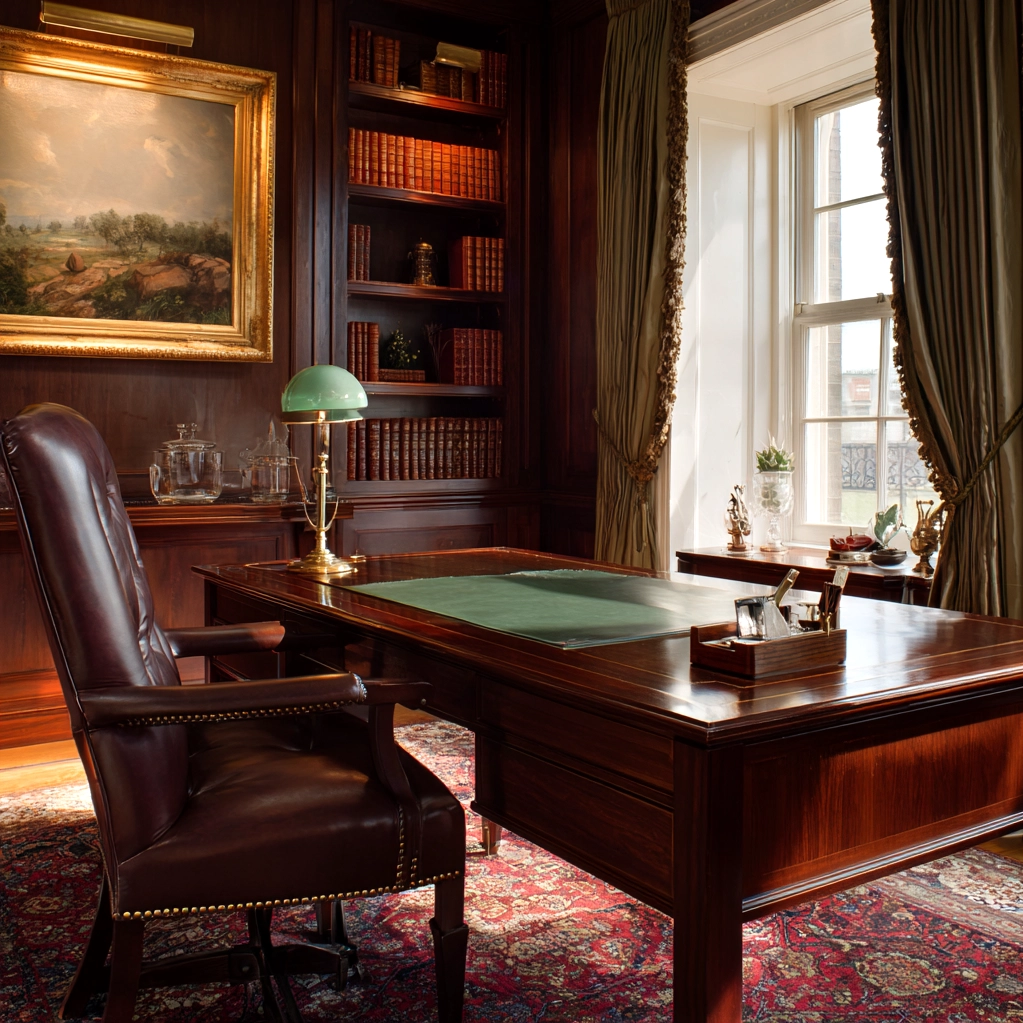
Creating the distinctive atmosphere of an old money office involves careful curation of specific elements that work together to form a cohesive whole. The color palette typically leans toward rich, deep tones—forest greens, navy blues, burgundies, and warm browns dominate, creating a sense of depth and sophistication. These aren't loud or trendy colors but rather timeless shades that create a calm, focused environment. Walls often feature subtle textures or traditional patterns that add visual interest without overwhelming the space, while maintaining a sense of understated elegance.
Lighting plays a crucial role in establishing the right atmosphere. Natural light is maximized through well-proportioned windows, often dressed with quality drapes or blinds that can adjust light levels as needed. Artificial lighting follows a layered approach, combining ambient, task, and accent lighting to create a flexible environment suitable for different activities and times of day. Table lamps with substantial bases and quality shades provide warm, focused light for reading and detailed work, while ceiling fixtures offer general illumination that flatters the room's features without creating glare or harsh shadows.
The accessories and decorative elements in these offices are carefully selected to enhance the atmosphere without cluttering the space. Quality writing instruments rest in leather holders, crystal decanters contain spirits for important conversations, and carefully chosen artwork adds personality without dominating. Books—both reference works and personal favorites—fill shelves not just for decoration but for actual use. Fresh flowers or quality silk arrangements add life and color, while maintaining the room's refined character. The overall effect is one of curated abundance, where every item has been selected for its beauty, quality, and contribution to the overall atmosphere of thoughtful productivity.
Conclusion
The enduring appeal of old money offices lies in their ability to create environments that support both productivity and well-being. These spaces demonstrate that functionality and beauty aren't mutually exclusive—they can and should work together to create work environments that inspire confidence, foster concentration, and project stability. The four key principles we've explored—quality materials and craftsmanship, the balance of beauty and utility, careful curation of atmosphere, and the thoughtful integration of tradition with modern needs—provide a blueprint for creating workspaces that stand the test of time while meeting contemporary requirements.
Looking forward, the lessons from old money offices become increasingly relevant. As more people work from home or in hybrid arrangements, the importance of creating dedicated, high-quality workspaces grows. The principles of permanence, quality, and thoughtful design offer an antidote to the disposable culture that often surrounds modern work environments. By investing in pieces that will last, creating spaces that facilitate focus, and maintaining an atmosphere of refined productivity, we can build workspaces that not only serve our immediate needs but also contribute to our long-term success and satisfaction.
Whether you're designing a home office, renovating a corporate workspace, or simply looking to elevate your current work environment, the principles of old money offices offer valuable guidance. Start by assessing the quality of your key pieces, consider how each element contributes to both beauty and function, and curate your space with intention rather than accumulation. The result will be a workspace that not only looks impressive but actually helps you do your best work—a true legacy in the making that honors the past while serving the future.
Frequently Asked Questions
Q: What are the most essential pieces for creating an old money office look?
The foundation of any old money office begins with three essential pieces: a substantial wooden desk, preferably in mahogany, walnut, or oak; a quality leather chair with proper ergonomic support; and built-in or substantial freestanding bookshelves. Beyond these basics, invest in quality lighting—both task lighting like a substantial desk lamp and ambient lighting that creates warmth. A quality rug that defines the workspace, proper window treatments, and carefully selected accessories like a crystal decanter set or quality writing instruments complete the essentials. Remember, it's better to invest in fewer high-quality pieces than to fill the space with mediocre items.
Q: How can I incorporate modern technology into an old money office without disrupting the aesthetic?
Modern technology can be seamlessly integrated into an old money office with careful planning. Start with cable management solutions—use cord channels that match your baseboards or invest in a desk with built-in cable management. Consider custom solutions for hiding routers and other equipment. For computers and monitors, choose sleek, minimal designs in dark finishes that blend with traditional furniture. Use wireless technology where possible to reduce visible cables. Consider converting an antique cabinet or side table into a discreet tech station with modified interiors. The key is to make technology accessible but not prominent, maintaining the room's traditional aesthetic while ensuring full functionality for modern work requirements.
Q: Can I create an old money office on a reasonable budget?
Absolutely. While authentic antique pieces can be expensive, you can achieve the old money office aesthetic through strategic choices. Focus on quality over quantity—invest in one or two key pieces like a solid wood desk and build around them. Look for vintage furniture at estate sales or through online marketplaces where you can find quality pieces at reasonable prices. Consider refinishing older furniture rather than buying new. For items you must buy new, choose classic designs in quality materials rather than trendy pieces. Build your collection gradually, adding pieces as your budget allows. Remember that proper arrangement, careful color selection, and good lighting can elevate even modest pieces. The goal is creating a cohesive, quality-feeling environment, not necessarily filling the space with expensive antiques.


