Painting Tables Ideas: Transformative Creative Inspirations for Your Space


Unlock the potential of your furniture with painting tables ideas that breathe new life into your living spaces. A painted table is more than just a functional piece—it’s a statement of personal style, a canvas for creativity, and a cost-effective way to refresh your home decor. Whether you’re reviving an old piece or customizing a new one, painting offers endless possibilities to match your aesthetic, from rustic farmhouse charm to sleek modern elegance. This transformation not only enhances visual appeal but also protects surfaces, extending the life of your furniture. In today’s world of DIY trends and sustainable living, painting tables has become a popular project for homeowners seeking to express individuality without breaking the bank. With the right techniques and inspiration, you can turn ordinary tables into extraordinary focal points that reflect your personality and elevate your entire room. This guide will explore practical, innovative painting tables ideas to inspire your next project, helping you achieve professional-looking results with confidence and ease.
Essential Painting Tables Ideas for Beginners
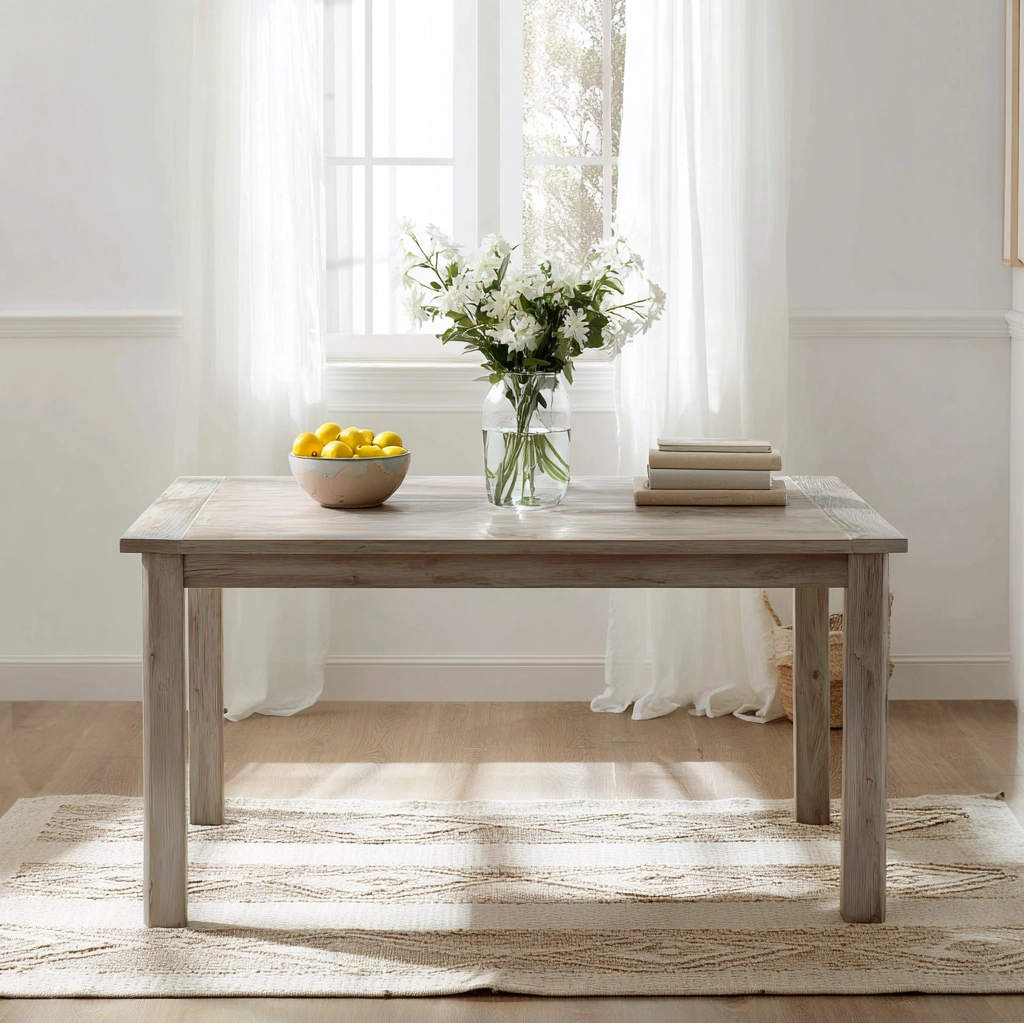
Starting with painting tables ideas for beginners ensures a smooth and successful project. First, choose a table that fits your skill level—solid wood pieces are ideal as they sand easily and hold paint well. Prepare the surface by cleaning thoroughly with a mild detergent, then sanding to remove old finishes and create a smooth base for adhesion. Prime the table with a quality primer to prevent stains and improve paint durability. For paint selection, acrylic or latex-based paints offer good coverage and are easy to clean up. Consider using a brush for detailed edges and a roller for flat surfaces to achieve an even finish. Popular beginner-friendly ideas include solid colors in neutral tones like white, gray, or beige, which are forgiving and versatile. Add a clear topcoat, such as polyurethane, to protect against scratches and moisture. This foundational approach helps build skills while creating a beautiful, durable result that enhances your decor.
Advanced Painting Tables Ideas with Techniques and Finishes
Elevate your furniture with advanced painting tables ideas that incorporate sophisticated techniques and finishes. For a distressed look, apply a base coat of one color, let it dry, then add a top coat in a contrasting shade. Once dry, lightly sand edges and corners to reveal the underlying color, creating a vintage, worn appearance. Stenciling offers precision for patterns like geometric shapes or floral motifs—secure the stencil with tape and use a stencil brush to dab paint evenly. Ombre effects involve blending two or more colors gradually from one end of the table to the other, using a sponge or dry brush technique. Metallic finishes, such as gold or copper, add luxury and can be applied with specialized paints or leafing products. For durability, seal with a matte or glossy varnish based on your desired sheen. These advanced ideas allow for customization that reflects high-end design trends, making your table a unique centerpiece in any room.
Creative Painting Tables Ideas for Different Room Styles
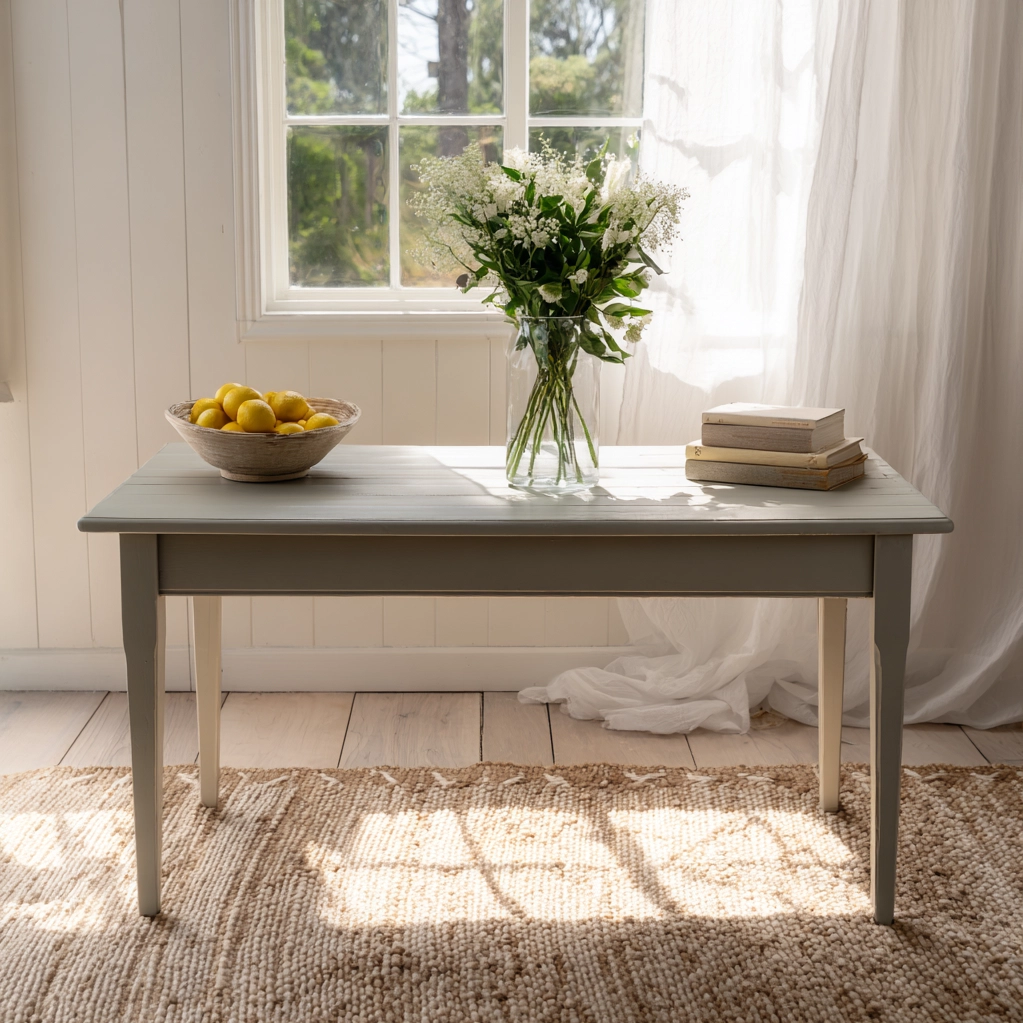
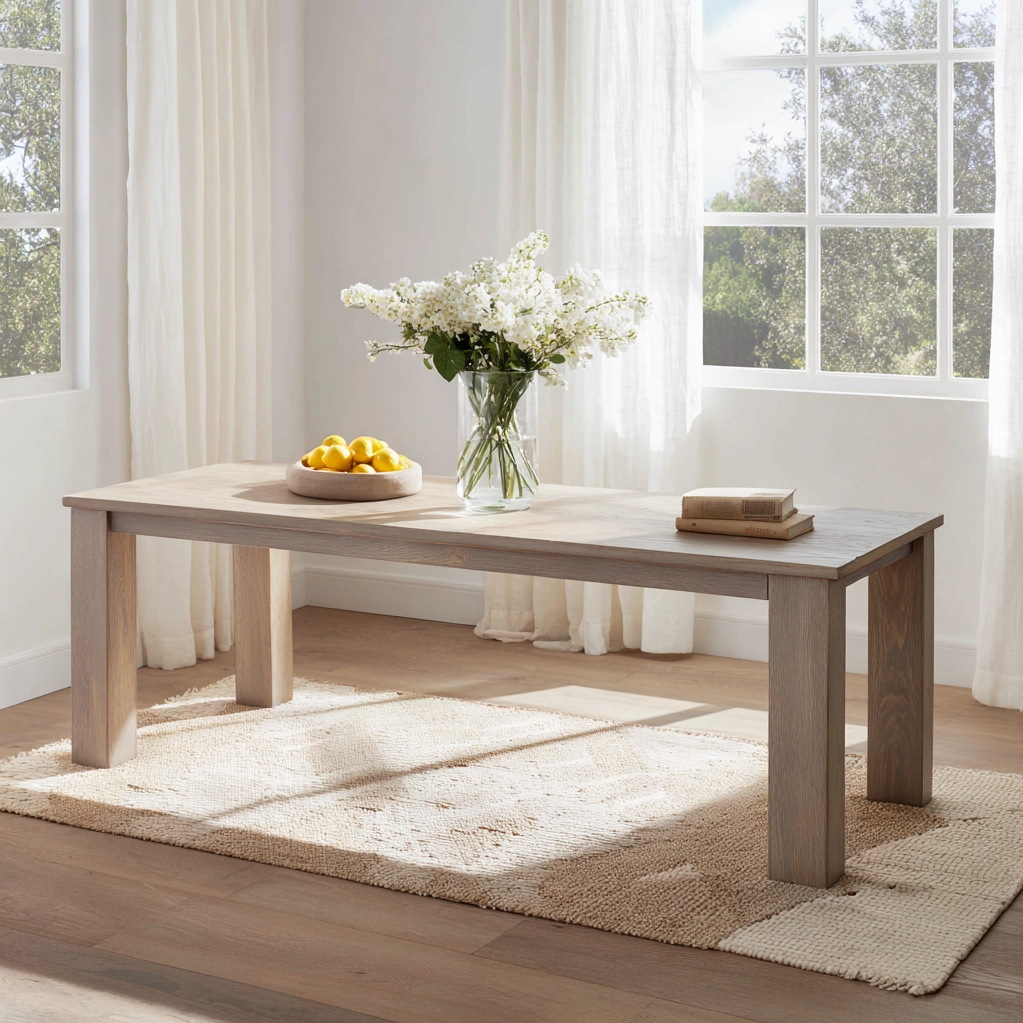
Tailor your project with creative painting tables ideas that complement various room styles, ensuring harmony in your home decor. For a rustic or farmhouse aesthetic, use chalk paint in muted colors like sage green or barn red, and distress the edges for a weathered look. Pair with natural wood accents to enhance the cozy feel. In modern spaces, opt for sleek, monochromatic schemes—try a high-gloss black or white finish with clean lines and minimal embellishments. Geometric patterns in bold colors can add a contemporary edge. For coastal or bohemian styles, consider soft pastels like aqua or coral, and incorporate hand-painted designs such as waves or mandalas. Outdoor tables benefit from weather-resistant paints in earthy tones, with non-slip finishes for practicality. By aligning your painting tables ideas with the room's overall theme, you create a cohesive and inviting atmosphere that showcases your personal taste and attention to detail.
Conclusion
Painting tables ideas offer a powerful way to transform your furniture and refresh your home with creativity and style. From simple solid colors to intricate techniques like distressing and stenciling, there's an approach for every skill level and aesthetic preference. By choosing the right materials, preparing surfaces thoroughly, and sealing finishes properly, you can achieve durable, professional-looking results that elevate your decor. Remember to consider the room's style when selecting colors and designs, ensuring your painted table becomes a harmonious focal point. As DIY trends continue to grow, experimenting with painting tables ideas not only saves money but also promotes sustainability by repurposing existing pieces. Looking ahead, embrace new techniques and color trends to keep your spaces dynamic and personalized. Start your next project with confidence, and enjoy the rewarding process of turning ordinary tables into extraordinary statements that reflect your unique vision and enhance your daily living environment.
Frequently Asked Questions
Q: What type of paint is best for painting tables?
For painting tables, acrylic or latex-based paints are highly recommended due to their durability, ease of use, and quick drying times. They provide good coverage and are available in a wide range of colors. For outdoor tables, use exterior-grade paints that resist weathering and UV damage. Chalk paint is popular for a matte, distressed look, while enamel paints offer a hard, glossy finish. Always apply a primer first to ensure adhesion and a clear topcoat afterward for protection against scratches and moisture.
Q: How do I prepare a table for painting to ensure it lasts?
Proper preparation is key to a long-lasting painted table. Start by cleaning the surface with a mild detergent to remove dirt and grease. Sand the table lightly with medium-grit sandpaper to create a smooth base and remove any old finish. Wipe away dust with a tack cloth. Apply a primer suitable for your table material (e.g., wood, metal) to prevent stains and improve paint adhesion. Let the primer dry completely before painting. After painting, seal with a protective topcoat, such as polyurethane or varnish, to guard against wear and tear. This process ensures your paint job remains vibrant and durable over time.
Q: Can I paint a table without sanding it first?
While sanding is generally recommended for best results, you can paint a table without sanding if you use the right products. For lightly worn surfaces, clean thoroughly and apply a bonding primer designed to adhere to smooth or glossy finishes. Chalk paint often requires minimal preparation and can be applied directly to many surfaces without sanding. However, for heavily damaged or varnished tables, sanding is essential to remove imperfections and ensure proper paint adhesion. Skipping sanding may lead to peeling or uneven coverage, so assess your table's condition and choose products accordingly for a successful outcome.