Pool Coping and Tile: Transform Your Outdoor Space with Stunning Style and Safety

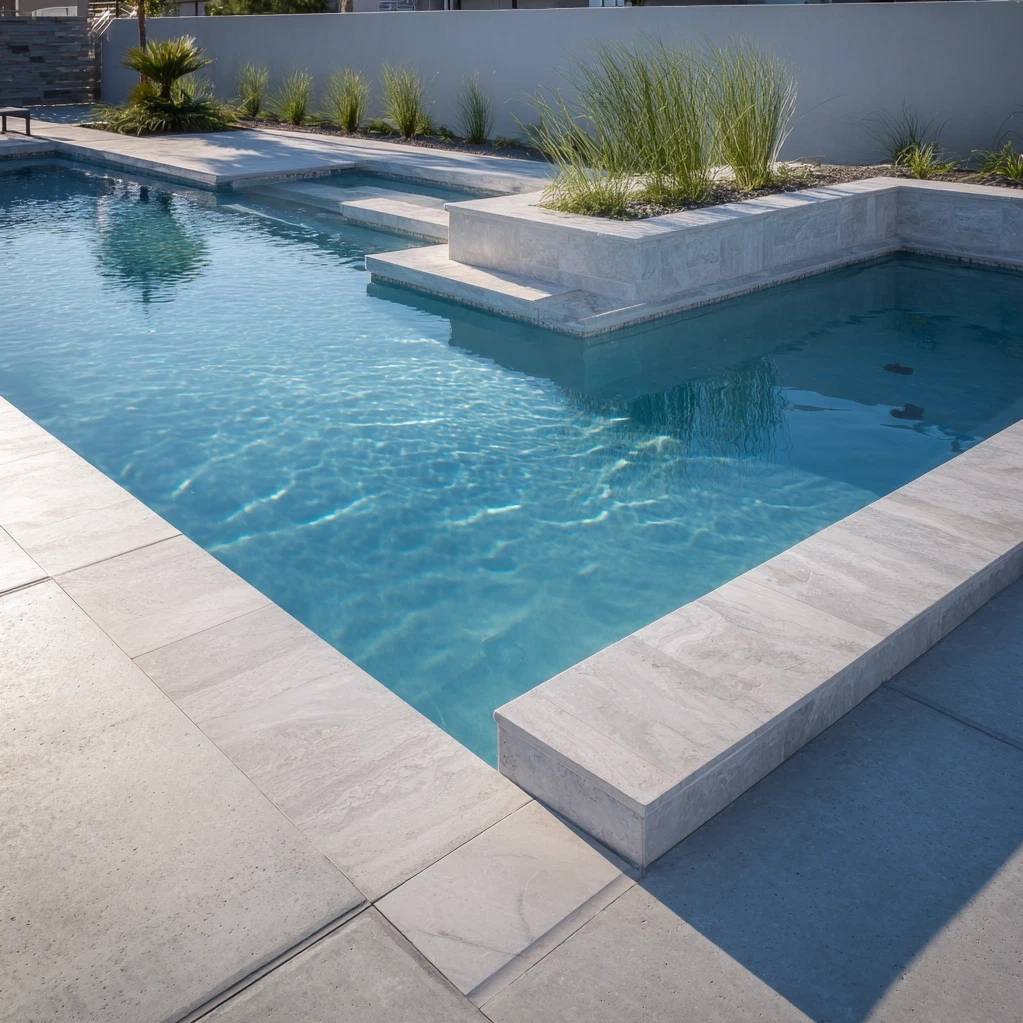
When designing your backyard oasis, the details make all the difference. While many homeowners focus on the pool’s shape or water features, the materials that frame your aquatic retreat play a crucial role in both aesthetics and functionality. Pool coping and tile are more than just decorative elements—they’re essential components that define your pool’s character, ensure safety for swimmers, and protect your investment from water damage and wear. The right combination can elevate an ordinary pool into a luxurious retreat that reflects your personal style while standing up to years of use. These materials serve as the transition between your pool’s interior and the surrounding deck, creating a seamless flow that enhances your entire outdoor living area. Choosing appropriate pool coping and tile involves considering factors like slip resistance, durability against chemicals and weather, and how they complement your home’s architecture. From classic natural stone to modern porcelain, the options available today allow for incredible creativity while maintaining practical benefits. Understanding these elements will help you create a pool that’s not only beautiful but also safe, functional, and built to last through countless seasons of enjoyment.
Choosing the Right Pool Coping and Tile for Your Design Vision
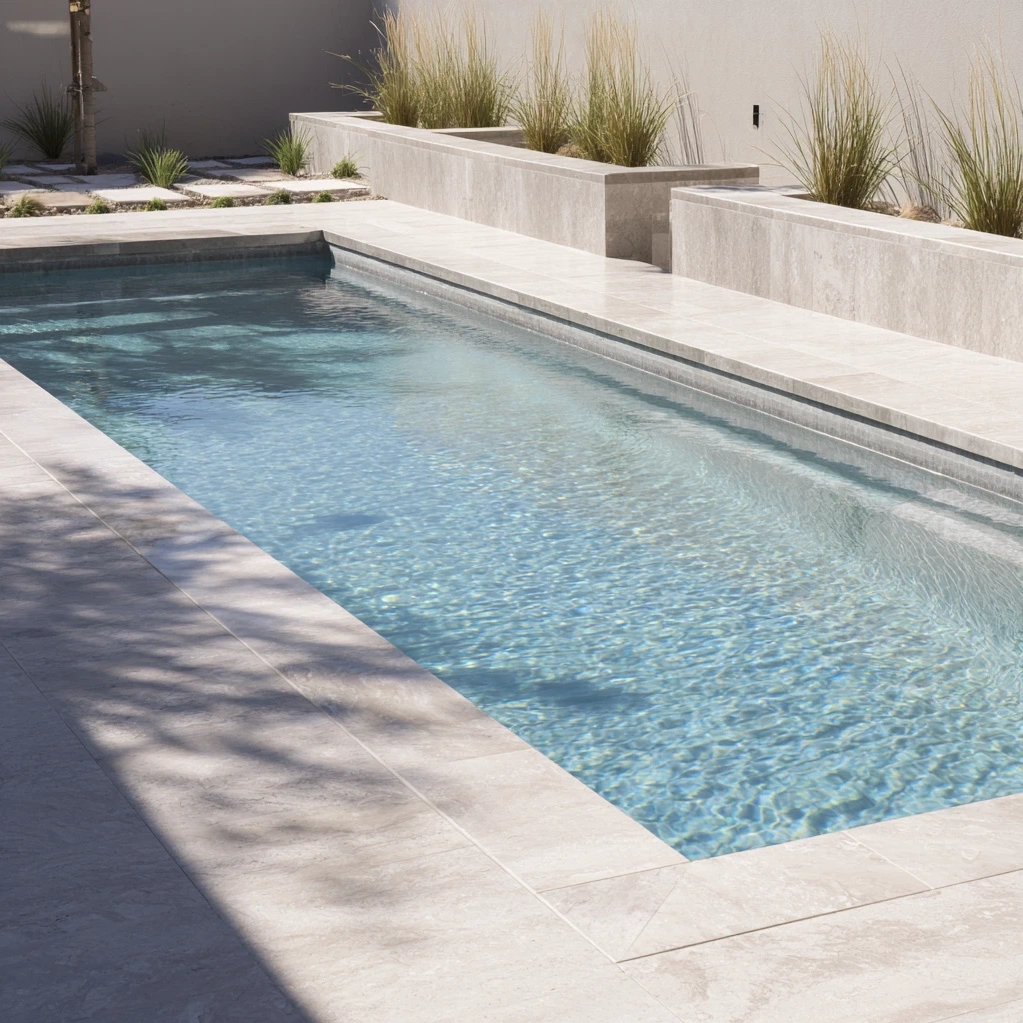
Selecting pool coping and tile involves balancing aesthetic preferences with practical considerations. Pool coping refers to the material installed around the pool's edge, serving as both a protective barrier and a design element. Popular options include natural stone like travertine or bluestone, which offers timeless elegance and natural slip resistance. Precast concrete coping provides durability and versatility in shapes and colors, while brick coping creates a traditional, rustic look. Tile typically lines the pool's interior, particularly in the waterline area where it meets the coping. Glass mosaic tiles can create stunning visual effects with their reflective properties, while ceramic and porcelain tiles offer extensive color options and patterns. When choosing materials, consider how they'll coordinate with your decking, landscaping, and home exterior. Light-colored coping and tile can make a pool appear larger and reflect more light, while darker tones create dramatic contrast. Texture matters too—smooth finishes look sleek but may become slippery when wet, while textured surfaces enhance safety. Your climate plays a role as well; materials must withstand freeze-thaw cycles in colder regions or intense sun in warmer areas. Consulting with a professional can help you navigate these choices to create a cohesive design that meets both your visual goals and functional needs.
Essential Functions of Pool Coping and Tile Beyond Aesthetics
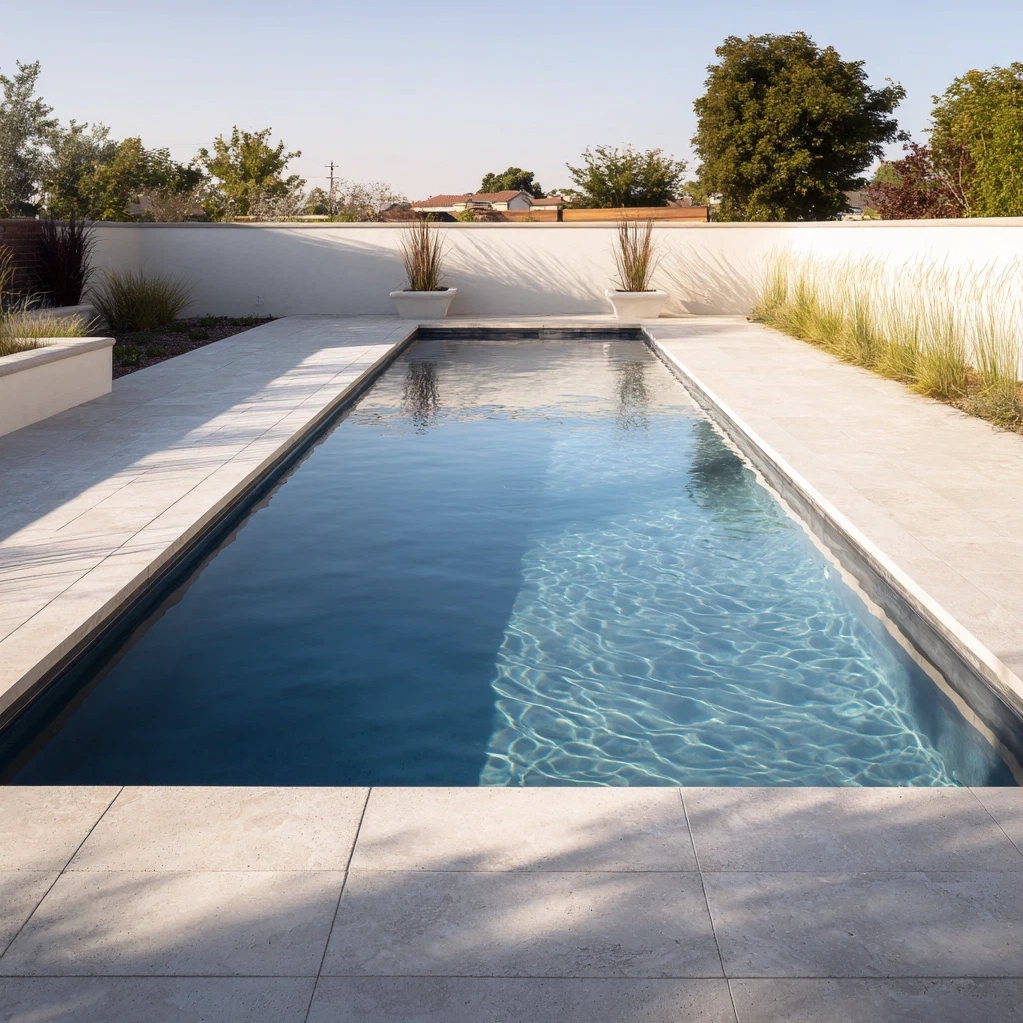
While pool coping and tile contribute significantly to your pool's appearance, their functional roles are equally important. Coping serves as a protective cap over the pool's shell structure, preventing water from seeping behind the pool walls where it could cause erosion or damage. It also provides a safe, comfortable edge for swimmers to grip when entering or exiting the water. Properly installed coping directs splash-out water away from the pool and toward deck drains, reducing slip hazards and protecting surrounding surfaces. The tile line, typically installed at the water's edge, creates a hygienic barrier that's easy to clean and resistant to algae growth. This area experiences constant water exposure and chemical contact, making durable, non-porous materials essential. Tile also protects the underlying plaster or gunite from staining and deterioration at the waterline. Together, these elements create a complete system that manages water flow, enhances safety, and extends your pool's lifespan. Quality installation is crucial—improperly fitted coping can lead to water infiltration and structural issues, while poorly installed tile may crack or allow moisture behind it. Regular maintenance, including cleaning grout lines and checking for cracks or loose pieces, ensures these components continue performing their protective functions year after year.
Installation and Maintenance Tips for Pool Coping and Tile
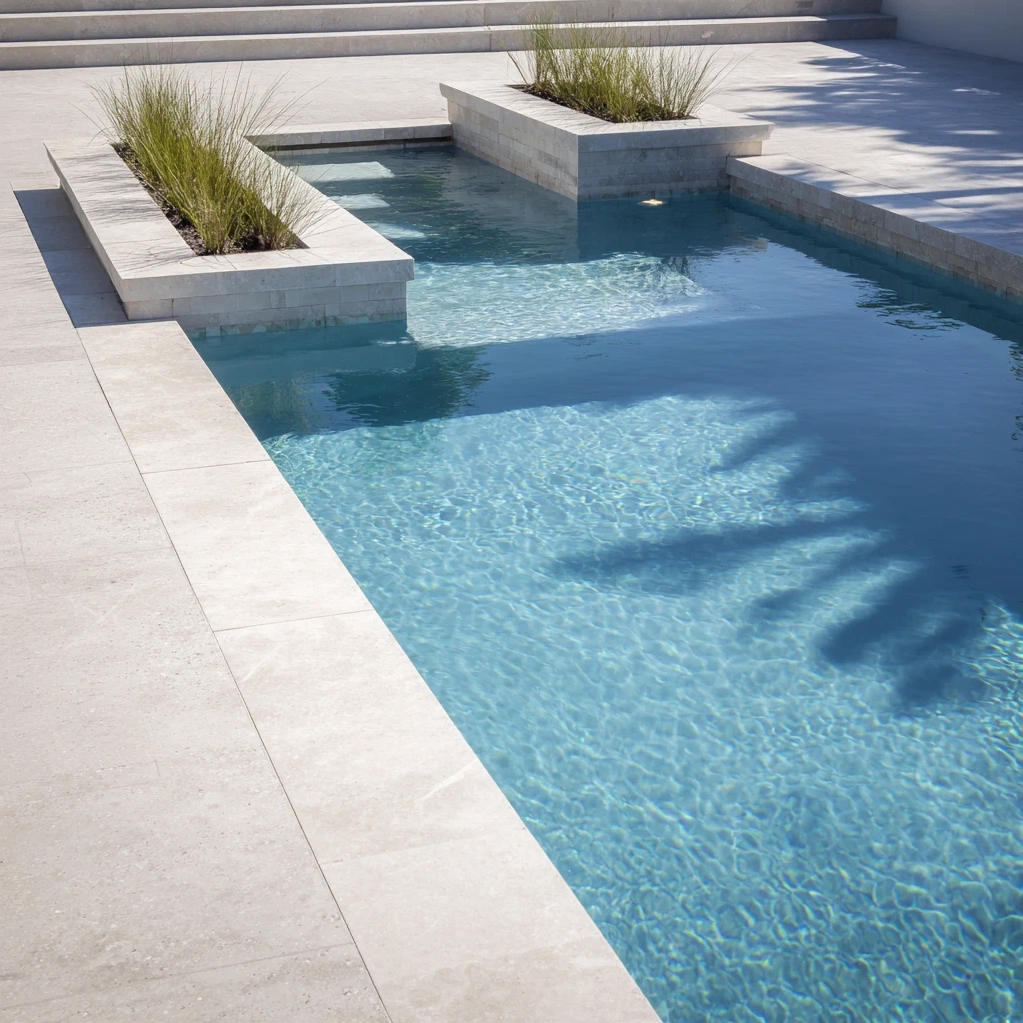
Proper installation and maintenance of pool coping and tile are key to their longevity and performance. Installation should always be handled by experienced professionals familiar with pool construction specifics. The process typically begins with preparing the pool's bond beam—the structural ledge that supports the coping. A waterproof membrane is often applied before setting the coping stones or pavers using specialized mortar designed for wet environments. Tiles are installed with waterproof adhesive and grout, with careful attention to spacing and alignment. Expansion joints between coping pieces accommodate temperature-related movement, preventing cracks. After installation, sealing natural stone coping and porous tiles protects against staining and water absorption. Regular maintenance includes brushing tile lines weekly to prevent scale buildup, especially in areas with hard water. Check coping periodically for cracks or shifting, particularly after winter freeze-thaw cycles. Re-grouting tile every few years maintains watertight seals and prevents deterioration. When cleaning, use pool-safe products that won't damage materials or affect water chemistry. Avoid pressure washing too close to tile edges, as high pressure can dislodge grout. For saltwater pools, select materials resistant to salt corrosion. Addressing minor issues promptly prevents more extensive repairs later. With proper care, quality pool coping and tile can maintain their beauty and function for decades, making them a worthwhile investment in your outdoor living space.
Conclusion
Your pool's coping and tile selections create the foundation for both safety and style in your backyard retreat. These elements work together to protect your investment while expressing your personal aesthetic vision. By understanding the functional requirements alongside design possibilities, you can make informed choices that balance beauty with practicality. As outdoor living continues to evolve, innovations in materials offer even more options—from sustainable recycled glass tiles to smart coping with integrated lighting. Looking ahead, consider how your choices today will age alongside trends in home design and your family's changing needs. Whether you're building new or renovating an existing pool, investing time in selecting and maintaining quality pool coping and tile pays dividends in enjoyment and value. Start by gathering inspiration from design resources, then consult with professionals who can translate your vision into a durable, stunning reality. Your perfect pool edge awaits—one that welcomes swimmers safely while making every glance toward your backyard a moment of visual pleasure.
Frequently Asked Questions
Q: How often should pool coping and tile be replaced?
With proper installation and maintenance, quality pool coping and tile can last 15-25 years or more. Natural stone coping often outlasts precast concrete, while glass and porcelain tiles typically have longer lifespans than ceramic. Replacement becomes necessary when materials show significant cracking, loosening, or deterioration that compromises safety or waterproofing. Regular inspections help identify when repairs or replacement are needed before problems worsen.
Q: Can I install pool coping and tile myself, or should I hire a professional?
Professional installation is strongly recommended for pool coping and tile. These materials require specialized knowledge of pool construction, waterproofing techniques, and material compatibility. Improper installation can lead to water infiltration, structural damage, and safety hazards. Professionals ensure proper preparation of surfaces, use appropriate adhesives and mortars for wet environments, and create necessary expansion joints. While DIY might seem cost-effective initially, mistakes can lead to expensive repairs later.
Q: What's the difference between pool coping and pool decking?
Pool coping is the material installed directly on the pool's edge, capping the bond beam and creating the transition between the pool interior and surrounding area. Pool decking refers to the surface material extending outward from the coping, creating the walkable area around the pool. While they often coordinate visually, they serve different functions—coping manages water flow and provides edge safety, while decking creates usable space and should complement the coping's style and material.