
Window Flower Boxes: Stunning Transformations for Your Urban Oasis

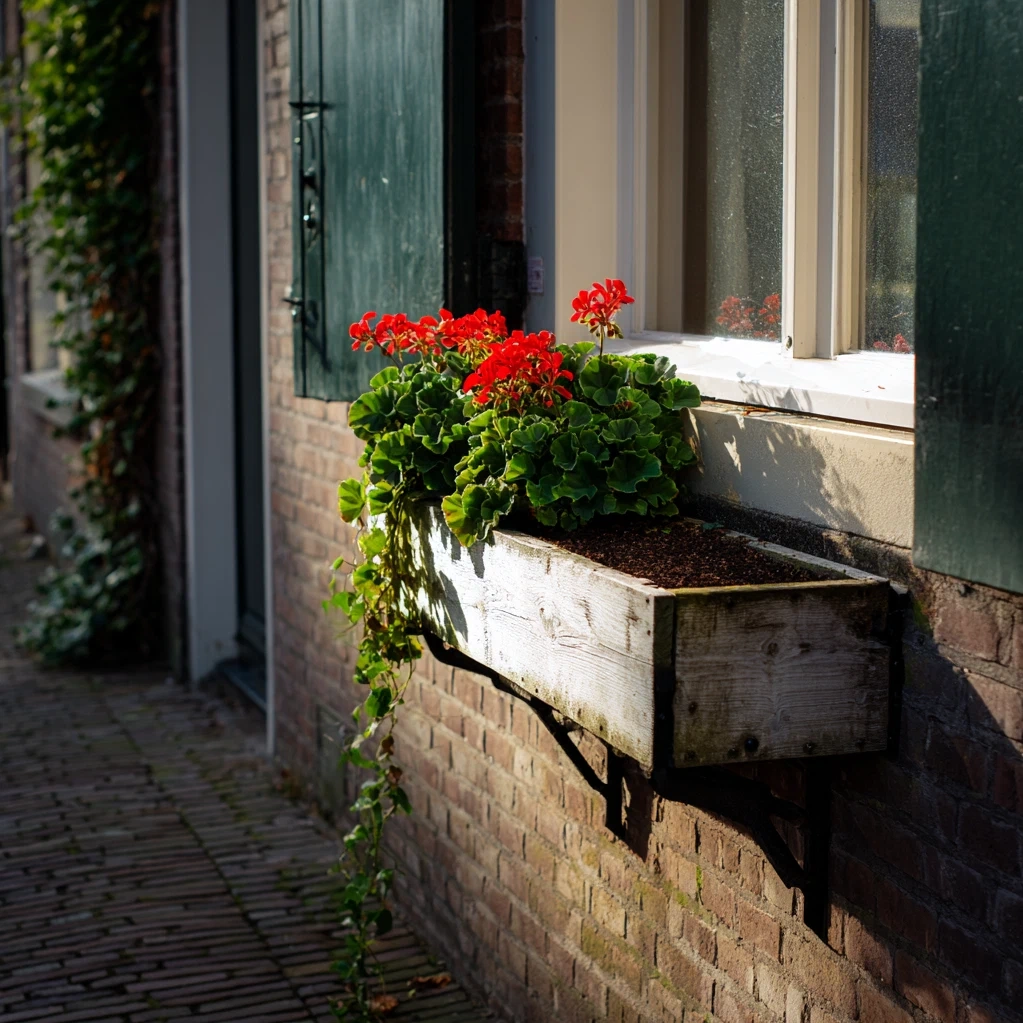
Window flower boxes offer more than just a decorative touch—they transform mundane urban spaces into vibrant, living landscapes that breathe life into every corner of your home. These charming containers turn blank walls and empty ledges into blooming showcases, creating a connection between indoor comfort and outdoor beauty that enriches daily living. For apartment dwellers with limited outdoor access or homeowners seeking to maximize their curb appeal, window flower boxes provide an accessible gardening solution that brings nature right to your fingertips. They bridge the gap between interior design and garden aesthetics, allowing you to cultivate flowers, herbs, or foliage without needing expansive yards or complex setups. The visual impact is immediate: colorful blooms cascade over edges, fragrant herbs release their scents with each breeze, and greenery softens architectural lines, making spaces feel more welcoming and alive. Beyond aesthetics, these boxes offer practical benefits too—they can improve air quality, provide habitat for pollinators like bees and butterflies, and even offer a touch of privacy when filled with taller plants. Whether you’re looking to create a cheerful welcome for visitors, grow your own kitchen herbs, or simply brighten your view from inside, window flower boxes serve as versatile tools for personal expression and environmental enhancement. Their adaptability means they work in virtually any setting, from rustic cottages to modern city apartments, making them an inclusive option for gardeners of all skill levels. By choosing the right plants and designs, you can craft seasonal displays that evolve throughout the year, keeping your home’s exterior fresh and engaging. Ultimately, investing in window flower boxes is about more than adding color—it’s about creating moments of joy, fostering a deeper connection with nature, and transforming ordinary windows into portals of beauty that uplift both your home and your spirit.
Choosing the Perfect Window Flower Boxes for Your Home
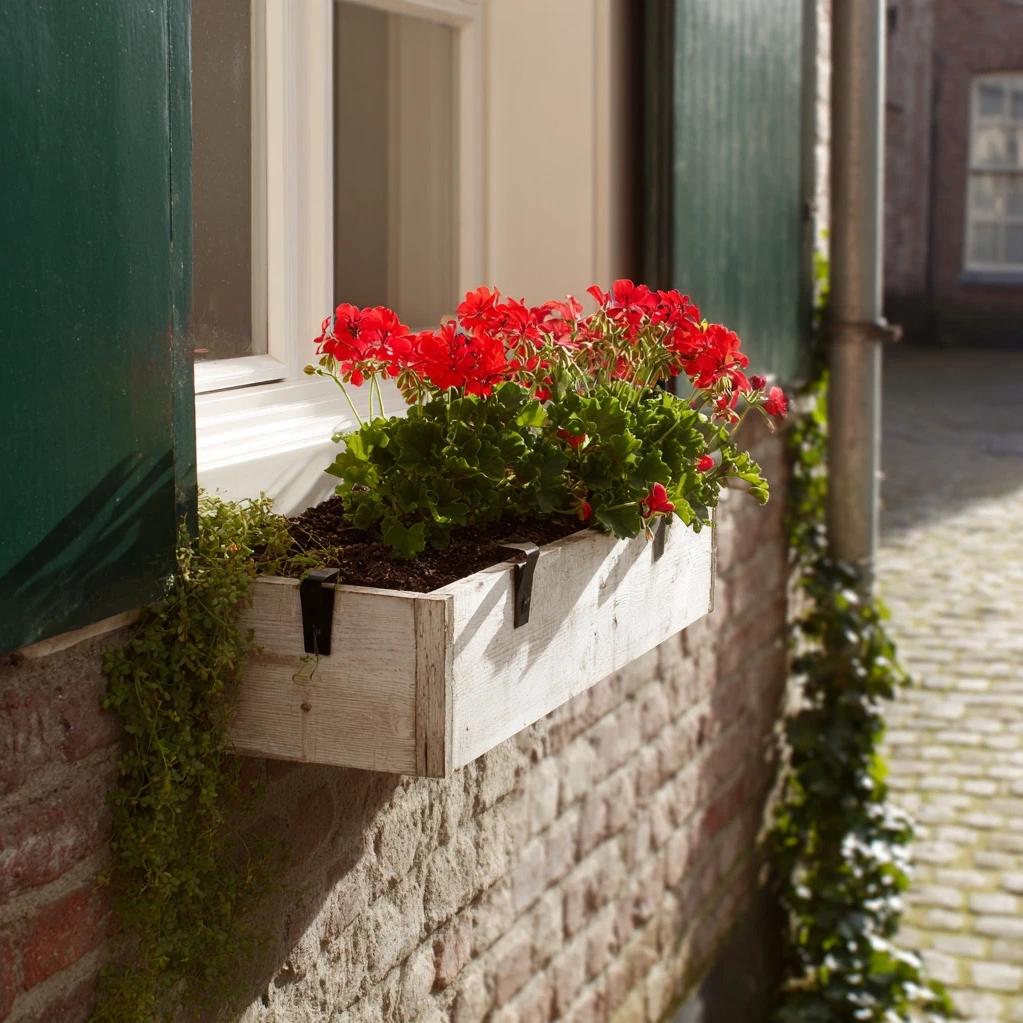
Selecting the right window flower boxes involves considering materials, size, and style to ensure they complement your home's architecture while supporting plant health. Materials range from classic wood, which offers a natural look and good insulation for roots, to durable plastics or fiberglass that resist weathering and are lightweight for easy installation. Metal boxes, like galvanized steel or aluminum, provide a modern, industrial aesthetic but may require additional drainage holes to prevent waterlogging. Size matters significantly—boxes should be deep enough for adequate root growth (typically 6-12 inches) and wide enough to balance with your window's proportions, without overwhelming the space. Measure your window ledge accurately, accounting for any overhang, and consider weight limits, especially for upper-story installations where safety is paramount. Style-wise, match the box to your home's character: ornate wrought-iron designs suit traditional homes, while sleek, minimalist boxes fit contemporary settings. Color choices can either blend in with your exterior paint or create contrast for visual pop. Additionally, ensure proper drainage by looking for boxes with pre-drilled holes or the ability to add them, as stagnant water can harm plants. For renters or those seeking flexibility, removable or bracket-mounted boxes offer easy adjustments without permanent alterations. Think about maintenance too—some materials require regular sealing or painting, while others are low-maintenance. By evaluating these factors, you can find window flower boxes that not only look beautiful but also thrive in your specific environment, turning your windows into flourishing focal points.
Essential Plants for Thriving Window Flower Boxes
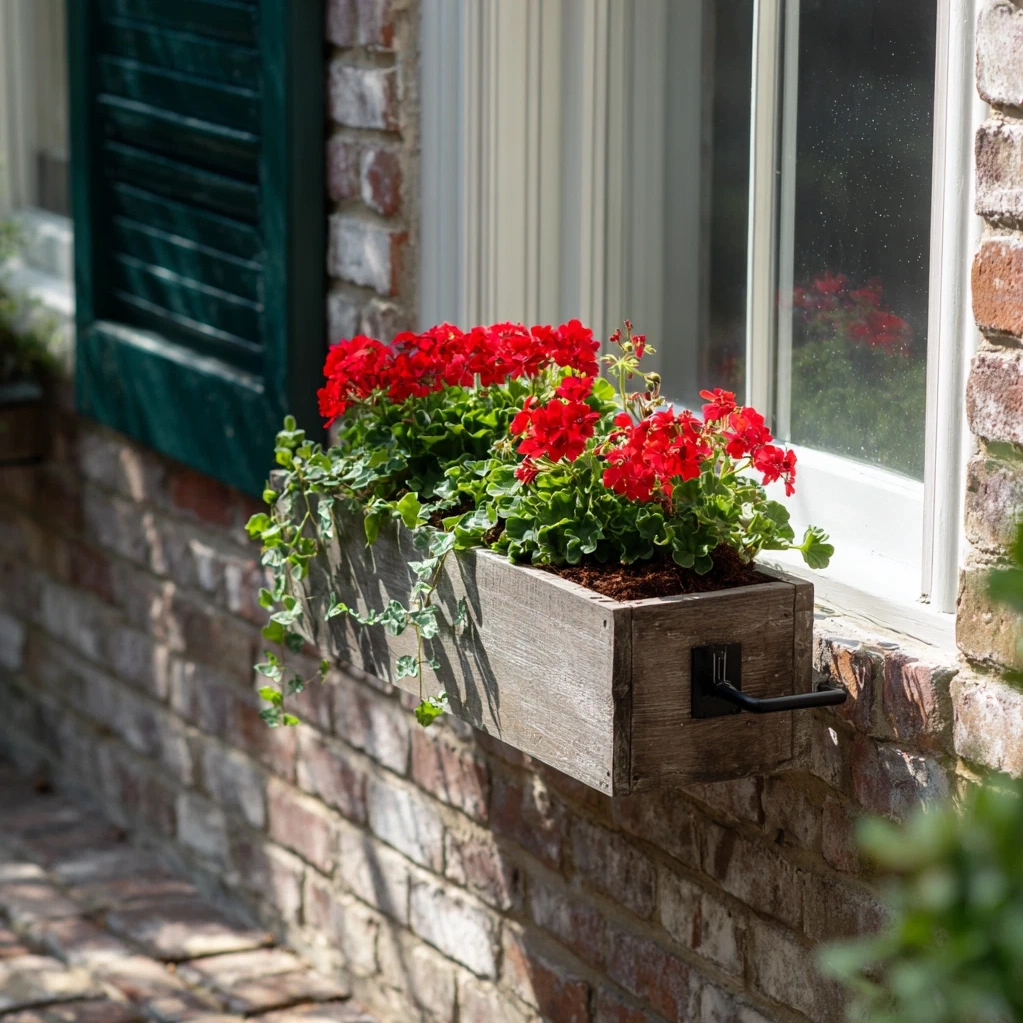
Filling your window flower boxes with the right plants is key to creating lush, vibrant displays that last through seasons. Start by considering your local climate and the box's exposure to sun—full-sun options like petunias, geraniums, and marigolds bloom profusely with at least six hours of direct light, while shade-tolerant plants such as impatiens, begonias, and ferns thrive in less sunny spots. For a dynamic look, use the thriller-filler-spiller technique: place taller 'thriller' plants like ornamental grasses or snapdragons in the center or back, surround them with mid-height 'fillers' like pansies or coleus for volume, and let trailing 'spillers' such as ivy or sweet potato vine cascade over the edges. Herbs like basil, thyme, and mint are practical choices for kitchen windows, offering fresh flavors and pleasant scents. Incorporate perennials like sedum or lavender for year-round structure, mixing them with annuals for seasonal color bursts. Soil selection is crucial—use a high-quality potting mix with good drainage, avoiding garden soil that can compact and hinder growth. Fertilize regularly with a balanced, slow-release formula to support blooming, and water consistently, checking moisture levels daily during hot weather. In colder regions, opt for hardy plants or switch to evergreen arrangements in winter. Don't forget about pollinators: adding nectar-rich flowers like zinnias or salvia attracts bees and butterflies, enhancing your local ecosystem. With thoughtful plant choices, your window flower boxes can become mini-gardens that provide beauty, fragrance, and even homegrown produce, all within arm's reach.
Installation and Maintenance Tips for Window Flower Boxes
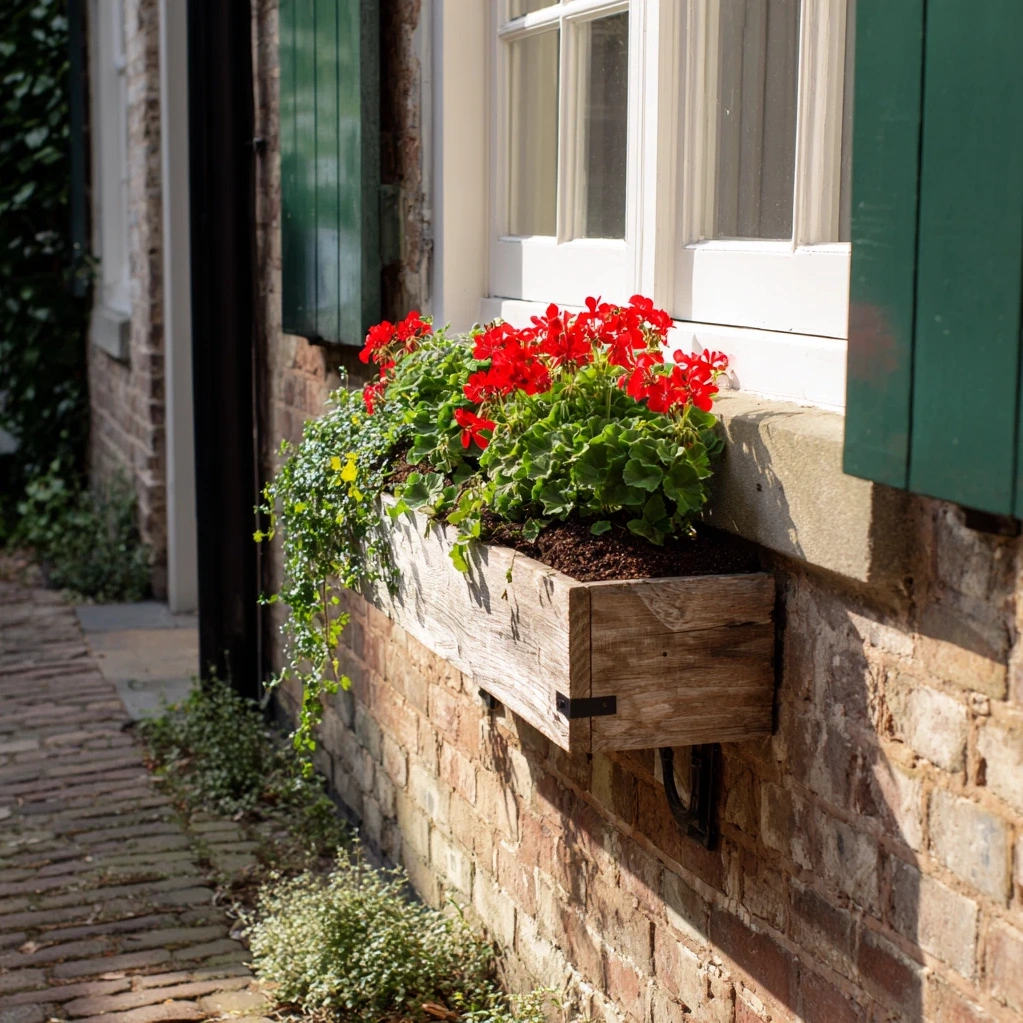
Proper installation and ongoing care ensure your window flower boxes remain safe, attractive, and healthy over time. Begin by securing boxes firmly to avoid accidents—use sturdy brackets or screws designed for your wall material (e.g., brick, wood, or vinyl), and consider weight limits, especially for loaded boxes that can be heavy when wet. For upper-story windows, ensure easy access with a stable ladder or telescoping tools for watering and pruning. Position boxes to allow adequate sunlight based on plant needs, and tilt them slightly forward to encourage water runoff and prevent staining on walls. Maintenance starts with regular watering; check soil moisture daily in warm months, using a watering can with a long spout or drip irrigation systems for hard-to-reach boxes. Prune dead flowers and leaves to promote new growth and prevent disease, and refresh soil annually to replenish nutrients. In winter, protect boxes from freezing by moving them indoors or insulating with mulch, or switch to cold-tolerant plants like ornamental kale. Clean boxes periodically to remove dirt and mildew, and inspect for damage like cracks or rust, repairing as needed. Pest control is also important—watch for aphids or spider mites, using organic solutions like neem oil if issues arise. For seasonal variety, rotate plants: bright annuals in spring and summer, muted tones in fall, and evergreens in winter. By following these steps, you'll extend the lifespan of your window flower boxes and keep them looking vibrant, making maintenance a rewarding part of your gardening routine rather than a chore.
Conclusion
Window flower boxes are more than just decorative accents—they are transformative elements that infuse homes with color, life, and a tangible connection to nature. Throughout this article, we've explored how to choose the right boxes, select thriving plants, and maintain them for lasting beauty. These simple additions can turn bland exteriors into inviting showcases, whether you're enhancing a city apartment or a suburban house. By embracing window flower boxes, you create personalized spaces that reflect your style while benefiting the environment through improved air quality and pollinator support. The joy of watching blooms unfold or harvesting fresh herbs adds a daily dose of serenity to busy lives. Looking ahead, consider experimenting with sustainable practices, such as using self-watering systems or native plants to reduce resource use. As urban gardening grows in popularity, window flower boxes offer an accessible entry point for everyone, regardless of space constraints. Take action today by measuring your windows, visiting a local nursery, or starting with a single box—small steps can lead to stunning transformations. Remember, the best displays evolve with your creativity, so don't be afraid to mix and match plants or try new designs each season. Ultimately, these boxes remind us that beauty often thrives in the simplest of places, waiting to be cultivated right outside our windows.
Frequently Asked Questions
Q: How do I prevent window flower boxes from damaging my home's exterior?
To prevent damage, use proper installation techniques. Choose brackets or mounts designed for your wall material, such as masonry anchors for brick or screws for wood. Ensure boxes have adequate drainage holes to avoid water buildup that can stain or rot surfaces. Place a drip tray or liner underneath to catch excess water, and tilt boxes slightly forward to direct runoff away from walls. Regularly inspect for leaks or wear, and avoid overloading boxes beyond weight limits. For rented spaces, opt for removable boxes that don't require permanent alterations.
Q: What are the best low-maintenance plants for window flower boxes?
Low-maintenance plants ideal for window flower boxes include succulents like sedum or echeveria, which require minimal water and thrive in sunny spots. Herbs such as rosemary and thyme are drought-tolerant and useful in cooking. For flowers, consider geraniums, which bloom repeatedly with little care, or trailing plants like ivy that add greenery without frequent pruning. Use a quality potting mix and slow-release fertilizer to reduce feeding needs. These choices ensure vibrant displays with less watering and upkeep, perfect for busy gardeners.
Q: Can window flower boxes be used in all seasons?
Yes, window flower boxes can be enjoyed year-round with seasonal adjustments. In spring and summer, fill them with colorful annuals like petunias or marigolds. For fall, switch to mums, ornamental kale, or pansies that tolerate cooler temperatures. In winter, use evergreens such as boxwood or juniper, or add festive elements like pine cones and berries. In cold climates, protect plants by moving boxes indoors or insulating them, or simply empty and clean boxes until spring. By rotating plants, you maintain visual interest and adapt to changing weather conditions.

