Rain Water Collection System: Transformative Sustainable Solutions for Your Home

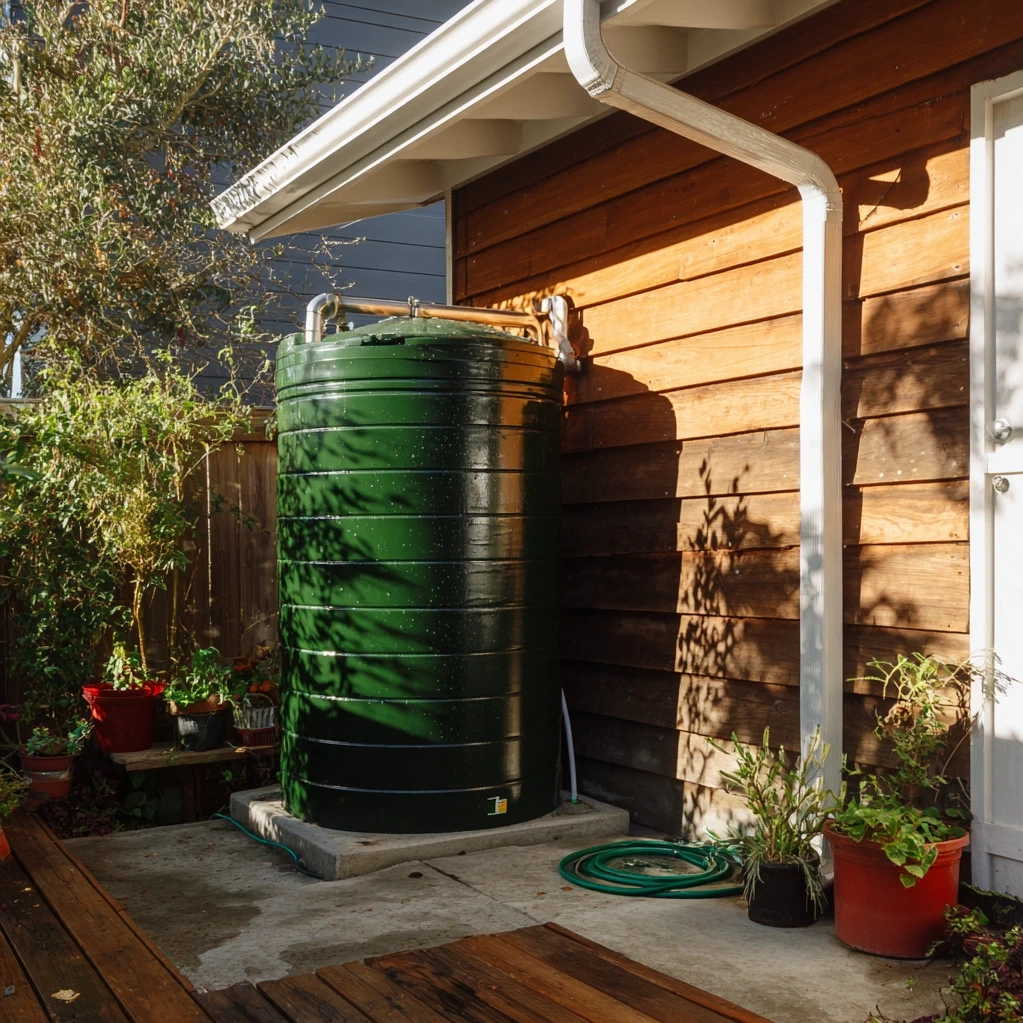
In an era of growing environmental awareness and water scarcity concerns, implementing a rain water collection system at home has evolved from a niche eco-practice to a practical necessity. These innovative systems capture and store rainwater from rooftops and other surfaces, providing a sustainable alternative to municipal water for various household needs. Beyond the obvious environmental benefits, such as reducing stormwater runoff and conserving precious resources, a well-designed rain water collection system can significantly lower your water bills and increase your property’s resilience during droughts or water restrictions. Imagine having a reliable backup water source for your garden during dry spells, or using harvested rainwater for toilet flushing and laundry. This simple yet powerful approach transforms how we interact with our most vital resource, turning every rainfall into an opportunity rather than waste. Whether you’re a passionate gardener seeking to nourish your plants with chemical-free water, a homeowner looking to reduce utility costs, or simply someone committed to sustainable living, understanding and implementing a rain water collection system represents a meaningful step toward water independence. The systems range from basic barrel setups to sophisticated underground storage solutions, making them accessible to homeowners with varying budgets and space constraints. As climate patterns shift and water conservation becomes increasingly critical, embracing this ancient practice with modern technology offers both immediate practical benefits and long-term environmental stewardship. This article will guide you through everything you need to know about creating and maintaining your own efficient rain water collection system.
Essential Components of a Rain Water Collection System
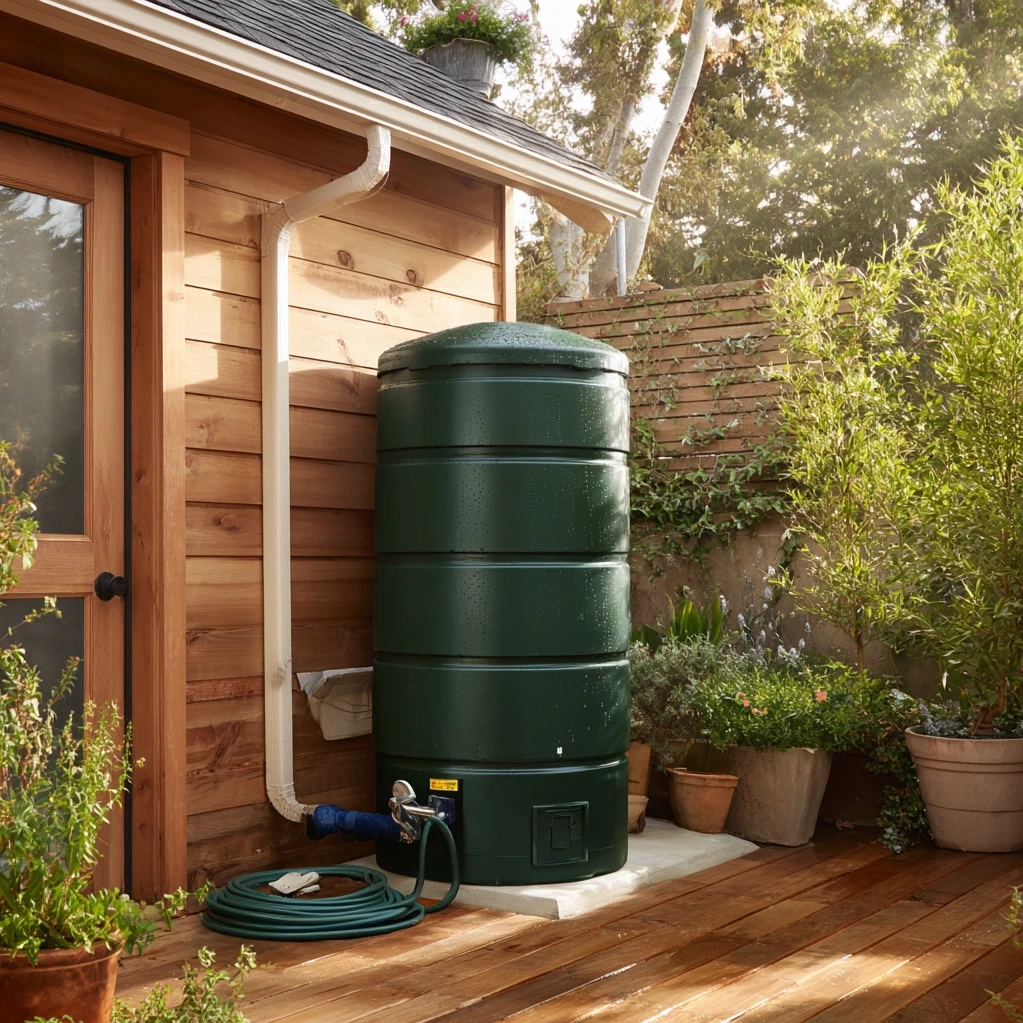
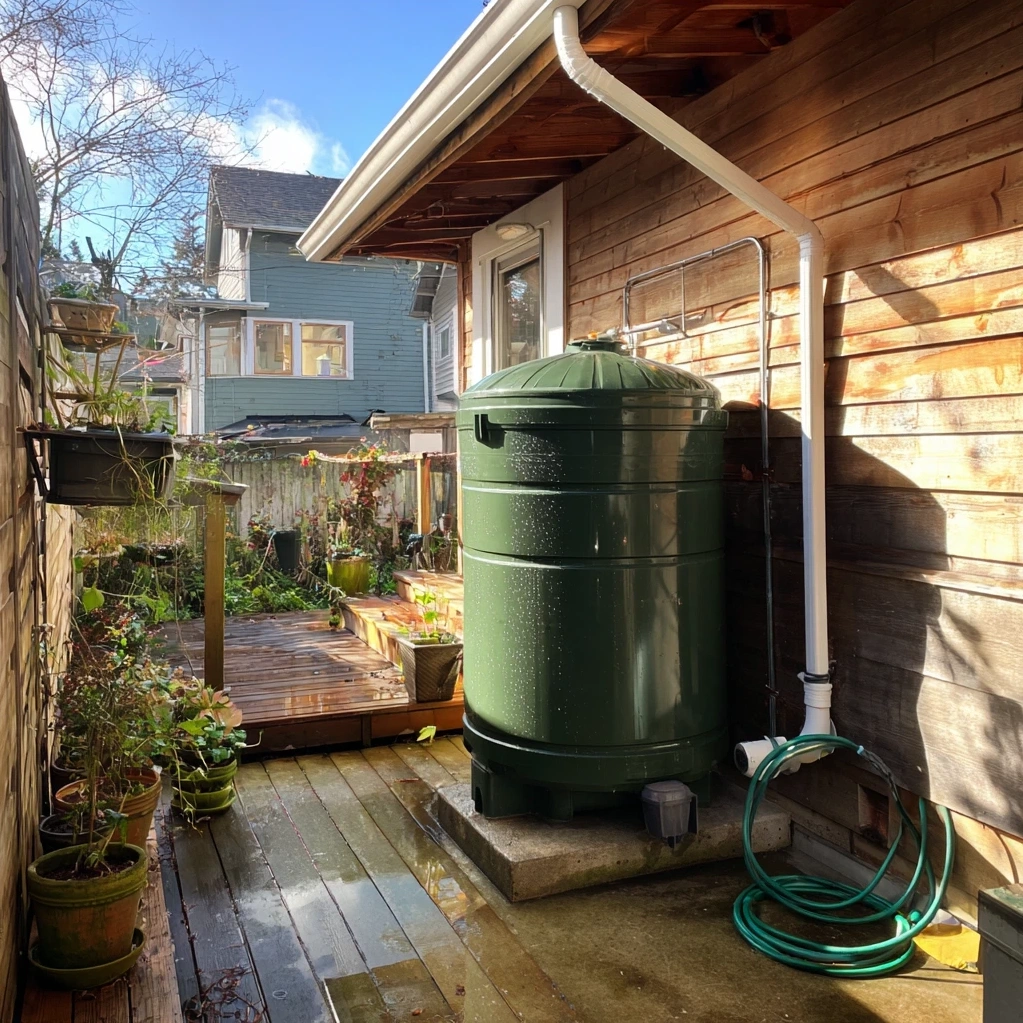
A properly functioning rain water collection system requires several key components working in harmony to efficiently capture, filter, and store rainwater. The journey begins with your catchment surface, typically your roof, which should be made of non-toxic materials like metal, tile, or treated wood. As rainwater flows down, it enters gutters that channel the water toward downspouts. Here, first-flush diverters play a crucial role by directing the initial rainfall away from storage, preventing contaminants like bird droppings, pollen, and dust from entering your system. Next, leaf screens and fine mesh filters remove debris before the water reaches the storage tank. The storage component itself varies widely—from simple 50-gallon barrels to large cisterns holding thousands of gallons. These containers can be above-ground or buried, with materials including food-grade plastic, concrete, or fiberglass. A critical but often overlooked element is the overflow mechanism, which safely redirects excess water during heavy rainfall to prevent flooding or structural damage. Finally, distribution systems range from simple gravity-fed hoses for garden irrigation to pressurized pumps for indoor use. Proper ventilation prevents anaerobic conditions, while access points allow for cleaning and maintenance. Understanding these components helps you design a rain water collection system that matches your specific needs, whether you're aiming for basic garden watering or comprehensive household integration. Each element contributes to water quality and system longevity, making thoughtful selection and installation essential for success.
Installation Tips for Your Rain Water Collection System
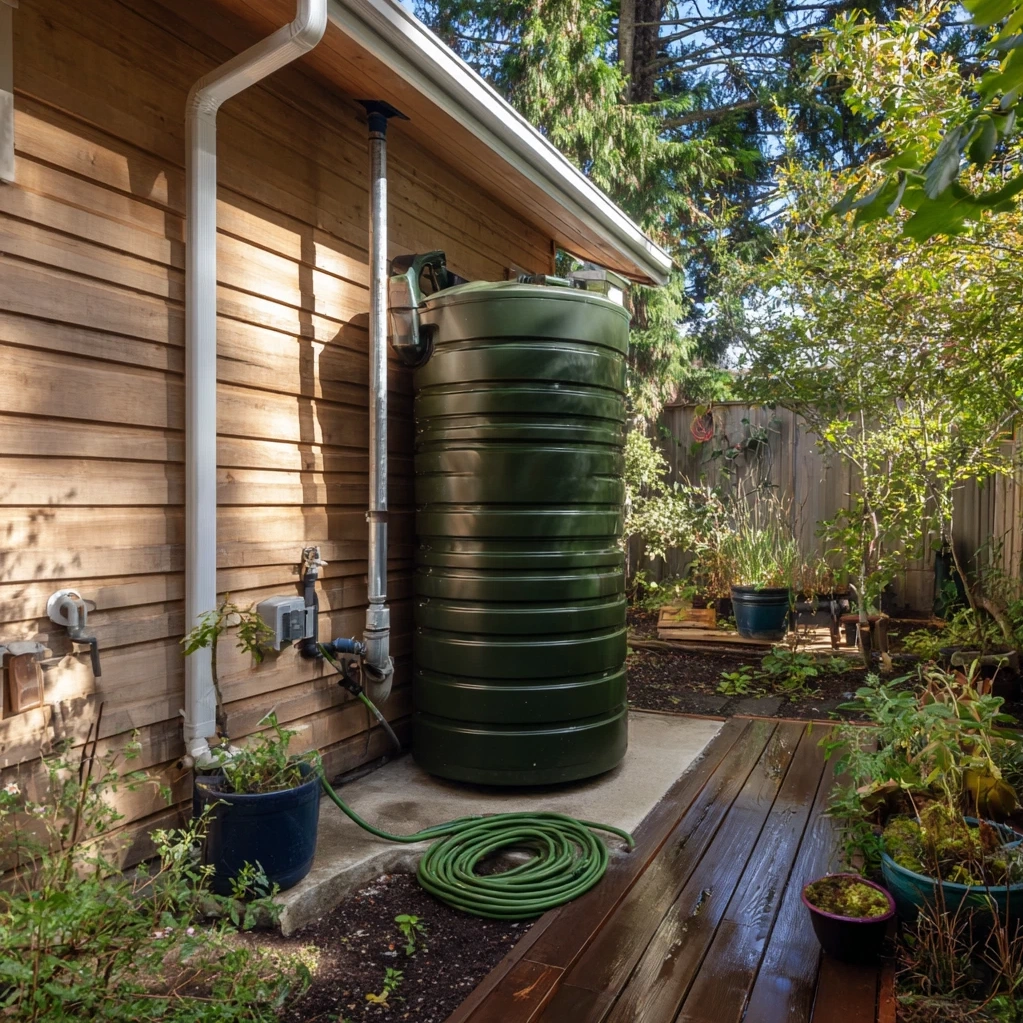
Installing a rain water collection system requires careful planning and attention to detail to ensure optimal performance and safety. Start by assessing your site: calculate your roof's catchment area to determine potential water yield, and choose a storage location that's accessible yet discreet. For above-ground tanks, ensure the ground is level and stable, using a gravel base or concrete pad for support. Position your tank close to downspouts to minimize piping, and elevate it slightly if you plan to use gravity for distribution. When connecting gutters, use food-grade PVC or aluminum piping, securing joints tightly to prevent leaks. Install first-flush diverters at each downspout, adjusting their capacity based on your roof size and local rainfall patterns. For filtration, combine coarse mesh screens at gutter openings with finer filters before storage entry points. If burying a tank, excavate carefully, accounting for proper drainage around the installation site. Always include an overflow pipe that directs excess water away from foundations—connecting it to existing drainage or a rain garden works well. For indoor use, install backflow prevention devices and clearly label pipes to avoid confusion with potable water lines. Consider adding a pump with adequate pressure for your intended uses, whether for garden sprinklers or household appliances. Throughout installation, prioritize safety by securing ladders when working on roofs and following local building codes. Many municipalities have specific regulations regarding rain water collection systems, particularly for indoor applications, so check requirements beforehand. With proper installation, your system will provide reliable water for years while minimizing maintenance needs and maximizing efficiency.
Maintenance Practices for a Rain Water Collection System
Regular maintenance ensures your rain water collection system remains efficient, safe, and long-lasting. Establish a seasonal routine starting with gutter cleaning every spring and fall—remove leaves, twigs, and debris that could clog filters or contaminate stored water. Inspect and clean leaf screens and first-flush diverters monthly during rainy seasons, ensuring they function properly. Check storage tanks quarterly for sediment buildup; most systems benefit from annual draining and cleaning, especially if used for indoor purposes. Use a soft brush and mild, eco-friendly detergent for tank cleaning, avoiding harsh chemicals that could leach into stored water. Monitor water quality visually and through simple tests—cloudiness or unusual odors may indicate contamination needing attention. For systems with pumps, test pressure regularly and lubricate moving parts as manufacturer recommended. Inspect pipes and connections for leaks, particularly after freeze-thaw cycles in colder climates. Maintain overflow pathways clear of obstructions to prevent flooding during heavy rains. If using water for edible plants, consider additional filtration like activated carbon or UV treatment. Keep records of maintenance activities and water usage patterns to optimize system performance over time. During winter in freezing areas, drain above-ground components or install insulation to prevent damage. For buried tanks, ensure vent pipes remain clear and accessible. Proper maintenance not only extends your system's lifespan but also ensures water quality remains high for all intended uses. Many homeowners find this routine becomes a rewarding part of connecting with their home's sustainable infrastructure.
Creative Uses for Your Rain Water Collection System
Once you've established a reliable rain water collection system, numerous creative applications extend its value beyond basic garden watering. For outdoor enthusiasts, harvested rainwater provides ideal irrigation for vegetable gardens, lawns, and ornamental plants—free from chlorine and other chemicals found in municipal water, often leading to healthier growth. Consider connecting your system to drip irrigation lines for efficient watering that minimizes evaporation. Beyond gardening, use rainwater for washing vehicles, outdoor furniture, or patio surfaces; its soft quality reduces soap needs and prevents mineral streaks. For households seeking greater integration, rainwater can supply toilet flushing—a simple plumbing adjustment that significantly reduces indoor water consumption. Laundry applications work well too, especially with proper filtration, as rainwater's softness may require less detergent. In sustainable home designs, some homeowners incorporate rainwater into decorative water features, ponds, or wildlife habitats. During emergencies or water restrictions, having a stored supply becomes invaluable for basic sanitation and plant survival. For those with larger systems, explore uses like filling swimming pools or supporting aquaculture setups. Even basic barrel systems can be enhanced with rain chains for visual appeal while directing water efficiently. Remember to match water quality with usage—simple filtration suffices for gardens, while indoor applications may require additional treatment. By thinking creatively about applications, your rain water collection system transforms from a simple conservation tool into a versatile household asset that enhances both sustainability and self-sufficiency.
Conclusion
Implementing a rain water collection system represents one of the most practical and impactful steps toward sustainable home living. Throughout this article, we've explored how these systems capture nature's bounty, reduce environmental strain, and provide tangible benefits for homeowners. From understanding essential components to proper installation and maintenance, each aspect contributes to creating an efficient, reliable water source. The versatility of harvested rainwater—from nourishing gardens to supporting household functions—demonstrates how small infrastructure changes can yield significant results. As water scarcity concerns grow globally and locally, adopting such systems becomes increasingly relevant, offering resilience against droughts and utility disruptions. Looking ahead, technological advancements promise even more efficient filtration, smarter monitoring through IoT devices, and better integration with home automation systems. Municipal incentives and changing regulations may further encourage adoption, making rain water collection systems more accessible to diverse households. Whether you start with a single barrel or invest in comprehensive cistern-based systems, the journey toward water independence begins with that first drop captured. We encourage you to assess your home's potential, consult local resources, and take that initial step. Every gallon harvested represents not just water saved, but a conscious choice toward sustainable stewardship—a legacy of responsibility that benefits both your household and the broader community. The rain will come; how you choose to embrace it defines your home's relationship with our planet's most precious resource.
Frequently Asked Questions
Q: Is rainwater safe for drinking if collected properly?
Rainwater can be made safe for drinking with proper treatment, but most residential rain water collection systems are not designed for potable use without additional purification. While rainwater is naturally soft and free of many ground contaminants, it can collect pollutants from roofs, gutters, and the atmosphere. For drinking purposes, you would need a comprehensive treatment system including fine filtration, UV sterilization, and possibly reverse osmosis. Most homeowners use harvested rainwater for non-potable applications like irrigation, toilet flushing, and laundry. If considering drinking water, consult local health regulations and invest in certified treatment equipment while maintaining rigorous maintenance schedules.
Q: How much does a basic rain water collection system cost?
Costs vary significantly based on system complexity and scale. A simple DIY barrel system can start under $100 using repurposed containers, basic gutters, and minimal fittings. Mid-range systems with multiple connected barrels, proper filtration, and basic distribution typically range from $300 to $800. Comprehensive systems with large cisterns, pumps, and indoor plumbing integration can cost $2,000 to $5,000 or more. Factors affecting price include storage capacity, materials, filtration needs, and whether professional installation is required. Many homeowners begin with modest systems and expand gradually. Consider long-term savings on water bills—often hundreds of dollars annually—which can offset initial investments over time.
Q: Do I need special permits to install a rain water collection system?
Permit requirements vary by location, so checking local regulations is essential. Many areas encourage rainwater harvesting and have minimal restrictions, especially for small outdoor-use systems. Some municipalities require permits for larger cisterns or indoor plumbing connections, particularly if modifying existing water systems. Certain regions in drought-prone areas may offer incentives or rebates instead of restrictions. Key considerations often include structural safety for large tanks, proper overflow management, and compliance with plumbing codes for indoor applications. Contact your local building department or water authority for specific guidelines. Even where permits aren't required, following best practices ensures your system is safe, efficient, and trouble-free.