Small Apartment Decorating: Transform Your Space with Genius Design Solutions

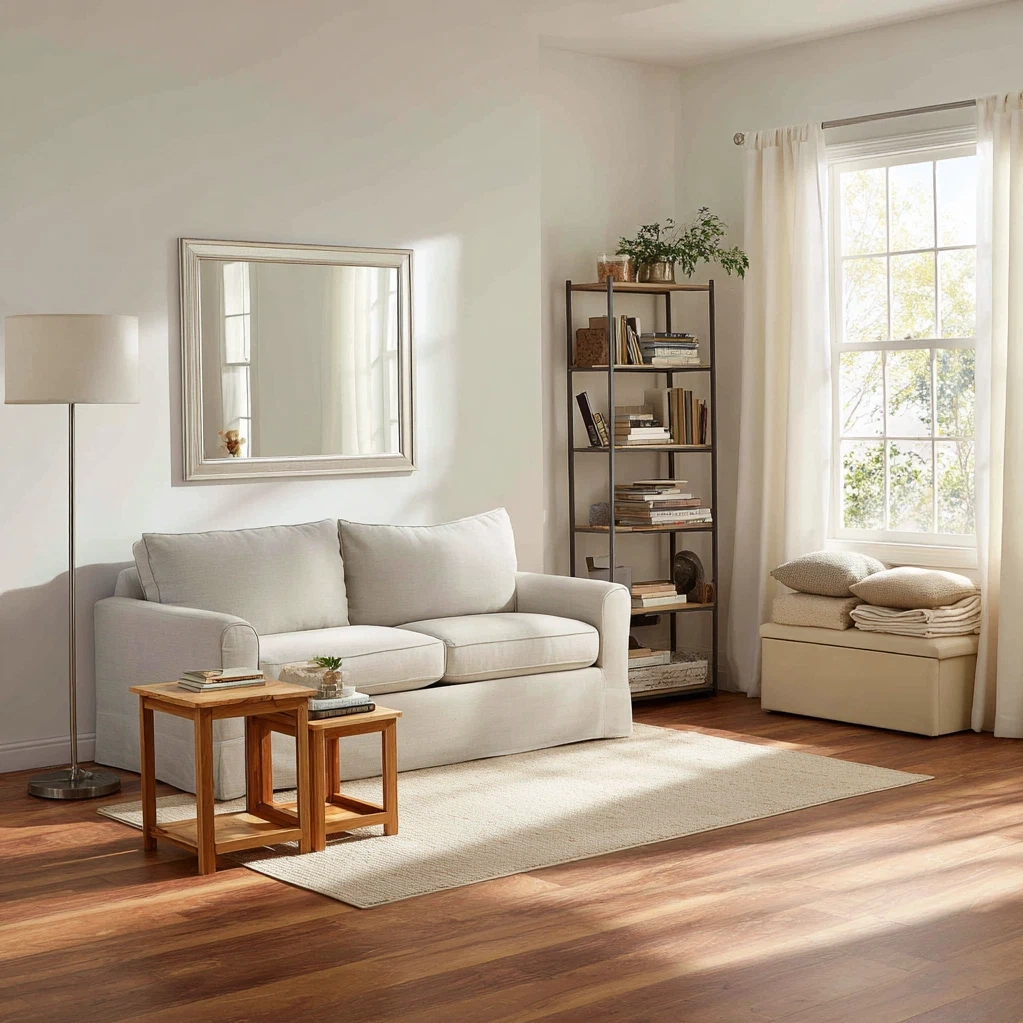
Living in a small apartment doesn’t mean you have to compromise on style, comfort, or functionality. With thoughtful planning and creative approaches, you can transform even the most compact space into a beautiful, efficient home that reflects your personality. Small apartment decorating is an art form that challenges you to think differently about how spaces are used, encouraging minimalist principles while maximizing every square inch. Many urban dwellers face the reality of limited living areas, but this constraint can actually spark incredible design innovations. Instead of viewing your small apartment as a limitation, see it as an opportunity to curate a space that’s uniquely yours—cozy, intentional, and perfectly tailored to your lifestyle. Good small apartment decorating goes beyond just making things fit; it creates an environment that feels spacious, organized, and welcoming. Whether you’re dealing with a studio apartment or a one-bedroom with tight corners, the right decorating strategies can make all the difference. This article will guide you through practical, inspiring ideas to help you maximize your small apartment’s potential. From clever storage solutions to visual tricks that expand perceived space, you’ll discover how to create a home that’s both beautiful and functional. Embrace the challenge of small apartment decorating, and you might find that less truly can be more when it comes to creating a comfortable, stylish living environment.
Small Apartment Decorating: Maximize Space with Multifunctional Furniture
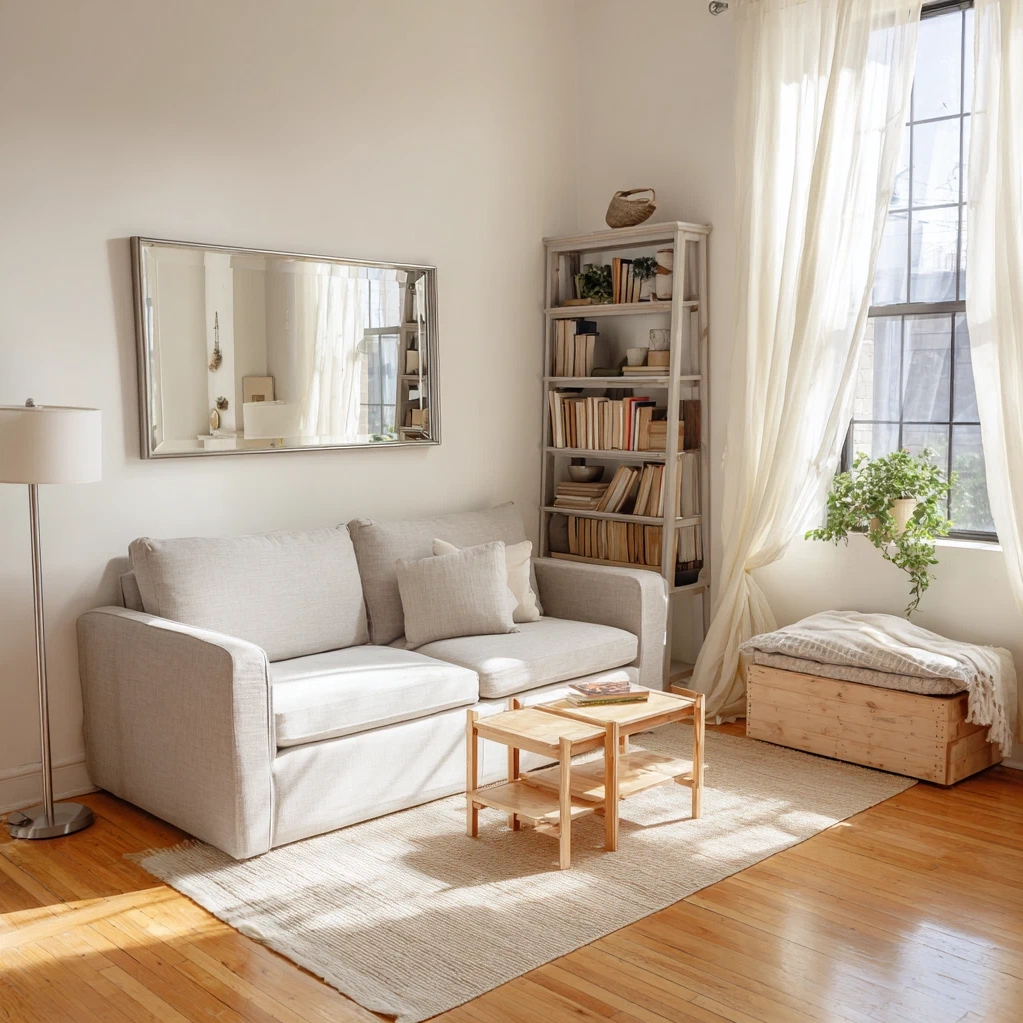
One of the most effective strategies in small apartment decorating involves selecting furniture that serves multiple purposes. In compact living spaces, every piece needs to earn its keep by offering more than just one function. Look for items like sofa beds that transform from seating to sleeping areas, ottomans with hidden storage compartments, or dining tables that can expand when needed and fold away when not in use. Wall-mounted desks that fold down create temporary workstations without consuming permanent floor space. Nesting tables provide flexible surfaces for drinks, snacks, or decor while taking up minimal room when stacked. When choosing multifunctional furniture for small apartment decorating, prioritize pieces that align with your daily routines. A storage bench near the entryway can hold shoes and seasonal items while providing seating for putting them on. Consider a bed frame with built-in drawers underneath—this simple solution can eliminate the need for a separate dresser in the bedroom. Modular shelving systems allow you to customize storage as your needs change, combining bookshelves, display areas, and closed cabinets in one unit. The key is to think vertically as well as horizontally; tall, slender furniture pieces like narrow bookcases or ladder shelves draw the eye upward, making ceilings appear higher while providing ample storage. By incorporating multifunctional elements into your small apartment decorating plan, you'll create a more organized, adaptable living environment that feels spacious and intentional.
Small Apartment Decorating: Create Illusions of Space with Color and Light
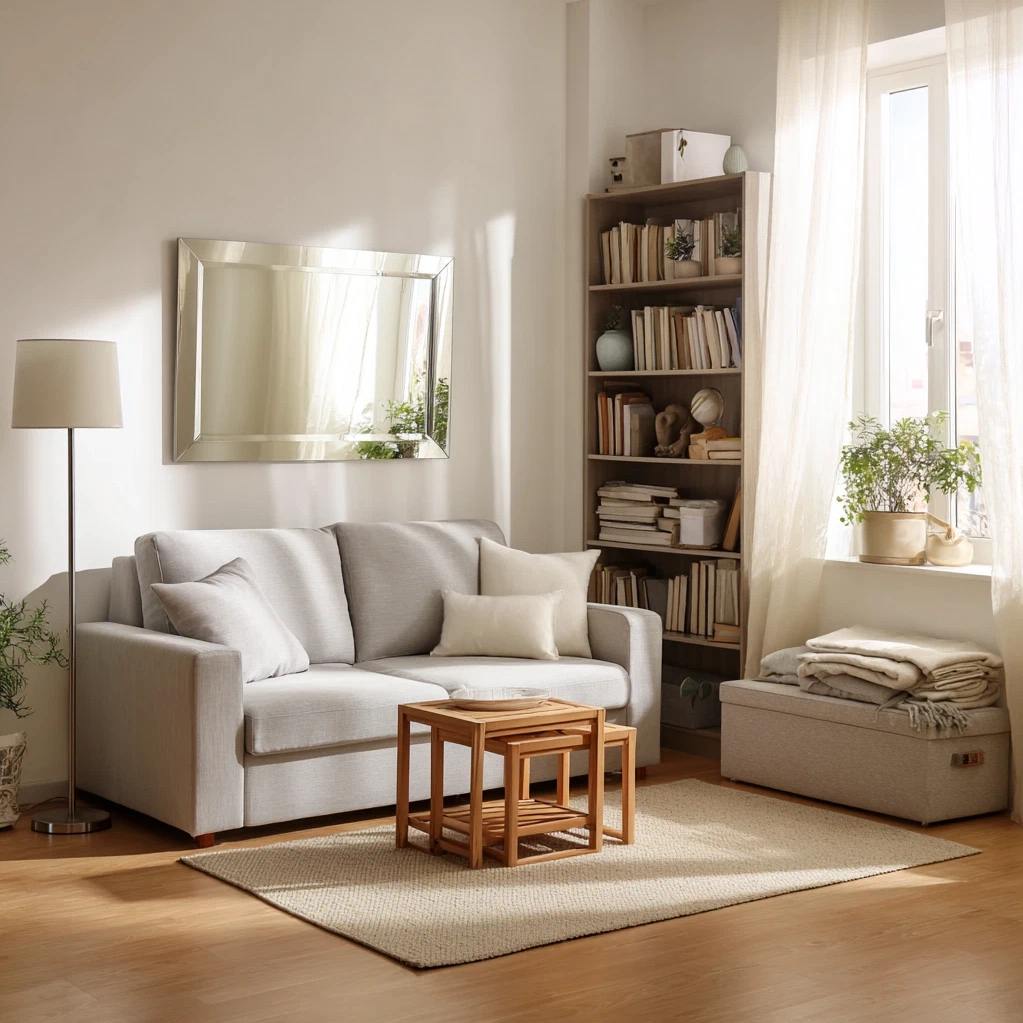
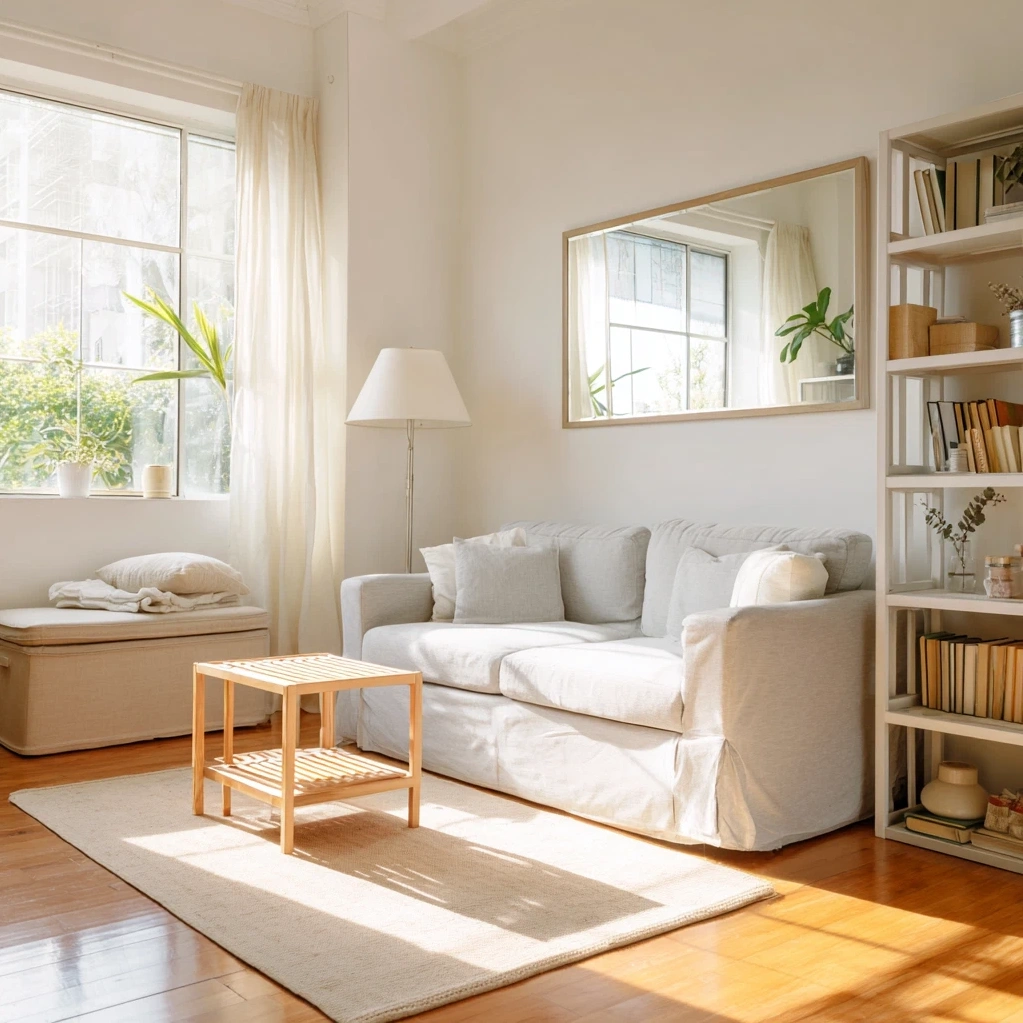
Strategic use of color and lighting can dramatically alter how spacious your small apartment feels. Light, neutral color palettes are classic choices for small apartment decorating because they reflect more light, making rooms appear larger and airier. Soft whites, pale grays, creamy beiges, and subtle pastels create a seamless visual flow that doesn't break up the space. If you crave more personality, consider using bolder colors as accents through artwork, textiles, or decorative accessories rather than on walls. Mirrors are perhaps the most powerful tool in small apartment decorating for creating the illusion of space. Position a large mirror opposite a window to reflect natural light throughout the room, or use mirrored furniture pieces to add sparkle without visual weight. Layered lighting is another essential element—combine overhead fixtures with task lighting (like desk lamps or under-cabinet lights) and ambient lighting (such as floor lamps or wall sconces) to eliminate dark corners that make spaces feel cramped. In small apartment decorating, window treatments should maximize natural light while providing privacy when needed. Opt for sheer curtains that filter light without blocking it completely, or install blinds that can be adjusted throughout the day. If you have multiple small windows in one area, treat them as a single unit with continuous drapery to create a more substantial visual element. Remember that consistency in color and lighting across different areas of your small apartment helps create a cohesive, expansive feel that makes the entire space seem more generous than its actual square footage.
Small Apartment Decorating: Smart Storage Solutions for Every Room
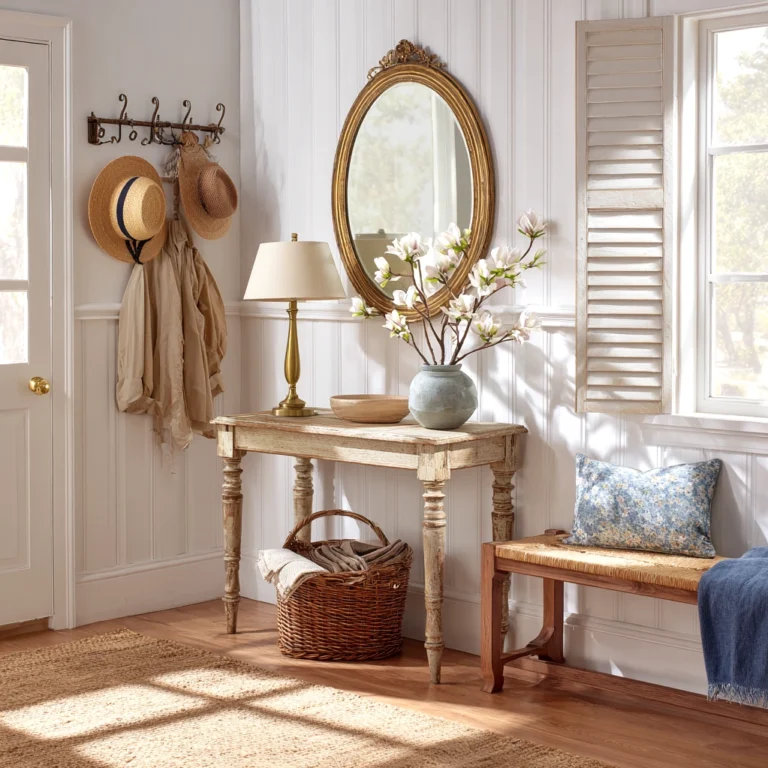
Effective storage is the backbone of successful small apartment decorating. Without adequate places to store belongings, even the most beautifully decorated space can quickly become cluttered and chaotic. The first step in small apartment decorating storage planning is to assess what you truly need and use regularly. Donate, sell, or store items you rarely use to free up precious space. Then, implement creative storage solutions that work within your apartment's layout. In the kitchen, use vertical space with magnetic knife strips, hanging pot racks, and tiered shelf organizers inside cabinets. A rolling cart can provide additional counter space and storage that can be moved as needed. For the living area, consider floating shelves above seating areas or televisions to display decor without consuming floor space. Storage cubes or baskets that fit under coffee tables or sofas keep everyday items accessible but out of sight. Bedroom storage in small apartment decorating often requires thinking beyond the traditional dresser. Under-bed storage containers, hanging organizers inside closet doors, and wall-mounted jewelry displays keep personal items organized without clutter. In the bathroom, over-the-toilet shelving units, shower caddies, and drawer dividers maximize limited space. Don't overlook the potential of entryways—a wall-mounted coat rack with shelves above creates a functional drop zone without requiring floor space. The golden rule of storage in small apartment decorating is to make use of every available inch, including corners, vertical spaces, and the areas above and below furniture. Transparent containers help you quickly identify contents, while labeled opaque bins create a cleaner look for items you don't need to see daily.
Small Apartment Decorating: Define Zones in Open Floor Plans
Many modern small apartments feature open floor plans, which can feel spacious but present challenges for creating distinct functional areas. Successful small apartment decorating in these spaces requires strategic zoning to define different activities without closing off the flow. Area rugs are one of the simplest ways to establish zones—use a rug under your living room seating arrangement, another in the dining area, and perhaps a runner in the entryway. These visual markers help separate spaces while adding texture and color to your small apartment decorating scheme. Furniture arrangement is another powerful zoning tool. Position your sofa with its back to what you want to designate as a separate area, such as a dining space or home office. A bookshelf or room divider can serve as a partial wall that creates separation without blocking light or making the space feel confined. In small apartment decorating, consider using different lighting types to reinforce zoning—pendant lights over a dining table, floor lamps in a reading nook, and focused task lighting in a workspace. Color can also help define zones within your small apartment decorating plan. While maintaining an overall cohesive palette, you might use slightly deeper tones in sleeping areas to create coziness, while keeping living spaces lighter and brighter. Different textures and materials can subtly distinguish zones too—perhaps wood flooring in the living area transitioning to area rugs in the bedroom section of a studio apartment. The goal in small apartment decorating for open plans is to create implied boundaries that organize the space functionally while maintaining the airy, connected feel that makes small apartments appealing. Thoughtful zoning allows you to enjoy dedicated areas for sleeping, working, eating, and relaxing—all within a compact footprint.
Conclusion
Small apartment decorating is more than just making a space look attractive—it's about creating a home that functions beautifully within its limitations. By embracing multifunctional furniture, strategic color and lighting, smart storage solutions, and thoughtful zoning, you can transform even the most compact apartment into a comfortable, stylish sanctuary. Remember that the principles of small apartment decorating encourage intentional living, helping you prioritize what truly matters in your home environment. As you implement these ideas, focus on quality over quantity, choosing pieces that serve multiple purposes while reflecting your personal style. The future of small apartment decorating continues to evolve with innovative furniture designs, space-saving technologies, and sustainable materials that make compact living both practical and luxurious. Looking ahead, we can expect even more creative solutions as urban populations grow and living spaces become smaller. The key takeaway is that small apartment decorating isn't about deprivation—it's about curation. Every item in your space should have purpose and bring you joy. Whether you're just starting out in your first apartment or looking to refresh your current small space, these strategies will help you create a home that feels spacious, organized, and uniquely yours. Embrace the challenge of small apartment decorating as an opportunity to design a living environment that perfectly supports your lifestyle while expressing your individuality.
Frequently Asked Questions
Q: What are the most important elements to focus on when decorating a small apartment?
The most crucial elements in small apartment decorating are multifunctional furniture, smart storage solutions, strategic lighting, and a cohesive color palette. Prioritize pieces that serve multiple purposes, like storage ottomans or sofa beds, to maximize functionality without overcrowding the space. Implement creative storage that uses vertical space and hidden compartments to reduce clutter. Use light colors and mirrors to create the illusion of more space, and ensure you have layered lighting to eliminate dark corners. Most importantly, maintain consistency in your design choices throughout the apartment to create a seamless, expansive feel.
Q: How can I make my small apartment feel larger without major renovations?
You can make your small apartment feel larger through several simple small apartment decorating techniques. First, use light, neutral colors on walls and large furniture pieces to reflect more light. Hang mirrors strategically, especially opposite windows, to bounce light around the room and create depth. Choose furniture with exposed legs rather than solid bases to create visual breathing room underneath. Keep window treatments minimal to maximize natural light. Use consistent flooring throughout to create flow, and eliminate unnecessary clutter through organized storage. Finally, draw the eye upward with vertical elements like tall bookshelves, floor-to-ceiling curtains, or statement lighting fixtures.
Q: What furniture should I avoid in a small apartment?
In small apartment decorating, avoid oversized furniture that overwhelms the space, such as massive sectional sofas, king-sized beds in studio apartments, or bulky entertainment centers. Steer clear of dark, heavy furniture pieces that visually weigh down the room. Avoid too many small decorative items that create visual clutter—instead, choose a few meaningful pieces. Skip furniture that serves only one purpose when multifunctional alternatives exist. Also, be cautious with furniture that blocks natural pathways or light sources. Instead, opt for proportional pieces with clean lines, lighter colors, and versatile functions that support your daily activities without dominating the limited square footage.