Soft Pink Background: 12 Transformative Tips for Your Ultimate Sanctuary

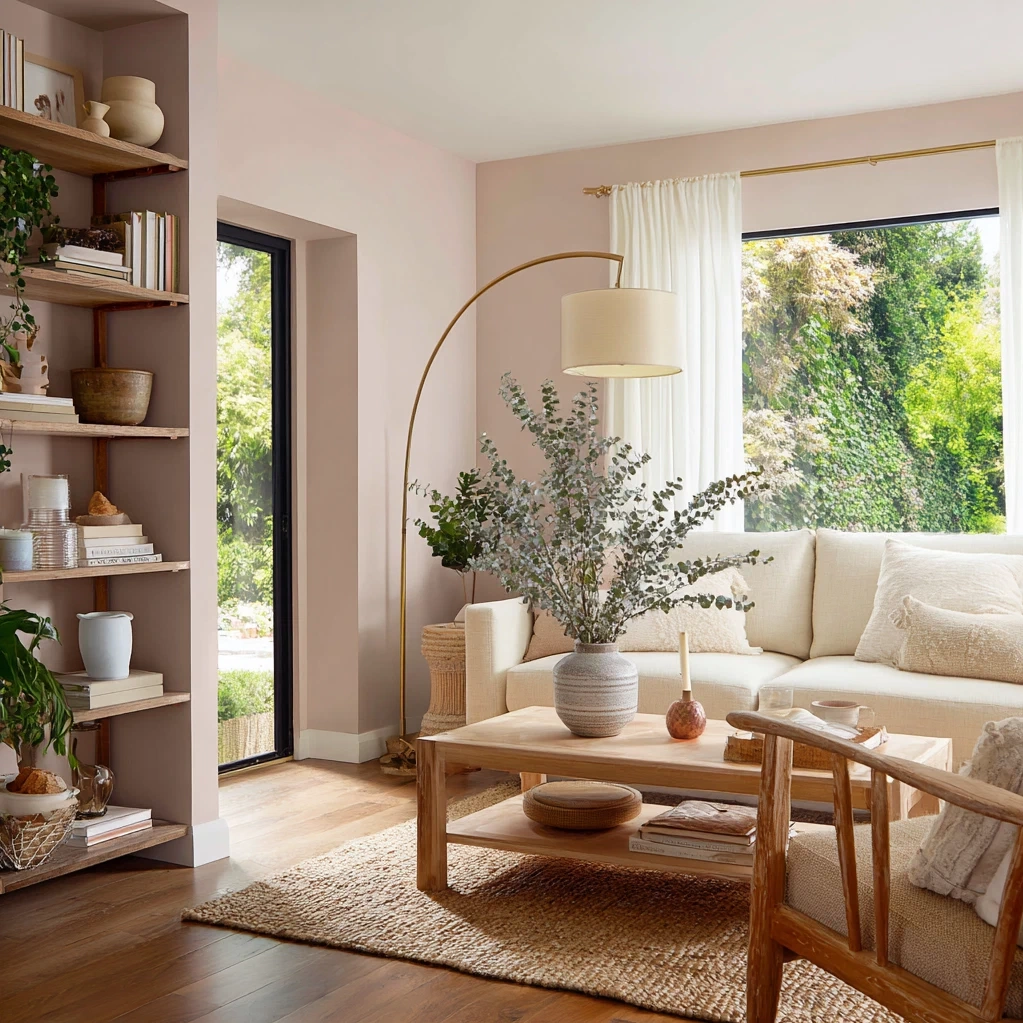
Imagine walking into a room that instantly calms your nerves, lifts your spirits, and wraps you in a sense of gentle comfort. That’s the magic a soft pink background can bring to your living spaces. In today’s fast-paced world, our homes have become more than just places to sleep and eat—they’re sanctuaries where we recharge, create, and connect. The right background color sets the emotional tone for these precious moments, and few hues accomplish this as beautifully as soft pink.
Unlike its bolder counterparts, a soft pink background offers subtle elegance without overwhelming your senses. It's a versatile neutral that works with virtually any design style, from minimalist Scandinavian to cozy bohemian. This delicate shade reflects light beautifully, making rooms feel more spacious and airy. Research in color psychology suggests that soft pink can reduce feelings of aggression and promote tranquility—qualities we all crave in our personal spaces.
When you incorporate a soft pink background into your home, you're not just choosing a color; you're creating an environment that supports wellbeing. Whether it's a bedroom wall that helps you unwind after a long day or a living room accent that fosters warm conversations, this hue serves as a gentle backdrop to life's most meaningful moments. Let's explore how this understated color can transform your space into the peaceful retreat you deserve.
Why Choose a Soft Pink Background for Your Home
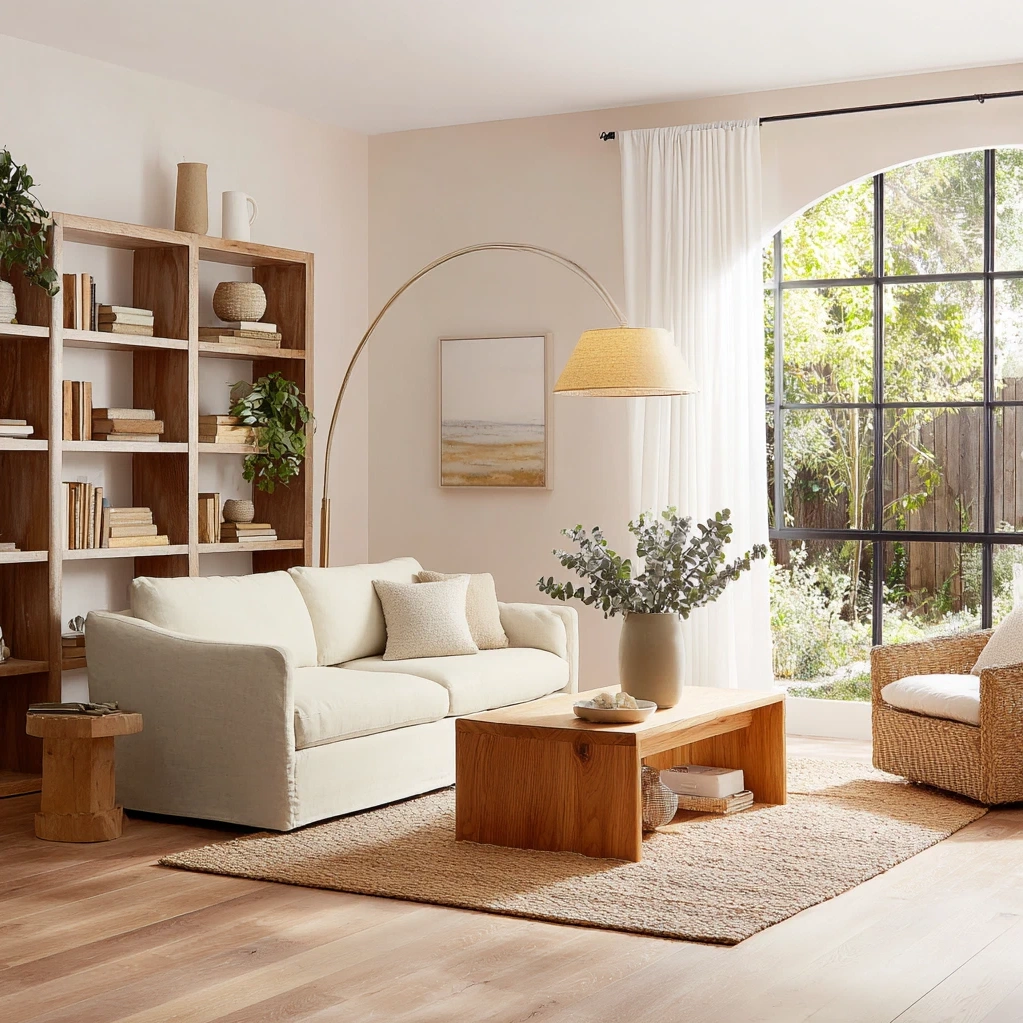
A soft pink background might seem like a simple design choice, but its impact on your living space runs deep. This gentle hue creates a foundation of warmth and serenity that few other colors can match. Unlike stark whites or cool grays, soft pink adds just enough color to make a room feel intentional and welcoming without dominating the space. It's particularly effective in north-facing rooms that receive less natural light, as it adds a subtle warmth that mimics the glow of sunrise.
One of the most compelling reasons to choose a soft pink background is its incredible versatility. This shade works beautifully with a wide range of color palettes—it complements earthy tones like sage green and terracotta, harmonizes with metallic accents in gold or brass, and creates stunning contrast with deeper shades like navy or charcoal. The soft pink background serves as a neutral canvas that allows your furniture, artwork, and accessories to shine while maintaining a cohesive, calming atmosphere.
From a psychological perspective, soft pink offers unique benefits. Studies have shown that softer pink tones can help reduce stress and create feelings of safety and comfort. This makes it an excellent choice for bedrooms, nurseries, and meditation spaces. The color's gentle nature encourages relaxation and introspection, helping to create rooms that truly serve as retreats from the outside world. When properly implemented, a soft pink background becomes more than decoration—it becomes a tool for enhancing your daily quality of life.
12 Creative Ways to Incorporate a Soft Pink Background
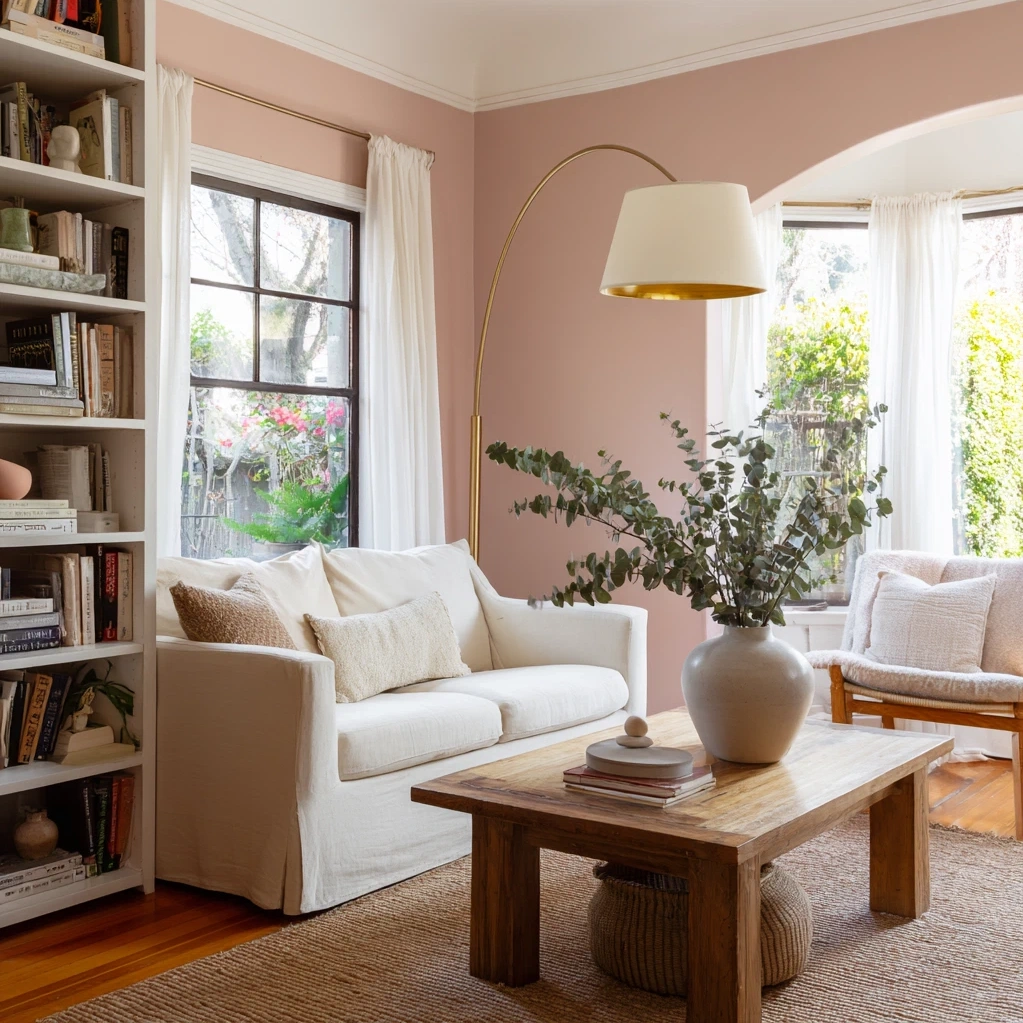
Transforming your space with a soft pink background doesn't require a complete overhaul. Here are twelve creative approaches that range from subtle accents to bold statements. First, consider painting an accent wall behind your bed or sofa—this creates an instant focal point without overwhelming the entire room. For renters or those hesitant about permanent changes, removable wallpaper with a soft pink background offers the same visual impact with complete flexibility.
Second, think beyond walls. A soft pink background can be introduced through textiles like curtains, area rugs, or upholstered furniture. A large area rug in this hue can ground a room while adding that gentle color element. Third, incorporate the color through artwork and decorative objects. A gallery wall with soft pink matting or frames creates cohesive visual interest. Fourth, consider your ceilings—painting a ceiling with a soft pink background can make a room feel more intimate and cozy, especially in spaces with high ceilings.
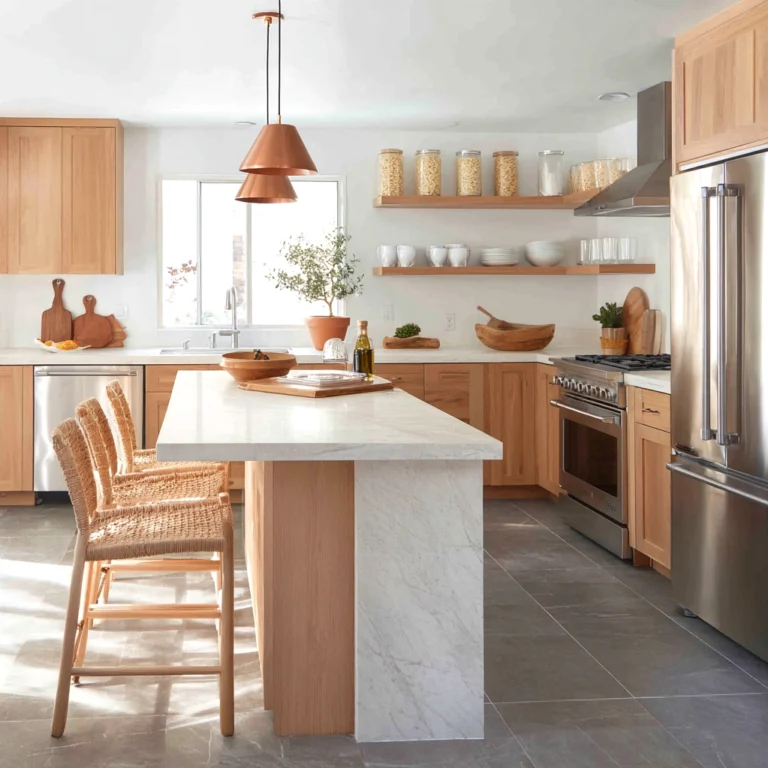
Fifth through eighth ideas focus on functional elements: soft pink background tiles in a bathroom create a spa-like atmosphere, painted bookshelves add unexpected charm, kitchen cabinetry in this hue brings warmth to cooking spaces, and a soft pink background on interior doors creates subtle continuity throughout your home. The remaining suggestions include creating a soft pink background for your workspace to boost creativity, using it in entryways to welcome guests warmly, applying it to built-in shelving units, and finally, using it as a background for your most cherished collections or display areas. Each approach offers a different way to experience the benefits of this versatile color.
Designing Around Your Soft Pink Background
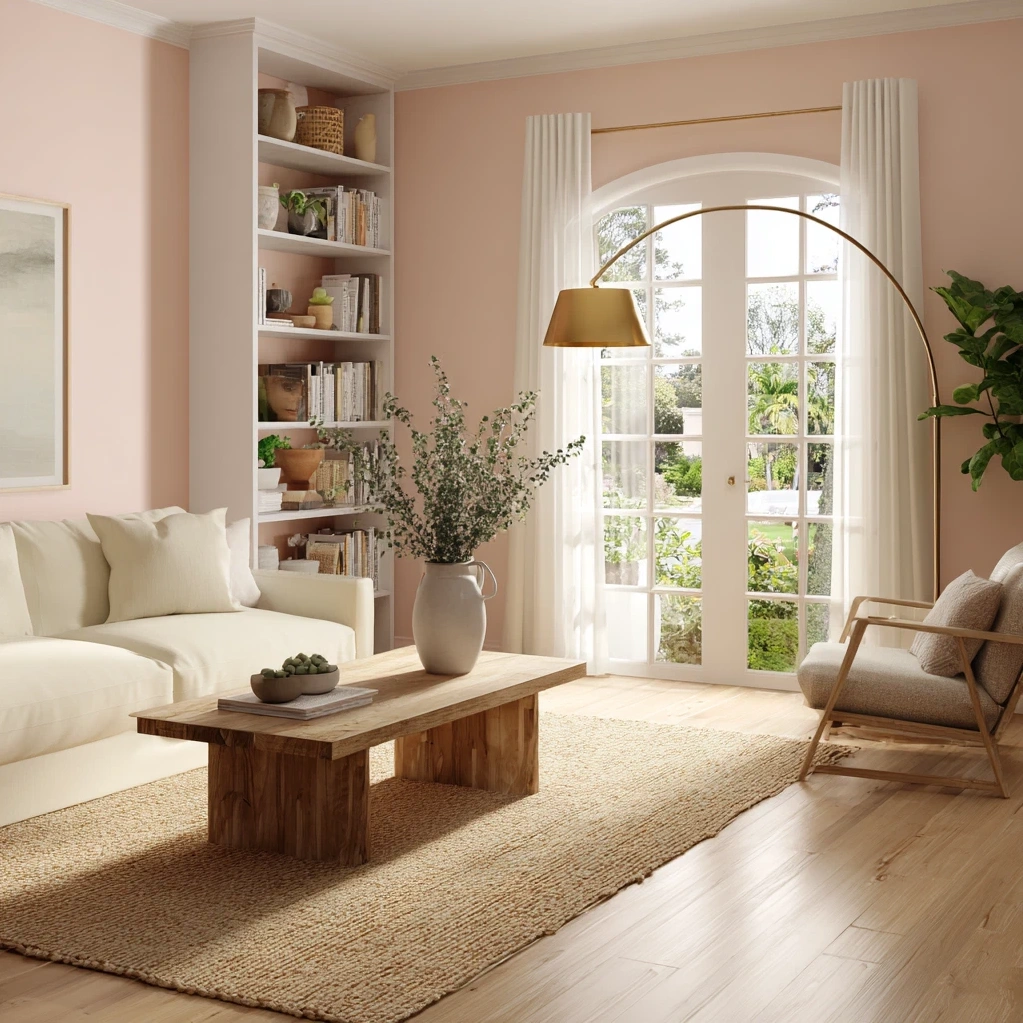
Once you've established your soft pink background, the real magic happens in how you build your space around it. The key to successful design with this hue lies in thoughtful layering and balance. Start with your larger furniture pieces—neutral upholstery in creams, grays, or light woods allows the soft pink background to shine while preventing the room from feeling overly feminine or saccharine. Leather accents in cognac or tan add beautiful texture contrast against the gentle pink tones.
Lighting plays a crucial role in enhancing your soft pink background. Natural light will bring out the warmth in the color, while evening lighting should be layered for maximum effect. Consider warm white bulbs rather than cool ones, as they complement the pink tones beautifully. Table lamps with fabric shades can soften the light further, while metallic finishes in brass or copper add sophistication. For artificial lighting, dimmer switches allow you to adjust the atmosphere throughout the day and evening.
Texture variety prevents a soft pink background from feeling flat or monotonous. Incorporate different materials like linen curtains, wool throws, ceramic vases, and wooden accents. Plants add necessary green contrast and bring life to the space—their natural forms look particularly striking against the soft pink background. When selecting artwork, consider pieces with complementary colors or black-and-white photography, which creates striking contrast. Remember that your soft pink background serves as the foundation; everything else should enhance rather than compete with this calming base. The result is a space that feels curated, comfortable, and uniquely yours.
Maintaining and Refreshing Your Soft Pink Background
A well-maintained soft pink background continues to enhance your space for years to come. Regular care begins with proper cleaning—use a soft, damp cloth to gently wipe down painted walls, avoiding harsh chemicals that might damage the finish. For wallpaper versions, follow manufacturer instructions carefully, usually involving gentle dusting or specific cleaning solutions. Address any stains or marks promptly to prevent them from setting, as lighter colors can show imperfections more readily than darker ones.
Seasonal adjustments keep your soft pink background feeling fresh and relevant throughout the year. In warmer months, pair it with lighter fabrics like linen and cotton in white or cream, and incorporate fresh greenery or floral arrangements. During cooler seasons, add layers with textured throws in wool or faux fur, and introduce deeper accent colors like burgundy or forest green. These seasonal shifts prevent your space from feeling stagnant while maintaining the calming foundation of your soft pink background.
Long-term maintenance involves monitoring how the color holds up to sunlight and daily wear. Soft pink backgrounds in south-facing rooms might experience more fading over time, so consider UV-protective window treatments if needed. Every few years, assess whether touch-ups or complete repainting might be necessary—colors can subtly shift as they age. Remember that your soft pink background is part of a living space that evolves with you. Don't be afraid to make small adjustments as your style or needs change. The beauty of this hue lies in its adaptability; it serves as a constant, calming presence while allowing for endless personal expression around it.
Conclusion
A soft pink background represents more than just a color choice—it's an investment in creating a home that nurtures and inspires. Throughout this exploration, we've seen how this gentle hue transforms ordinary rooms into sanctuaries of calm, how it serves as a versatile foundation for countless design styles, and how it supports our wellbeing through its psychological effects. The twelve creative implementation methods demonstrate that anyone can incorporate this beautiful color, regardless of their budget or commitment level.
As you move forward with your own soft pink background project, remember that the most successful spaces balance beauty with functionality. Your home should reflect your personality while serving your practical needs. The soft pink background provides that perfect middle ground—it's visually appealing without being distracting, calming without being boring. It creates rooms where you can both entertain guests joyfully and find quiet moments of reflection.
Looking ahead, the trend toward mindful, wellness-focused design suggests that soft pink backgrounds will continue to grow in popularity. As we increasingly value our homes as places of restoration, colors that promote peace and comfort will remain essential. Whether you're planning a complete renovation or simply refreshing a single room, consider how a soft pink background might enhance your daily life. Start small if needed—a painted piece of furniture or a new set of curtains. Notice how the color makes you feel. You might just discover that this gentle hue becomes the foundation for your favorite room, a place where every day feels a little more serene and every moment a little more special.
Frequently Asked Questions
Q: Will a soft pink background make my room look too feminine or childish?
Not at all when implemented thoughtfully. The key is choosing the right shade—opt for muted, dusty pinks with gray or beige undertones rather than bright bubblegum pinks. These sophisticated versions work beautifully in any space regardless of gender or age. Pair your soft pink background with masculine textures like leather, dark wood, or metallic accents to create balanced, grown-up spaces. Many designers use soft pink in offices, living rooms, and even industrial-style lofts with excellent results.
Q: How do I choose the right shade of soft pink for my space?
Consider three main factors: lighting, existing elements, and desired mood. Test paint samples on large poster boards and observe them at different times of day. North-facing rooms benefit from pinks with warm undertones, while south-facing spaces can handle cooler undertones. Look at your existing furniture and flooring—choose a pink that complements rather than clashes with these permanent elements. Finally, decide on the atmosphere you want: pink with peach undertones feels cozy and inviting, while pink with lavender undertones creates a more serene, spa-like environment.
Q: Can I use a soft pink background in small rooms without making them feel smaller?
Absolutely—soft pink can actually make small rooms feel more spacious when used correctly. Lighter shades reflect light better than dark colors, creating an airier feel. For very small rooms, consider using soft pink on just one accent wall rather than all four walls. Pair it with mirrors to maximize light reflection and choose furniture with legs to maintain visual floor space. Keep window treatments minimal to allow maximum natural light. The result is a cozy yet open-feeling space that doesn't overwhelm.