The Return of Wallpaper Where It Works Best Now: 13 Stunning Transformations That Prove Its Incredible Comeback


Remember when wallpaper was relegated to outdated patterns and peeling corners? Those days are gone. The return of wallpaper where it works best now represents a design revolution that’s sweeping through modern homes, offering possibilities that paint simply can’t match. This isn’t your grandmother’s floral print either—today’s wallpaper brings sophisticated textures, bold patterns, and artistic designs that can transform any space from ordinary to extraordinary in hours.
What makes this resurgence so remarkable is how wallpaper has evolved to solve contemporary design challenges. In our era of open-concept living and multifunctional spaces, wallpaper provides visual separation without physical barriers. It creates focal points in rooms that lack architectural interest, adds depth to small spaces, and brings personality to sterile environments. The strategic placement of wallpaper has become a secret weapon for interior designers, allowing homeowners to make dramatic statements without major renovations.
Understanding where wallpaper works best now is crucial for anyone looking to update their space. The key lies in recognizing that not all walls are created equal—some spaces practically beg for pattern and texture, while others benefit from strategic restraint. From powder rooms to feature walls, from ceilings to bookshelves, wallpaper has found its perfect applications in the modern home. This guide will help you navigate this exciting trend and discover the 13 most effective places to incorporate wallpaper in your living spaces.
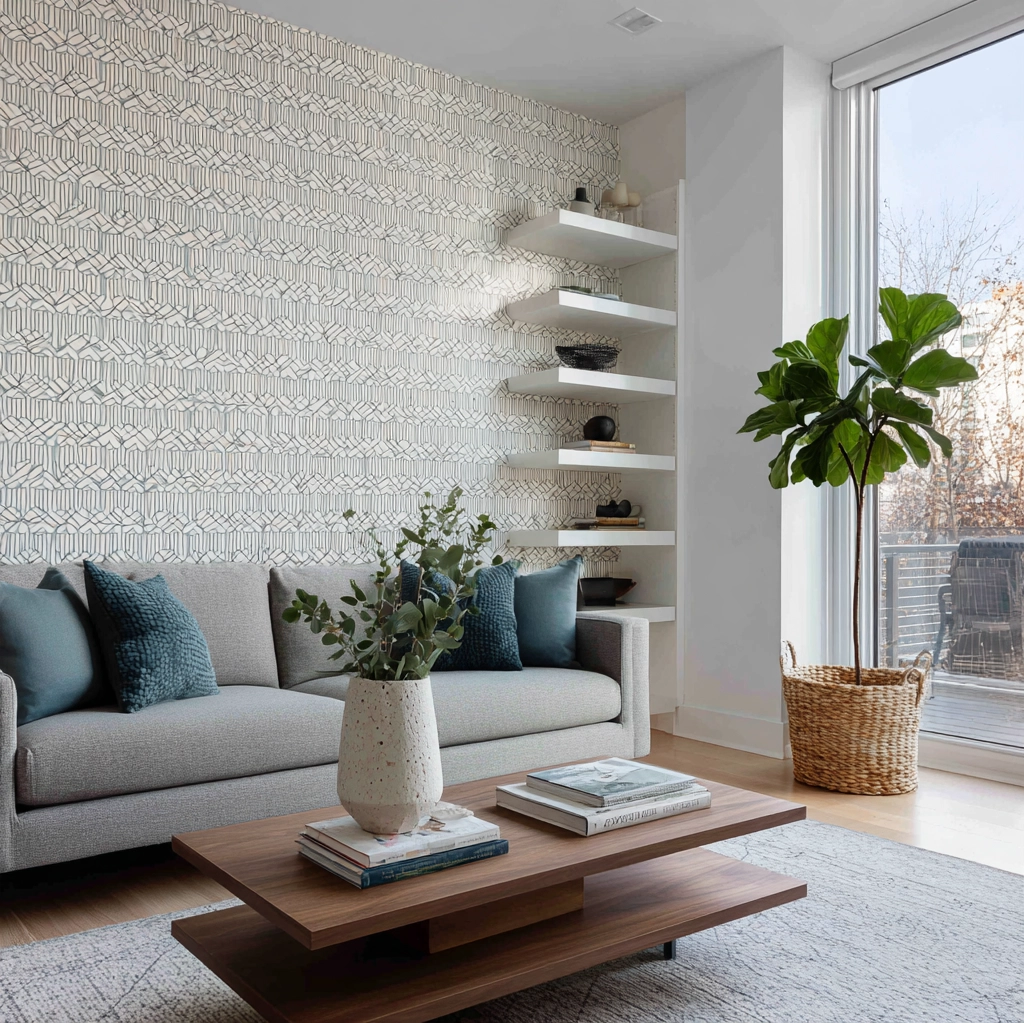
The Return of Wallpaper Where It Works Best Now in Small Spaces
Small spaces present the perfect canvas for wallpaper's transformative power. Powder rooms, entryways, and reading nooks have become prime locations for bold patterns that might overwhelm larger rooms. The return of wallpaper where it works best now shines brightest in these compact areas, where a single wall can create a complete design statement. Consider a small bathroom—with clever wallpaper placement, you can turn it from purely functional to fantastically stylish without overwhelming the limited square footage.
Why do small spaces benefit so dramatically from wallpaper? First, the scale works perfectly. A pattern that might feel too busy in a living room creates just the right amount of visual interest in a powder room. Second, wallpaper adds depth and dimension that paint cannot achieve. Textured grasscloths, metallic accents, and dimensional patterns make small rooms feel more luxurious and thoughtfully designed. Third, it's an opportunity to take design risks you might avoid in larger, more expensive-to-renovate spaces.
Practical application matters here. In hallways and entryways, wallpaper creates a memorable first impression. In home offices carved from closets or corners, it establishes a distinct work zone. Even the backs of bookshelves and cabinet interiors benefit from wallpaper, turning storage into display. The key is choosing patterns that complement rather than compete with the room's function. For small spaces, consider scale-appropriate designs and remember that today's removable options make experimentation easy and commitment-free.
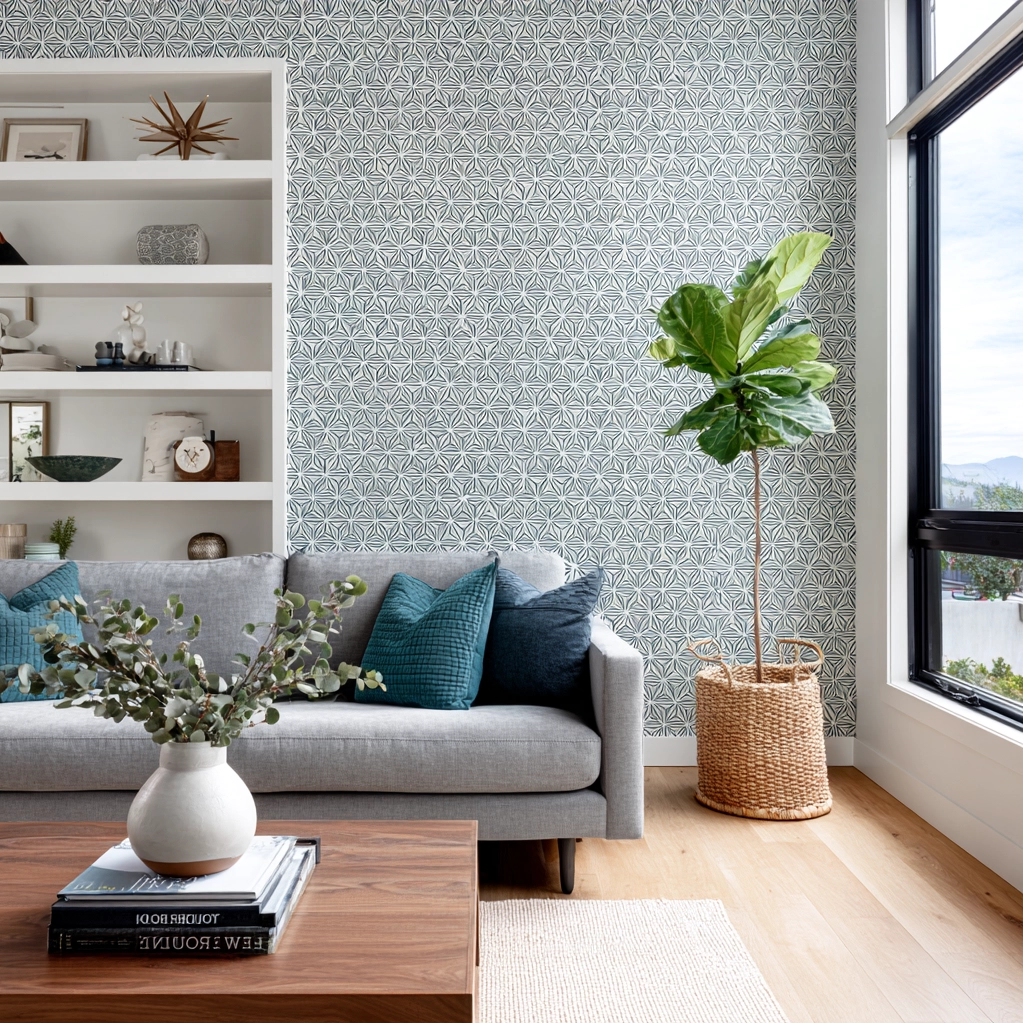
Where Wallpaper Works Best Now for Creating Architectural Interest
Modern homes often lack the architectural details that gave older homes character. This is where wallpaper steps in as a design superhero. The return of wallpaper where it works best now includes strategic applications that mimic or enhance architectural features. Think about accent walls that frame fireplaces, patterns that create the illusion of wainscoting, or designs that draw the eye upward in rooms with high ceilings.
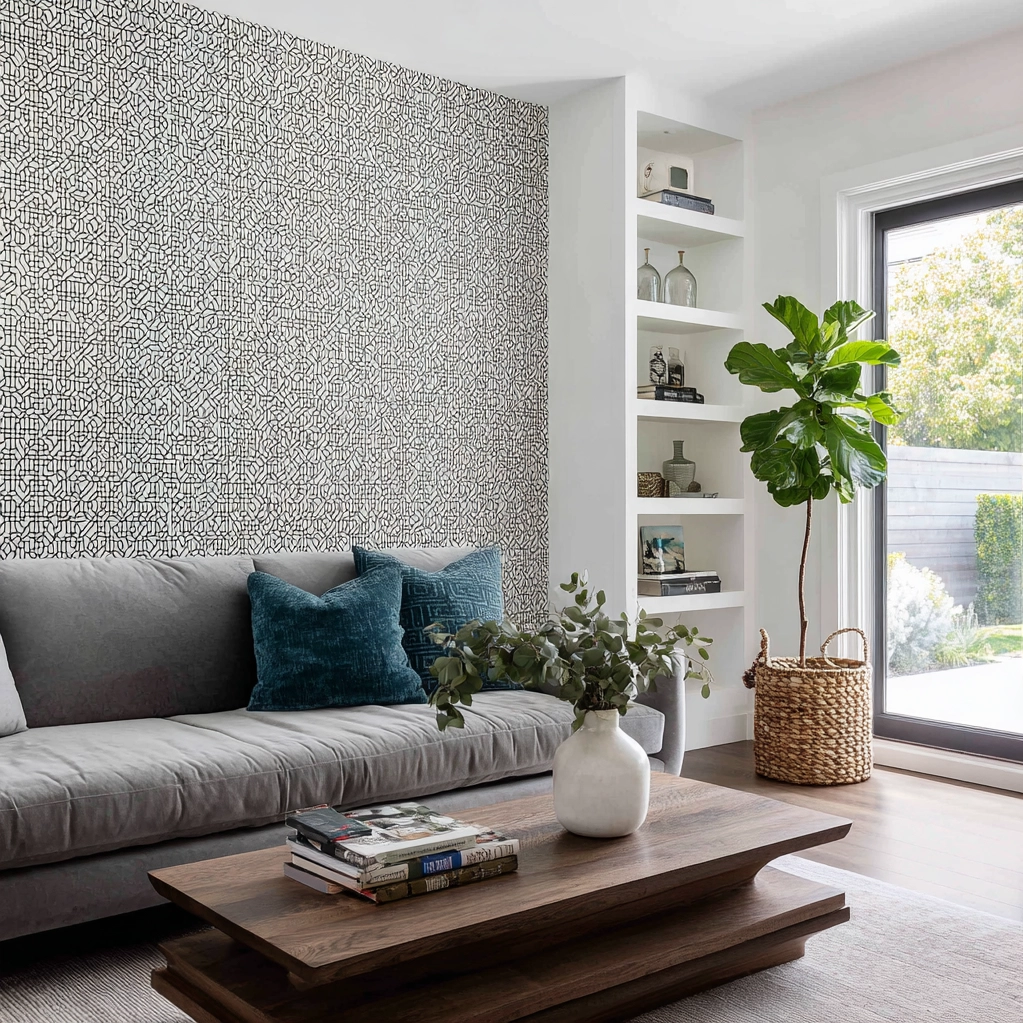
Feature walls remain a popular application, but the approach has evolved. Rather than just slapping paper on the wall behind a bed or sofa, designers now use wallpaper to define zones in open-concept spaces. A dining area might feature a different pattern than the adjacent living space, creating visual separation without physical barriers. Ceilings have also become prime wallpaper territory—a patterned ceiling can add unexpected drama to otherwise simple rooms.
Consider these architectural applications: In rooms with awkward angles or strange proportions, wallpaper can distract from or even celebrate these quirks. Behind built-in shelving units, wallpaper creates a backdrop that makes displayed items pop. On stairwell walls, it turns a transitional space into a gallery-like experience. The beauty of modern wallpaper lies in its versatility—geometric patterns can emphasize clean lines, while organic designs can soften harsh angles. When selecting wallpaper for architectural enhancement, consider how the pattern interacts with existing features and how light will play across its surface throughout the day.
The Return of Wallpaper Where It Works Best Now for Personal Expression
Our homes have become extensions of our personalities more than ever before, and wallpaper offers unparalleled opportunities for personal expression. The return of wallpaper where it works best now includes spaces where we want to make emotional connections—bedrooms, home offices, and creative spaces. Unlike paint, which provides color but little else, wallpaper brings texture, pattern, and often narrative elements to a room.
Children's rooms have seen particularly creative applications. Today's wallpaper options include everything from educational maps to whimsical forests to sophisticated patterns that grow with the child. The key is choosing designs that stimulate without overwhelming. In teen rooms, removable wallpaper allows for self-expression that can evolve with changing tastes. For adults, studies and home offices benefit from patterns that inspire creativity or promote focus, depending on the room's primary function.
Personal expression through wallpaper isn't just about bold statements. Sometimes, subtle textures create the perfect backdrop for art collections or cherished furniture. Grasscloths add warmth, metallics bring glamour, and murals can transport you to another place entirely. The most successful applications consider both aesthetic preferences and practical needs. A busy home office might benefit from a calming pattern, while a meditation space might use nature-inspired designs. Remember that today's wallpaper comes in various formats—traditional rolls, peel-and-stick options, and even custom digital prints—making personal expression more accessible than ever.
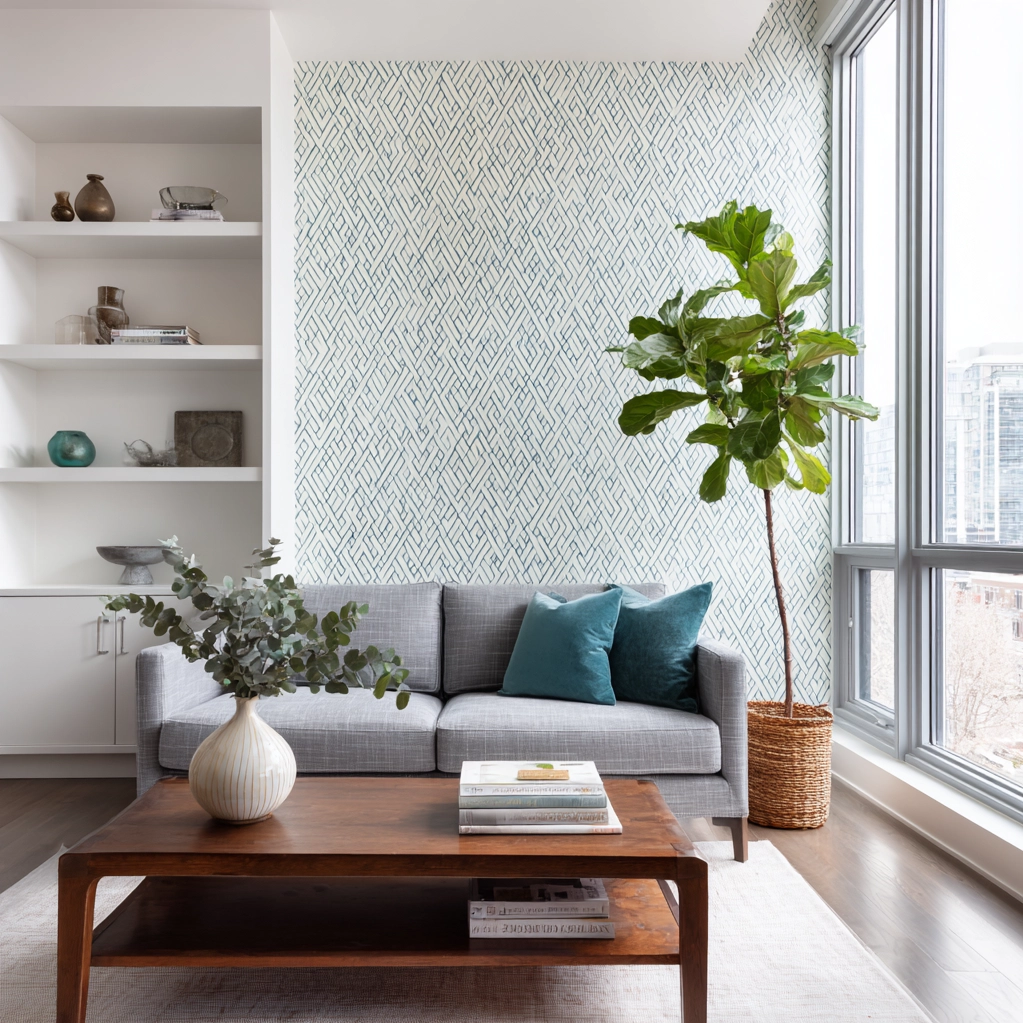
Practical Considerations for Where Wallpaper Works Best Now
Understanding the practical aspects ensures your wallpaper installation succeeds long-term. The return of wallpaper where it works best now involves more than just choosing pretty patterns—it requires considering humidity, traffic patterns, and maintenance. Bathrooms and kitchens, once considered no-go zones for wallpaper, now feature moisture-resistant options that withstand steamy conditions. High-traffic areas like hallways benefit from durable, washable papers that maintain their beauty despite daily wear.
Light exposure dramatically affects how wallpaper performs and appears. South-facing rooms with abundant sunlight might require fade-resistant options, while north-facing spaces can handle deeper colors and patterns without feeling dark. Consider how artificial lighting will interact with your chosen wallpaper—metallic accents might glow under certain lights, while textured papers cast beautiful shadows.
Preparation remains crucial. Well-prepared walls ensure proper adhesion and longevity. Today's wallpaper options include various installation methods, from traditional paste to self-adhesive backing. For DIY enthusiasts, peel-and-stick options offer professional-looking results without specialized tools. For complex patterns or valuable antique papers, professional installation might be worth the investment. Maintenance has also improved—many modern wallpapers are washable and durable enough for family homes. When planning your wallpaper project, consider not just where it looks best but where it will perform best, ensuring your beautiful design lasts for years to come.
Conclusion
The wallpaper renaissance isn't just a fleeting trend—it's a fundamental shift in how we approach interior design. The return of wallpaper where it works best now offers solutions for modern living that paint alone cannot provide. From creating visual interest in open-concept spaces to adding personality to functional rooms, wallpaper has proven its versatility and staying power. The 13 applications discussed represent just the beginning of what's possible with today's innovative materials and designs.
Looking forward, wallpaper technology continues to evolve. We're seeing more sustainable options, smarter installation methods, and even interactive designs that change with light or temperature. The future likely holds even more personalized options, with digital printing making custom designs accessible to homeowners at various budget levels. What remains constant is wallpaper's ability to transform spaces quickly and dramatically.
As you consider incorporating wallpaper into your home, remember that the most successful applications balance beauty with practicality. Start small if you're unsure—a powder room or closet interior makes an excellent testing ground. Pay attention to how patterns scale to your space and how they interact with your existing decor. Most importantly, have fun with the process. Today's removable options mean you can experiment without permanent commitment. Whether you choose bold patterns or subtle textures, wallpaper offers an opportunity to express your personal style while solving real design challenges in your living spaces.
Frequently Asked Questions
Q: Is wallpaper difficult to remove compared to paint?
Modern wallpaper removal has become much easier than in the past. Many contemporary wallpapers, especially peel-and-stick varieties, remove cleanly without damaging walls. Traditional pasted wallpapers may require more effort, but today's products often include strippable layers that come off in sheets. Preparation is key—properly primed walls make removal easier regardless of paper type. For challenging removals, steamers and commercial removal solutions work effectively. Always test a small area first and follow manufacturer instructions for best results.
Q: Can I use wallpaper in humid areas like bathrooms?
Yes, absolutely. Today's technology has produced moisture-resistant wallpapers specifically designed for bathrooms and kitchens. Look for vinyl-coated or solid vinyl options, which withstand humidity and are washable. Proper ventilation remains important—use exhaust fans during showers and ensure good air circulation. For particularly steamy bathrooms, consider applying wallpaper to walls farthest from the shower or using it on the ceiling for dramatic effect. Always check manufacturer specifications for moisture resistance before purchasing bathroom wallpaper.
Q: How do I choose the right wallpaper pattern for my space?
Start by considering the room's size and function. Large patterns work well in spacious rooms, while smaller patterns suit compact spaces. For rooms with multiple functions, choose patterns that support the primary activity—calming designs for bedrooms, energizing patterns for home offices. Consider existing furniture and architectural features; wallpaper should complement rather than compete with them. Sample swatches are invaluable—view them at different times of day and in various lighting conditions. Remember scale: step back to see how patterns look from across the room, not just up close. When in doubt, start with removable options to test your choices.