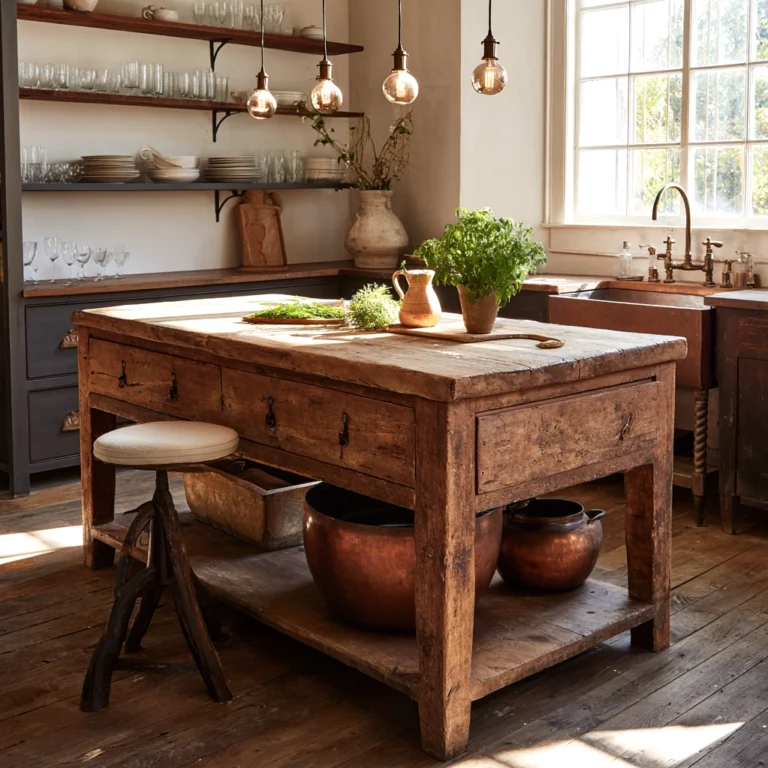
Vintage Dishware Collection: Transform Your Dining with Timeless Elegance

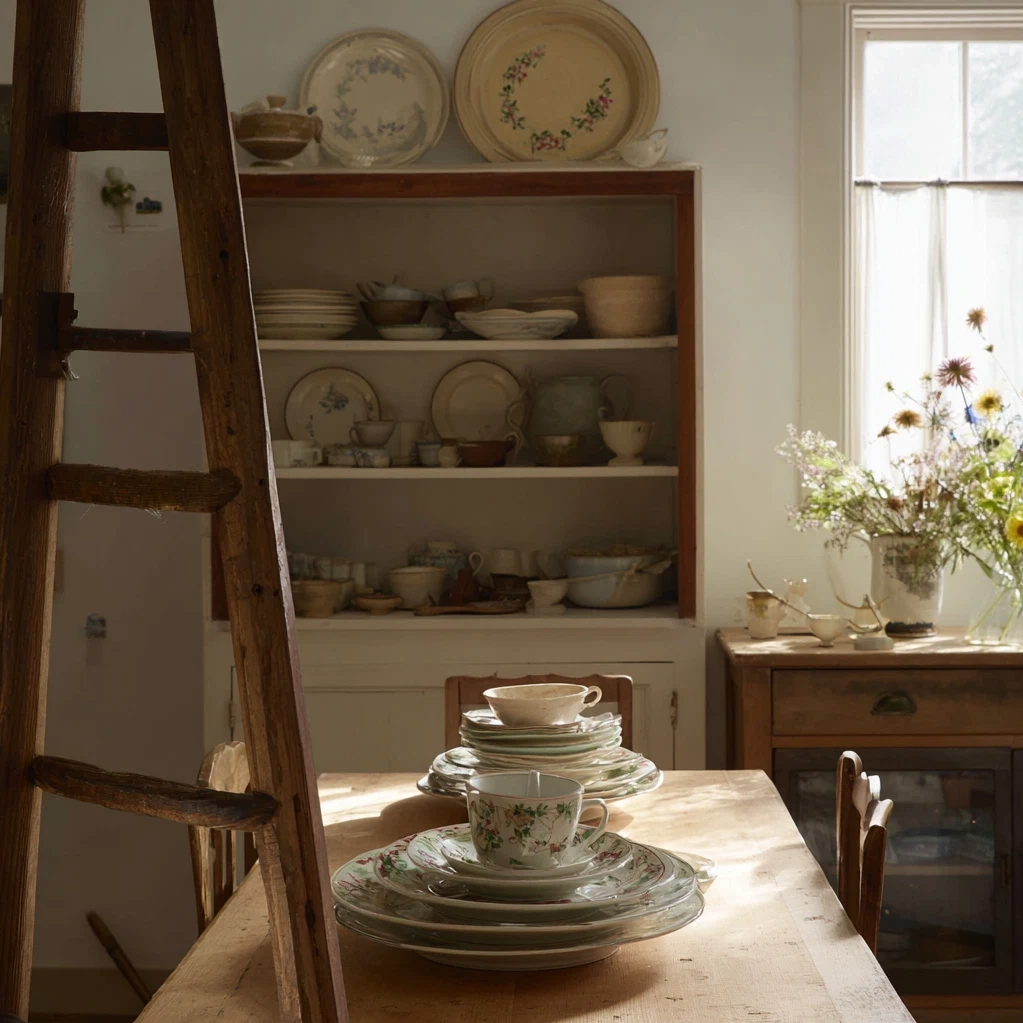
Imagine a dining table that tells stories—not just through conversation, but through the very plates, cups, and bowls that grace its surface. A vintage dishware collection offers more than mere functionality; it brings history, charm, and personality into your home. Each piece carries the craftsmanship of a bygone era, from delicate floral patterns to bold mid-century designs. These collections can elevate everyday meals into special occasions, turning simple gatherings into memorable experiences. Whether you’re sipping morning coffee from a retro mug or serving dinner on classic china, vintage dishware adds a layer of warmth and authenticity that modern, mass-produced items often lack. Starting or expanding your own collection is a journey into design history, allowing you to curate pieces that reflect your unique style. Beyond aesthetics, vintage dishware is often more durable and made with higher-quality materials than many contemporary alternatives. It’s a sustainable choice, giving beautiful items a second life and reducing waste. In this article, we’ll explore how to build, display, and care for your vintage dishware collection, transforming your dining space into a haven of timeless elegance.
Starting Your Vintage Dishware Collection: Tips for Beginners
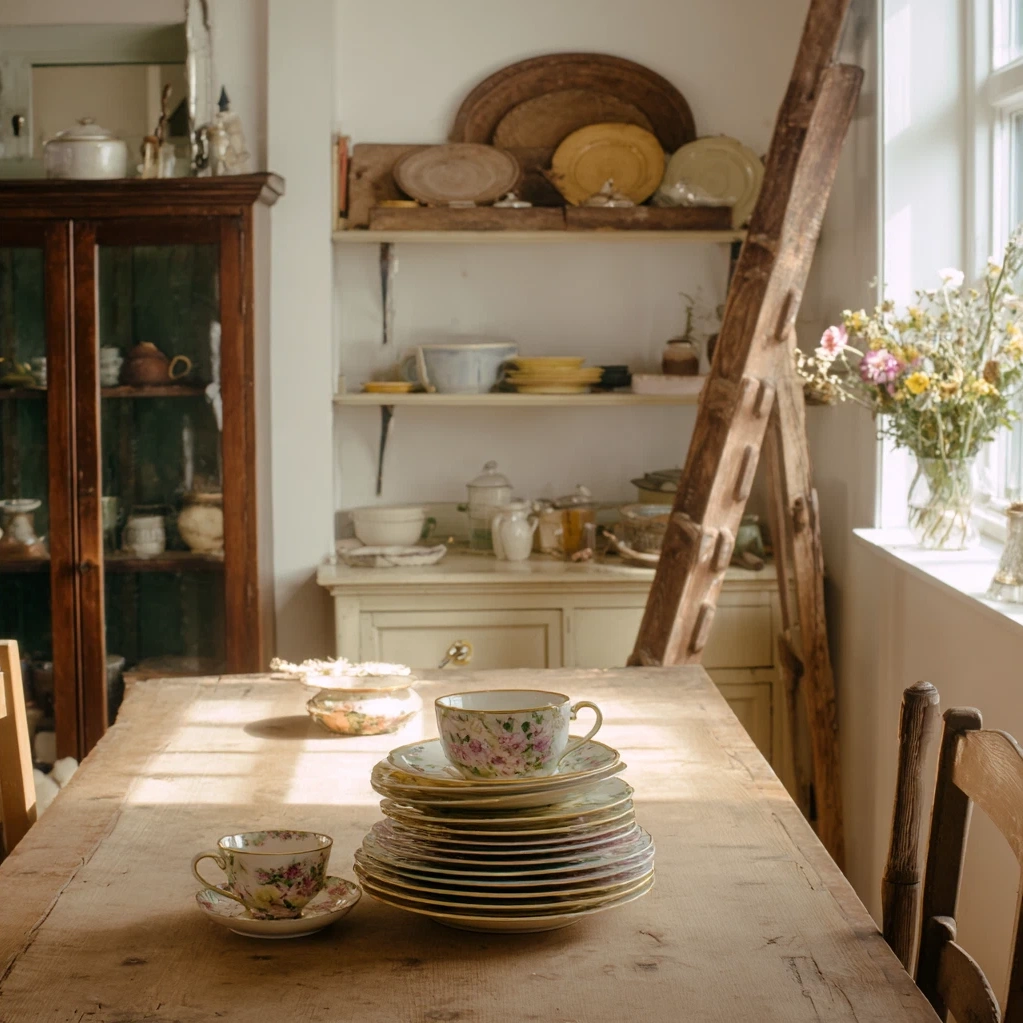
Building a vintage dishware collection can feel overwhelming, but with a few simple strategies, you can create a cohesive and beautiful set. Begin by defining your style. Are you drawn to delicate porcelain with floral motifs, or do you prefer the bold colors of 1970s stoneware? Research different eras and patterns to find what resonates with you. Visit thrift stores, estate sales, and online marketplaces to hunt for pieces. Look for items in good condition, checking for chips, cracks, or excessive wear. Mixing and matching can add character, so don't feel pressured to stick to one brand or pattern. Start with basics like dinner plates, bowls, and cups, then expand to serving platters and teapots. Consider the functionality of each piece—will it be used daily or reserved for special occasions? Setting a budget helps avoid overspending, as prices can vary widely. Remember, a vintage dishware collection grows over time, so be patient and enjoy the process of discovery. Document your finds with notes on origins or patterns to build a personal archive. This approach ensures your collection reflects your taste and becomes a cherished part of your home.
Displaying Your Vintage Dishware Collection with Style
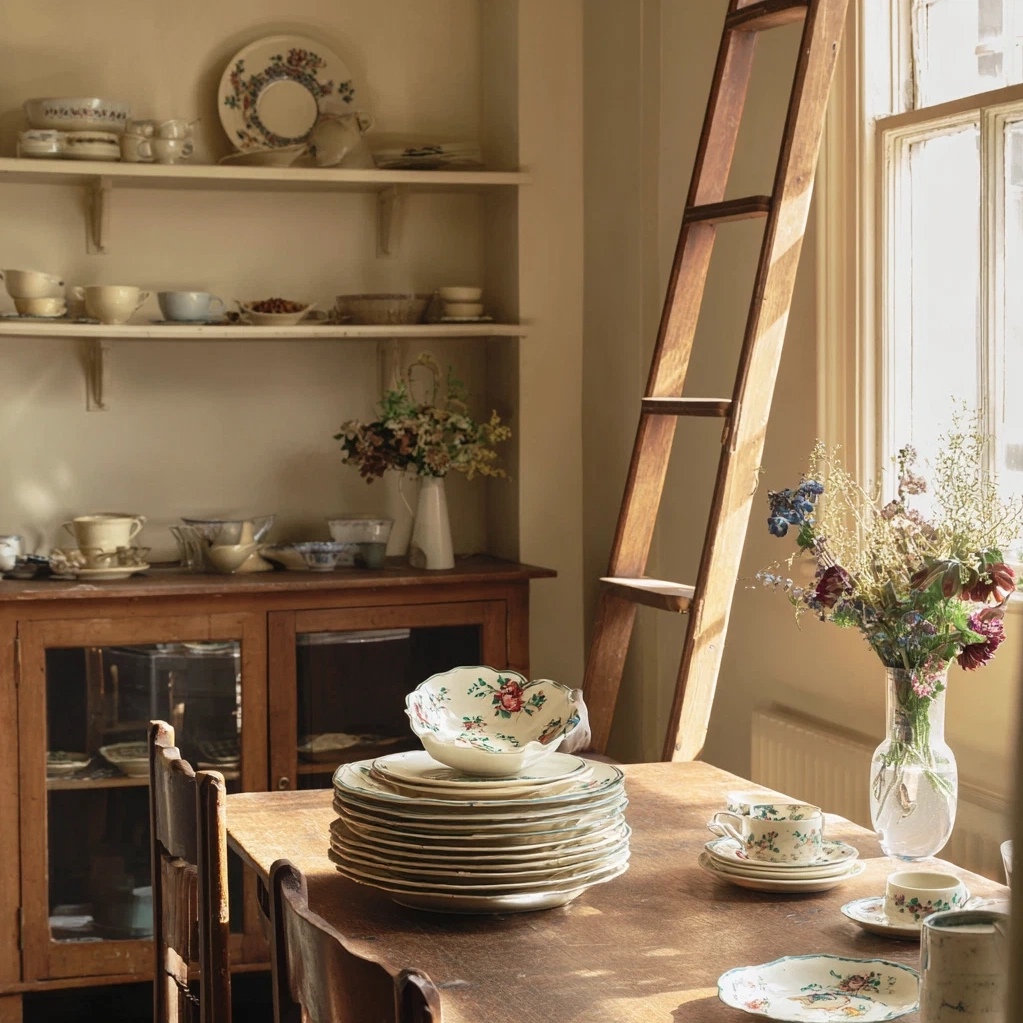
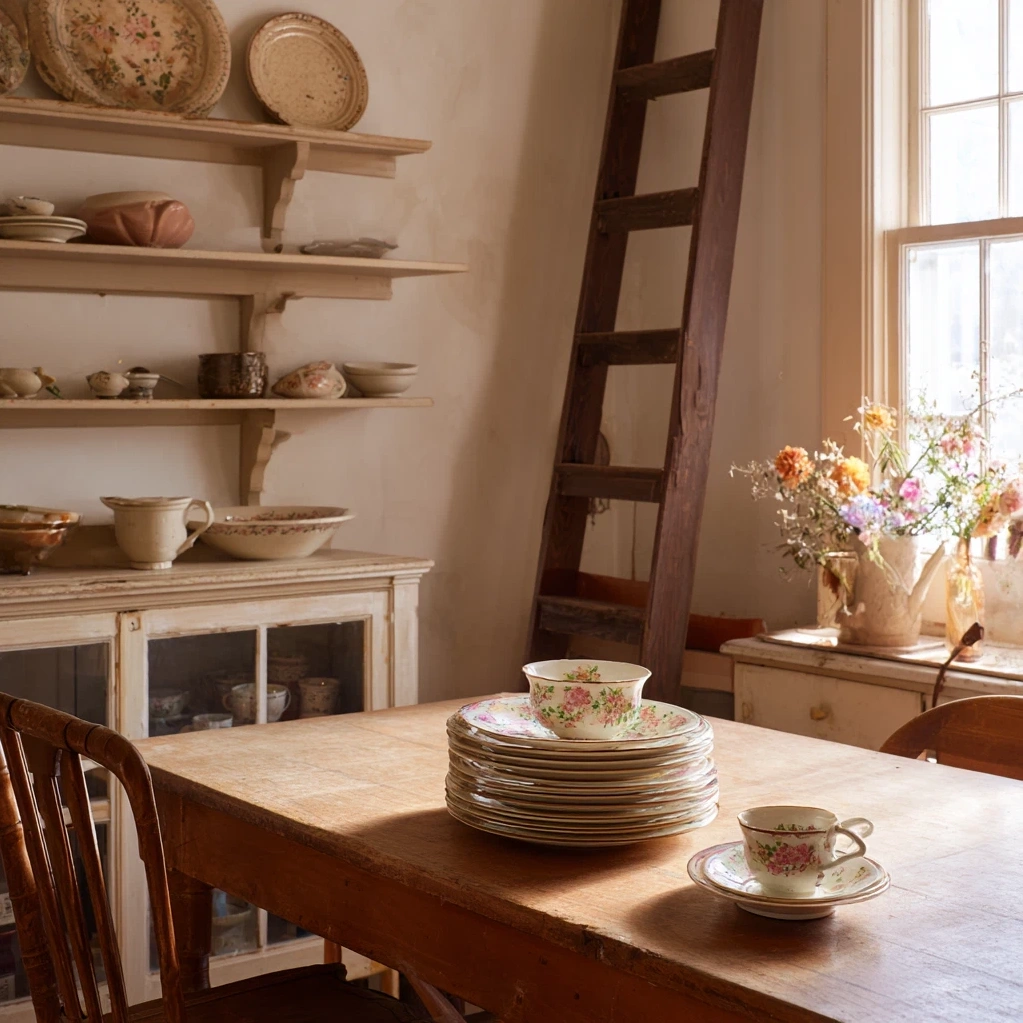
Once you've started your vintage dishware collection, displaying it effectively can enhance your home's decor. Open shelving in kitchens or dining rooms is a popular choice, allowing you to showcase pieces while keeping them accessible. Arrange items by color, pattern, or era for a cohesive look. Use plate stands or wall-mounted racks to highlight standout pieces like decorative plates or platters. Glass-front cabinets offer protection from dust while still letting the beauty shine through. For a more eclectic display, mix vintage dishware with modern elements, such as pairing old china with contemporary flatware. Consider using pieces in unexpected ways—a vintage teapot as a vase or a set of cups for organizing small items. Lighting plays a key role; soft, warm light can accentuate details and colors. Ensure shelves are sturdy and spaced properly to prevent damage. Rotate items seasonally to keep displays fresh and engaging. In dining areas, layering vintage plates with linen napkins and centerpieces creates an inviting tablescape. Your vintage dishware collection isn't just for storage; it's a dynamic part of your home's aesthetic. By thoughtfully arranging pieces, you turn everyday moments into visually delightful experiences.
Caring for Your Vintage Dishware Collection to Preserve Its Beauty
Proper care is essential to maintain the beauty and longevity of your vintage dishware collection. Start by handling pieces gently, as older items may be more fragile. Wash them by hand using mild detergent and lukewarm water, avoiding harsh scrubbing that could damage patterns or glazes. For pieces with gold or metallic accents, use a soft cloth and avoid abrasive cleaners. Dry thoroughly to prevent water spots or mold growth. Store items in a cool, dry place away from direct sunlight, which can fade colors over time. Use felt liners or cloth separators in cabinets to prevent scratches and chips. If stacking plates, place a soft barrier between each one. Regularly inspect your collection for signs of wear, such as hairline cracks or loose handles, and address issues promptly. For valuable or antique pieces, consider professional restoration if needed. Avoid using vintage dishware in microwaves or dishwashers unless it's explicitly labeled as safe, as heat and detergents can cause damage. Document care instructions for specific materials, like porcelain or earthenware. By taking these steps, you ensure your vintage dishware collection remains a treasured part of your home for years to come, preserving its history and charm for future generations to enjoy.
Conclusion
A vintage dishware collection is more than just a set of plates and cups—it's a gateway to history, art, and personal expression. Throughout this article, we've explored how to start your collection with confidence, display it with style, and care for it to ensure its longevity. By embracing vintage pieces, you bring unique character and sustainability into your dining routine. Each item tells a story, whether it's a hand-painted plate from the 1950s or a sturdy stoneware bowl from a local artisan. Looking ahead, the trend towards mindful consumption and authentic home decor suggests that vintage dishware will continue to gain popularity. As you expand your collection, consider sharing your finds with friends and family, perhaps by hosting dinners that showcase these timeless pieces. Remember, there's no right or wrong way to build your collection; it's all about what brings you joy. Start small, stay curious, and let your vintage dishware collection evolve naturally. In a world of fast-paced trends, these pieces offer a comforting reminder of craftsmanship and tradition, making every meal a little more special.
Frequently Asked Questions
Q: How do I identify valuable pieces in a vintage dishware collection?
To identify valuable pieces, look for maker's marks or stamps on the bottom of items, which can indicate the manufacturer and era. Research brands like Noritake, Wedgwood, or Homer Laughlin, as these are often sought after. Check for rarity, such as limited-edition patterns or discontinued lines. Condition is key—pieces without chips, cracks, or excessive wear typically hold more value. Consult price guides, online forums, or appraisers for specific items. Remember, value isn't just monetary; sentimental or historical significance can make a piece priceless in your collection.
Q: Can I use vintage dishware in my dishwasher?
It's generally recommended to avoid using vintage dishware in dishwashers. The high heat, harsh detergents, and vigorous water jets can damage delicate glazes, patterns, and materials over time. This is especially true for items with hand-painted details, gold accents, or older ceramics. Always check for any labels or markings that indicate dishwasher safety, but when in doubt, hand-wash with mild soap and lukewarm water. This careful approach helps preserve the beauty and integrity of your vintage dishware collection for years to come.
Q: Where are the best places to find vintage dishware for my collection?
Great sources for vintage dishware include thrift stores, estate sales, flea markets, and online platforms like eBay or Etsy. Estate sales often offer complete sets or rare pieces from specific eras. Antique shops and vintage boutiques may have curated selections, though prices can be higher. Don't overlook family attics or local garage sales for hidden gems. When shopping, inspect items closely for damage and ask about origins if possible. Building relationships with sellers can lead to tips on new arrivals, helping you grow your collection over time.