Vintage Dressing Rooms Hollywood: Incredible Glamour from Cinema’s Golden Age


Step into the world of vintage dressing rooms Hollywood, where glamour wasn’t just a style but an entire atmosphere. These spaces were more than just functional areas for actors to change costumes—they were sanctuaries of creativity, luxury, and personal expression that defined an era. In the golden age of cinema, from the 1920s through the 1960s, Hollywood dressing rooms became legendary extensions of the stars themselves, reflecting their personalities, status, and the magical world they inhabited both on and off screen.
The importance of these vintage dressing rooms extends far beyond nostalgia. They represent a unique intersection of design, psychology, and cultural history. These spaces were carefully crafted environments where actors transformed into their iconic roles, where deals were made over champagne, and where the private lives of public figures unfolded. The dressing room was where Marilyn Monroe became Marilyn Monroe, where Cary Grant prepared his impeccable charm, and where Elizabeth Taylor's legendary jewels were displayed before dazzling performances.
Today, these vintage dressing rooms Hollywood offer more than just historical curiosity—they provide timeless design inspiration for modern homes. The attention to detail, luxurious materials, and personalized touches create a blueprint for creating spaces that feel both functional and magical. Whether you're decorating a walk-in closet, a home office, or a personal retreat, understanding these iconic spaces can help you infuse your own environment with that same sense of drama and elegance that made Hollywood's golden age so unforgettable.
The Evolution of Vintage Dressing Rooms Hollywood Through Decades
The story of vintage dressing rooms Hollywood is a fascinating journey through design history, reflecting changing tastes, technologies, and social norms across decades. In the 1920s and 1930s, dressing rooms were often modest but elegant spaces, featuring Art Deco influences with geometric patterns, mirrored surfaces, and luxurious fabrics. These early rooms prioritized functionality with simple vanities, costume racks, and basic lighting. However, even in these early years, stars began personalizing their spaces, adding touches that reflected their rising status.
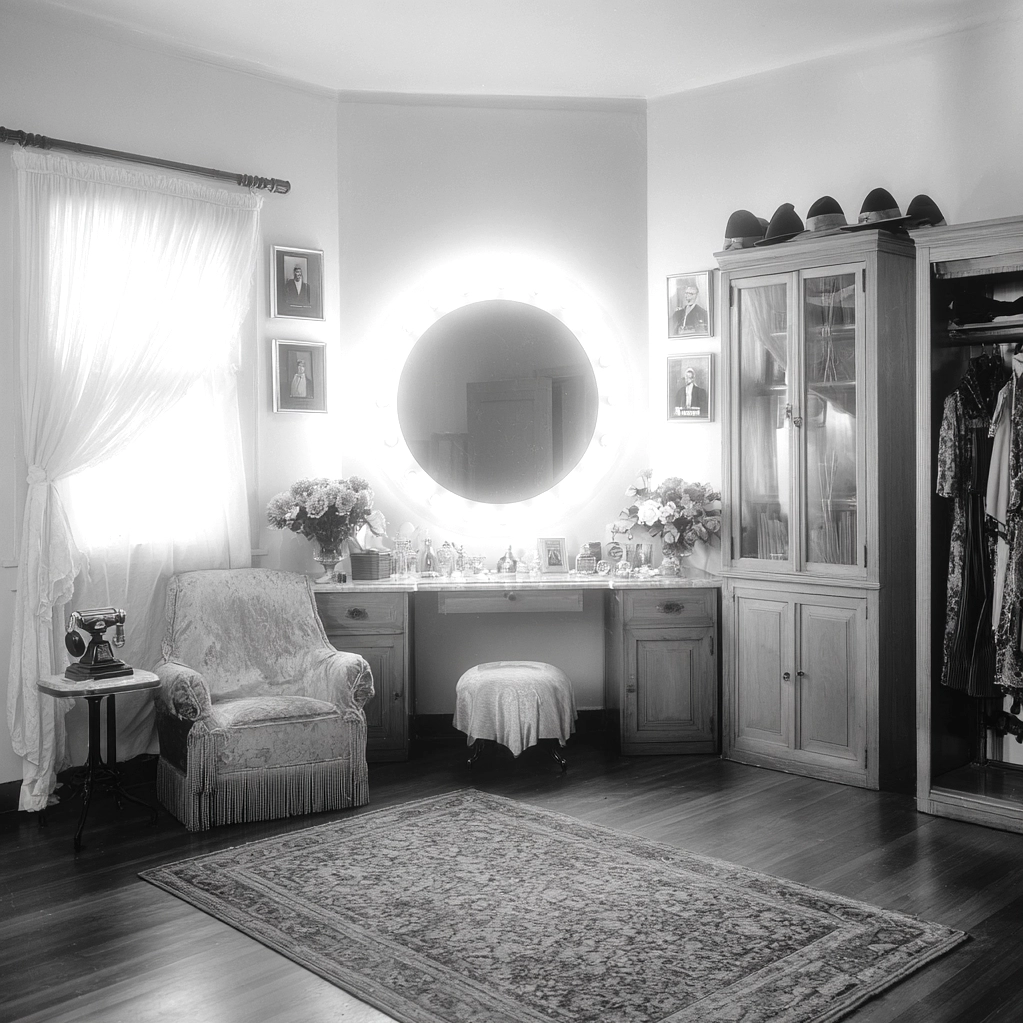
By the 1940s and 1950s, vintage dressing rooms Hollywood reached their peak of luxury and sophistication. This was the era of the 'star dressing room'—spacious suites that functioned as complete living spaces. Studios invested heavily in creating environments that would attract and retain top talent. These rooms featured custom-built vanities with Hollywood-style lighting, plush seating areas for visitors, private bathrooms with gold fixtures, and sometimes even small kitchens or bars. The materials became more opulent: marble countertops, velvet upholstery, silk wall coverings, and custom woodwork became standard for A-list stars.
The 1960s brought a shift toward more modern and minimalist designs in vintage dressing rooms Hollywood, influenced by mid-century modern aesthetics. Clean lines, open spaces, and innovative materials like Formica and Lucite appeared alongside traditional luxury elements. This era also saw increased attention to technical requirements, with better lighting systems for makeup application and more efficient storage solutions for growing wardrobes. Despite these changes, the fundamental purpose remained: creating a private sanctuary where performers could prepare, relax, and entertain in comfort and style that matched their public personas.
Key Design Elements That Defined Vintage Dressing Rooms Hollywood
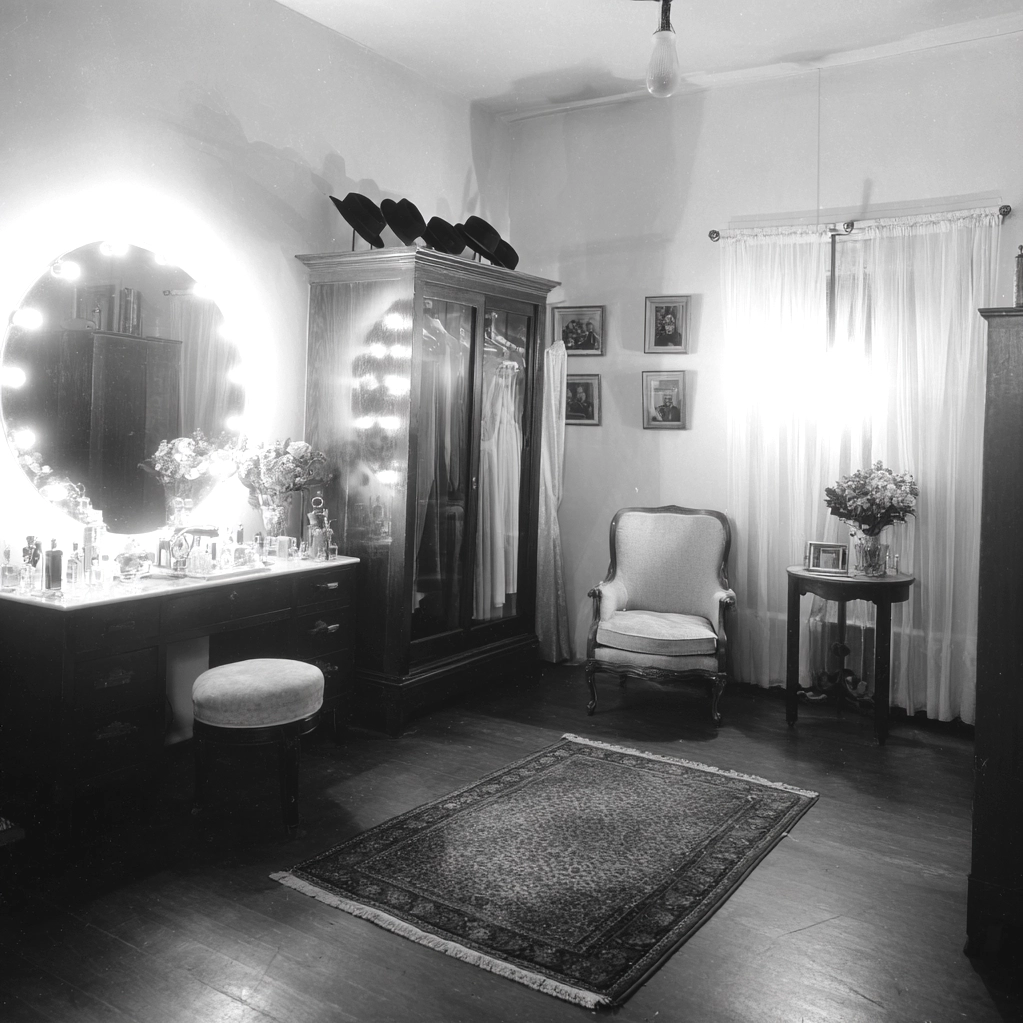
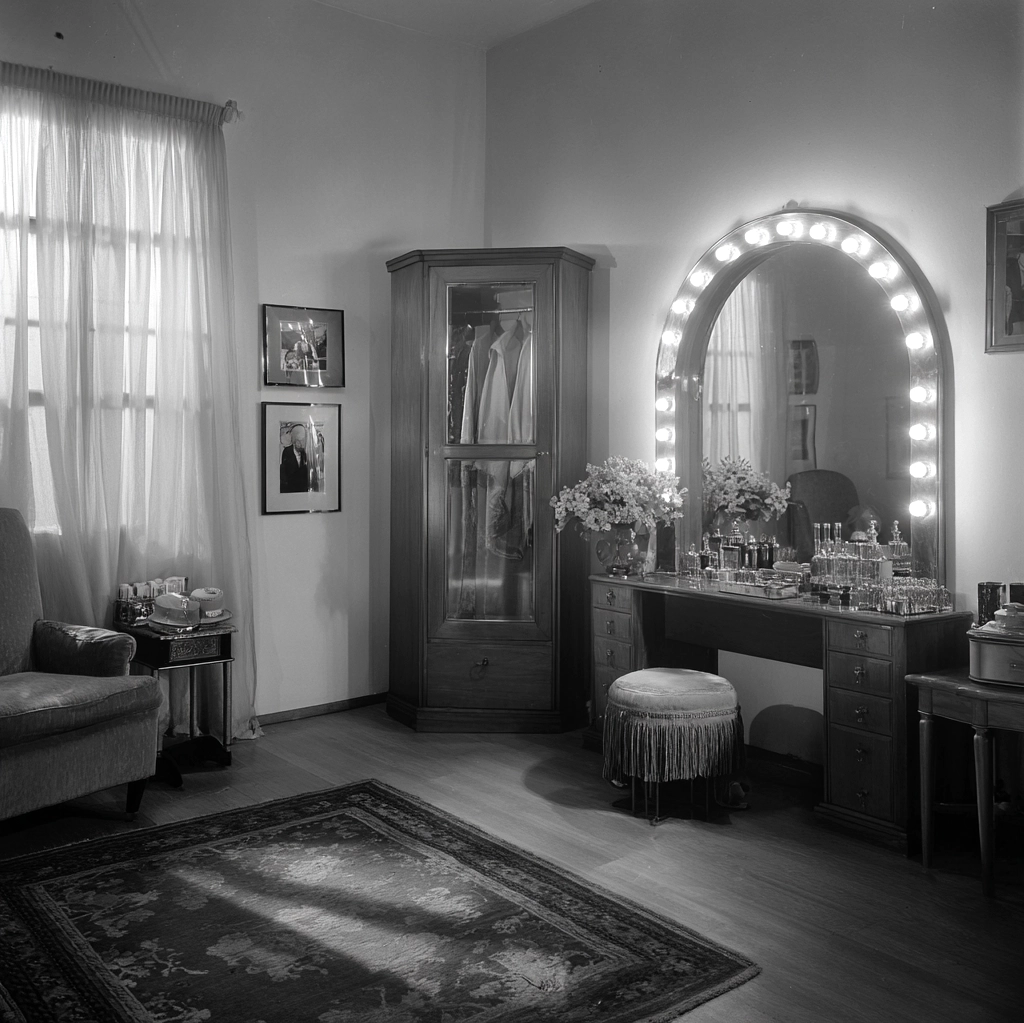
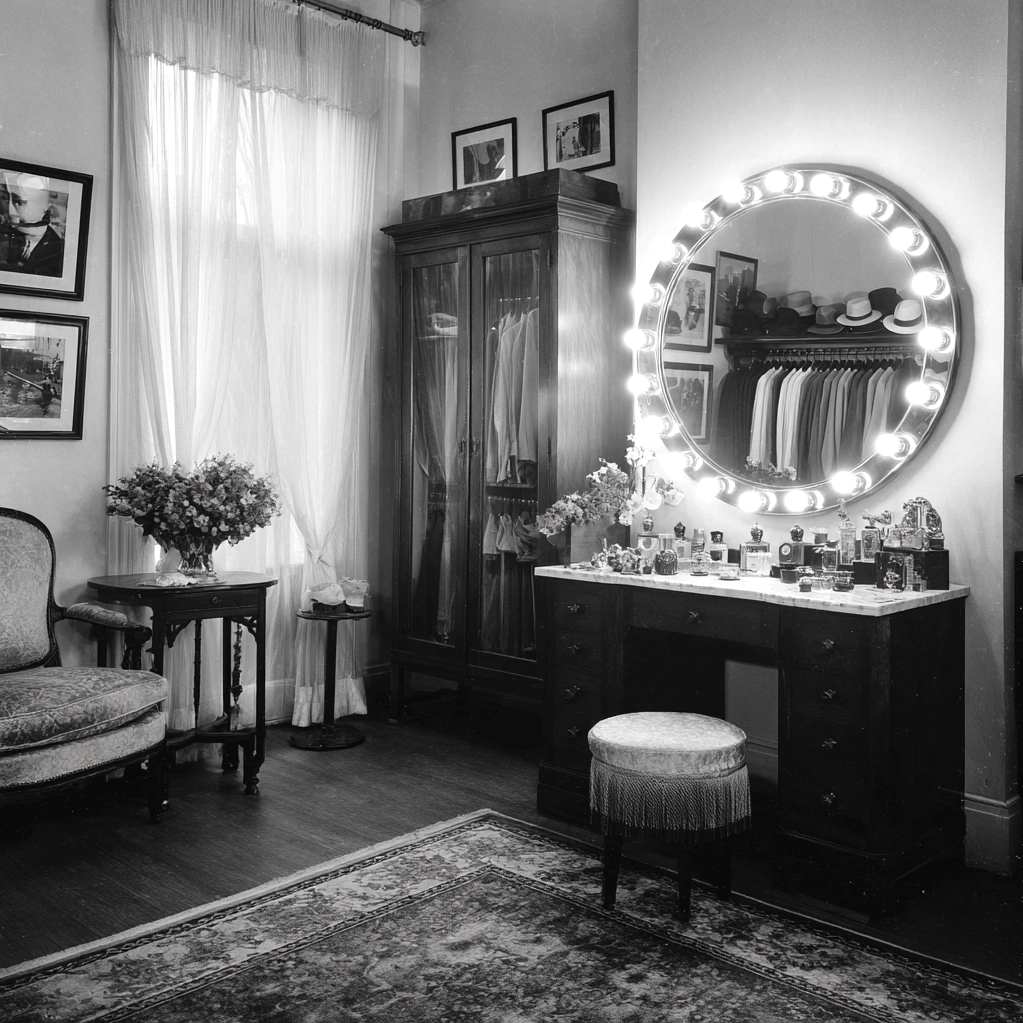
Certain design elements became signature features of vintage dressing rooms Hollywood, creating that unmistakable glamour we still associate with the era. The most iconic element was undoubtedly the Hollywood vanity—a large, often custom-built dressing table with a central mirror surrounded by bright, evenly distributed lights. These weren't just functional; they were theatrical installations designed to create perfect lighting for makeup application while making the user feel like a star. The bulbs were typically arranged in a circular or rectangular pattern around the mirror, providing shadow-free illumination that became synonymous with film industry glamour.
Storage solutions in vintage dressing rooms Hollywood were both practical and luxurious. Custom-built wardrobes with cedar lining protected delicate costumes, while specialized drawers organized everything from jewelry to stockings. Many stars had rotating costume racks installed, allowing easy access to extensive wardrobes. Display areas for awards, photographs, and personal mementos were common, turning the dressing room into a curated museum of the star's career. These personal touches transformed functional spaces into deeply personal environments that reflected individual tastes and achievements.
Lighting played a crucial role beyond the vanity. Vintage dressing rooms Hollywood featured layered lighting systems that could be adjusted for different moods and purposes. General ambient lighting created a warm, inviting atmosphere, while task lighting illuminated specific areas like reading nooks or dressing stations. Many rooms incorporated natural light through strategically placed windows, often with blackout capabilities for privacy. The overall color palette tended toward rich, warm tones—deep reds, golds, creams, and navy blues—that photographed well and created a sense of intimacy and luxury. Textures were equally important, with plush carpets, velvet drapes, and silk upholstery adding tactile richness to the visual spectacle.
Incorporating Vintage Dressing Rooms Hollywood Style into Modern Homes
Bringing the glamour of vintage dressing rooms Hollywood into contemporary spaces is easier than you might think, and it starts with focusing on key elements that defined those iconic environments. Begin with lighting—the most recognizable feature. You don't need Hollywood studio equipment; instead, install a well-lit vanity mirror with evenly distributed bulbs. Look for modern versions that mimic the classic circular or rectangular arrangements. Place this as the focal point of your dressing area, ensuring it provides excellent, shadow-free illumination for daily routines.
Consider creating a dedicated dressing area that functions as your personal sanctuary, much like vintage dressing rooms Hollywood served for stars. This doesn't require a massive space—even a corner of a bedroom can be transformed. Install custom storage solutions that combine beauty and functionality. Think beyond standard closets: incorporate glass-front cabinets to display special items, install a jewelry organizer with velvet lining, or add a vintage-inspired hat stand. The key is creating storage that feels luxurious and personal rather than purely utilitarian.
Incorporate seating that invites relaxation and contemplation, another hallmark of vintage dressing rooms Hollywood. A plush armchair or chaise lounge creates a comfortable spot for trying on shoes, planning outfits, or simply taking a moment for yourself. Choose fabrics that feel luxurious—velvet, silk, or high-quality linen in rich colors. Add personal touches that make the space uniquely yours: framed photographs, favorite perfumes displayed on a tray, or a small collection of vintage accessories. Remember that the magic of those original spaces came from their personalization—they weren't generic hotel rooms but reflections of individual personalities.
Finally, pay attention to details that elevate the ordinary to extraordinary. Install brass or crystal drawer pulls on storage furniture. Use a beautiful vintage rug to define the space. Incorporate mirrors beyond just the vanity—a full-length mirror in an elegant frame, or smaller decorative mirrors that reflect light beautifully. The goal isn't to create a museum replica but to capture the essence of those spaces: environments designed to make you feel special, pampered, and ready to face the world with confidence and style.
Conclusion
The legacy of vintage dressing rooms Hollywood continues to inspire us because these spaces represent more than just historical design—they embody an approach to living that values beauty, personal expression, and intentional creation of atmosphere. These weren't merely functional rooms; they were carefully crafted environments that supported creativity, boosted confidence, and celebrated individual identity. In our modern world where personal spaces often prioritize efficiency over elegance, looking back at these iconic dressing rooms reminds us of the power our surroundings have to shape our mood, mindset, and self-perception.
As we move forward, the principles behind vintage dressing rooms Hollywood remain remarkably relevant. The emphasis on personalized spaces, quality materials, and thoughtful lighting has never been more applicable to contemporary home design. Whether you're creating a dedicated dressing area, a home office, or a personal retreat, the lessons from Hollywood's golden age can help you design spaces that don't just serve practical needs but nourish your spirit. These spaces teach us that our environments should support our best selves—that where we prepare for our day can influence how we show up in the world.
Looking to the future, we can expect continued interest in vintage dressing rooms Hollywood as people seek to create more meaningful, personalized spaces in their homes. The trend toward dedicated self-care areas, home sanctuaries, and personalized workspaces all draw from this same desire to create environments that support our identities and aspirations. By understanding what made these historic spaces so magical—the combination of luxury, functionality, and personal expression—we can create modern versions that serve us just as well. Your personal space, no matter how small, can capture that same sense of glamour and purpose that defined Hollywood's most iconic dressing rooms.
Frequently Asked Questions
Q: What made vintage Hollywood dressing rooms different from ordinary dressing rooms?
Vintage Hollywood dressing rooms were fundamentally different from ordinary dressing rooms in several key ways. First, they were designed as complete living spaces rather than just functional changing areas. Many featured sitting areas, private bathrooms, sometimes even small kitchens or bars. Second, they were highly personalized to reflect the star's personality and status—custom furniture, personal mementos, and unique decor made each space distinctive. Third, the technical specifications were superior, with specialized lighting systems for makeup application, custom storage for extensive wardrobes, and soundproofing for privacy. Finally, these rooms served multiple purposes: they were places to prepare for performances, entertain guests, conduct business meetings, and retreat from public life—making them true multi-functional sanctuaries rather than mere utilitarian spaces.
Q: Can I recreate a vintage Hollywood dressing room in a small space?
Absolutely! You don't need a massive room to capture the essence of vintage Hollywood dressing rooms. Start by focusing on key elements that work in limited spaces. Install a well-lit vanity mirror as your focal point—even a small one with Hollywood-style lighting creates immediate impact. Use vertical space effectively with floor-to-ceiling storage solutions. Incorporate a comfortable seating area with a compact chair or ottoman. Choose a rich color palette and luxurious textures to create depth and warmth. Personal touches are crucial: display favorite accessories, use beautiful containers for everyday items, and add framed art or photographs. The key is prioritizing quality over quantity—invest in a few statement pieces rather than filling the space. Even a corner of a bedroom can be transformed with careful planning and attention to the glamorous details that defined Hollywood's golden age dressing rooms.
Q: Where can I find authentic vintage pieces for a Hollywood-inspired dressing room?
Finding authentic vintage pieces for a Hollywood-inspired dressing room requires some hunting but can be incredibly rewarding. Start with specialized vintage furniture stores that focus on mid-century or Hollywood Regency styles. Online marketplaces like eBay, Etsy, and Chairish often have authentic pieces from the era, including vanities, mirrors, and lighting fixtures. Estate sales in older neighborhoods or cities with film history can yield treasures. Antique malls and architectural salvage stores sometimes have original Hollywood-style lighting or furniture. For items that are difficult to find authentic, look for high-quality reproductions from companies specializing in vintage-inspired decor. When selecting pieces, prioritize condition and authenticity of design over strict age—a well-made reproduction that captures the spirit of vintage Hollywood dressing rooms often serves better than a damaged original. Remember to mix authentic pieces with compatible modern items for a lived-in, practical space that honors the past while functioning beautifully in the present.