
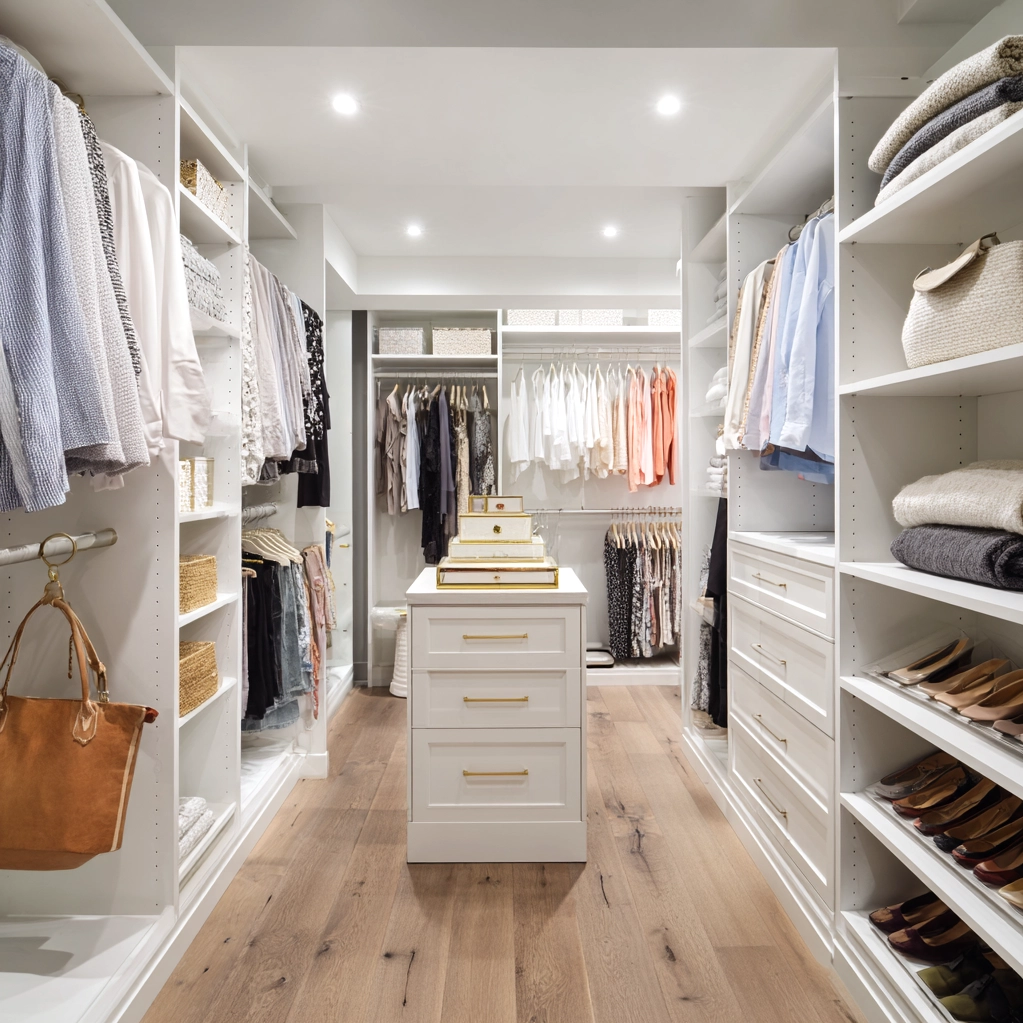
Walk In Closet Layout Dimensions: Essential Space-Saving Strategies That Transform Your Storage


Dreaming of a walk in closet that actually works for your life? The secret to achieving that perfect blend of style and function lies in understanding walk in closet layout dimensions. Many homeowners dive into closet renovations without considering the critical measurements that make storage efficient, accessible, and beautiful. The right dimensions transform chaotic spaces into organized sanctuaries where every item has its place, saving you time and frustration daily. Whether you’re designing from scratch or optimizing an existing space, knowing these measurements is the foundation of success. Walk in closets aren’t just about storage—they’re about creating a personal haven that reflects your lifestyle. Proper layout dimensions ensure you can reach everything easily, maximize every inch, and enjoy a clutter-free environment. From hanging rods to shoe racks, each element requires precise spacing to function harmoniously. In this article, we’ll explore the essential walk in closet layout dimensions that make all the difference. You’ll learn how to plan for different clothing types, incorporate storage solutions, and avoid common pitfalls. Let’s turn that dream closet into a reality with smart dimensional planning.
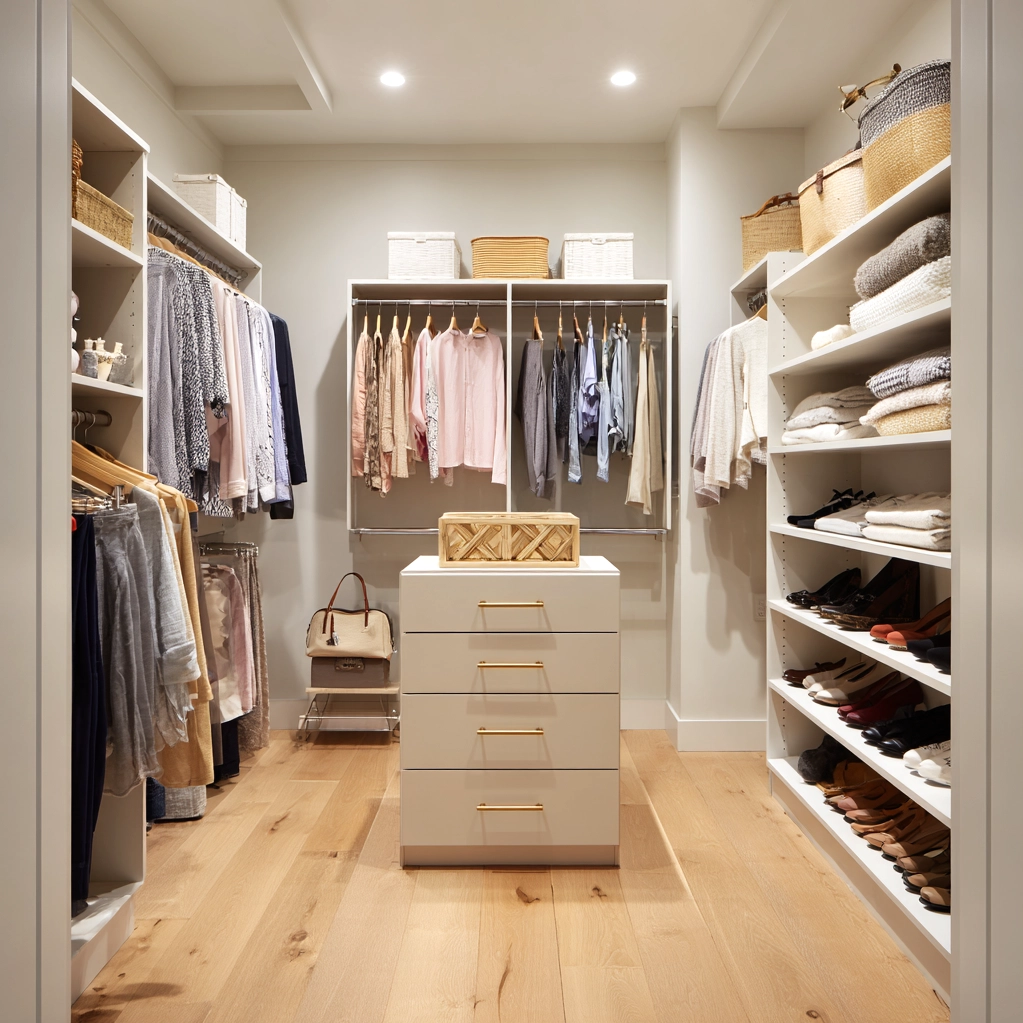
Essential Walk In Closet Layout Dimensions for Hanging Spaces
When planning your walk in closet layout dimensions, hanging spaces demand careful attention. Different clothing types require specific measurements to prevent damage and ensure easy access. For standard shirts and blouses, allow 36 to 40 inches of vertical space. This provides enough room for hangers and prevents garments from bunching. Dresses and long coats need 60 to 72 inches of vertical clearance. Measure from the rod to the floor or shelf below. Double hanging rods are excellent space-savers. Place the upper rod about 80 inches high for seasonal items. The lower rod should sit at 40 inches for everyday wear. Ensure at least 12 inches of depth for hangers to swing freely. Walkways between hanging areas need 24 to 36 inches for comfortable movement. Consider adjustable rods to customize as your wardrobe changes. Proper walk in closet layout dimensions for hanging spaces prevent wrinkles and make morning routines smoother.
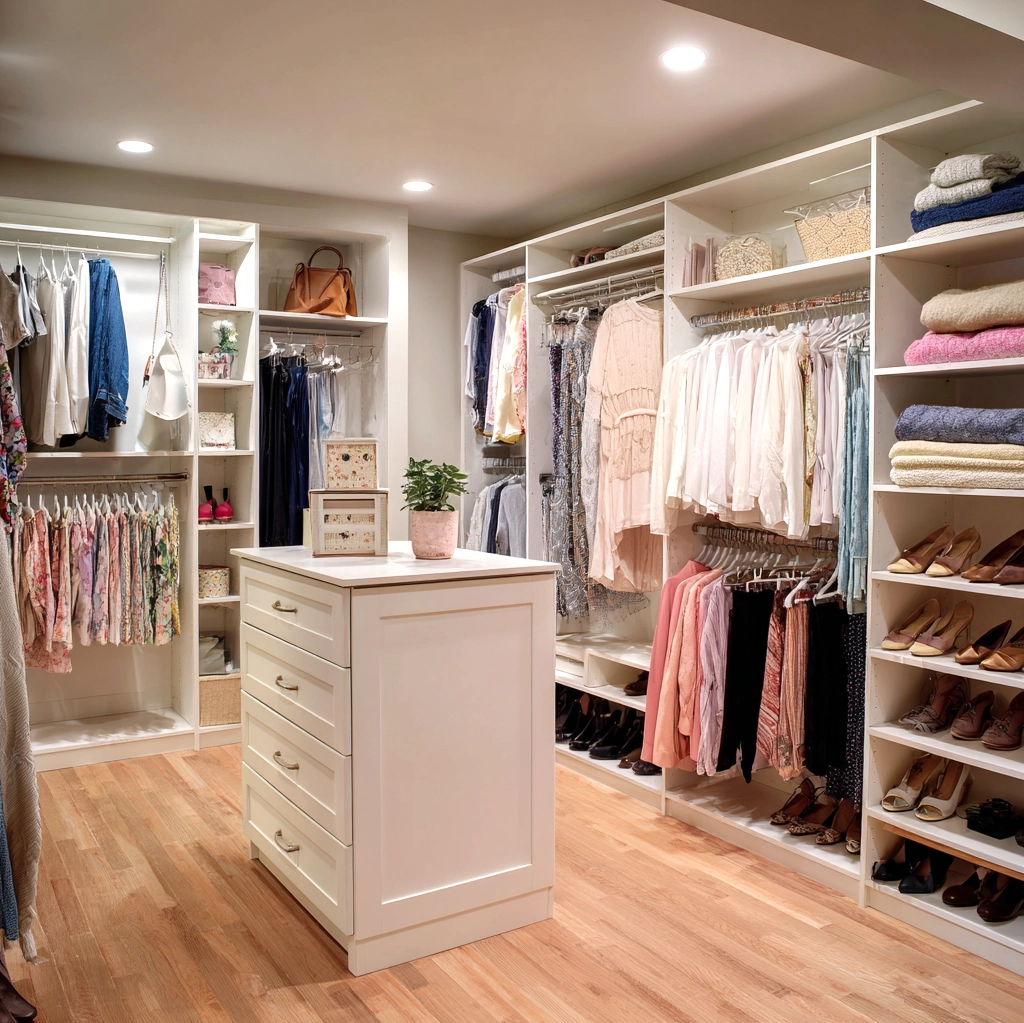
Optimizing Walk In Closet Layout Dimensions for Shelving and Drawers
Shelving and drawers are vital components in walk in closet layout dimensions. Shelves should be spaced according to what they'll hold. For folded sweaters, allow 12 inches between shelves. Shoes need 6 to 8 inches of vertical space. Boots require taller sections at 12 to 15 inches. Standard shelf depth is 12 to 16 inches for stability. Drawers demand precise measurements for functionality. Full-extension drawers need 22 to 24 inches of depth inside the cabinet. Height varies: 4 inches for accessories, 6 inches for t-shirts, 8 inches for pants. Leave 18 to 24 inches of clearance in front of drawers for opening. Corner units in walk in closet layout dimensions often waste space. Use rotating shelves or diagonal drawers to maximize these areas. Adjustable shelving systems offer flexibility as needs change. Remember to account for trim and hardware in your measurements. Well-planned shelving transforms cluttered piles into orderly displays.
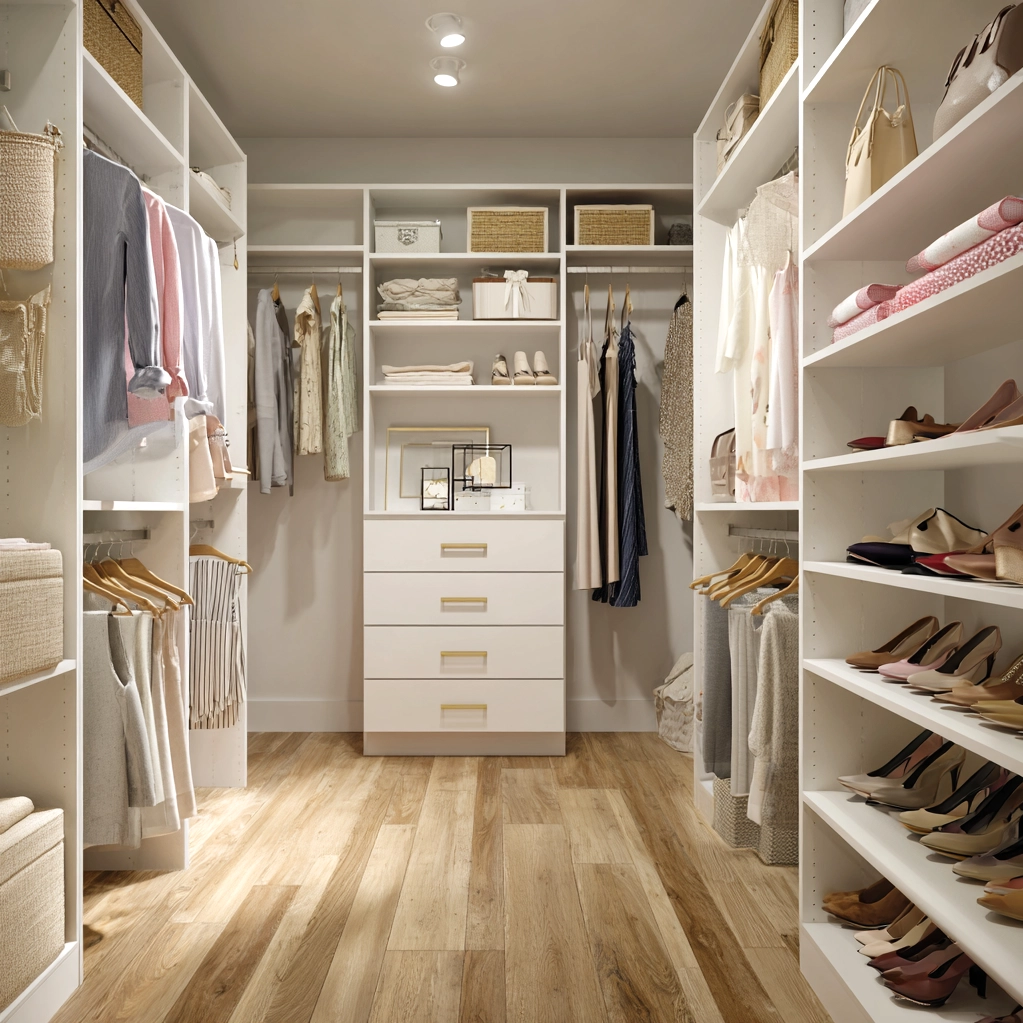
Critical Walk In Closet Layout Dimensions for Islands and Seating
Incorporating islands and seating enhances walk in closet layout dimensions significantly. Islands provide valuable surface area and additional storage. Standard island height is 36 inches, matching kitchen counters. Width should be 24 to 36 inches to allow comfortable passage around it. Length varies based on available space—48 to 72 inches works well in most closets. Leave at least 36 inches of walkway on all sides. Islands often include drawers or shelves underneath. Ensure drawers have full extension slides for easy access. Seating areas require thoughtful planning in walk in closet layout dimensions. Benches need 18 to 20 inches of seat depth and 16 to 18 inches of height. Allow 24 inches of width per person. Position seating away from high-traffic zones. If including a vanity, allow 30 inches of clearance for chair movement. All elements must complement rather than congest the space. Proper measurements create a luxurious, functional environment.
Conclusion
Mastering walk in closet layout dimensions transforms how you interact with your storage space daily. By understanding the specific measurements for hanging areas, shelving, and special features like islands, you create a closet that works seamlessly with your lifestyle. These dimensions ensure every item has its place while maintaining easy access and visual appeal. Remember that flexibility matters—adjustable components allow your closet to evolve with your needs. As you plan, consider both current requirements and future possibilities. Smart dimensional planning prevents common frustrations like cramped walkways or inaccessible storage. Your walk in closet should feel like a personalized sanctuary, not just another storage area. Take time to measure carefully before any installation. Consult professionals if needed, especially for custom solutions. With these walk in closet layout dimensions as your guide, you're ready to design a space that combines beauty with brilliant functionality. Start planning today and enjoy the lasting benefits of a perfectly proportioned closet.
Frequently Asked Questions
Q: What are the minimum dimensions for a walk in closet?
A functional walk in closet typically requires at least 4 feet by 4 feet of floor space. This allows for basic hanging rods on one or two walls with a central walkway. For more comfortable use with multiple storage types, aim for 5 feet by 5 feet or larger. Remember that ceiling height affects storage capacity too—standard 8-foot ceilings work well for double hanging systems.
Q: How much space should I leave between shelves in a walk in closet?
Shelf spacing depends entirely on what you're storing. For folded clothing like sweaters or jeans, allow 10 to 12 inches between shelves. Shoes typically need 6 to 8 inches of vertical clearance. Handbags and bulkier items might require 12 to 15 inches. Adjustable shelving systems are ideal since you can modify spacing as your storage needs change over time.
Q: Can I include an island in a small walk in closet?
Yes, but careful planning is essential. In smaller closets, consider a narrow island (24 inches wide) or a peninsula attached to one wall. Ensure you maintain at least 36 inches of walkway around it. Some homeowners opt for a movable cart instead of a fixed island for flexibility. Always measure your space thoroughly before committing to any permanent installation.


