Bead Board Walls Kitchen: 8 Amazing Secrets to Elevate Your Space


The kitchen is the heart of the home, and bead board walls are the perfect way to make it beat with charm and character. This timeless design element, once reserved for cottages and country homes, has evolved into a versatile solution for modern kitchens of all styles. The vertical grooves and clean lines of bead board panels create visual interest without overwhelming the space, adding texture and depth that paint alone cannot achieve. With 8 key approaches to consider, bead board can transform your kitchen from ordinary to extraordinary. Whether you’re aiming for a cozy farmhouse feel, a coastal retreat vibe, or a sleek contemporary look, bead board walls offer a practical and beautiful option. They’re durable, easy to clean, and surprisingly affordable compared to other wall treatments. In an era where personalization is key, bead board allows homeowners to infuse their kitchen with personality while maintaining functionality. It’s not just about aesthetics; it’s about creating a warm, inviting environment where memories are made. From full-wall installations to strategic accents, the possibilities are endless. Let’s dive into how bead board walls can redefine your kitchen space.
Why Choose Bead Board Walls for Your Kitchen
Bead board walls in the kitchen offer more than just visual appeal; they provide practical benefits that make them a smart choice for any home. First, durability is a major advantage. Made from materials like MDF, PVC, or real wood, bead board panels are resistant to moisture and wear, making them ideal for a high-traffic area like the kitchen. They can withstand splashes, steam, and daily cooking activities better than drywall alone. Cleaning is effortless—just wipe with a damp cloth to remove grease or food splatters. Aesthetically, bead board adds texture and dimension that flat walls lack. The vertical lines create a sense of height, making ceilings appear taller and spaces feel more open. This is especially useful in smaller kitchens where maximizing visual space is crucial. From a design perspective, bead board walls are incredibly versatile. They can be painted in any color to match your kitchen's theme, from crisp whites for a classic look to bold hues for a modern twist. The grooves catch light and shadow, adding depth and interest throughout the day. Plus, installation is straightforward, often achievable as a DIY project with basic tools. Whether you're renovating on a budget or planning a high-end upgrade, bead board provides excellent value. It's a timeless choice that never goes out of style, ensuring your kitchen remains beautiful for years to come.
8 Design Ideas for Bead Board Walls Kitchen
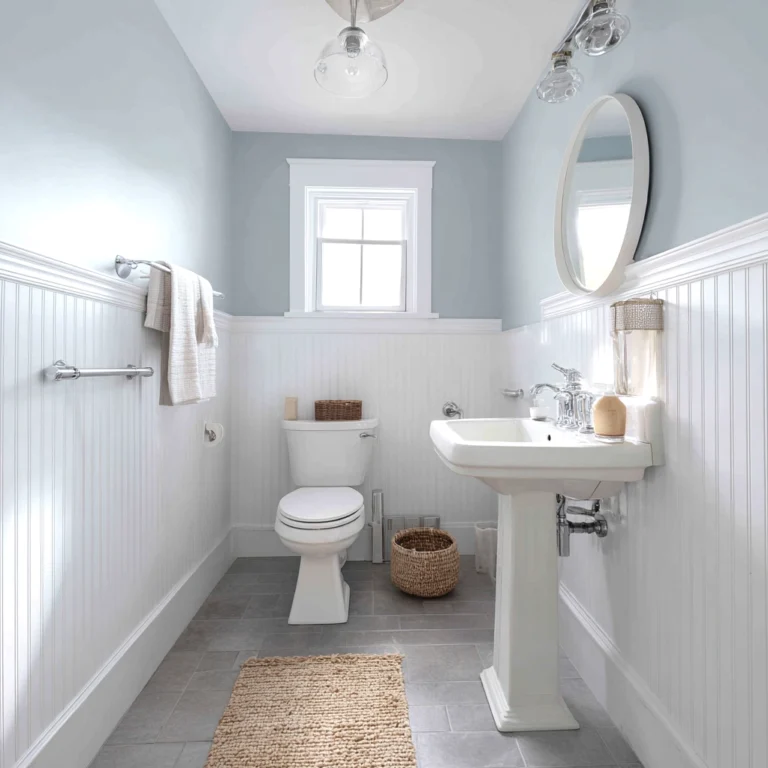
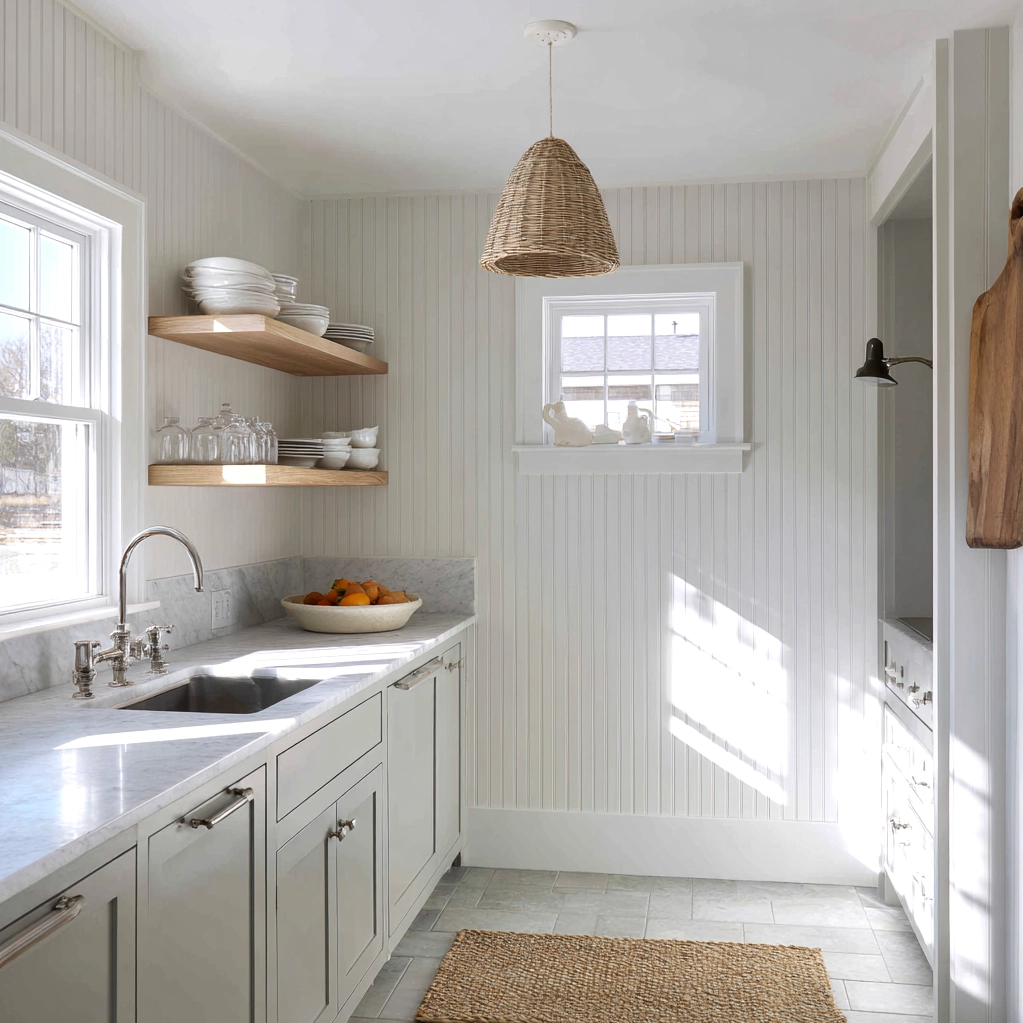
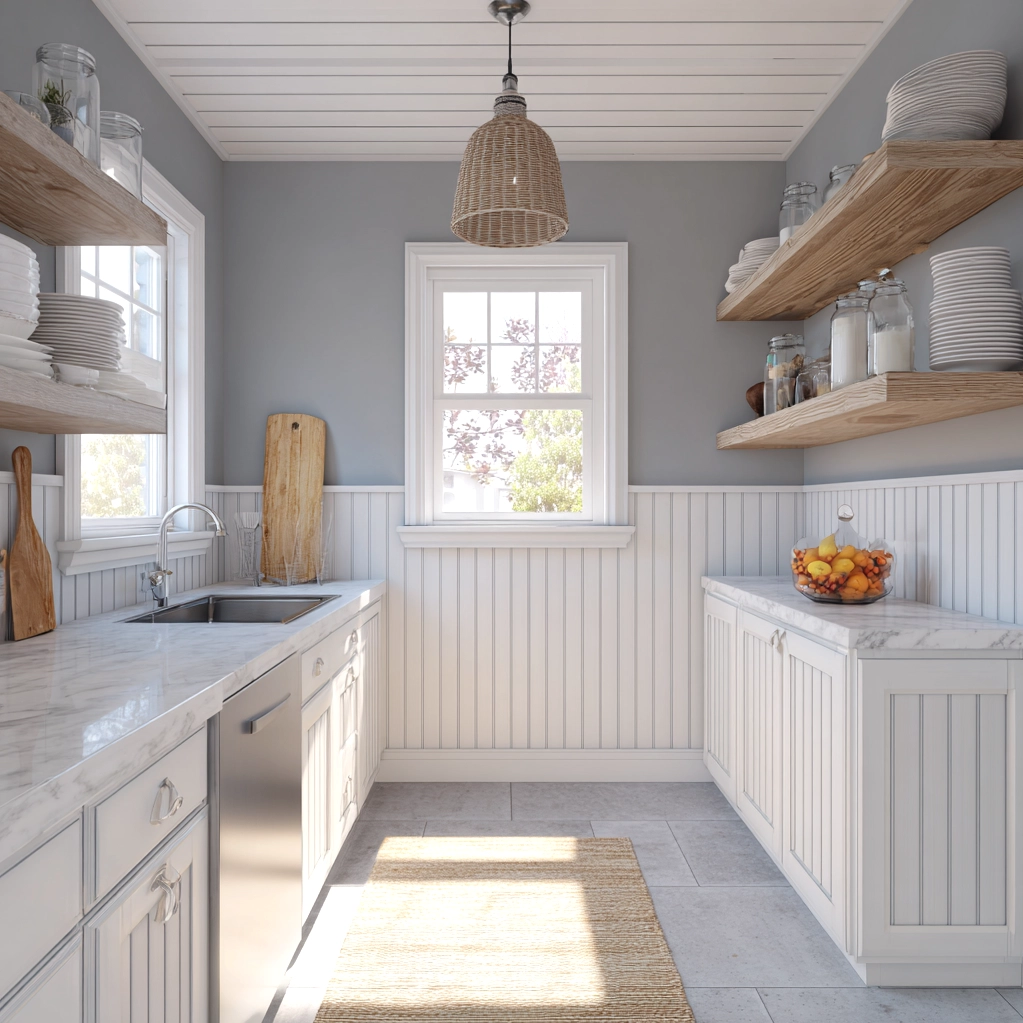
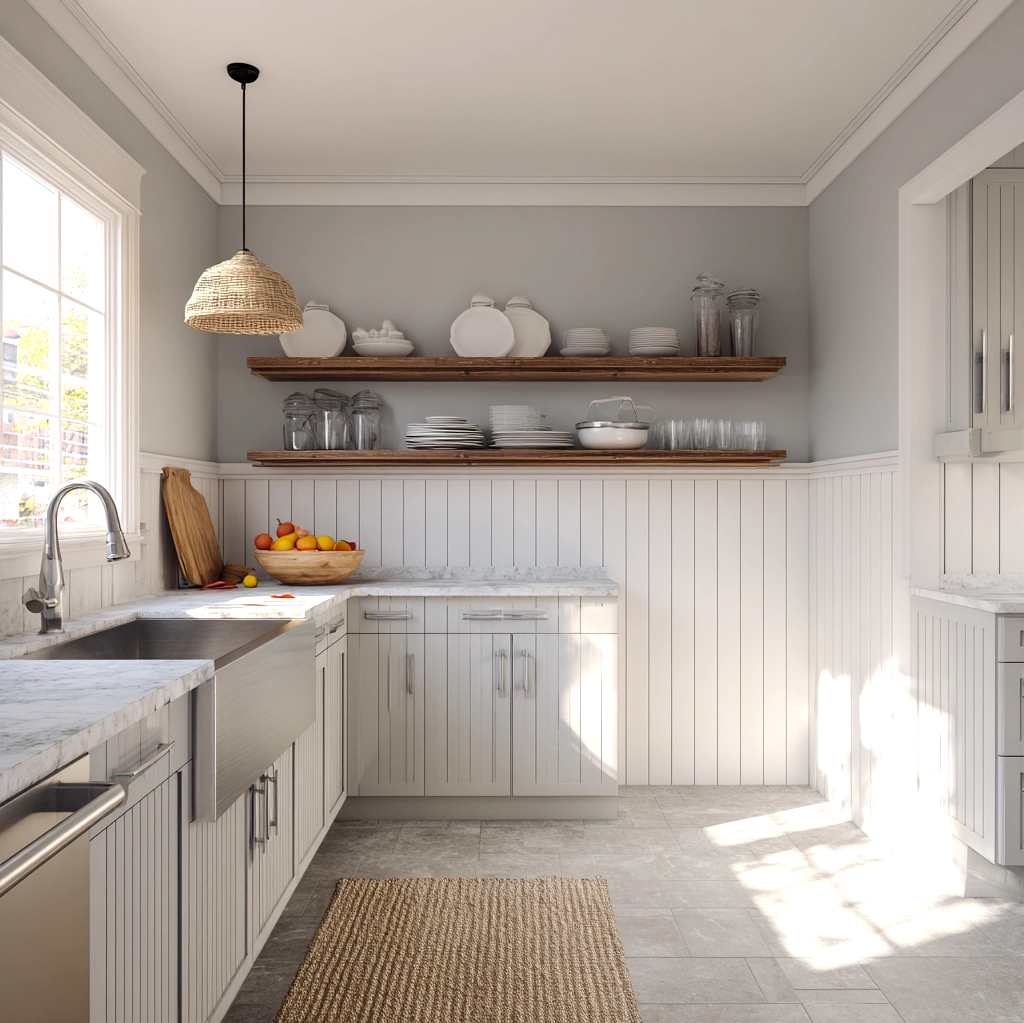
Incorporating bead board walls into your kitchen opens up a world of design possibilities. Here are 8 inspiring ideas to get you started. First, full-wall coverage creates a cohesive, classic look. Cover all walls from floor to ceiling for a seamless appearance that feels cozy and inviting. Second, use bead board as a backsplash. This practical option protects walls behind counters while adding charm. Pair it with subway tiles for a mixed-material effect. Third, consider a wainscoting style. Install bead board on the lower half of walls, capped with a chair rail, for a traditional touch that's easy to clean. Fourth, accent an island or peninsula. Wrapping bead board around these features adds texture and defines the space. Fifth, incorporate it into open shelving units. Use bead board as a backdrop for shelves to highlight dishes and decor. Sixth, paint it in a contrasting color. For example, white bead board with dark cabinets creates a striking visual contrast. Seventh, use bead board on ceilings for a cottage-inspired look that draws the eye upward. Eighth, combine it with other materials like shiplap or tile for a layered, custom design. Each of these ideas can be tailored to your kitchen's size and style. For small kitchens, lighter colors and vertical installations enhance space. In larger kitchens, bead board can define zones, like a dining nook or pantry area. Remember, the key is to balance functionality with aesthetics. Choose finishes that complement your cabinets, countertops, and flooring. With these 8 ideas, you can create a bead board walls kitchen that's both beautiful and practical.
Installation and Maintenance of Bead Board Walls
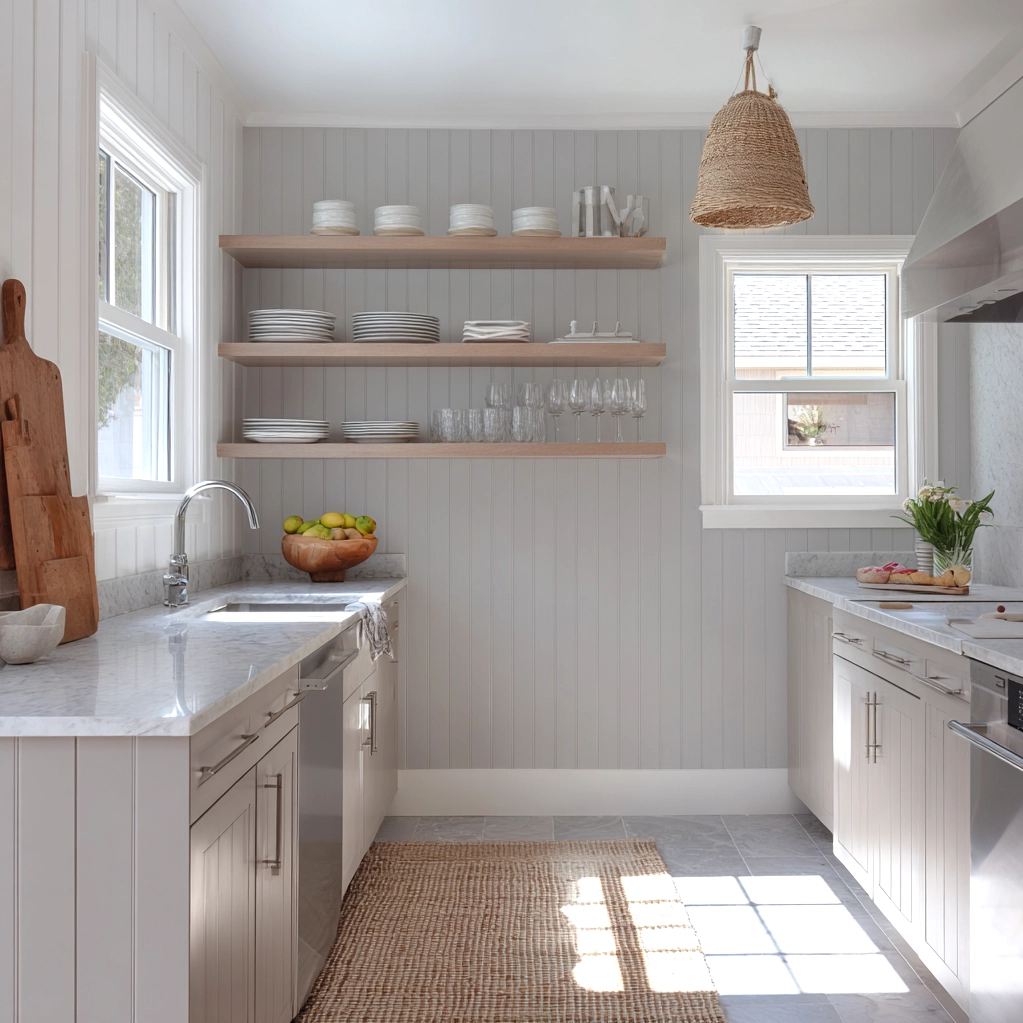
Proper installation and maintenance ensure your bead board walls kitchen remains stunning and durable for years. Installation typically involves measuring, cutting, and attaching panels to walls. Start by preparing the surface: ensure walls are clean, dry, and smooth. Use a level to mark guidelines for alignment. For bead board panels, apply construction adhesive to the back and secure with nails or screws into wall studs. Fill gaps with caulk and sand edges for a seamless finish. Painting is best done after installation; use a primer followed by two coats of paint for even coverage. If you're not confident in DIY, hiring a professional ensures precision, especially for complex areas like corners or around cabinets. Maintenance is straightforward but essential. Regularly dust or vacuum bead board to prevent buildup in grooves. For cleaning, use a mild soap solution and a soft cloth; avoid abrasive cleaners that could damage the finish. In kitchens, grease and moisture are common, so wipe spills promptly to prevent staining. Inspect for signs of wear, such as chipping paint or loose panels, and repair as needed. Over time, you might want to repaint to refresh the look; bead board holds paint well, making updates easy. Consider the material choice: PVC bead board is highly moisture-resistant and low-maintenance, while wood offers a classic feel but may require more care. By following these steps, your bead board walls will maintain their beauty and functionality, enhancing your kitchen's appeal with minimal effort.
Conclusion
Bead board walls in the kitchen are more than just a trend; they're a timeless design choice that combines beauty, durability, and versatility. From adding texture and height to providing easy maintenance, bead board transforms ordinary kitchens into inviting spaces full of character. We've explored why it's a smart option, shared 8 creative design ideas, and covered practical tips for installation and care. Whether you opt for full-wall coverage, a backsplash, or accent features, bead board adapts to your style and needs. As kitchen design evolves, bead board remains a staple for those seeking warmth and functionality. Looking ahead, consider pairing it with sustainable materials or smart home integrations for a modern twist. The key takeaway is to plan carefully: measure your space, choose quality materials, and maintain regularly. With bead board, you're investing in a kitchen that not only looks great but also stands the test of time. So, embrace this classic element and watch your kitchen become the heart of your home, where every meal feels special. Start your project today and enjoy the lasting charm of bead board walls.
Frequently Asked Questions
Q: What is the best material for bead board walls in a kitchen?
The best material depends on your needs and budget. PVC bead board is highly recommended for kitchens because it's moisture-resistant, easy to clean, and durable against humidity and splashes. It's also low-maintenance and won't warp. MDF (medium-density fiberboard) is another popular option; it's affordable and paints well, but it should be sealed properly to prevent water damage. Real wood bead board, like pine, offers a classic, authentic look but requires more upkeep to protect against moisture. For most kitchens, PVC or sealed MDF provides the best balance of aesthetics and practicality.
Q: Can bead board walls be installed over existing tile or wallpaper?
Yes, bead board walls can often be installed over existing surfaces, but preparation is key. For tile, ensure it's clean, dry, and firmly attached. You may need to sand glossy tiles to help adhesive bond. Use a construction adhesive designed for heavy-duty applications and secure panels with screws into wall studs. For wallpaper, it's generally better to remove it first, as wallpaper can peel or cause uneven surfaces. If removal isn't possible, ensure the wallpaper is tightly adhered and apply a primer to create a stable base. Always check for level and use shims if needed to avoid gaps. Consulting a professional is advised for complex installations.
Q: How do I clean and maintain bead board walls in a kitchen?
Cleaning bead board walls is simple and helps maintain their appearance. Dust regularly with a soft cloth or vacuum with a brush attachment to remove debris from grooves. For deeper cleaning, use a mild soap solution (like dish soap and water) and a damp cloth; avoid abrasive cleaners or scrubbing pads that could scratch the surface. Wipe spills promptly, especially grease or food stains, to prevent permanent marks. Inspect periodically for signs of damage, such as chipped paint or loose panels, and repair as needed. Repainting every few years can refresh the look; use a primer and paint suitable for your material. With proper care, bead board walls stay beautiful and functional.