
Bread Dipping Oil Magic: Incredible, Effortless Ways to Wow Your Guests

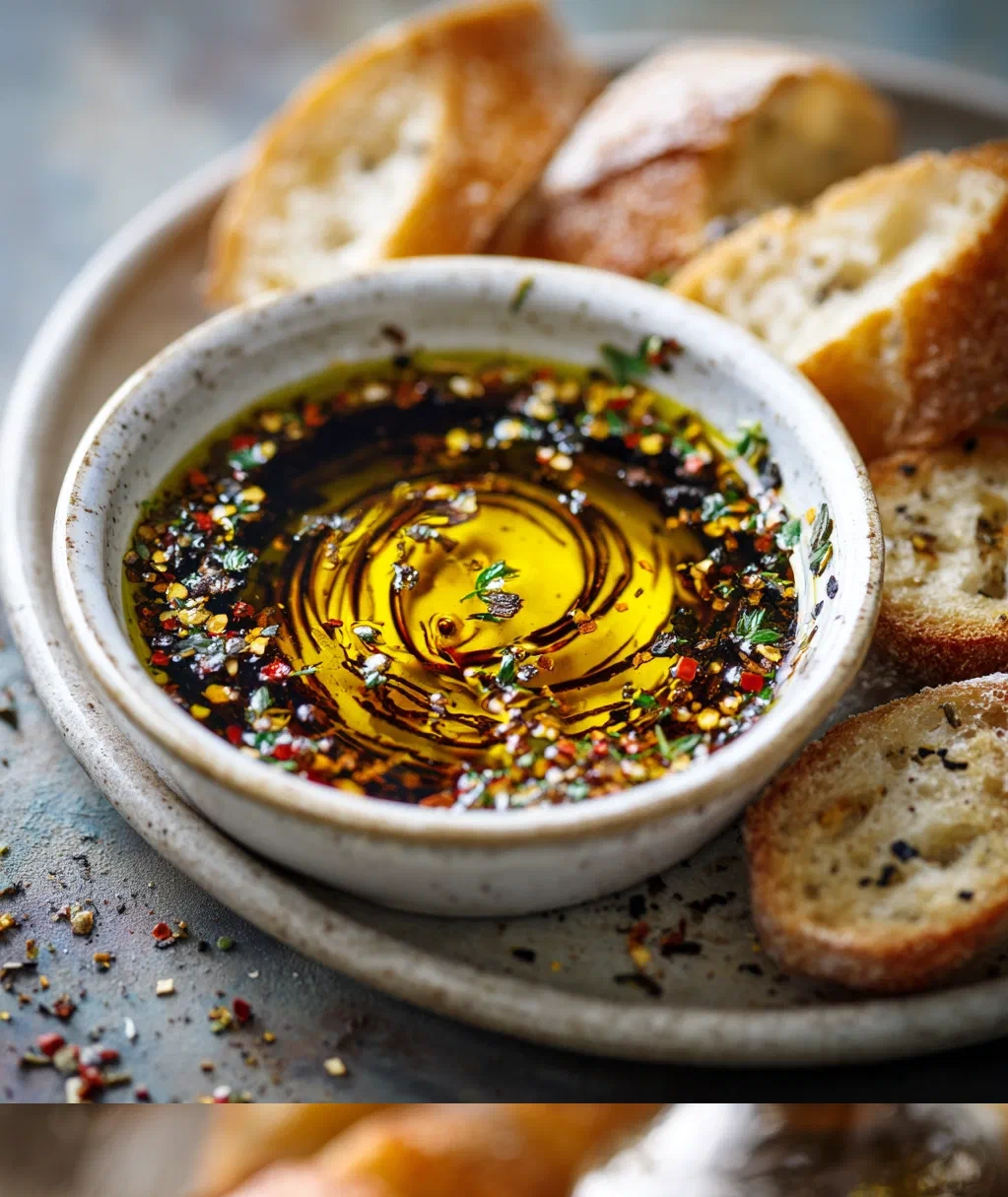
You know that moment when you sit down at a restaurant, they bring out warm bread and a little dish of golden, herby oil, and you think, “I wish I could make this at home”? Well, guess what—you absolutely can, and it’s so much easier than you’d imagine. I’m telling you, homemade bread dipping oil has become my secret weapon for making any meal feel special, whether it’s a fancy dinner party or just Tuesday night with the family.
I remember the first time I tried to recreate that restaurant magic at home. I grabbed some olive oil, threw in dried herbs from the back of my pantry, and… it was fine. Just fine. But then I learned a few simple tricks that changed everything. Now, my bread dipping oil gets rave reviews every single time. Friends ask for the recipe, my kids fight over the last crusty piece of bread to dunk, and honestly? It makes me feel like a kitchen wizard.
The best part is how forgiving it is. You don’t need fancy equipment or hard-to-find ingredients. Just good olive oil, some herbs and spices you probably already have, and about five minutes of your time. Trust me, once you start making your own bread dipping oil, you’ll wonder how you ever ate bread without it.
Why Homemade Bread Dipping Oil Beats Store-Bought Every Time
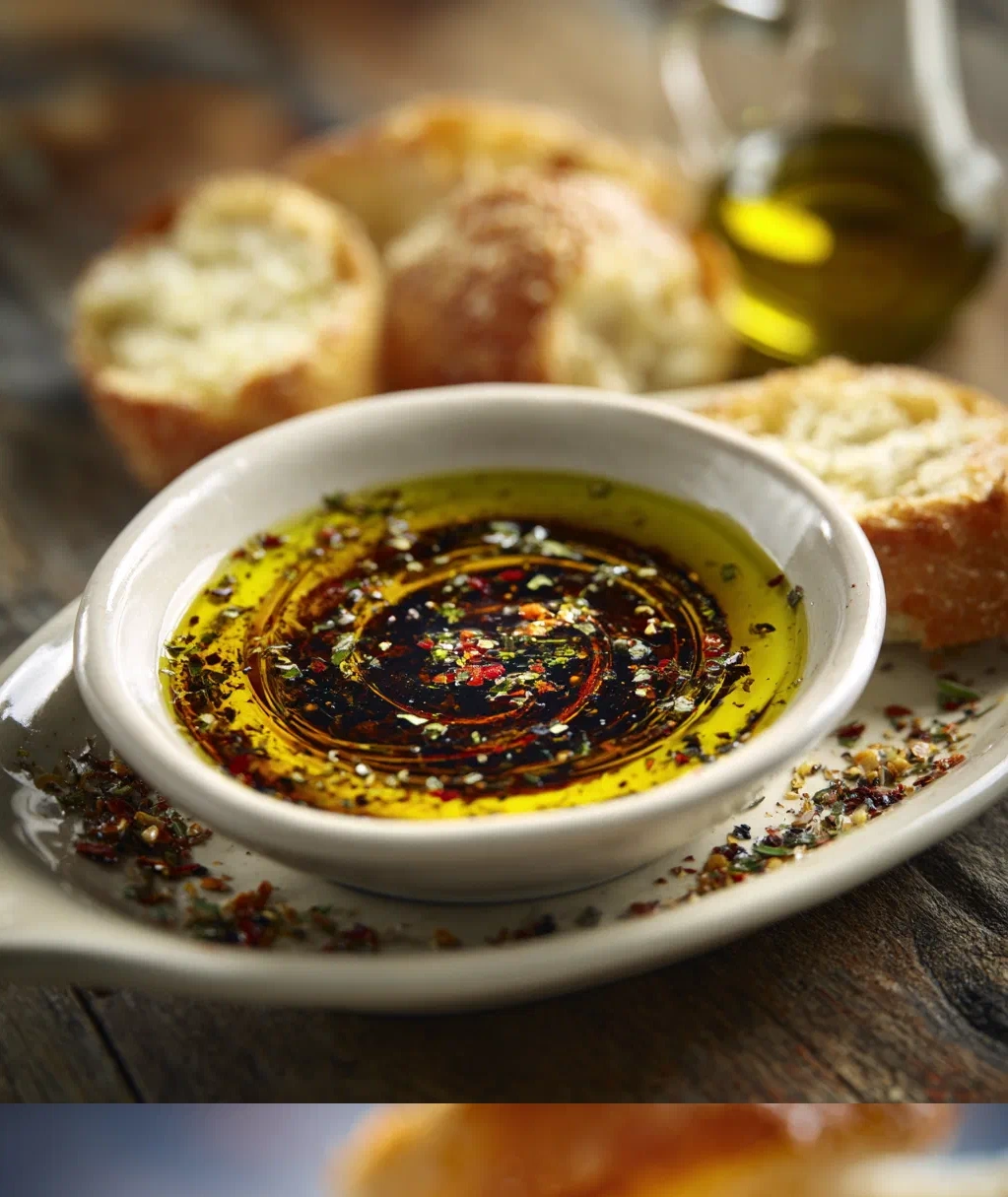
Let me be honest with you—I’ve tried those bottled bread dipping oils from the grocery store. Some are okay, but most taste flat or artificial compared to what you can make fresh at home. When you make your own bread dipping oil, you control everything. You pick the quality of olive oil (and yes, that matters more than you might think). You choose which herbs speak to you. You adjust the garlic to your exact preference.
Here’s what I love most about making my own:
- Freshness you can taste: Dried herbs are fine, but when you use fresh herbs from your garden or the market? Wow. The flavor pops in a way that bottled versions just can’t match.
- Customization is key: Someone in your family doesn’t like red pepper flakes? Leave them out. Want more garlic? Add it. You’re the boss of your bread dipping oil.
- It’s surprisingly affordable: Good quality olive oil might seem pricey upfront, but a bottle lasts through many batches of bread dipping oil. Those little restaurant portions would cost you a fortune to replicate with pre-made options.
- The aroma is half the experience: When you mix fresh herbs into warm olive oil, your kitchen smells incredible. It sets the mood for the whole meal before anyone takes a single bite.
My favorite part is watching people’s faces when they try it for the first time. They always look surprised, then delighted. “You made this?” Yes, yes I did—and so can you.
Essential Ingredients for Perfect Bread Dipping Oil
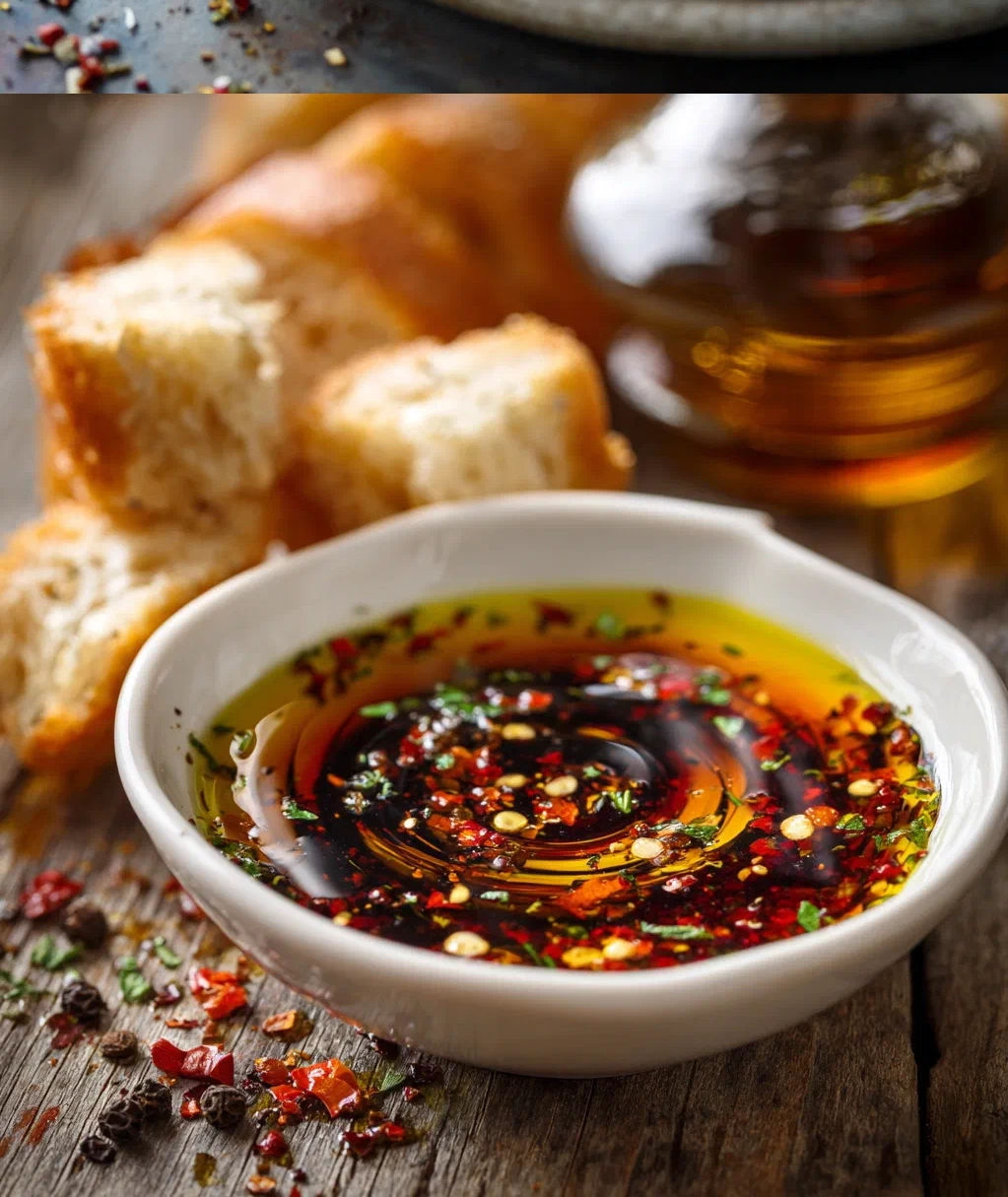
Okay, let’s talk about what actually goes into great bread dipping oil. Don’t worry—this isn’t one of those recipes where you need to hunt down obscure ingredients. You probably have most of this in your kitchen right now.
Here’s what you’ll need:
- Extra virgin olive oil: This is your base, so use the best you can afford. Look for something labeled “extra virgin”—it has more flavor than regular olive oil. I keep a nicer bottle just for bread dipping oil and salad dressings.
- Fresh garlic: 2-3 cloves, minced finely. Please, please use fresh garlic, not the powdered stuff. The difference is night and day.
- Dried herbs: Start with these basics—they’re shelf-stable and always ready:
- 1 teaspoon dried oregano
- 1 teaspoon dried basil
- 1/2 teaspoon dried thyme
- 1/2 teaspoon dried rosemary (crush it between your fingers to release the oils)
- Red pepper flakes: Just a pinch (about 1/4 teaspoon) adds a subtle warmth. Adjust to your taste—my husband likes it spicier, so I sometimes add a bit more.
- Salt: About 1/2 teaspoon of coarse sea salt or kosher salt. The coarse texture adds nice little bursts of flavor.
- Freshly ground black pepper: A few cracks from your pepper mill.
That’s it! Six ingredients, plus salt and pepper. You can absolutely add other things if you want—some people love a squeeze of lemon juice or grated Parmesan—but this basic combination is my go-to. It’s balanced, flavorful, and lets the quality of your olive oil shine through.
A quick safety note: Because we’re using fresh garlic in oil, it’s important to serve your bread dipping oil immediately or store it in the refrigerator. Don’t leave it sitting out at room temperature for more than a couple hours. Raw garlic in oil can create an environment where bacteria grows if it’s not properly handled.
How to Make Bread Dipping Oil in 5 Simple Steps
Ready to make magic happen? Here’s my foolproof method for perfect bread dipping oil every single time.
- Prepare your ingredients: Mince your garlic finely—you don’t want big chunks in your oil. Measure out your dried herbs into a small bowl. If you’re using fresh herbs instead, chop them roughly. Have your salt, pepper, and red pepper flakes ready too.
- Warm the oil gently: Pour about 1 cup of olive oil into a small saucepan. Heat it over very low heat for just 2-3 minutes. You’re not trying to cook it—just warm it enough to help release the flavors from your herbs. Test it with your finger; it should feel warm but not hot. If it starts smoking, it’s too hot!
- Combine everything: Remove the oil from heat and immediately stir in your minced garlic. Let it sit in the warm oil for a minute—this takes the raw edge off the garlic without cooking it. Then add all your dried herbs, salt, pepper, and red pepper flakes. Stir everything together well.
- Let it steep: This is the secret step! Cover your bowl or saucepan and let the mixture sit for at least 15-20 minutes. The warm oil will “bloom” the herbs, releasing their essential oils and flavors. The longer it sits, the more flavorful it gets. I sometimes make mine an hour ahead if I’m planning a dinner party.
- Serve and enjoy: Give it one final stir, then pour your bread dipping oil into a shallow dish or small bowl. Serve it alongside warm, crusty bread. I like to put the bowl in the center of the table so everyone can reach it easily.
A few pro tips from my kitchen to yours: If you’re using fresh herbs instead of dried, add them right before serving so they stay bright and green. Always taste and adjust the seasoning—you might want more salt or another pinch of red pepper. And don’t be shy about dipping! The best way to eat this is to tear off a piece of bread, swirl it in the oil so you get all those delicious herbs and garlic clinging to it, and take a big bite.
Creative Variations to Elevate Your Bread Dipping Oil
Once you’ve mastered the basic bread dipping oil recipe, the fun really begins. Here are some of my favorite twists to keep things interesting.
Lemon-Herb Bread Dipping Oil: Add the zest of one lemon to your basic recipe. Just the zest—not the juice, which can make the oil separate. The lemon adds a bright, fresh note that’s perfect with seafood or chicken dishes.
Sun-Dried Tomato and Basil: Chop 2-3 sun-dried tomatoes (the oil-packed ones work best) and add them to your oil along with fresh basil instead of dried. This version tastes like summer in a bowl.
Spicy Mediterranean Bread Dipping Oil: Add 1/2 teaspoon of smoked paprika along with your red pepper flakes. Sometimes I throw in a few chopped kalamata olives too. It’s bold and perfect with hearty whole-grain breads.
Cheesy Garlic Bread Dipping Oil: Stir in 2 tablespoons of freshly grated Parmesan or Pecorino Romano cheese right before serving. The cheese will melt slightly into the warm oil and create a creamy, savory dip. Just don’t add it during the steeping time or it might clump.
Herb Garden Fresh Bread Dipping Oil: In the summer when my herb garden is overflowing, I skip the dried herbs entirely. I use 2 tablespoons each of chopped fresh basil, parsley, and chives, plus a teaspoon of fresh thyme leaves. The flavor is vibrant and green—totally different from the dried version.
The beauty of bread dipping oil is how adaptable it is. See a herb in your fridge that needs using? Try it! Have some roasted garlic instead of fresh? Use it! The worst that can happen is you learn what you don’t like for next time.
My one rule: Always start with good quality olive oil. Everything else is flexible, but that foundation matters. A cheap, bitter olive oil will make even the best herbs taste off.
Serving Suggestions That Make Your Bread Dipping Oil Shine
You’ve made amazing bread dipping oil—now let’s talk about how to serve it so it really wows your guests.
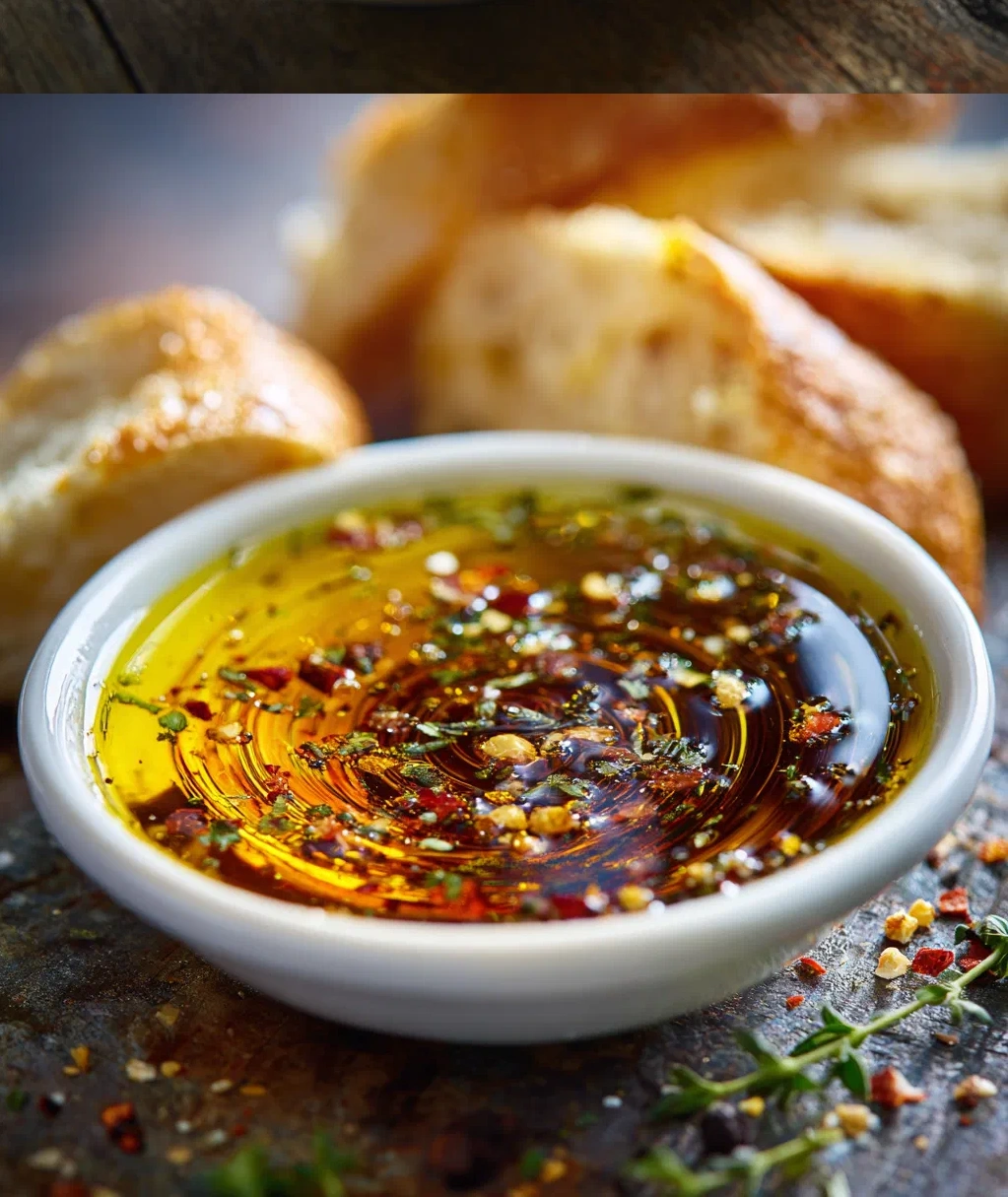
The Bread Matters: Don’t just grab any loaf. Look for bread with a sturdy, chewy crust and soft interior. A classic Italian or French baguette works perfectly. Slice it into thick pieces or tear it into chunks—tearing gives you more surface area for dipping. Warm it slightly in the oven (350°F for 5-7 minutes) before serving. The contrast of warm bread and herby oil is divine.
Presentation Tips: I like to use shallow, wide bowls rather than deep ones. This lets everyone easily dip their bread without fishing around. Pour the oil so it’s about 1/4 inch deep in the bowl. If you’ve added fresh herbs or sun-dried tomatoes, make sure they’re visible on top—it looks so inviting.
Perfect Pairings: Bread dipping oil isn’t just for before the meal! Serve it alongside:
- Pasta dishes—it’s fantastic with spaghetti aglio e olio or any tomato-based pasta
- Salads—dip your bread in the oil, then use it to scoop up the last bits of salad from your plate
- Soup—instead of buttered bread, use oil-dipped bread with your favorite soup
- Charcuterie boards—it adds a warm, homemade element to your cheese and meat spread
For Parties: When I’m hosting, I sometimes set up a bread dipping oil “bar.” I make two or three different variations (like the lemon-herb and spicy Mediterranean from earlier), label them with little cards, and let people try them all. It’s such an easy way to make guests feel special without much extra work.
Remember to put out a small spoon so people can stir the oil if the herbs settle. And have plenty of napkins nearby—this is delicious but can be messy in the best way.
Conclusion
I hope you’re as excited about making bread dipping oil as I am. It’s one of those simple kitchen skills that pays off again and again. Once you get the basic method down, you’ll find yourself making it for all sorts of occasions—or just because Wednesday night deserves something special too.
The real magic happens when you make it your own. Try different herb combinations based on what’s in season or what you’re craving. Add a little more garlic if that’s your thing. Use that fancy olive oil your friend brought back from Italy. This recipe is a starting point, not a strict rulebook.
My biggest piece of advice? Don’t save bread dipping oil just for company. Make a small batch this week, warm up some bread, and treat yourself. You deserve that little moment of restaurant luxury at home. Once you taste how good homemade can be, I promise you’ll never go back to the bottled stuff.
Now go grab that olive oil and get dipping! Your next great meal is waiting.
Frequently Asked Questions
Q: How long does homemade bread dipping oil last?
Because it contains fresh garlic, you should store any leftover bread dipping oil in an airtight container in the refrigerator. It will keep for 3-4 days. The olive oil may solidify slightly when chilled—just let it come to room temperature for 15-20 minutes before serving, then give it a good stir. I don't recommend freezing it, as the texture can change.
Q: Can I use dried herbs instead of fresh ones?
Absolutely! In fact, my basic recipe uses dried herbs because they're what most people have on hand. Dried herbs have a more concentrated flavor than fresh, so you use less—about one-third the amount you'd use if they were fresh. The warm oil helps "wake up" the dried herbs and release their oils. If you do use fresh herbs, add them right before serving for the brightest flavor and color.
Q: What's the best bread to serve with dipping oil?
You want bread with a good crust that can stand up to dipping without getting soggy. A crusty Italian or French baguette is perfect. Ciabatta, sourdough, or any artisan loaf with a chewy texture works great too. Slice it thick or tear it into chunks, and warm it slightly before serving—the contrast between warm bread and cool(ish) oil is wonderful. Avoid very soft breads like sandwich bread, as they tend to fall apart when dipped.
Q: Can I make bread dipping oil ahead of time for a party?
Yes, and I often do! You can prepare the oil mixture (without fresh herbs if using them) up to a day in advance. Store it covered in the refrigerator. About an hour before your guests arrive, take it out to come to room temperature. If you used fresh herbs in your steeping mixture, strain them out before refrigerating, then add fresh herbs right before serving. Give it a good stir and taste—you might want to add a pinch more salt before serving.
Q: Is there a substitute for red pepper flakes if I don't like spicy food?
Of course! Just leave them out entirely. The bread dipping oil will still be delicious without the heat. If you want a similar flavor without the spice, you could add a tiny pinch of smoked paprika instead—it adds depth without making it spicy. Or try adding a teaspoon of lemon zest for brightness. Remember, this is your bread dipping oil, so make it exactly how you and your family like it!
PrintHerb-Infused Bread Dipping Oil with Roasted Garlic
- Total Time: 60
- Yield: 4 servings 1x
Description
A simple yet impressive blend of quality olive oil infused with fresh herbs and roasted garlic, perfect for dipping crusty bread.
Ingredients
1/2 cup extra virgin olive oil
3 cloves garlic, roasted and minced
1 tablespoon fresh rosemary, finely chopped
1 tablespoon fresh thyme, finely chopped
1 teaspoon red pepper flakes
1 teaspoon dried oregano
1/2 teaspoon sea salt
1/4 teaspoon freshly ground black pepper
1 teaspoon lemon zest
Crusty bread for serving
Instructions
Step 1: Preheat oven to 400°F (200°C). Place unpeeled garlic cloves on a small baking sheet and roast for 15-20 minutes until soft and golden.
Step 2: Remove garlic from oven and let cool completely. Once cooled, peel and mince the roasted garlic.
Step 3: In a medium bowl, combine olive oil, minced roasted garlic, rosemary, thyme, red pepper flakes, oregano, salt, and black pepper.
Step 4: Whisk the mixture thoroughly until all ingredients are well combined.
Step 5: Add lemon zest and gently stir to incorporate.
Step 6: Let the oil mixture sit at room temperature for at least 30 minutes to allow flavors to meld.
Step 7: Serve in shallow bowls alongside warm, crusty bread for dipping.
- Prep Time: 10
- Cook Time: 20
- Category: Appetizer
Nutrition
- Calories: 220
- Fat: 24g
- Carbohydrates: 2g
- Protein: 0g
