
Buttery Brioche Bread: An Incredible, Fluffy Masterpiece You’ll Absolutely Love

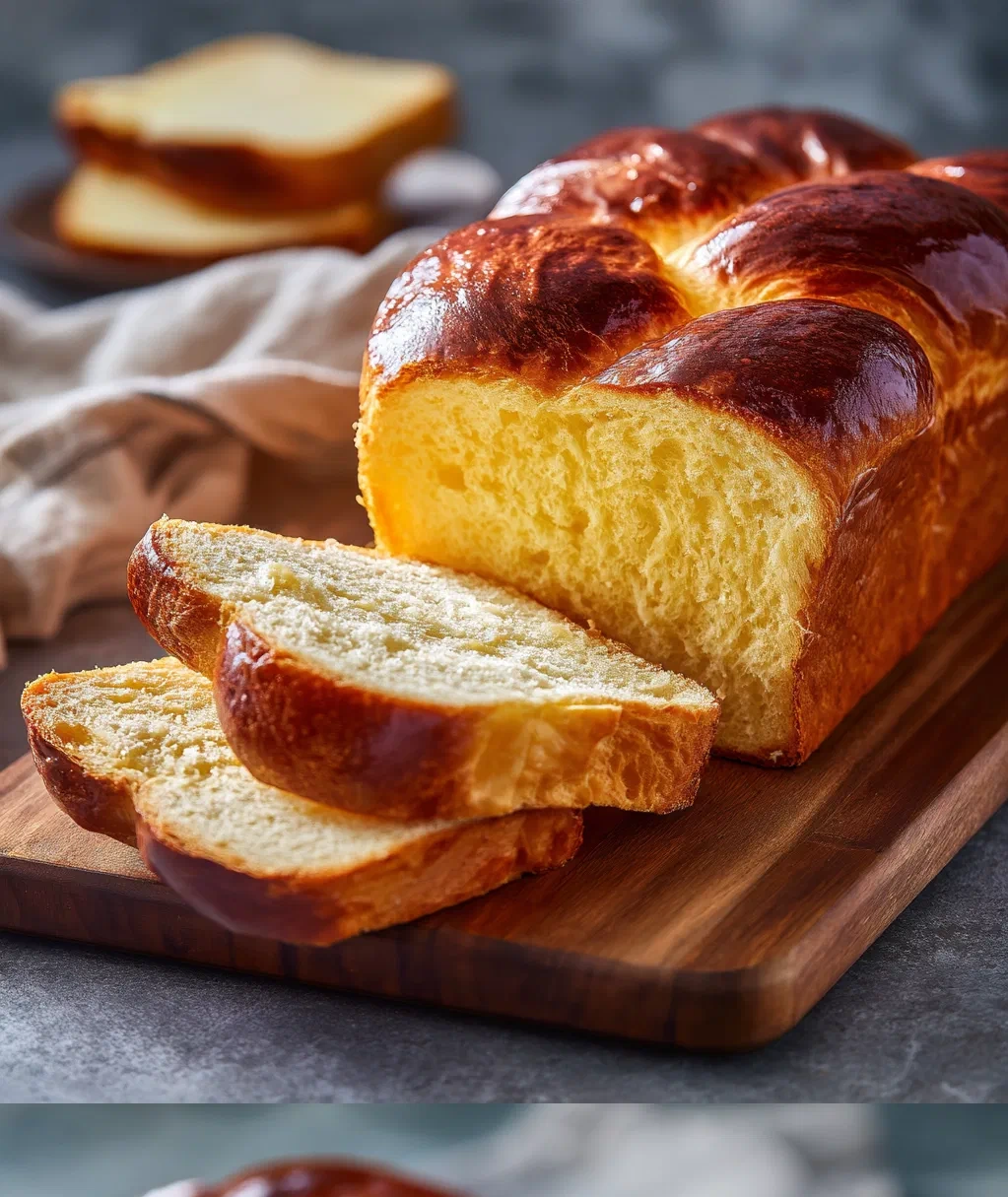
I have to tell you about this buttery brioche bread I made last weekend. Oh my goodness. You know when you bake something and the whole house smells like heaven? That was my kitchen. I’ve always been a bit nervous about yeast breads, honestly. They seem so fancy and complicated. But this buttery brioche bread is actually approachable. Really! It’s become my new weekend ritual. I make it on Saturday mornings while I have my first cup of coffee, and by lunchtime, we’re tearing into the warmest, richest bread you can imagine.
What makes this bread so special is the texture. It’s not like regular sandwich bread at all. It’s soft, almost cake-like inside, with this gorgeous golden-brown crust that shatters when you break it. And the flavor? Pure butter and eggs. It tastes luxurious without being fussy. If you’ve ever had French toast at a fancy brunch spot that made you go “wow,” this is that bread. And you can make it at home. I promise. I’m not a professional baker, just someone who loves good food and doesn’t mind getting my hands a little doughy.
The best part is how versatile this buttery brioche bread is. Yes, it’s amazing on its own, still warm from the oven with a smear of good butter. But it also makes the absolute best French toast, bread pudding, or even just toast for your morning eggs. It elevates everything. So grab your mixing bowl. Let’s bake something beautiful together.
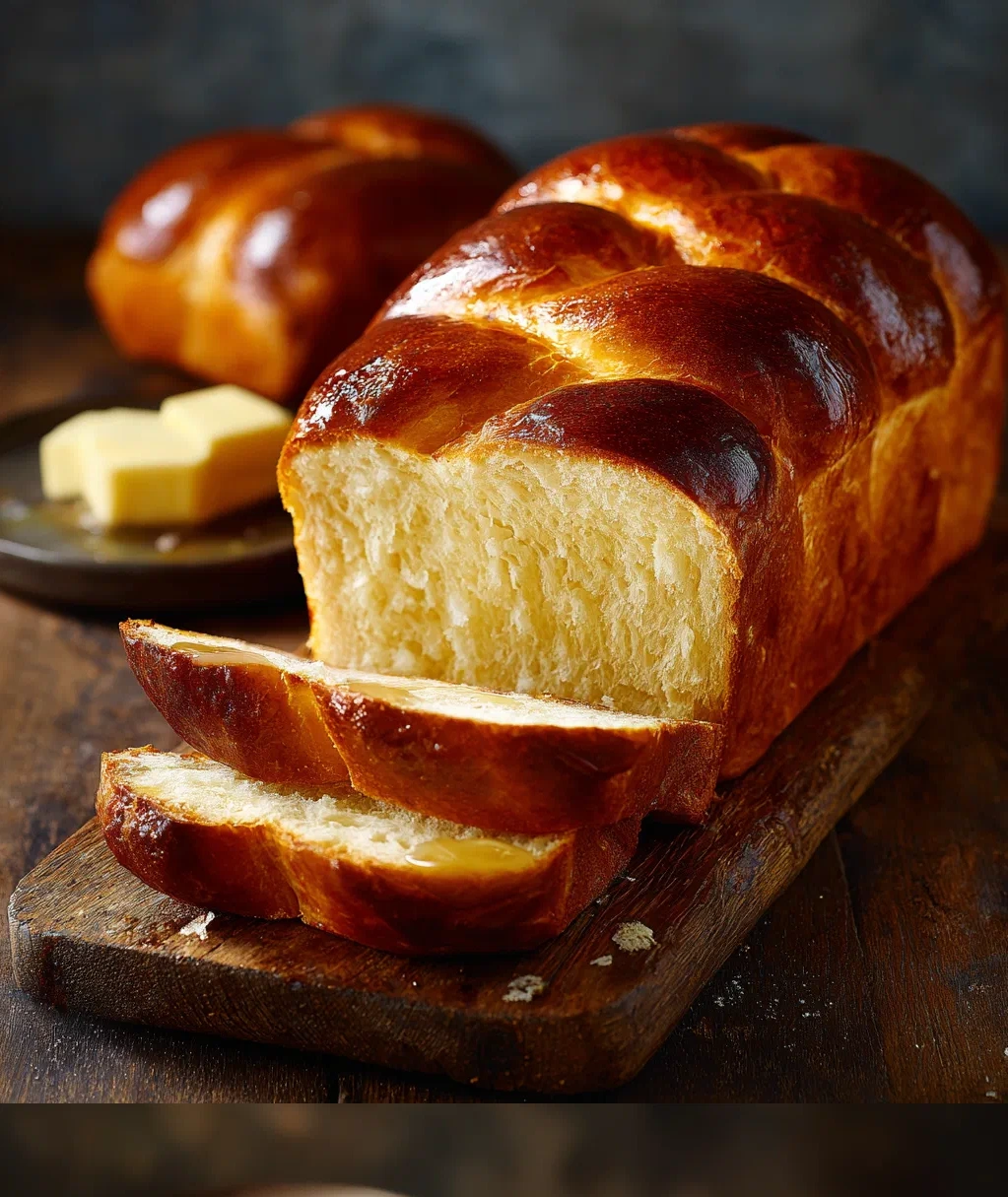
Why You'll Fall in Love with This Buttery Brioche Bread
Trust me, once you try homemade buttery brioche bread, you’ll never look at store-bought bread the same way. Here’s what makes it so special:
- Unbelievably soft texture: The high egg and butter content creates a tender, fluffy crumb that practically melts in your mouth.
- Rich, luxurious flavor: Every bite tastes like butter and eggs—it’s indulgent without being overly sweet.
- Versatile superstar: This bread works for everything from breakfast toast to fancy dinner rolls to decadent desserts.
- Impressive yet approachable: It looks and tastes like something from a bakery, but the process is straightforward enough for home bakers.
- Makes your kitchen smell amazing: That warm, yeasty, buttery aroma while it bakes is pure comfort.
My favorite part is that moment when you pull it from the oven. The crust is golden and shiny, and when you tap it, it sounds hollow—that’s how you know it’s perfect. It’s such a satisfying feeling. And the first slice? Heaven. The inside is so soft and yellow from all those eggs. It’s like sunshine in bread form. Don’t be intimidated by the butter content either. That’s what gives it that signature richness and keeps it moist for days. Well, if it lasts that long in your house!
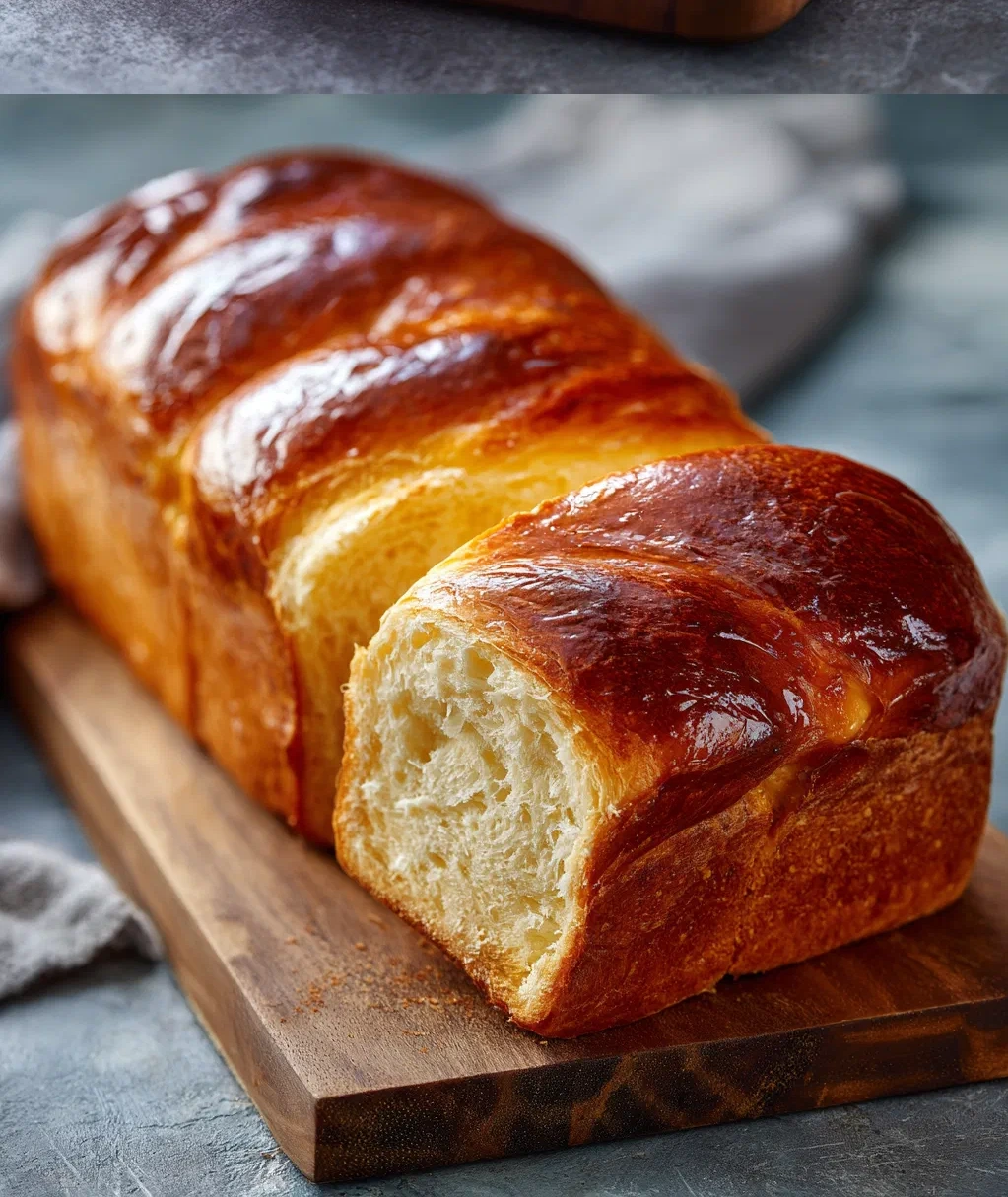
What You Need for Perfect Buttery Brioche Bread
Gathering your ingredients is the first step to success. Here’s everything you’ll need for one beautiful loaf. I recommend using room temperature ingredients—it helps everything come together smoothly.
- 4 cups all-purpose flour (plus extra for dusting)
- 1/3 cup granulated sugar
- 2 1/4 teaspoons active dry yeast (that’s one standard packet)
- 1 teaspoon salt
- 4 large eggs (room temperature)
- 1/2 cup whole milk (warmed to about 110°F—warm to the touch but not hot)
- 1 cup unsalted butter (2 sticks, softened at room temperature, cut into tablespoons)
- 1 egg yolk mixed with 1 tablespoon water (for the egg wash before baking)
A quick note about the butter: Use real, good-quality butter. It’s the star here. I like to take mine out of the fridge about an hour before I start baking. You want it soft enough to blend easily but not melted. And for the milk, test it on your wrist like you would for a baby’s bottle. If it feels warm but not hot, you’re good. Too hot can kill the yeast, and we need those little guys active and bubbly! You’ll also need a stand mixer with a dough hook attachment (it makes the kneading so much easier), a large bowl, and a 9×5-inch loaf pan. Grease that pan well with butter or baking spray. This dough is rich and sticky, so a little extra greasing never hurts.
How to Make Your Own Buttery Brioche Bread: Step-by-Step
Ready? Let’s make some magic. This process takes time, mostly waiting for the dough to rise, but the active work is totally manageable. Set aside about 4 hours from start to finish, with lots of breaks in between. Perfect for a lazy weekend morning.
- Activate the yeast: In the bowl of your stand mixer, combine the warm milk, sugar, and yeast. Let it sit for 5-10 minutes until it gets foamy and bubbly. This tells you the yeast is alive and ready to work. If it doesn’t foam, your milk might have been too hot or your yeast is old—start over with fresh yeast.
- Mix the dough: Add the flour and salt to the yeast mixture. Mix on low speed with the dough hook just until combined. Then add the 4 eggs, one at a time, mixing well after each addition. The dough will be sticky and shaggy at this point. That’s normal!
- Knead in the butter: This is the key step. With the mixer on medium-low speed, add the softened butter, one tablespoon at a time, waiting until each piece is fully incorporated before adding the next. This takes patience—about 10-15 minutes total. The dough will transform from a sticky mess to a smooth, elastic, glossy ball that pulls away from the sides of the bowl. It’s incredibly satisfying to watch.
- First rise: Transfer the dough to a lightly greased bowl, cover with plastic wrap or a damp kitchen towel, and let it rise in a warm, draft-free spot for 1 1/2 to 2 hours, until it doubles in size. I like to put mine in the oven with just the light on—it creates the perfect cozy environment.
- Shape and second rise: Punch down the risen dough gently. Turn it out onto a lightly floured surface and shape it into a loaf that fits your greased 9×5-inch pan. Place it in the pan, seam side down. Cover and let it rise again for about 1 hour, until it puffs up just above the rim of the pan.
- Bake to golden perfection: Preheat your oven to 350°F. Brush the top of the loaf with the egg wash—this gives it that beautiful shiny crust. Bake for 30-35 minutes, until the top is deep golden brown and the loaf sounds hollow when tapped on the bottom. If it’s browning too quickly, tent it loosely with aluminum foil. Let it cool in the pan for 10 minutes, then transfer to a wire rack to cool completely. I know it’s hard to wait, but slicing it too soon can make it gummy!
My Favorite Ways to Serve This Divine Bread
Okay, the hard part is over. Now for the fun: eating! This buttery brioche bread is amazing in so many ways. Here are my go-to serving ideas:
- Simply with butter: Slice it thick, toast it lightly if you like, and spread with good salted butter. The warmth melts the butter into every pore of the bread. It’s perfection.
- French toast extravaganza: This is hands-down the best French toast bread. Soak thick slices in a custard of eggs, milk, vanilla, and cinnamon, then cook in butter until golden. Top with maple syrup and berries.
- Bread pudding: Stale brioche makes incredible bread pudding. Cube it, mix with a custard, add raisins or chocolate chips, and bake until set. Comfort food at its finest.
- Sandwiches: Use it for grilled cheese (the butter in the bread makes it extra crispy) or even a fancy chicken salad sandwich. It holds up well without getting soggy.
- As dinner rolls: You can shape the dough into individual rolls instead of a loaf. Bake for 20-25 minutes and serve warm with dinner. Your guests will be impressed.
My personal favorite? Day-old slices, toasted until just crisp on the edges, with a drizzle of honey and a sprinkle of flaky sea salt. It’s sweet, salty, buttery, and completely addictive. This bread also freezes beautifully. Wrap the cooled loaf tightly in plastic wrap and then aluminum foil, and freeze for up to 3 months. Thaw at room temperature or pop slices straight into the toaster. Having buttery brioche bread on hand feels like a secret weapon for making any meal feel special.
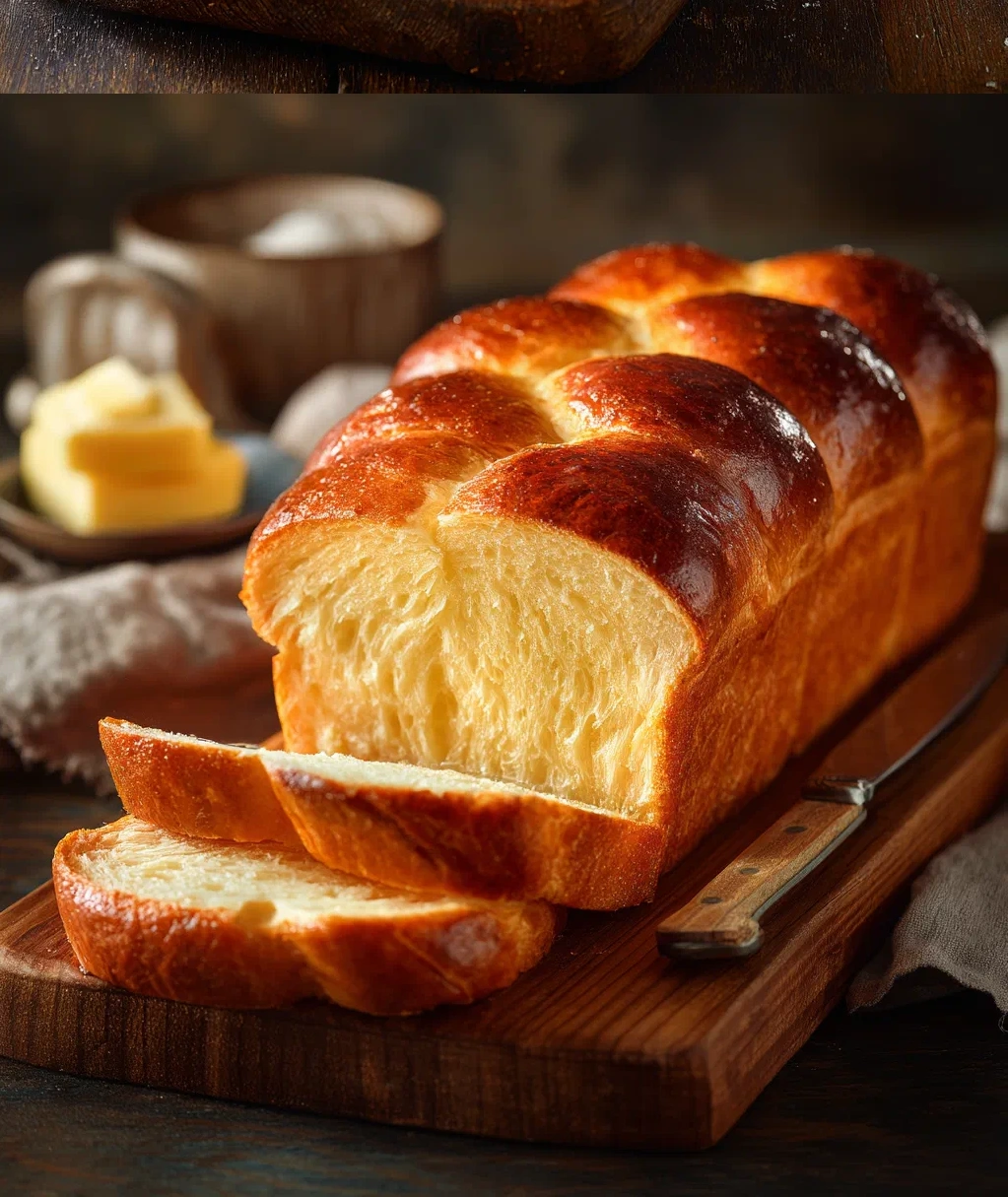
Troubleshooting Your Buttery Brioche Bread
Even with the best instructions, sometimes things don’t go exactly as planned. Don’t worry—I’ve been there! Here are common issues and how to fix them:
- Dough didn’t rise: First, check your yeast expiration date. If it’s old, it won’t work. Also, make sure your milk wasn’t too hot (over 115°F can kill yeast) or too cold (under 100°F won’t activate it properly). The rising spot should be warm—about 75-80°F. If your kitchen is cold, try the oven with just the light on trick.
- Dough is too sticky: Brioche dough is naturally stickier than regular bread dough because of all the butter and eggs. Resist the urge to add too much extra flour during kneading—it can make the bread dense. Instead, lightly flour your hands and work surface, and trust that the mixer will develop the gluten properly.
- Bread is dense or gummy: This usually happens if you slice it while it’s still warm. Let it cool completely on a wire rack—at least 2 hours. The internal steam needs to escape, or you’ll get a gummy texture. Also, make sure you baked it long enough. If it’s underbaked, the center can be doughy.
- Butter leaked out while baking: This means your butter wasn’t fully incorporated during kneading, or the dough got too warm. Make sure each tablespoon of butter is completely mixed in before adding the next, and keep the dough at room temperature during rises—not in an overly hot place.
- Crust is too dark or pale: Ovens vary. If it’s browning too quickly, tent it with foil halfway through baking. If it’s pale, bake a few minutes longer until golden. An instant-read thermometer inserted into the center should read 190°F when it’s done.
Remember, baking is part science, part art. Your first loaf might not be perfect, and that’s okay! Mine certainly wasn’t. Each time you make it, you’ll learn a little more. The important thing is that it will still taste delicious. Even a “mistake” is buttery, eggy goodness.
Conclusion
So there you have it—my love letter to buttery brioche bread. From that first foamy yeast mixture to the final golden loaf coming out of the oven, every step feels like a little celebration. It’s a project, yes, but one that fills your home with the most incredible smells and ends with something truly special on your table.
I hope you give it a try this weekend. Don’t let the time commitment scare you. Most of it is hands-off rising time, perfect for catching up on a book or doing a little cleaning. And the reward? A loaf of bread that feels like a hug. It’s rich, soft, and just decadent enough to make any day feel a bit more festive.
Once you master the basic loaf, the possibilities open up. Try adding orange zest to the dough for a citrusy twist, or chocolate chips for a sweet treat. Shape it into braids or rolls for the holidays. This recipe is a foundation you can build on for years to come. Share a slice with a neighbor, use it for the best French toast of your life, or simply enjoy it quietly with a cup of tea. However you eat it, I know you’ll love it as much as I do. Happy baking!
Frequently Asked Questions
Q: Can I make buttery brioche bread without a stand mixer?
Yes, absolutely! It just takes more elbow grease. Mix the ingredients in a large bowl with a wooden spoon until a shaggy dough forms, then turn it out onto a floured surface. Knead by hand for 15-20 minutes, adding the softened butter a tablespoon at a time as you knead. It will be messy and sticky at first, but keep going—it will eventually become smooth and elastic. Your arms will get a workout, but the result is just as delicious.
Q: How long does homemade brioche bread stay fresh?
Properly stored at room temperature in an airtight container or tightly wrapped in plastic wrap, your buttery brioche bread will stay fresh for about 3-4 days. The high butter content helps keep it moist. If it starts to stale, don't throw it out! Stale brioche is perfect for French toast, bread pudding, or making breadcrumbs. For longer storage, freeze the cooled loaf whole or in slices for up to 3 months.
Q: Can I use salted butter instead of unsalted?
You can, but I recommend sticking with unsalted butter. Brioche already has salt in the recipe, and using salted butter can make it too salty. Plus, unsalted butter lets you control the seasoning perfectly. If you only have salted butter on hand, reduce the added salt in the recipe to about 1/2 teaspoon. Taste the dough (it's safe since it's pre-yeast) and adjust if needed.
Q: Why is my brioche bread so yellow inside?
That beautiful yellow color is completely normal and actually a sign of a good brioche! It comes from the high egg content—four whole eggs plus an egg yolk in the wash. The yolks contain natural pigments that give the crumb that rich, sunny hue. If your bread is pale, you might not have used enough eggs or they might have been small. Large eggs are best for consistent results.
Q: Can I make this recipe into brioche buns instead of a loaf?
Definitely! Divide the dough into 8-12 equal pieces after the first rise, shape them into smooth balls, and place them on a parchment-lined baking sheet about 2 inches apart. Let them rise for about an hour, brush with egg wash, and bake at 375°F for 15-20 minutes until golden. They make fantastic burger buns or dinner rolls. Just adjust the baking time since smaller pieces cook faster.
PrintClassic Buttery Brioche Loaf
- Total Time: 195
- Yield: 1 loaf (12 slices) 1x
Description
A rich, tender brioche bread with a golden crust and soft, buttery interior, perfect for breakfast or sandwiches.
Ingredients
500g bread flour
7g active dry yeast
50g granulated sugar
1 tsp salt
4 large eggs, room temperature
125ml whole milk, lukewarm
225g unsalted butter, softened and cubed
1 egg yolk mixed with 1 tbsp milk (for egg wash)
Instructions
Step 1: In a large bowl, combine flour, yeast, sugar, and salt.
Step 2: Add eggs and lukewarm milk, then mix until a shaggy dough forms.
Step 3: Knead the dough on a floured surface for 10 minutes until smooth and elastic.
Step 4: Gradually incorporate the softened butter, kneading for another 10 minutes until fully combined and the dough is shiny.
Step 5: Place dough in a greased bowl, cover with plastic wrap, and let rise in a warm place for 1-2 hours until doubled in size.
Step 6: Punch down the dough, shape into a loaf, and place in a greased 9×5-inch loaf pan.
Step 7: Cover and let rise again for 1 hour until the dough reaches the top of the pan.
Step 8: Preheat oven to 190°C (375°F). Brush the loaf with egg wash.
Step 9: Bake for 30-35 minutes until golden brown and an internal temperature reaches 88°C (190°F).
Step 10: Cool in the pan for 10 minutes, then transfer to a wire rack to cool completely.
- Prep Time: 30
- Cook Time: 35
- Category: Bread
Nutrition
- Calories: 280
- Fat: 15g
- Carbohydrates: 30g
- Protein: 6g
