
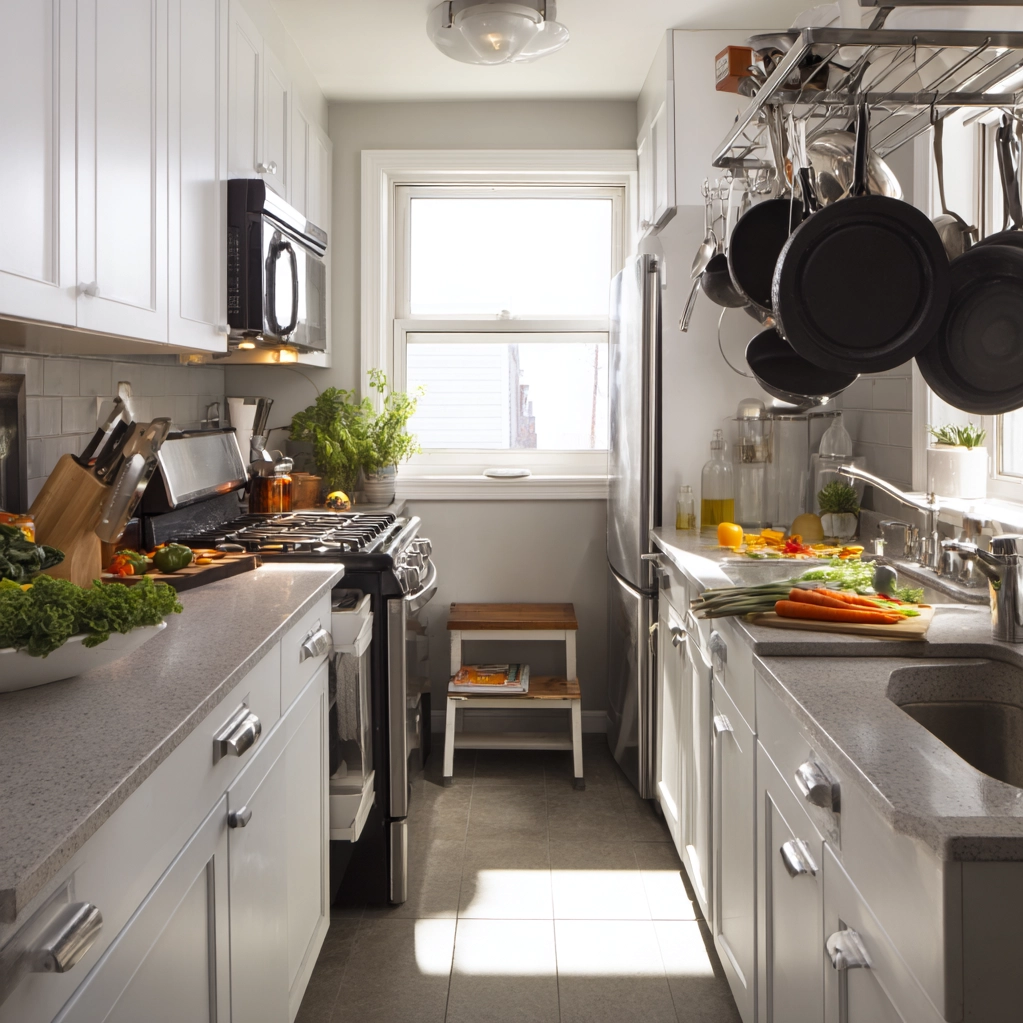
Deep Dive Into Kitchen Ergonomics and Layout Planning: 3 Essential Strategies for a Professional, Effortless Cooking Experience


Imagine moving through your kitchen with the graceful efficiency of a professional chef—everything within easy reach, no wasted steps, and a flow that makes cooking feel like a joy rather than a chore. This isn’t just a dream for luxury homes or restaurant kitchens; it’s an achievable reality through proper kitchen ergonomics and layout planning. A well-designed kitchen isn’t just about beautiful countertops or stylish appliances; it’s about creating a space that works with your body, reducing strain and maximizing functionality.
Kitchen ergonomics focuses on designing spaces that fit human movement and capabilities, preventing common issues like back pain, fatigue, and inefficient workflow. Meanwhile, layout planning ensures that every element—from appliances to storage—is positioned logically to support your cooking habits. Whether you're renovating your existing kitchen or starting from scratch, understanding these principles can transform your daily routine. In this guide, we'll explore how to apply professional strategies to create a kitchen that's not only aesthetically pleasing but also incredibly practical and comfortable to use every day.
Deep Dive Into Kitchen Ergonomics: The Foundation of a Functional Space
Kitchen ergonomics is all about designing your kitchen to minimize physical strain and maximize efficiency during cooking and cleaning tasks. It involves considering the relationship between your body and the kitchen elements you interact with most frequently. The key principle is the "work triangle," which connects the three main work zones: the sink, stove, and refrigerator. An ergonomic kitchen ensures that the distances between these points are balanced—typically 4 to 9 feet each—to reduce unnecessary movement.
Proper counter heights are crucial for ergonomic comfort. Standard countertops are usually 36 inches high, but this may not be ideal for everyone. For instance, taller individuals might benefit from raised counters to avoid bending, while shorter users might prefer lower surfaces. Adjustable countertops or varied heights for different tasks, like a lower section for kneading dough, can enhance comfort. Similarly, cabinet and shelf placement should allow easy access without excessive stretching or bending.
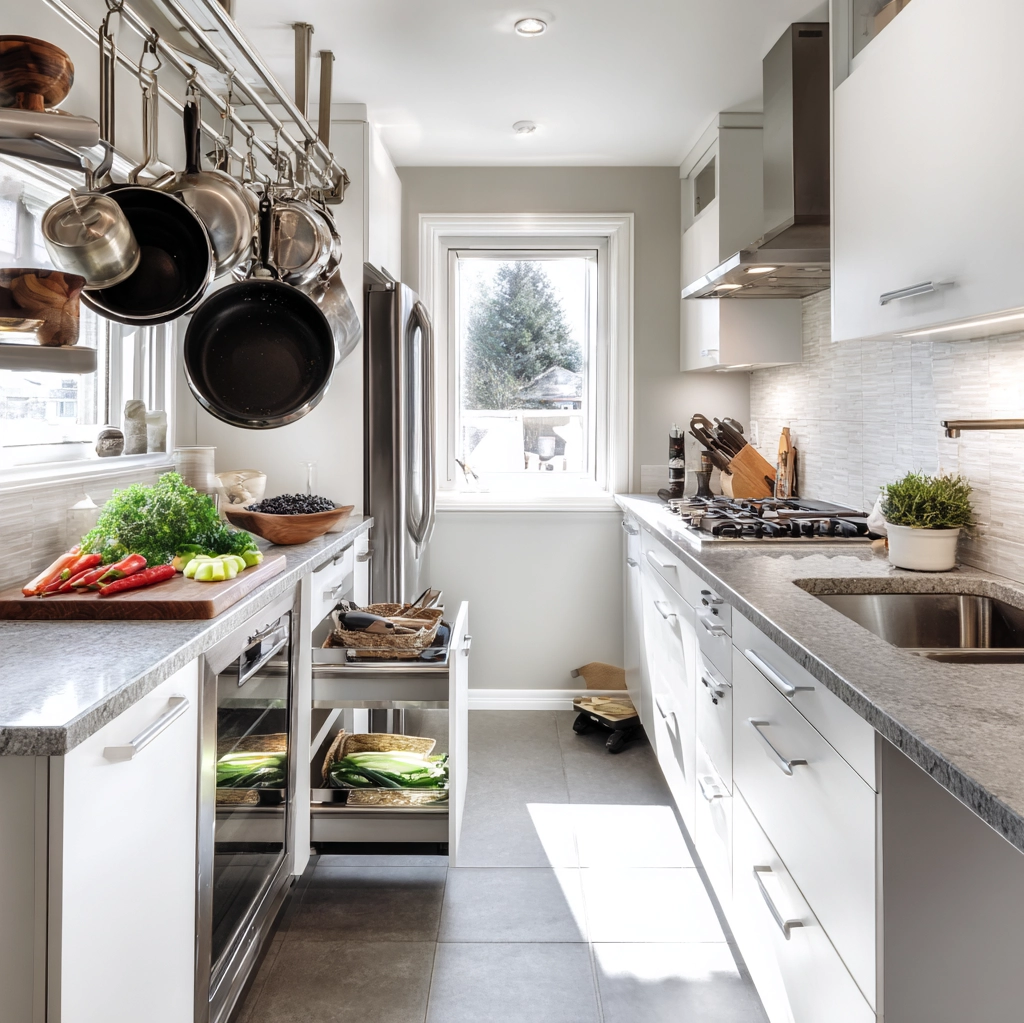
Storage solutions play a significant role in kitchen ergonomics. Frequently used items should be stored between knee and shoulder height to minimize strain. Deep cabinets can be fitted with pull-out shelves or lazy Susans to make items at the back accessible. Additionally, consider the weight of items; heavier pots and pans should be stored in lower cabinets or on sturdy racks to prevent lifting injuries. By prioritizing ergonomics, you create a kitchen that supports your body, reduces fatigue, and makes everyday tasks smoother and more enjoyable.
Layout Planning: 3 Core Kitchen Designs for Optimal Flow
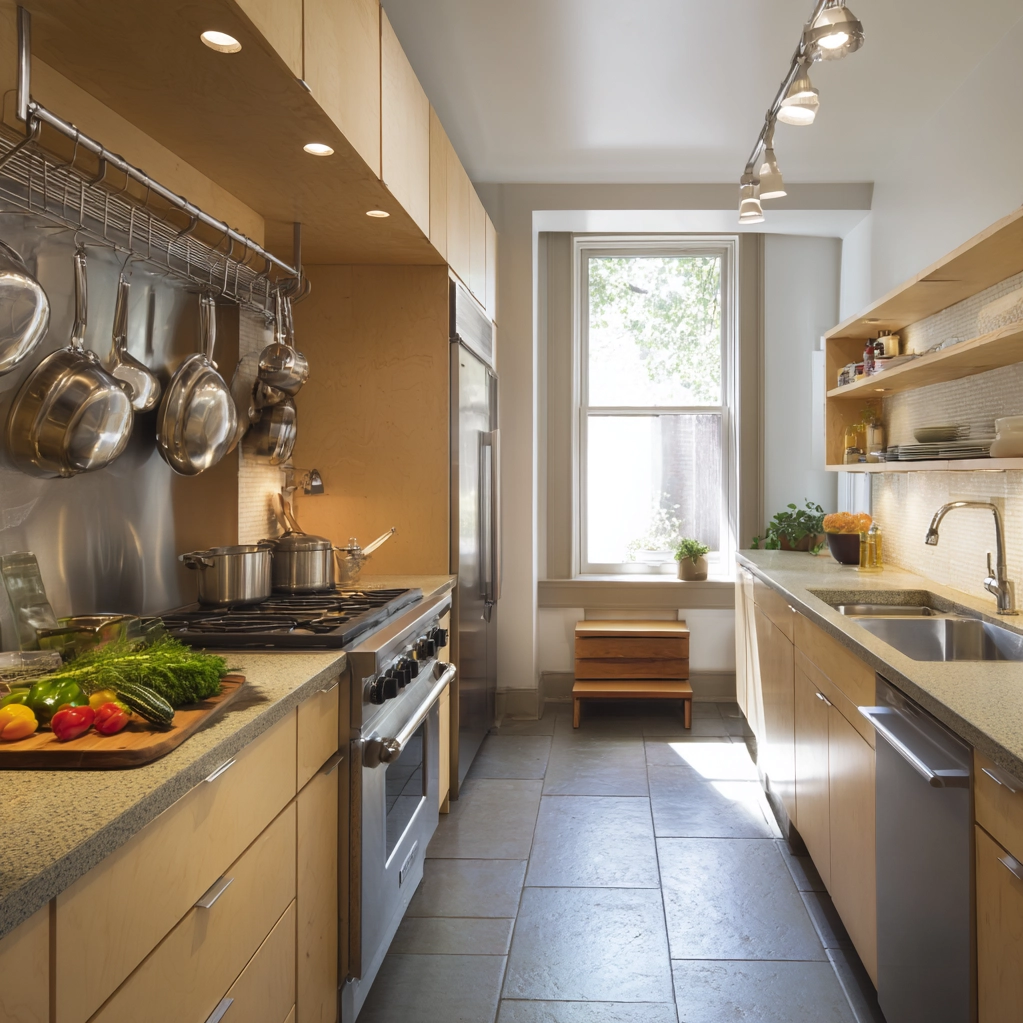
When planning your kitchen layout, choosing the right design is essential for creating an efficient workflow. The three most common layouts—galley, L-shaped, and U-shaped—each offer unique advantages depending on your space and needs. A galley kitchen features two parallel countertops, creating a compact and highly efficient work area ideal for small spaces or single cooks. This layout minimizes walking distance and keeps everything within easy reach, but it can feel narrow if not well-designed with adequate aisle width (at least 42 inches).
An L-shaped kitchen uses two adjacent walls to form an L shape, providing more open floor space and flexibility. This layout is excellent for medium-sized kitchens and allows for the incorporation of a dining area or island. It supports multiple cooks and offers a natural workflow from one zone to another. However, careful placement of appliances is needed to maintain an efficient work triangle without creating dead corners in the cabinetry.
A U-shaped kitchen surrounds the cook on three sides, offering ample counter space and storage. This layout is highly efficient for larger kitchens, as it keeps all work zones close together and provides plenty of room for meal preparation. It's ideal for families or avid cooks who need multiple workstations. To avoid a cramped feeling, ensure the open end of the U is wide enough for comfortable movement. Whichever layout you choose, consider your cooking habits, the number of users, and the overall space to create a plan that enhances both functionality and aesthetics.
Professional Guide to Implementing Ergonomic Principles in Your Kitchen
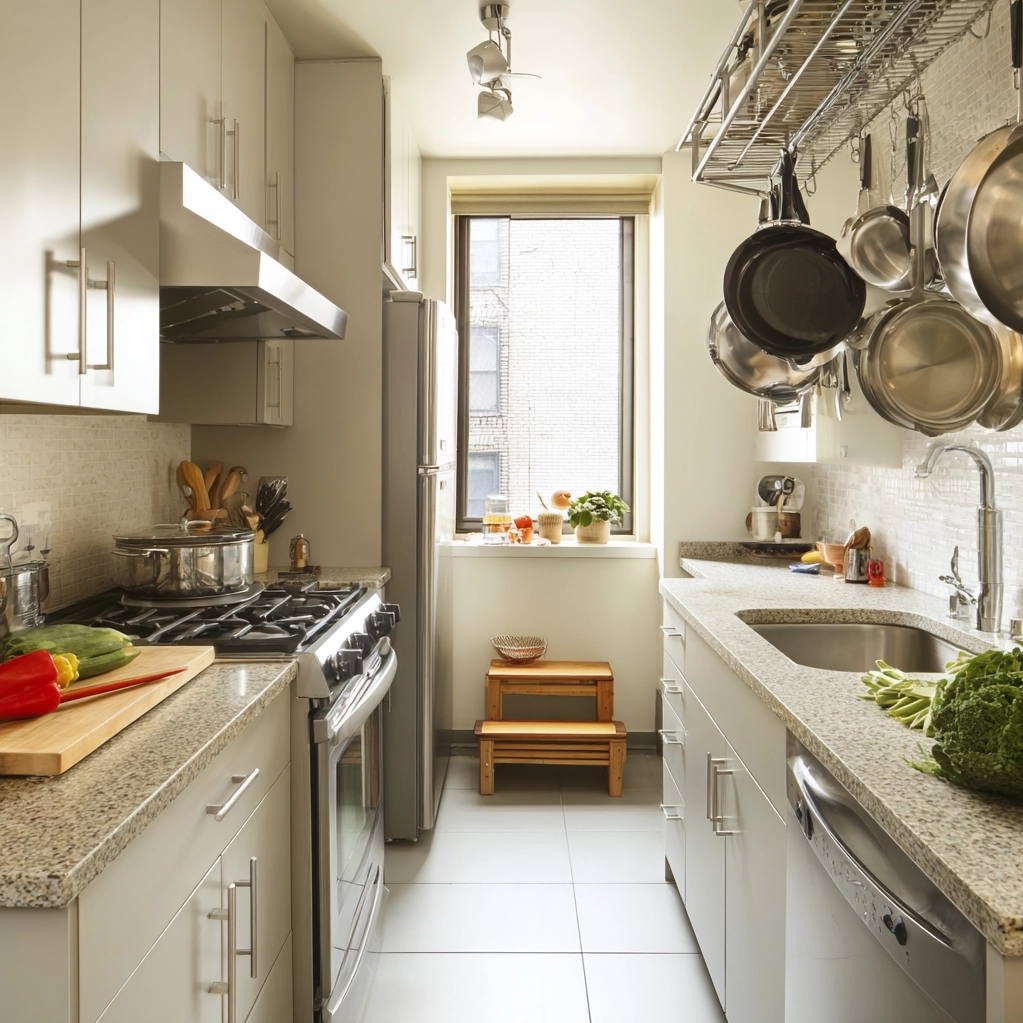
Implementing ergonomic principles in your kitchen involves more than just following layout trends; it requires a thoughtful approach tailored to your specific needs. Start by assessing your current kitchen usage. Observe how you move during cooking—where do you frequently reach, bend, or walk? Identify pain points, such as high shelves that require a step stool or lower cabinets that cause back strain. This self-assessment will guide your design decisions.
Focus on adjustable features to accommodate different users and tasks. Consider installing pull-down shelves for upper cabinets, which bring items within easy reach without stretching. Drawer organizers can keep utensils and cutlery neatly arranged and accessible. For sinks and stoves, opt for models with ergonomic designs, such as deep basins or controls placed at the front to reduce leaning. Lighting is also crucial; ensure task lighting under cabinets illuminates countertops clearly to prevent eye strain.
Don't overlook small details that make a big difference. Soft-close hinges on cabinets and drawers reduce noise and prevent slamming, while rounded countertop edges minimize the risk of bumps and injuries. Choose flooring materials that provide cushioning, like cork or rubber, to reduce fatigue from standing. By integrating these professional ergonomic strategies, you'll create a kitchen that not only looks great but also feels comfortable and efficient, turning meal preparation into a seamless and pleasant experience every day.
Conclusion
In conclusion, a deep dive into kitchen ergonomics and layout planning reveals that a well-designed kitchen is much more than a collection of appliances and cabinets—it's a thoughtfully crafted space that enhances your daily life. By understanding ergonomic principles, you can reduce physical strain and increase efficiency, making cooking and cleaning tasks more enjoyable. The three core layout designs—galley, L-shaped, and U-shaped—offer flexible options to suit any space, ensuring optimal flow and functionality.
As you embark on your kitchen design journey, remember that small adjustments can lead to significant improvements. Whether it's adjusting counter heights, optimizing storage, or choosing the right layout, each decision contributes to a more comfortable and practical environment. Looking ahead, consider how emerging trends, like smart technology and sustainable materials, can further enhance your kitchen's ergonomics. For example, voice-activated appliances or sensor-controlled faucets can minimize physical effort.
Take actionable steps today by evaluating your current kitchen and identifying areas for improvement. Even if a full renovation isn't possible, simple changes like reorganizing cabinets or adding ergonomic accessories can make a noticeable difference. By prioritizing both aesthetics and functionality, you'll create a kitchen that not only meets your needs but also inspires you to cook and gather with loved ones, turning everyday moments into cherished memories.
Frequently Asked Questions
Q: What is the most important factor in kitchen ergonomics?
The most important factor in kitchen ergonomics is ensuring that all work zones—specifically the sink, stove, and refrigerator—are positioned to form an efficient work triangle. This minimizes unnecessary movement and reduces physical strain during cooking. Additionally, proper counter heights and accessible storage for frequently used items are crucial to prevent bending, stretching, or lifting injuries, making the kitchen comfortable and safe for daily use.
Q: How can I improve ergonomics in a small kitchen without a full renovation?
You can improve ergonomics in a small kitchen without a full renovation by making simple adjustments. Start by reorganizing storage: place everyday items between knee and shoulder height to avoid excessive stretching or bending. Use pull-out shelves or drawer organizers to maximize accessibility. Consider adding under-cabinet lighting to reduce eye strain and ensure countertops are well-lit. Small changes like adjusting the placement of appliances or adding ergonomic tools, such as a faucet with a pull-down sprayer, can also enhance comfort and efficiency significantly.
Q: Which kitchen layout is best for families with multiple cooks?
For families with multiple cooks, an L-shaped or U-shaped kitchen layout is often best. An L-shaped kitchen provides open floor space and flexibility, allowing multiple people to work without crowding, especially if paired with an island. A U-shaped kitchen offers even more counter space and storage, surrounding the cook on three sides for efficient workflow. Both layouts support the work triangle and can accommodate additional features like double sinks or multiple workstations, making them ideal for collaborative cooking and busy households.


